Attractions and Places To See around Almagro - Top 20
Best attractions and places to see around Almagro include a rich blend of historic landmarks, cultural sites, and natural features within the province of Ciudad Real, Spain. The town is centered around its iconic Plaza Mayor and the historic Corral de Comedias, a 17th-century open-air theatre. The surrounding region offers diverse landscapes, from saline lagoons to significant wetlands. This area provides a variety of experiences for visitors.
Best attractions and places to see around Almagro
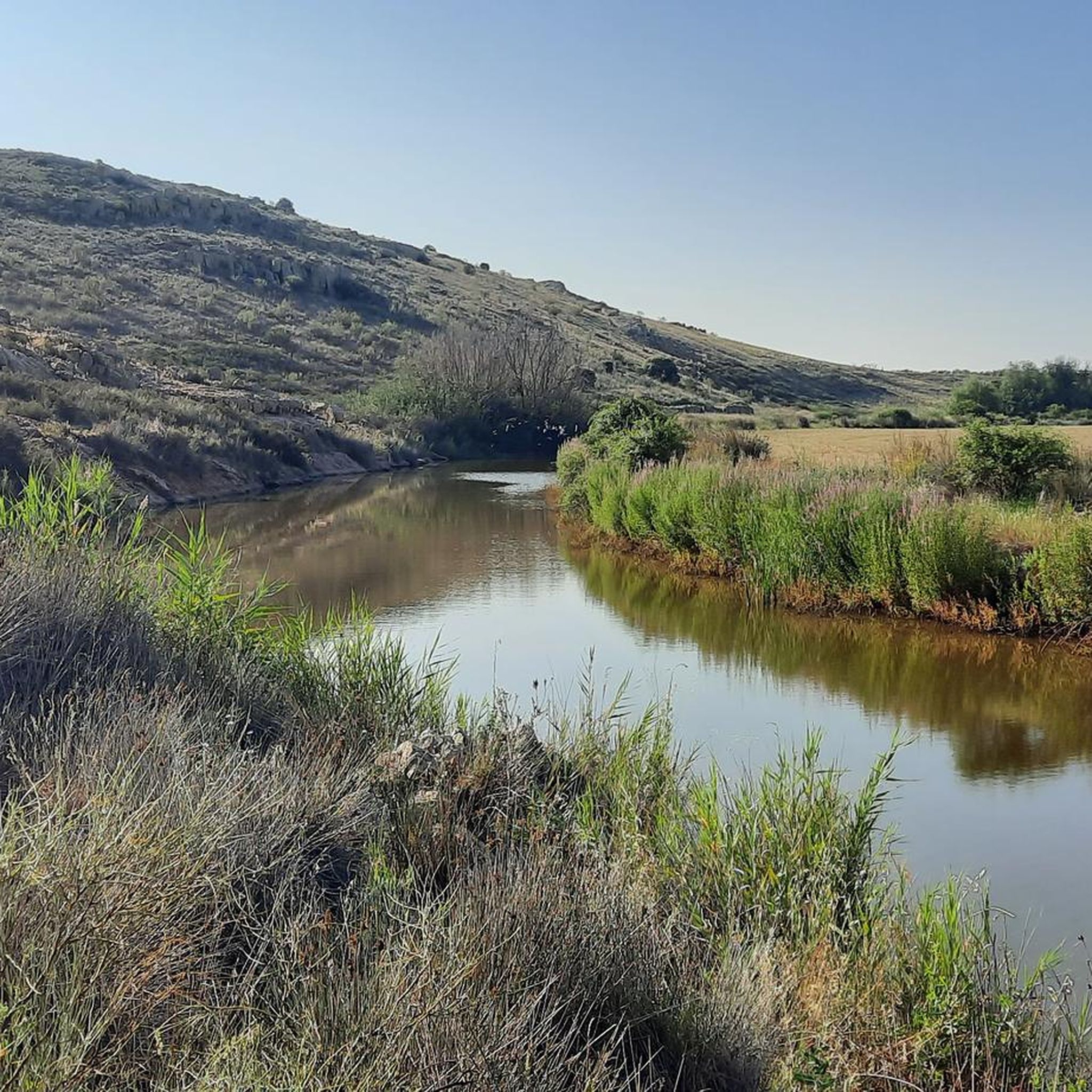
- The most popular attractions is Laguna del Prado, a lake that is a saline volcanic lagoon with seasonal waters. It is known for its unique ecosystem, including sulphated-magnesium-sodic chloride waters, and attracts various bird species like flamingos during flooded periods.
- Another must-see spot is Hermitage of San Antón (Carrión), a religious building located next to a 19th-century cemetery. This site marks the beginning of a greenway that leads to the Sanctuary of Nuestra Señora de la Encarnación and the Castle of Calatrava la Vieja.
- Visitors also love Gasset Park (Ciudad Real), an urban park with a variety of sculptures and historical monuments. Construction began in 1917, and it has undergone several renovations, making it a central green space in Ciudad Real.
- Almagro is known for its religious buildings, historical sites, and natural features. Visitors can explore a variety of attractions, from ancient churches and convents to unique lagoons and parks.
- The attractions around Almagro are appreciated by the komoot community, with 22 upvotes and 29 photos shared by visitors.
Last updated: July 7, 2026
Laguna del Prado
Highlight • Lake
Its origin is pseudokarstic, since it was caused by a phreatomagmatic explosion at a fracture junction located in a sedimentary basin. This has favored surface ponding like this semi-arid lagoon, with sulphated-magnesium-sodic chloride waters. Due to its salinity, the vegetation is relegated to the margins, mainly salt marshes and halonitrophilous plants. The contribution of rainwater from the town has altered that salinity, allowing the appearance of reeds, castanets and even white poplars.
During periods when it is flooded, you can see black-headed gulls, black-headed gulls, avocets, stilts and plovers, as well as pink flamingos.
Translated by Google •
Tip by

Hermitage of San Antón (Carrión)
Highlight • Religious Site
Translated by Google •
Tip by

Sign up now to discover places like this
Get recommendations on the best single tracks, peaks, & plenty of other exciting outdoor places.
Sign up for free
Gasset Park (Ciudad Real)
Highlight • Natural
extensions in the years 1933, 1960, 1985 and 2000. It is practically
in the center of the city, although in the south of it.
Translated by Google •
Tip by
Hermitage of San Pedro (Almagro)
Highlight • Religious Site
Translated by Google •
Tip by
Church of San Juan Bautista
Highlight • Religious Site
Of the interior it is necessary to emphasize the half orange dome on pendentives that finish off the transept. The structure is supported by four stone columns, two of them uncovered and two plastered.
Translated by Google •
Tip by
Sign up for free to discover even more attractions around Almagro.
Sign up for free
Already have an account?
Start today with a free account
Your next adventure awaits.
Login or Signup
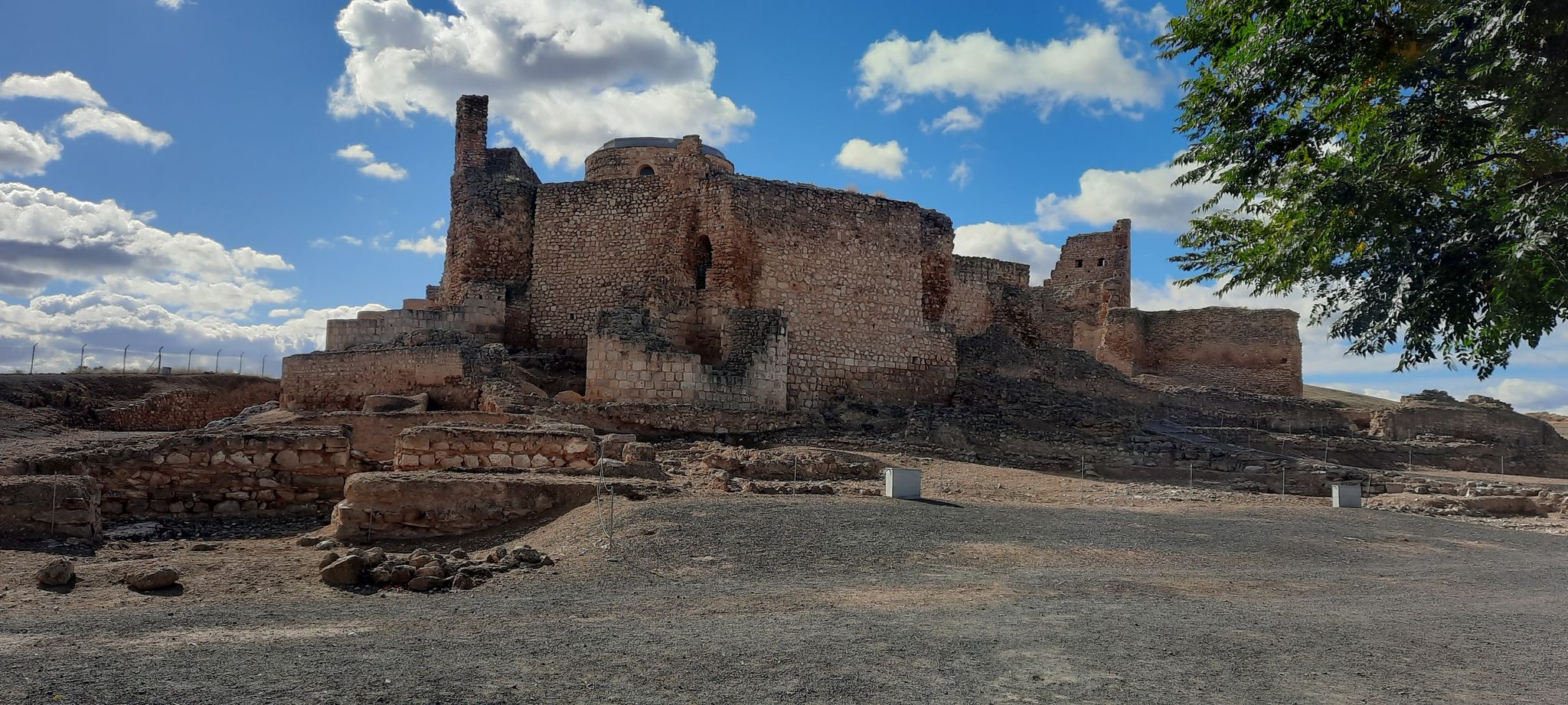
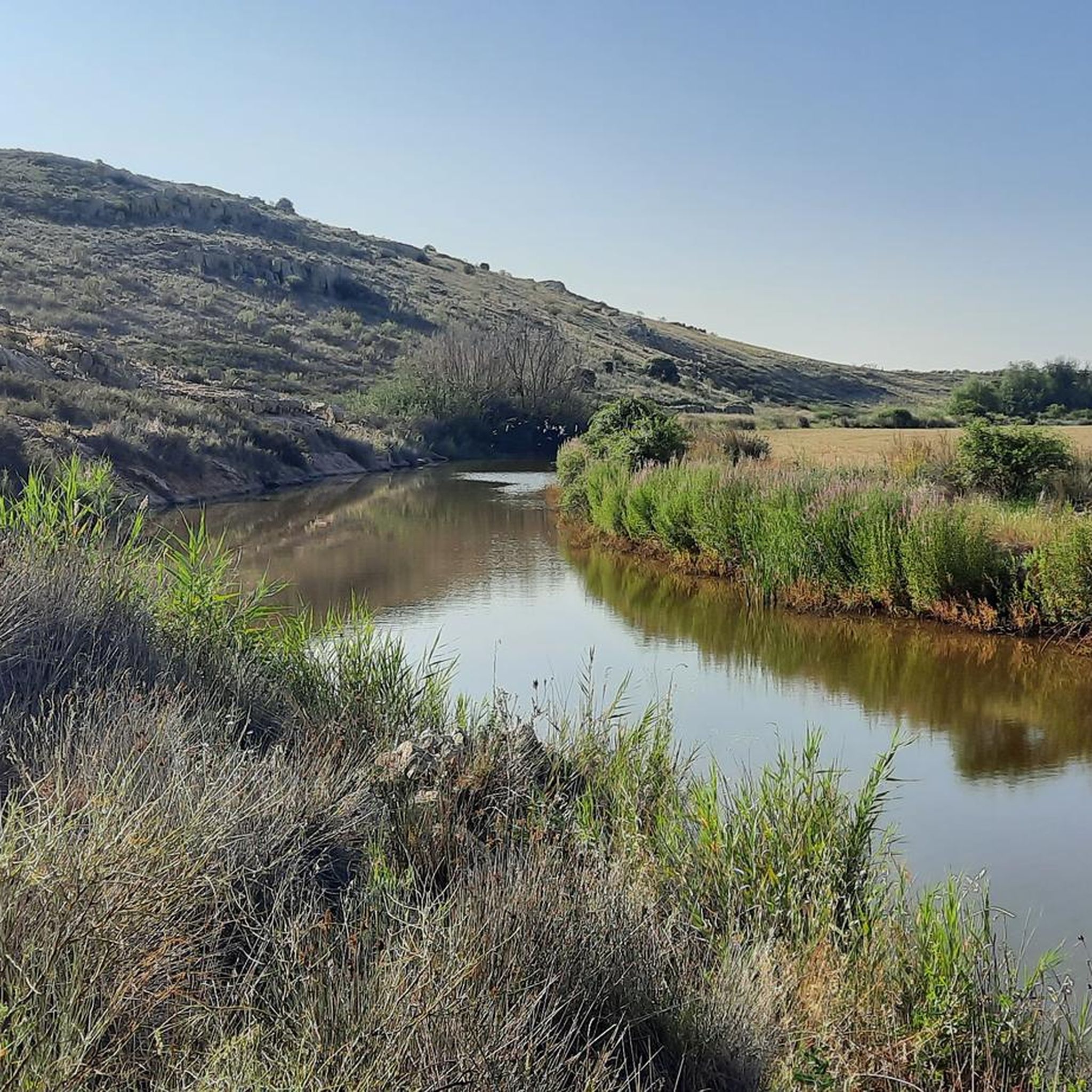
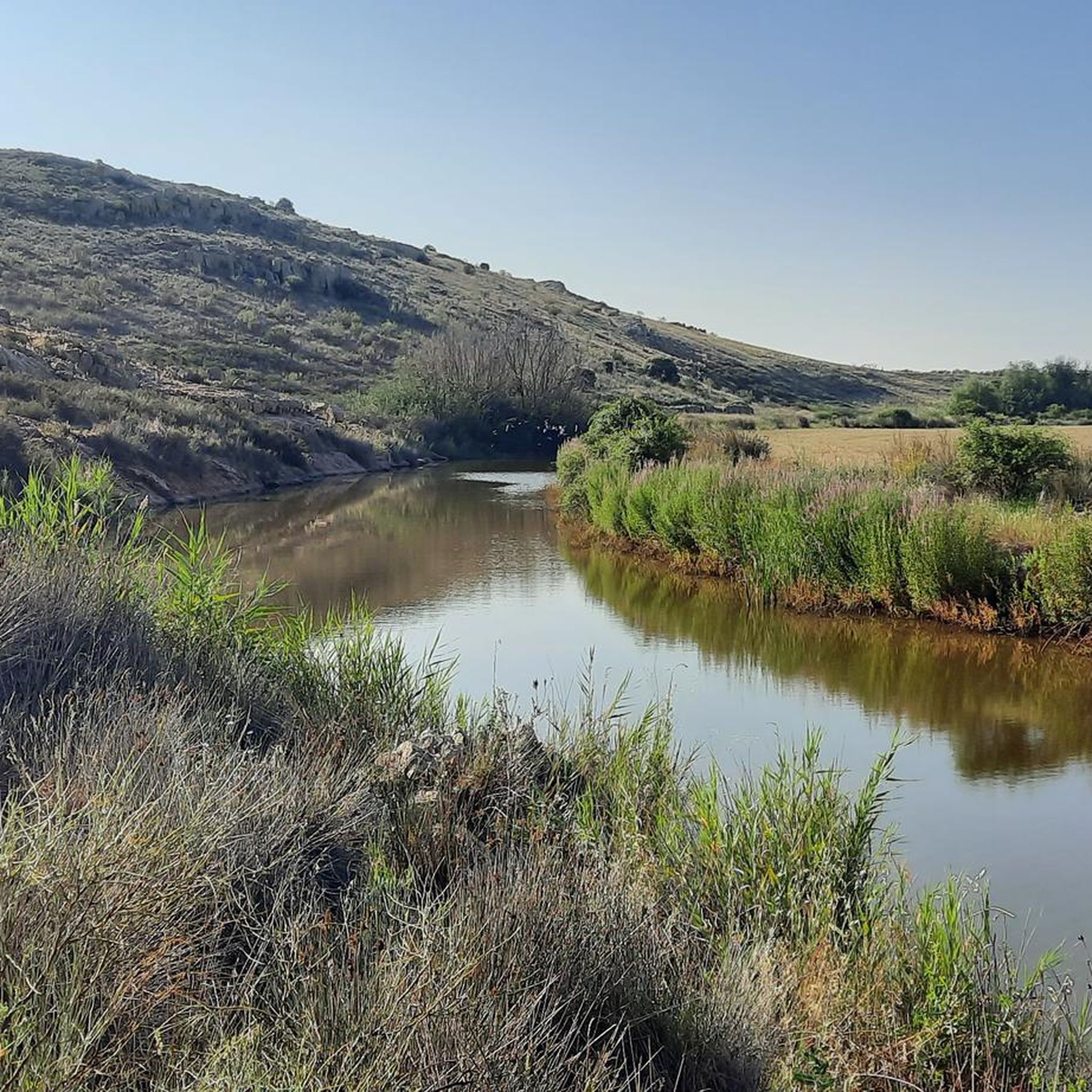
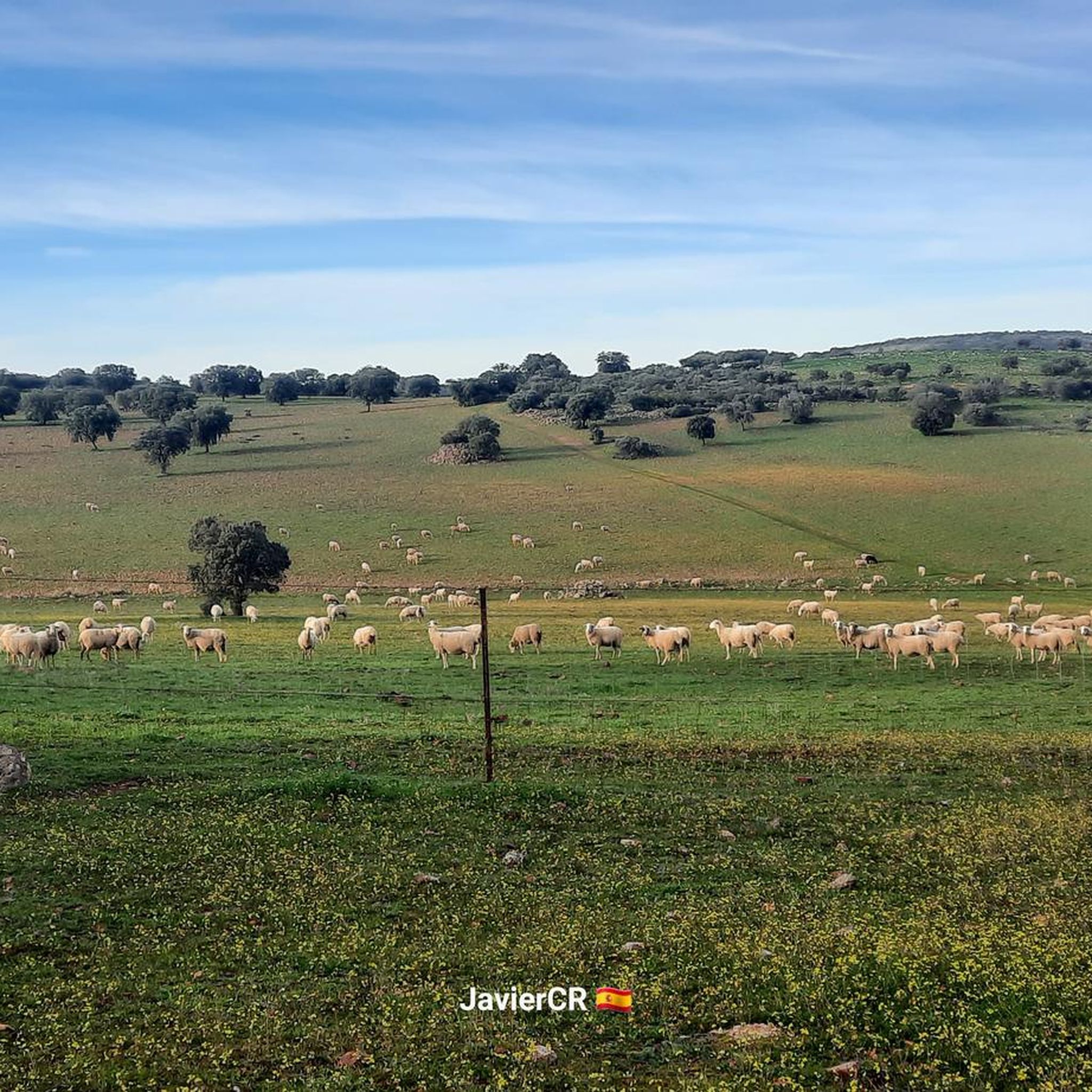


Other adventures around Almagro

Tips from the Community

Construction began in 1917, and it has undergone several renovations and expansions in 1933, 1960, 1985, and 2000. It is located practically in the city center, although in the southern part of the city. At the southern end of the park is the "Cross of the Married Couple," a 15th-century wayside cross that has been rebuilt several times. It commemorates the romantic and tragic story of Sancho and Blanca, a couple from Ciudad Real and Miguelturra, who died for marrying. Their parents were enemies and chose to kill them when they eloped to marry in secret.
23
0
Built in the early 16th century, it was one of the chapels that emerged in the outlying neighborhoods of Almagro. In the 17th century, it was expanded to include the chapel of Our Lady of Sorrows. In the 19th century, it housed images from the nearby Hermitage of Santiago, which was in poor condition. It was destroyed during the Civil War and rebuilt in the 1980s by architect Miguel Fisac, who applied modern techniques such as the use of white concrete in flexible formwork for the porch.
23
0
It is located next to the town centre of Pozuelo de Calatrava. It is popularly known as the unexpected lagoon. If you pass by, it is a unique opportunity to enjoy the flora and fauna of the saltiest lagoon in the area.
10
0

Small lagoon that is very close to the center and what's more, the path that goes around it is quiet and pleasant close to the center.
2
1
Within the Campo de Calatrava region, this municipality attracts the visitor's attention because it is close to two salty lagoons of volcanic origin, Argamasilla and Inesperada; formerly used as medicinal waters. Like other thermal springs where the Infante Don Carlos ordered the construction of the Baños de Fuensanta. In addition to its natural assets, the religious ones are important, in the form of a church and a sanctuary that we must not miss.
30
0

Pozuelo de Calatrava is a small town in the Campo de Calatrava region. Famous for its two saltwater lagoons, vestiges of its volcanic geological past. Ride a bike through the city, have a coffee in the tree-lined Plaza España and admire the parish church of San Juan Bautista.
6
0

The parish church of San Juan Bautista is a temple from the 18th century, with a Latin cross and a single nave. As annexes it has a tower, attached to the foot of the church and sacristy, attached to the right side of the temple and to one of the arms of the transept. The roof is made of curved tiles, and the structure is made of masonry on the walls, ashlar on the buttresses and brick on the arches. Of the interior it is necessary to emphasize the half orange dome on pendentives that finish off the transept. The structure is supported by four stone columns, two of them uncovered and two plastered.
7
1
The Prado Lagoon is a saline volcanic lagoon with seasonal waters, located in the municipality of Pozuelo de Calatrava. Hydrographically it belongs to the Guadiana river basin. Its origin is pseudokarstic, since it was caused by a phreatomagmatic explosion at a fracture junction located in a sedimentary basin. This has favored surface ponding like this semi-arid lagoon, with sulphated-magnesium-sodic chloride waters. Due to its salinity, the vegetation is relegated to the margins, mainly salt marshes and halonitrophilous plants. The contribution of rainwater from the town has altered that salinity, allowing the appearance of reeds, castanets and even white poplars. During periods when it is flooded, you can see black-headed gulls, black-headed gulls, avocets, stilts and plovers, as well as pink flamingos.
3
0
Frequently Asked Questions
What natural features can I explore around Almagro?
The region around Almagro offers unique natural features. You can visit Laguna del Prado, a saline volcanic lagoon known for its unique ecosystem and seasonal waters, attracting various bird species like flamingos during flooded periods. Further afield, the significant wetlands of Tablas de Daimiel National Park and Lagunas de Ruidera Natural Park are also within reach.
What historical landmarks should I visit in Almagro?
Almagro is rich in history. The iconic Plaza Mayor, with its green-shuttered galleries, is a central point. A must-see is the Corral de Comedias, a 17th-century open-air theatre still in operation. Other notable sites include the Baroque Church of San Agustín, the beautifully restored 16th-century Convent of the Assumption of Calatrava, and various palaces like the Palacio del Maestral and the Almacén de los Fúcares.
Are there museums in Almagro focusing on its culture or history?
Yes, Almagro offers several cultural museums. The National Theatre Museum is dedicated to the history of Spanish drama and theatrical activity, showcasing extensive collections. For those interested in local crafts, the Municipal Museum of Lace and Blonda explores the region's heritage of delicate bobbin lace work. Additionally, the Museo Etnográfico Campo de Calatrava exhibits items related to old trades.
What religious buildings are notable around Almagro?
Beyond the Church of San Agustín and the Convent of the Assumption, you can explore the 18th-century Church of San Juan Bautista, known for its Baroque altarpieces. The Hermitage of San Antón (Carrión) is located next to a 19th-century cemetery and marks the beginning of a greenway. The Hermitage of San Pedro (Almagro), rebuilt in the 1980s, is also of historical interest.
Are there family-friendly attractions around Almagro?
Yes, several attractions are suitable for families. Laguna del Prado offers a chance to observe nature and wildlife. Gasset Park (Ciudad Real) is an urban park with sculptures and green spaces, perfect for a stroll. The Hermitage of San Antón (Carrión) is also considered family-friendly, with a greenway starting nearby.
What outdoor activities can I do near these attractions?
The area around Almagro is great for outdoor activities. You can find numerous routes for hiking, cycling, and gravel biking. For hiking, explore options like the 'Silo – Bullring loop from Almagro' or the 'Fuente del Caño Cave loop from Moral de Calatrava'. Cyclists can enjoy routes such as 'Presa de Jabalón — circular desde Almagro' or 'Granátula de Calatrava y Moral de Calatrava — circular desde Almagro'. For more details, check out the hiking, cycling, and gravel biking guides for the region.
Can I spot wildlife in the natural areas around Almagro?
Yes, particularly at Laguna del Prado. During periods when it is flooded, you can observe various bird species, including black-headed gulls, avocets, stilts, plovers, and even pink flamingos. The unique saline environment supports specific vegetation and attracts diverse fauna.
Are there any wheelchair-accessible attractions in the area?
Yes, Gasset Park (Ciudad Real) is noted as being wheelchair accessible, offering a pleasant urban green space with sculptures and monuments to enjoy.
What is the best time to visit Almagro for outdoor activities?
While specific weather forecasts vary, the region's climate suggests that spring and autumn are generally the most pleasant seasons for outdoor activities like hiking and cycling, avoiding the intense heat of summer and the cooler, potentially wetter days of winter.
Where can I find parking when visiting attractions in Almagro?
Almagro's city center has parking options, though it can be busy. For specific attractions, it's advisable to check local signage. For trails outside the town, parking is typically available near trailheads or designated starting points.
What is the International Classical Theatre Festival in Almagro?
The International Classical Theatre Festival is an annual event held in Almagro each July. It draws performers from around the globe and offers a vibrant cultural experience, primarily centered around the historic Corral de Comedias, bringing Spain's Golden Age theatre to life.
Are there any parks or green spaces for relaxation?
Yes, Gasset Park (Ciudad Real) is a significant urban park with a rich history, featuring various sculptures and historical monuments. It's an ideal spot for relaxation and a leisurely stroll, located conveniently in Ciudad Real.
Most popular routes around Almagro
Most popular attractions around Almagro

Get inspired with the komoot mobile app


Explore more
Still not found the Highlight you’re looking for? See guides of the top attractions in other regions:
