The best cycling routes around Alconaba
4.6
(62)
706
riders
80
rides
Touring cycling routes around Alconaba are situated within the Soria province of Spain, an area known for its diverse landscapes and extensive cycling infrastructure. The region features a tranquil, low-population density environment, offering open roads and trails amidst quiet countryside. Cyclists can explore routes along the Duero River, which combines natural beauty with historical and cultural sites. The terrain varies from relatively easy, paved surfaces to more challenging unpaved sections with significant elevation gains.
Best touring cycling routes around Alconaba
…Last updated: May 16, 2026
4.7
(3)
38
riders
60.8km
04:35
320m
320m
Moderate bike ride. Good fitness required. Mostly paved surfaces. Suitable for all skill levels.
4.0
(1)
1
riders
63.3km
04:31
420m
420m
Moderate bike ride. Good fitness required. Mostly paved surfaces. Suitable for all skill levels.

Sign up for free
1
riders
82.1km
05:04
650m
650m
Hard bike ride. Very good fitness required. Mostly paved surfaces. Suitable for all skill levels.
4.8
(5)
39
riders
49.1km
04:32
220m
220m
Moderate bike ride. Good fitness required. Mostly paved surfaces. Suitable for all skill levels.
5.0
(5)
39
riders
34.7km
03:09
180m
180m
Moderate bike ride. Good fitness required. Mostly paved surfaces. Suitable for all skill levels.
Get access to more routes and recommendations from other explorers.
Sign up for free
Already have an account?
Our route recommendations are based on thousands of hikes, rides, and runs completed by other people on komoot.
Start today with a free account
Your next adventure awaits.
Login or Signup

Tips from the Community

The abandonment of the villages of Soria is heartbreaking.
0
0

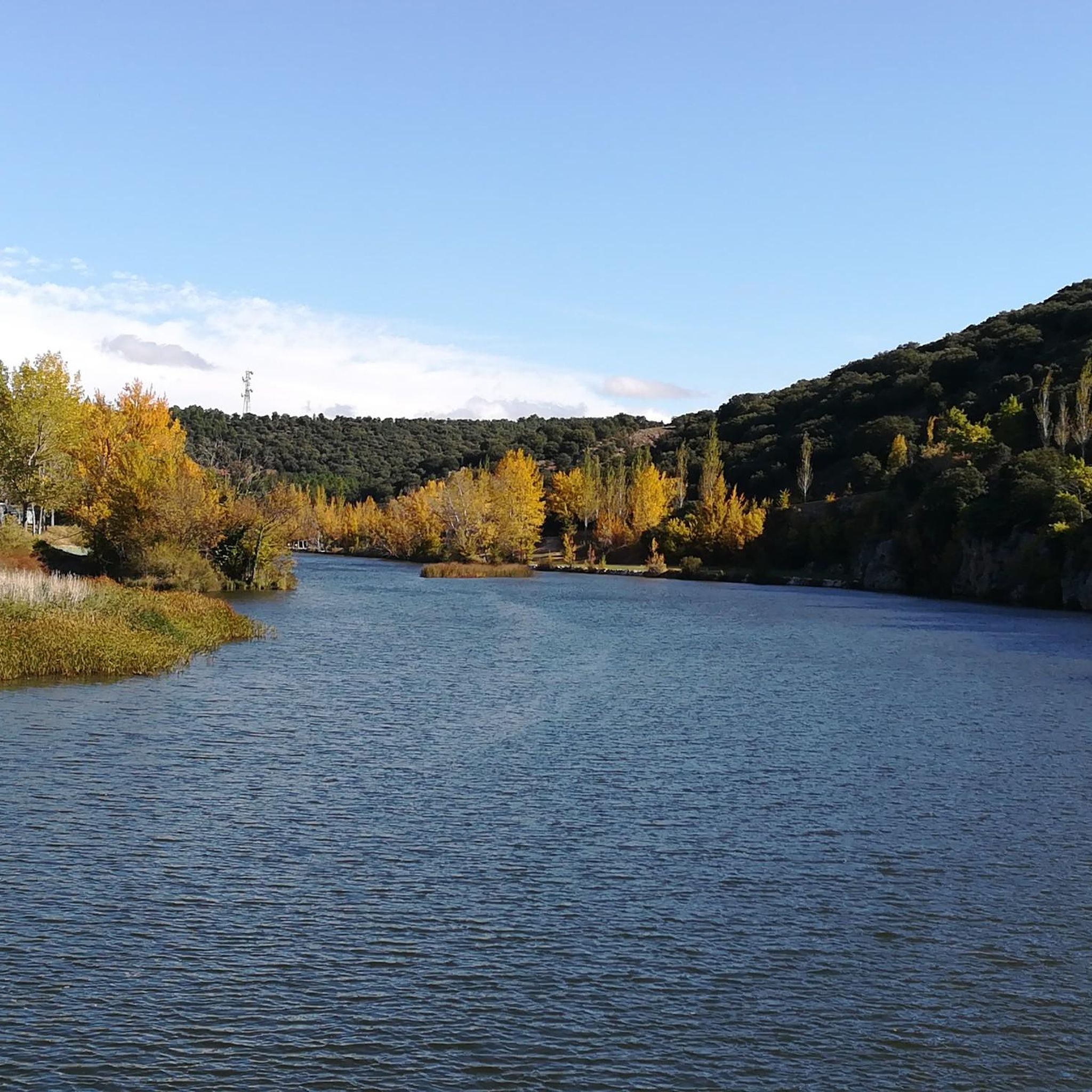
Stage 1. Soria/Duruelo de la Sierra 106 kilometers. 1,240 meters of elevation gain. The stage's altitude data borders on a peaceful day of cycling from a medium-level perspective, especially the elevation gain concentrated in the final stretch, between Hontoria del Pinar and Duruelo de la Sierra. The stage can be divided into two days, with the first night's stop in San Leonardo de Yagüe, which has all the necessary amenities. In these bikepacking reports and suggestions, I try to provide information, suggestions, and opinions on optimal routes, routes, and terrain for enjoyable gravel bike travel. However, these data should always be assessed subjectively, allowing each cyclist to establish their own travel style and pace, depending on the tour company, the time of year, their goals, or their personal taste. A beautiful part of traveling is making each experience your own adventure. The milestones are marked, indicating paths, outstanding places, points of interest, or discoveries made by other cycle travelers, but each cyclist must find their own inspiration, and it will always be a unique journey. The Duero River has been a frontier since the dawn of Iberian civilizations, and Soria a strategic stronghold in a territory of conquest and power. And whenever I begin a bike trip in Soria, I always look for the riverbank to mark the starting point, at the foot of the Parque del Castillo, a natural space with an atmosphere of bygone eras marked by the power of a watercourse around a medieval fortress. A quiet and convenient place to park is the Paseo de San Prudencio parking lot, near the Romanesque chapels that distinguish the city's historical and artistic heritage. Along the riverside paths, there are gardens, recreational areas, kiosks, and inspiring sculptures, and on the opposite bank are the Church of San Polo and the Chapel of San Saturio, two jewels of Soria's Romanesque architecture. And there are also the signposts for the Senda del Duero Nature Trail, where the return route begins. The sign for the start of the Santander-Mediterranean Nature Trail section between Soria and Hontoria del Pinar is next to the train station, in another part of the city. The connection from the banks of the Duero River between the two Nature Trails has no specific signage; it follows the river along the riverside promenade, passes the San Saturio pedestrian bridge, and climbs along the University of Soria bike path to the Carretera de Madrid roundabout. The best route I've found in this area of industrial estates and vacant lots to reach the route of the old Santander railway is to go up Eduardo Saavedra Street to a crossroads where there are some car dealerships, turning left onto Camino del Cañuelo. This is a somewhat winding but effective route for reaching the "ground zero" of the Santander-Mediterranean Nature Trail by bike. The trail is located at the train station exit, with an information panel and the first red signs indicating the crossing points. And then it's time to pedal toward the forest kingdom of Tierra Pinariega and the Picos de Urbión. The first few kilometers fly by; it's a rural area, the villages are far from the railway, and you simply have to glide along the magnificent gravel surface of the old railway, seeing the remains of the stops, stations, and milestones of the Nature Trail. Ocenilla is a district of Cidones, close to the railway crossing, at the foot of the solitary Cabrejas mountain range. It's easy to cycle to the entrance of the village and see the sculpture of the Warrior of Ocenilla, a striking representation of a Celtiberian warrior found in the drawings of a 3rd-century BC vase, associated with the Numantian culture. The route winds along endless straight stretches alongside the Cabrejas mountain range and enters Tierra Pinariega through the municipalities of Abejar and Cabrejas del Pinar. Some milestones bear the yellow arrows of the Castilian-Aragonese Way of St. James.
0
0

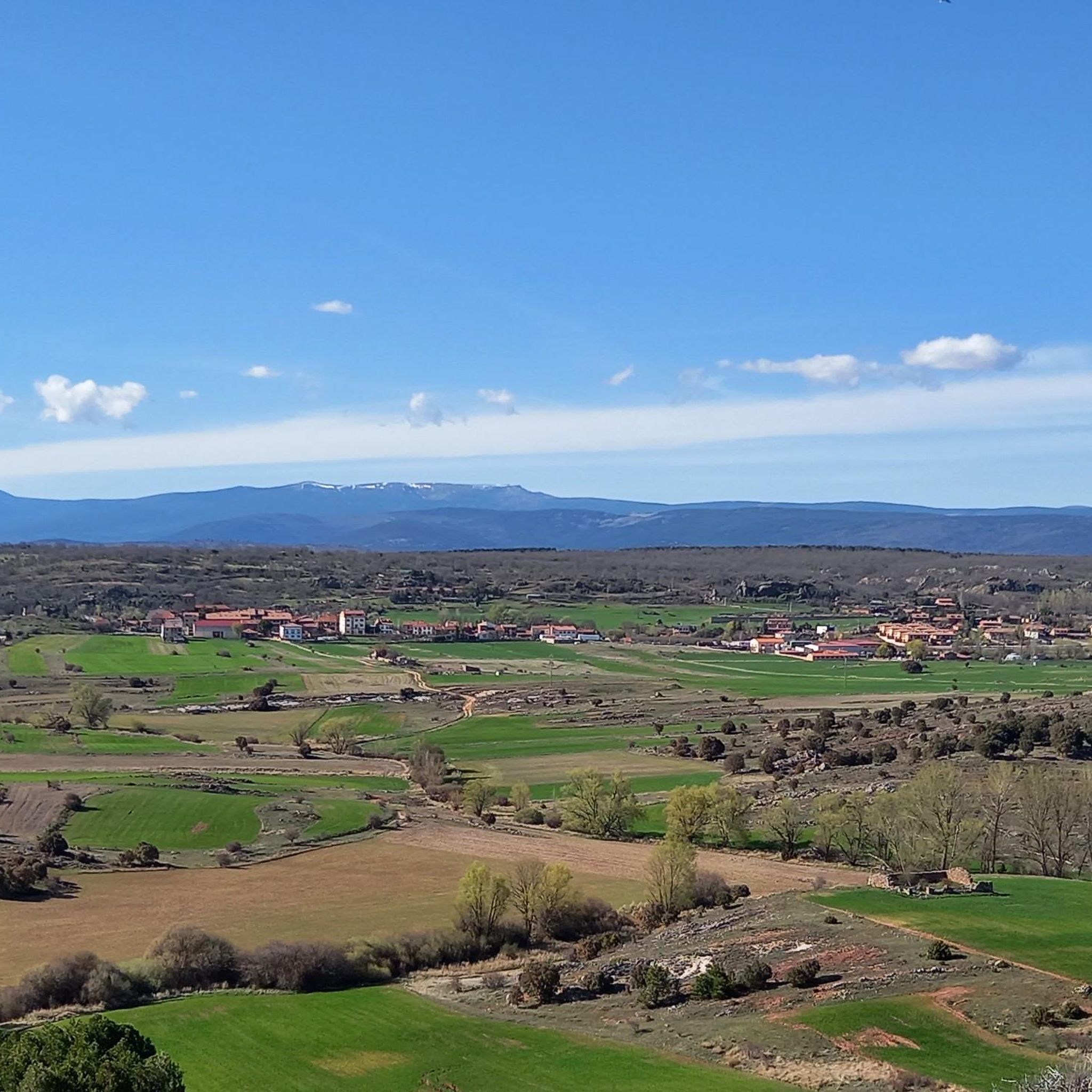
Ocenilla is a hamlet belonging to the municipality of Cidones. It is located 15 km from the capital, Soria. In the distance, beneath the foothills of the Sierra de Cabrejas, you can see the Pico Frentes. Access is the same as to Cidones, taking the N-234. Festivals include St. Anthony of Padua on June 13th and St. Stephen's Day on December 26th. A Celtiberian fortress stands here, part of the wall still stands today. The economy is based primarily on livestock farming. Among the plants, the oak stands out. Typical dishes include perolo on Christmas Eve and cachula, or pork blood broth. Art and Sights in Ocenilla Hermitage of San Antonio Church of San Esteban Archaeological Remains Don Simón Spring (Natural Spring) Ivy Spring (Natural Spring) Old Washhouse (Old Washhouse) Source: https://www.cidones.es/ocenilla
0
0


The Co-Cathedral of San Pedro de Soria symbolizes a jewel of the Castilian Romanesque. It is located in the northeast part of the city of Soria, very close to the Duero River. It is essential to visit its beautiful cloister.
0
0

At the entrance/exit of the capital of Sória is this bridge of medieval origin that has helped to cross the Río Duero in its passage through the town.
0
0
Cathedral next to that of Burgo de Osma of the diocese of Osma-Soria, it houses a beautiful cloister
3
0
It is an old medieval bridge, formerly called the main bridge, built in stone, uniting both banks of the Duero River.
1
0
Frequently Asked Questions
How many touring cycling routes are available around Alconaba?
There are over 80 touring cycling routes available around Alconaba, catering to various skill levels. This includes 11 easy routes, 36 moderate routes, and 37 difficult routes, ensuring options for every cyclist.
What kind of terrain can I expect on touring cycling routes near Alconaba?
The terrain around Alconaba, within the Soria province, is quite varied. You'll find routes along the scenic Duero River, through protected natural areas, and across a peaceful, rural environment. Options range from relatively easy, paved surfaces to more challenging unpaved sections with significant elevation gains, offering diverse experiences for touring cyclists.
What do other touring cyclists say about the routes in Alconaba?
The touring cycling routes around Alconaba are highly rated by the komoot community, with an average score of 4.6 stars from over 65 reviews. Cyclists often praise the tranquility, the diverse landscapes, and the opportunity to explore historical sites and natural beauty away from crowds.
When is the best time of year to go touring cycling in Alconaba?
While specific seasonal data for Alconaba is limited, the Soria province generally offers pleasant cycling conditions during spring (April-June) and autumn (September-October). These periods typically provide milder temperatures and beautiful scenery, ideal for exploring the region's extensive network of routes.
Are there easy touring cycling routes suitable for beginners around Alconaba?
Yes, there are 11 easy touring cycling routes around Alconaba. These routes often follow gentler paths, such as sections of greenways, making them suitable for beginners or those looking for a relaxed ride. One such route is the Camino de Abejar – Cidones Railway Halt loop from Soria, which is a moderate 49.2 km path.
Are there challenging touring cycling routes for experienced cyclists?
Absolutely. For experienced cyclists seeking a challenge, there are 37 difficult touring cycling routes around Alconaba. These routes often feature greater elevation gains and can include unpaved sections. An example is the Peña de la Sierpe – Church of Santo Domingo loop from Soria, a 46.6 km route with significant climbs.
Are there any circular touring cycling routes near Alconaba?
Yes, many of the touring cycling routes around Alconaba are designed as loops, allowing you to start and end in the same location. A popular option is the Fuentepinilla — circular from Soria, an 82.1 km route that takes you through rural landscapes.
What natural features can I see along the touring cycling routes?
The region around Alconaba is rich in natural beauty. You can expect to encounter the Duero River and its riverside paths, as well as protected natural areas within the Red Natura 2000 network. Specific natural highlights include the Encinar de Camparañón forest, the Laguna del Ciego, and the Alto de Las Cabezas Geodetic Point for panoramic views.
Are there historical or cultural landmarks to visit while cycling?
Yes, the area offers a rich historical and cultural heritage. Along your rides, you can visit significant sites such as the Hermitage of San Saturio, the unique Romanesque Monastery of San Juan de Duero, and the Numantia Archaeological Site. Many routes also pass through charming villages, offering a glimpse into local culture.
Are there any routes that follow old railway lines?
Yes, the Soria province is known for its greenways, which are often converted railway lines. A notable example is the Santander-Mediterranean Greenway. You can explore routes like the Santander-Mediterráneo Greenway: Soria Loop, which offers varied terrain along this historic path.
Is the area suitable for family-friendly touring cycling?
Given the presence of easy routes and greenways, the area can be suitable for family-friendly touring cycling, especially on the less challenging, mostly paved sections. The low population density also contributes to a quieter and safer cycling environment for families. Always check individual route details for specific difficulty and terrain.
Can I find places to stop for refreshments or accommodation along the routes?
Many cycling routes in the Soria province pass through picturesque towns and villages. These settlements often provide opportunities for stops at local cafes, restaurants, and sometimes accommodation, allowing you to experience local culture and cuisine. Planning your route with komoot can help identify these points of interest.
Most popular attractions around Alconaba

Get inspired with the komoot mobile app


Explore more
Browse the best Cycling routes in other regions.
