Attractions and Places To See around Piloña - Top 20
Best attractions and places to see around Piloña, a municipality in Asturias, Spain, showcase a blend of natural beauty and historical sites. The region features diverse landscapes, from mountains like the Sierra del Sueve to river valleys. Visitors can explore ancient villages, traditional architecture, and significant cultural landmarks. Piloña offers a variety of experiences for those interested in Asturian heritage and outdoor exploration.
Best attractions and places to see around Piloña
- The most popular attractions is Church of San Salvador de Priesca, a religious building that was consecrated in 921. It is a pre-Romanesque church declared a Monumento Nacional, featuring early medieval frescoes.
- Another must-see spot is Mirador del Fito, a viewpoint. From this location, visitors can observe extensive views of the Asturian landscape, encompassing the sea, mid-mountains, and valleys.
- Visitors also love Monastery of Santa María de Valdediós, a medieval Cistercian abbey founded in 1200. This historical site is located next to the pre-Romanesque church of San Salvador de Valdediós.
- Piloña is known for its historical sites, natural viewpoints, and religious buildings. The area offers a variety of attractions, from ancient churches and monasteries to panoramic mountain vistas.
- The attractions around Piloña are appreciated by the komoot community, with over 110 upvotes and 30 photos contributed by visitors.
Last updated: August 30, 2026
Church of San Salvador de Priesca
Highlight • Religious Site
San Salvador de Priesca
history
The church was consecrated in 921. This date was carved into a foundation stone that was lost during the restoration work at the beginning of the 20th century. The inscription has been handed down and indicates the eighth day of the calendars of October 959 of the Spanish era as the date of consecration, which corresponds to September 24, 921 of our era. In 1913 the building was declared a Monumento Nacional (Bien de Interés Cultural). In 1936, during the Spanish Civil War, a fire caused great damage and destroyed part of the early medieval frescoes. A renovation was carried out in the 1990s, in which the wooden ceilings were renewed and the frescoes were preserved.
Translated by Google •
Tip by

Town Hall Square
Highlight • Monument
Translated by Google •
Tip by

Sign up now to discover places like this
Get recommendations on the best single tracks, peaks, & plenty of other exciting outdoor places.
Sign up for free
Mirador del Fito
Highlight • Viewpoint
Showing Translation
Tip by

Soto de Agues Village
Highlight • Settlement
Translated by Google •
Tip by

Views of the Roman bridge
Highlight • Bridge
Translated by Google •
Tip by

Sign up for free to discover even more attractions around Piloña.
Sign up for free
Already have an account?
Start today with a free account
Your next adventure awaits.
Login or Signup
Popular around Piloña
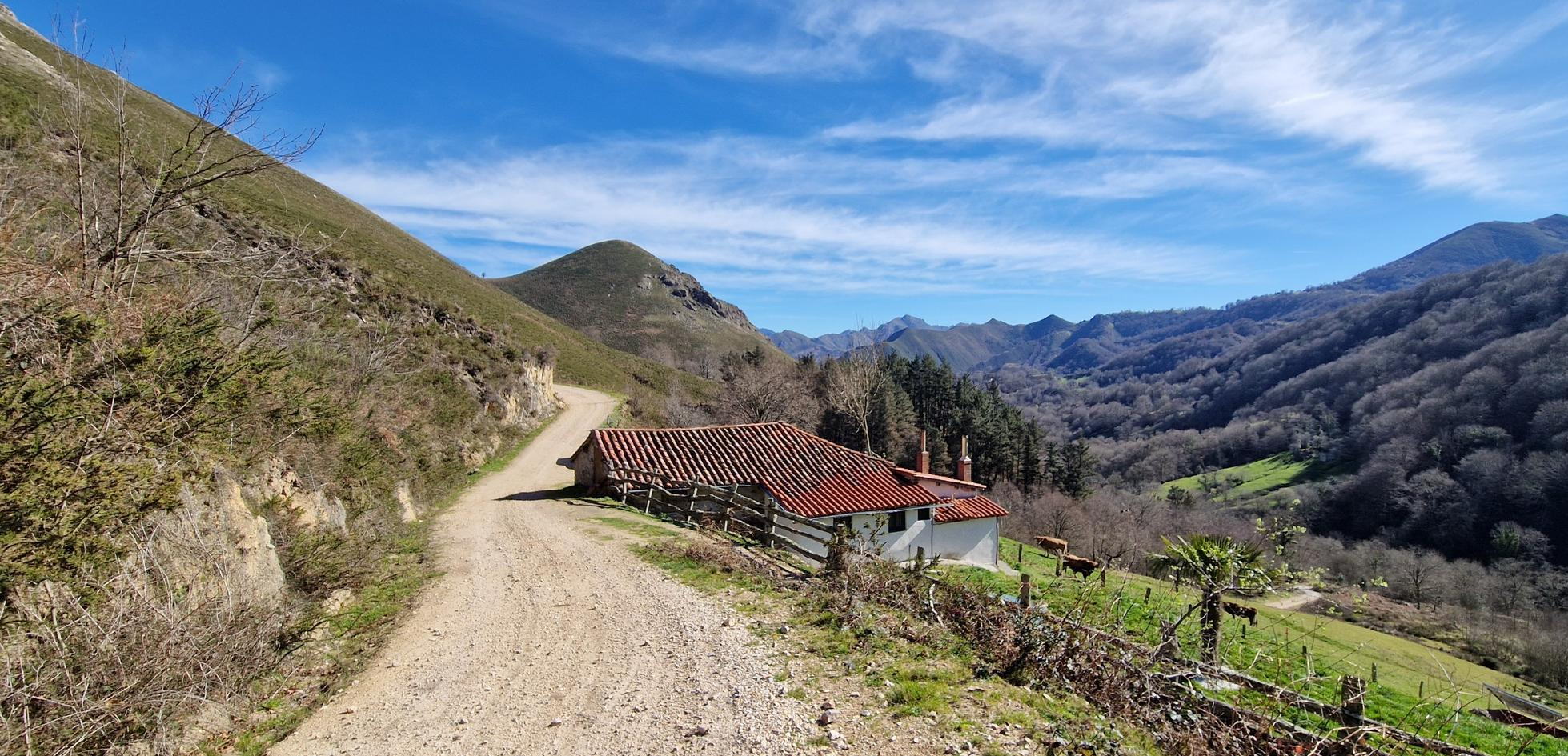
Unknown Paths of Asturias — GR Pilgrimage Route (105)
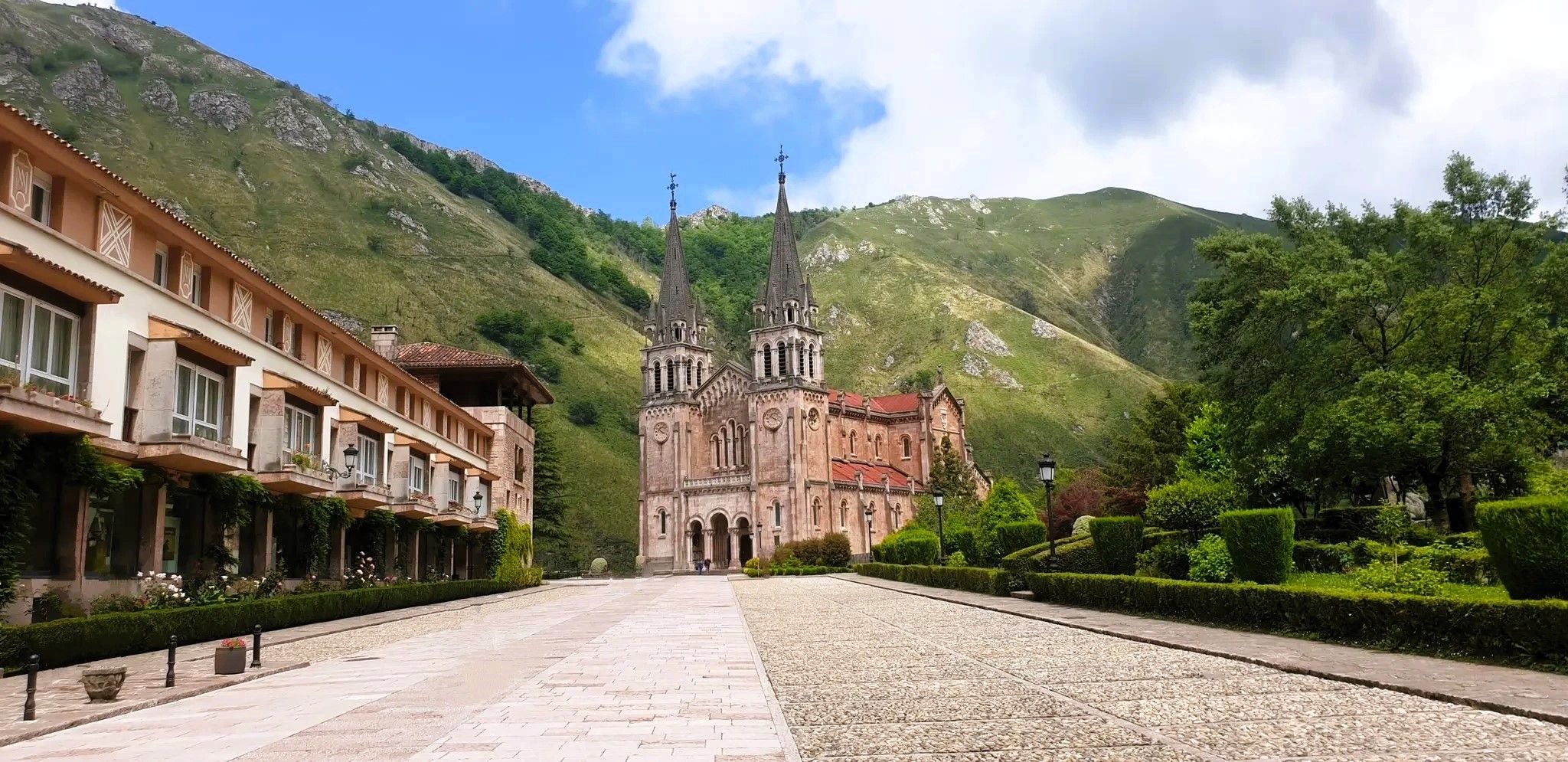
The other side of Asturias in Spain – Travesía Andariega (GR 108)
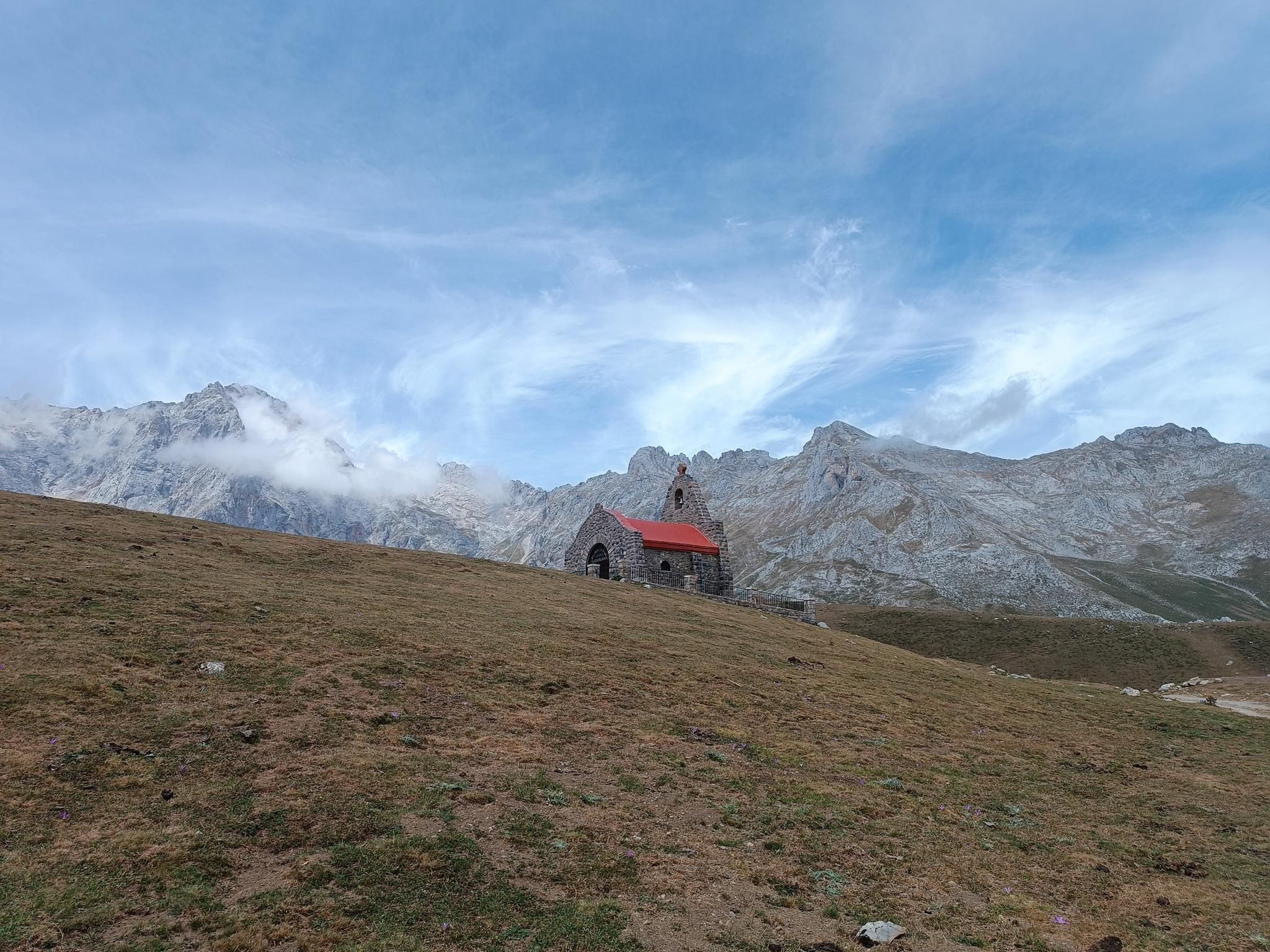
A pilgrimage to the peaks – Camino de los Santuarios
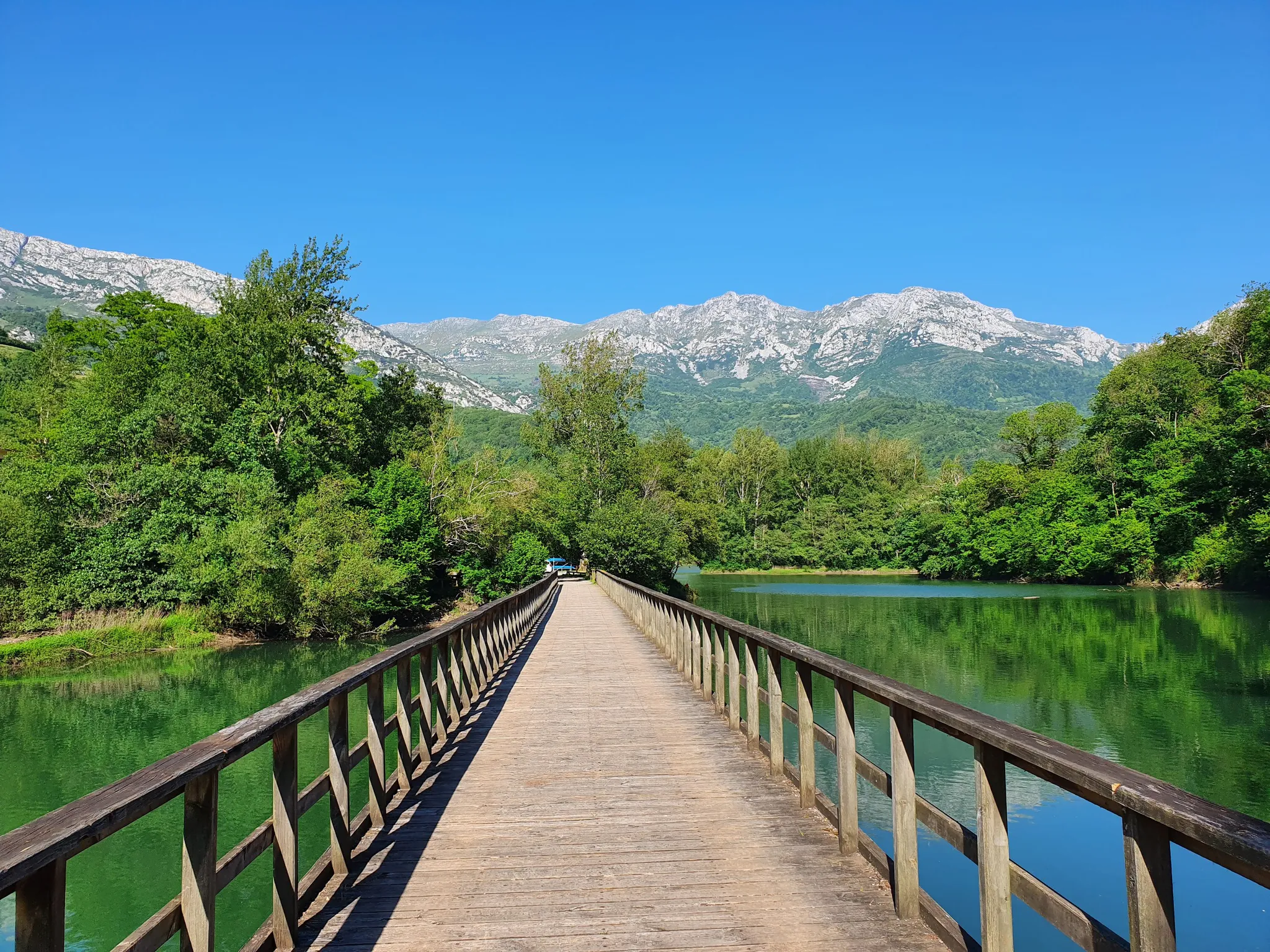
The secrets of the Cantabrian Mountains – GR 109 Asturias Interior
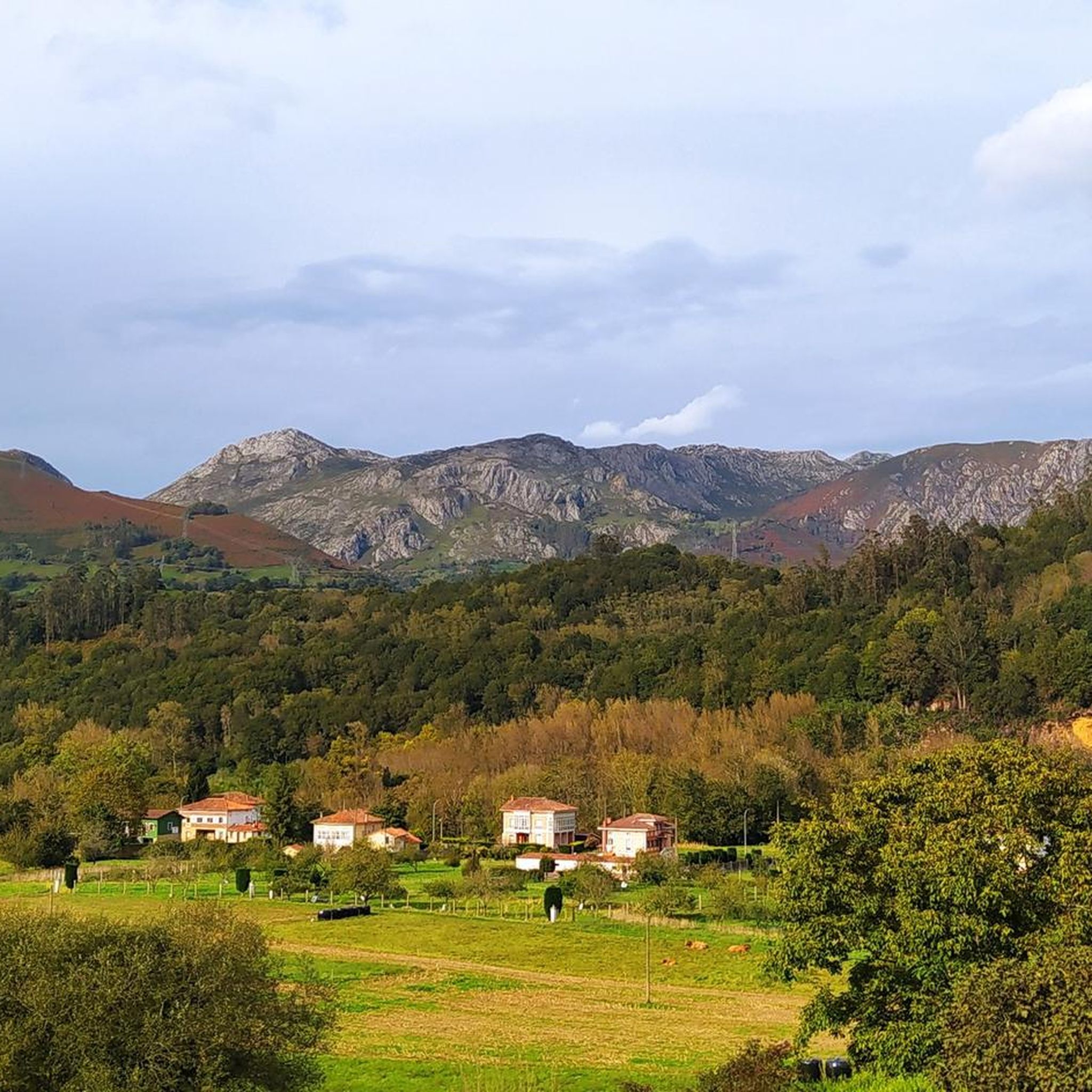
Hiking around Piloña
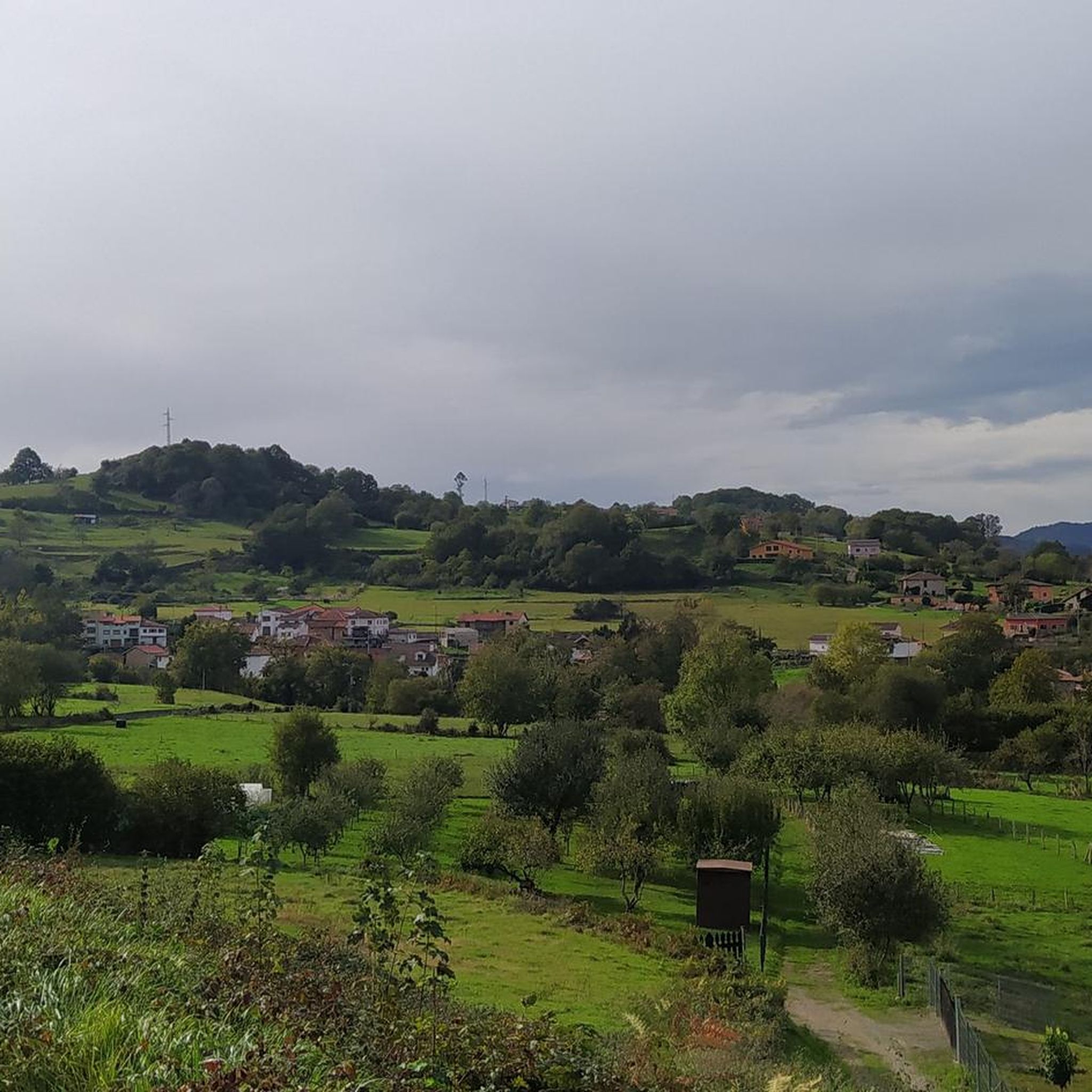
Road Cycling Routes around Piloña
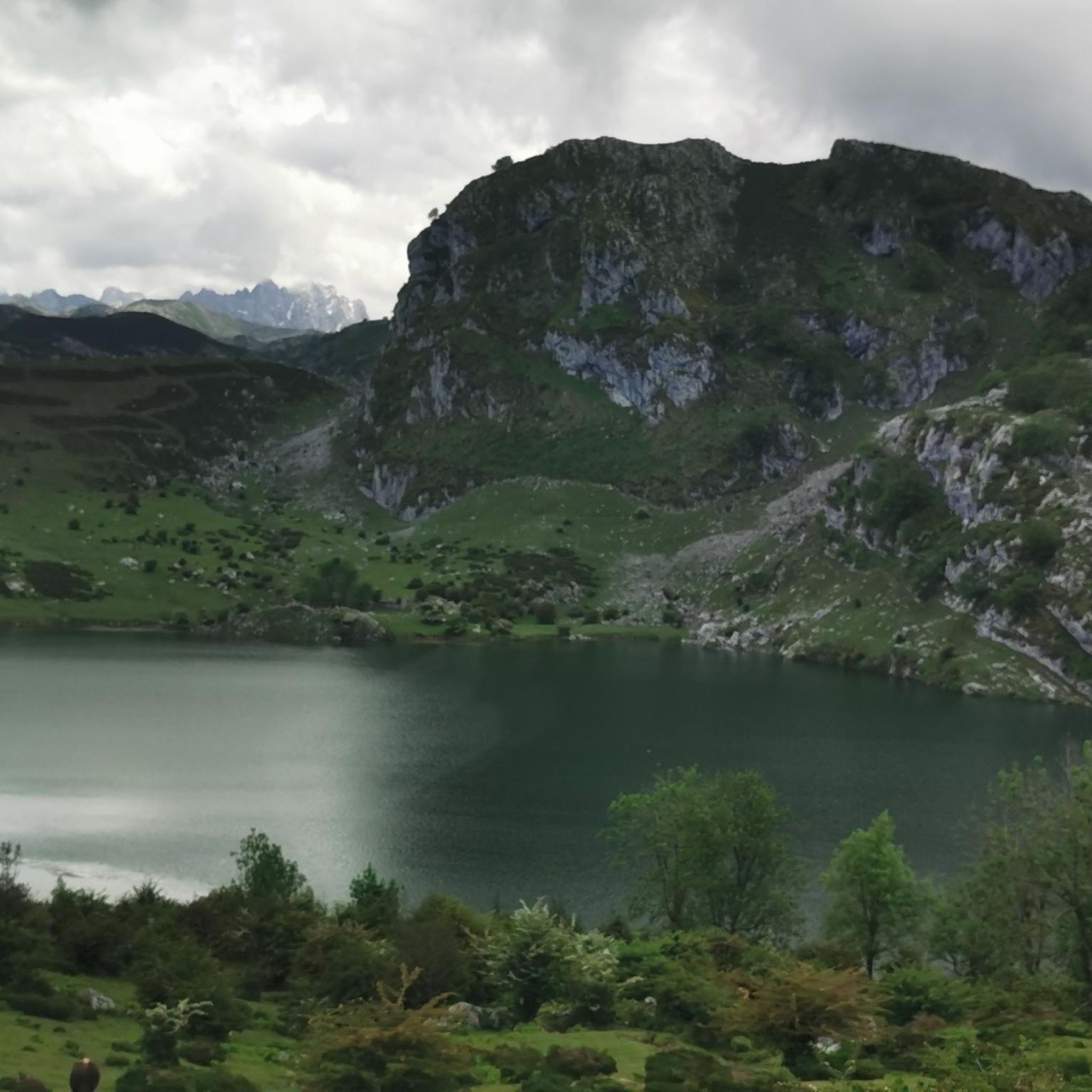
MTB Trails around Piloña
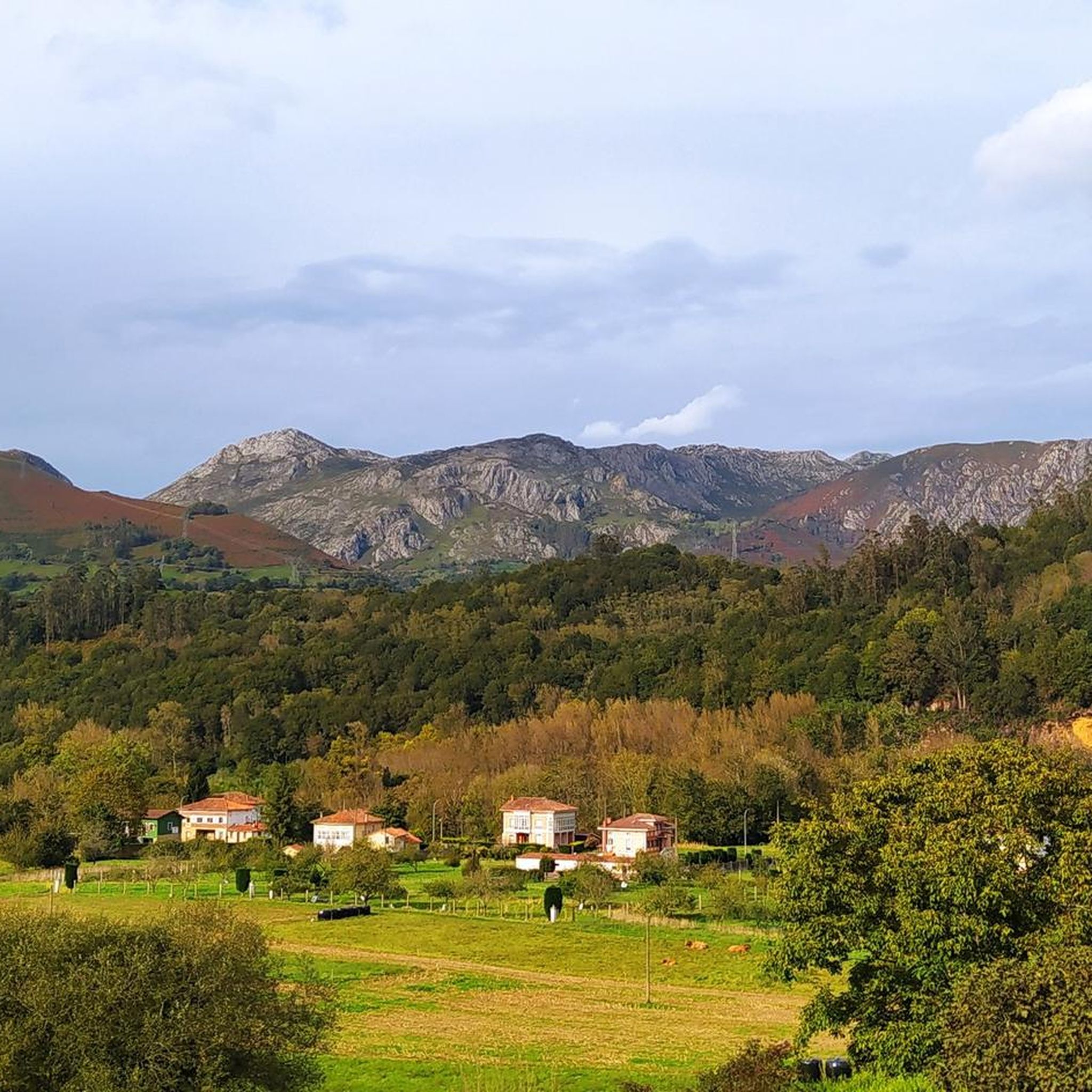
Cycling around Piloña
Running Trails around Piloña
Gravel biking around Piloña
Other adventures around Piloña


Tips from the Community

The bridge is known as the Roman Bridge of Cangas de Onís and also bears the nicknames „Puente Vieyu“ or „Puentón“. It is a very beautiful sight of the Principality of Asturias.
0
0


The Villaviciosa Town Hall building is a building steeped in history and remarkable features. Location: Town Hall Square, in the heart of Villaviciosa. Style: Eclectic architecture with elements reflecting different eras. History: The original building dates from the 17th century, although it has undergone several renovations and expansions over time, especially in the 19th and 20th centuries. Characteristics: It features a sober and elegant main façade, with balconies and ornamental elements characteristic of the period of its renovation. The Villaviciosa coat of arms stands out on its frontispiece. Functions: Houses the administrative and political offices of the Villaviciosa municipal government. Significance: It is a symbol of civil power and an important landmark for the residents of the municipality.
1
0

mythical place watch out for a lot of traffic in summer
0
0

Several routes depart from Soto de Agues, including the typical Ruta del Alba.
0
0
Lots of space, beautiful houses, benches to rest on the pilgrimage route.
1
0
Old church worth seeing.
0
1
Frequently Asked Questions
What natural features and viewpoints can I explore in Piloña?
Piloña offers stunning natural landscapes. A must-visit is Mirador del Fito, a viewpoint providing extensive views of the Asturian landscape, including the sea, mid-mountains, and valleys. You can also ascend Monte Cayón for panoramic views of the Picos de Europa and surrounding areas. The Sierra del Sueve, home to the mythical Asturcón wild horses, is another significant natural feature.
What historical and cultural sites are prominent in Piloña?
The region is rich in history. You can visit the Church of San Salvador de Priesca, a pre-Romanesque church consecrated in 921, known for its early medieval frescoes. The Monastery of Santa María de Valdediós, a medieval Cistercian abbey, is also a significant historical site. In L'Infiestu, the capital, explore the historic center, the parish church of San Antonio de Padua, and the Casa del Tiempo museum.
Are there any unique traditional villages to visit in Piloña?
Yes, Espinaréu is a notable ethnographic reserve, famous for its impressive collection of centuries-old hórreos and paneras (traditional Asturian granaries). Wandering through its stone and wooden houses offers a journey back in time. Villamayor is another thousand-year-old parish with stately homes and the ancient monastery of Santa María.
What archaeological sites can be found in the Piloña region?
The Borines Valley is home to the Cueva del Sidrón, a site of immense archaeological and paleoanthropological importance. This cave has yielded significant prehistoric discoveries, including Neanderthal remains and rock art, playing a key role in the Neanderthal Genome Project.
What outdoor activities and routes are available around Piloña?
Piloña is an excellent destination for outdoor enthusiasts. You can find numerous hiking trails weaving through mountains, valleys, and forests. For cycling, there are various routes for road cycling, mountain biking, and touring. Explore options like the 'Medieval Bridge of the Dobra' for road cycling or 'Arriondas – Cangas de Onís town centre' for MTB. You can find more details on specific routes in the Road Cycling Routes around Piloña, MTB Trails around Piloña, and Cycling around Piloña guides.
Are there specific hiking trails recommended in Piloña?
Piloña offers a variety of hiking trails. While specific named trails are not detailed in the highlights, the region is known for its extensive network through mountains, valleys, and forests. The Vizcares Peak, at 1,419 meters, is a popular destination for mountain routes. The La Pesanca Recreational Area also serves as a starting point for enjoying nature walks.
Are there family-friendly attractions or activities in Piloña?
Yes, several attractions are suitable for families. The Town Hall Square is noted as family-friendly. The Mirador del Fito and Views of the Roman bridge are also considered family-friendly viewpoints. The Santuario de la Virgen de la Cueva, with its large recreational area, is ideal for family outings. Many of the natural areas and easy walking paths are also great for families.
Are there any dog-friendly attractions or trails in Piloña?
While specific dog policies for attractions are not detailed, many natural areas and hiking trails in Piloña are generally dog-friendly, especially if dogs are kept on a leash. The La Pesanca Recreational Area and the numerous forest trails are good options for walks with your dog.
Are there any wheelchair-accessible attractions in Piloña?
The Town Hall Square in Villaviciosa is listed as wheelchair-accessible, offering a pleasant area to explore. For other attractions, accessibility may vary, especially in older historical sites or natural trails, which often have uneven terrain.
What is the best time of year to visit Piloña for outdoor activities?
Piloña's well-preserved natural environment makes it attractive throughout much of the year. Spring and autumn generally offer pleasant temperatures for hiking and cycling, with lush greenery in spring and vibrant colors in autumn. Summer is also popular, especially for enjoying recreational areas and waterfalls like Cascada del Chorrón, though it can be warmer. Winter can be beautiful but some higher mountain routes might be less accessible due to weather.
Where can I find recreational areas for nature enjoyment in Piloña?
The La Pesanca Recreational Area is described as an ideal refuge for picnicking and enjoying nature. Monte Cayón also features a comfortable recreational area at its summit, perfect for taking in the panoramic views. The Santuario de la Virgen de la Cueva also has a large recreational area.
What do visitors particularly enjoy about the attractions around Piloña?
Visitors appreciate the blend of natural beauty and historical significance. The extensive views from Mirador del Fito are highly praised. The historical depth of sites like the Church of San Salvador de Priesca and the Monastery of Santa María de Valdediós is also a major draw. The charm of traditional villages like Espinaréu and the hospitality of places like Areñes contribute to a rich visitor experience.
Most popular attractions around Piloña

Get inspired with the komoot mobile app


Explore more
Still not found the Highlight you’re looking for? See guides of the top attractions in other regions:
