Attractions and Places To See around Almansa - Top 20
Best attractions and places to see around Almansa include a variety of historical sites, natural features, and cultural landmarks. The city, located in the province of Albacete, Spain, is characterized by its diverse landscape, from mountain ranges to significant architectural monuments. Visitors can explore medieval fortresses, Renaissance palaces, and areas of ecological richness. The region offers a blend of historical depth and natural beauty for exploration.
Best attractions and places to see around Almansa
- The most popular attractions is Castle of Almansa, a castle that is an impressive medieval fortress built on a rocky crag. This landmark offers panoramic views of the surrounding countryside and the city.
- Another must-see spot is Church of the Assumption (Iglesia de la Asunción), Almansa, a religious building located in the Plaza de Santa María. This historical monument was constructed in several stages between the 16th and 19th centuries, showcasing various architectural styles.
- Visitors also love Palace of the Counts of Cirat, a historical site known as "Casa Grande." This Renaissance-style building, located in the Plaza de Santa María, was built in the last quarter of the 16th century.
- Almansa is known for its historical sites, natural features like the Sierra de Almansa, and cultural landmarks such as the Battle of Almansa Museum. The area provides a variety of attractions to see and explore, from ancient rock paintings to religious buildings.
- The attractions around Almansa are appreciated by the komoot community, with 14 upvotes and 21 photos shared across the highlights.
Last updated: July 6, 2026
Santa Bárbara
Highlight • Religious Site
Built around 1580 at the initiative of the people of Caudete, following a period of severe storms with hail, the mountain peak was chosen as a place of spiritual protection, with the trust that Santa Bárbara would safeguard the crops and the population. Traditionally under the jurisdiction of the parish of Santa Catalina, the hermitage is visited every May 1st in a pilgrimage: pilgrims ascend steep paths in homage to the saint's martyrdom, reflecting sacrifice and devotion.
Translated by Google •
Tip by

Castle of Almansa
Highlight • Castle
The remains of rammed earth walls in this castle, traditionally attributed to the Almohad period, were actually built during the first decades of Christian rule, at the end of the 13th century or the beginning of the 14th century.
In the 14th century, Almansa and its fortress were incorporated into the Villena manor. Don Juan Manuel took advantage of the previous construction and ordered its walls to be rebuilt.
Translated by Google •
Tip by
Sign up now to discover places like this
Get recommendations on the best single tracks, peaks, & plenty of other exciting outdoor places.
Sign up for free
Palace of the Counts of Cirat
Highlight • Historical Site
This palace is a historical and architectural testimony that deserves to be appreciated for its beauty and cultural significance. If you ever have the opportunity to visit Almansa, I recommend exploring this magnificent Renaissance building. 🏰🌟
Translated by Google •
Tip by
Church of the Assumption (Iglesia de la Asunción), Almansa
Highlight • Religious Site
Translated by Google •
Tip by
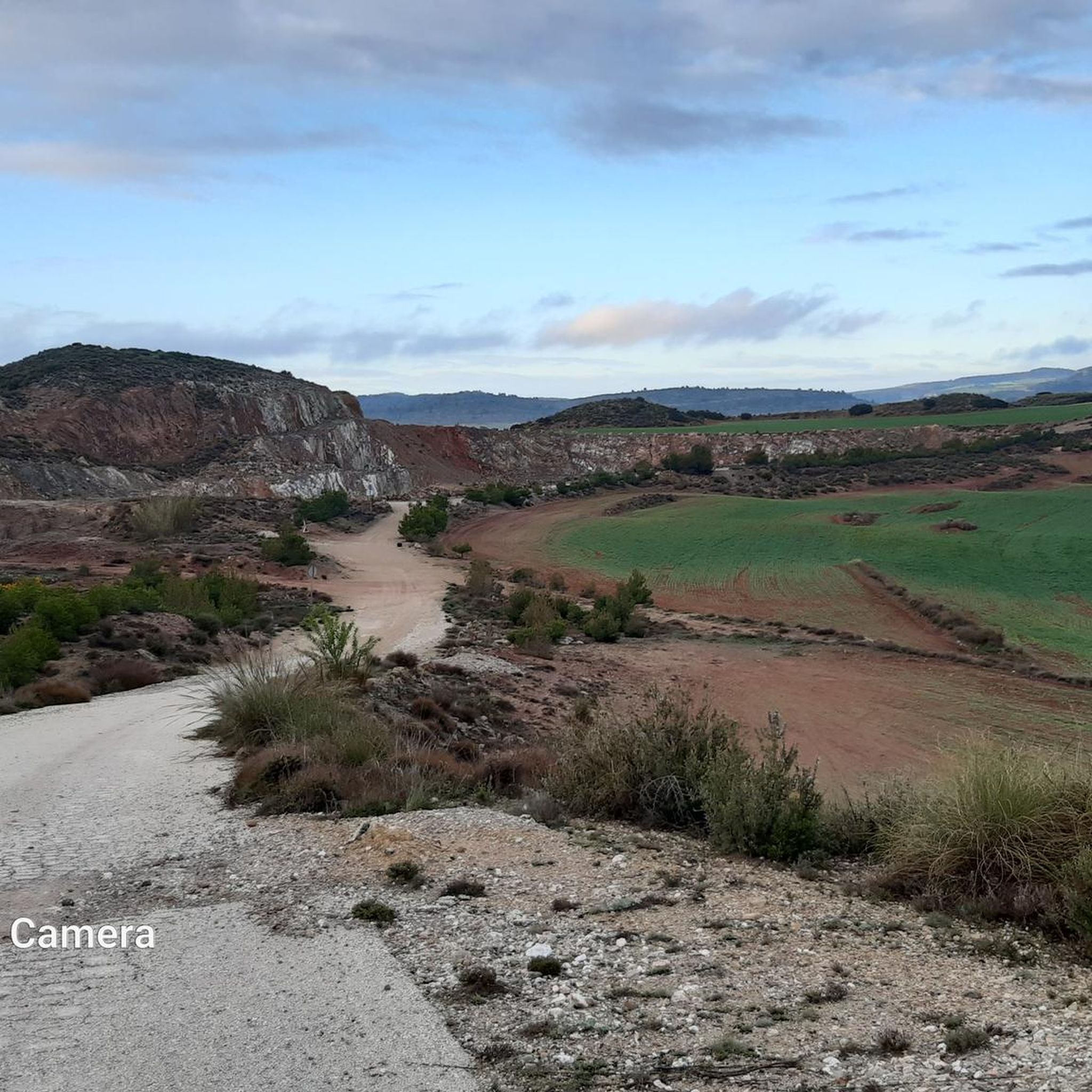
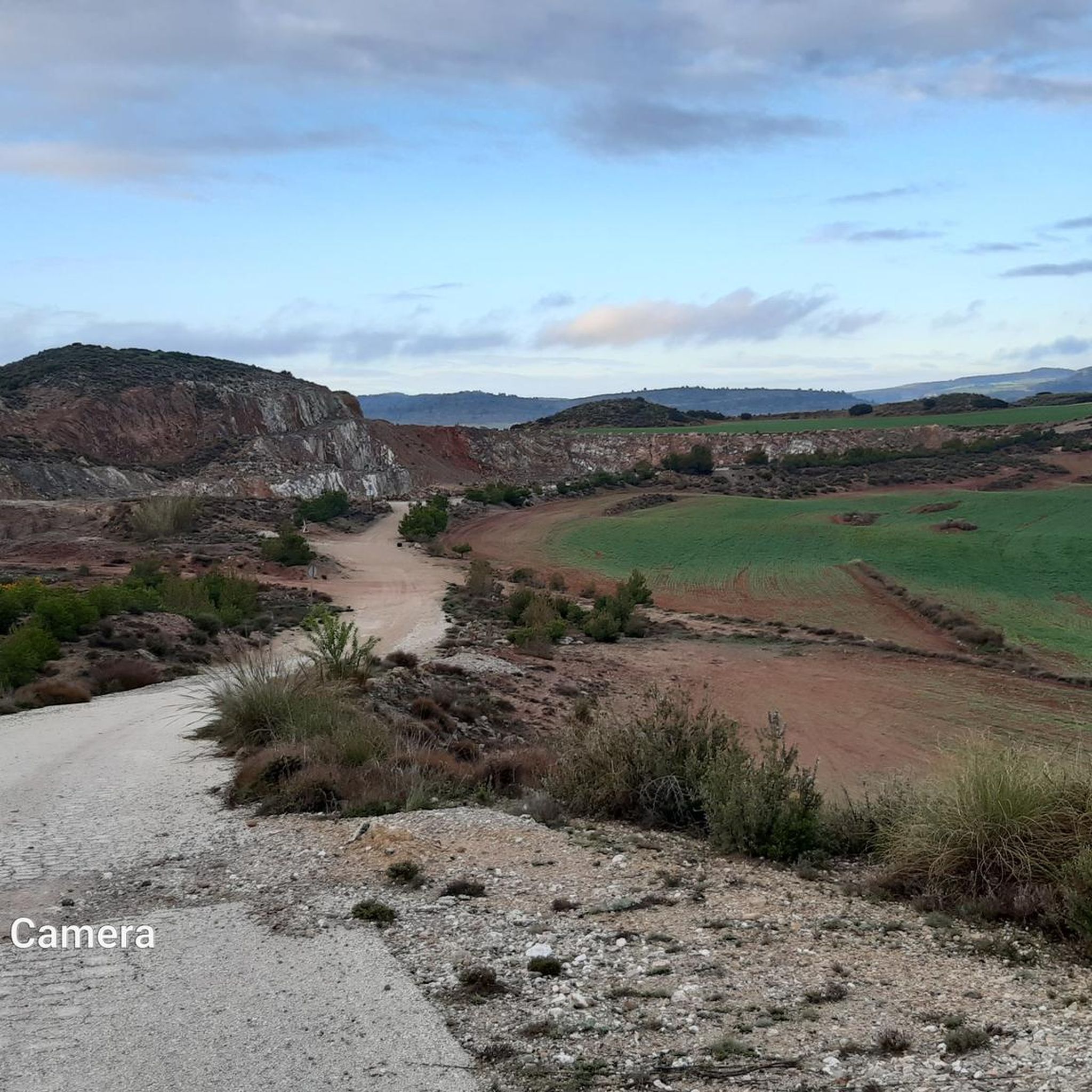
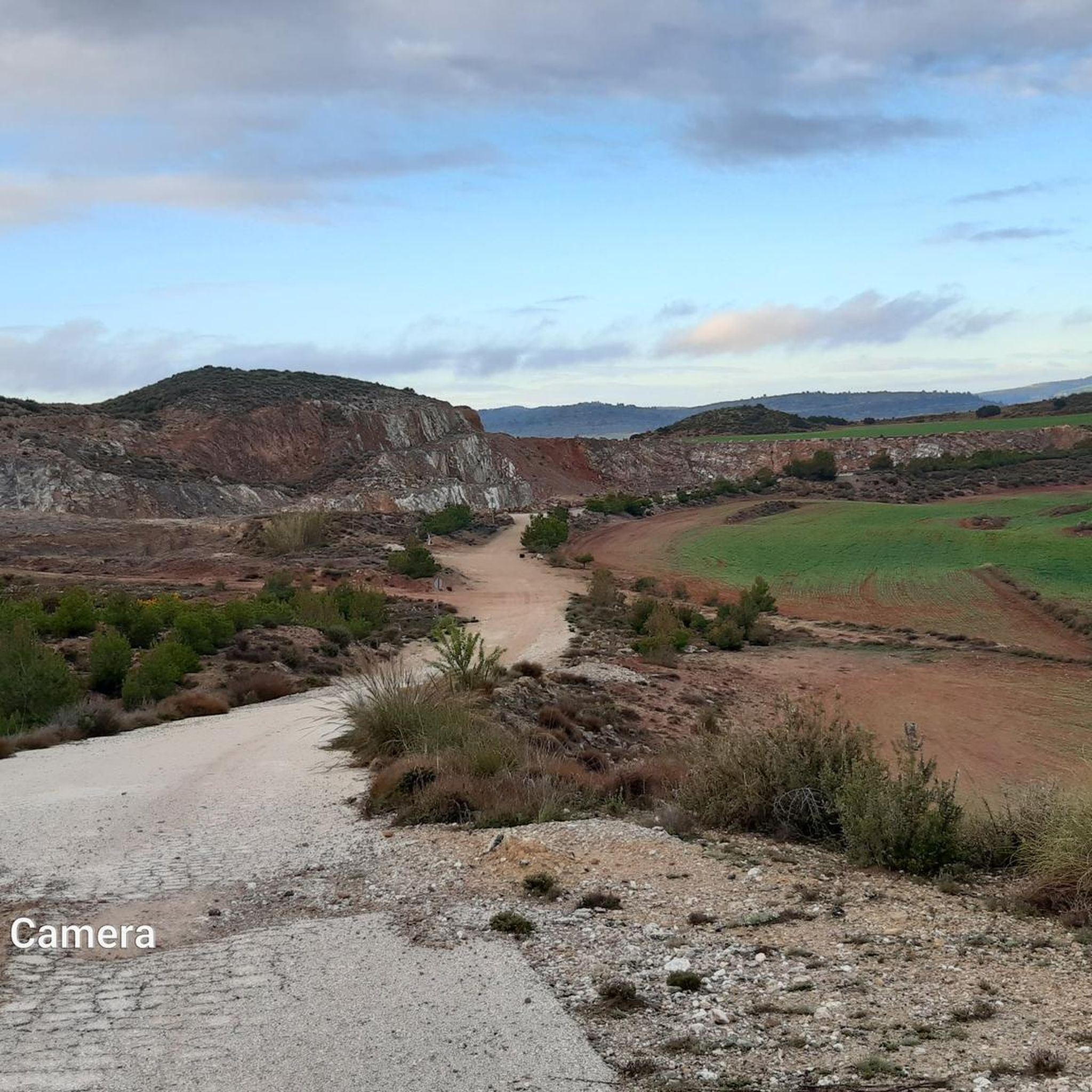
Junction to Navalón via Loma Espesa
Highlight • Trail
Tip by

Sign up for free to discover even more attractions around Almansa.
Sign up for free
Already have an account?
Start today with a free account
Your next adventure awaits.
Login or Signup
Popular around Almansa

Tips from the Community

The hermitage is a prominent natural viewpoint, offering panoramic views of Caudete, the Vinalopó Valley, and on clear days, even the sea. It forms part of the official PR-AB-50 trail, a well-marked circular route of approximately 13.5 km and moderate difficulty (550 m to 1,153 m elevation gain), which allows hikers to enjoy panoramic views, Mediterranean vegetation, and a nearby historic snow well. The area is popular for hiking, mountain biking, and paragliding, with several notable routes.
4
0
The Hermitage of Santa Bárbara is located on the summit of the Sierra de la Oliva, also known as the Sierra Santa Bárbara, at an altitude of approximately 1,153 meters, about 5 kilometers southeast of Caudete. Built around 1580 at the initiative of the people of Caudete, following a period of severe storms with hail, the mountain peak was chosen as a place of spiritual protection, with the trust that Santa Bárbara would safeguard the crops and the population. Traditionally under the jurisdiction of the parish of Santa Catalina, the hermitage is visited every May 1st in a pilgrimage: pilgrims ascend steep paths in homage to the saint's martyrdom, reflecting sacrifice and devotion.
4
0

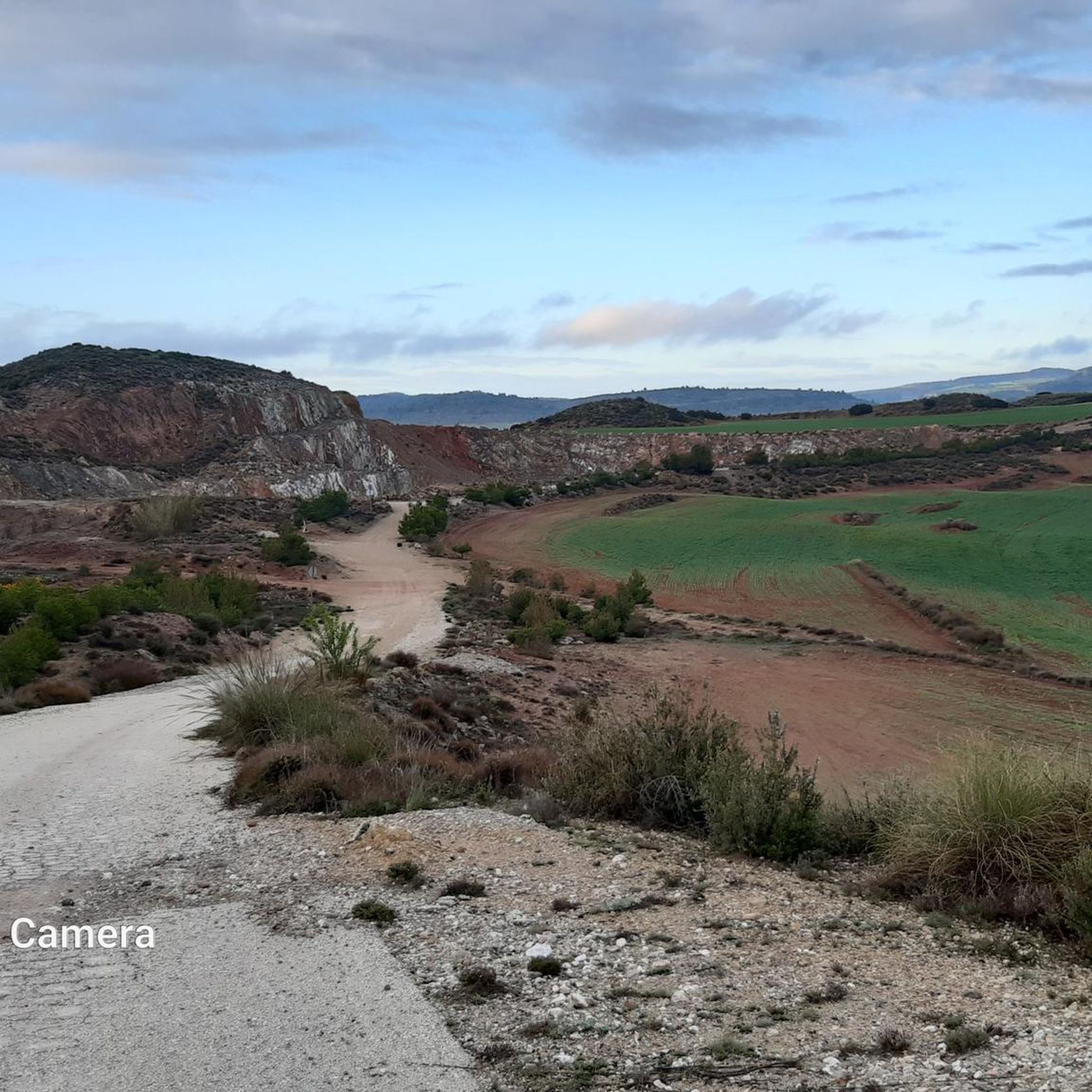
The starting point is closed, you have to walk around the campsite, first part is on a gravel path down. The second part through the valley and the third part up again is a nice path.
1
0
The Archpriestal Church of the Assumption in Almansa is an impressive historical and architectural monument. Located in the Plaza de Santa María, next to the Palace of the Counts of Cirat, this church was built in several stages from the 16th to the 19th century.
6
0

The patronage of this church - "Santa MARIA ASUNCION" or "Nuestra Señora de La Asunción" (in German-speaking countries it is called "Mariä Himmelfahrt") - refers to one of the many memorial or feast days in honor of the Mother of God Mary in the church year. It goes back to the feast of her bodily assumption into heaven, which the (Catholic) Church celebrates annually on August 15th. In Christian Orthodox churches the feast is celebrated under the name "Maria Entschläfung". In rural areas it is part of the local custom - depending on the region - that on this special day bundles of herbs are collected by the population and blessed in the festive service.
3
0
The patronage of this church - "Santa MARIA ASUNCION" or "Nuestra Señora de La Asunción" (in German-speaking countries it is called "Mariä Himmelfahrt") - refers to one of the many memorial or feast days in honor of the Mother of God Mary in the church year. It goes back to the feast of her bodily assumption into heaven, which the (Catholic) Church celebrates annually on August 15th. In Christian Orthodox churches the feast is celebrated under the name "Maria Entschläfung". In rural areas it is part of the local custom - depending on the region - that on this special day bundles of herbs are collected by the population and blessed in the festive service.
2
0
The Church of the Assumption in Almansa is an imposing monument that stands in front of the Plaza de Santa María. It is a must-see when touring the historic center of Almansa. Inside, Our Lady of Bethlehem, the Patroness of the city, presides over the High Altar. Construction began on April 30, 1524. Throughout the first half of the 16th century, it was developed from the foundation to the elevation of the nave walls, the side chapels, and buttresses were added. The sculptural group on the façade represents the Annunciation, with the Virgin kneeling before a lectern and the archangel Gabriel in front of her. If you're thinking of visiting the city, here's a little history to inspire you!
5
0
The Palace of the Counts of Cirat, also known as “the Big House”, is a Renaissance-style building with a civil character. It was built in the last quarter of the 16th century by the Almanseño noble Don Alfonso de Pina. This palace is located in the Plaza de Santa María in the town of Almansa. This palace is a historical and architectural testimony that deserves to be appreciated for its beauty and cultural significance. If you ever have the opportunity to visit Almansa, I recommend exploring this magnificent Renaissance building. 🏰🌟
6
0
Frequently Asked Questions
What historical landmarks can I explore in Almansa?
Almansa is rich in history. You can visit the impressive Castle of Almansa, a medieval fortress offering panoramic views. Also, explore the Palace of the Counts of Cirat, a Renaissance-style building known as "Casa Grande," and the Church of the Assumption, an architectural monument built over several centuries.
Where can I learn about the Battle of Almansa?
You can visit the Battle of Almansa Museum to learn about this significant historical event. Additionally, an Obelisk Commemorating the Battle of Almansa is located about a mile south of the town center, and an exciting annual reenactment of the battle takes place.
Are there any ancient sites or prehistoric art in the Almansa region?
Yes, Almansa is home to prehistoric rock paintings. You can find them in shelters such as "Barranco del Cabezo del Moro" and "Cueva de Olula," offering a glimpse into ancient human settlements in the area.
What natural areas are worth visiting around Almansa?
The region offers several natural attractions. Explore the ecological richness of the Sierra de Almansa, an extensive pine forest. You can also visit the Viewpoint of the Museum Trail and Almansa Swamp (Embalse de Almansa), which serves as a resting place for migratory waterfowl. The Sierra Santa Bárbara (Sierra de la Oliva) also offers scenic views.
Are there opportunities for hiking near Almansa?
Absolutely! The Almansa area offers various hiking routes. For example, you can explore trails around the Embalse de Almansa or take a moderate circular route from Fuente de Olula to Ermita Santa Bárbara. You can find more hiking options in the Hiking around Almansa guide.
Can I go cycling or mountain biking in the Almansa area?
Yes, there are many routes for cycling and mountain biking. For road cycling, consider routes like the Montealegre del Castillo by Alpera loop from Almansa. Mountain bikers can explore trails in the Sierra del Mugrón or the Sierra de Almansa. More details are available in the Cycling around Almansa and MTB Trails around Almansa guides.
Where can I find scenic viewpoints in Almansa?
For breathtaking views, ascend to the Castle of Almansa, which provides stunning panoramas of the city and surrounding countryside. The Hermitage of Santa Bárbara, located on the summit of Sierra Santa Bárbara, also offers expansive views of Caudete and the Vinalopó Valley. Additionally, the viewpoint overlooking the Almansa Swamp provides natural vistas.
Are there family-friendly attractions in Almansa?
Many of Almansa's historical sites are suitable for families. The Church of the Assumption and the Palace of the Counts of Cirat are both considered family-friendly attractions, offering a glimpse into the city's rich past.
When is the best time to visit Almansa?
The spring and autumn months generally offer pleasant weather for exploring Almansa's attractions and outdoor activities. If you're interested in cultural events, the annual Moros y Cristianos festival, celebrated from May 1st to 6th, is a vibrant and colorful experience.
What cultural events or festivals are notable in Almansa?
Almansa is famous for its annual Moros y Cristianos festival, held from May 1st to 6th. This event commemorates the battles between Moors and Christians with parades, music, traditional costumes, and historical reenactments. There is also an annual reenactment of the Battle of Almansa.
Are there any unique or unusual attractions in Almansa?
For those interested in local crafts and history, the Jug Museum (Museo del Botijo) offers an unusual point of interest. Almansa is also known for its production of renowned Almansa wine, with the region being home to the Almansa Denomination of Origin.
What religious buildings are significant in Almansa?
Beyond the prominent Church of the Assumption, Almansa features other notable religious sites. These include the Convent of the Augustinians, known for its Baroque façade, the Convent of San Francisco, and the Hermitage of San Blas, all contributing to the city's historical and architectural tapestry.
Most popular routes around Almansa
Most popular attractions around Almansa

Get inspired with the komoot mobile app


Explore more
Still not found the Highlight you’re looking for? See guides of the top attractions in other regions:
