Attractions and Places To See around Monòver / Monóvar - Top 20
Best attractions and places to see around Monòver / Monóvar include a rich blend of historical landmarks, cultural sites, and natural beauty in the interior of Alicante, Spain. The town offers insights into its history and culture, alongside a landscape characterized by vineyards, almond groves, and olive trees. Visitors can explore various sites, from ancient castles to unique modernist architecture. The area also features natural parks and geological formations.
Best attractions and places to see around Monòver / Monóvar
- The most popular attractions is Sanctuary of Saint Mary Magdalene, a religious building considered a unique example of Valencian modernism. Its design was inspired by Antoni Gaudí's Sagrada Família.
- Another must-see spot is Almortxó Sand Dunes, a natural monument featuring a large inland dune formation. This site is recognized as the largest active inland sandbank in the Iberian Peninsula.
- Visitors also love Chapel of Our Lady of Sorrows, a small hermitage that is part of the historical heritage of the municipality. It is situated amidst olive groves, offering views of the surrounding mountains.
- Monòver / Monóvar is known for its historical sites, religious buildings, and natural monuments. The area provides a variety of attractions to see and explore, from ancient castles to unique geological features.
- The attractions around Monòver / Monóvar are appreciated by the komoot community, with 106 upvotes and 110 photos shared across the highlights.
Last updated: July 7, 2026
Sanctuary of Saint Mary Magdalene
Highlight • Religious Site
Translated by Google •
Tip by

Chapel of Our Lady of Sorrows
Highlight • Religious Site
Translated by Google •
Tip by

Sign up now to discover places like this
Get recommendations on the best single tracks, peaks, & plenty of other exciting outdoor places.
Sign up for free
Castle of Sax
Highlight • Castle
The castle in Sax is located on the CidCT route: Camino del Cid Cyclotourista route of castles in the historically contested border region between the Moors and the kingdoms of Castile, Valencia, and Aragon.
Under the name "El Cid," Spain's knight Rodrigo Diaz de Vivar became a symbolic figure of the Reconquista. The Castilian nobleman fought against Moorish rulers and Christian rivals in the 11th century. He never lost a single battle; the Moors respectfully called him Alsayyed (Lord of the Leaders), which later became "El Cid." The Spanish, however, always referred to him as "El Compeador" (The Warrior).
Translated by Google •
Tip by

El Pinós Town Center
Highlight • Settlement
Translated by Google •
Tip by

Almortxó Sand Dunes
Highlight • Natural Monument
Translated by Google •
Tip by
Sign up for free to discover even more attractions around Monòver / Monóvar.
Sign up for free
Already have an account?
Start today with a free account
Your next adventure awaits.
Login or Signup
Popular around Monòver / Monóvar
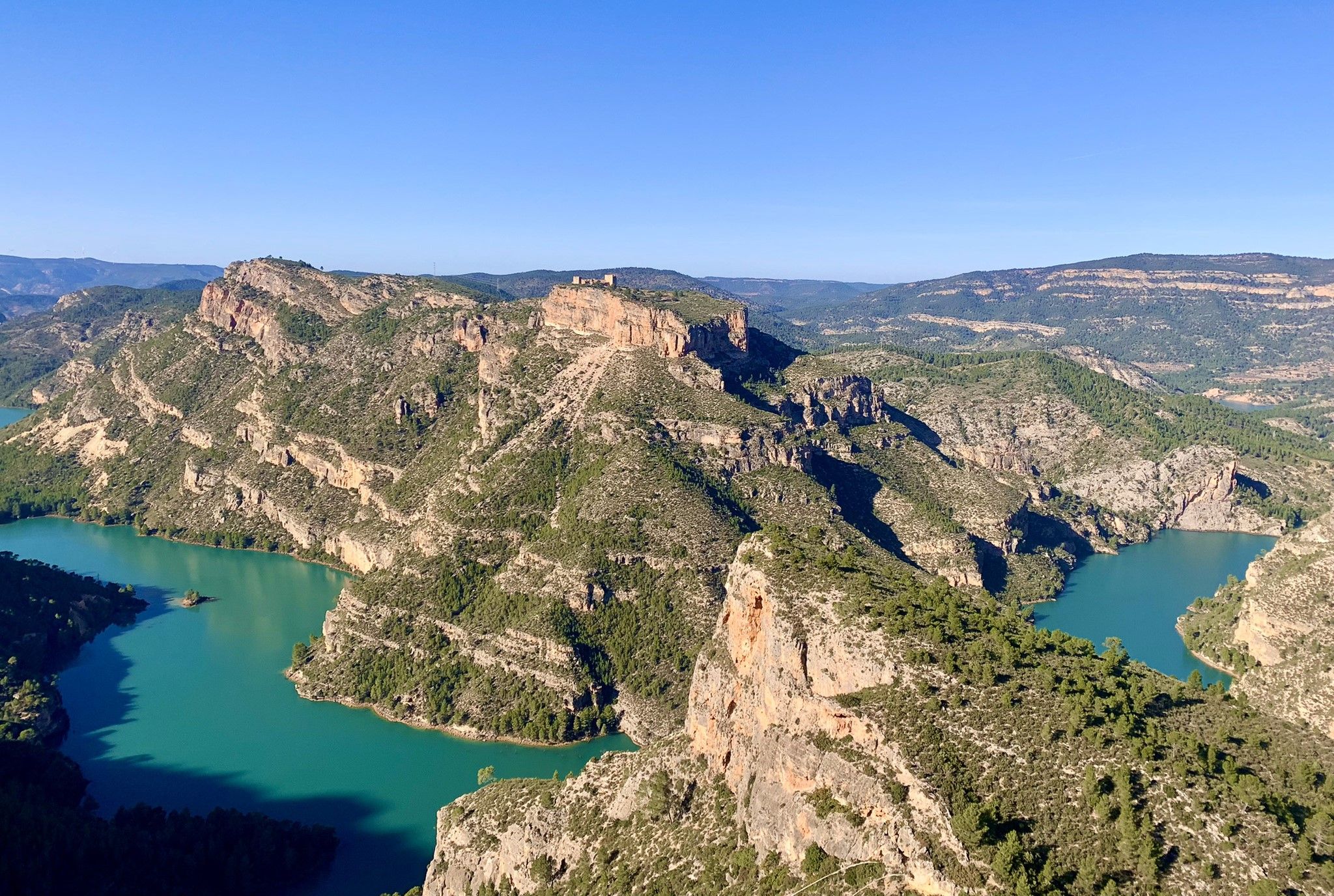
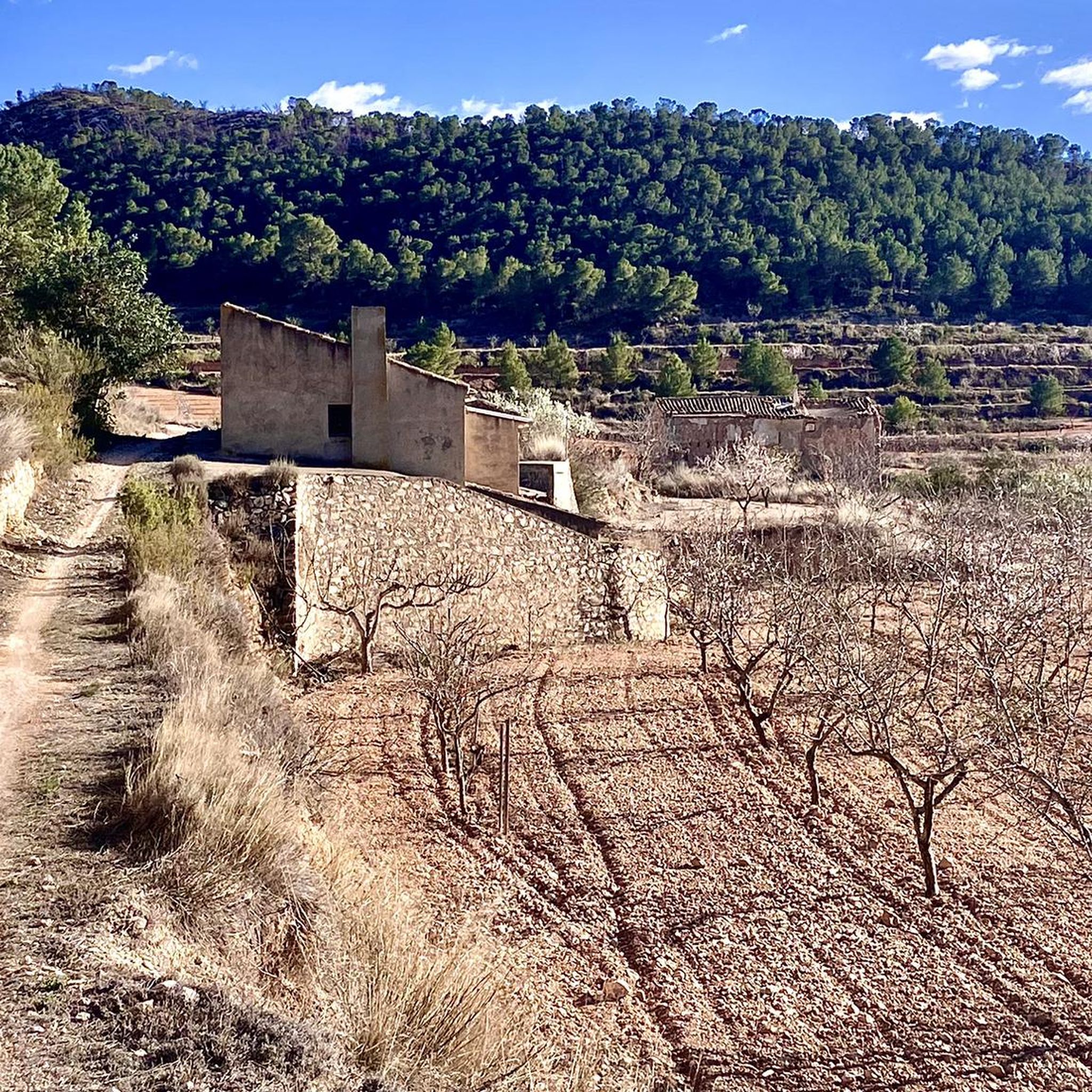
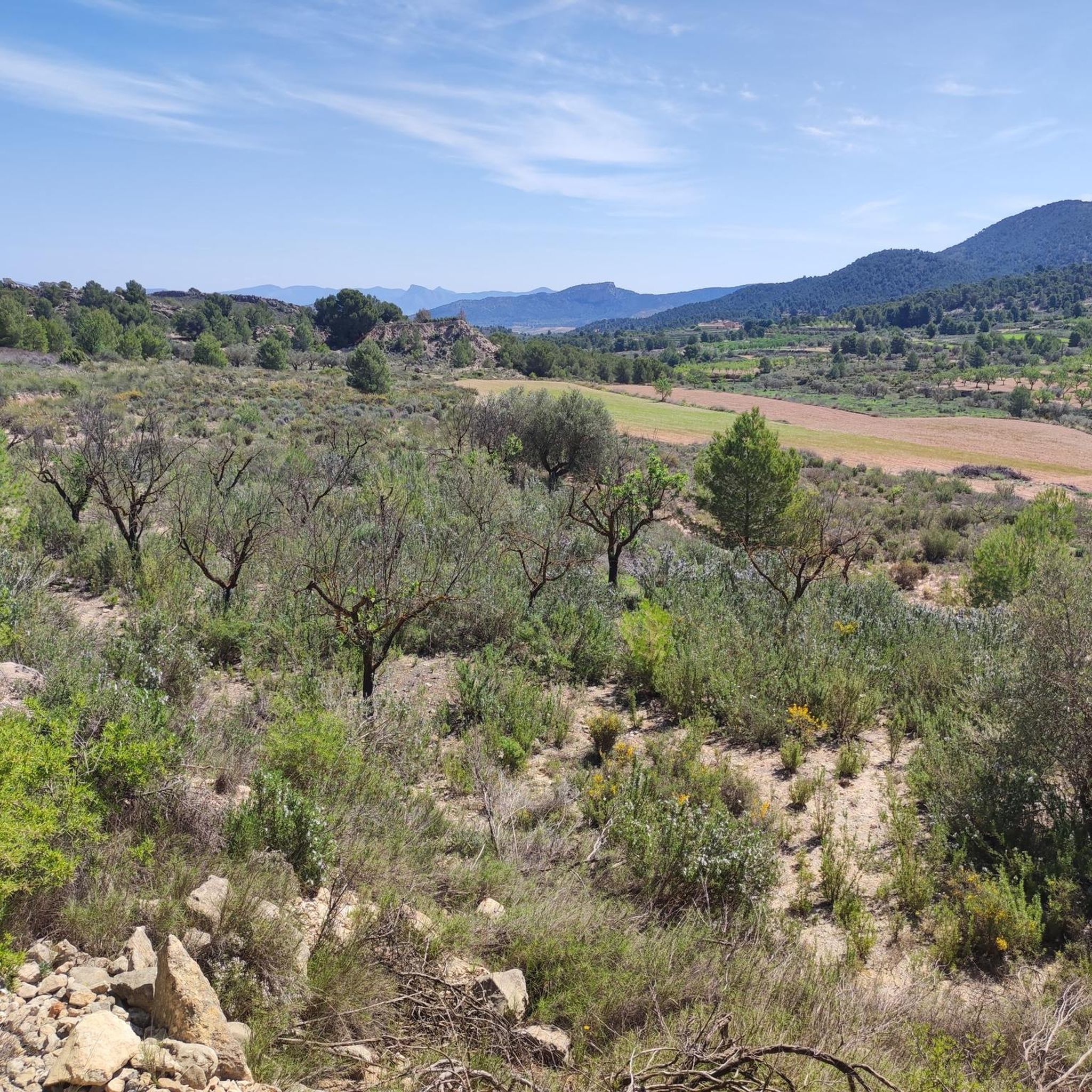

Other adventures around Monòver / Monóvar

Tips from the Community

The Arenal de l'Almortxó is a municipal natural area located in the northwest of Petrer, in the province of Alicante. It is a truly unique site due to its geology and biodiversity, and stands out as the largest active inland sandbank in the Iberian Peninsula.
1
0

Beautiful hermitage, located directly on the hiking trail
2
0
Beautiful city. Visited by many English tourists.
3
0
El Pinós, also known as Pinoso, is a municipality located in the west of the province of Alicante, in the Vinalopó Mitjà region. The pine landscape is characterized by white limestone lands covered with vineyards, mainly of the Monastrell variety, which produces high-alcohol red wines and dessert wines called Fondillón.
8
1

The oldest part of the castle is the eastern tower, built of tapia masonry on the steep slope of the cliff. It dates from the Almohad period, i.e., the late 12th to early 13th century. The second tower of the complex probably dates from the first decades of the 14th century. Originally a Moorish foundation, after the Reconquista the castle was located in the border area between the Kingdom of Murcia, claimed by Castile, and the Kingdom of Valencia, conquered by Aragon. A chain of castles was built in this area, mainly along the Vinalopó River. Around 1240, the castle was wrested from the Muslims under Aragonese leadership and with the help of the Templars and the Order of St. John. The castle in Sax is located on the CidCT route: Camino del Cid Cyclotourista route of castles in the historically contested border region between the Moors and the kingdoms of Castile, Valencia, and Aragon. Under the name "El Cid," Spain's knight Rodrigo Diaz de Vivar became a symbolic figure of the Reconquista. The Castilian nobleman fought against Moorish rulers and Christian rivals in the 11th century. He never lost a single battle; the Moors respectfully called him Alsayyed (Lord of the Leaders), which later became "El Cid." The Spanish, however, always referred to him as "El Compeador" (The Warrior).
6
0

This sandy area is a natural area of Petrel, in the province of Alicante. It is a huge dune formation that, unlike the others, is located inland instead of on the coast. It is made up of fragments from the disintegration of rocks that over the years have been affected by changes in temperature, wind, humidity, etc.
2
0
This small hermitage, which is part of the historical heritage of the municipality of Elda, is located in a privileged environment. Located between infinite fields of olive trees, from here you can see the mountains of Monóvar and Elda. The green prominences stand out from the dry crops and create a postcard to remember.
3
0
El Pinós or Pinoso is the first town to be found when leaving the Region of Murcia. It belongs to Alicante, to the Medio Vinalopó region, and its economy is based on agriculture and the extraction of cream-ivory marble. In Monte Coto, where the quarries are located, there is a nature classroom.
4
0
Frequently Asked Questions
What historical sites can I explore in Monòver / Monóvar?
Monòver / Monóvar boasts a rich history with several notable sites. You can visit the ruins of the Castle of Monóvar, an Almohad-era fortress offering impressive views. Another significant historical landmark is the Clock Tower, an unusual freestanding 18th-century tower. The town also features the San Juan Bautista Parish Church, an 18th-century Baroque structure with Neoclassical elements.
Are there any unique architectural attractions in Monòver / Monóvar?
Yes, Monòver / Monóvar is home to some distinctive architectural gems. The Sanctuary of Saint Mary Magdalene is a unique example of Valencian modernism, inspired by Antoni Gaudí's Sagrada Família. Additionally, the Chapel of Santa Bárbara, with its blue tiled dome, is a notable example of Valencian Baroque architecture.
What natural attractions are there to see around Monòver / Monóvar?
The region around Monòver / Monóvar offers several natural highlights. The Almortxó Sand Dunes is a unique natural monument, recognized as the largest active inland sandbank in the Iberian Peninsula. You can also explore the Monte Coto Municipal Natural Park, located in the Sierra del Reclot, which covers over 760 hectares. The landscape is also characterized by extensive vineyards, almond groves, and olive trees.
What kind of outdoor activities can I do near Monòver / Monóvar?
Monòver / Monóvar is excellent for outdoor enthusiasts. You can find numerous routes for hiking, running, and mountain biking. For hiking, explore trails like the 'Hiking loop from Bassa de la Pedrera' or 'Rows of Facades on a Hillside – Monóvar loop'. Mountain biking options include 'Trails in El Molinet – Hermitage of Saint Barbara loop'. You can find more details and routes on the Hiking around Monòver / Monóvar, Running Trails around Monòver / Monóvar, and MTB Trails around Monòver / Monóvar guide pages.
Are there any family-friendly attractions in Monòver / Monóvar?
Yes, several attractions in and around Monòver / Monóvar are suitable for families. The Sanctuary of Saint Mary Magdalene and the Chapel of Our Lady of Sorrows are both listed as family-friendly. Natural sites like the Almortxó Sand Dunes also offer an interesting outdoor experience for all ages.
What cultural institutions or museums are available in Monòver / Monóvar?
Monòver / Monóvar offers several cultural sites. You can visit the Azorín's House Museum, dedicated to the renowned Spanish writer José Augusto Trinidad Martínez Ruiz. The Monóvar's Permanent Collection of Arts and Trades showcases unique pieces reflecting local history and traditions. The town also has the Principal Theatre, a significant 19th-century venue, and an elegant Casino building.
What is the best time of year to visit Monòver / Monóvar for outdoor activities?
The best time to visit Monòver / Monóvar for outdoor activities like hiking and cycling is generally during the spring (April to June) and autumn (September to November) months. During these periods, the weather is typically mild and pleasant, making it ideal for exploring the natural landscapes and trails without the intense heat of summer or the cooler, sometimes wetter, conditions of winter.
Are there any viewpoints or places with scenic views?
Yes, several locations offer scenic views. The ruins of the Castle of Monóvar, perched on a hilltop, provide impressive panoramas of the town and surrounding landscapes. The Chapel of Our Lady of Sorrows, situated amidst olive groves, offers views of the surrounding mountains. Additionally, the Chapel of Santa Bárbara, located on one of Monòver's hills, also provides a good vantage point.
Where can I find information about the local wine production in Monòver / Monóvar?
Monòver / Monóvar is a prominent wine-producing region in Alicante, known for its red wines and the sweet Fondillón wine. The rural landscape is characterized by extensive vineyards. While specific visitor centers are not detailed, exploring the local area will reveal many vineyards, and local shops or restaurants often highlight the region's wine heritage. The El Pinós Town Center, nearby, is also known for its Monastrell variety vineyards.
What do visitors enjoy most about the attractions around Monòver / Monóvar?
Visitors particularly appreciate the unique architecture and historical significance of sites like the Sanctuary of Saint Mary Magdalene, often noting its resemblance to Gaudí's work. The natural beauty of the Almortxó Sand Dunes is also a highlight, recognized for its unique inland formation. Many also enjoy the serene settings of places like the Chapel of Our Lady of Sorrows, nestled among olive groves, and the historical depth of sites like Sax Fortress.
Are there any easy hiking trails suitable for beginners or families near Monòver / Monóvar?
Yes, there are easy hiking options available. For instance, the 'Rows of Facades on a Hillside – Monóvar loop from Monòver / Monóvar' is an easy route covering about 7.3 km. These trails are generally suitable for beginners or families looking for a less strenuous outdoor experience. You can find more details on the Hiking around Monòver / Monóvar guide page.
Can I find any geological features or caves in the Monòver / Monóvar area?
Yes, the region has interesting geological features. The Almortxó Sand Dunes are a significant natural monument due to their unique geology. Additionally, while specific details are limited, caves such as Cueva de la Romaneta are listed as part of the cultural heritage and natural attractions in the area, offering a glimpse into the region's geological past.
Most popular routes around Monòver / Monóvar
Most popular attractions around Monòver / Monóvar

Get inspired with the komoot mobile app


Explore more
Still not found the Highlight you’re looking for? See guides of the top attractions in other regions:
