Attractions and Places To See around El Morell - Top 20
Best attractions and places to see around El Morell, a municipality in the Tarragona province of Catalonia, Spain, offers a blend of historical landmarks, cultural sites, and natural beauty. Located near the Francolí River, the town has a rich history, with evidence of Roman-era habitation. Visitors can explore ancient structures, significant churches, and natural landscapes shaped by rivers and surrounding hills. The area provides opportunities for exploring both historical sites and outdoor activities.
Best attractions and places to see around El Morell
- The most popular attractions is Tarragona Roman Amphitheatre, a historical site that was built in the 2nd century AD and could house up to 15,000 spectators. It is a significant Roman building located outside the walled enclosure of the ancient city of Tàrraco.
- Another must-see spot is Les Ferreres Aqueduct (Devil's Bridge), an ancient Roman aqueduct from the 1st century. This structure is popular for its idyllic hiking trails and picnic spots, and it carried water from the Francolí River to Tarragona.
- Visitors also love Puig d'en Cama (717 m), a summit offering spectacular 360-degree views. It is one of the highest mountains near Selva del Camp, with well-marked trails leading to its geodesic vertex.
- El Morell is known for its historical sites, cultural monuments, and natural viewpoints. The region offers a variety of attractions to see and explore, from ancient Roman structures to scenic mountain peaks.
- The attractions around El Morell are appreciated by the komoot community, with over 330 upvotes and more than 230 photos shared by visitors.
Last updated: August 30, 2026
Tarragona Roman Amphitheatre
Highlight • Historical Site
Tip by

Les Ferreres Aqueduct (Devil's Bridge)
Highlight • Bridge
Translated by Google •
Tip by

Sign up now to discover places like this
Get recommendations on the best single tracks, peaks, & plenty of other exciting outdoor places.
Sign up for free
Cathedral of Tarragona
Highlight • Religious Site
Translated by Google •
Tip by

Puig d'en Cama (717 m)
Highlight • Summit
Translated by Google •
Tip by

Casa Navàs
Highlight • Monument
Translated by Google •
Tip by

Sign up for free to discover even more attractions around El Morell.
Sign up for free
Already have an account?
Start today with a free account
Your next adventure awaits.
Login or Signup

Tips from the Community

Casa Navàs is one of the most important Modernisme buildings in the Catalan city of Reus, designed by the Barcelona-born architect Lluís Domènech i Montaner. It was built between 1901 and 1908 for Joaquim Navàs Padró and Josepa Blasco Roura, a Reus couple who ran a textile business. The building involved some of the best artists of the era, who were regular collaborators on Domènech i Montaner's projects, such as the cabinetmaker Gaspar Homar, the sculptor Alfons Juyol i Bach, the glass artist Antoni Rigalt i Blanch, and the mosaicist Lluís Bru i Salelles. (Wikipedia)
0
0

Great building, very well preserved. You can cross it at the top. It's definitely worth a visit 🤩
2
1
Super beautiful building. Very well preserved. Definitely worth a visit 🤩
2
0

El Puig d'en Cama is a hill located in the Selva del Camp area, the entire summit is above Almoster, Baix Camp region, approximately north of Reus, Castellvell del Camp and Almoster, west of the Selva del Camp and east of Aleixar. It is part of the first stirrups of the Prades mountains. It is 717 meters high. At the top we can find a geodesic vertex (reference 263134001). This peak is included in the Challenge of 100 peaks of the Federation of Excursionist Organizations of Catalonia. Until recently there was a watchtower, now gone.
0
0

From the street of William J. Bryan, which connects the beach with the historic center and upper area of Tarragona, you have a privileged view of the amphitheater of Tarraco, ruins of the Roman town.
1
0

Beautiful, old building inspired by Gaudi, who was born here in the city and spent his first 16 years of life
2
0

House designed and built by architect Gaudi. Originally preserved and great to look at. Own pictures only possible from the stairwell
1
0
It is undoubtedly the most important historical monument in Tarraco, at the foot of the beach and overlooking the sea. A fine end point for a legendary route. We'll be back.
0
0
Frequently Asked Questions
What historical sites can I explore in and around El Morell?
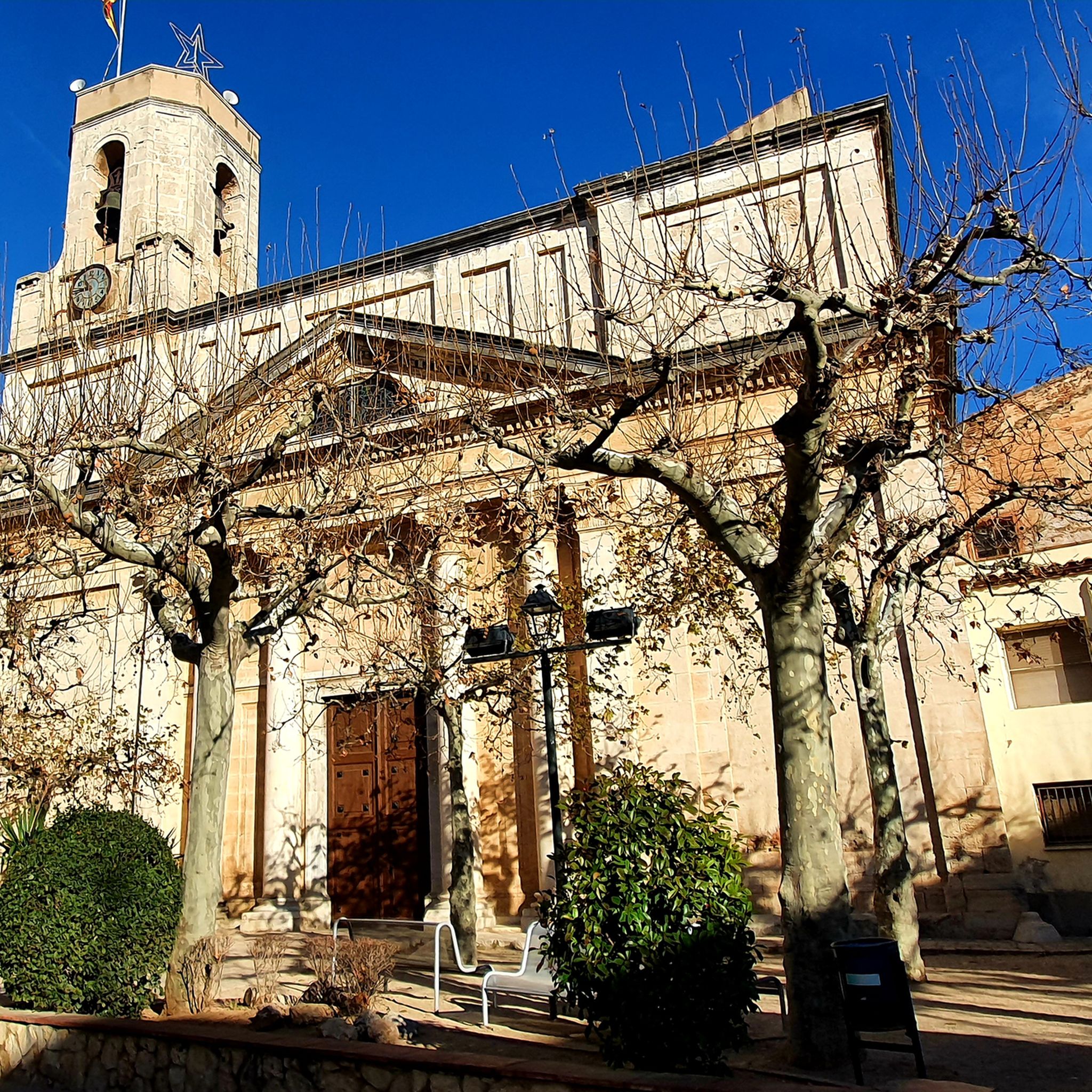
El Morell boasts a rich history. You can visit the impressive El Morell Castle (Casal dels Montoliu), which now serves as the Town Hall and features neoclassical sgraffito and mural paintings. The Church of Sant Martí, an 18th-century Baroque church, is another key monument. Don't miss the medieval Torre de la Mixarda or the ancient Granja dels Frares, a former Cistercian monastery center. Nearby, you can explore the magnificent Tarragona Roman Amphitheatre, a 2nd-century AD structure that once held 15,000 spectators, and the Les Ferreres Aqueduct (Devil's Bridge), a Roman aqueduct from the 1st century.
Are there any natural attractions or viewpoints near El Morell?
Yes, the region offers beautiful natural landscapes. The Francolí and Glorieta rivers shape the local environment, providing scenic areas. For breathtaking panoramic views, consider a challenging hike to Puig d'en Cama (717 m), one of the highest mountains near Selva del Camp, offering spectacular 360-degree vistas. The Hermitage of Sant Pere del Puig also provides a great viewpoint from its hill.
What kind of outdoor activities can I do around El Morell?
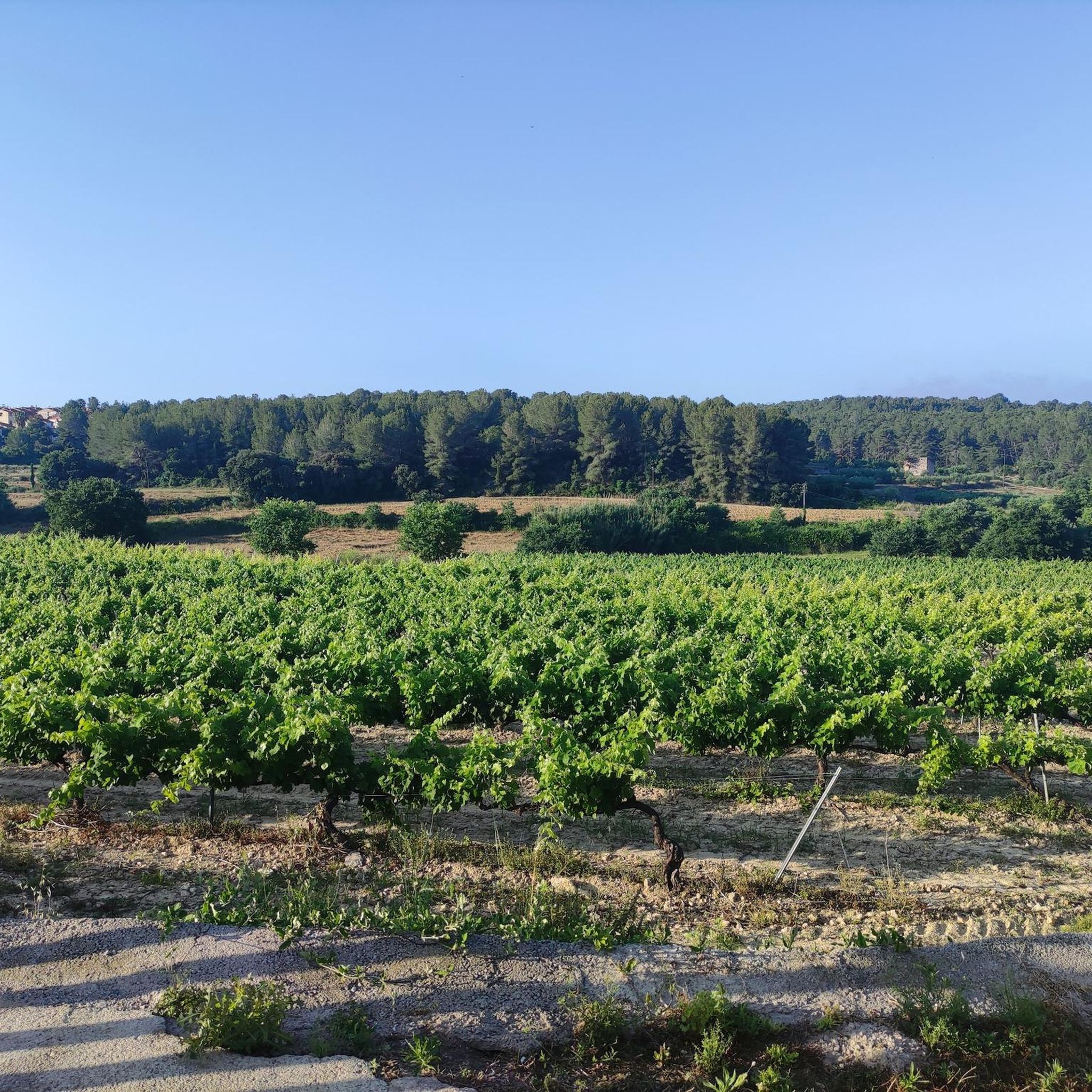
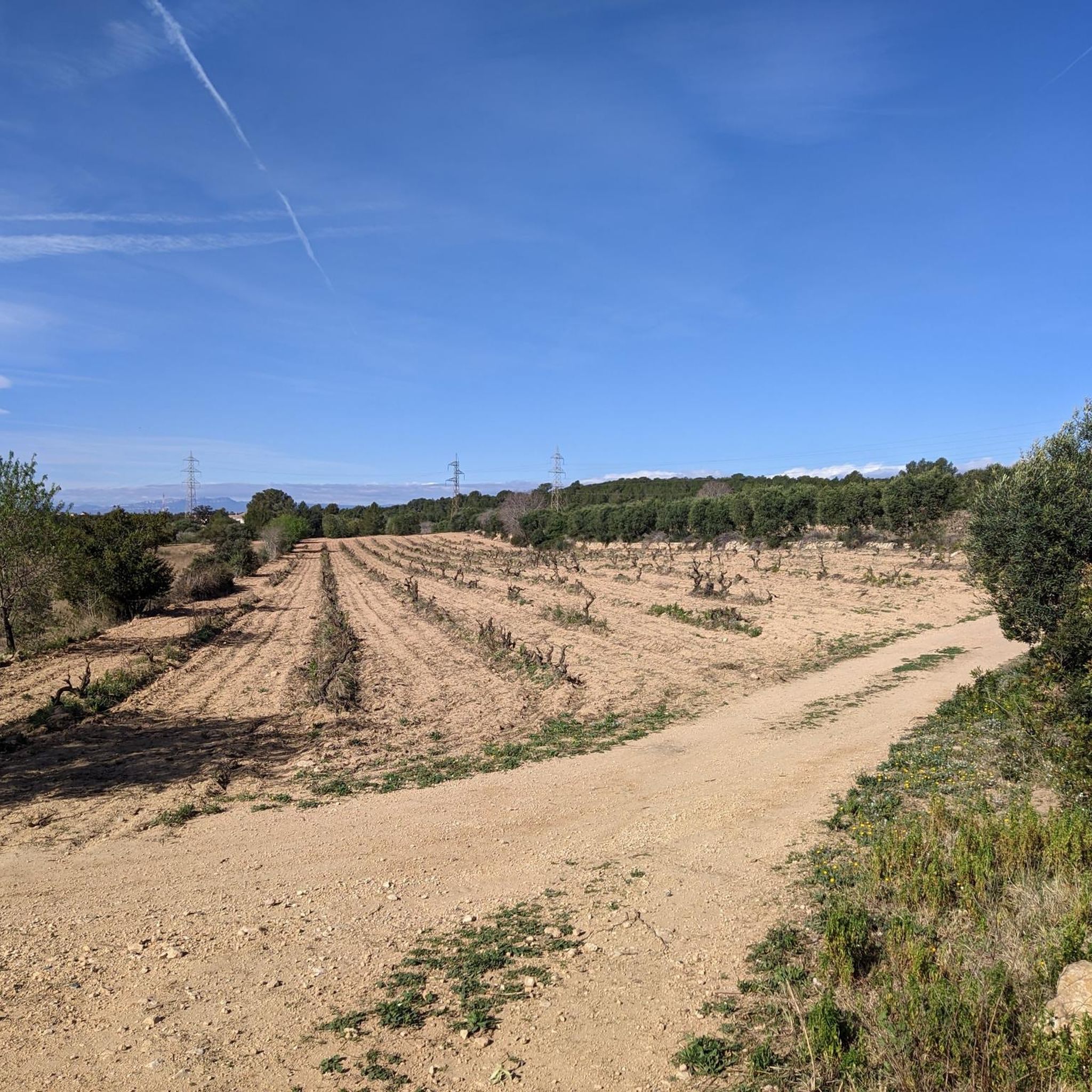
The surroundings of El Morell are perfect for outdoor enthusiasts. You can find numerous routes for mountain biking, gravel biking, and cycling. For example, explore the MTB Trails around El Morell, which include routes like the 'Francolí River Trail – Vegetal Tunnel of Reeds loop'. There are also options for Gravel biking around El Morell and Cycling around El Morell, with routes passing through vineyards, olive groves, and almond trees.
Are there family-friendly attractions or activities in El Morell?
Absolutely. Many historical sites are suitable for families, including the Tarragona Roman Amphitheatre and the Les Ferreres Aqueduct (Devil's Bridge), which also offers idyllic hiking trails and picnic spots. The Hermitage of Sant Pere del Puig is another family-friendly historical site with good accessibility. The town's Plaça de la Font is a central spot to experience local life, and the Cultural Center of El Morell often hosts workshops and events for the community.
What is the best time of year to visit El Morell for outdoor activities?
The region around El Morell, with its Mediterranean climate, is generally pleasant for outdoor activities for much of the year. Spring and autumn offer mild temperatures, making them ideal for hiking and cycling through vineyards and olive groves. Summers can be warm, but early mornings or late afternoons are still suitable for exploring, especially near the rivers. Winters are generally mild, allowing for comfortable outdoor excursions.
Where can I see unique cultural monuments in the area?
Beyond the historical buildings, you can visit the Monument to the Castellers. This highly visible bronze sculpture in Tarragona is dedicated to the traditional Catalan human towers, a significant cultural phenomenon emphasizing community spirit. It depicts over 120 bronze figures forming a multi-level human tower.
What are some notable historical houses or architectural features in El Morell?
El Morell features several historic houses that reflect its past. These include Cal Girona Nou, one of the village's first single-family homes, and Cal Girona Vell, which retains its original portal and is surrounded by a garden. The El Morell Castle itself, with its 16th-century reconstruction and 18th-century neoclassical sgraffito, is a prime example of the area's architectural heritage.
Can I find hiking trails directly in El Morell or very close by?
Yes, the immediate surroundings of El Morell offer natural landscapes perfect for hiking. You can find routes that traverse vineyards, olive groves, and almond trees. The presence of the Francolí and Glorieta rivers also provides scenic paths. For specific routes, you can explore the MTB Trails around El Morell guide, which includes routes suitable for walking, such as the 'Francolí River Trail – Vegetal Tunnel of Reeds loop'.
What is the local gastronomy like in El Morell?
El Morell is known for its gastronomy, which beautifully blends traditional Catalan flavors with modern influences. Visitors can enjoy typical dishes such as escudella i carn d'olla (a hearty stew), calçots amb salsa romesco (grilled spring onions with a special sauce), and caragols a la llauna (snails baked in a pan). These dishes offer a true taste of the region's culinary heritage.
What do visitors enjoy most about the attractions around El Morell?
Visitors particularly appreciate the blend of historical depth and natural beauty. The ancient Roman structures like the Tarragona Roman Amphitheatre and Les Ferreres Aqueduct are highly valued for their historical significance and the opportunities they provide for exploration and photography. The scenic viewpoints, such as those from Puig d'en Cama, are also a major draw, offering rewarding experiences after a good hike. The komoot community has shared over 230 photos and given more than 330 upvotes, highlighting the area's appeal.
Are there any remains of ancient defensive structures in El Morell?
Yes, El Morell has historical evidence of its defensive past. You can find remains of the Antigua Muralla Defensiva (Old Defensive Wall) within the municipality, offering a glimpse into the town's medieval fortifications. Additionally, the Torre de la Mixarda stands as an impressive medieval defense tower.
Where can I experience the local atmosphere in El Morell?
The heart of the village is undoubtedly the Plaça de la Font. This square is a vibrant meeting point where you can observe daily life, enjoy local cafes, and soak in the authentic atmosphere of El Morell. It's a great place to relax and feel the pulse of the community.
Most popular routes around El Morell
Most popular attractions around El Morell

Get inspired with the komoot mobile app


Explore more
Still not found the Highlight you’re looking for? See guides of the top attractions in other regions:
