Attractions and Places To See around Lozoyuela-Navas-Sieteiglesias - Top 20
Best attractions and places to see around Lozoyuela-Navas-Sieteiglesias, a municipality in the Sierra Norte of Madrid, offers a blend of historical, cultural, and natural attractions. This region is characterized by its unique geological formations, ancient sites, and serene natural landscapes. Visitors can explore a variety of features, from medieval necropolises to significant reservoirs and granite rock formations. The area provides opportunities for exploring both man-made monuments and natural features within a mountainous setting.
Best attractions and places to see around…
Last updated: May 9, 2026
Cancho de la Cabeza Summit
Highlight • Summit
Translated by Google •
Tip by

Patones de Arriba
Highlight • Settlement
Translated by Google •
Tip by

Sign up now to discover places like this
Get recommendations on the best single tracks, peaks, & plenty of other exciting outdoor places.
Sign up for free
Canencia Pass
Highlight • Mountain Pass
Translated by Google •
Tip by
Mojonavalle Forest
Highlight • Forest
Translated by Google •
Tip by

El Villar Reservoir and Gorge
Highlight • Gorge
Translated by Google •
Tip by

Sign up for free to discover even more attractions around Lozoyuela-Navas-Sieteiglesias.
Sign up for free
Already have an account?
Start today with a free account
Your next adventure awaits.
Login or Signup
Popular around Lozoyuela-Navas-Sieteiglesias

Tips from the Community

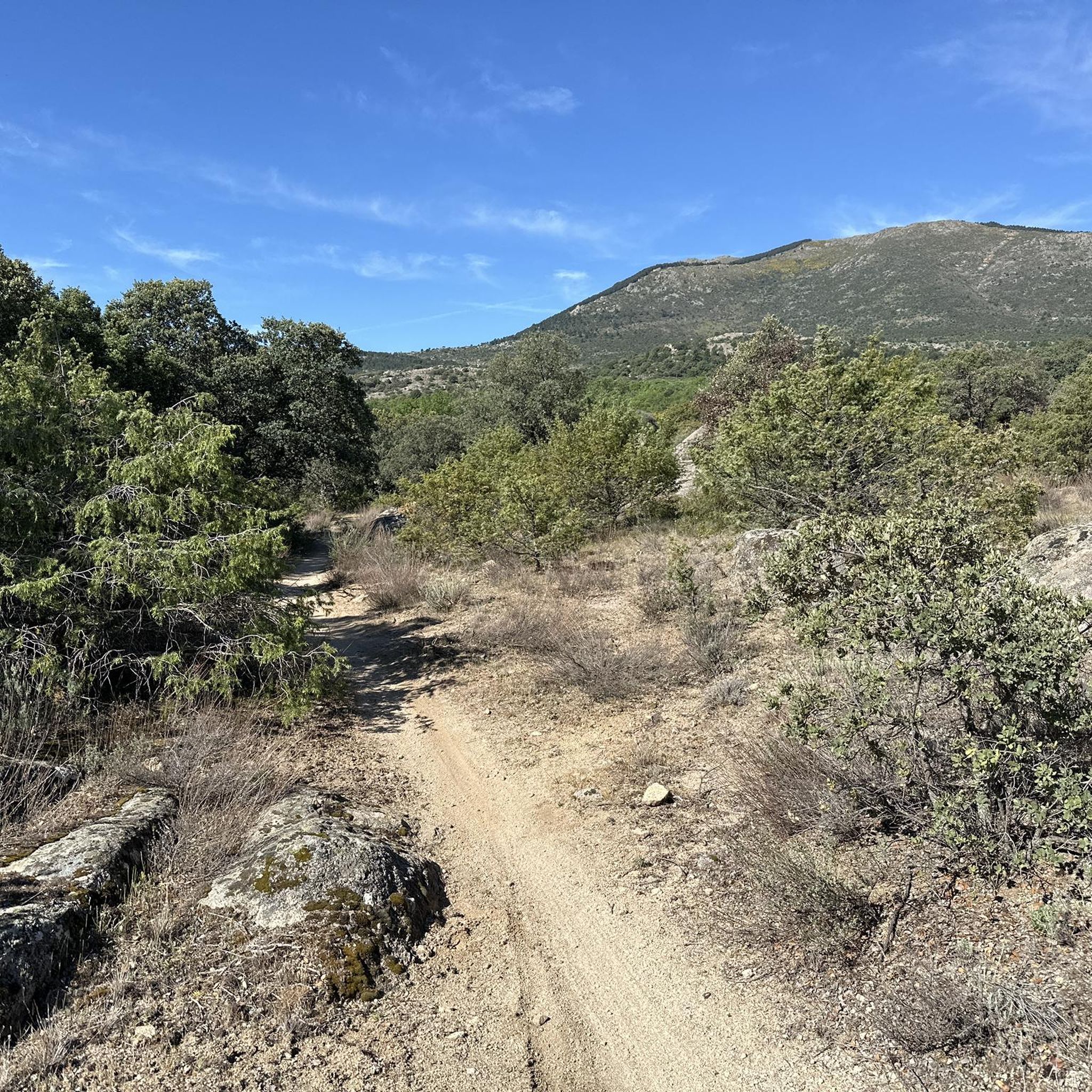
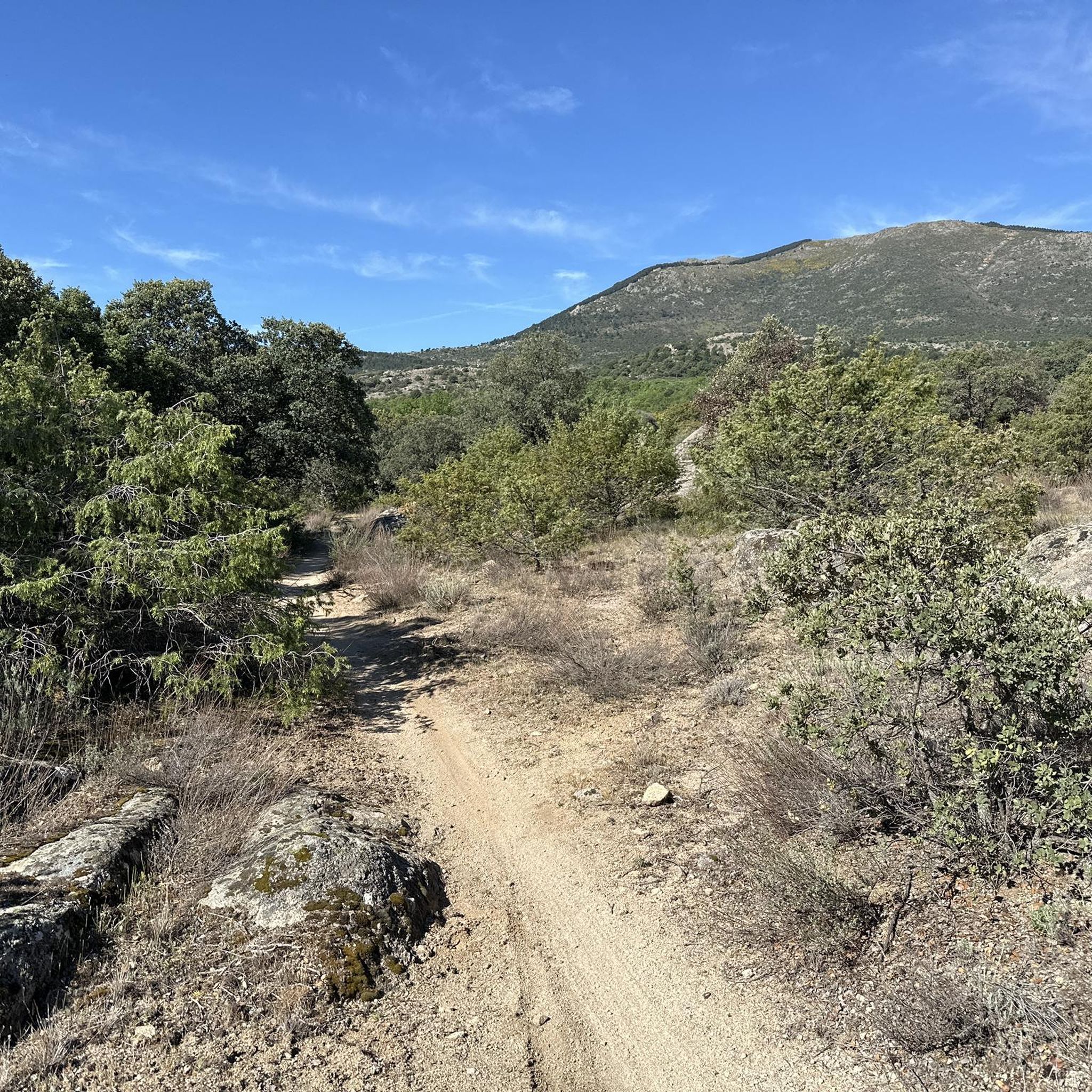
This large pine forest is located within the municipality of Canencia and is easily accessible via forest tracks from the Canencia Pass, coming from the south (Miraflores de la Sierra and Madrid) or from the north (Canencia in the Lozoya Valley). It can also be reached via a longer approach from the M-611 road through the Collado del Hontanar pass (1,731 m).
1
0

Port suitable for beginners who want to get in shape
0
0

Spectacular views, generally good climb with some demanding sections before crossing the firebreak. the rest, quite bearable
1
0

Cancho de la Cabeza, the highest peak in the municipality of Patones, rises majestically in the Sierra Norte region of Madrid. This beautiful natural viewpoint offers panoramic views of the El Atazar reservoir and, in the background, you can see the Peña de la Cabra, one of the numerous peaks of the Ayllón mountain range.
2
0
Cancho de la Cabeza, the highest peak in the municipality of Patones, rises majestically in the Sierra Norte region of Madrid. This beautiful natural viewpoint offers panoramic views of the El Atazar reservoir and, in the background, you can see the Peña de la Cabra, one of the numerous peaks of the Ayllón mountain range. Remember that Patones de Arriba is a small “kingdom” near Madrid, full of charm and tradition. Enjoy the natural beauty and stunning views that Cancho de la Cabeza offers! 🏞️🌄
1
0
Do not confuse Patones de Arriba, the town of black architecture that lives off tourism, with Patones de Abajo. The latter was founded after the Spanish Civil War, and most of the Patoneros moved there. Although Patones de Arriba is practically uninhabited today, some older people still cling to their roots. Before visiting Patones de Arriba, keep in mind that parking there is complicated, so I recommend leaving your car in the Patones de Abajo parking lot.
1
1
Be careful with parking tickets. I won't go back there again. You are warned.
1
1

Patones is a small municipality located in the center of Spain, in the northeast of Madrid. A path through olive groves leads to the medieval town of Patones de Arriba, famous for its black slate houses and winding streets. The mountain is full of stone ruins of old shepherds' huts. Near the town are the Reguerillo cave, an archaeological site, and the ruins of the Pontón de la Oliva and the hermitage of the Virgen de la Oliva.
0
0
Frequently Asked Questions
What historical sites can I explore in Lozoyuela-Navas-Sieteiglesias?
The region is rich in history. You can visit the Necrópolis Medieval de Sieteiglesias, an ancient burial ground with tombs dating back to the 7th century, or the Iglesia de San Nicolás de Bari in Lozoyuela, a 16th or 17th-century church declared a Site of Cultural Interest. Another notable site is the Iglesia de San Pedro Apóstol in Sieteiglesias, which is excavated into rock. Don't miss Patones de Arriba, a unique 'black town' known for its slate architecture and historical significance.
Where can I find the best natural viewpoints in the area?
For breathtaking panoramic views, head to Cancho de la Cabeza Summit, which offers 360º vistas of the surrounding mountains and reservoirs. Another excellent spot is Canencia Pass, known for its incredible landscapes and viewpoints. The Embalse de El Villar also provides spectacular views, especially from the dam itself.
What unique natural formations are there to see?
At the entrance of Navas de Buitrago, you can discover La Seta y El Hongo, two popular granite rock formations uniquely shaped by natural erosion. The area is also characterized by 'berrocales' (rocky outcrops) and diverse forests, including pine and deciduous varieties.
Are there any significant forests or reservoirs to visit?
Yes, the Embalse de El Villar is a historically significant reservoir, being Spain's first high dam. It offers stunning views and is ideal for nature lovers. You can also explore Mojonavalle Forest, a beautiful pine forest near Canencia Pass, known for its dense and homogeneous Scots pine trees and fantastic panoramic views of the Canencia valley.
What outdoor activities are available near Lozoyuela-Navas-Sieteiglesias?
The region is excellent for various outdoor activities. You can find numerous routes for hiking, cycling, and gravel biking. For detailed routes and more options, explore the guides for Hiking around Lozoyuela-Navas-Sieteiglesias, Road Cycling Routes, and Gravel biking around Lozoyuela-Navas-Sieteiglesias.
Are there hiking trails suitable for different skill levels?
Yes, the region offers a variety of hiking trails. For example, the Hiking around Lozoyuela-Navas-Sieteiglesias guide includes routes like the 'Cairn and Trail Marker – Pico de la Miel loop from La Cabrera' which is moderate, and more challenging options like 'PR-M 29: Garganta de los Montes to Canencia Loop'. The area's natural landscapes, including dehesas and forests, provide diverse terrain for all levels.
Can I go cycling in the area?
Absolutely! Lozoyuela-Navas-Sieteiglesias and its surroundings are well-suited for cycling. You can find numerous routes for both road cycling and gravel biking. Check out the Road Cycling Routes around Lozoyuela-Navas-Sieteiglesias and Gravel biking around Lozoyuela-Navas-Sieteiglesias guides for detailed tour suggestions, including ascents like Canencia Pass.
Are there family-friendly attractions in Lozoyuela-Navas-Sieteiglesias?
Many natural sites are suitable for families. Mojonavalle Forest is noted as family-friendly, offering a perfect place for a walk at any time of year. The Embalse de El Villar also provides a pleasant setting for family outings with its spectacular views. The region's numerous hiking paths between dehesas and forests are generally accessible for family walks.
What cultural attractions, beyond historical sites, can I visit?
Beyond ancient sites, you can explore the Museo Etnográfico in Lozoyuela, which showcases objects from the daily life of the town's past, including traditional tools and utensils. Near Las Navas de Buitrago, the Puente del Cura features an open-air art museum called 'Arte en el paisaje al aire libre', integrating student works into the natural scenery.
When is the best time to visit Lozoyuela-Navas-Sieteiglesias?
The region is beautiful year-round, offering different experiences with each season. Spring and autumn are ideal for hiking and outdoor activities due to milder temperatures and vibrant natural colors. Summer provides warm weather for exploring, while winter can offer serene, snow-dusted landscapes, especially in higher elevations. The municipality's website highlights opportunities for hiking, running, and cycling, suggesting it's a good destination for outdoor enthusiasts most of the year.
What do visitors enjoy most about Lozoyuela-Navas-Sieteiglesias?
Visitors particularly appreciate the spectacular 360º views from summits like Cancho de la Cabeza Summit and the incredible landscapes found at Canencia Pass. The unique architecture of Patones de Arriba and the well-preserved historical sites also receive high praise. The natural beauty of the reservoirs and forests, offering opportunities for peaceful walks and outdoor activities, is a significant draw.
Are there any ancient Roman structures in the area?
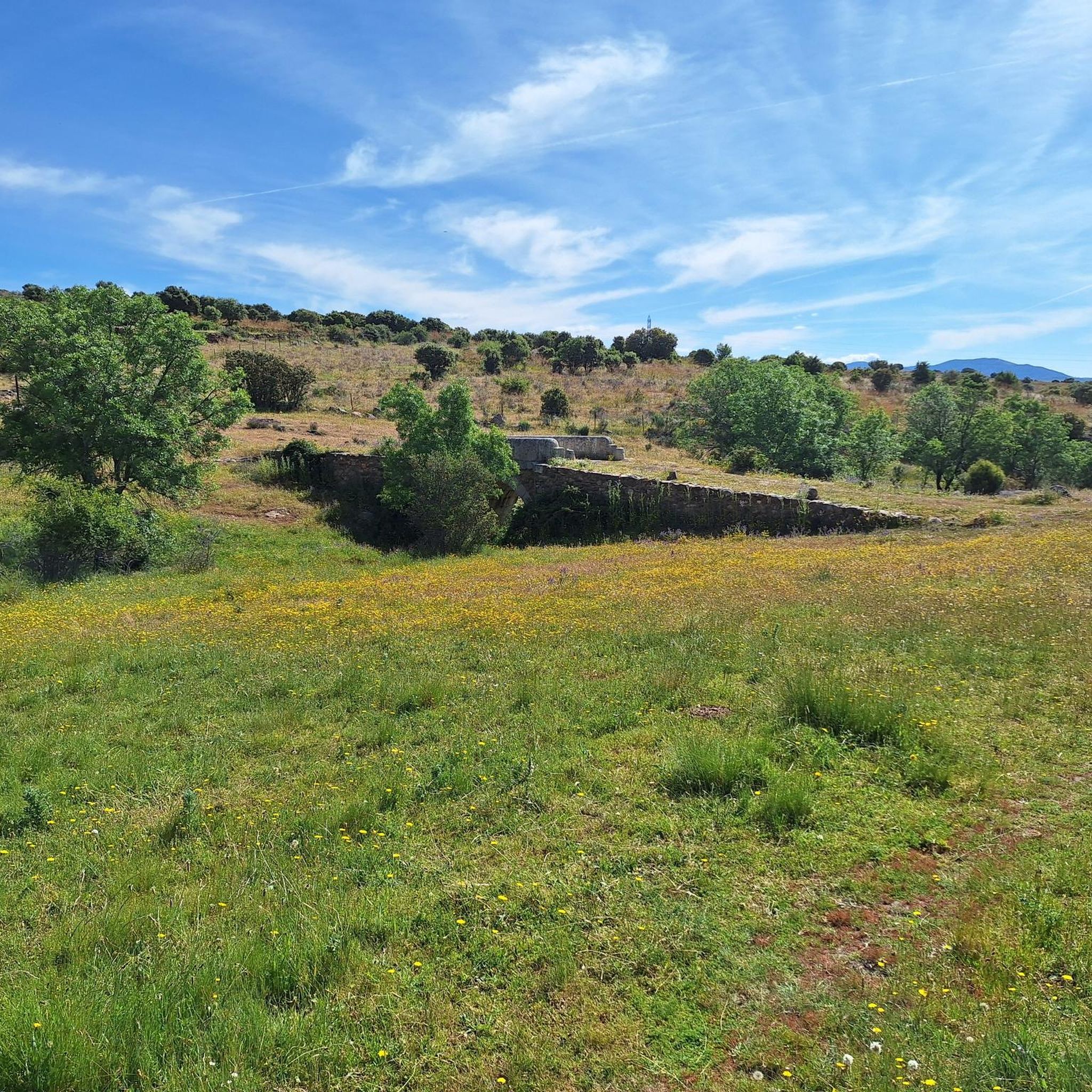
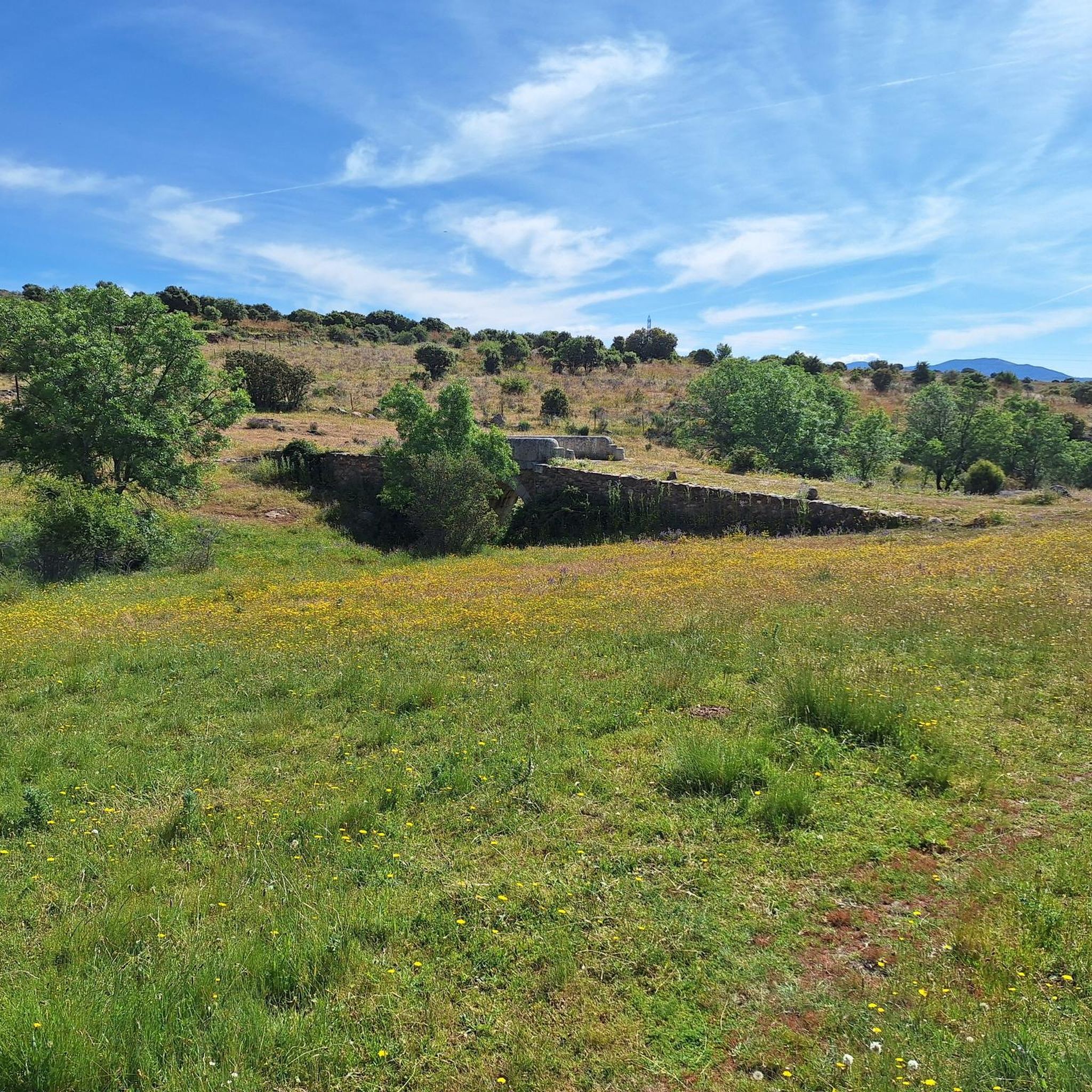
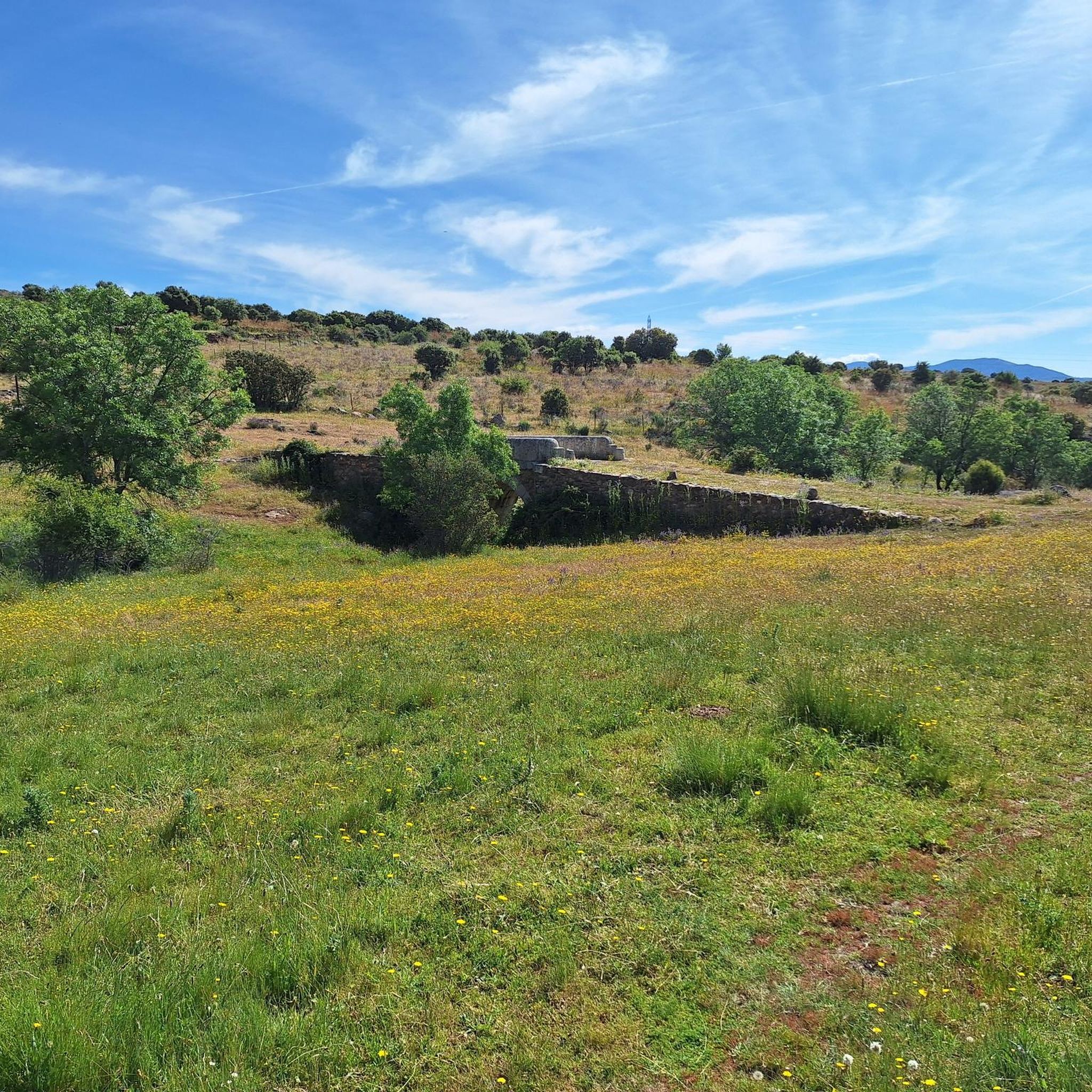
Yes, you can visit the Puente Romano sobre el arroyo Jóbalo, a Roman bridge constructed over the Jóbalo stream. This ancient structure, featuring a single arch made of granite ashlar, marks the southeastern limit of the municipality and is a testament to the region's long history.
Most popular routes around Lozoyuela-Navas-Sieteiglesias
Most popular attractions around Lozoyuela-Navas-Sieteiglesias

Get inspired with the komoot mobile app


Explore more
Still not found the Highlight you’re looking for? See guides of the top attractions in other regions:
