The best MTB trails around Fuente De Piedra
4.5
(44)
410
riders
84
rides
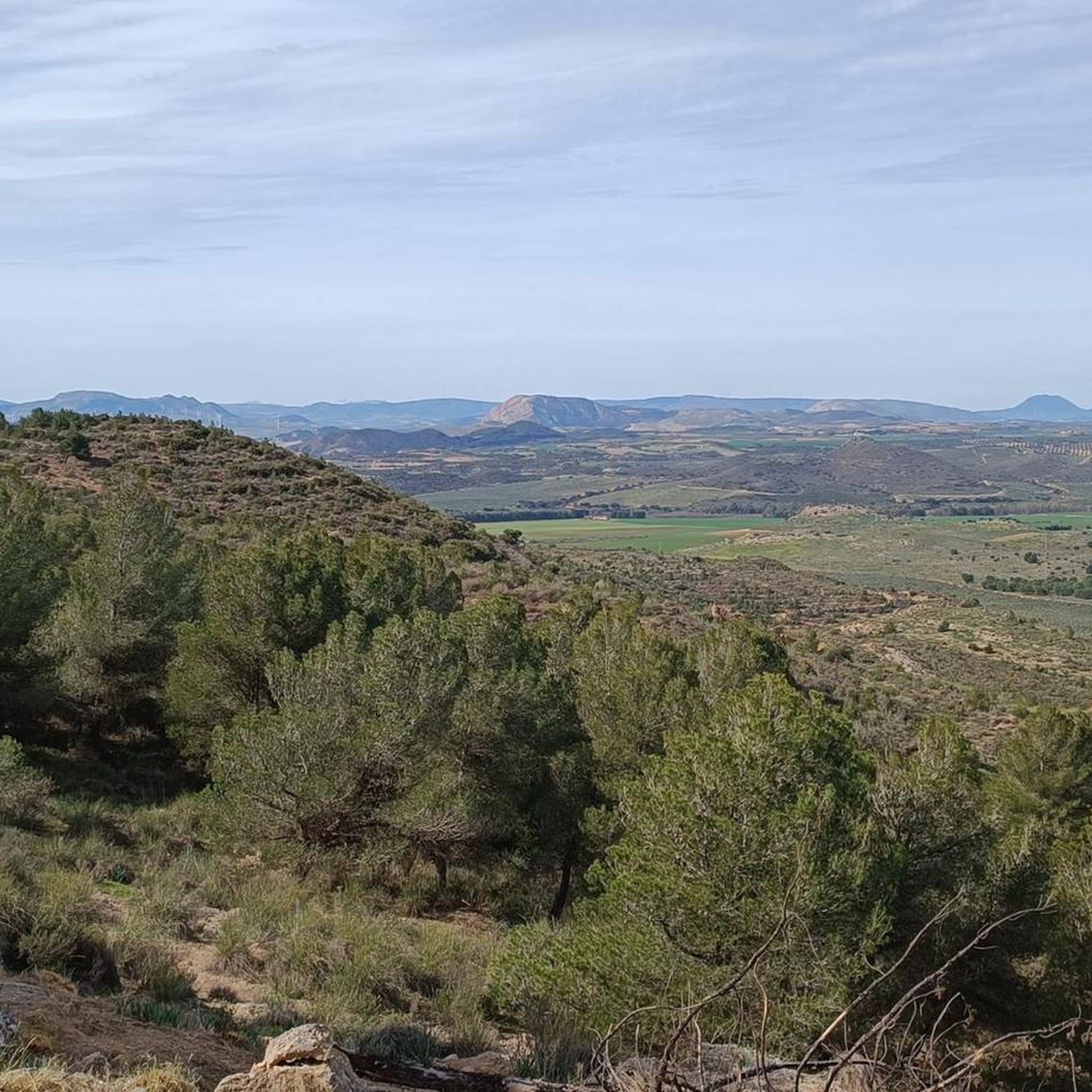
Mountain biking around Fuente De Piedra offers diverse landscapes, centered around the unique Laguna de Fuente de Piedra. The region features low hills like the Sierra del Humilladero and Sierra de Mollina, alongside Mediterranean scrub, olive groves, and extensive cereal fields. These varied ecosystems provide a range of terrain for mountain bike trails, from flat paths around the lagoon to more undulating routes through the hills.
Best mountain bike trails around Fuente De Piedra
- The most popular mountain bike trail…
Last updated: August 27, 2026
6
riders
44.4km
03:27
400m
400m
Moderate mountain bike ride. Good fitness required. Suitable for all skill levels.
5.0
(3)
4
riders
43.3km
03:26
290m
290m
Moderate mountain bike ride. Good fitness required. Suitable for all skill levels.

Sign up for free
4.0
(1)
7
riders
44.3km
02:57
400m
400m
Moderate mountain bike ride. Good fitness required. Suitable for all skill levels.
3
riders
38.5km
02:45
320m
320m
Moderate mountain bike ride. Good fitness required. Advanced riding skills necessary.
1
riders
22.9km
01:55
320m
320m
Moderate mountain bike ride. Good fitness required. Suitable for all skill levels.
Get access to more routes and recommendations from other explorers.
Sign up for free
Already have an account?
Our route recommendations are based on thousands of hikes, rides, and runs completed by other people on komoot.
Start today with a free account
Your next adventure awaits.
Login or Signup

Other adventures around Fuente De Piedra

Tips from the Community

Laguna de Fuente de Piedra is home to large flamingo colonies and is considered one of the most important breeding grounds for this bird species in Europe, where they can be observed particularly well in the warmer months.
3
0
In the heart of Alameda stands the monument to José María Hinojosa Cobacho, better known as "El Tempranillo," one of the most famous Andalusian bandits of the 19th century. The bronze statue depicts him in a typical rebel and folk hero pose and is located on Calle Álamos, not far from the town center. El Tempranillo was born in 1805 in Jauja, near Lucena, and joined a band of highwaymen at a young age. Over time, he became a legendary figure, both feared and revered by the local population—a symbol of resistance against social injustice. After being mortally wounded in a raid in 1833, his body was brought to Alameda, where he died and was buried in the Church of the Immaculate Conception. The monument and his grave are now part of the "Ruta del Tempranillo," a cultural route that traces the life of the bandit. They are reminiscent of a time when outlaws and folk heroes often lived close together, making Alameda an important place in Andalusian history and legendary culture.
1
0
Fuente de Piedra is a charming village whose name derives from an ancient spring believed to possess healing powers. The area was already settled in Roman times, and the spring was then referred to as "Fons Divinus." In the Middle Ages, a small settlement grew up around the spring, which later acquired its present name. During the 18th and 19th centuries, Fuente de Piedra was a renowned spa town thanks to its mineral waters, until the spring dried up. Today, the village's name evokes this past, while its history remains closely intertwined with the use and veneration of the water.
1
0
The Parish Church of Our Lady of the Immaculate Conception (Iglesia Parroquial de Nuestra Señora de la Inmaculada Concepción) is the main church of Alameda and is located in the town center. Built in 1633, it has been expanded several times over the centuries, including the 18th century with the addition of side aisles and a Baroque chapel. The church displays typical elements of Andalusian Baroque architecture, with a simple stone and brick facade and a striking round-arched portal. Inside, the high nave, flanked by two lower side aisles, and a barrel-vaulted ceiling create a harmonious atmosphere. The church is particularly famous as the burial place of the legendary bandit El Tempranillo, who died in Alameda in 1833. It also houses an elaborate image of the Virgen de los Dolores (Virgin of Sorrows), created in 1940 by the sculptor Castillo Lastrucci. The church is now a listed building and is considered one of the most important historical buildings in the town, combining both religious and cultural history.
2
0
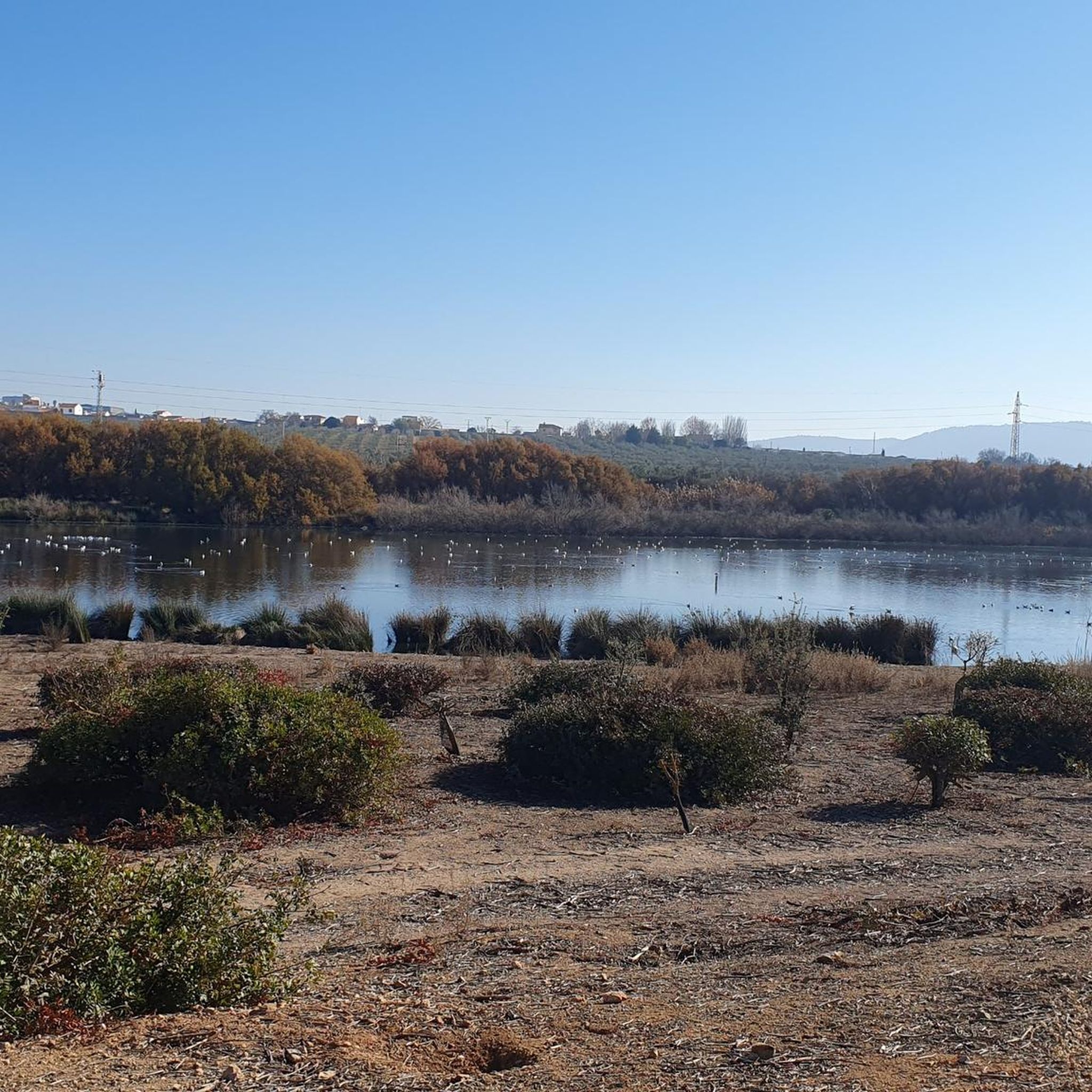
Designated trails run around the lagoon, leading directly to observation points and birdwatching towers. From there, flamingos and numerous other bird species can be observed undisturbed.
1
0
The Fuente en Álamos - Alameda is a historic fountain located in the heart of the village, marked by a small sign. It was once a central meeting place for the residents, especially for the aguadoras – women who fetched water, skillfully filling jugs directly with running water using a funnel and a long stick. This activity was not only a daily chore but also a kind of original artistry, as described by the writer Francisco Jiménez Conde. The fountain thus symbolizes not only the historical water supply of the community but also the practical skills and traditions of Alameda's inhabitants.
0
0
The Laguna de Fuente de Piedra is also ideal for exploring by bike. The nature reserve is accessible via well-maintained roads and paths that lead through the surrounding Andalusian countryside. The lake itself features designated trails and birdwatching towers, from which flamingos and other bird species can be observed undisturbed. A tour allows for flexible exploration of the reserve, enjoying the tranquil nature while also experiencing the diverse birdlife up close. The lagoon is particularly vibrant in spring and autumn, when numerous birds use the protected area as a breeding or resting place.
2
0
The Laguna de Fuente de Piedra is the largest natural lagoon in Andalusia and an important wetland in the northwest of the province of Málaga. It is best known for its large colony of greater flamingos, which nest here in spring and provide one of the region's most impressive natural spectacles. The shallow salt lagoon also attracts nearly 200 species of birds and is an important resting place for migratory birds. Surrounded by salt marshes, reed beds, and Mediterranean vegetation, the area offers ideal conditions for wildlife. A visitor center provides information about the flora and fauna, while birdwatching platforms and guided tours offer nature lovers exciting insights. The lagoon is an ideal spot for nature photography amidst a fascinating landscape. The Laguna de Fuente de Piedra is also an ideal destination for cyclists who want to combine nature experiences with physical activity. The area offers a variety of cycling routes of varying difficulty levels, leading through the picturesque landscape and along the largest natural lagoon in Andalusia. The “José Antonio Valverde” visitor center serves as a good starting point for cycling tours and offers information about the flora and fauna of the region.
4
0
Frequently Asked Questions
How many mountain bike trails are available in Fuente De Piedra?
Fuente De Piedra offers a wide selection of mountain bike trails, with over 70 routes available for exploration. These range in difficulty from easy to difficult, ensuring options for various skill levels.
What kind of terrain can I expect on mountain bike trails in Fuente De Piedra?
The terrain around Fuente De Piedra is diverse, featuring low hills like the Sierra del Humilladero and Sierra de Mollina, Mediterranean scrub, olive groves, and extensive cereal fields. You'll find routes that traverse flat paths around the Laguna de Fuente de Piedra, as well as more undulating trails through the hills and agricultural landscapes.
What is the best season for mountain biking in Fuente De Piedra?
December is highlighted as a popular month for cycling in Fuente De Piedra, suggesting that cooler, drier months are ideal. Spring and autumn are also excellent, offering pleasant temperatures and the chance to observe migratory birds, including flamingos, at the Laguna de Fuente de Piedra.
Are there any family-friendly mountain bike routes in Fuente De Piedra?
Yes, Fuente De Piedra offers several easy mountain bike routes suitable for families. Out of the 71 available trails, 8 are classified as easy, providing gentler options for a leisurely ride.
What natural features or viewpoints can I see along the mountain bike trails?
Many trails offer views of the renowned Laguna de Fuente de Piedra, famous for its flamingo colonies. You can also find specific viewpoints like the Bird Observation Tower within the Nature Reserve, offering excellent opportunities for birdwatching. The routes also pass through olive groves and cereal fields, providing scenic rural vistas.
Are there any circular mountain bike routes in the area?
Yes, many mountain bike routes in Fuente De Piedra are circular. An example is the Alameda desde La Roda de Andalucia — circular por El Camino alrededor de Sierra de Mollina, a moderate 46.2 km trail that explores the Sierra de Mollina area.
What are some other attractions near the mountain bike trails in Fuente De Piedra?
Beyond the trails, you can visit the Laguna de Fuente de Piedra Nature Reserve and its José Antonio Valverde Visitors Center. Other local attractions include the ancient fountain, the Church of Our Lady of Virtues, and El Refugio del Burrito, a sanctuary for donkeys and mules.
Is parking available for mountain bikers in Fuente De Piedra?
Yes, parking is generally available in and around Fuente De Piedra, especially near popular starting points for trails and attractions like the Laguna de Fuente de Piedra Nature Reserve. It's advisable to check specific starting points for designated parking areas.
Are permits required for mountain biking in the Fuente De Piedra natural area?
General mountain biking on established trails in the Fuente De Piedra area typically does not require specific permits. However, always respect local regulations, especially within the Laguna de Fuente de Piedra Nature Reserve, to protect its delicate ecosystem.
What do other mountain bikers say about the trails in Fuente De Piedra?
The mountain bike trails in Fuente De Piedra are highly regarded by the komoot community, boasting an average rating of 4.7 stars from over 30 reviews. Over 300 mountain bikers have explored the area using komoot, often praising the varied terrain and scenic views, particularly around the lagoon and through the olive groves.
Are there any challenging mountain bike routes for experienced riders?
Yes, for experienced riders seeking a challenge, there are difficult routes available. An example is the Lagunas de Fuente de Piedra and La Ratosa Loop, a demanding 69.1 km path that offers extensive views of the Laguna de Fuente de Piedra and the surrounding natural reserve.
Can I find places to eat or drink after a ride in Fuente De Piedra?
Fuente De Piedra, being a charming town, offers local cafes and pubs where you can refuel and relax after your mountain biking adventure. You'll find options for refreshments and meals within the town center.
Most popular routes around Fuente De Piedra
Most popular attractions around Fuente De Piedra

Get inspired with the komoot mobile app


Explore more
Browse the best MTB trails in other regions.
