The best road cycling routes around Fuente De Piedra
4.0
(23)
741
riders
41
rides
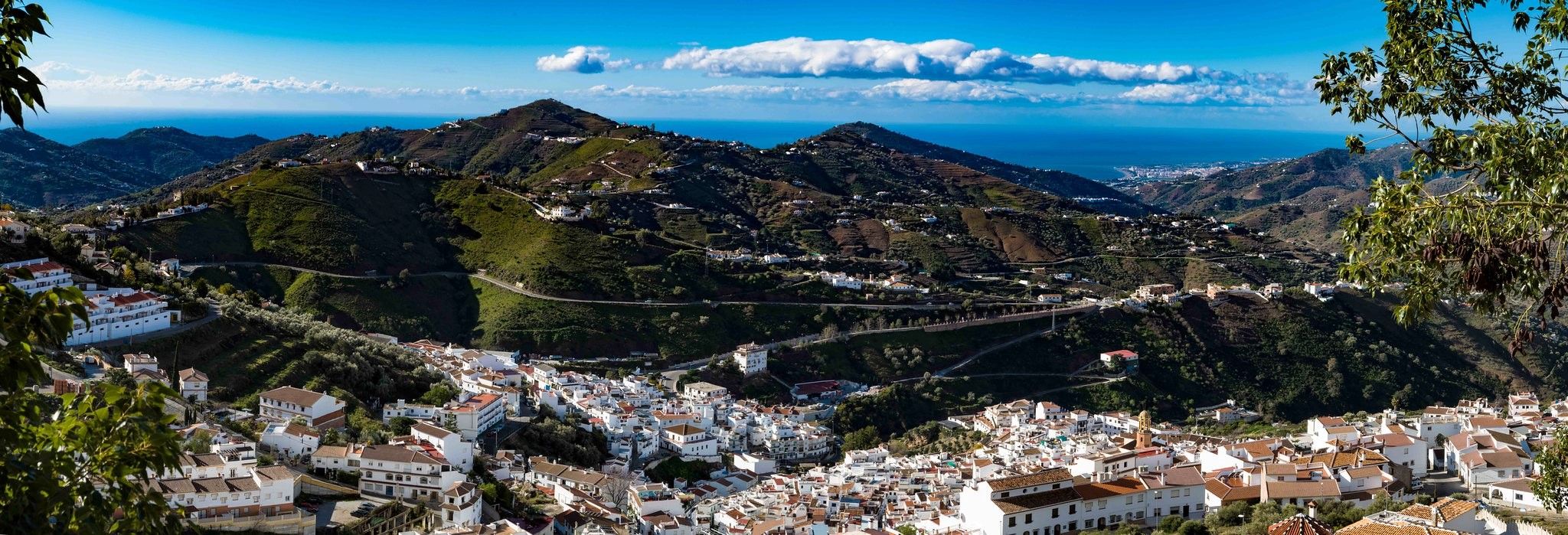
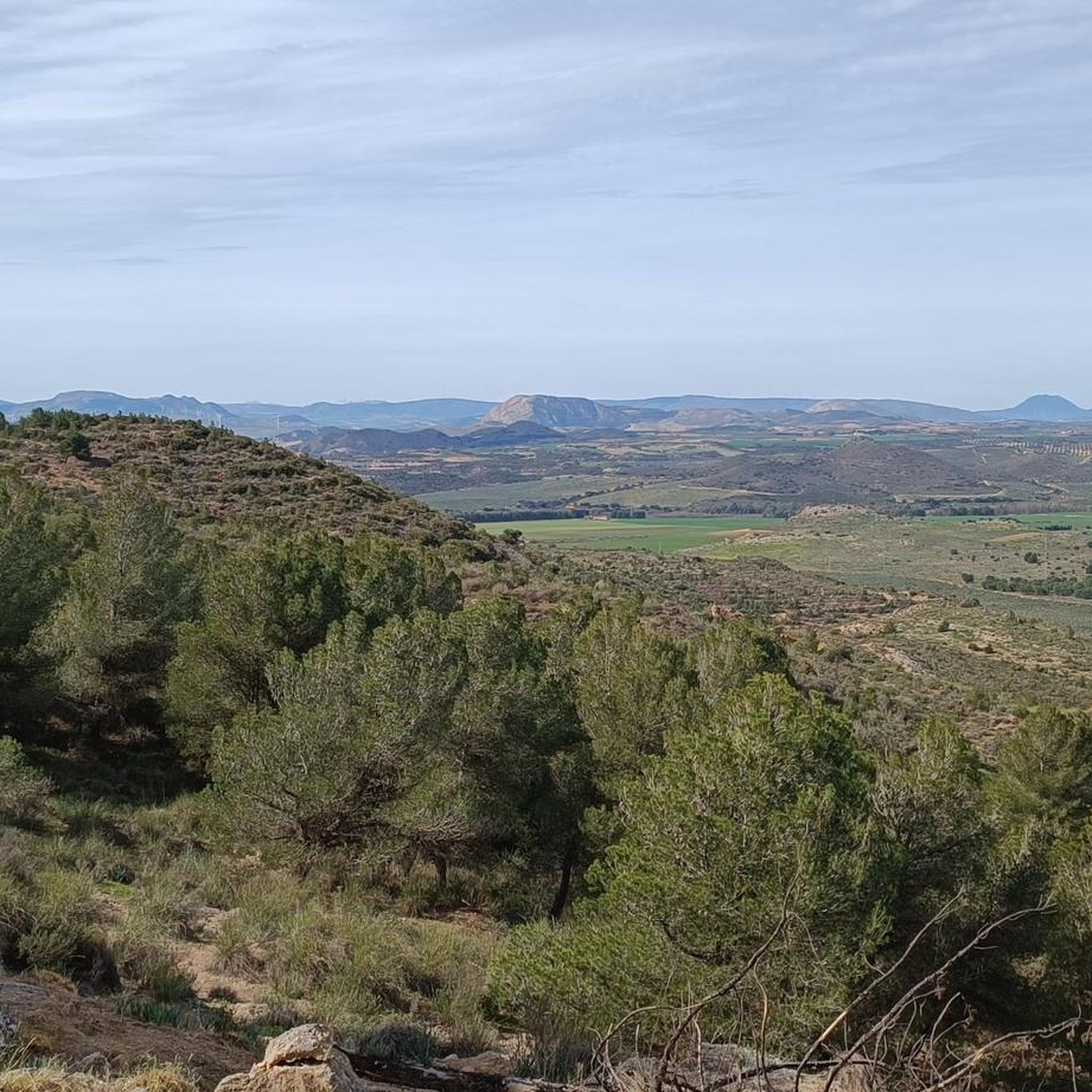
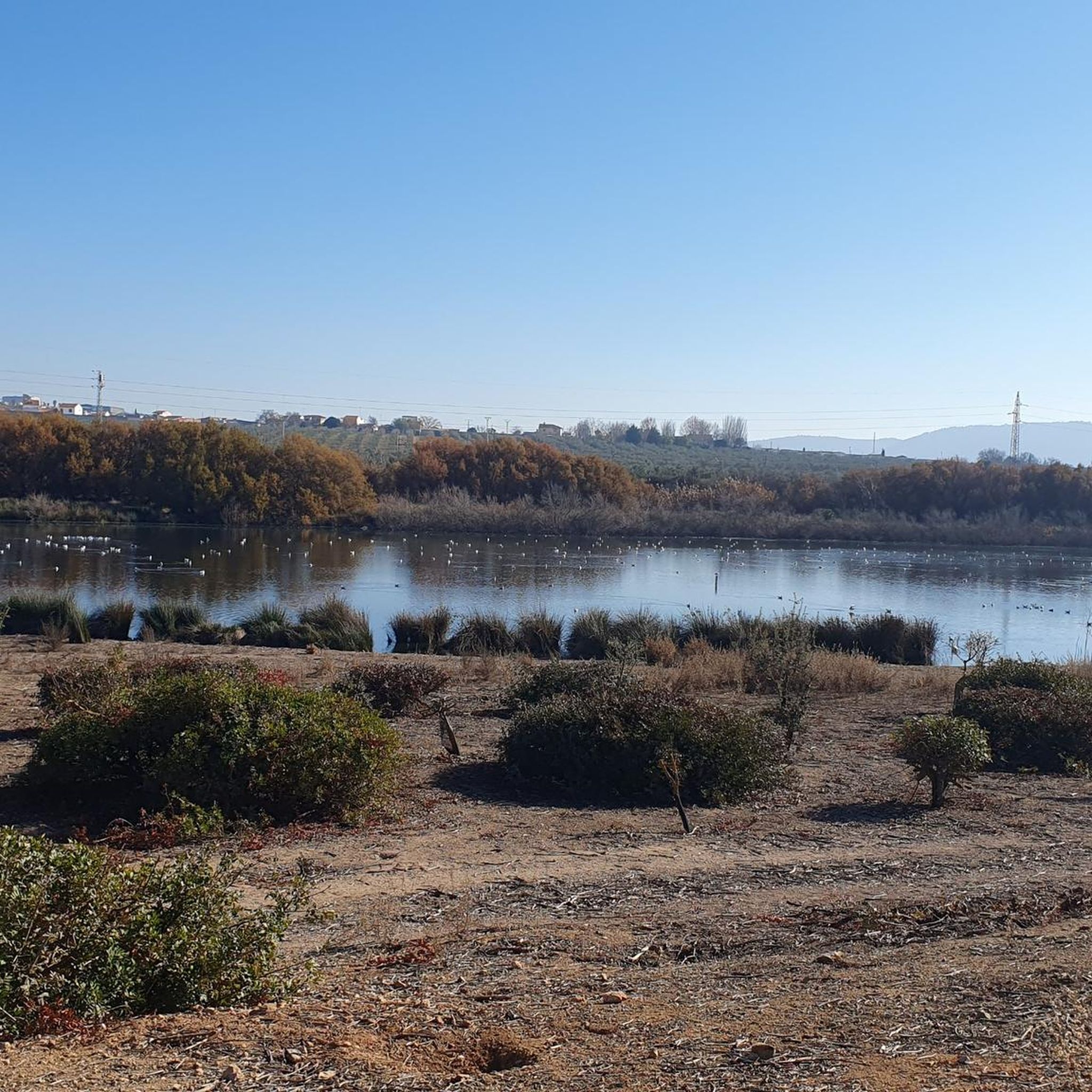
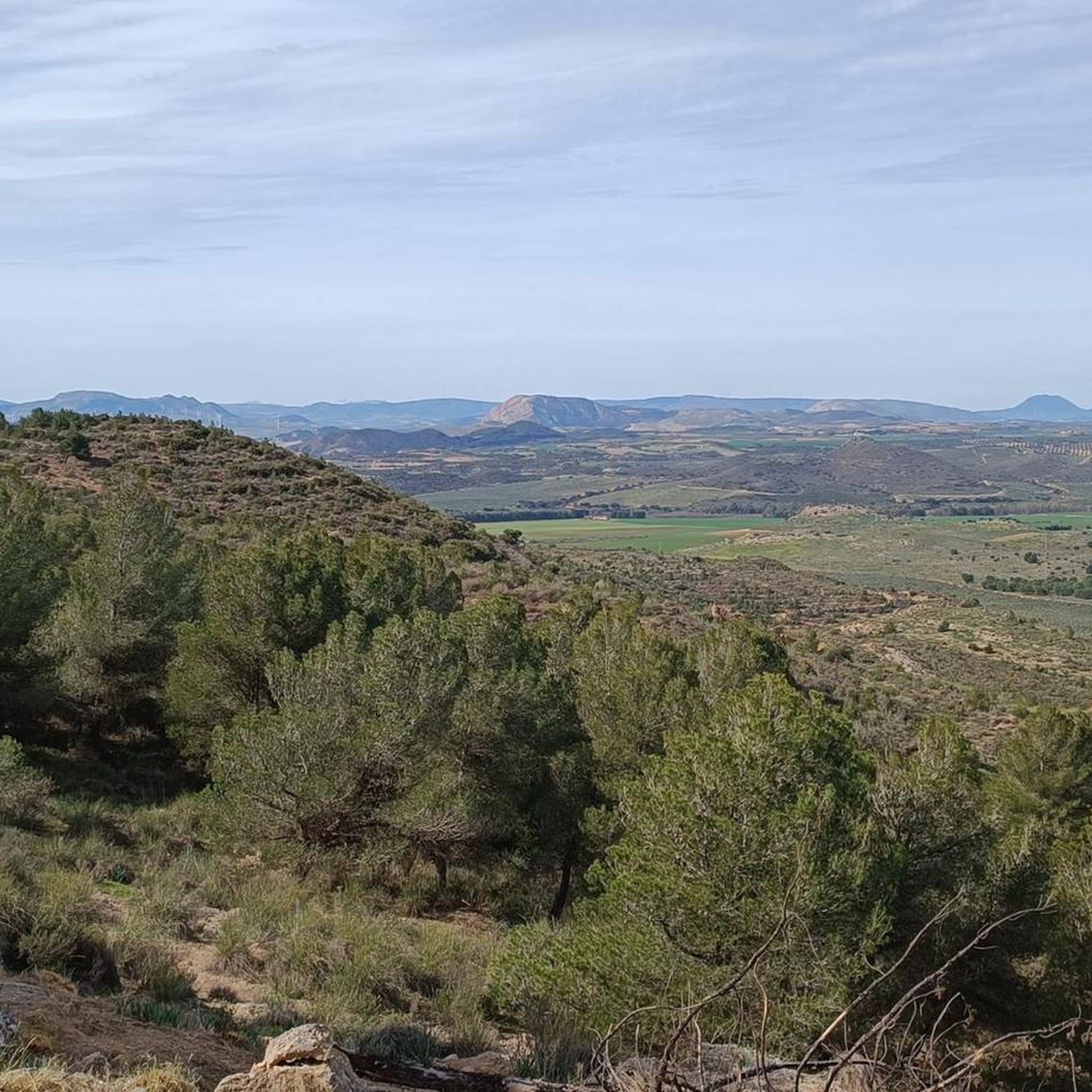
Road cycling routes around Fuente De Piedra offer a blend of scenic beauty and varied terrain in Andalusia. The region is characterized by the expansive Laguna de Fuente de Piedra, the largest lake in Andalusia, surrounded by golden plains, olive groves, and cereal fields. Low hills, such as the Sierra del Humilladero, provide gentle ascents and varied topography for cyclists. The area features well-maintained roads and dedicated cycling infrastructure, making it suitable for diverse road cycling experiences.
Best road cycling…
Last updated: May 11, 2026
5.0
(1)
2
riders
30.7km
01:19
240m
240m
Easy road ride. Great for any fitness level. Mostly well-paved surfaces and easy to ride.
29
riders
73.8km
03:04
450m
450m
Moderate road ride. Good fitness required. Mostly well-paved surfaces and easy to ride.

Sign up for free
20
riders
46.9km
02:17
460m
460m
Moderate road ride. Good fitness required. Mostly well-paved surfaces and easy to ride.
17
riders
62.1km
02:39
390m
390m
Moderate road ride. Good fitness required. Some segments of this route may be unpaved and difficult to ride.
12
riders
32.9km
01:37
220m
220m
Easy road ride. Great for any fitness level. Mostly well-paved surfaces and easy to ride.
Get access to more routes and recommendations from other explorers.
Sign up for free
Already have an account?
Our route recommendations are based on thousands of hikes, rides, and runs completed by other people on komoot.
Start today with a free account
Your next adventure awaits.
Login or Signup

Other adventures around Fuente De Piedra

Tips from the Community

The Laguna de Fuente de Piedra provides an important habitat for large flamingo colonies and is one of the most significant breeding grounds for this bird species in Europe. The shallow salt lagoon offers ideal conditions for the birds, allowing them to be observed there in large numbers, especially during the warmer months.
0
0
Laguna de Fuente de Piedra is home to large flamingo colonies and is considered one of the most important breeding grounds for this bird species in Europe, where they can be observed particularly well in the warmer months.
2
0
The Vicaría Observatory (Mirador) is an official viewpoint at the Fuente de Piedra Lagoon and is one of the most important observation points in the nature reserve. From here, there is a good overview of the shallow salt lagoon.
0
0
The city gate of Antequera was built in 1749 in the Baroque style, demolished in the 19th century, and faithfully reconstructed in the 1990s. Today, the Puerta de Estepa is a symbolic gateway to the city.
3
0
Fuente de Piedra is a charming village whose name derives from an ancient spring believed to possess healing powers. The area was already settled in Roman times, and the spring was then referred to as "Fons Divinus." In the Middle Ages, a small settlement grew up around the spring, which later acquired its present name. During the 18th and 19th centuries, Fuente de Piedra was a renowned spa town thanks to its mineral waters, until the spring dried up. Today, the village's name evokes this past, while its history remains closely intertwined with the use and veneration of the water.
1
0
The Puerta de Estepa city gate is one of Antequera's most striking buildings and marks the historic entrance to the city. It is located at the end of the Alameda de Andalucía, very close to the Plaza de la Constitución, where the modern city merges into the historic old town. The gateway with its three round arches was built in 1749 in the Baroque style and once served as a welcoming gateway for travelers coming from the direction of Estepa. The structure was demolished in the 19th century but faithfully rebuilt in the 1990s. Today, the Puerta de Estepa city gate is a popular photo opportunity and a symbolic gateway to the city. The view of the old town through the arches is particularly impressive.
4
0
The Antequera Dolmens Archaeological Complex is one of the most important prehistoric sites in Europe and is located on the outskirts of Antequera in Andalusia, directly on the Carretera de Málaga. The complex includes three large megalithic tombs – the Dolmen de Menga, the Dolmen de Viera, and the Tholos de El Romeral – as well as the two natural monuments Peña de los Enamorados and El Torcal de Antequera. Since 2016, they have formed a recognized UNESCO World Heritage Site, uniquely demonstrating the connection between humans, architecture, and landscape. The Dolmen de Menga is the largest structure in the complex and is one of the most impressive megalithic tombs in Europe. It was built between approximately 3800 and 3600 BC and consists of enormous stone blocks assembled to form a long burial chamber. Particularly noteworthy is its orientation toward the Peña de los Enamorados rock, which indicates symbolic or ritual significance. Human remains and grave goods have been found inside. Just a few meters away is the Dolmen de Viera, which is somewhat smaller and of a more classical design. It was built between 3500 and 3000 BC and is oriented exactly east, allowing sunlight to fall directly into the burial chamber at the equinox. The third structure, the Tholos de El Romeral, is located about four kilometers away and dates back to the Copper Age around 2500 BC. Its circular shape and corbelled vault distinguish it from the older dolmens, demonstrating a further development of the architectural style of the time. The visitor center is located directly next to the Dolmens of Menga and Viera, where visitors can learn more about the history, architecture, and cultural significance of the complex. Exhibitions, models, and interactive displays explain how these monumental structures were constructed using the simplest of means and the role they played in the religious life of early communities. The center also offers guided tours, information materials, and a small shop. Today, the dolmens of Antequera are considered an outstanding example of how people understood their environment more than 5,000 years ago and shaped monumental structures in harmony with nature, astronomy, and faith. The combination of prehistoric architecture and the impressive landscape makes the site a unique testament to early European cultural history.
1
0
The view of Antequera and the Peña de los Enamorados is one of the most impressive scenes in the region – a harmonious blend of city, landscape, and legend. From a vantage point like the Alcazaba or the Church of Santa María la Mayor, Antequera stretches out before you: a sea of white houses, narrow streets, and reddish-tiled roofs, gently nestling into the fertile plains of the Vega de Antequera. Church towers and domes rise between the buildings, reflecting the golden light of the sun. On the horizon rises the mysterious Peña de los Enamorados – the "Rock of the Lovers." Its shape is reminiscent of the profile of a sleeping face, serenely watching over the landscape. According to legend, two lovers, a Moor and a Christian, once threw themselves to their deaths here because their love was forbidden – a symbol of eternal fidelity and tragic passion.
1
0
Frequently Asked Questions
How many road cycling routes are available in Fuente De Piedra?
Fuente de Piedra offers a wide selection of road cycling routes, with over 40 distinct tours available. These routes cater to various skill levels, from easy loops around the lagoon to more challenging rides through the low hills.
What are the difficulty levels of road cycling routes in Fuente De Piedra?
The road cycling routes in Fuente de Piedra are diverse, with options for all abilities. You'll find approximately 11 easy routes, 23 moderate routes, and 9 more difficult routes, ensuring there's a suitable challenge for every cyclist.
What natural features or landmarks can I see while road cycling in Fuente De Piedra?
Road cycling in Fuente de Piedra offers stunning views of the region's unique natural features. You can cycle around the magnificent Laguna de Fuente de Piedra, home to the largest flamingo colony in the Iberian Peninsula. Routes also traverse golden plains, extensive olive groves, and offer glimpses of low hills like the Sierra del Humilladero. Don't miss the Bird Observation Tower for a closer look at the lagoon's wildlife.
Are there circular road cycling routes around Fuente De Piedra?
Yes, Fuente de Piedra is well-suited for circular road cycling routes. A popular option is the Fuente de Piedra Lagoon Circular Route, which offers continuous views of the natural reserve. Another excellent choice is the Fuente de Piedra Lagoon – Dolmens of Antequera loop, combining natural beauty with historical sites.
When is the best time of year for road cycling in Fuente De Piedra?
Spring and autumn are particularly vibrant for road cycling in Fuente de Piedra. The weather is generally mild, and these seasons offer the best opportunities for birdwatching, especially to see the flamingos at the lagoon. The varied landscapes, from golden plains to olive groves, are also at their most picturesque during these times.
Are there family-friendly road cycling options in Fuente De Piedra?
Yes, the region offers several family-friendly road cycling options. The landscape around the Laguna de Fuente de Piedra is generally characterized by soft relief and vast plains, making some routes accessible for various fitness levels. Look for routes categorized as 'easy' for a more relaxed family experience.
Where can I find parking for road cycling routes in Fuente De Piedra?
The “José Antonio Valverde” visitor center, located near the Laguna de Fuente de Piedra, serves as a convenient starting point for many cycling tours and typically offers parking facilities. This center also provides valuable information about the local flora and fauna, aiding in route planning.
What do other road cyclists enjoy most about road cycling in Fuente De Piedra?
The road cycling experience in Fuente de Piedra is highly rated by the komoot community, with an average score of 4.0 stars from over 20 reviews. Cyclists often praise the well-maintained roads, the stunning views of the Laguna de Fuente de Piedra, and the diverse terrain that includes both flat sections and gentle ascents through low hills.
Are there any viewpoints along the road cycling routes in Fuente De Piedra?
Yes, several routes offer excellent viewpoints. For instance, the La Camorra Viewpoint loop from Humilladero leads through low hills and provides scenic vistas. Additionally, the Bird Observation Tower at the Laguna de Fuente de Piedra Nature Reserve offers strategic spots for undisturbed viewing of the lagoon and its wildlife.
Can I combine road cycling with other outdoor activities in Fuente De Piedra?
Absolutely. Fuente de Piedra is an excellent destination for combining road cycling with other outdoor activities. The region is renowned for birdwatching, especially flamingos, at the Laguna de Fuente de Piedra. There are also numerous hiking trails, such as the Ruta de las Albinas, which starts from the visitor center, allowing you to explore the natural reserve on foot.
Are there any historical sites accessible by road bike in the Fuente De Piedra area?
Yes, you can incorporate historical exploration into your road cycling trips. The town of Fuente de Piedra itself has a rich history, dating back to Roman times, and is known for its ancient fountain. Additionally, the Fuente de Piedra Lagoon – Dolmens of Antequera loop connects the natural beauty of the lagoon with the historical significance of the Dolmens of Antequera, a UNESCO World Heritage site.
What kind of terrain can I expect on road cycling routes in Fuente De Piedra?
The terrain in Fuente de Piedra is varied, offering a dynamic road cycling experience. You'll encounter vast plains around the Laguna de Fuente de Piedra, ideal for smooth, fast rides. Routes also wind through rolling olive groves and cereal fields, with opportunities for gentle ascents and descents in the low hills, such as the Sierra del Humilladero, providing a good mix for different cycling preferences.
Most popular routes around Fuente De Piedra
Most popular attractions around Fuente De Piedra

Get inspired with the komoot mobile app


Explore more
Browse the best Road cycling routes in other regions.
