The best road cycling routes around Majaelrayo
5.0
(2)
179
riders
6
rides
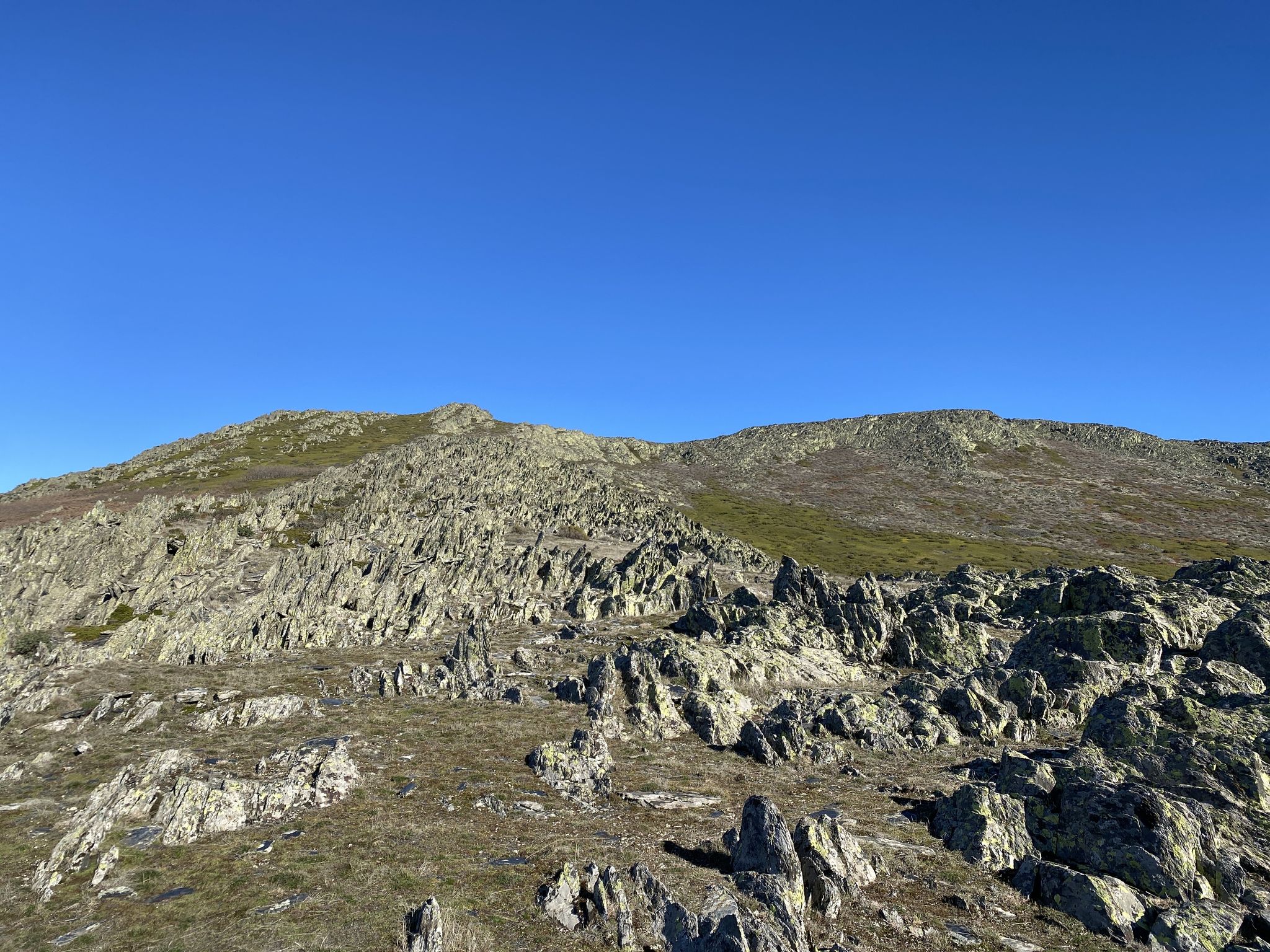
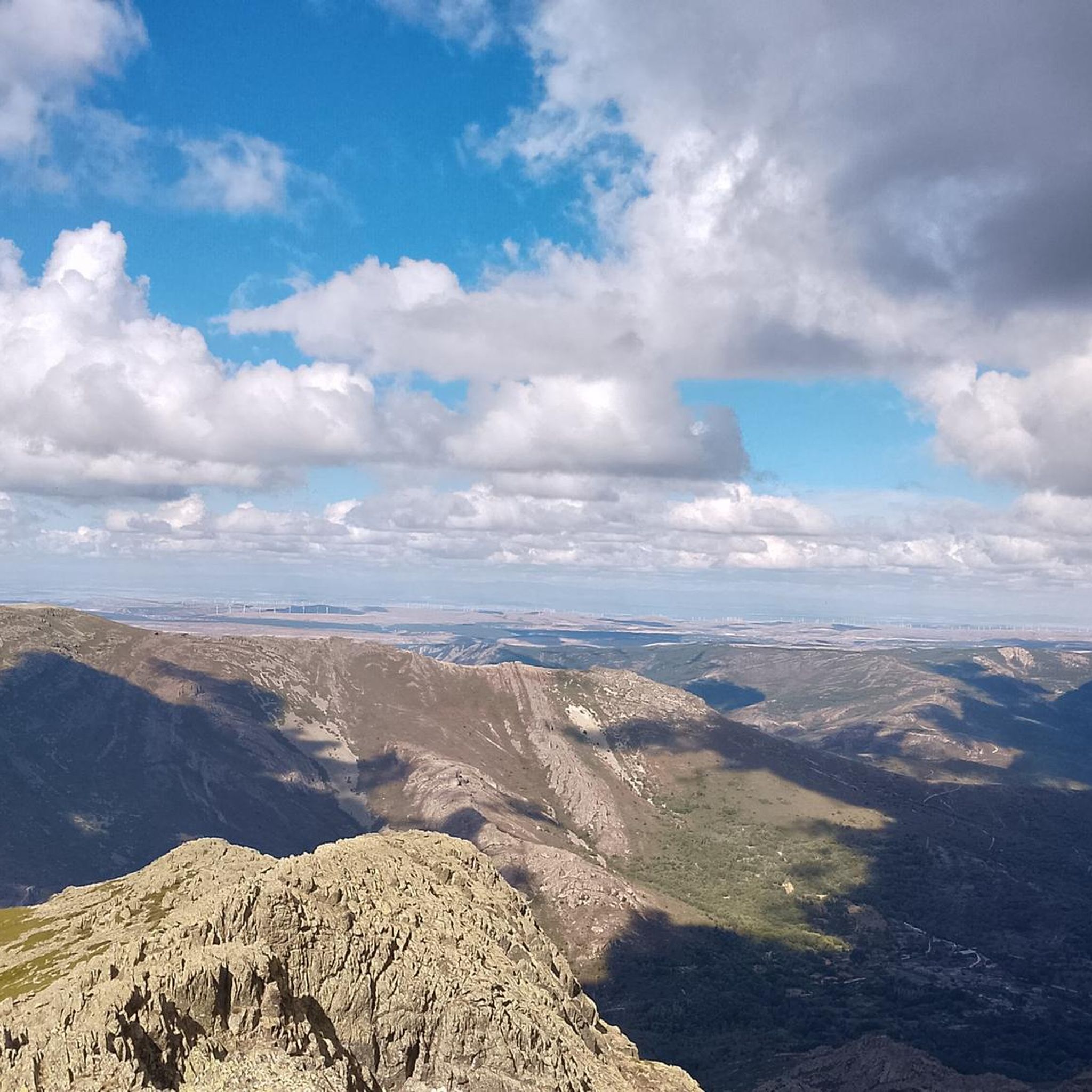
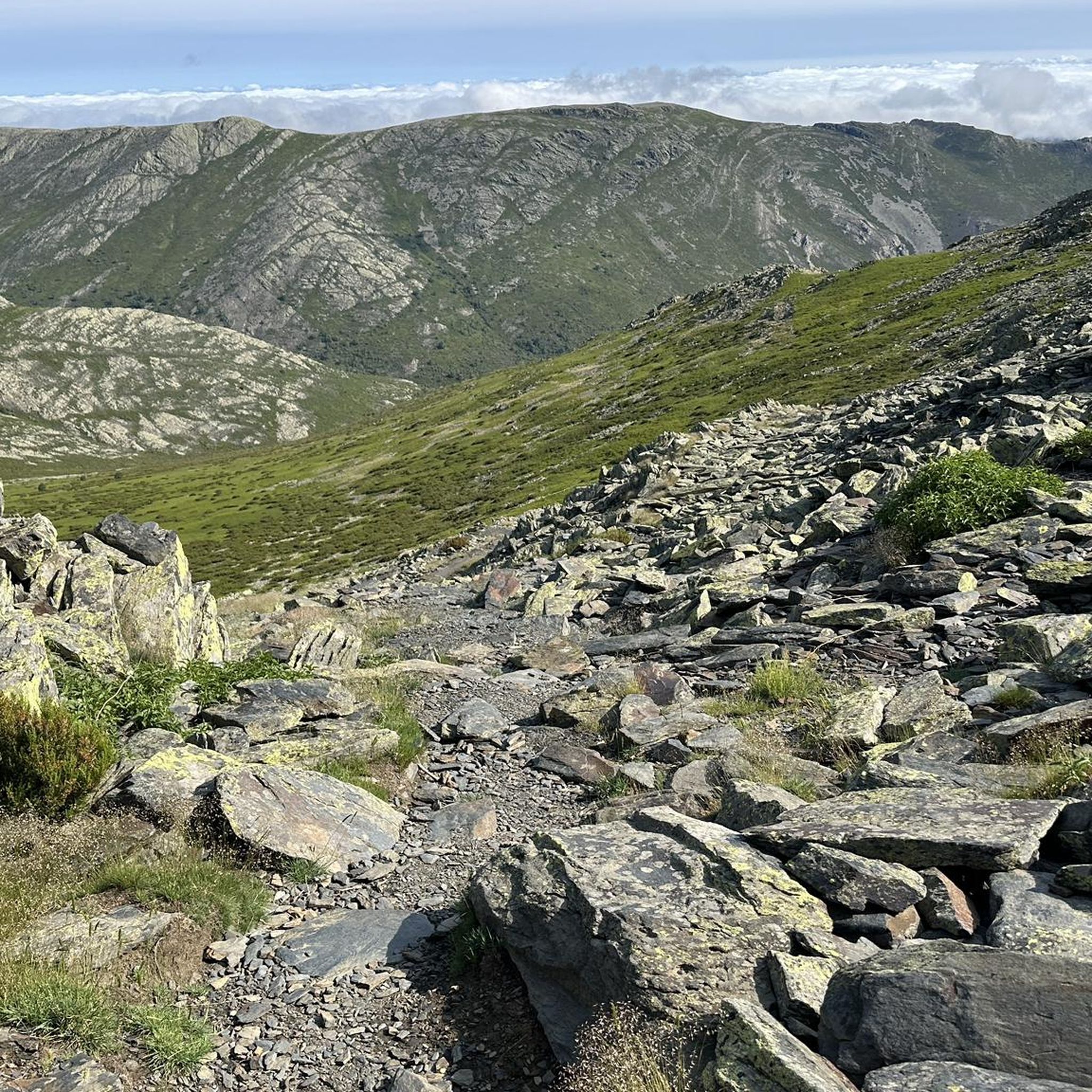
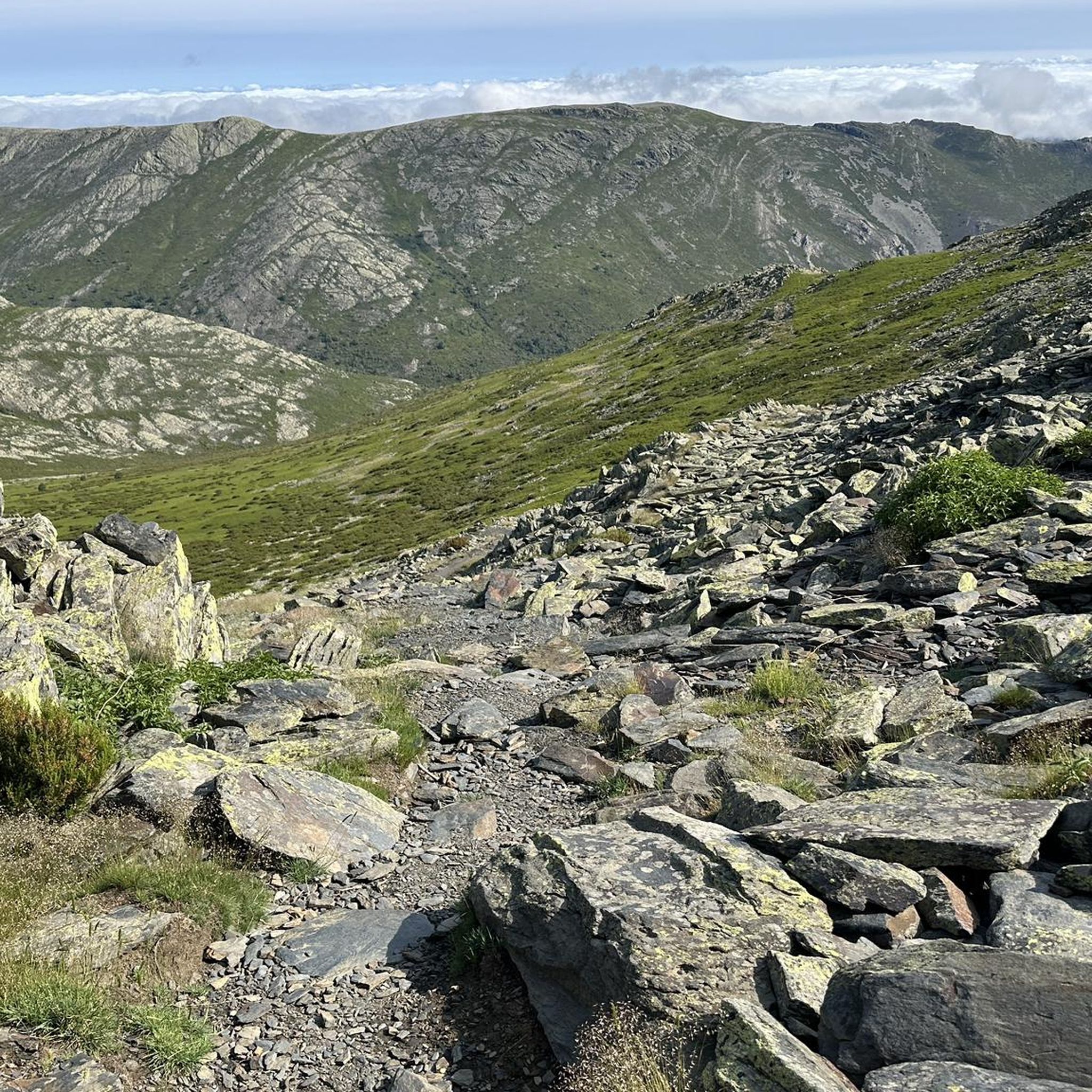
Road cycling routes around Majaelrayo traverse the rugged Sierra Norte de Guadalajara and Sierra de Ayllón mountain ranges. The terrain features continuous ascents and descents, with challenging gradients in many sections. The region is characterized by lush pine and oak forests, the Sorbe River, and the distinctive "Black Villages" architecture built with dark slate. This area provides a diverse landscape for road cyclists seeking varied challenges.
Best road cycling routes around Majaelrayo
- The most popular road cycling route is Sierra…
Last updated: May 16, 2026
5.0
(1)
30
riders
108km
06:11
2,270m
2,270m
This difficult 66.9-mile road cycling route offers challenging climbs, stunning mountain scenery, and picturesque villages in the Sierra del
23
riders
62.3km
03:34
1,470m
1,470m
Hard road ride. Very good fitness required. Some segments of this route may be unpaved and difficult to ride.

Sign up for free
5.0
(1)
54
riders
53.0km
03:08
1,230m
1,230m
Hard road ride. Very good fitness required. Mostly well-paved surfaces and easy to ride.
29
riders
103km
05:14
1,760m
1,770m
Hard road ride. Very good fitness required. Mostly well-paved surfaces and easy to ride.
8
riders
Moderate road ride. Good fitness required. Mostly well-paved surfaces and easy to ride.
Our route recommendations are based on thousands of hikes, rides, and runs completed by other people on komoot.
Start today with a free account
Your next adventure awaits.
Login or Signup
Other adventures around Majaelrayo

Tips from the Community

The Church of Our Lady of the Assumption, in Tamajón (Guadalajara), stands atop a small hill to the north of the town center, at an altitude of approximately 1,097 meters, within the Diocese of Sigüenza-Guadalajara. It was built in the 13th century in the Romanesque style, with significant renovations in the 16th century that introduced Renaissance influences. In the 12th century, the area belonged to the Common Lands of the Town and Territory of Atienza; in the 15th century, it passed to the Mendoza family.
3
0
The Castle and Walls of Buitrago del Lozoya, one of the most important medieval sites in the Community of Madrid: The town has pre-Roman roots and was mentioned by Livy as a Celtiberian fortress (Litabrum). Muslim Fortification: Between the 8th and 11th centuries, the Muslims built the wall to protect the territory. Reconquest: Alfonso VI conquered it in 1085, and it passed into Christian hands. Current Castle: Built in the 15th century by the Mendoza family, during the reign of John II of Castile. Historical Uses: Noble residence, defensive stronghold, and setting for events such as the imprisonment of Juana la Beltraneja.
3
0

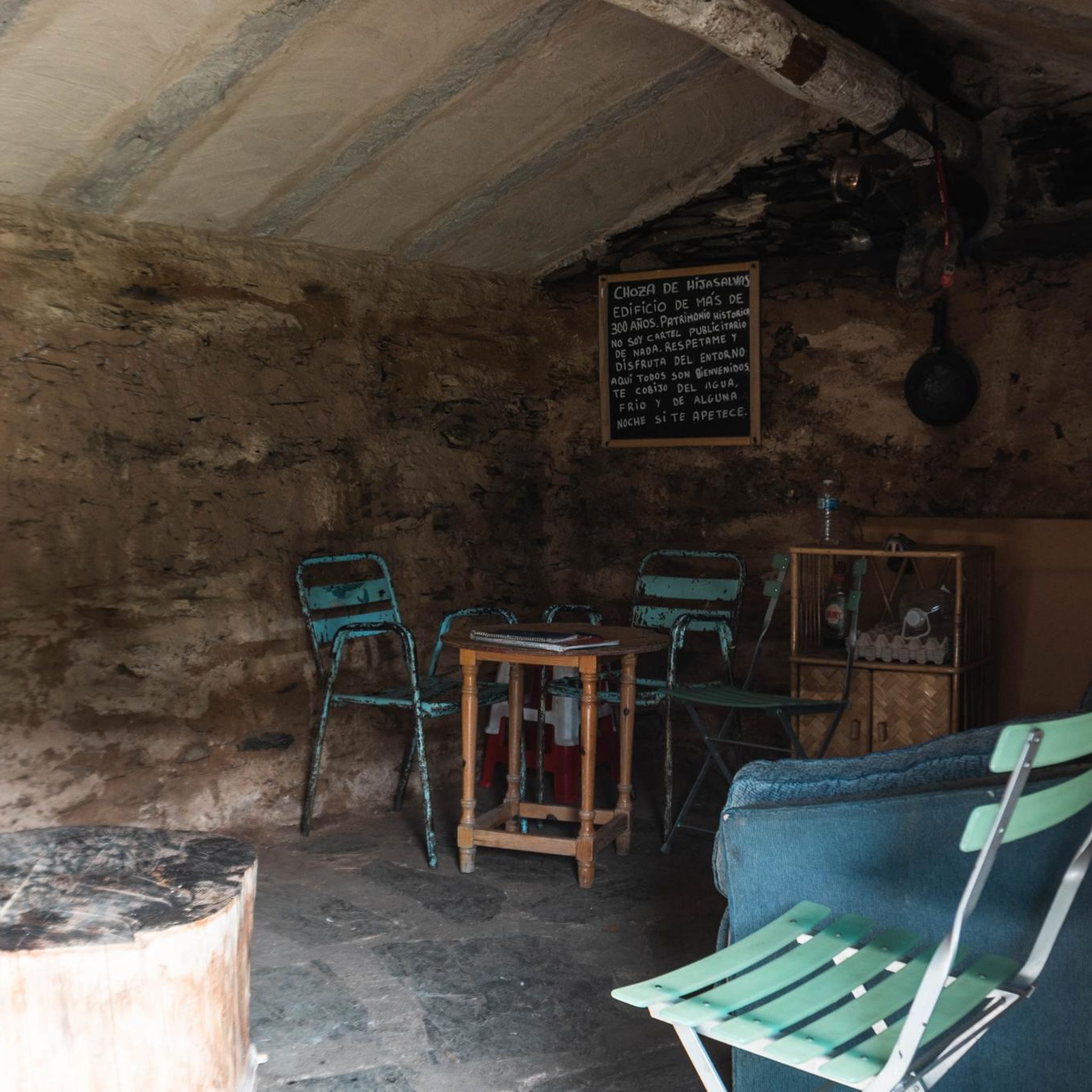
This village is also built from natural black/grey slate, which is responsible for the beautiful appearance of the village and the walls around the fields.
6
1
Once you have reached this peak point you can take a breather.
15
1

Prádena del Rincón is a charming village located in the Sierra Norte of Madrid, founded between the 11th and 12th centuries and historically linked to livestock farming. Strolling through its streets reveals traditional architecture surrounded by nature. Its monuments include the Romanesque-Mudejar church of Santo Domingo de Silos. The tranquility of the area and its rural trails invite you to a peaceful and contemplative getaway in the heart of the Sierra del Rincón. This is ideal for those seeking a genuine connection with nature and rural history, far from the hustle and bustle, with routes that allow you to explore ancient transhumance trails and enjoy the area's biodiversity.
0
0

Place between Segovia and Guadalajara that is the starting point for many routes.
0
0
The Church of Our Lady of the Assumption in Tamajón, Guadalajara, is a beautiful example of 13th-century Romanesque architecture, with Renaissance reforms in the 16th century. Located on a small hill to the north of the town, this church stands out for its impressive façade and its rich history. The temple has a rectangular floor plan with three sections and three naves, with a flat chancel and a porticoed gallery on the south façade. Inside, you can admire mural paintings from different periods and Baroque and Gothic altarpieces that decorate the main altar and the side chapels.
5
0
Beautiful Romanesque church with porticoed atrium.
0
1
Frequently Asked Questions
How many road cycling routes are available around Majaelrayo?
There are 7 road cycling routes around Majaelrayo listed in this guide, offering a range of challenges. Most routes are considered difficult, with 5 difficult and 2 moderate options available.
What kind of terrain can I expect when road cycling in Majaelrayo?
Road cycling in Majaelrayo involves traversing the rugged Sierra Norte de Guadalajara and Sierra de Ayllón mountain ranges. The terrain is characterized by continuous ascents and descents, with challenging gradients often exceeding 20% in some sections. You'll encounter winding roads through lush pine and oak forests, offering a diverse and rewarding experience.
Are there any road cycling routes that pass through the famous 'Black Villages'?
Yes, Majaelrayo itself is one of the renowned 'Black Villages,' known for its unique slate architecture. The route Climb to Puerto de la Quesera — round trip from Campillo de Ranas starts near Campillo de Ranas, another beautiful 'Black Village,' allowing you to experience this distinctive cultural heritage.
What natural landmarks or attractions can I see along the road cycling routes?
The region offers stunning natural beauty. You can expect views of iconic peaks like Pico Ocejón, and routes often pass through dense forests. Some routes are near beautiful waterfalls such as the Aljibe Waterfall and Despeñalagua Waterfall, providing scenic stops.
What is the best time of year for road cycling in Majaelrayo?
The best time for road cycling in Majaelrayo is generally during spring and autumn when temperatures are milder and the natural landscapes are at their most vibrant. Summers can be hot, and winters may bring challenging conditions due to the mountainous terrain and potential for snow or ice at higher elevations.
Are there any circular road cycling routes available?
Yes, several routes are designed as loops, allowing you to start and finish in the same location. For example, the Sierra del Rincón Biosphere Reserve Loop is a challenging 107.7 km circular route, and the La Puebla Pass – La Hiruela loop from Colmenar de la Sierra is a 56.3 km option.
What do other road cyclists say about the routes in Majaelrayo?
The road cycling routes around Majaelrayo are highly regarded by the komoot community, holding an average rating of 5.0 stars from over 2 reviews. Cyclists often praise the challenging mountain passes, the unique 'Black Villages' architecture, and the stunning natural scenery that provides a sense of tranquility and disconnection.
Are there any family-friendly road cycling options in Majaelrayo?
Given the region's characteristics of continuous ascents, descents, and challenging gradients, most road cycling routes around Majaelrayo are geared towards experienced cyclists. There are no routes specifically classified as easy, with options ranging from moderate to difficult. Families with younger children or those seeking less strenuous rides might find the terrain demanding.
Is parking available for road cyclists in Majaelrayo?
Majaelrayo is a small village, and parking is generally available, though it might be limited, especially during peak seasons. It's advisable to arrive early to secure a spot, particularly if you plan to start a popular route directly from the village.
Can I reach Majaelrayo by public transport for road cycling?
Public transport options to Majaelrayo are limited due to its remote location within the Sierra Norte. While some regional bus services might connect to larger towns in the area, direct and frequent connections to Majaelrayo suitable for cyclists with bikes are not widely available. Driving is generally the most convenient way to access the starting points of these routes.
Are there any routes that offer views of the Ducal Palace of Cogolludo?
Yes, the route Ducal Palace of Cogolludo – View of Cogolludo loop from Palancares is a difficult 102.5 km ride that includes views of the historic Ducal Palace of Cogolludo, offering a blend of natural beauty and cultural sights.
What is the longest road cycling route available in this guide?
The longest road cycling route featured in this guide is the Sierra del Rincón Biosphere Reserve Loop, which spans 107.7 km and involves significant elevation gain, making it a challenging and extensive ride through a protected natural area.
Are there any moderate difficulty road cycling routes around Majaelrayo?
Yes, while most routes are difficult, there are two moderate options. One example is the San Bartolomé, Campisábalos loop from Parque Natural Hayedo Tejera Negra, which covers 54.3 km and offers a less intense but still engaging ride.
Most popular attractions around Majaelrayo

Get inspired with the komoot mobile app


Explore more
Browse the best Road cycling routes in other regions.
