Top 5 Castles around Murillo El Cuende
Best castles around Murillo El Cuende offer a glimpse into the region's medieval past and defensive history. The municipality encompasses historical sites with significant defensive structures, particularly in its constituent villages of Rada and Traibuenas. These locations provide insight into medieval military architecture and daily life, showcasing a rich and often turbulent past. The area's historical context as a fortified settlement is evident through its ancient origins and its role in medieval conflicts.
Best castles around Murillo El Cuende
- The…
Last updated: July 8, 2026
Peñaflor Castle (also known as Doña Blanca Castle)
Highlight • Castle
Translated by Google •
Tip by

Royal Palace of Olite
Highlight • Castle
Tip by

Sign up now to discover places like this
Get recommendations on the best single tracks, peaks, & plenty of other exciting outdoor places.
Sign up for free
Marcilla Castle
Highlight • Castle
This 15th-century Gothic fortress …
Translated by Google •
Tip by

Plaza Carlos III el Noble and Royal Palace
Highlight • Historical Site
Showing Translation
Tip by

Tower of Santacara Castle
Highlight • Castle
Translated by Google •
Tip by

Start today with a free account
Your next adventure awaits.
Login or Signup
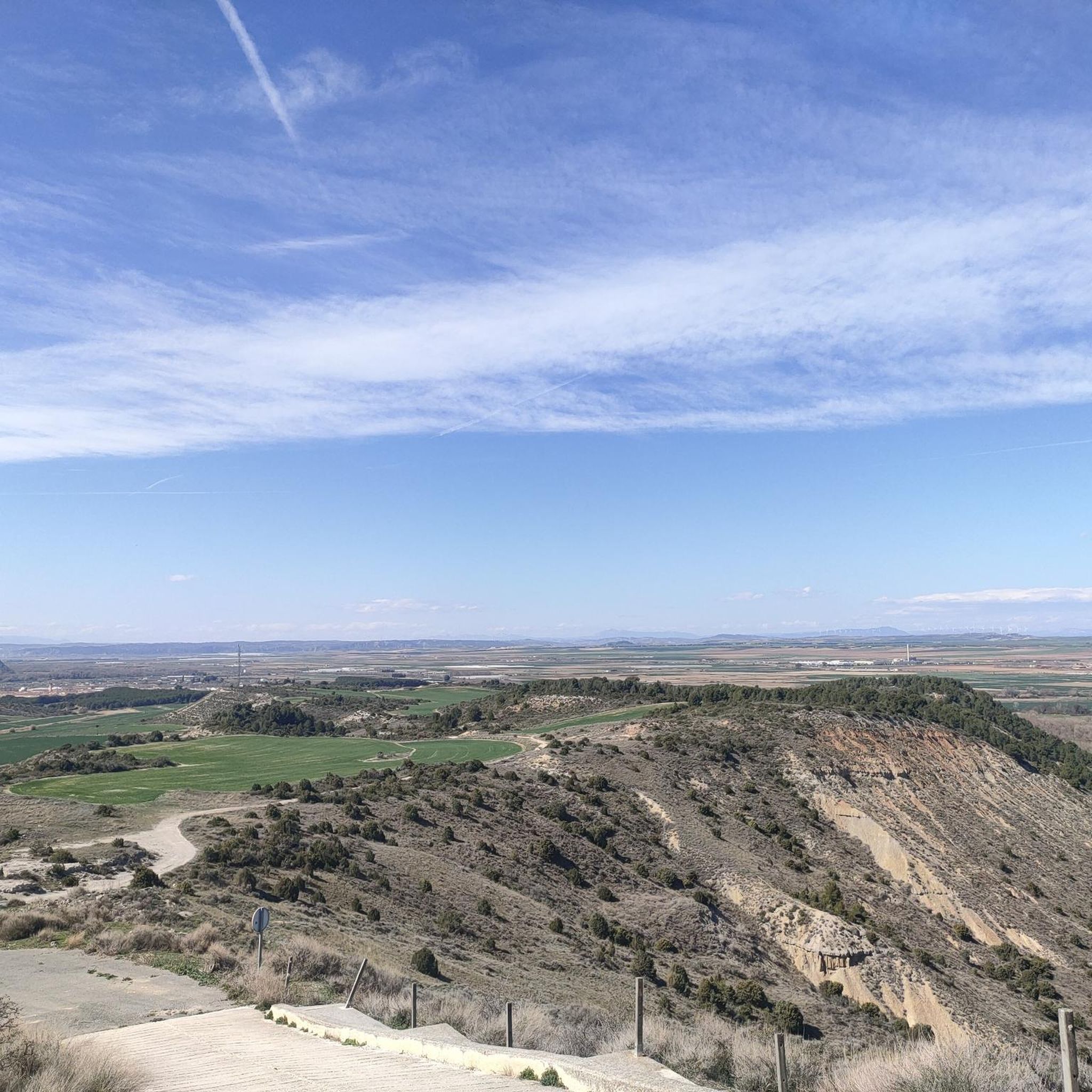
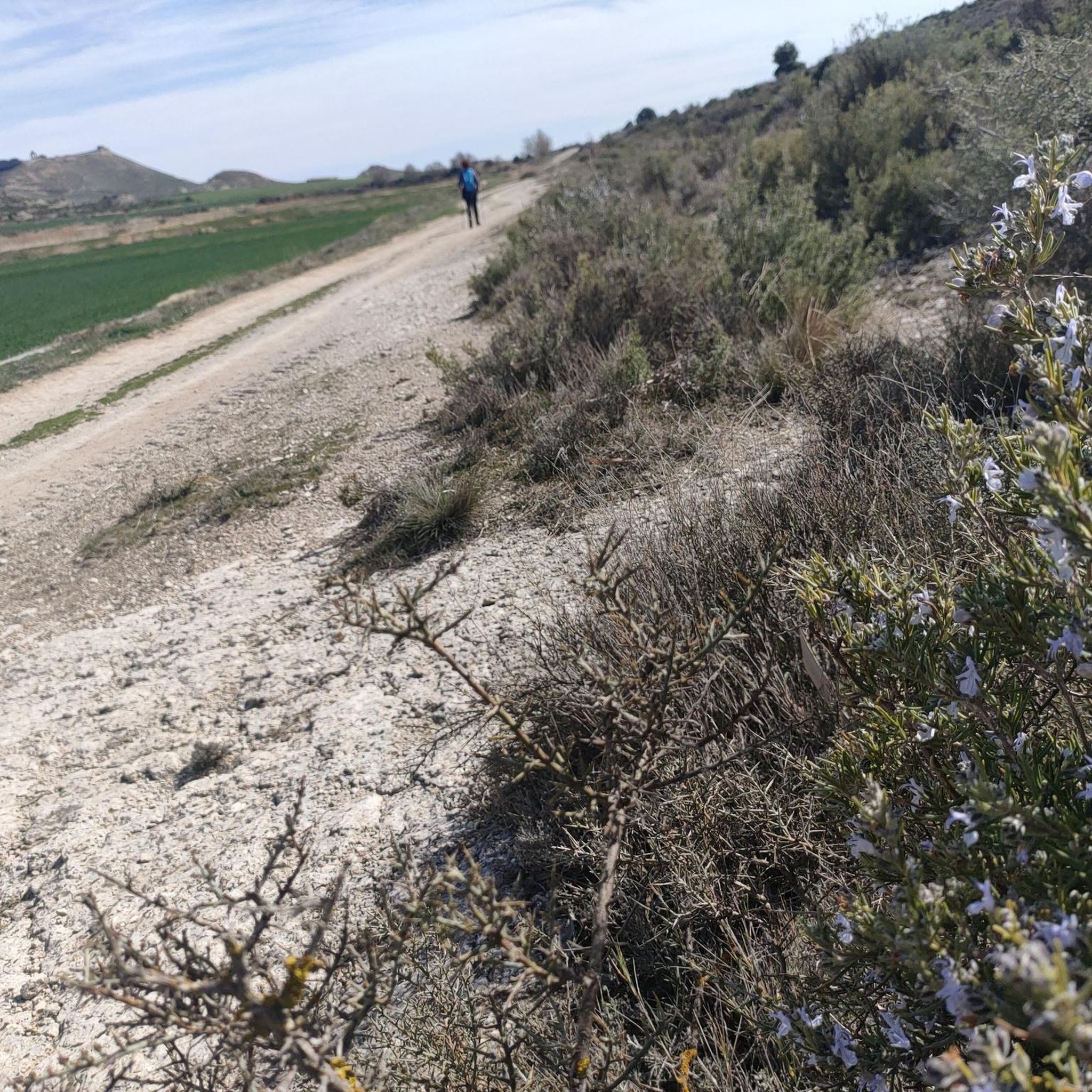
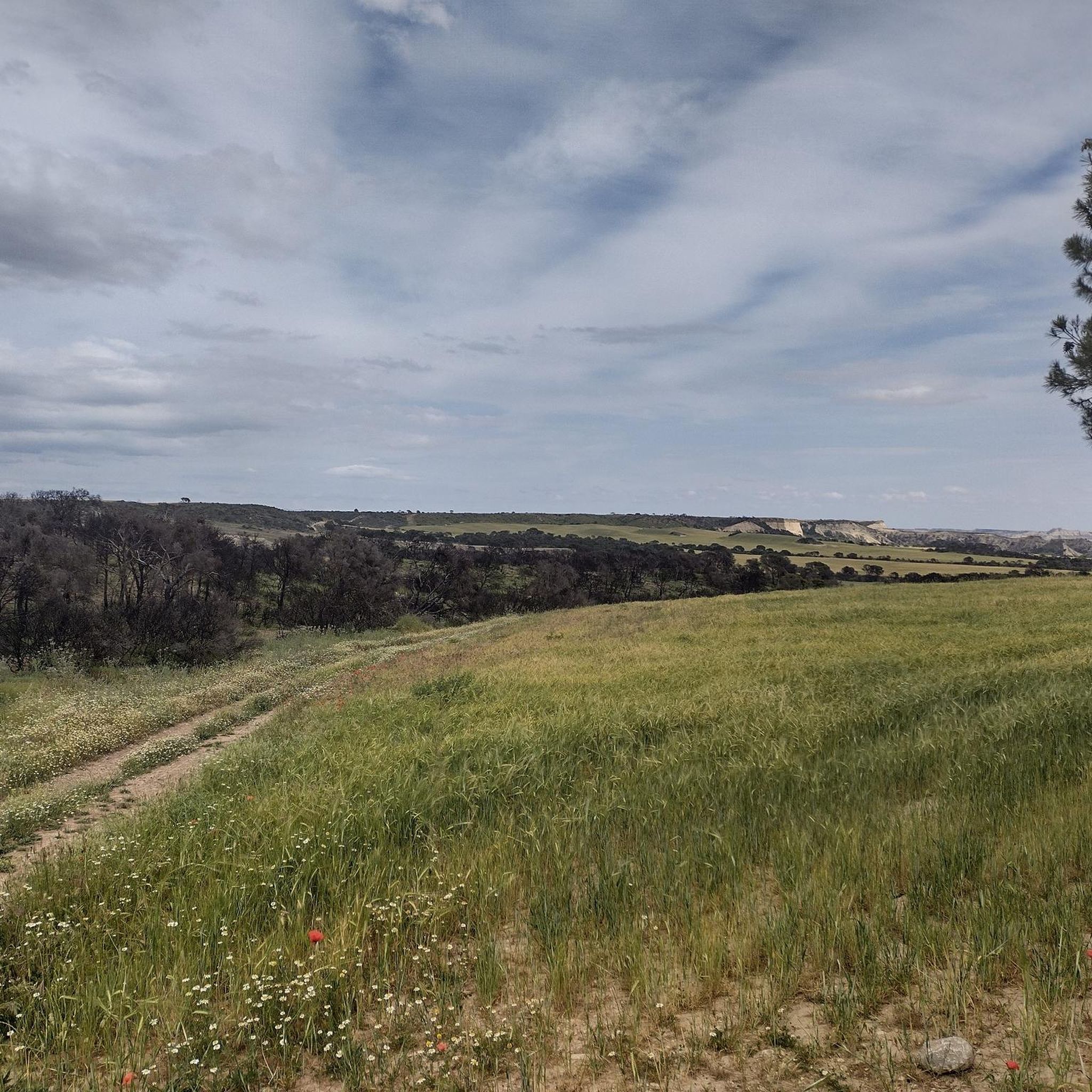
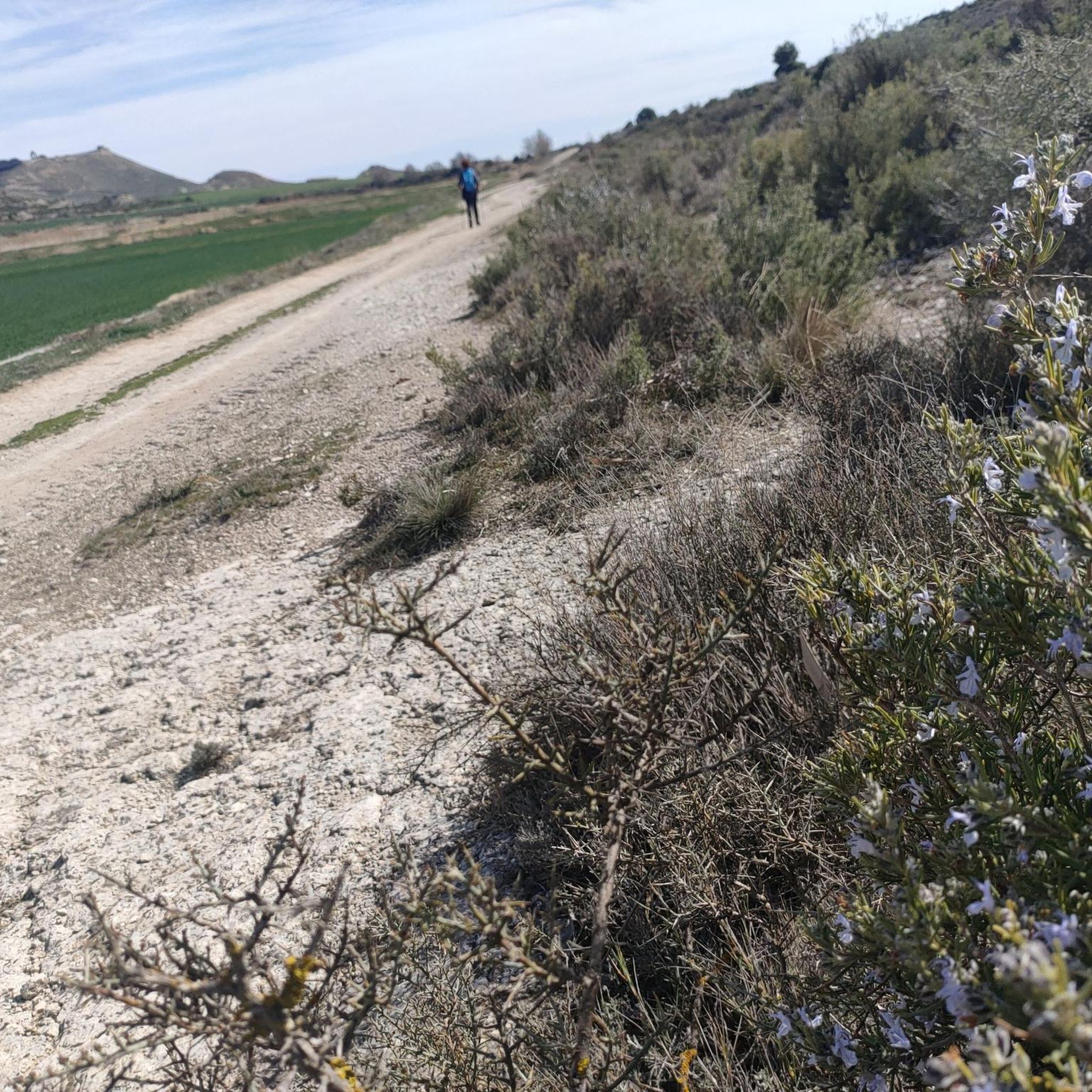

Tips from the Community

There is a lively atmosphere around the bars and restaurants on the square, with beautiful palazzos here.
1
0

It is located at Plaza de la Cava, 1, in the town center of Marcilla (Navarra), easily accessible and surrounded by bars and a children's playground. This 15th-century Gothic fortress was built of brick on a stone foundation by Mosén Pierres de Peralta, with material and financial support from Charles III the Noble. It served both as a defensive stronghold and as a palatial residence for the Marquesses of Falces, descendants of Peralta. In 1516, the Marchioness Ana de Velasco saved the castle from being demolished by order of Cardinal Cisneros.
5
0

Olite is worth a visit!
0
0

The ruins consist of a small central tower that served as a watchtower and accommodation for a small garrison and a walled area around it. Today only the ruins of the tower remain.
0
0
Originally a Roman fortress in a strategic location, the fortress is both a castle and a palace, although it was originally built as a court building to fulfil a military function. Since the 13th century, the Castle of Olite has been called the Palace of the King of Navarre.
2
0

The castle palace of Olite served as the residence of the kings of Navarre until the union of Navarre with Castile in the 16th century. The complex has been a listed monument since 1925.
1
0

One of the most beautiful castles I have ever visited.
3
0

Marcilla is most famous for its castle, but there are also other very interesting places to visit, such as the Church of San Bartolomé, the Virgen del Plu, the Monastery of Santa Maria and its small streets and squares.
1
1
Frequently Asked Questions
What historical defensive structures can I explore in the Murillo El Cuende region, beyond the main highlights?
Beyond the well-known castles, the Murillo El Cuende municipality offers significant historical defensive structures. You can visit the Muralla Urbana de Rada (Walled Urban Area of Rada), a medieval deserted village with ruins of a fortified settlement, including walls up to 8 meters high and the base of a castle keep. Another notable site is the Palacio de Cabo de Armería in Traibuenas, a 15th-century noble residence with an ogival door and arrow slits, reflecting the region's unique historical architecture.
Are there any family-friendly castles to visit near Murillo El Cuende?
Yes, several castles in the area are great for families. The Royal Palace of Olite is a magnificent Gothic-style castle-palace that served as a seat for the Court of the Kingdom of Navarre, offering an immersive historical experience. Marcilla Castle, a well-preserved 15th-century Gothic fortress, is also considered family-friendly and is conveniently located in the town center with nearby amenities.
What are the best times to visit the castles around Murillo El Cuende?
Visiting during spring (April-May) and autumn (September-October) generally offers pleasant weather for exploring the castles and their surroundings. Summers can be hot, especially for outdoor ruins like the Muralla Urbana de Rada, while winters might be chilly, though some indoor attractions like the Royal Palace of Olite remain open.
What kind of views can I expect when visiting castles in this region?
Many of the castles and defensive structures are strategically located on elevated positions, offering panoramic views. For instance, the Peñaflor Castle, situated within the Bardenas Reales park, provides expansive vistas. Similarly, the Muralla Urbana de Rada offers sweeping views over the surrounding area, including the Bardenas Reales and the Ujué/Uxue mountain range, making it an excellent spot for photography and appreciating the landscape.
Are there hiking or cycling routes near the castles of Murillo El Cuende?
Yes, the region offers various outdoor activities. For hiking, you can explore routes like 'Rodeo to the Laguna de Pitillas' or 'Castillo de Santacara to Ciudad romana de Cara' which are near historical sites. If you prefer cycling, there are MTB trails such as 'Caparroso and Peñaflor Castle Loop' or 'Marcilla Castle – Castillo de Peralta loop'. You can find more details on these and other routes in the Hiking around Murillo El Cuende and MTB Trails around Murillo El Cuende guides.
What are the visiting hours and entrance fees for the Muralla Urbana de Rada?
Access to the Muralla Urbana de Rada (Walled Urban Area of Rada) is possible with an entrance fee and during established hours. It is advisable to check with the local council or official sources beforehand to confirm current operating times and ticket prices, as these can vary.
Can I find cafes or restaurants near the castles in the Murillo El Cuende area?
Yes, some castles are located in or near towns with amenities. For example, Marcilla Castle is situated in the town center of Marcilla and is surrounded by bars and a children's playground. For other sites, it's recommended to check the nearest village for dining options.
How long does it typically take to visit a castle in this region?
The duration of a visit can vary depending on the castle. For extensive sites like the Royal Palace of Olite, you might spend 2-3 hours exploring its many rooms and courtyards. Smaller ruins or defensive structures, such as the Peñaflor Castle or the Muralla Urbana de Rada, might take 1-2 hours to explore, allowing time to appreciate the views and historical context.
Are there any hidden gem castles or lesser-known historical sites worth visiting?
While not traditional castles, the Muralla Urbana de Rada and the Palacio de Cabo de Armería in Traibuenas can be considered hidden gems. The Muralla Urbana de Rada offers a unique glimpse into a medieval deserted village with significant defensive ruins, while the Palacio de Cabo de Armería showcases a distinctive type of noble residence unique to Navarra, providing a deeper dive into the region's specific historical context.
Is it possible to visit the Palacio de Cabo de Armería in Traibuenas?
The Palacio de Cabo de Armería in Traibuenas is a 15th-century noble residence. While much of its original structure has been modified, it retains architectural elements like an ogival door and arrow slits. It's a significant historical landmark, but its accessibility for interior visits may vary. It's best to inquire locally about current access arrangements.
What is the historical significance of the castles around Murillo El Cuende?
The castles and defensive structures in the Murillo El Cuende region are deeply rooted in Navarre's medieval past. They served crucial roles in protecting borders, particularly between Navarre and Aragon, and as residences for nobility. Sites like the Peñaflor Castle and the Muralla Urbana de Rada highlight the region's turbulent history, including conflicts like the Navarrese Civil War. The Royal Palace of Olite, for instance, was a primary seat for the Court of the Kingdom of Navarre.
Are the castles around Murillo El Cuende generally accessible for visitors with mobility issues or wheelchairs?
Accessibility can vary significantly between sites. Grand palaces like the Royal Palace of Olite may have some accessible areas, but older ruins or structures like the Muralla Urbana de Rada, located on elevated terrain with uneven surfaces, might present challenges. It is recommended to check specific accessibility information for each site prior to your visit.
What parking facilities are available at the castles?
Parking availability varies by location. For castles situated within towns, such as Marcilla Castle, you can often find public parking nearby. For more remote sites like the Muralla Urbana de Rada or Peñaflor Castle, designated parking areas might be available, but it's advisable to research specific options for each destination.
Most popular routes around Murillo El Cuende
Most popular attractions around Murillo El Cuende

Get inspired with the komoot mobile app


Explore more
Looking for the best castles somewhere else? Discover other guides around Murillo El Cuende:
