Attractions and Places To See around Baeza - Top 20
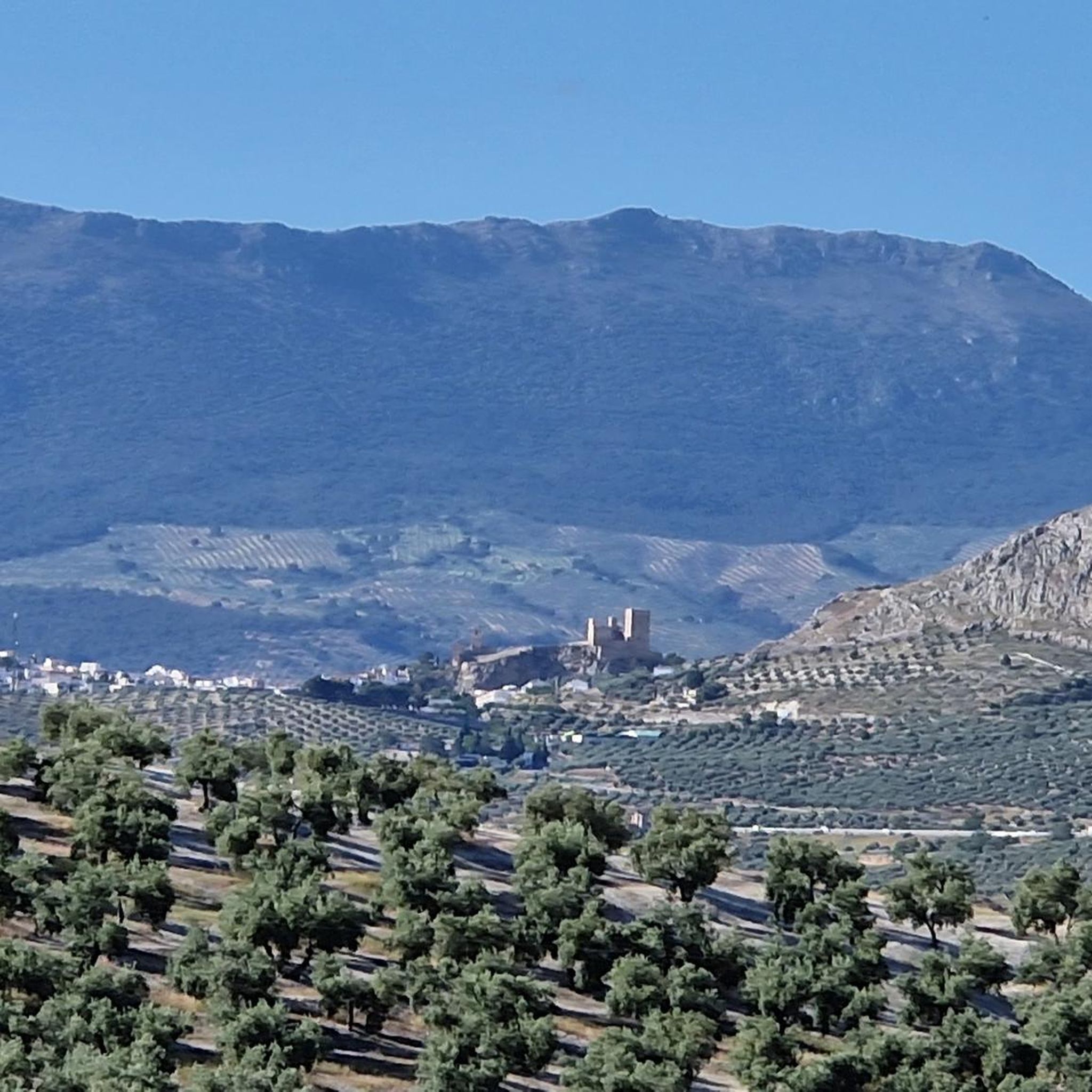
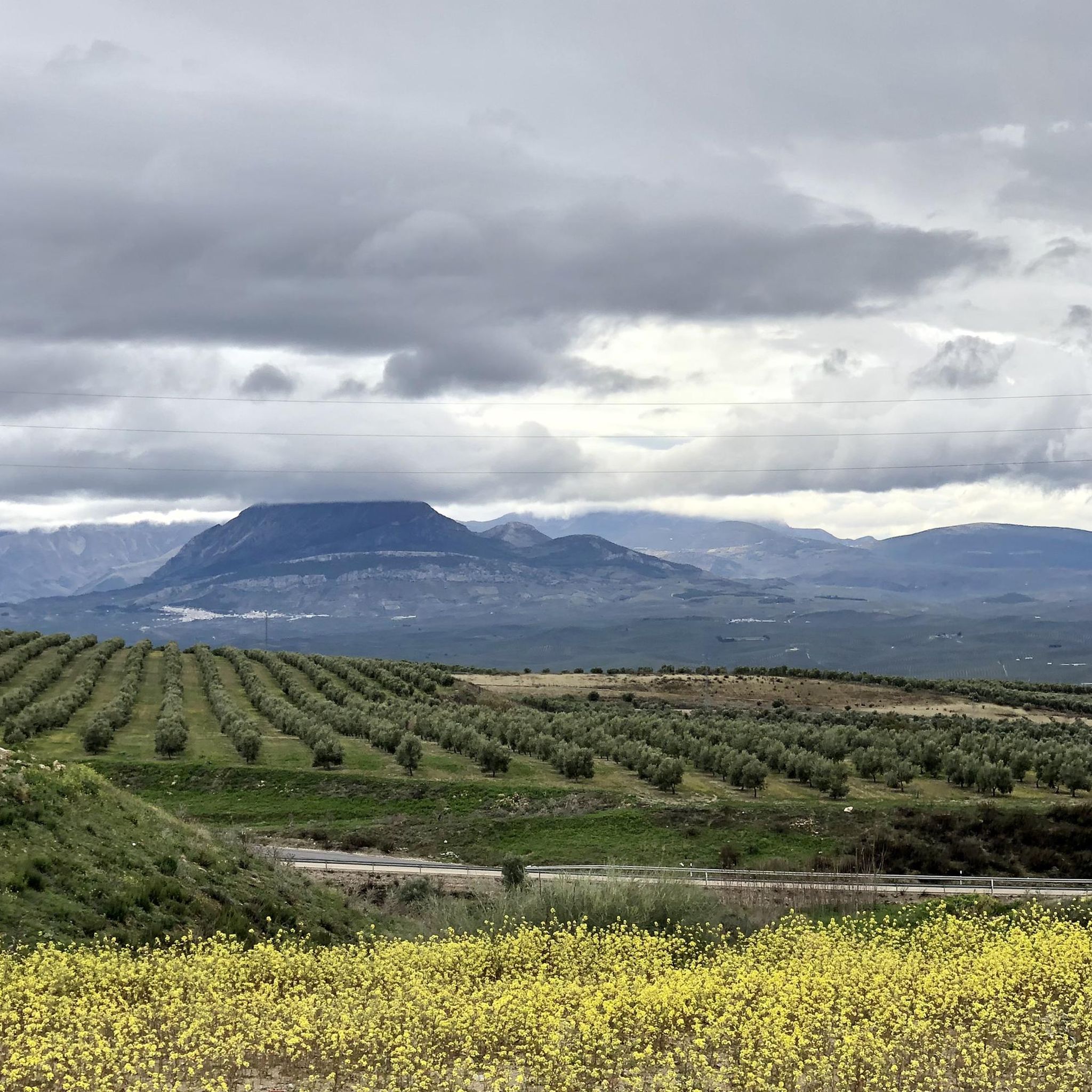
Attractions and places to see around Baeza include a rich array of Renaissance architecture and historical sites, set within a landscape dominated by olive groves. This city, a UNESCO World Heritage site, offers numerous notable landmarks and cultural points of interest. Its history is reflected in a blend of Roman, Visigothic, Moorish, and Renaissance architectural styles. The surrounding area also features significant natural features, including vast olive groves.
Best attractions and places to see around Baeza
- The most popular attractions…
Last updated: July 7, 2026
Sacred Chapel of the Savior
Highlight • Religious Site
If we take into …
Translated by Google •
Tip by

Baeza Cathedral
Highlight • Religious Site
Translated by Google •
Tip by
Sign up now to discover places like this
Get recommendations on the best single tracks, peaks, & plenty of other exciting outdoor places.
Sign up for free
San Pablo Church in Úbeda
Highlight • Religious Site
Translated by Google •
Tip by
Ruins of San Francisco
Highlight • Historical Site
Translated by Google •
Tip by
Salcedo Palace
Highlight • Historical Site
Translated by Google •
Tip by
Sign up for free to discover even more attractions around Baeza.
Sign up for free
Already have an account?
Start today with a free account
Your next adventure awaits.
Login or Signup

Tips from the Community

The Church of San Pablo was built in the 13th century on the site of a former mosque. This church is one of the oldest in the city and impresses with its blend of styles: a Romanesque portal, known as the Carpenters' Gate, a Renaissance-style side facade, and a late Gothic interior. The church is located in Plaza Primero de Mayo, also known as Paseo del Mercado (Market Square), as for centuries public markets were held here, as well as political events such as city council elections, religious services, and theatrical performances. Around the square, you can see the old Town Hall, the monument to Saint John of the Cross in the center, and at number 20, the house where Joaquín Sabina was born.
1
0
The Sacra Capilla de El Salvador is located at the far end of the Plaza Vázquez de Molina. It is the family mausoleum of Francisco de los Cobos, secretary to Emperor Charles V. Its façade and portal, both in the Plateresque style, are particularly noteworthy.
1
0
Declared a National Monument in 1931, the cathedral stands on the site of an ancient Roman temple, later transformed into a Visigothic structure and then into a mosque after the arrival of the Muslims. In 1227, it became the cathedral seat under the Marian patronage of the Nativity. It acquired its Renaissance character in the 16th century, after more than half of the building collapsed in 1567. Andrés de Vandelvira and other important Andalusian architects imbued the cathedral with the classical style then prevalent in religious art. Until the end of the century, the temple was transformed piecemeal. The main portal was designed in 1587 by Juan Bautista Villalpando, featuring a relief of the Nativity of the Virgin, sculpted by the Jesuit Jerónimo del Prado from Baeza. The Puerta de la Luna (Moon Gate) is one of the oldest elements of the cathedral, with its distinctive 13th-century polylobed arch. Above it stands the 14th-century Gothic rose window, one of the few elements that survived the collapse of the cathedral in 1567. Therefore, the reconstruction was entrusted to Andrés de Vandelvira, who contributed his mastery to give the cathedral the Renaissance richness it boasts today. The combination of Mudéjar, Gothic, and Renaissance styles allows one to observe the passage of time through its walls, telling its story through each of its architectural styles. In addition to visiting the interior of the cathedral, it is highly recommended to climb the tower, from where you will be rewarded with spectacular views of the town and its surrounding countryside.
1
0

A temple of Visigothic origin, built in the 17th century as a church dedicated to Catholic worship, it is part of the city's Renaissance architectural complex, which was declared a World Heritage Site by UNESCO in 2003.
20
0

It's fun to climb the tower: 196 steps to a beautiful view.
0
0
Curiously, this building is not a church and has never belonged to the church, but rather it is a huge pantheon belonging to the Cobos family. If we take into account that Francisco de los Cobos was secretary of state of Emperor Charles I of Spain, he was also a patron and knight of the Great Order of Santiago, we can get an idea of the important power that this family had. In 1522 and when he was 45 years old, he married Doña María de Mendoza y Sarmiento, who was 14 years old, to guarantee offspring, since she had the title of countess.
11
0
Church located in the Plaza Primero de Mayo, it is Romanesque-Gothic-Renaissance-Baroque style (XIII-XVIII) Located in an old mosque, its three portals stand out: the Carpinteros to the west dating from the 13th century, the Main one located to the south carved in 1511 in the Gothic-Elizabethan style, and finally the North Portal which was built between 1483 and 1489. There is a fountain attached to the apse and was built in 1591.
11
0
In this building, which was originally the residence of the religious authorities of the Baeza Cathedral, the city's Conservatory of Music was located, until it was moved there during the 2002/2003 academic year.
9
0
Frequently Asked Questions
What are the must-see historical and architectural sites in Baeza?
Baeza is a UNESCO World Heritage site, rich in Renaissance architecture. Key sites include the Baeza Cathedral, known for its Renaissance style and historical layers built upon Roman, Visigothic, and Moorish foundations. Don't miss the stunning Palacio de Jabalquinto with its Gothic entrance and Renaissance courtyard, or the iconic Plaza del Pópulo, home to the Fuente de los Leones. The Plaza de Santa María, framed by the Cathedral and the beautiful Fuente de Santa María, is also a significant landmark.
Are there any natural features or viewpoints to enjoy around Baeza?
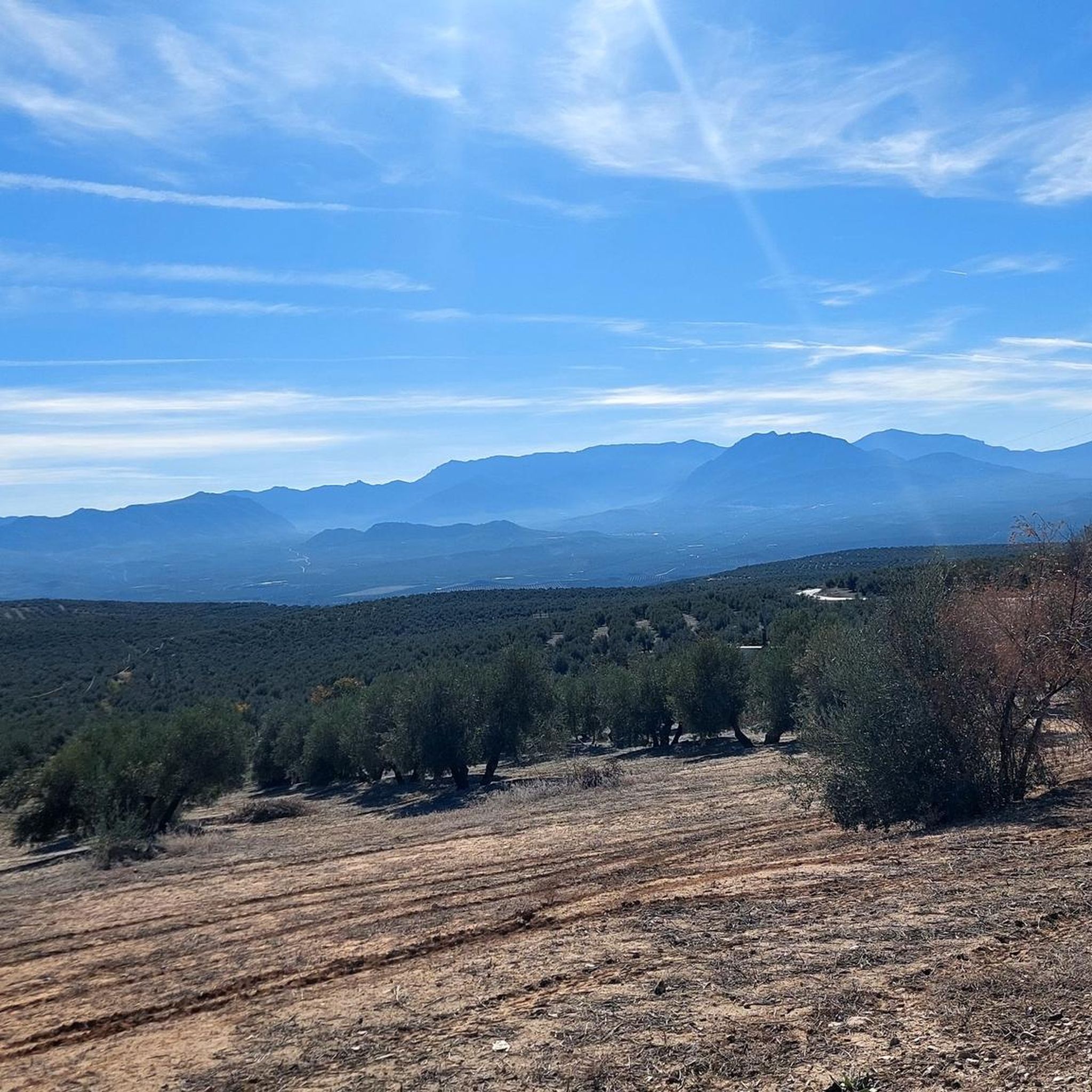
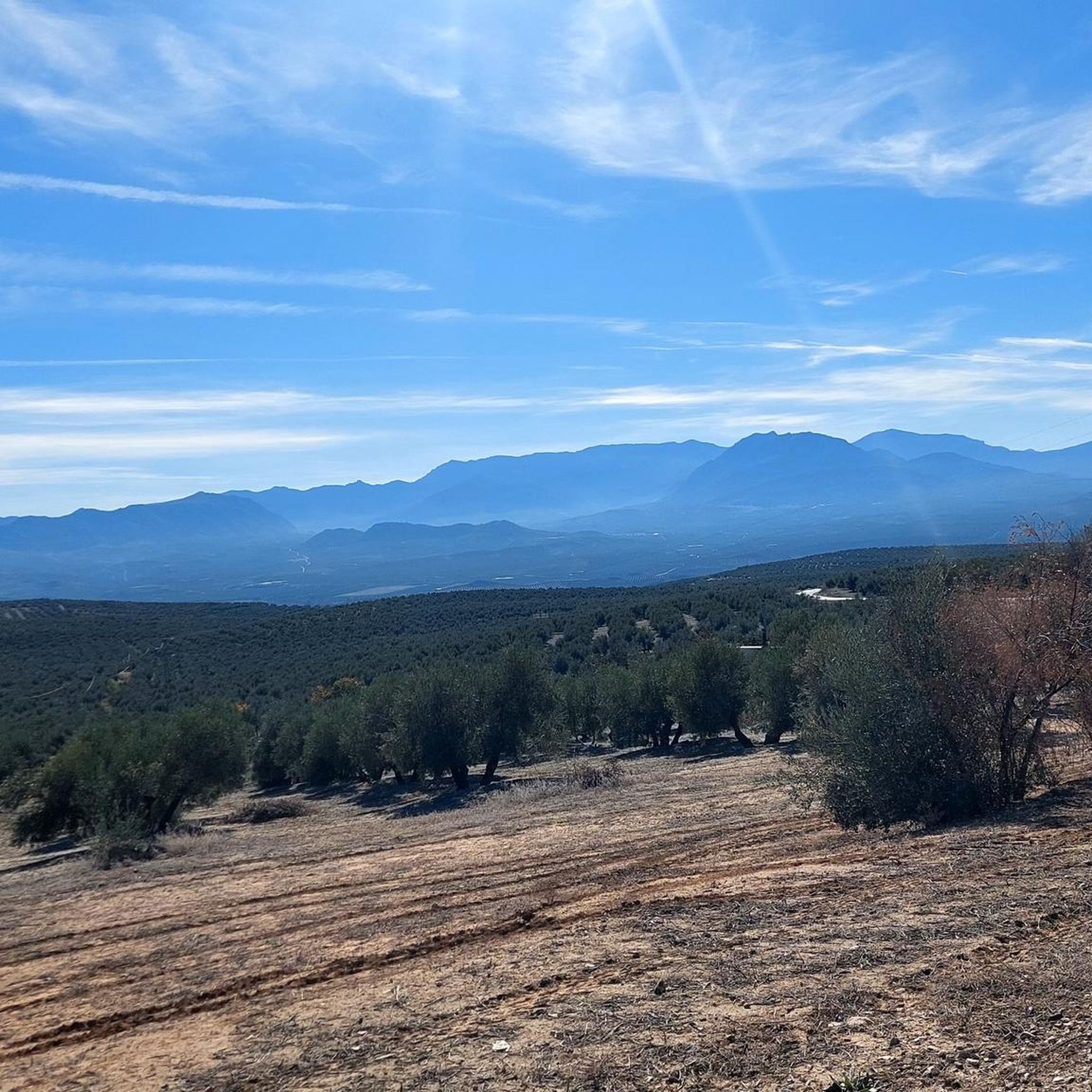
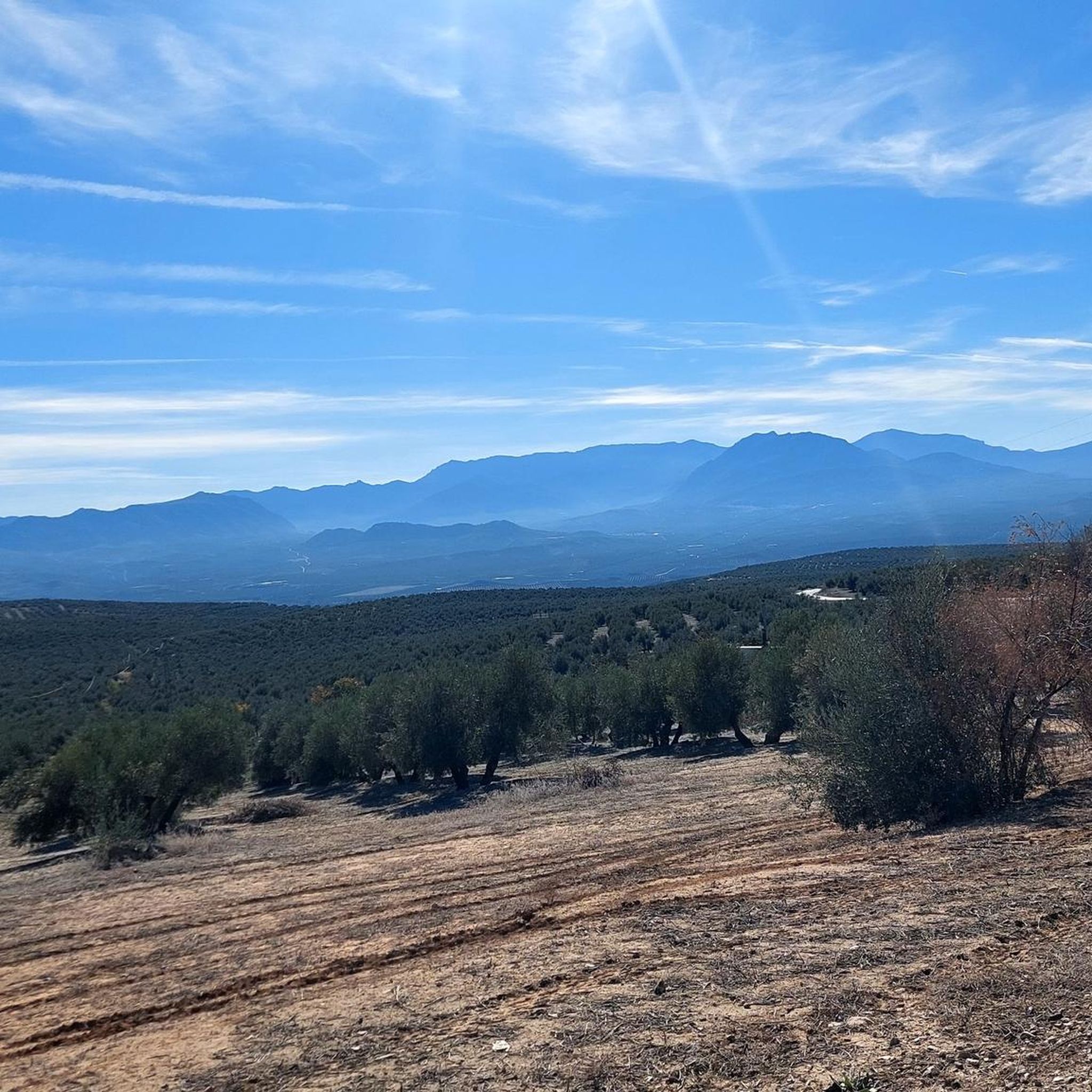
Yes, Baeza is surrounded by a vast 'sea of olive groves,' offering picturesque views. For breathtaking panoramas of these groves and the surrounding landscape, take a walk along the Paseo de las Murallas, also known as the Antonio Machado Viewpoint. You can also explore the Sierra Mágina Natural Park, which is known for its rugged limestone mountains and deep gorges.
What cultural experiences can I find in Baeza?
Baeza offers several cultural insights. You can visit the Antonio Machado Classroom, preserved in tribute to the poet who taught at the Old University of Baeza, and follow a 'Machadian route' through the city. The Museo de la Cultura del Olivo provides insights into the region's vital olive oil industry. Additionally, the city's numerous historical buildings, like the Old University of Baeza and the Seminario de San Felipe Neri, offer a glimpse into its rich past.
Are there family-friendly attractions or activities in Baeza?
Many of Baeza's historical sites are suitable for families, offering an educational experience. The San Pablo Church in Úbeda, part of the UNESCO World Heritage site, is listed as family-friendly. Exploring the city's squares like Plaza del Pópulo and Plaza de Santa María, or walking along the Paseo de las Murallas, can also be enjoyable for all ages.
What kind of outdoor activities or routes are available near Baeza?
The area around Baeza is excellent for outdoor activities. You can find various routes for road cycling, running, and gravel biking. For example, there are challenging road cycling routes like the 'Baeza and the Castles of Sierra Mágina Loop' and moderate running trails such as 'From Baeza to the Montalvas walk'. You can explore more options in the Road Cycling Routes around Baeza, Running Trails around Baeza, and Gravel biking around Baeza guides.
Are there any unique religious buildings or historical ruins to explore?
Beyond the main Cathedral, you can visit the Sacred Chapel of the Savior in Úbeda, which is a significant Renaissance architectural complex and a grand pantheon for the Cobos family. Also, the Ruins of San Francisco, originally a convent designed by Andrés de Vandelvira, offer a fascinating glimpse into the Andalusian Renaissance, now serving as an auditorium.
What is the best time of year to visit Baeza for sightseeing and outdoor activities?
While specific weather conditions vary, generally the spring (April-May) and autumn (September-October) months offer pleasant temperatures for exploring Baeza's historical sites and engaging in outdoor activities like hiking and cycling. Summers can be very hot, and winters are milder but can be damp.
Can I find Romanesque architecture in Baeza?
Yes, the Church of Santa Cruz (Iglesia de Santa Cruz) is a rare and notable example of Romanesque architecture in Baeza. It features a distinctive two-aisle nave and a semicircular apse, standing out amidst the city's predominantly Renaissance style.
What are some lesser-known historical points of interest in Baeza?
Beyond the major landmarks, consider visiting the Puerta de Úbeda and Torre Albarrana, medieval gates that were part of the old Arab wall, with the Torre Albarrana housing the Baeza Medieval Interpretation Centre. The Aliatares Tower, one of the oldest fortified towers of Muslim origin, also offers a glimpse into the city's defensive past.
What do visitors enjoy most about the attractions around Baeza?
Visitors frequently appreciate the rich blend of architectural styles, particularly the stunning Renaissance buildings, and the deep sense of history that permeates the city. The panoramic views of the olive groves from elevated points are also highly praised. Many find the historical context and the stories behind sites like the Baeza Cathedral and the Sacred Chapel of the Savior particularly engaging.
Are there any specific walking routes within Baeza itself?
Yes, you can enjoy several walking routes within the city. The Paseo de la Constitución offers a charming promenade to experience local life. Additionally, following the 'Machadian route' allows you to explore the city's literary heritage while enjoying a pleasant walk through its historic streets and squares.
Most popular attractions around Baeza

Get inspired with the komoot mobile app


Explore more
Still not found the Highlight you’re looking for? See guides of the top attractions in other regions:
