Attractions and Places To See around Frómista - Top 20
Best attractions and places to see around Frómista include historical landmarks and engineering marvels. This town is situated along the Camino de Santiago and features the Canal de Castilla, an 18th-century hydraulic engineering feat. The region is characterized by its Romanesque architecture and its role as a significant pilgrimage stop. It offers a blend of cultural sites and natural settings for exploration.
Best attractions and places to see around Frómista
- The most popular attractions is Quadruple Lock of the Canal…
Last updated: May 10, 2026
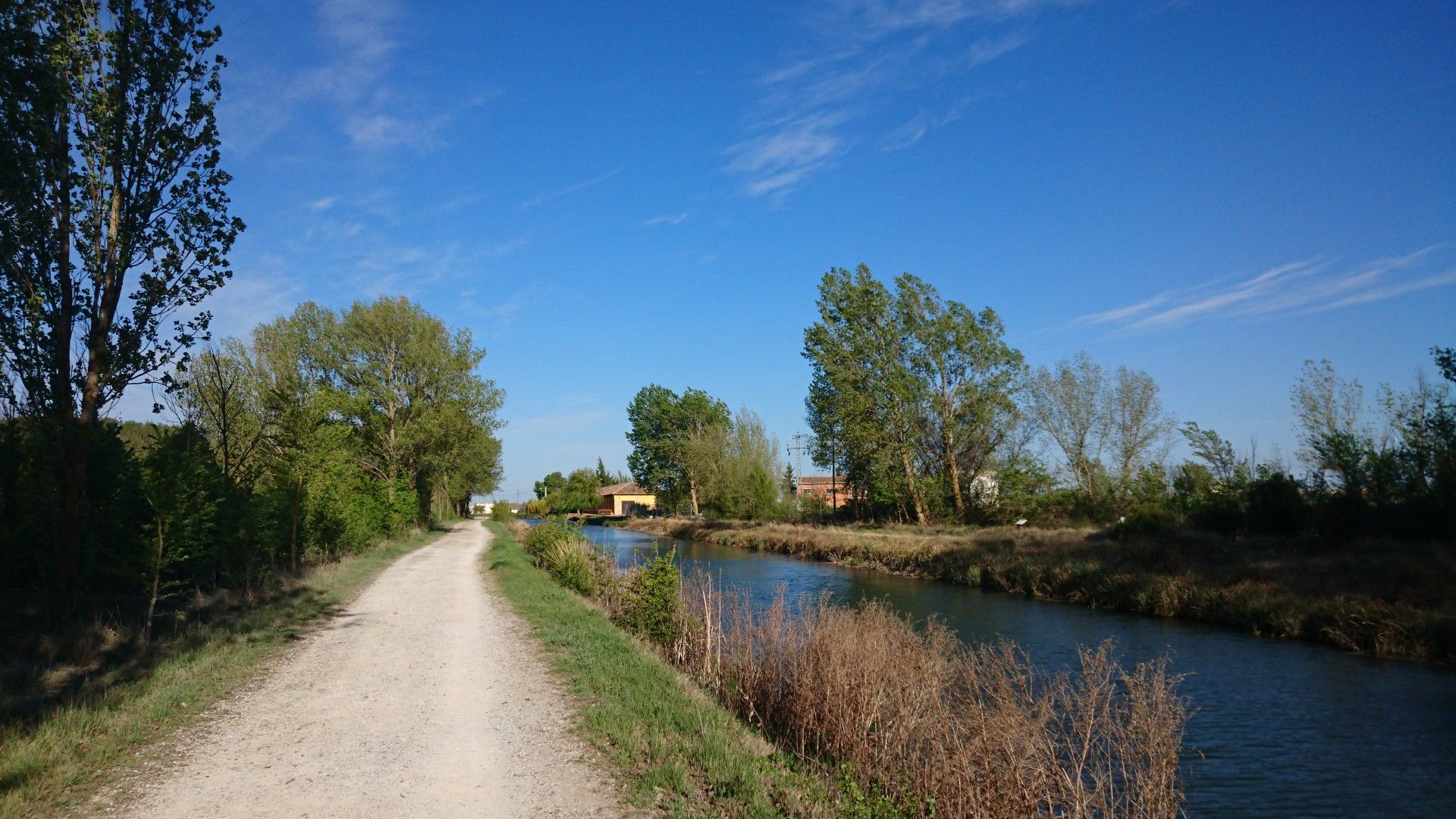
Canal de Castilla
Highlight • River
Translated by Google •
Tip by

Quadruple Lock of the Canal de Castilla
Highlight • Monument
In total, the locks save almost 15 meters of difference in level.
Translated by Google •
Tip by

Sign up now to discover places like this
Get recommendations on the best single tracks, peaks, & plenty of other exciting outdoor places.
Sign up for free
San Nicolás Hermitage at Puente Fitero
Highlight • Religious Site
Translated by Google •
Tip by
Church of Santa María la Blanca in Villalcázar de Sirga
Highlight • Religious Site
It can be …
Translated by Google •
Tip by

Scenic Section of the Canal de Castilla
Highlight (Segment) • Structure
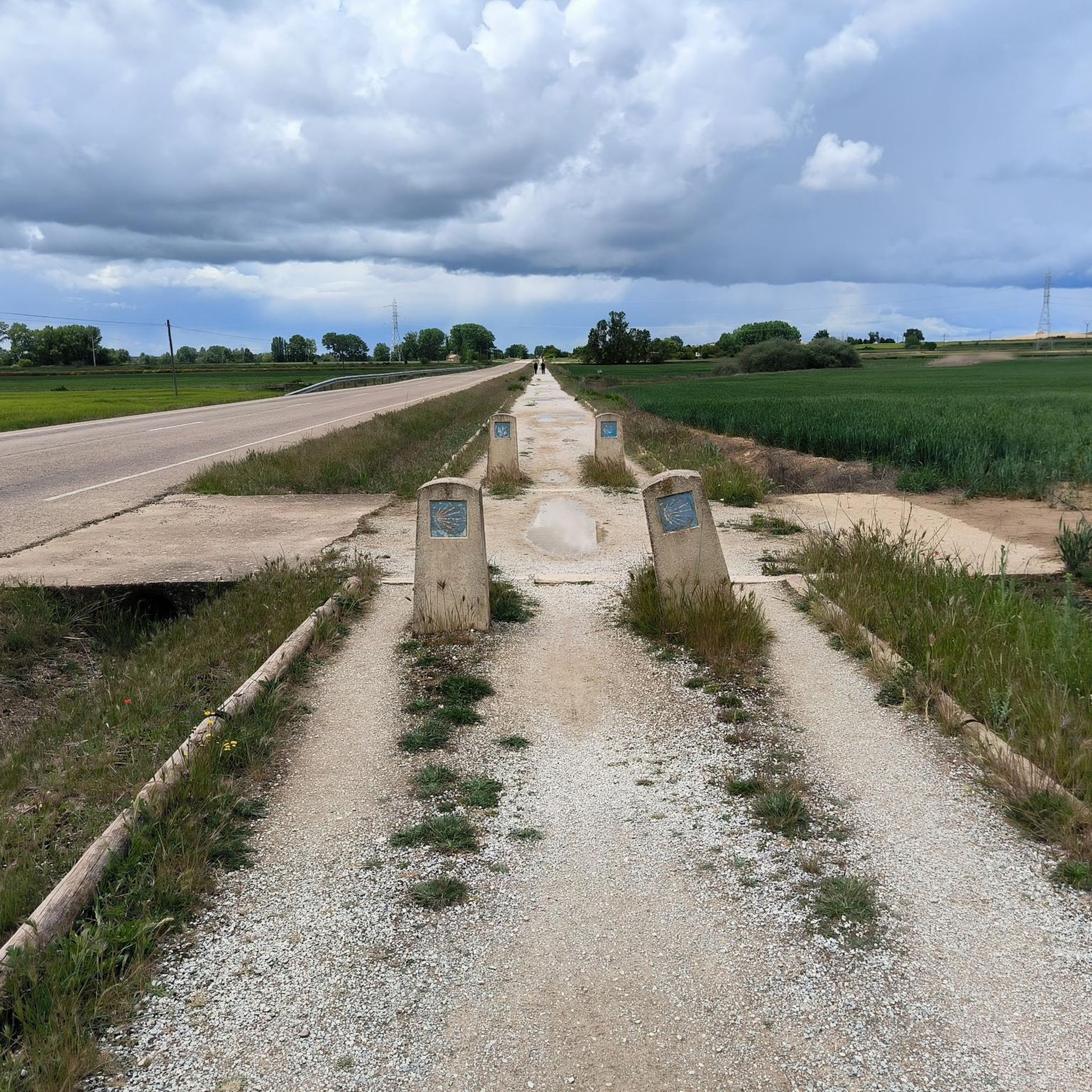
It coincides with the Camino Frances de Santiago and with the EV1 EuroVelo route.
Translated by Google •
Tip by
Sign up for free to discover even more attractions around Frómista.
Sign up for free
Already have an account?
Start today with a free account
Your next adventure awaits.
Login or Signup

Other adventures around Frómista

Tips from the Community

A short, pleasant stretch to walk because the water cools the air a little.
1
1

Beautiful sunrise on the Way of St. James
2
1

Santa Maria la Blanca is a temple-fortress of Templar origin dating back to the 12th century.
3
1
The Castile Canal, whose construction began in 1753, was intended to connect Castile to the Atlantic Ocean.
7
0

The Castile Channel (Canal de Castilla) is a historic canal in northern Spain, built between the latter half of the 18th century and the first half of the 19th century. It passes through the provinces of Burgos, Palencia and Valladolid and has a total length of 207 kilometres. The canal was originally built to facilitate the transport of grain from Castile to the ports in the Bay of Biscay, but today it is mainly used for irrigation and tourism.
2
1
The Iglesia de Santa María la Blanca in Villalcázar de Sirga is an important stop on the Camino de Santiago. The church was built at the end of the 12th century, during the transition from Romanesque to Gothic style, and was completed in the 14th century. It is a temple-fortress with a beautiful portal from the 13th century, decorated with an impressive sculptural ensemble. Inside you will find a collection of polychrome tombs from the 13th and 14th centuries, a Gothic altarpiece from the 15th and 16th centuries, and a beautiful image of the Virgen del Rosario. The church is linked to the Order of the Temple and has played an important role as a religious site on the Camino de Santiago.
3
1

The church was built in a transitional style from Romanesque to Gothic. The southern double portal with sculptures of Christ Pantocrator, Tetramorphs and Apostles is particularly noteworthy. The Chapel of St. James, dating from the early 14th century, is also very interesting, as it contains the sarcophagi of Infante Felipe and his wife Leonor Ruíz de Castro. This church also contains the White Virgin 'Virgen Blanca', who was sung about by Alfonso X the Wise in his 'Cantigas' (religious songs). She represented one of the most important religious sites on the Way of St. James.
3
0

An inn run by Italian hospitallers from Perugia.
3
0
Frequently Asked Questions
What historical landmarks can I explore in Frómista?
Frómista is rich in history, particularly its Romanesque architecture and connection to the Camino de Santiago. You can visit the Church of San Martín de Tours, an 11th-century Romanesque jewel known for its architectural harmony. Other significant sites include the Gothic Church of San Pedro, which houses the Museum of Sacred Art, and the Church of Santa María del Castillo, home to the 'Vestigia – The Miracle of the Road' exhibition. Don't miss the Quadruple Lock of the Canal de Castilla, an 18th-century engineering marvel.
Are there any unique engineering marvels to see in Frómista?
Absolutely. Frómista is home to a remarkable section of the Canal de Castilla, an 18th-century hydraulic engineering feat. The most impressive part is the Quadruple Lock of the Canal de Castilla, which is considered one of the most ingenious works along the entire canal, saving almost 15 meters of elevation difference.
What cultural experiences does Frómista offer?
Frómista provides several cultural insights. You can explore the 'Vestigia – The Miracle of the Road' multimedia exhibition within the Church of Santa María del Castillo, which narrates the legends of the Camino de Santiago. The Museum of Sacred Art inside the Church of San Pedro displays a collection of Hispano-Flemish pictorial boards. For a taste of local heritage, visit the Ethnographic Museum Rodolfo Puebla or the Cheese Museum, which focuses on traditional sheep cheese craftsmanship.
What outdoor activities can I do near Frómista's attractions?
The Canal de Castilla offers a picturesque setting for walks and cycling. You can enjoy easy hikes like the 'Fromista and its locks of the Canal de Castilla' (5.8 km) or 'Boadilla del Camino — circular along the banks of the Canal de Castilla' (5.1 km). For longer adventures, consider moderate road cycling routes like 'Támara de Campos from Frómista — circular through the Tierra de Campos' (21.7 km) or MTB trails such as 'French Way: Villalcázar de Sirga Loop' (28.8 km). Find more routes on the hiking, road cycling, and MTB guides for the area.
Are there family-friendly attractions in Frómista?
Yes, many of Frómista's key attractions are suitable for families. The Canal de Castilla and its Quadruple Lock are great for educational walks, showcasing impressive engineering. The Scenic Section of the Canal de Castilla is also very popular for leisurely strolls or bike rides. The town itself, Frómista, with its historical churches and museums, offers engaging experiences for various ages.
What is the best way to experience the Camino de Santiago in Frómista?
Frómista is a crucial stop on the French Way (Camino de Santiago). You can walk a section of the Camino, which often coincides with the Scenic Section of the Canal de Castilla. Visit the Church of San Martín de Tours, a significant pilgrim landmark, and the Church of Santa María del Castillo, which hosts the 'Vestigia – The Miracle of the Road' exhibition detailing the Camino's legends. The San Nicolás Hermitage at Puente Fitero also offers a unique pilgrim experience, known for its hospitality.
Where can I find natural viewpoints or scenic spots in Frómista?
While Frómista is primarily known for its historical sites, the Canal de Castilla itself provides a beautiful natural setting. The Scenic Section of the Canal de Castilla is particularly noted for its beauty, offering pleasant views along the waterway. It's a green corridor amidst agricultural fields, perfect for enjoying the landscape.
Are there any hidden gems or lesser-known attractions in Frómista?
Beyond the main churches and the Canal, consider visiting the Shrine of Nuestra Señora del Otero, a Gothic hermitage located outside the town center. The Miracle Stone (Piedra del Milagro) commemorates a local legend from 1453, offering a glimpse into local folklore. For a unique cultural experience, the Ethnographic Museum Rodolfo Puebla showcases over 700 pieces related to the region's traditional activities.
What do visitors enjoy most about Frómista?
Visitors frequently praise Frómista for its blend of historical significance and engineering marvels. The Quadruple Lock of the Canal de Castilla is often highlighted as an ingenious and impressive sight. The town's role as a stop on the Camino de Santiago, combined with its well-preserved Romanesque architecture, particularly the Church of San Martín de Tours, also leaves a lasting impression. Many appreciate the peaceful walks along the Canal de Castilla.
What are the options for cycling around Frómista?
Frómista is excellent for cycling, especially along the Canal de Castilla. The Scenic Section of the Canal de Castilla is part of the EV1 EuroVelo route and is very popular. You can find various road cycling routes, such as 'Támara de Campos from Frómista — circular through the Tierra de Campos' (21.7 km, easy) or 'Frómista – Lock number 21 loop from Frómista' (38 km, easy). For mountain biking, explore trails like 'French Way: Villalcázar de Sirga Loop' (28.8 km, moderate). More cycling options are available in the road cycling and MTB guides for the area.
Is there public transport or parking available for attractions in Frómista?
Frómista is a small town with services, and it's a common stop for pilgrims, so it's generally accessible. While specific public transport details for reaching individual attractions aren't provided, the town itself is well-connected. Parking is typically available near the main attractions, and the tips for the Quadruple Lock of the Canal de Castilla mention it's found near Frómista, implying easy access.

Get inspired with the komoot mobile app


Explore more
Still not found the Highlight you’re looking for? See guides of the top attractions in other regions:
