Attractions and Places To See around Hormilleja - Top 20
Best attractions and places to see around Hormilleja, a municipality in La Rioja, Spain, is situated at the confluence of the Najerilla and Tuerto rivers, offering a scenic environment within the Najerilla Valley. The area features a blend of historical landmarks, natural viewpoints, and cultural sites. Visitors can explore ancient settlements and enjoy the natural beauty of the surrounding vineyard landscapes. Hormilleja serves as a reference point for those exploring the wider La Rioja region.
Best attractions and places to…
Last updated: July 6, 2026
Poyo de Roldán Stone Hut
Highlight • Structure
Translated by Google •
Tip by

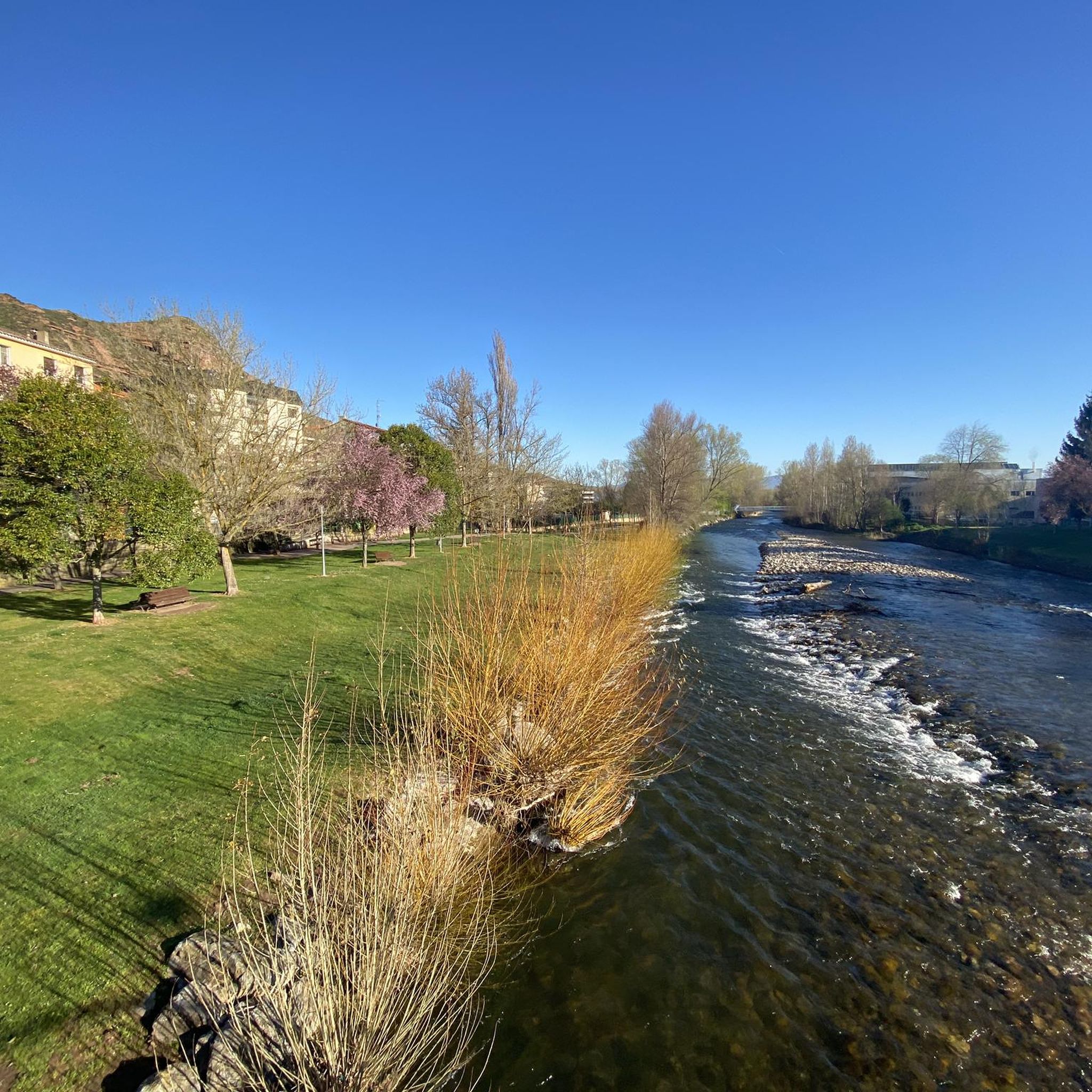
Park on the riverbank (Nájera)
Highlight • Rest Area
Translated by Google •
Tip by

Sign up now to discover places like this
Get recommendations on the best single tracks, peaks, & plenty of other exciting outdoor places.
Sign up for free
Marqués de Riscal Hotel
Highlight • Monument
Translated by Google •
Tip by

Bridge over the Yalde River
Highlight • Bridge
Translated by Google •
Tip by
San Vicente de la Sonsierra Fortress Castle
Highlight • Castle
Translated by Google •
Tip by

Sign up for free to discover even more attractions around Hormilleja.
Sign up for free
Already have an account?
Start today with a free account
Your next adventure awaits.
Login or Signup
Tips from the Community

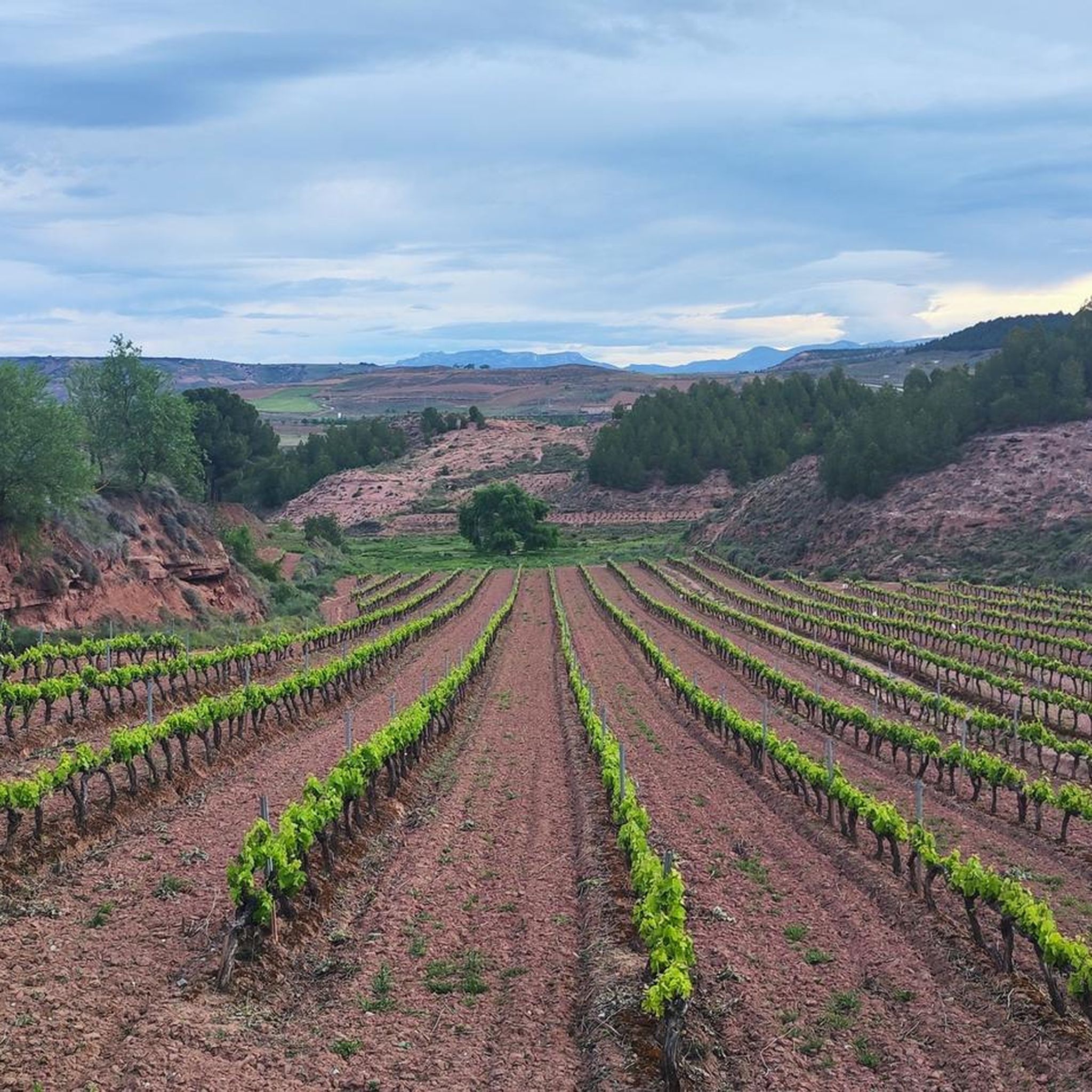
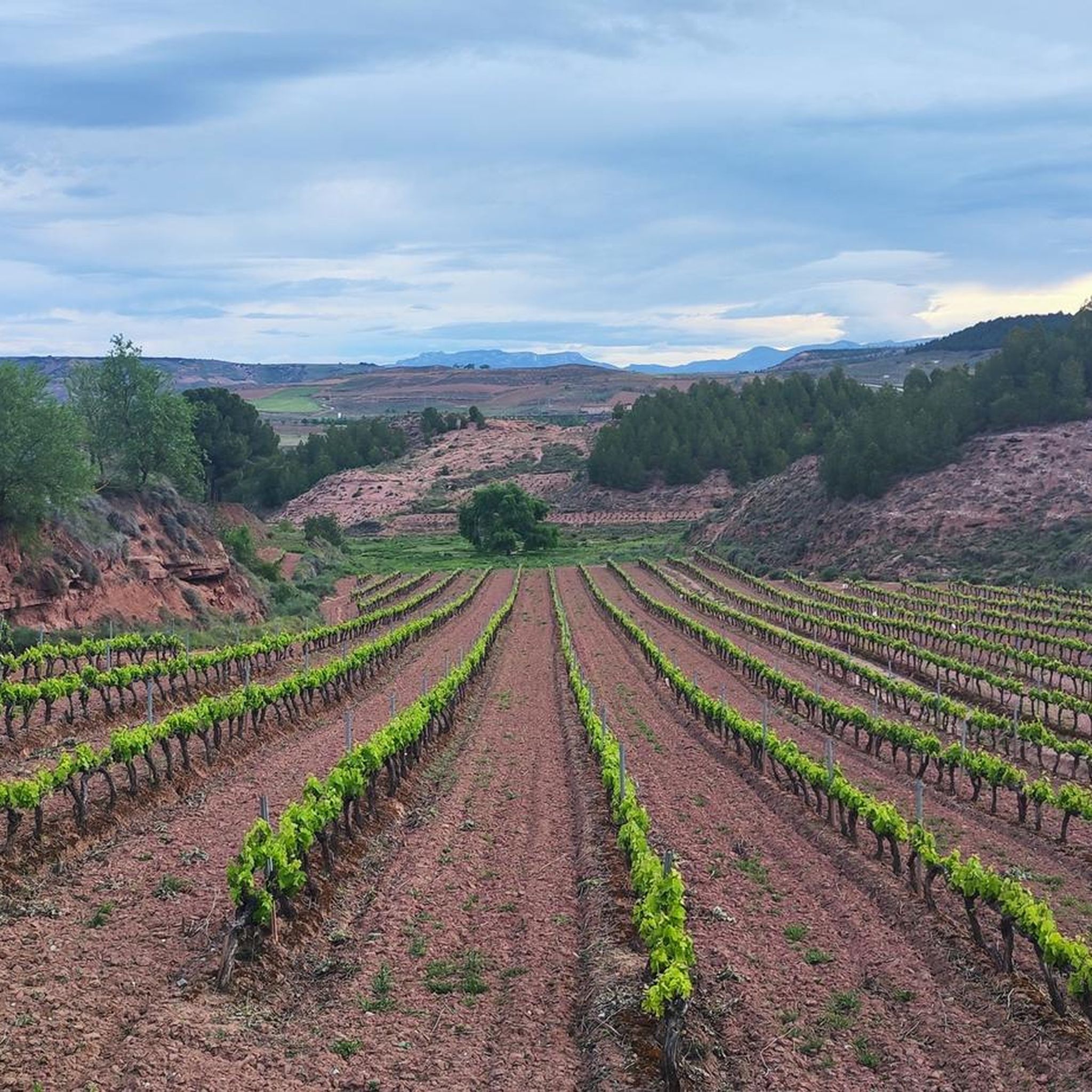
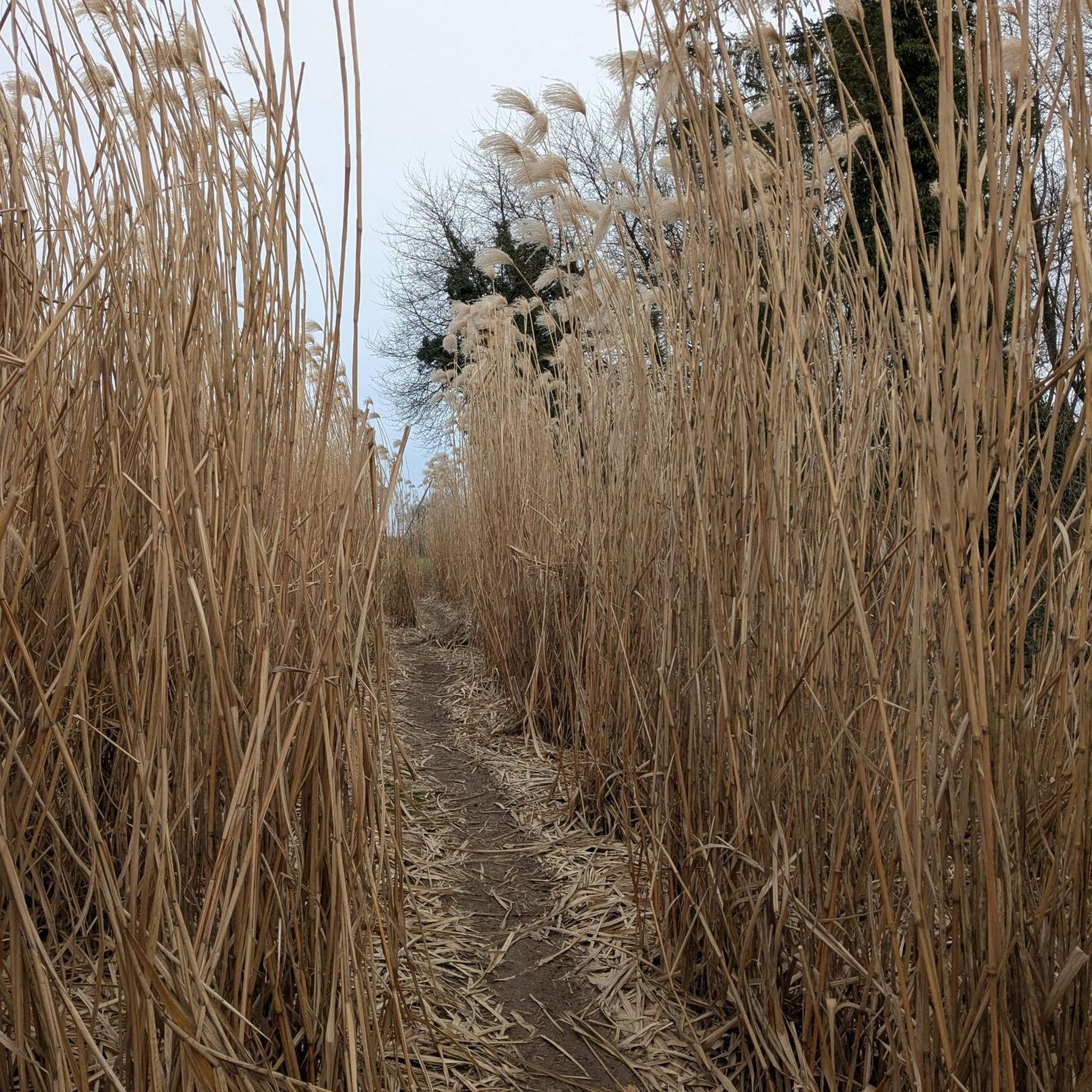
A hill that has its own legend: in the castle of Nájera lived Farragut or Ferragut, a Syrian giant descended from Goliath and stronger than him, who fought and defeated the best warriors of Charlemagne except Roldán, who one day from the poyo spotted the giant sitting at the door of his castle. Roldán picked up a round stone weighing two arrobas (~22kg) and threw it in the direction of the giant, whom he hit in the forehead, knocking him down. Since then the hill has been called Poyo de Roldán.The stone hut is likely a traditional stone vineyard shelter.
2
0

On the 8th stage of the Camino Francés from Logroño to Najéra, the Camino crosses this wooden bridge about 3 km before Najéra.
0
0

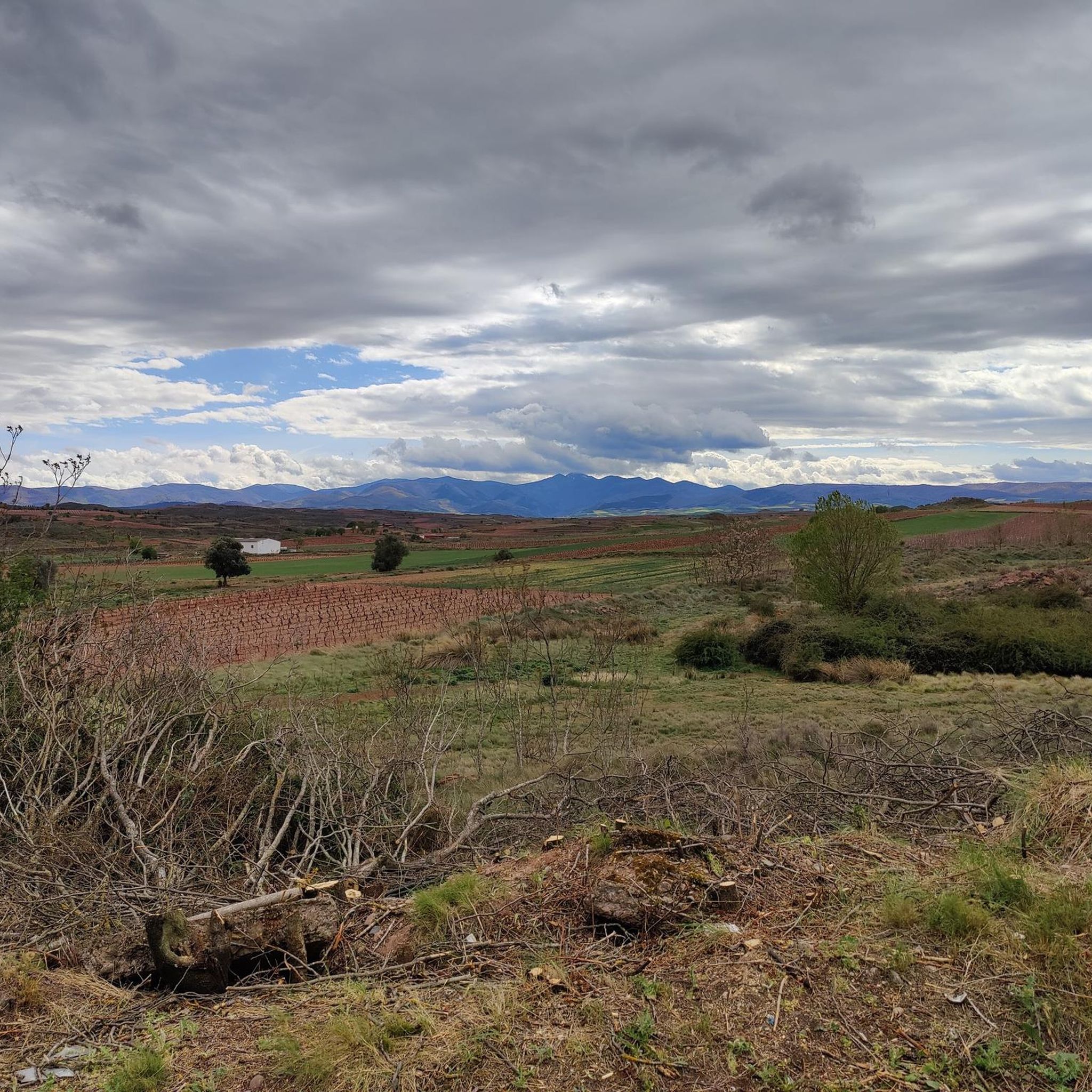
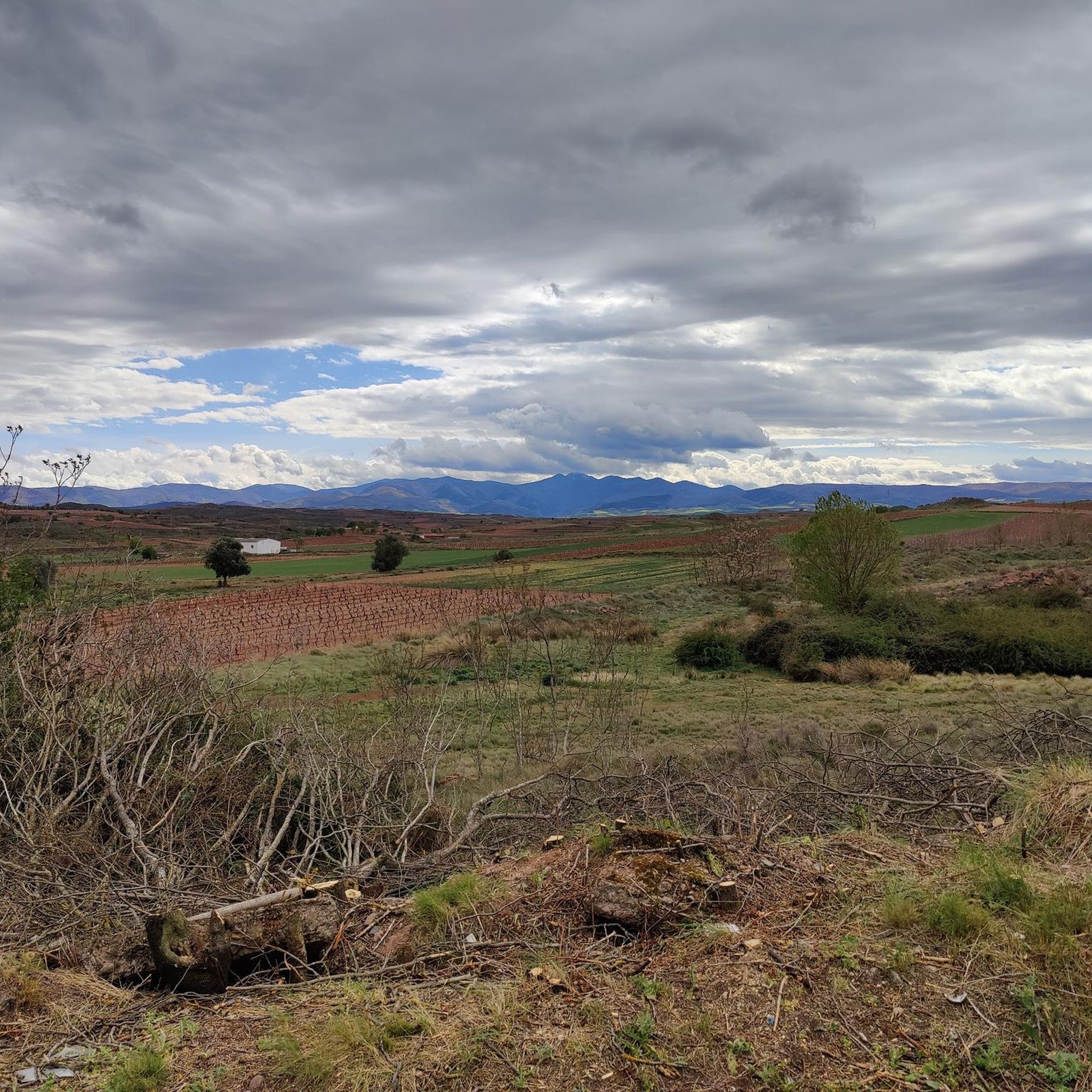
Beautiful view of the surroundings
2
0

View of the unique and extravagant hotel of the Winery & Bodegas Marques de Riscal. The hotel itself can only be visited as a guest or very briefly on a guided tour with tasting
2
0

The Castillo fortaleza de San Vicente de la Sonsierra is an impressive medieval castle that rises above the River Ebro. It was built in the 12th century by the Kingdom of Navarre to defend its border with Castile. It was part of a defense line connecting Laguardia and Labastida, and was the largest fortress in Navarre on the Ebro. The castle has a semi-circular shape that adapts to the rock on which it stands. It consists of three walled areas: the albacar, where the houses of the old town stood, the cortijo, where the parish church, the chapel of San Juan and the cemetery are, and the castle itself, with the keep and the bell tower. The castle lost its military importance after the annexation of Navarre by Castile in 1512, and was later used as a quarry and rubbish dump. In the 20th century, people began to realize its historical and artistic value, and several restoration projects were carried out. The castle is now a monument of cultural interest and a tourist attraction
1
0


A hotel designed by Guggenheim Museum architect Gehry. Very beautiful modern building in otherwise medieval architecture.
2
0
Frequently Asked Questions
What historical landmarks can I explore in Hormilleja?
Hormilleja boasts a rich history with several notable landmarks. You can visit the Iglesia de Santa Catalina, an 18th-century Baroque church, or the Ermita de San Roque, a small hermitage on the village outskirts. The Plaza Mayor offers a glimpse into local life, and the Antiguo Lavadero (old wash house) provides a historical insight into daily routines. Additionally, the area has significant pre-Roman and medieval archaeological sites, including those on Cerro el Risco and a medieval necropolis in La Redonda.
Are there any family-friendly attractions around Hormilleja?
Yes, several attractions around Hormilleja are suitable for families. The Park on the riverbank (Nájera) offers large green spaces with lawns and benches, perfect for relaxation and play. The Marqués de Riscal Hotel, with its unique Frank Gehry design, is an interesting architectural sight. The Rollo de Azofra, a historical stone column, also offers an educational stop for families.
Where can I find scenic viewpoints or natural features near Hormilleja?
For stunning views, head to the Mirador del Valle del Najerilla, which offers pleasant walks and beautiful vistas of the entire Najerilla Valley. The Poyo de Roldán Stone Hut, while associated with a local legend, also provides beautiful panoramic views of the surroundings. Hormilleja itself is nestled at the confluence of the Najerilla and Tuerto rivers, offering a scenic environment within the wider Najerilla Valley, known for its natural beauty and vineyard landscapes.
What outdoor activities can I do near these attractions?
The region around Hormilleja is ideal for various outdoor activities. You can enjoy hiking through the natural beauty and renowned wine landscapes of La Rioja. For cycling enthusiasts, there are numerous routes, including those detailed in the Cycling around Hormilleja guide. Running trails are also available, with options like the Running Trails around Hormilleja guide. Mountain biking is another popular activity, with routes accessible via the MTB Trails around Hormilleja guide.
What is the best time of year to visit Hormilleja for outdoor activities?
The best time to visit Hormilleja for outdoor activities is during spring and summer. The climate is warmer and more pleasant during these seasons, making it ideal for hiking, cycling, and exploring the natural beauty of the Najerilla Valley and its vineyard landscapes.
Are there any unique architectural sights in the area?
Absolutely. The Marqués de Riscal Hotel is a striking example of modern architecture, designed by Frank Gehry. Its unique and extravagant design stands out amidst the region's traditional buildings and has become an iconic landmark. You can also admire the 18th-century Baroque architecture of the Iglesia de Santa Catalina.
What is the significance of the Poyo de Roldán Stone Hut?
The Poyo de Roldán Stone Hut is a fascinating site steeped in local legend. It's said that Roland, a warrior of Charlemagne, threw a large stone from this hill, striking a giant named Farragut. Beyond the legend, the site offers beautiful views of the surrounding landscape. The stone hut itself is likely a traditional vineyard shelter.
Can I find historical sites related to the Camino de Santiago near Hormilleja?
Yes, Hormilleja holds historical significance due to its proximity to the Camino de Santiago, serving as a reference point for pilgrims. While not directly on the main route, the area's historical context is intertwined with this ancient pilgrimage path. The Park on the riverbank (Nájera) is a popular spot for pilgrims to rest their tired feet in the cold water of the Najerilla River.
What is the San Vicente de la Sonsierra Fortress Castle?
The San Vicente de la Sonsierra Fortress Castle is an impressive medieval castle, dating back to the 12th century, built on a hill with a defensive function. It offers a wonderful panoramic view of La Rioja and the medieval bridge over the Ebro River. The castle consists of three walled areas and is a monument of cultural interest, showcasing the region's rich history.
What cultural activities or local traditions can I experience in Hormilleja?
Hormilleja's local culture and traditions are vibrant. The Plaza Mayor is the heart of the village, where local festivals and community events are celebrated. The "Asociación Cultural y Juvenil de Hormilleja" actively works to study and disseminate local culture, customs, and history, offering opportunities to engage with the community's heritage.
What is the 'Rollo de Azofra' and its historical importance?
The Rollo de Azofra is a historical stone column, typically topped with a cross, which served as an insignia of a town's jurisdiction in the past. It also functioned as a pillory. This specific roll was granted by Carlos V, signifying Azofra's right to judge its own inhabitants. It was rehabilitated in 2016 and represents the town's historical status as a villa with full jurisdiction.
Are there opportunities for walking or hiking along rivers in the area?
Yes, Hormilleja is situated at the confluence of the Najerilla and Tuerto rivers, providing excellent opportunities for walks and hikes along their banks. The Valle del Najerilla offers beautiful natural scenery and vineyard landscapes, perfect for immersing yourself in nature. The Park on the riverbank (Nájera) is a prime example of how the riverbanks have been utilized for green spaces and leisurely strolls.
Most popular routes around Hormilleja
Most popular attractions around Hormilleja

Get inspired with the komoot mobile app


Explore more
Still not found the Highlight you’re looking for? See guides of the top attractions in other regions:
