Attractions and Places To See around Luesia - Top 20
Best attractions and places to see around Luesia, a historical town in Aragón, Spain, offers a blend of historical landmarks, natural beauty, and cultural sites. Nestled at the foothills of the Sierra de Santo Domingo, the region provides diverse landscapes for exploration. Visitors can discover ancient architecture and significant natural features. This area presents a variety of attractions for those interested in history and outdoor activities.
Best attractions and places to see around Luesia
- The most popular attractions is Pígalo…
Last updated: May 19, 2026
Sibirana Castle
Highlight • Castle
Translated by Google •
Tip by

Pígalo Pools
Highlight • River
Translated by Google •
Tip by
Sign up now to discover places like this
Get recommendations on the best single tracks, peaks, & plenty of other exciting outdoor places.
Sign up for free
Refugio de la Artica
Highlight • Mountain Hut
Translated by Google •
Tip by

Biel Castle
Highlight • Castle
Translated by Google •
Tip by

Uncastillo Historic Center
Highlight • Historical Site
Around Uncastillo Castle, there are …
Translated by Google •
Tip by
Sign up for free to discover even more attractions around Luesia.
Sign up for free
Already have an account?
Start today with a free account
Your next adventure awaits.
Login or Signup
Tips from the Community

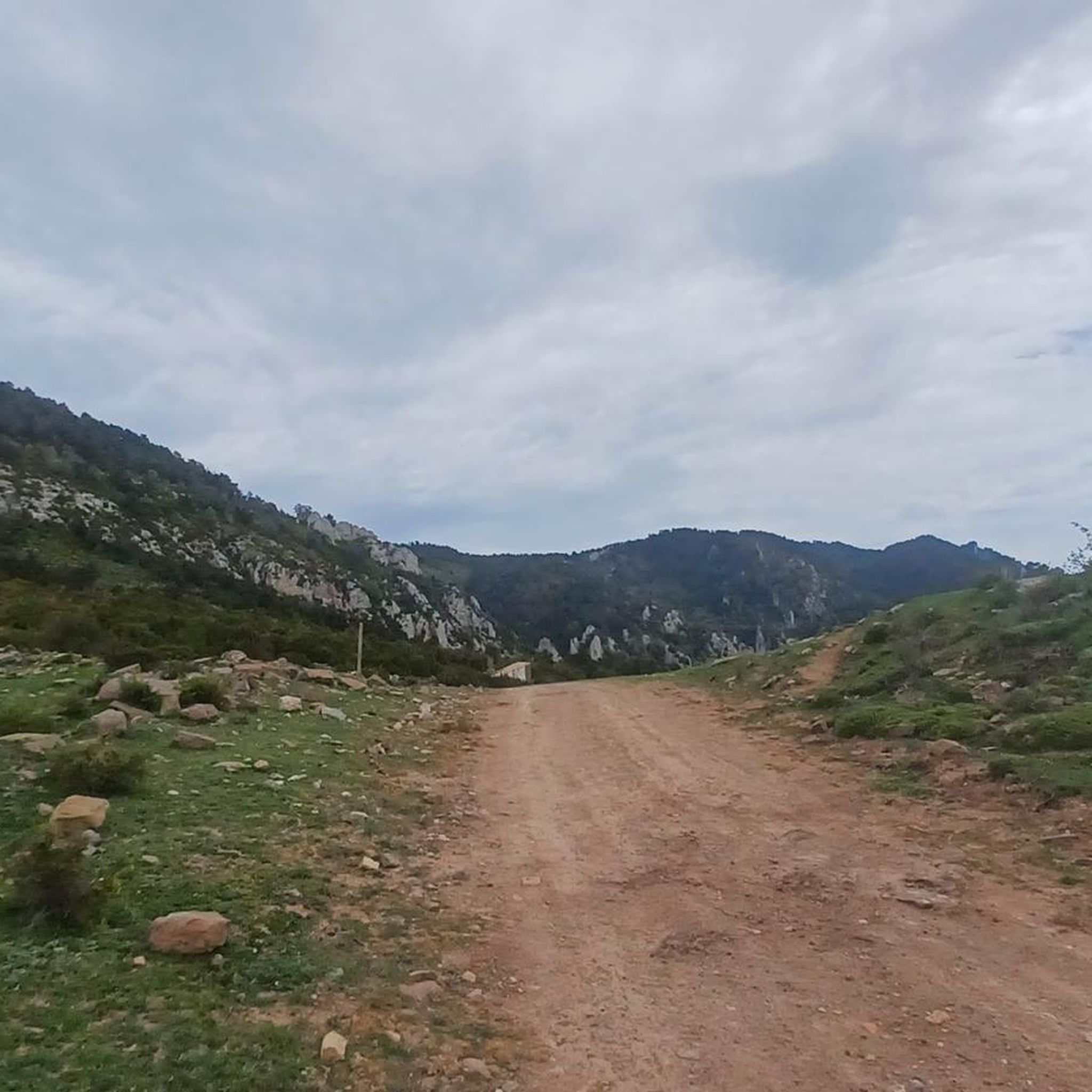
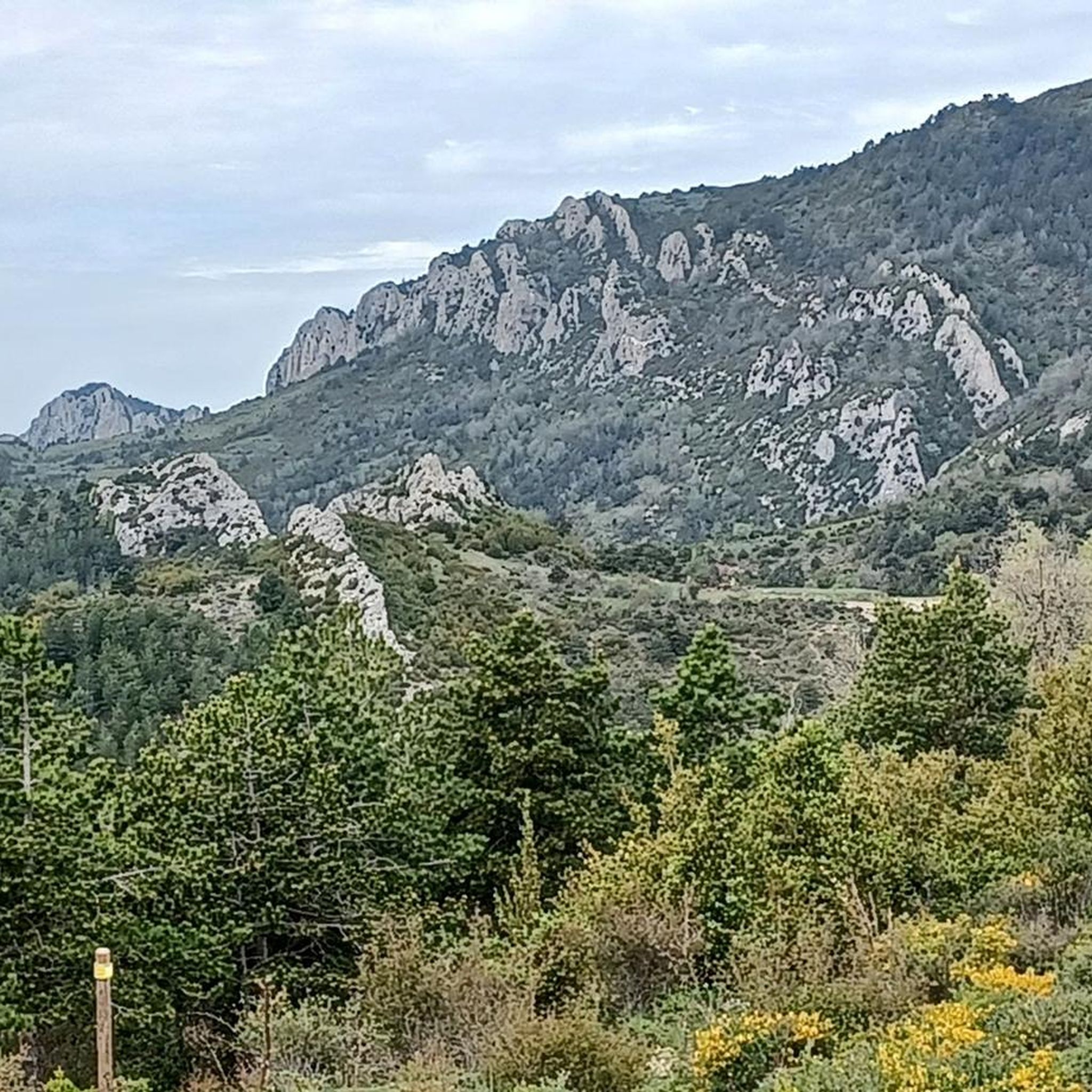
This refuge is known for its natural surroundings and strategic location for hiking and nature lovers. It offers spectacular views and is an ideal starting point for exploring the mountains and surrounding areas. The refuge is equipped with basic amenities for hikers, including sleeping and cooking areas. It is a perfect place to rest and enjoy the tranquility of the natural surroundings.
6
0

The ruins found on the track that connects Luesia with the Pígalo pools are known as the castle of Sibirana. The ruins of the hermitage of Santa Quiteria also remain from this deserted area. This nucleus is part of a defensive line ordered to be built in the 10th century by King Sancho Garcés I of Pamplona. The sight of the towers erected on two stone masses gives an idea of the magnitude and engineering of these structures.
1
0

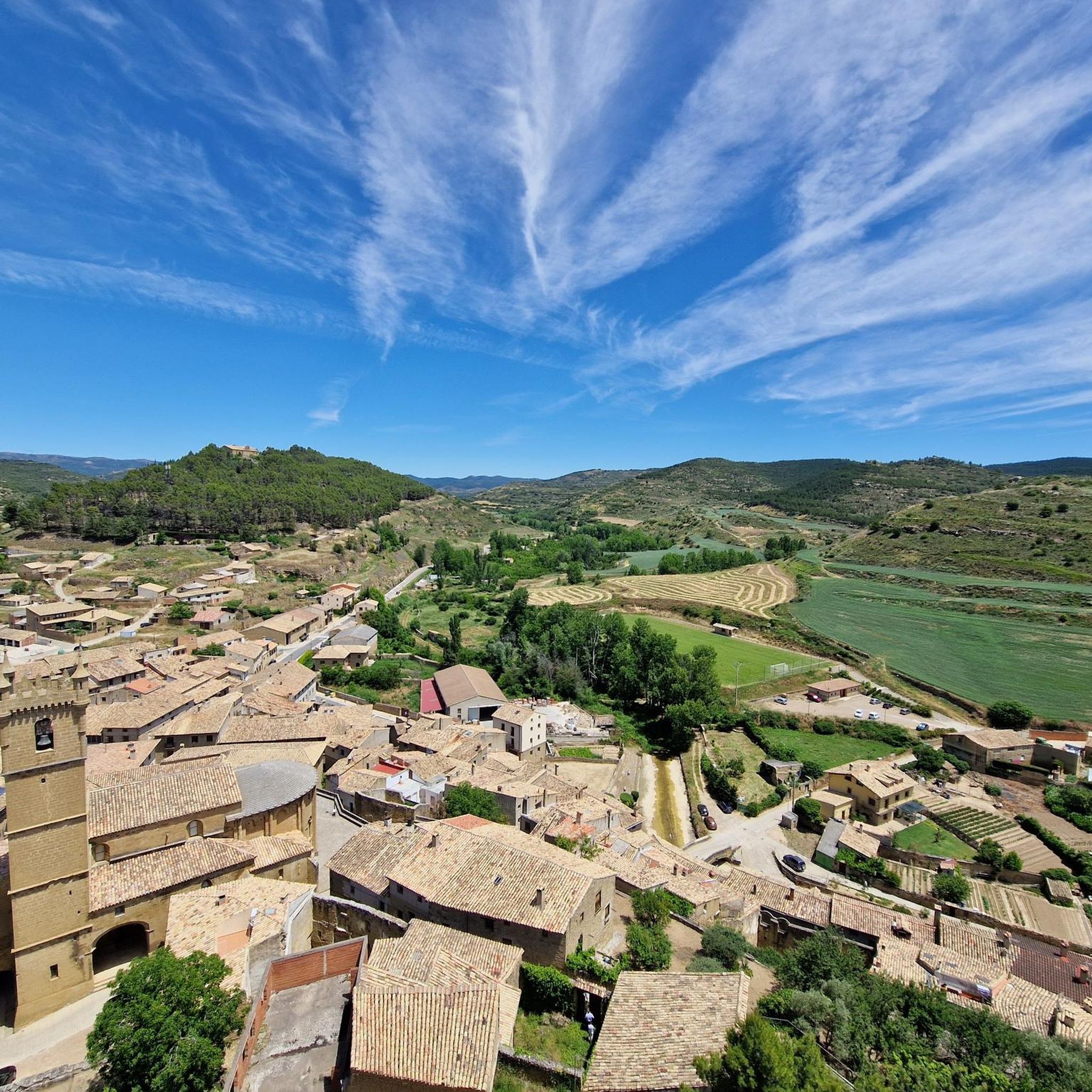
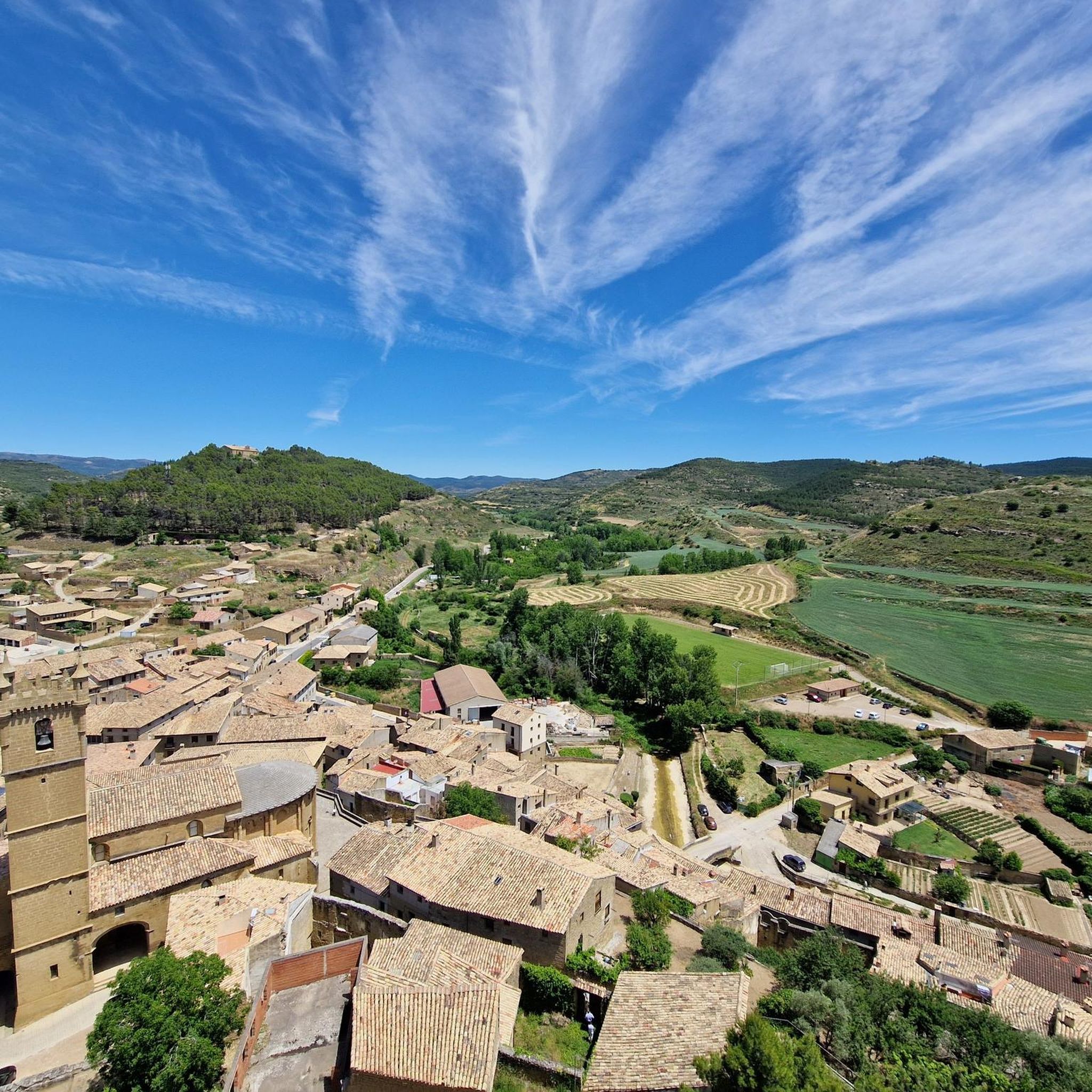
Uncastillo, located in the region of Cinco Villas in Aragon, is by the extent of its historical and architectural heritage a real treasure in itself. Around Uncastillo Castle, there are no less than six churches. They all date from a different era. The Church of San Martin in Tours, with its magnificent Romanesque porch and its expressive characters, clearly dates from the Romanesque period. The Church of San Andrés, with its colonnades and its coat of arms, is more from the Renaissance period. Don't miss, finally, the museum of the Tower. If you are tired of religious monuments, do not hesitate to get lost in the many streets of the village.
1
0
This village does not go unnoticed! In its center, you cannot miss its impressive castle. In the plains of the province of Zaragoza, its imposing keep is indeed visible from afar.
1
0

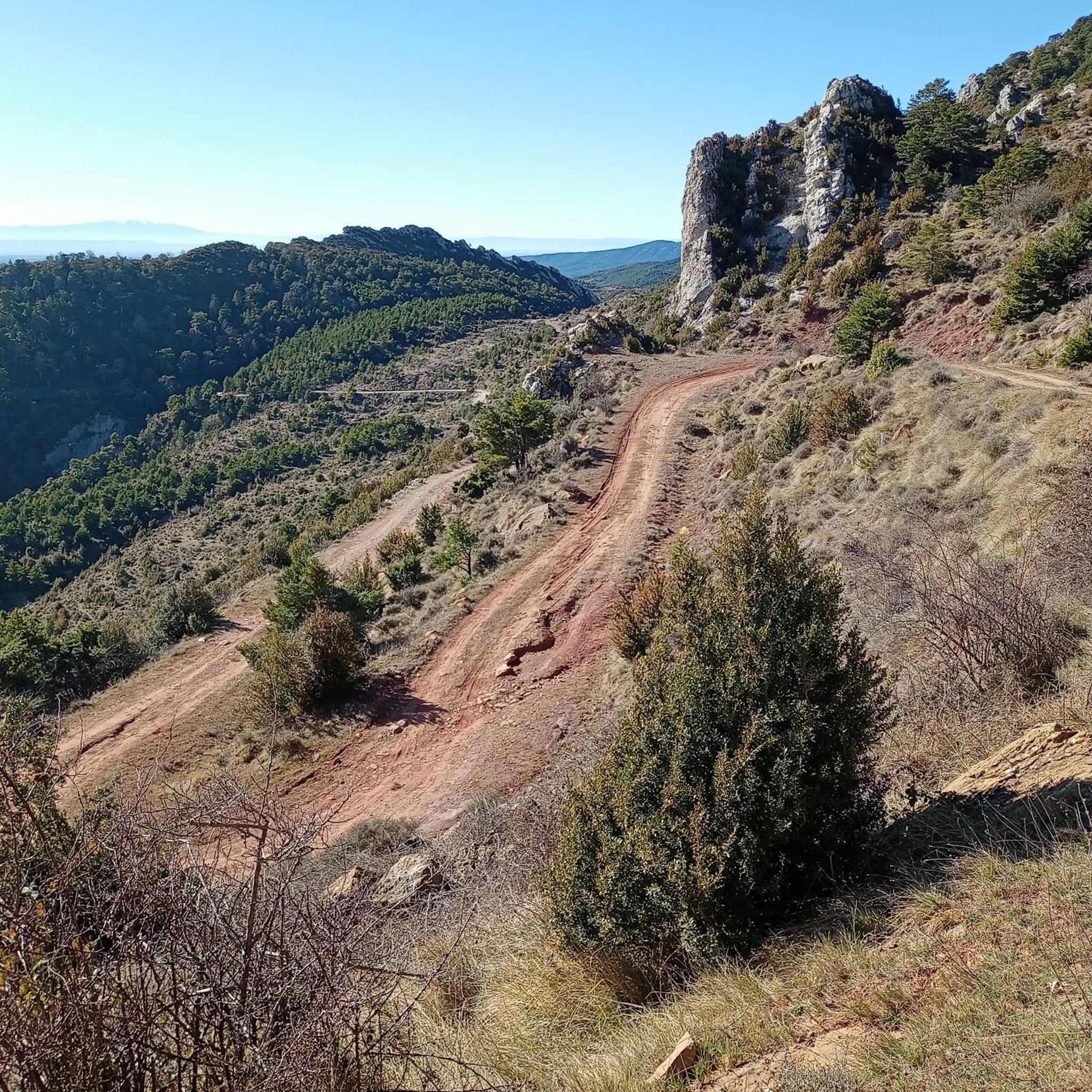
On our way along the track from Luesia to the Pígalo pools, we come across the castle of Sibirana built to control the passage from Uncastillo and from Luesia through the Onsella river valley. In addition to the castle, there are remains of the hermitage of Santa Quiteria, both in the Aragonese Romanesque style and of a dozen houses at the foot of the castle on its south face.
1
0
We are in the Pígalo pools, ideal for warm summer days where we can take a dip. If we go upstream, we will find more less crowded pools, since this one is quite popular and soon fills up with people. If we want to leave the car in the car park, we must book on the Luesia town hall website as they control access. There are picnic areas to eat and a bar at the campsite.
2
0
We are in the old town of Biel, in the Altas Cinco Villas region, together with the church and this imposing castle. The town of Biel has a very interesting history and the natural environment is beautiful. Without a doubt, it is worth getting lost in its streets before starting our route.
1
0
Uncastillo is located in the Cinco Villas region and in 1966 it was declared a Historic-Artistic Site and houses one of the most important monumental complexes in Aragon. It is worth getting lost among the streets of this town that perfectly preserves the example of rural architecture of the Cinco Villas. We can also visit the six churches, each with different details, the Uncastillo Castle, the Sibirana Castle or the Ice Well.
2
1
Frequently Asked Questions
What natural attractions can I explore around Luesia?
Luesia is surrounded by natural beauty. You can visit the Pígalo Pools, a popular spot along the Arba river ideal for swimming on warm summer days. The Sierra de Santo Domingo, where Luesia is situated, offers diverse vegetation and stunning scenery, perfect for rural tourism and hiking. Don't miss the Refugio de la Artica, a hut known for its natural surroundings and as a starting point for exploring the mountains.
Are there historical sites to visit in Luesia and the surrounding area?
Yes, Luesia and its vicinity are rich in history. The town itself boasts the imposing 11th-century Luesia Castle, the 12th-century Church of San Salvador, and the Old Jewish Quarter with its narrow, cobbled streets. Nearby, you can explore Biel Castle, an impressive historical site in the old town of Biel, and the Roman Aqueduct of Los Bañales, a significant ancient structure. The Uncastillo Historic Center is also a treasure, featuring a castle and six churches from different eras.
What outdoor activities are available near Luesia?
The region around Luesia is excellent for outdoor enthusiasts. You can find numerous routes for mountain biking, road cycling, and running. For instance, there are challenging MTB routes like the 'Sibirana Castle – Pígalo Pools loop from Uncastillo' or the 'Biel Castle – Refugio de la Artica loop from Biel'. Road cyclists can enjoy routes such as 'Uncastillo Historic Center – Luesia Castle loop from Uncastillo'. Runners might like the 'Luesia - Puy Moné Loop' or the 'Luesia Castle – Refugio de la Artica loop from Luesia'. You can find more details on these activities in the dedicated guides for MTB Trails around Luesia, Road Cycling Routes around Luesia, and Running Trails around Luesia.
Are there family-friendly attractions in the Luesia area?
Yes, Luesia offers options for families. The Pígalo Pools are a great choice for families, especially in summer, where children can enjoy swimming in the natural river pools. There are also picnic areas nearby. The Refugio de la Artica is another family-friendly spot, offering a natural setting for walks and enjoying the outdoors.
What is the best time to visit Luesia for outdoor activities?
The warm summer months are ideal for enjoying the natural pools like Pígalo Pools. For hiking and exploring the Sierra de Santo Domingo, spring and autumn offer pleasant temperatures and vibrant landscapes, making them excellent seasons for outdoor activities.
Where can I find panoramic views in the Luesia region?
For breathtaking panoramic views, head to Puy Moné, the highest peak in the Sierra de Luesia. It offers unparalleled vistas of the Aragonese pre-Pyrenees. The Refugio de la Artica also provides spectacular views of the surrounding mountains and natural environment.
Are there any unique natural formations to see near Luesia?
Beyond the Pígalo Pools, you can discover several intriguing natural formations. The El Portillo de Longás or Santo Domingo features a narrow path carved between two impressive limestone formations. Additionally, the Gypsum Ravine is an interesting natural ditch sculpted by erosion in the soft gypsum ground.
What cultural landmarks are there in Luesia itself?
Within Luesia, you can explore the 11th-century Luesia Castle, the 12th-century Church of San Salvador known for its elaborate entrance, and the Church of San Esteban, which now houses a religious art museum. The 16th-century Town Hall is a notable example of Renaissance architecture, and the ancient bridge adds to the town's historic charm.
What should I know about visiting the Pígalo Pools?
The Pígalo Pools are perfect for a refreshing dip on hot summer days. To avoid crowds, consider walking upstream to find less populated areas. During peak seasons, access for parking may require a reservation through the Luesia town hall website. Amenities like picnic areas and a campsite bar are available nearby.
Can I find mountain refuges or huts for hikers in the area?
Yes, the Refugio de la Artica is a well-known hut located about 5 km from Luesia. It serves as an excellent starting point for exploring the mountains and offers basic amenities for hikers, including sleeping and cooking areas. It's a great place to rest and enjoy the tranquility of nature.
What is the historical significance of the Old Jewish Quarter in Luesia?
Luesia once had a significant Jewish community, primarily residing in the Barrionuevo and San Juan neighborhoods. Strolling through the narrow, cobbled streets of the Old Jewish Quarter offers a glimpse into this ancient era of trade and tradition, reflecting a rich part of the town's cultural heritage.
Are there any ancient settlements or archaeological sites near Luesia?
Yes, the Corral del Calvo area holds historical significance with traces of ancient settlements dating back to the Chalcolithic and Neolithic periods. Additionally, the Roman Aqueduct of Los Bañales is a prominent archaeological site, showcasing Roman engineering that once supplied water to a vanished city.
Most popular attractions around Luesia

Get inspired with the komoot mobile app


Explore more
Still not found the Highlight you’re looking for? See guides of the top attractions in other regions:
