Attractions and Places To See around Yebra De Basa - Top 20
Attractions and places to see around Yebra De Basa, nestled in the foothills of the Central Pyrenees, offer a blend of historical landmarks and natural beauty. This region in Huesca features ancient churches, significant pilgrimage routes, and traditional mountain architecture. Visitors can explore scenic walking routes and discover unique geological features within the Basa Valley.
Best attractions and places to see around Yebra De Basa
- The most popular attractions is Sorrosal Waterfall, a waterfall located west of Broto. It…
Last updated: July 7, 2026
Broto village on the Ara River
Highlight • Settlement
Translated by Google •
Tip by

Sorrosal Waterfall
Highlight • Waterfall
Translated by Google •
Tip by

Sign up now to discover places like this
Get recommendations on the best single tracks, peaks, & plenty of other exciting outdoor places.
Sign up for free
El Chorro Waterfall and the Cave and San Cornelio Hermitages
Highlight • Waterfall
Translated by Google •
Tip by

Oros Bajo
Highlight • Settlement
Translated by Google •
Tip by

Ermita de San Benito de Erata
Highlight • Religious Site
Translated by Google •
Tip by
Sign up for free to discover even more attractions around Yebra De Basa.
Sign up for free
Already have an account?
Start today with a free account
Your next adventure awaits.
Login or Signup
Other adventures around Yebra De Basa

Tips from the Community

Waterfall via ferrata located right in the village of Broto. The fee is €3.50 during the day. You walk through a water-filled tunnel. A headlamp is helpful. A detailed description can be found here: https://www.via-ferrata.de/klettersteige/topo/via-ferrata-cascada-del-sorrosal
0
0

A beautiful route that follows the route of the pilgrims to the Sanctuary of Santa Orosia from the town of Yebra de Basa. Santa Orosia is a highly venerated saint in the area, she is the patron saint of the city of Jaca, and a large crowd of people from the surrounding towns and other parts of Aragon gathered on her pilgrimage, as she was known to heal the possessed. The Sanctuary dates back to the 17th century, when it was built to accommodate the increase in devotion to the saint. It was built in the place where tradition places the martyrdom of Santa Orosia. The route is marked by small hermitages through a landscape that goes from the initial marls to a humid area with vegetation sheltered by the Santa Orosia ravine in its highest area.
1
0


First hard racket on my way to the Mediterranean. Beautiful views of the Ordesa and Monte Perdido National Park.
0
0

High up at 2000 m, a five-minute walk from the top of Mount Erata, is the hermitage of San Benito, the residents of Otal came in a pilgrimage every July 11. In the mountains of the current Alto Gállego and Jacetania there are five Benedictine encomiendas or hermitages dedicated to San Benito, namely; 1. San Salvador de Leyre (Benedictine monastery), 2. San Juan de la Peña (Benedictine monastery), 3. Santa María de Ballarán (former Benedictine monastery, today a hermitage in ruins in Yebra) 4. San Benito de Orante ( hermitage rebuilt next to the town) and 5. San Benito de Erata. If an observer places the five temples on a map, they will see that they form an X in the center of which is the Orante hermitage. https://pirineosrutasyflora.blogspot.com/2009/11/ermita-de-san-benito-en-erata.html http://www.despobladosenhuesca.com/search/label/OTAL
44
1

The climb is long but it is rewarded with a nice descent
0
0

Orós Bajo is a small town that is characterized by having one of the most beautiful waterfalls in this area, near the center of the town. In addition, there is the Church of Santa Eulalia de Orós Bajo.
0
0
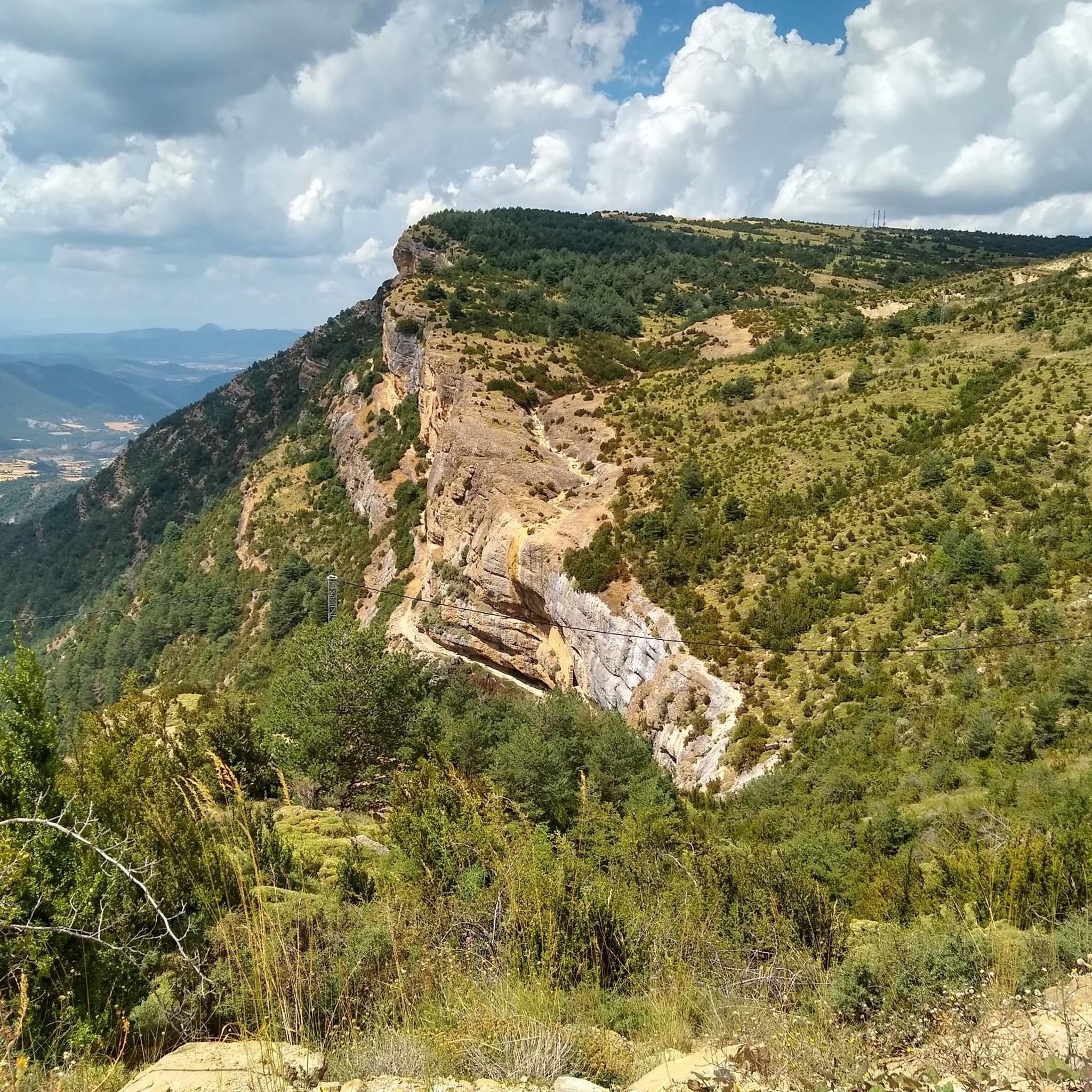
Small hermitage that is located on an immense ridge that is there before reaching the summit of Erata and where we can see very beautiful views of the area. In the background, you can see the highest mountains of the Pyrenees.
10
0
Frequently Asked Questions
What historical and cultural sites can I explore around Yebra de Basa?
The region is rich in history. You can visit the 16th-century Aragonese Gothic Parish Church of Yebra de Basa, which houses a notable 15th-century bust relic of Santa Orosia. The Shrine of Santa Orosia is a major pilgrimage destination, with a route lined by unique hermitages, including the rupestrian hermitages of San Cornelio and La Cueva, carved directly into rock faces. Don't miss the beautiful Romanesque San Juan Parish Church in Orús, dating back to the 12th century, and the Ermita de San Benito de Erata, offering stunning views from its high mountain ridge.
Are there any impressive waterfalls or natural features to see?
Absolutely. The area boasts several striking natural features. The Sorrosal Waterfall, west of Broto, is known for its impressive cascade and is a popular spot for canyoning and via ferrata. Another must-see is El Chorro Waterfall, where the waters of the Barranco de Santa Orosia dramatically fall over the rock-cut hermitages of San Cornelio and La Cueva. You can also find the historic Icehouse (Pozo Nevero) on the Purtiello mountainside and the Santa Orosia Spring along the pilgrimage route.
What kind of outdoor activities can I do near Yebra de Basa?
The area is perfect for outdoor enthusiasts. Hiking is very popular, with routes like the pilgrimage to Santa Orosia offering magnificent views of the Basa Valley. You can also find numerous running trails and road cycling routes. For example, there are challenging running routes like the 'Hermitage of the Knees – Saint Orosia Hermitage loop' and scenic road cycling options such as the 'Treparriscos Medio Fondo'. You can find more details on these activities in the hiking, running, and road cycling guides for the area.
Are there family-friendly attractions or activities in the region?
Yes, several spots are suitable for families. The charming Broto village on the Ara River is considered family-friendly and serves as a great base for exploring. The pilgrimage route to Santa Orosia, while offering a spiritual journey, also provides scenic walking opportunities that can be adapted for families, especially the sections leading to the accessible hermitages. Exploring the traditional mountain architecture in villages like Sobás and San Julián de Basa can also be an engaging activity for all ages.
What are some popular hiking trails around Yebra de Basa?
One of the most popular is 'The Route of the Hermitages – circular from Yebra de Basa,' a moderate 14 km hike that takes you past several historical sites. Another option is the 'Hermitage of the Knees – Saint Barbara Hermitage loop from Yebra de Basa,' which is about 10.7 km and also rated moderate. For more detailed information and other routes, refer to the Hiking around Yebra De Basa guide.
What is the best time of year to visit Yebra de Basa for outdoor activities?
The Central Pyrenees region, including Yebra de Basa, is generally best visited from late spring through early autumn (May to October) for hiking and outdoor activities. During these months, the weather is typically milder, and trails are more accessible. The annual pilgrimage to Santa Orosia on June 25th is a significant cultural event, but it can also mean larger crowds on the pilgrimage route.
Can I find traditional architecture in the villages around Yebra de Basa?
Yes, the area is known for its well-preserved traditional Pre-Pyrenean architecture. Villages like Yebra de Basa itself, Sobás, San Julián de Basa, and Fanlillo feature stone houses with steep roofs and distinctive tronconical chimneys, often adorned with 'espantabrujas' (witch scarers). Notable examples include the 17th-century Torre House in San Julián de Basa and a 16th-century defensive tower in Sobás, offering a glimpse into the region's architectural heritage.
Are there any viewpoints offering panoramic views of the Pyrenees?
Yes, the region offers several excellent viewpoints. The pilgrimage route to Santa Orosia provides magnificent views of the Basa Valley. For truly exceptional panoramic views of the Pyrenees, consider the ascent to Oturia Peak (1921m) from Yebra de Basa. Additionally, the Ermita de San Benito de Erata, situated high on a ridge, offers very beautiful views of the surrounding area and the highest mountains of the Pyrenees in the background.
What is <a href="https://www.komoot.com/highlight/4988512" target="_blank" rel="noopener">Broto village on the Ara River</a> known for?
Broto village on the Ara River is a beautiful Pyrenean town divided by the Ara River, located at the gates of the Ordesa y Monte Perdido National Park. It serves as a popular starting point for many outdoor tourist activities and is a lively place, especially on weekends. Many motorcyclists also use it as a stopover when touring the winding roads of the High Pyrenees.
What do visitors enjoy most about the attractions around Yebra de Basa?
Visitors particularly appreciate the dramatic natural beauty, such as the impressive waterfalls like Sorrosal Waterfall and El Chorro Waterfall. The unique rock-cut hermitages and the historical significance of the pilgrimage routes are also highly valued. Many enjoy the blend of cultural heritage with the stunning Pyrenean landscapes, making for memorable hiking and exploration experiences.
Are there any unique geological features in the Yebra de Basa area?
The Barranco de Santa Orosia is a notable geological feature, a ravine where the impressive El Chorro Waterfall cascades. The rupestrian hermitages of San Cornelio and La Cueva, carved directly into rock faces, are also a fascinating example of how human history has intertwined with the natural geology of the area. The diverse terrain, from initial marls to humid areas, contributes to the unique landscape of the Basa Valley.
Most popular routes around Yebra De Basa
Most popular attractions around Yebra De Basa

Get inspired with the komoot mobile app


Explore more
Still not found the Highlight you’re looking for? See guides of the top attractions in other regions:
