Top 15 Huts and Cabins around Villanúa
Best huts around Villanúa are found in the Aragonese Pyrenees, a region characterized by its mountainous terrain and diverse hiking opportunities. This area offers a range of mountain shelters, from staffed refuges to basic unstaffed huts. These facilities serve as essential stops for hikers and mountaineers exploring the surrounding trails. The landscape features pine forests, alpine valleys, and views of prominent peaks, making it a destination for outdoor activities.
Best huts around Villanúa
- The most popular huts is Lizara Refuge…
Last updated: May 17, 2026
Lizara Refuge
Highlight • Mountain Hut
On the ground floor there is a bar, a …
Translated by Google •
Tip by

Gabardito Refuge
Highlight • Mountain Hut
Translated by Google •
Tip by

Sign up now to discover places like this
Get recommendations on the best single tracks, peaks, & plenty of other exciting outdoor places.
Sign up for free
Telera Refuge (Shepherds' Hut)
Highlight • Mountain Hut
Translated by Google •
Tip by

Refugio de la Loma de Aísa
Highlight • Mountain Hut
Translated by Google •
Tip by

Lecherines Bajo Pasture
Highlight • Mountain Hut
Translated by Google •
Tip by
Sign up for free to discover even more huts and cabins around Villanúa.
Sign up for free
Already have an account?
Start today with a free account
Your next adventure awaits.
Login or Signup
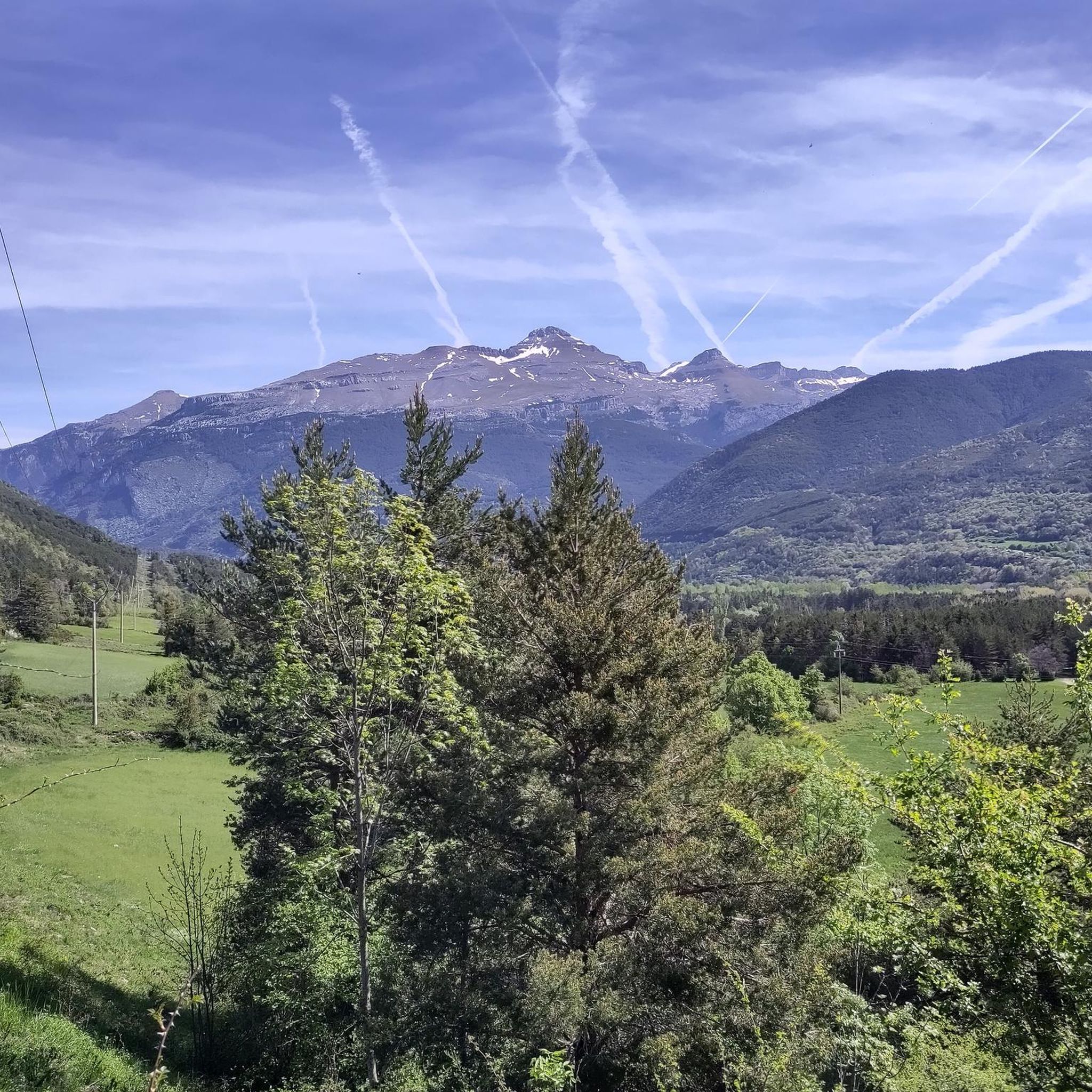
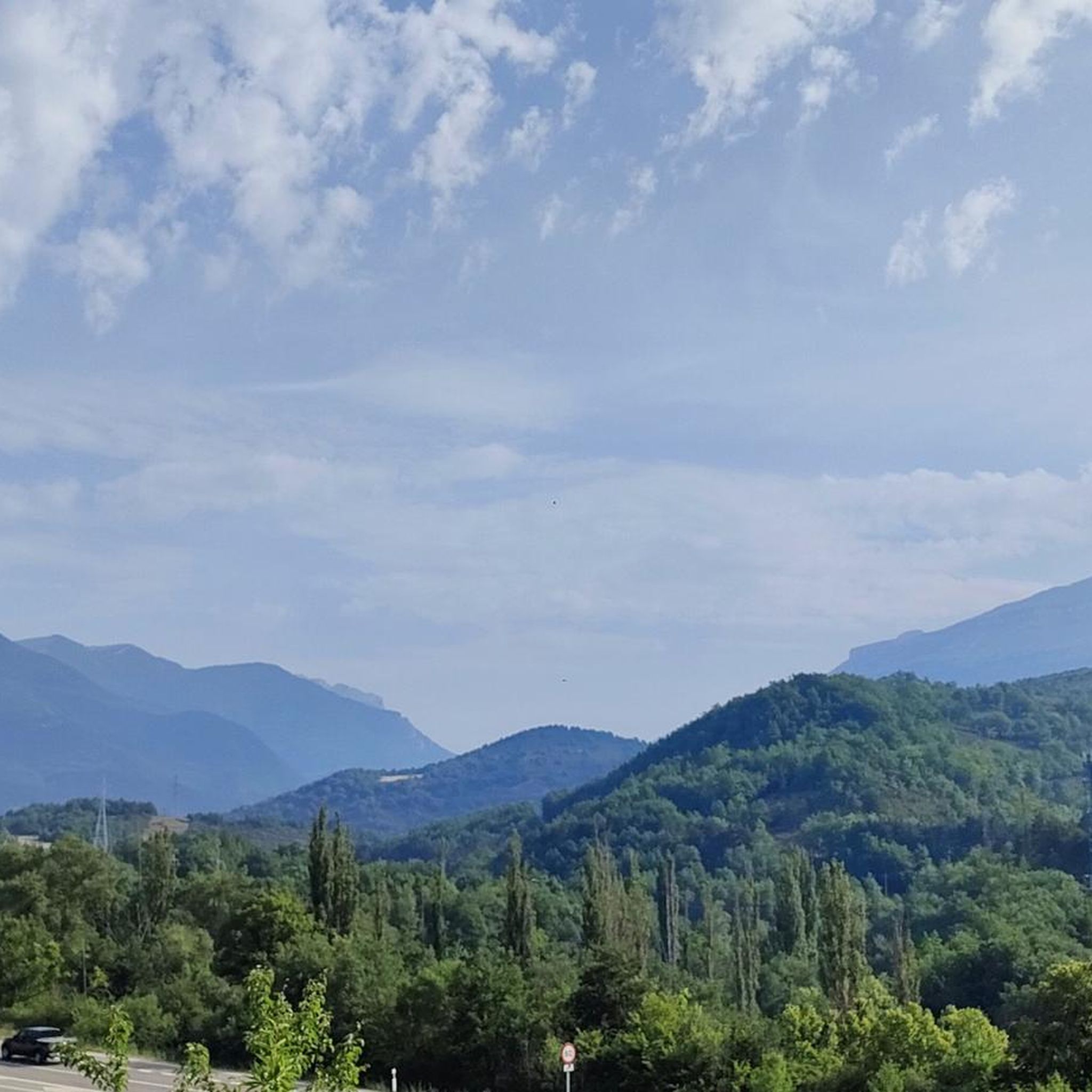


Tips from the Community

A good place to rest. Refurbished and in use in 2026.
0
0

No cell phone reception in or around the hut. There's a free hot shower!
0
0

A refuge located in the Aragüés-Jasa Valley, one of the four valleys of the Natural Park declared in 2006. Located at the western end of the Aragonese Pyrenees and covering an area of 34,000 hectares, it encompasses a great diversity and richness of both fauna and geology, making it a great place for studying and practicing nature activities.
0
0

The crossing of the Campon stream marks the entrance to the beautiful Lecherines Bajo sheepfold or Plano de la Balsa, a highland plain of pastures surrounded by a magnificent crown of limestone ridges and stone towers. The sheepfold is splendid in a grandiose cirque of glacial origin; before arriving at it, it does not seem that a plateau of such proportions could exist at the foot of the peaks. And it is very welcoming, in the centre there is a shelter and nearby is the cattle watering trough. In winter there are no flocks, everything is covered in snow, there are bushes scattered between the white hills and frozen corridors cutting the snow ramps to the edge of the mountains. In one of the channels, near the Peña Blanca pass, is the Lecherines ice cave, a grotto to visit in spring, when the combination of cold and thawing creates sculptures and ice columns inside the cavity. The route ends at the porch of the Lecherines Bajo Shelter enjoying the warm rays of the midday sun. The GR-11.1 trail continues straight ahead and climbs towards Lecherines Alto and the López Huici Military Refuge, near the Magdalena pass.
0
0
The path passes by Fuente de los Abetazos and continues along the Villanúa forest track towards the Gabardito sheepfold. On the Carnicerías mountain there is a monumental pine tree at the turn-off for the Carnicerías peak (1,464 m). The path post indicates ten minutes to the metal house that marks the summit, but with snow the time is unpredictable because the terrain is uncomfortable and chaotic. The visit to the summit is worthwhile to contemplate the Canfranc Valley from a bird's eye view. The track returns to the main path at the giant tree and at the edge of the forest there is the post that indicates the entrance to the Gabardito sheepfold, just after passing the start of the descent path through the pegs of the Agüare ravine. The mountain becomes friendly and welcoming, there are no trees and in the clearing the eastern towers of the Aisa mountain range appear for the first time during the climb. The path continues straight ahead along the GR-11.1, the milestones are usually covered by snow and the reference is the Gabardito Refuge. The long-distance path passes by the refuge but the footprint can be on any side seeking to soften the hill of the sheepfold to enter the Añaza ravine and begin the second section of the route. The red and white marks of the path are painted on the trunks of the trees and in some places they take a while to appear, it is advisable to follow the virtual line of the track or follow the footprint opened by the passage of other mountaineers when possible. The path skirts the mountain inside a pine forest for a kilometre and new steep slopes begin to avoid the Campon ravine, on the edge of the Western Valleys Natural Park.
0
0

Taking shelter is possible, but sleeping inside is not
0
0

Lizara - 1540 m Access by car Open all year 75 places Llanos de Lizara, Aragües del Puerto , La Jacetania, Huesca Tel. : 974 348 433 • rlizara@gmail.com • www.refugiodelizara.com The refuge is located at the end of the Aragüés - Jasa valley, in the Valles Occidentales Natural Park, on the so-called Lizara plain and under the imposing Bisaurín. Due to its accessibility by vehicle and its surroundings, the refuge is a magnificent point for the development of introductory activities to the different mountain sports. The Lizara refuge has been certified with ISO 14001 since October 2004, thus supporting an environmental management model. The Valles Occidentales Natural Park, where the refuge is located, was declared in 2006, in an environment that combines medium and high mountains. In winter, a cross-country track is set up on the Llano de Lizara, which is managed from the refuge itself. Certification according to ISO 14001 was a pioneering experience in Spain and the Pyrenees in terms of mountain refuges, where a model of environmental management is supported with the installation of renewable energy sources, the regular practice of selective waste collection and environmental awareness campaigns.
0
0
Forest Shelter, on the hill, two benches at the entrance and a window (semi-walled) inside.
0
1
Frequently Asked Questions
What types of mountain huts can I find around Villanúa?
Villanúa offers a variety of mountain shelters, including guarded refuges with extensive services and basic, unstaffed 'refugios libres'. These range from fully serviced stays to more rustic overnight options, catering to different preferences for a mountain experience.
Are there family-friendly huts or trails suitable for children in Villanúa?
Yes, several options are suitable for families. The Lizara Refuge is listed as family-friendly and offers accommodation and services. For an easy excursion, the Refugio de la Fuente del Paco is ideal, featuring a short, shaded walk through pine and fir forests, perfect for a picnic. The Refugio de la Trapa also has routes suitable for families with children aged 8 and up.
Which huts offer amenities like food, accommodation, or parking?
The Lizara Refuge is a guarded shelter with capacity for 75 people, offering bunk beds, private bathrooms, a bar, kitchen, and dining room. It also has a car park nearby for easy access. Other unstaffed huts like Refugio de la Espata and Refugio de la Trapa provide basic shelter, often with bunk beds and fireplaces, but no services like food or staffed accommodation.
What natural features and viewpoints can I expect to see near the huts?
The huts are nestled in the Aragonese Pyrenees, offering stunning natural beauty. Near the Telera Refuge (Shepherds' Hut), you can enjoy views of the northern side of the Sierra de Partacua. The Refugio de la Trapa provides stunning views of the Aragón Valley and surrounding mountains like Aspe. The Lecherines Bajo Pasture is a highland plain surrounded by limestone ridges and stone towers, with a glacial cirque. Many routes pass through pine forests and offer panoramic vistas.
What outdoor activities and hiking trails are available near the huts?
The area around Villanúa is excellent for various outdoor activities. You can find numerous hiking trails, from moderately challenging to difficult. For example, the Refugio de la Espata is a destination for a moderately challenging hike, and the Refugio de la Trapa is a key point on routes to Collarada. There are also running trails and mountain biking routes. You can explore options like the 'Espata Refuge – Pico Bacún Summit loop' for MTB or the 'Peña Collarada – View of the Valley loop' for running. Find more details on Running Trails around Villanúa, Gravel biking around Villanúa, and MTB Trails around Villanúa.
Are there any historical or cultural sites near the huts?
Yes, the area offers some historical interest. Near the Refugio de la Trapa and Refugio de la Fuente del Paco, you can find the Dolmen de Letranz, a significant megalithic remain, adding a touch of ancient history to your outdoor adventure.
Which huts are considered popular or highly rated by visitors?
The Lizara Refuge is a very popular guarded shelter known for its services and accessibility. The Telera Refuge (Shepherds' Hut) is also a must-see spot for its spectacular setting and views. The Refugio de la Loma de Aísa is considered a good option for an overnight stay.
What is the best season to visit the huts in Villanúa?
The region is generally appreciated for outdoor activities. While specific best seasons aren't detailed for all huts, the Refugio de la Fuente del Paco's shaded location makes it particularly pleasant during summer. Winter visits to unstaffed huts like Lecherines Bajo Pasture will involve snow, requiring appropriate gear and experience.
Can I find easy hut walks suitable for beginners?
Yes, the Refugio de la Fuente del Paco is an excellent choice for an easy and family-friendly excursion. It involves a relatively short distance and moderate elevation gain through a pleasant forest, making it suitable for beginners or those seeking a relaxed walk.
What are the characteristics of the unstaffed 'refugios libres' in Villanúa?
The 'refugios libres' like Refugio de la Espata and Refugio de la Trapa are basic shelters providing essential refuge. They are unstaffed and offer amenities such as bunk beds (often with old mattresses), fireplaces, and sometimes benches or tables. Water sources, like troughs, are typically found nearby. They are intended for self-sufficient hikers and mountaineers.
Where can I find parking for accessing the huts?
The Lizara Refuge has a car park very close by, allowing for easy vehicle access to start excursions. For other huts, access might involve parking in Villanúa and then hiking, or in some cases, vehicle access with prior authorization from Villanúa Tourism, as mentioned for Refugio de la Espata.
What makes the Refugio de la Trapa a worthwhile destination?
The Refugio de la Trapa is a popular destination at the foot of Collarada, the highest peak in Jacetania. It serves as a key point on routes offering stunning views of the Aragón Valley and surrounding mountains. The ascent provides a scenic journey through pine forests, and the area is also notable for the nearby Dolmen de Letranz.
What can I expect at the Refugio de la Espata?
The Refugio de la Espata is located at 1690 meters and consists of two rooms, with one typically open. It has a bunk bed, a chimney (though reported to have a faulty draft), and basic furnishings. A watering trough providing water year-round is located just 30 seconds away. It's a destination for a moderately challenging hike and serves as a possible advanced starting point for activities or an emergency shelter.
Most popular routes around Villanúa
Most popular attractions around Villanúa

Get inspired with the komoot mobile app


Explore more
Find more beautiful huts and cabins around Villanúa by checking out the top ones in these nearby places:
