Attractions and Places To See around Ibros - Top 20
Best attractions and places to see around Ibros include a rich tapestry of historical, cultural, and natural sites within the La Loma region of Jaén, Spain. The municipality is characterized by ancient landmarks, religious architecture, and significant archaeological finds. Visitors can explore the town's past and enjoy the picturesque Andalusian landscape, which features extensive olive groves descending towards the Guadalimar River. This area offers a blend of historical depth and natural beauty, making it a notable destination for exploration.
Best…
Last updated: May 3, 2026
Baeza Cathedral
Highlight • Religious Site
Translated by Google •
Tip by

Sanctuary of the Virgin of Linarejos
Highlight • Religious Site
Translated by Google •
Tip by

Sign up now to discover places like this
Get recommendations on the best single tracks, peaks, & plenty of other exciting outdoor places.
Sign up for free
Ruins of San Francisco
Highlight • Historical Site
Translated by Google •
Tip by
Doña Luci Gardens
Highlight • Structure
Translated by Google •
Tip by
Salcedo Palace
Highlight • Historical Site
Translated by Google •
Tip by
Sign up for free to discover even more attractions around Ibros.
Sign up for free
Already have an account?
Start today with a free account
Your next adventure awaits.
Login or Signup


Tips from the Community

Declared a National Monument in 1931, the cathedral stands on the site of an ancient Roman temple, later transformed into a Visigothic structure and then into a mosque after the arrival of the Muslims. In 1227, it became the cathedral seat under the Marian patronage of the Nativity. It acquired its Renaissance character in the 16th century, after more than half of the building collapsed in 1567. Andrés de Vandelvira and other important Andalusian architects imbued the cathedral with the classical style then prevalent in religious art. Until the end of the century, the temple was transformed piecemeal. The main portal was designed in 1587 by Juan Bautista Villalpando, featuring a relief of the Nativity of the Virgin, sculpted by the Jesuit Jerónimo del Prado from Baeza. The Puerta de la Luna (Moon Gate) is one of the oldest elements of the cathedral, with its distinctive 13th-century polylobed arch. Above it stands the 14th-century Gothic rose window, one of the few elements that survived the collapse of the cathedral in 1567. Therefore, the reconstruction was entrusted to Andrés de Vandelvira, who contributed his mastery to give the cathedral the Renaissance richness it boasts today. The combination of Mudéjar, Gothic, and Renaissance styles allows one to observe the passage of time through its walls, telling its story through each of its architectural styles. In addition to visiting the interior of the cathedral, it is highly recommended to climb the tower, from where you will be rewarded with spectacular views of the town and its surrounding countryside.
1
0

The Doña Luci Gardens in Linares are a green area beloved by locals, located near the Hermitage of the Virgin of Linarejos, near the Paseo de Linarejos. They are known for offering large, shaded areas thanks to their abundant vegetation. They have benches and spaces for resting, making them an ideal place for strolling or relaxing. They are surrounded by residential areas and are part of the urban complex that includes the sanctuary and the monumental promenade.
3
0
The Sanctuary of the Virgin of Linarejos is the main center of Marian devotion in Linares (Jaén), dedicated to its patron saint, the Virgin of Linarejos, honorary and perpetual mayor of the city. Tradition tells us that the Virgin appeared to the shepherd Juan Jiménez in 1227, although more recent research places the event in 1236.
4
0

It's fun to climb the tower: 196 steps to a beautiful view.
0
0

In this building, which was originally the residence of the religious authorities of the Baeza Cathedral, the city's Conservatory of Music was located, until it was moved there during the 2002/2003 academic year.
9
0
Reconstructed by Andrés de Vandelvira who provided that Renaissance air that reaches us today, but it dates back a long time since a Visigothic episcopal see was located in the 7th century, later transformed into Muslim territory and the city conquered by Ferdinand III the Saint. in 1227. Through its walls you can observe the passage of time due to the combination of different styles, Mudejar, Gothic and Renaissance.
8
0
The Ruins of San Francisco are actually the remains of the main chapel of the church of the convent of friars minor of San Francisco. They were founded in 1538 as a funerary chapel for the Benavides lineage. The architectural design was by Andrés de Vandelvira, and Esteban Jamete is believed to have contributed to the decorative sculpture. A fascinating place for lovers of history and architecture! 😊
8
0
The Salcedo Palace is a Gothic-Renaissance building dating from the 16th century and is located in the heart of Baeza, a city whose old town has been declared a World Heritage Site. This palace originally belonged to the Counts of Garciez and has been carefully restored to offer its guests all the comforts of modern life, while maintaining the original charm and appearance of its era. The rooms at the Hotel Cetina Palacio de los Salcedo have been carefully designed to ensure the comfort and well-being of visitors during their stay in Baeza. Additionally, the hotel offers restored period furniture, adding a historic and authentic touch to the guest experience.
9
0
Frequently Asked Questions
What historical and cultural sites can I explore around Ibros?
Ibros and its surroundings are rich in history. You can visit the impressive Cyclopean Wall, dating back to the 1st century BC, which is a unique example of ancient Iberian architecture. The 16th-century Parish Church of San Pedro y San Pablo, possibly designed by Andrés de Vandelvira, is another significant landmark. Further afield, consider visiting Baeza Cathedral, a UNESCO World Heritage site showcasing Mudéjar, Gothic, and Renaissance styles, or the Ruins of San Francisco in Úbeda, an important work of the Andalusian Renaissance.
Are there any natural attractions or scenic landscapes near Ibros?
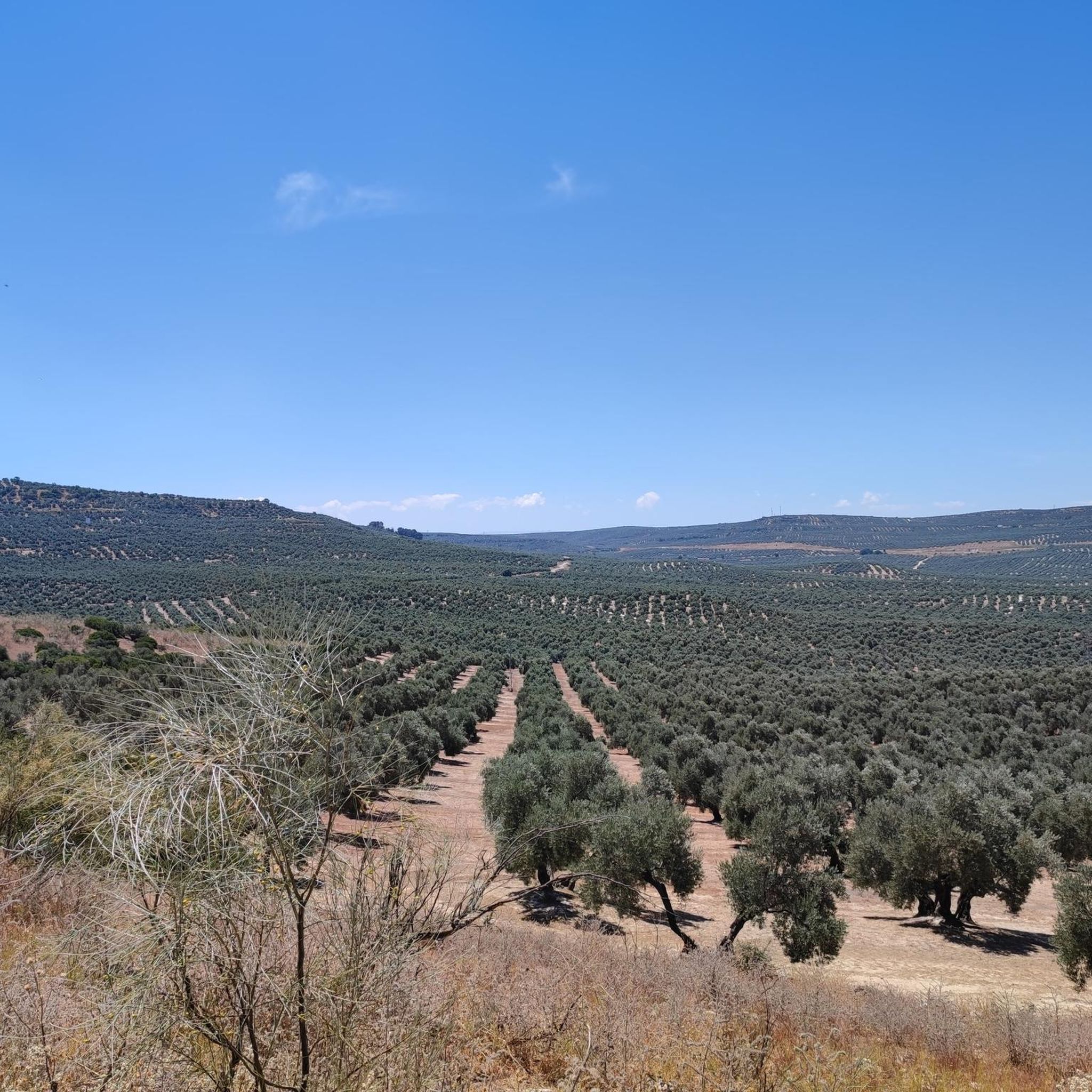
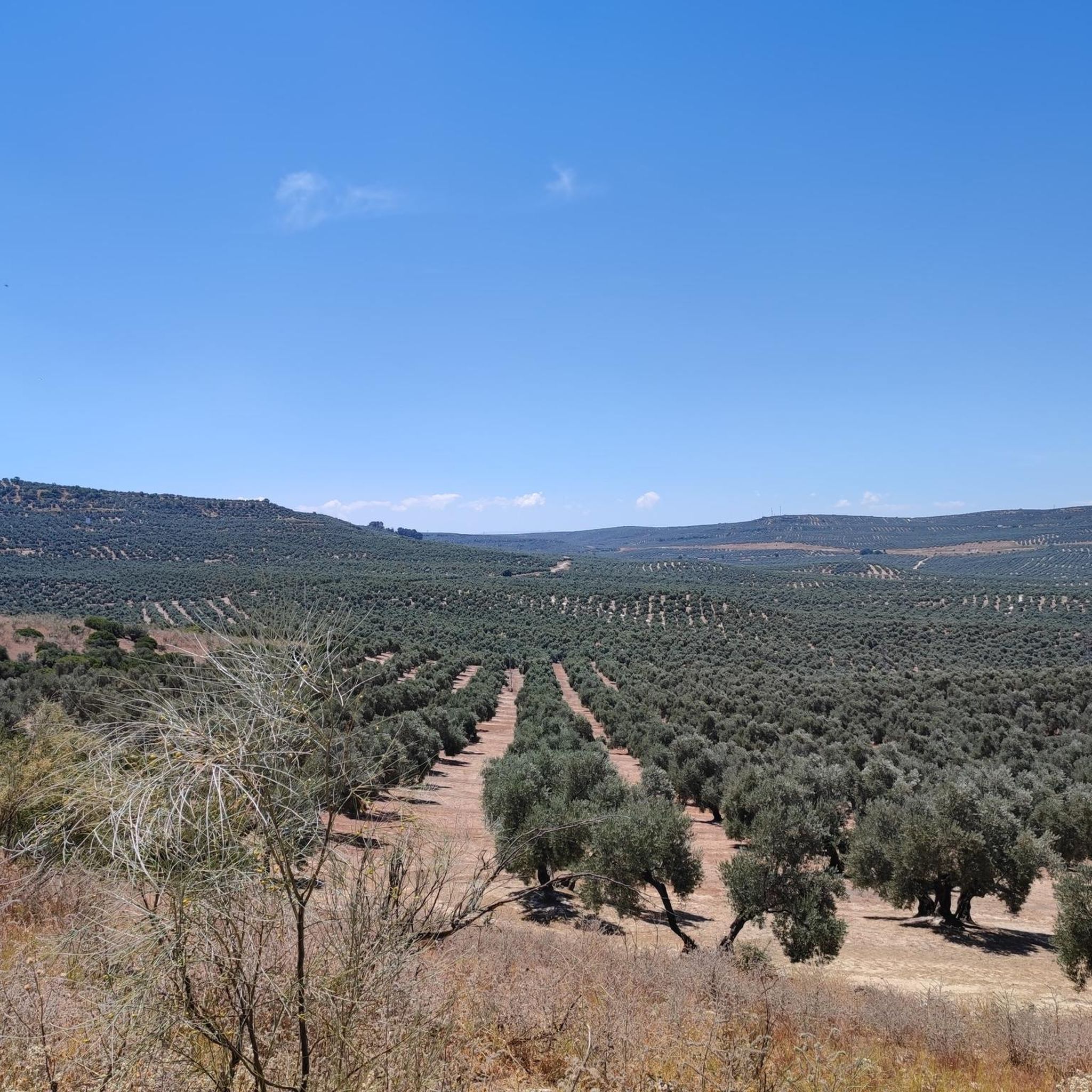
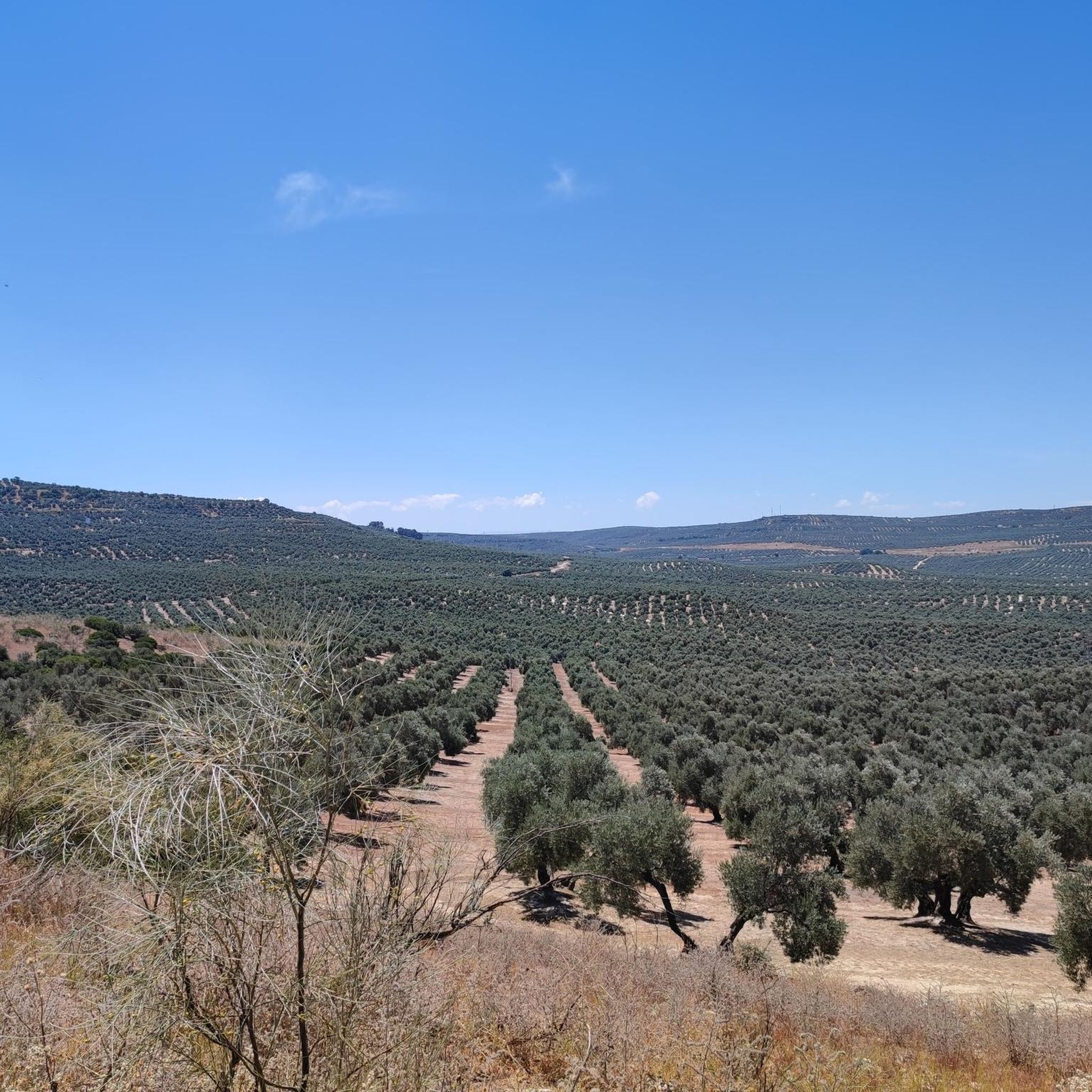
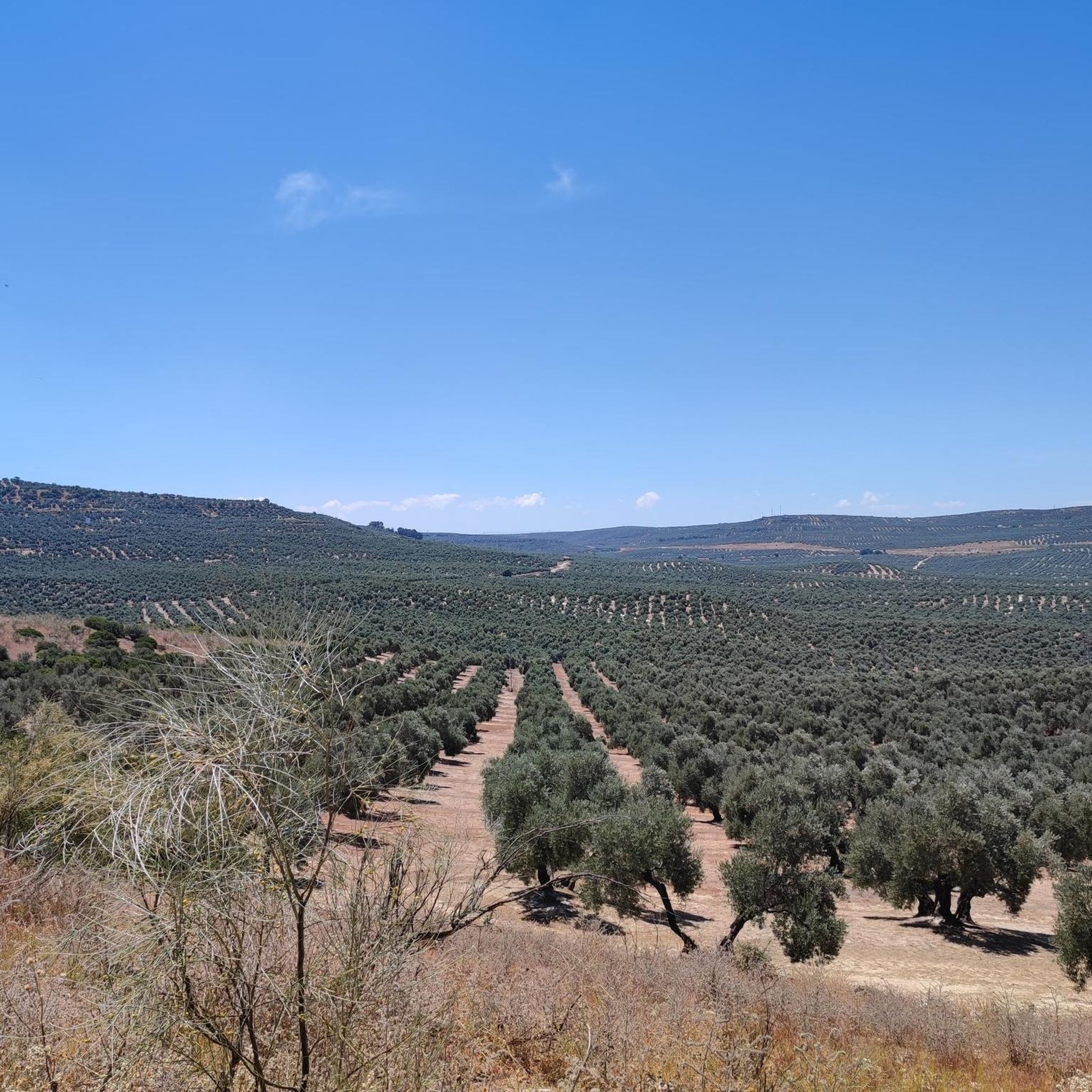
Yes, Ibros is surrounded by beautiful natural landscapes. The area is characterized by extensive olive groves that gently descend towards the Guadalimar River, offering picturesque views. You can also visit the Embalse de Giribaile, a reservoir mentioned as a natural area of interest, and the Arroyo del Valle Hermoso, a pleasant stream. These areas provide diverse terrain and contribute to the region's biological diversity.
What outdoor activities are available around Ibros?
The region offers various outdoor activities, especially cycling and running. For road cycling, you can explore routes like the 'Castillo de Canena y Embalse del Giribaide' loop or the 'Baeza and the Castles of Sierra Mágina Loop'. Mountain biking enthusiasts can try the 'Giribaile Reservoir and Valdecanales Oratory Loop'. If you prefer running, there are trails such as 'From Baeza to the Montalvas walk' or 'Giribaile Mines — round trip with views of the Giribaile Castle'. You can find more details on these activities in the dedicated guides for Road Cycling Routes around Ibros, MTB Trails around Ibros, and Running Trails around Ibros.
Are there family-friendly attractions or activities in the area?
Families can enjoy the Doña Luci Gardens, a man-made park near the Sanctuary of the Virgin of Linarejos. It offers large, shaded spaces, benches, and areas for relaxing, making it an ideal spot for strolling with children. The Sanctuary of the Virgin of Linarejos itself is also considered family-friendly and a significant religious site.
What archaeological discoveries can be found in Ibros?
Ibros has a rich archaeological heritage, with evidence of human presence since Roman times. Beyond the ancient Cyclopean Wall, the area features remnants of Roman villas such as Horcajo, Corral del Manchego, and Cortijo del Álamo, where a small necropolis was also discovered. These sites offer a glimpse into the region's ancient past and its connections to Iberian and Roman cultures.
When is the best time to visit Ibros for sightseeing and outdoor activities?
The best time to visit Ibros for sightseeing and outdoor activities is generally during the spring (April-May) and autumn (September-October) months. During these seasons, the weather is typically mild and pleasant, ideal for exploring historical sites, enjoying the olive groves, and engaging in cycling or running without the intense heat of summer.
Are there any notable viewpoints or scenic spots in Ibros?
For scenic views, consider climbing the tall bell tower of the Parish Church of San Pedro y San Pablo, which offers panoramic vistas of Ibros and its surrounding countryside. The olive groves descending towards the Guadalimar River also provide many picturesque spots for appreciating the Andalusian landscape. Additionally, the tips for Baeza Cathedral mention climbing its tower for spectacular views of the town and its surroundings.
What is the significance of the olive groves in Ibros?
The olive groves are central to the local economy and landscape of Ibros. They characterize the beautiful scenery, descending towards the Guadalimar River, and are crucial for producing high-quality extra virgin olive oil. This agricultural tradition is deeply ingrained in the region's identity and provides a significant economic contribution.
Can I find examples of traditional architecture in Ibros?
Yes, Ibros preserves examples of traditional architecture. The Casa de los Benavides is a notable manor house that exemplifies the vernacular architecture of the town, symbolizing the historical presence of local lords. The restored Lavadero (Public Wash House) also represents a recovery of Ibros' cultural heritage and traditional structures.
What is the 'Plaza del Ayuntamiento' and its historical importance?
The Plaza del Ayuntamiento (Town Hall Square) is considered the nerve center of Ibros. Historically, it has been a focal point for important community events, including markets and even bullfights. It remains a central gathering place and reflects the town's vibrant past.
Is there a monument dedicated to the region's Iberian heritage?
Yes, the Sculpture of the Iberian Soldier honors the Iberian warrior. This sculpture looks towards Cástulo, an ancient Iberian city that had significant influence on Ibros during the Iberian-Roman era, connected by the Vía Heraclea. It serves as a tribute to the deep historical roots of the region.
Most popular attractions around Ibros

Get inspired with the komoot mobile app


Explore more
Still not found the Highlight you’re looking for? See guides of the top attractions in other regions:
