Attractions and Places To See around Beas De Segura - Top 20
Best attractions and places to see around Beas De Segura include a mix of historical landmarks and natural sites within the province of Jaén. The town is situated between Sierra Morena and Sierra de Segura, with a significant portion of its territory within the Sierras de Cazorla, Segura y Las Villas Natural Park. This region offers diverse landscapes and cultural experiences for visitors.
Best attractions and places to see around Beas De Segura
- The most popular attractions is Hornos, a settlement that is a town and municipality in the province of Jaén, located within the Sierra de Cazorla, Segura and Las Villas natural park. It is dominated by the Hornos de Segura Castle, a 12th to 14th-century fortress that is a key historical landmark.
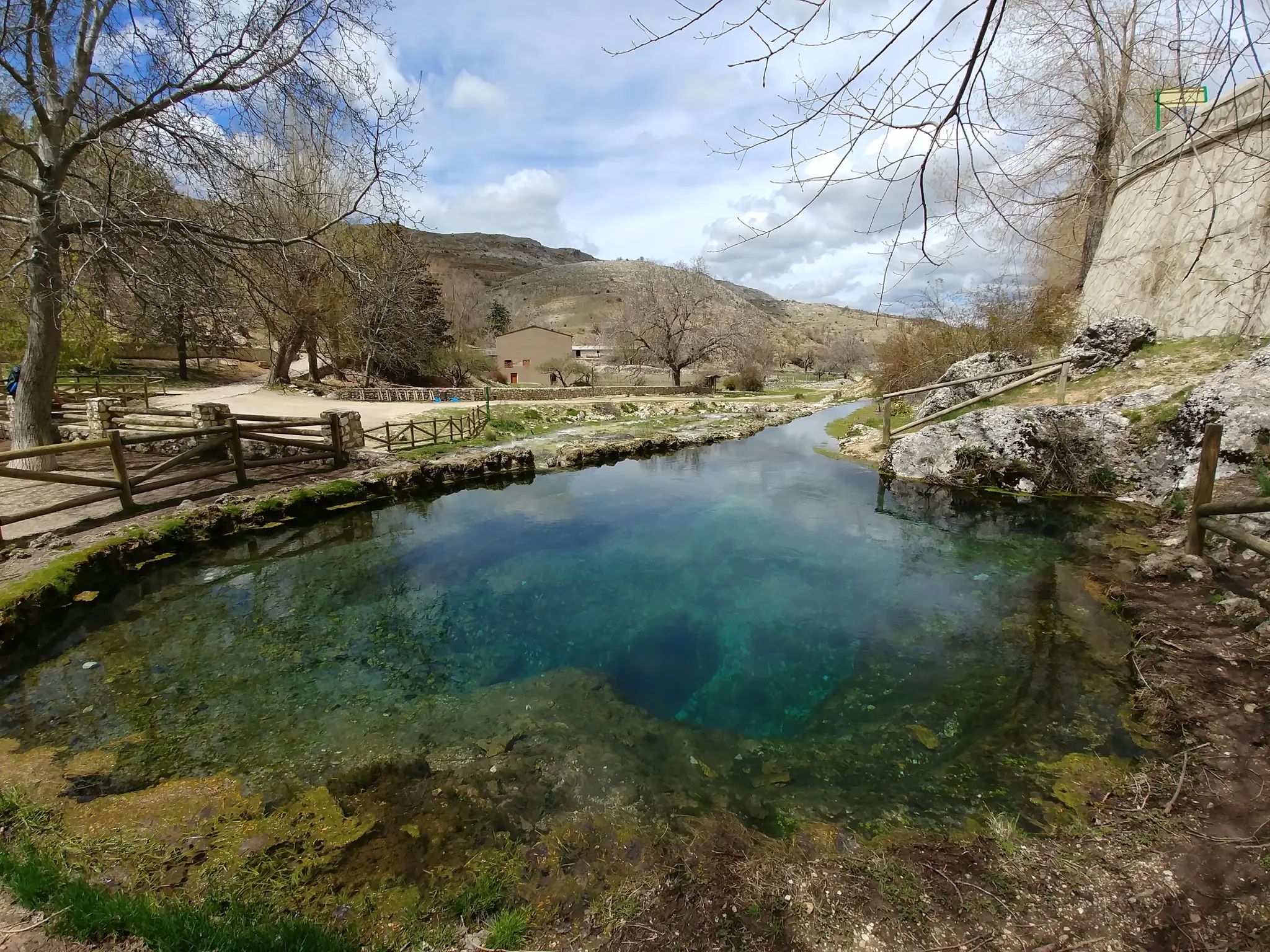
- Another must-see spot is Charco del Aceite, a lake that serves as a recreational area with a natural pool in the Guadalquivir river, situated in the Sierra de las Villas. This spot offers a natural swimming area and facilities like stone tables and a kiosk-bar.
- Visitors also love Castle of Segura de la Sierra, a defense fortification built by the Order of Santiago on previous fortress remains. This historic building has undergone restorations to become a public space.
- Beas De Segura is known for its historical landmarks, natural wonders, and cultural experiences. The area offers a variety of attractions to see and explore, from ancient castles to natural swimming spots.
- The attractions around Beas De Segura are appreciated by the komoot community, with 18 upvotes and 7 photos shared by visitors.
Last updated: May 10, 2026
Hornos
Highlight • Settlement
Its municipal area belongs entirely to the Sierra de Cazorla, Segura and Las Villas natural park, including the enclave of Cabeza de la Viña nestled within the Santiago-Pontones area.
The Hornos de Segura Castle, dating from the 12th to the 14th centuries, dominates the town from its rocky watchtower, and is the main reference point of the historic-artistic complex along with the Church of Our Lady of the Assumption (16th century), the Gate of the Town and the Fort (of Roman origin).
Translated by Google •
Tip by

Segura de la Sierra
Highlight • Settlement
Translated by Google •
Tip by
Sign up now to discover places like this
Get recommendations on the best single tracks, peaks, & plenty of other exciting outdoor places.
Sign up for free
Charco del Aceite
Highlight • Lake
It has stone tables, wooden seats and a kiosk-bar.
Translated by Google •
Tip by
La Puerta de Segura
Highlight • Settlement
Translated by Google •
Tip by

Hornos de Segura
Highlight • Settlement
Translated by Google •
Tip by
Sign up for free to discover even more attractions around Beas De Segura.
Sign up for free
Already have an account?
Start today with a free account
Your next adventure awaits.
Login or Signup
Other adventures around Beas De Segura

Tips from the Community

The name does not really honor the place, because it is an area where a small water reservoir is produced, "without oil" 🤭 but it is an ideal area for bathing and resting. From there begins an endless climb towards one of the most beautiful areas of the mountains: the refuge of La Parra
1
0

It is possible to go hiking in the surroundings through short routes along the path that runs parallel to the river. Some 200m downstream on the left bank is the mouth of the Tranco reservoir drainage tunnel, where the water comes out turbulently.
11
0

This Jaén town of around 1,800 inhabitants is nestled in the beautiful natural park of the Sierras de Cazorla, Segura y Las Villas. It is part of the network of the "Most Beautiful Towns in Spain" and is famous for its Mudejar castle, located at its highest point and surrounded by an old wall that still retains some towers.
3
0

Spanish town and municipality in the province of Jaén, in the autonomous community of Andalusia. According to the last available census (INE 2019), it had a population of 2,268 inhabitants.
1
0
This town is located in Jaén, in the autonomous community of Andalusia. Its municipal term belongs entirely to the natural park of the Sierra de Cazorla, Segura and Las Villas.
1
0
This natural pool, created by the old bed of the Guadalquivir river, is located in the Sierra de las Villas. It is a small oasis in which we find a pool of water with an overflow, a beach bar to have a drink, an area for barbecues, rest areas and even a stone area to jump into the water. They say that its name comes from the fact that a donkey loaded with oil skins fell into the puddle, staining it with the contents of its load.
1
0

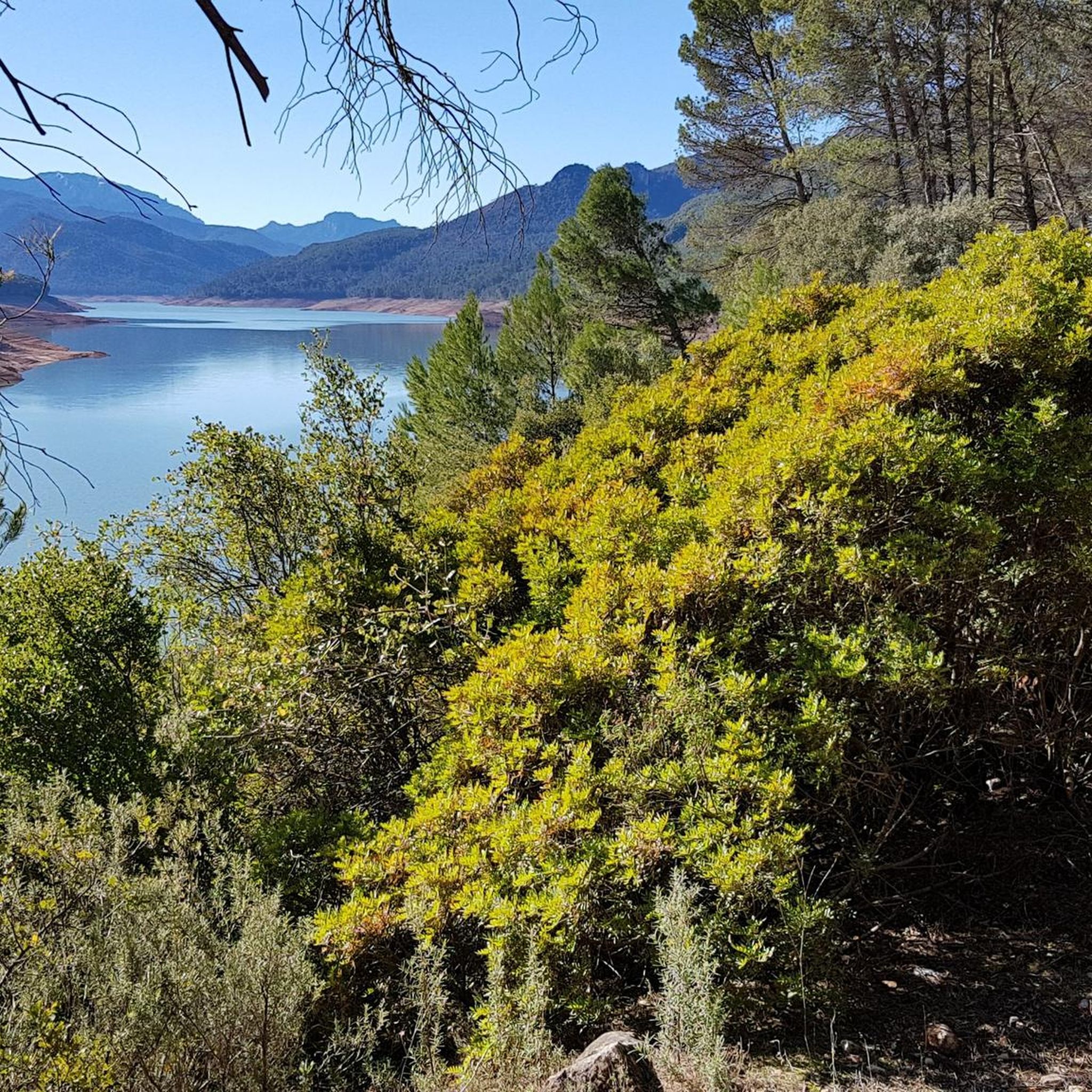
The Charco del Aceite recreational area is located in a magnificent place to take a bath since it has a pool of water embedded in the same bed of the Guadalquivir river and pine forests on its slopes. It has stone tables, wooden seats and a kiosk-bar.
5
0
Segura de la Sierra is a Spanish town and municipality in the province of Jaén, in the autonomous community of Andalusia, belonging to the region of Sierra de Segura, located northeast of Andalusia. According to INE sources, in 2017 it had 1,807 inhabitants. Its municipal area, with an area of 225.02 km², is the most disintegrated in the province, having four exclaves apart from the main nucleus. The five enclaves are within the Natural Park of the Sierras de Cazorla, Segura and Las Villas and encompass a total of 18 population centers, 13 of them populated, with the Cortijos Nuevos district being the largest.
4
0
Frequently Asked Questions
What historical landmarks can I explore in Beas de Segura?
Beas de Segura is rich in history. You can visit the Monastery of San José del Salvador and its Church, founded by Saint Teresa of Ávila, or the Parish Church of Nuestra Señora de la Asunción with its medieval origins. Don't miss the remains of the old Arab fortress, including the Fortress of Villavieja and the Clock Tower, or the 15th-century Sandovales Palace. The town of Hornos also features a 12th to 14th-century castle, and the Castle of Segura de la Sierra is another significant defense fortification.
Where can I experience nature and outdoor activities near Beas de Segura?
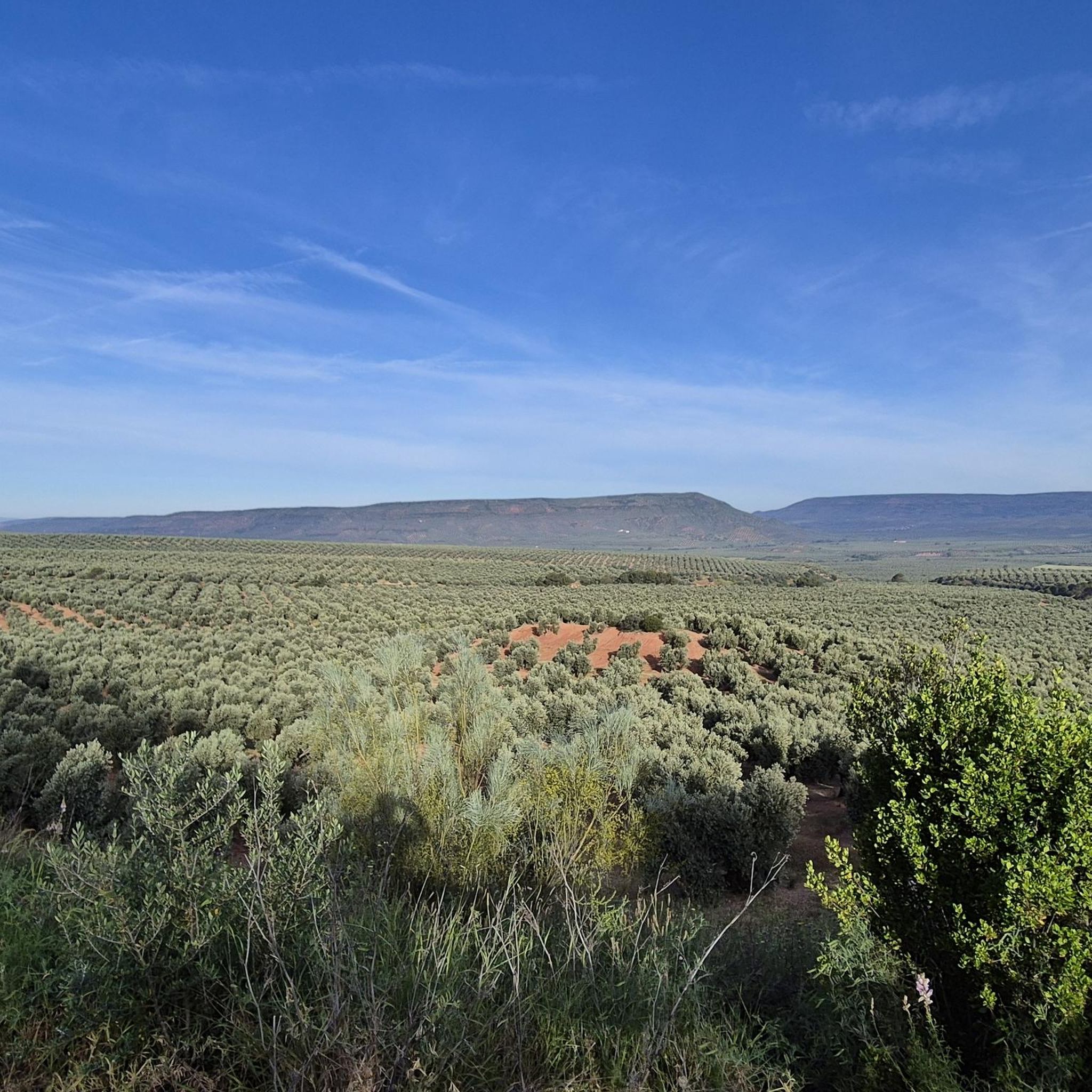
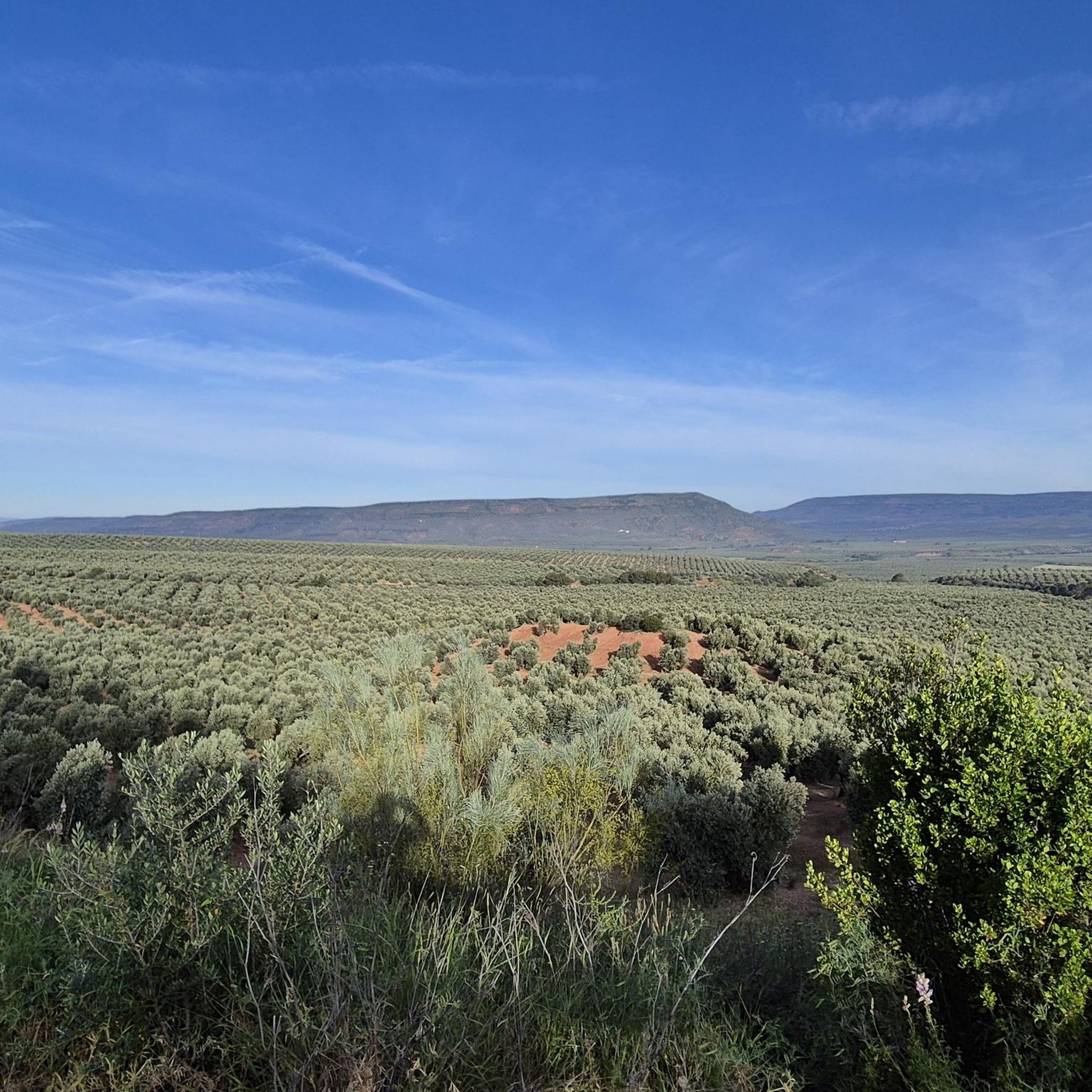
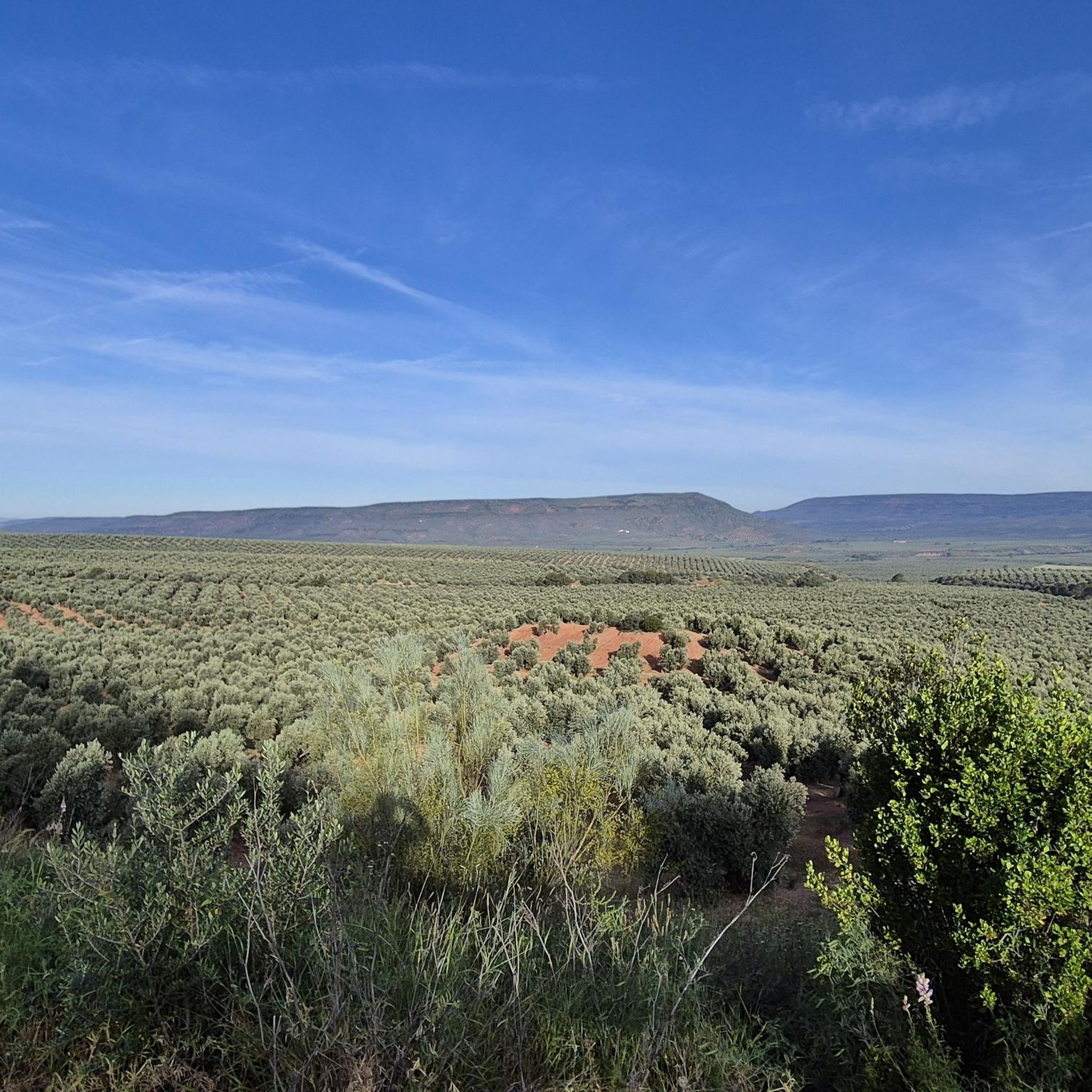
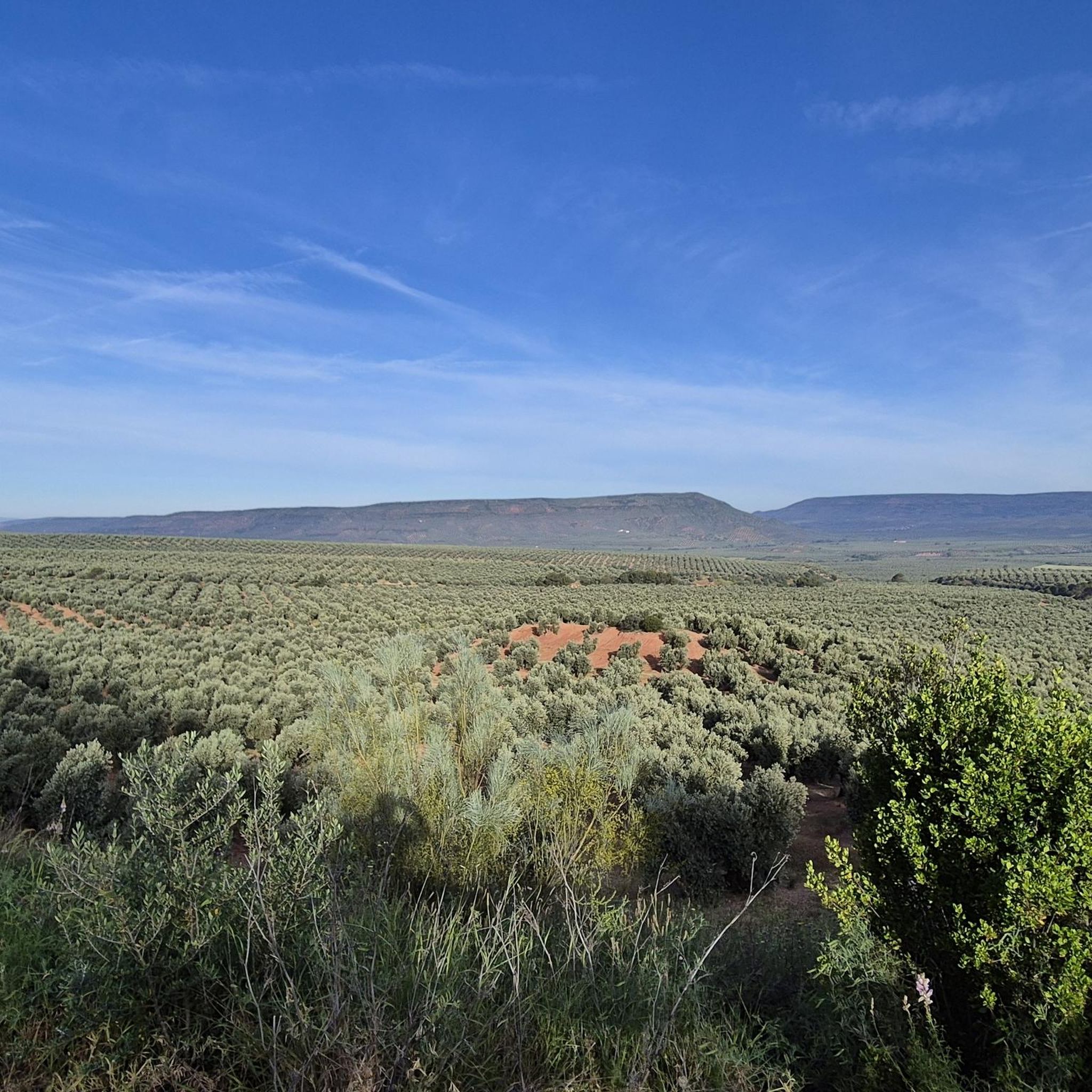
The region is a gateway to the vast Sierras de Cazorla, Segura y Las Villas Natural Park, offering diverse landscapes and hiking routes. You can visit the beautiful Tranco de Beas Reservoir or the recreational area of Charco del Aceite, which has a natural pool. The area is also surrounded by extensive olive groves, reflecting the local tradition.
Are there any family-friendly attractions in the area?
Yes, Charco del Aceite is a great family-friendly spot. It's a recreational area with a natural pool in the Guadalquivir river, complete with stone tables and a kiosk-bar, perfect for a day out. The Valparaiso Park also offers a botanical and recreational space within Beas de Segura.
What are the options for cycling around Beas de Segura?
The area around Beas de Segura offers various cycling opportunities. You can find numerous routes for mountain biking, road cycling, and touring bicycles. For example, there are challenging MTB routes like the 'On the shores of the Tranco de Beas reservoir from Hornos' or road cycling routes such as 'Embalse del Tranco de Beas and ascent to Mirador de Huelguecillas'. You can explore more options on the MTB Trails around Beas De Segura, Road Cycling Routes around Beas De Segura, and Cycling around Beas De Segura guide pages.
Can I find opportunities for hiking near Beas de Segura?
Absolutely. Beas de Segura is an excellent base for hiking, especially with its proximity to the Sierras de Cazorla, Segura y Las Villas Natural Park. While specific hiking routes are not detailed in the provided data, the natural park is renowned for its extensive network of trails suitable for various skill levels. The Trail next to the Tranco reservoir is one such path, offering scenic views along the water.
What is the significance of the Monastery of San José del Salvador?
The Monastery of San José del Salvador and its Church is historically significant as it was founded in 1575 by Saint Teresa of Ávila. It played a crucial role in the Carmelite reform and is recognized as an Asset of Cultural Interest. It also houses valuable relics of Saint Teresa of Ávila and Saint John of the Cross.
Where can I find a natural swimming spot?
For a refreshing dip, head to Charco del Aceite. This recreational area features a natural pool within the Guadalquivir river, surrounded by pine forests. It's a popular spot for swimming and relaxing, with facilities like stone tables and a kiosk-bar.
What cultural experiences does Beas de Segura offer beyond historical sites?
Beyond its historical buildings, Beas de Segura offers a rich cultural tapestry. You can explore the charming historic streets and neighborhoods like Calle de la Risa and El Repullete, which evoke the town's Muslim past. The Monastery of Santa Clara has been beautifully restored into a cultural center, and the Interpretation Center of the Villa de Beas and Mysticism provides insight into 16th-century life and its connection to mysticism. The town is also a starting point for the Way of San Juan de la Cruz pilgrimage route.
Is there a good time of year to visit Beas de Segura for outdoor activities?
The region is appealing for outdoor activities throughout much of the year. Spring and autumn generally offer pleasant temperatures for hiking and cycling. Summer provides opportunities for water activities like rafting and kayaking in nearby areas, and enjoying natural swimming spots like Charco del Aceite. The annual San Marcos festivities from April 22nd to 25th are also a unique cultural experience.
What ancient structures can be found in the region?
The region boasts several ancient structures. The Puente Mocho is an ancient Roman bridge over the Guadalimar River, historically significant as Saint Teresa of Ávila is said to have crossed it. The Fortress of Villavieja and the Clock Tower are remnants of an old Arab fortress, providing a glimpse into the town's medieval past. Additionally, the area has evidence of human settlements dating back to the Lower Paleolithic period.
Are there any viewpoints offering scenic panoramas?
Yes, several locations offer great views. The town of Hornos, dominated by its castle, provides panoramic vistas. The Castle of Segura de la Sierra also serves as a viewpoint. Within the Sierras de Cazorla, Segura y Las Villas Natural Park, the Tranco de Beas Reservoir is highlighted as one of the most beautiful spots, suggesting numerous scenic overlooks.
What is the role of the Sierras de Cazorla, Segura y Las Villas Natural Park in the region?
The Sierras de Cazorla, Segura y Las Villas Natural Park is a cornerstone of the region's natural appeal. It's the largest protected area in Spain and a UNESCO Biosphere Reserve, known for its diverse landscapes, rich biodiversity, and hydrological importance with numerous rivers and streams. Beas de Segura serves as a gateway to this extensive park, making it ideal for nature enthusiasts and those seeking outdoor adventures.
What is the Puente Mocho and its historical importance?
The Puente Mocho is an ancient Roman bridge spanning the Guadalimar River. Its historical importance is underscored by the local tradition that Saint Teresa of Ávila crossed it on her journey to Beas de Segura. The surrounding area is also significant for its rich lithic industry from the Lower Paleolithic era, with ancient tools found there now displayed in museums.
Are there any accessible attractions in the area?
The settlement of La Puerta de Segura is noted for being wheelchair accessible, offering an inclusive option for visitors to explore. While specific details for other sites are not provided, this highlights an effort towards accessibility in the wider region.
What unique local traditions or events can I experience?
A notable local tradition is the annual San Marcos festivities, held from April 22nd to 25th. These festivities feature the 'toro ensogao' (bull on a rope) and have been declared a 'Festival of National Touristic Interest,' drawing many visitors to experience this unique cultural event.
Most popular attractions around Beas De Segura

Get inspired with the komoot mobile app


Explore more
Still not found the Highlight you’re looking for? See guides of the top attractions in other regions:
