Attractions and Places To See around Agüero - Top 20
Best attractions and places to see around Agüero include dramatic natural landscapes and historical landmarks in the pre-Pyrenean mountains of Huesca, Aragon. The village is defined by the imposing reddish rock formations of the Mallos, which provide a unique backdrop. Visitors can explore 12th-century Romanesque churches and a unique Organ Museum, alongside numerous outdoor activities. The area offers a blend of geological interest and cultural heritage.
Best attractions and places to see around Agüero
- The most popular attractions is Peñas de Riglos, a natural monument known for its towering rock formations that shelter the town of Riglos. These rocks are popular with climbers and are home to ubiquitous vultures.
- Another must-see spot is Camino del Cielo - Panoramic View, a viewpoint offering impressive views near the top of Mallo Colorado. From the ridge, visitors can see the spreading plain and the Gállego river.
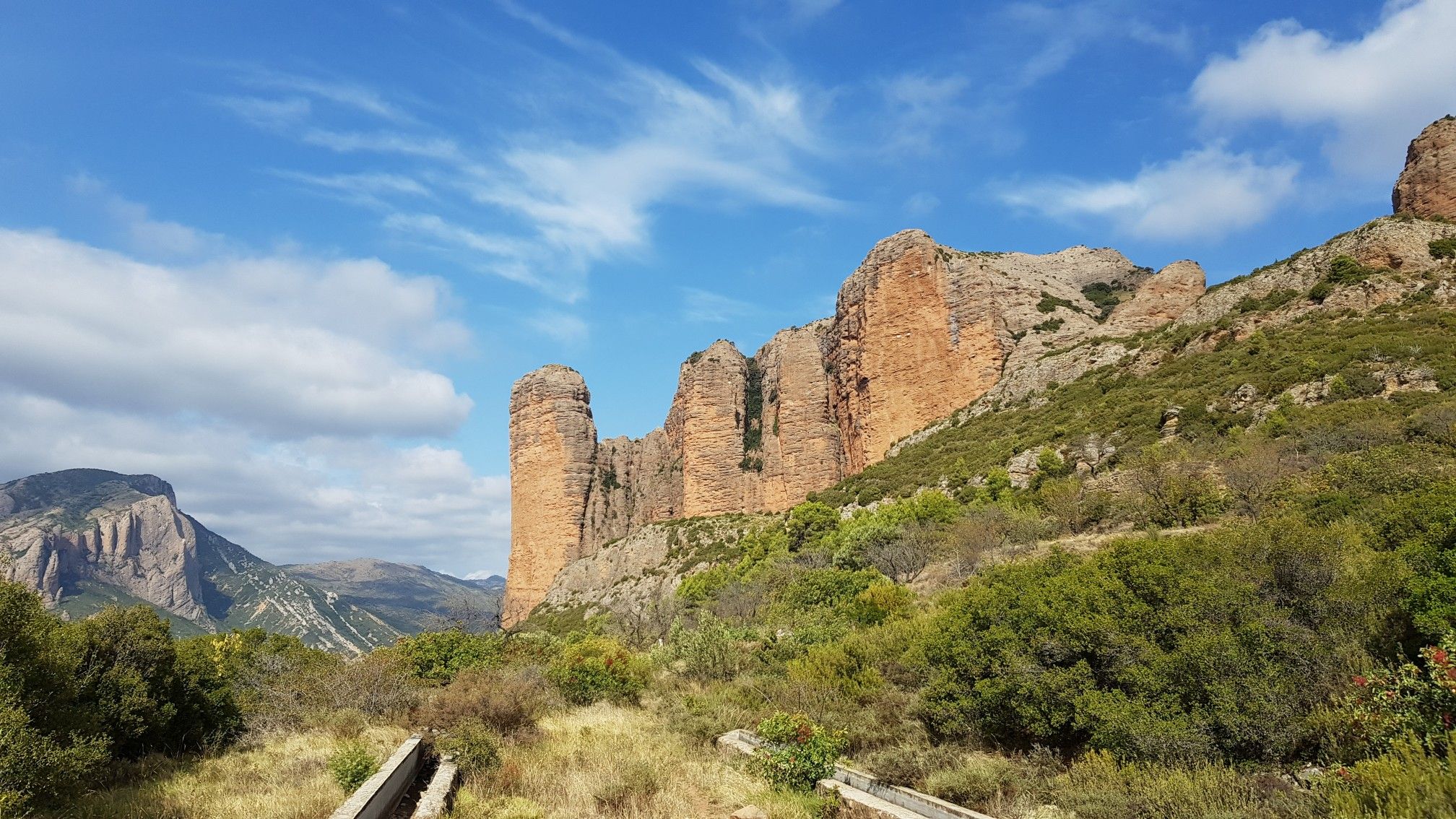
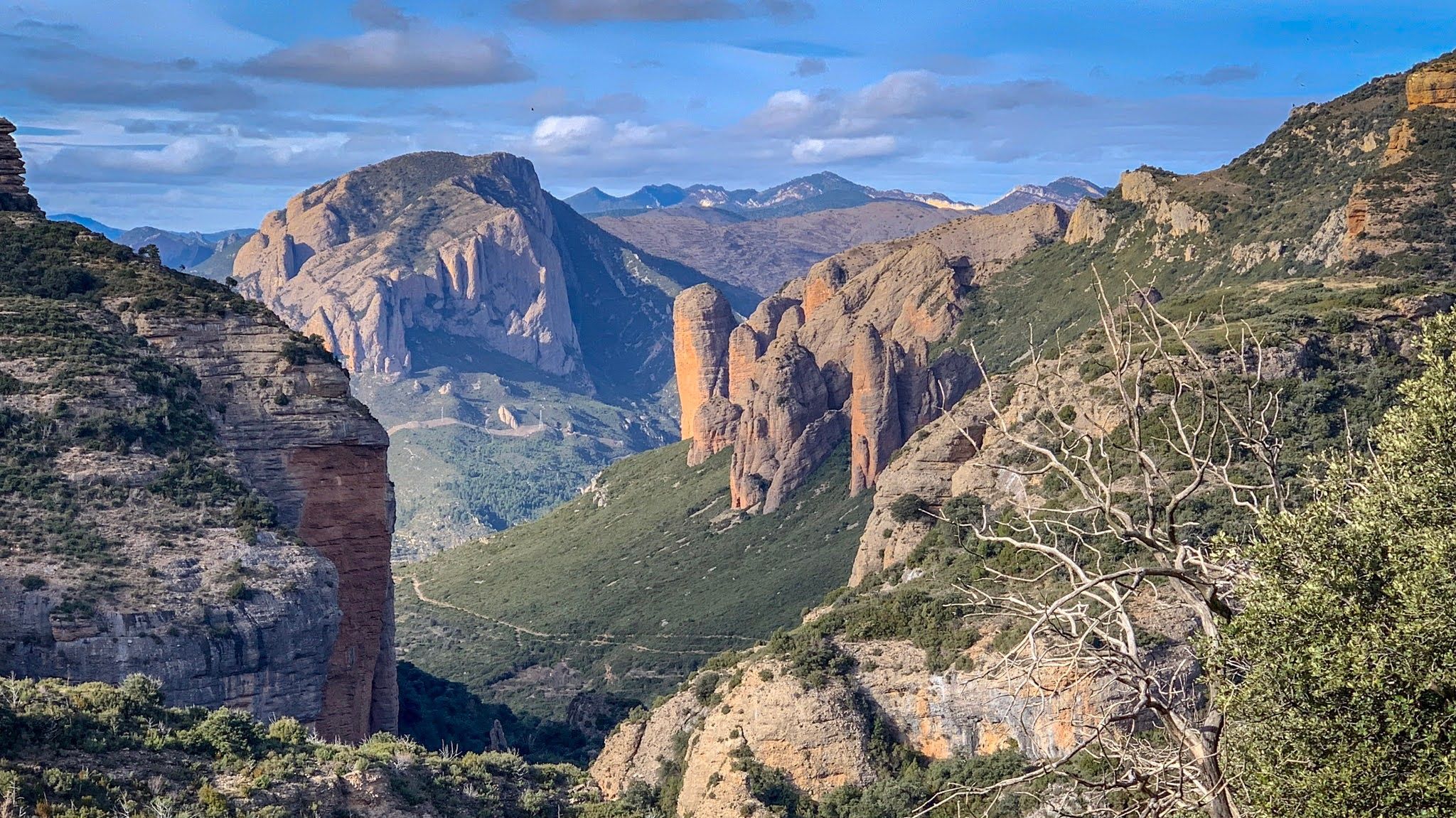
- Visitors also love Mallos de Agüero, spectacular reddish rock formations. These geological features are ideal for climbing and observing colonies of birds of prey.
- Agüero is known for its natural monuments, historical sites, and panoramic viewpoints. The region offers a variety of attractions to see and explore, from ancient castles to unique museums.
- The attractions around Agüero are appreciated by the komoot community, with 104 upvotes and 17 photos shared across 7 highlights.
Last updated: July 6, 2026
Peñas de Riglos
Highlight • Natural Monument
Translated by Google •
Tip by

Marcuello Castle
Highlight • Castle
Translated by Google •
Tip by

Sign up now to discover places like this
Get recommendations on the best single tracks, peaks, & plenty of other exciting outdoor places.
Sign up for free
Mallos de Agüero
Highlight • Natural Monument
Translated by Google •
Tip by

Camino del Cielo - Panoramic View
Highlight • Viewpoint
Translated by Google •
Tip by
Mallos de Agüero and Agüero Village
Highlight • Natural Monument
Translated by Google •
Tip by
Sign up for free to discover even more attractions around Agüero.
Sign up for free
Already have an account?
Start today with a free account
Your next adventure awaits.
Login or Signup


Tips from the Community

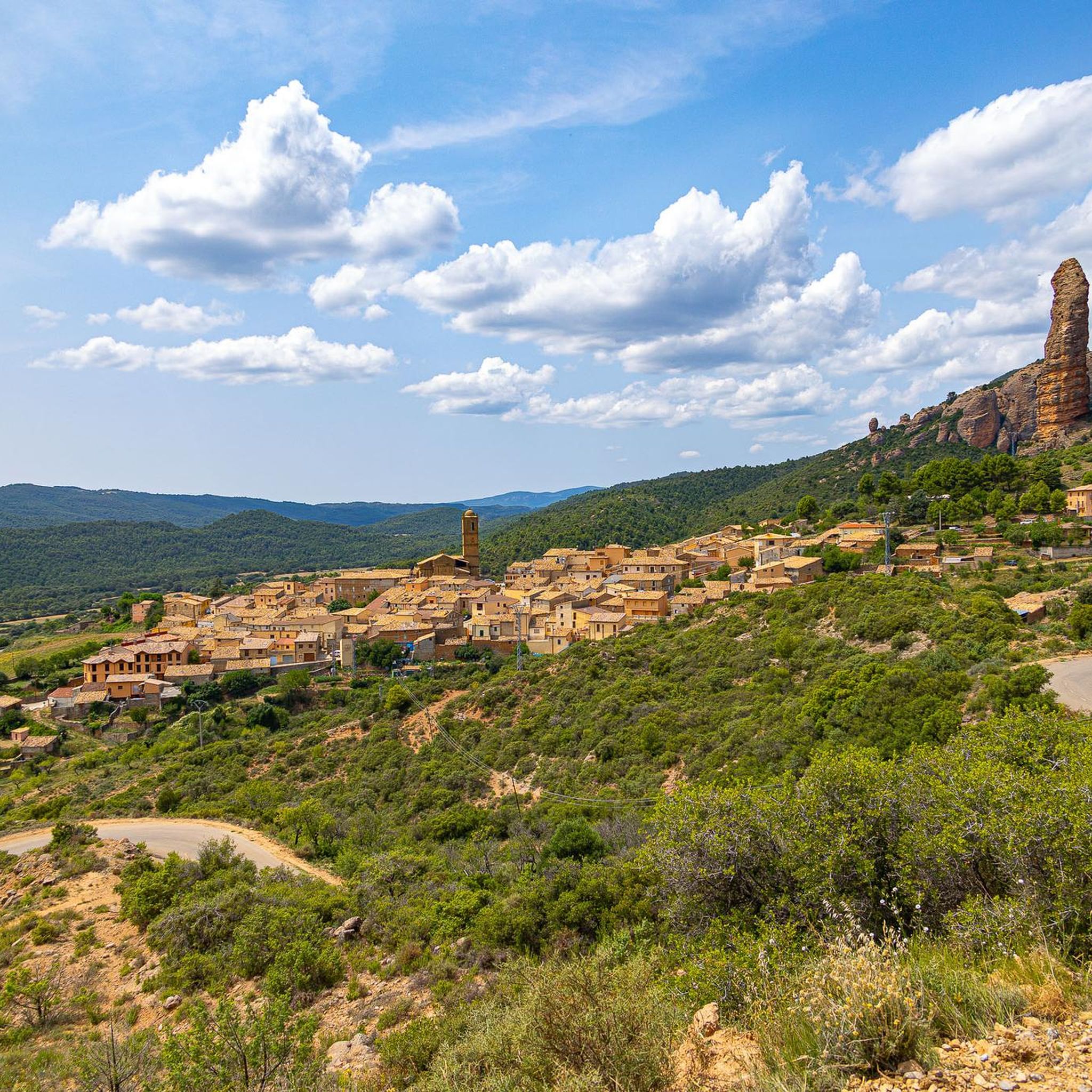
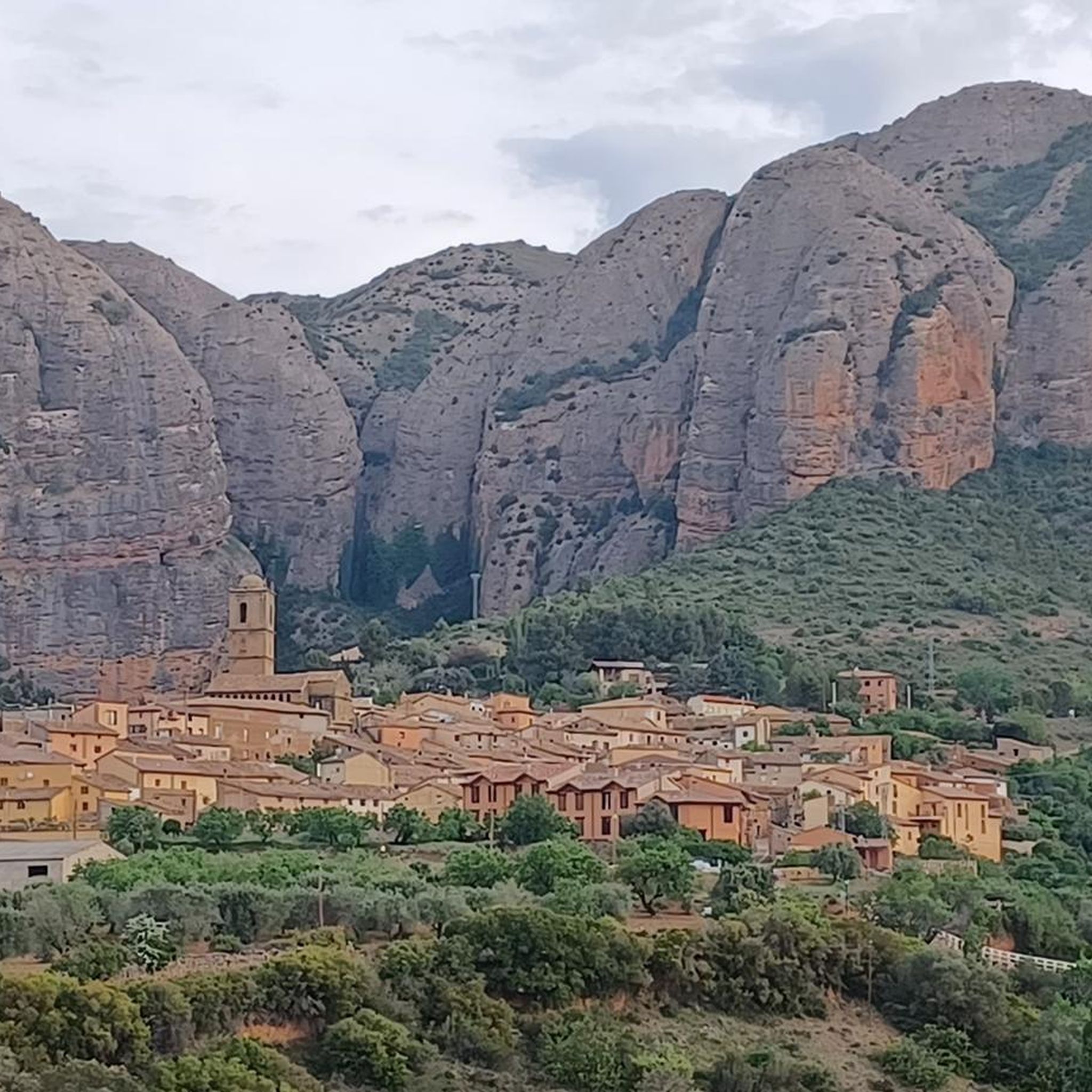
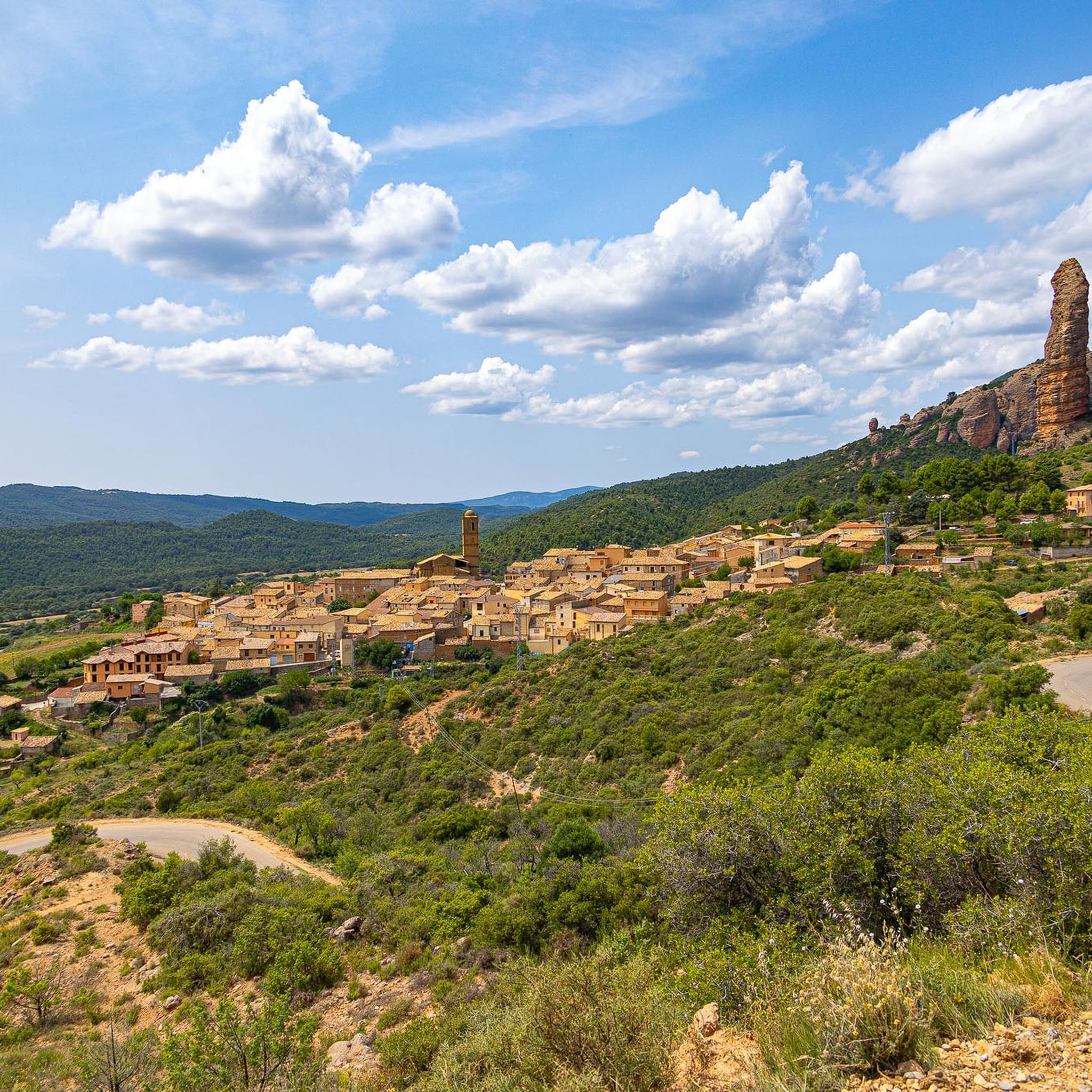
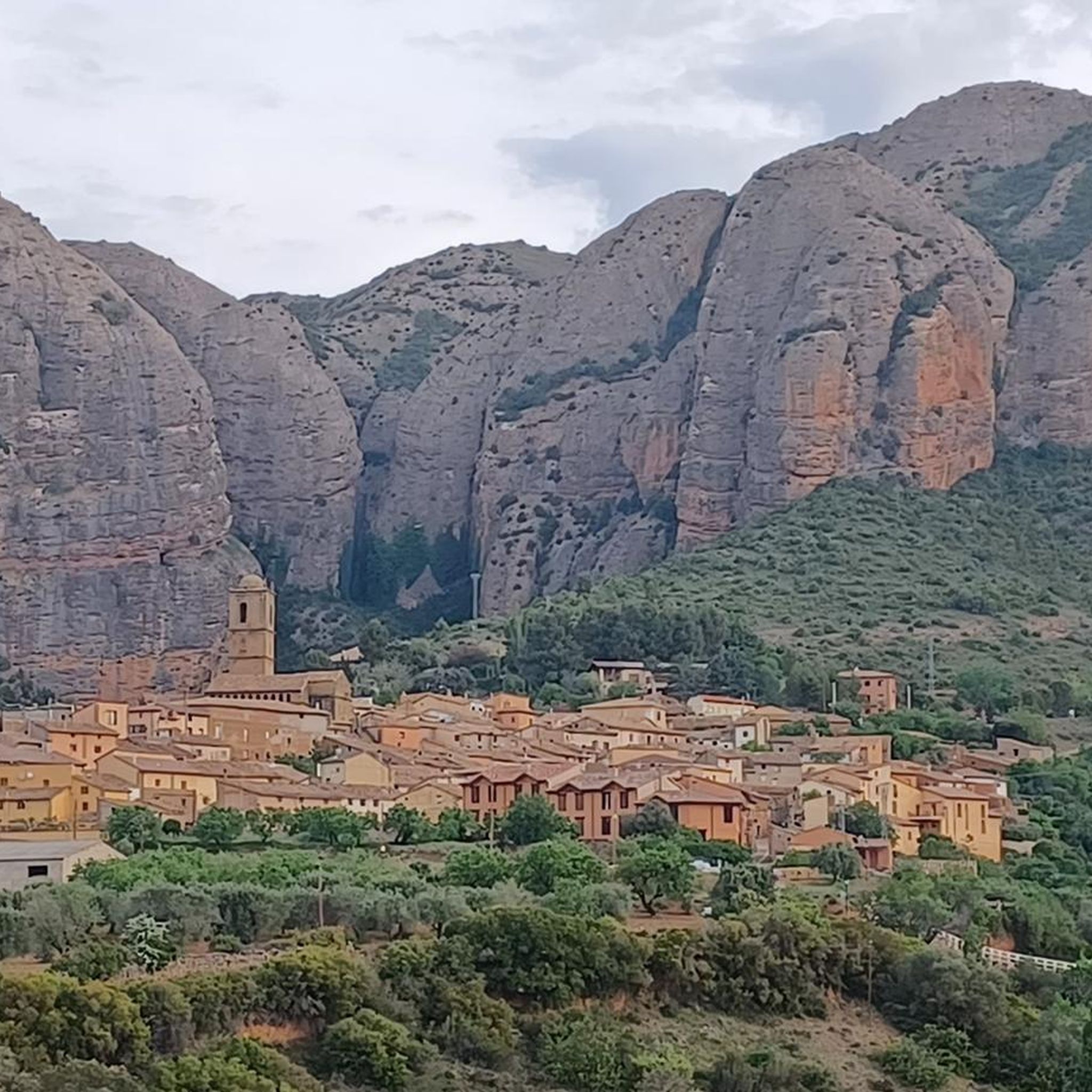
You must walk around the alleys of Agüero, and there is a magnificent view of the Mallos de Agüero.
0
0

Spectacular reddish colored rock formations.
2
0
The city is home to artistic treasures such as the Romanesque Church of El Salvador and the 12th-century Church of Santiago. The latter, located one kilometer from the city, has been declared a National Monument and is one of the most beautiful Romanesque temples in Aragon.
2
0
The castle contains elements of Romanesque architecture and has Bien de Interés Cultural status, which indicates its importance to the Spanish architectural heritage.
2
0
The Mallos of the Aragonese Pre-Pyrenees were formed 65 million years ago after eroded material from the Pyrenees washed away.
1
0

the pleasure of seeing the vultures resting on the ruin of this castle
0
0

Agüero's mallos are a little less tall than those of Riglos, but even so, they are charming whims of erosion. Its contrast with the blue sky on a sunny day is simply spectacular.
1
0

Remains of one of the castles that were within the area of the central pre-Pyrenees. The place can be seen from the track that connects with Sarsamacuello and the panoramic view is especially beautiful. Place that in the s. XII was governed by queen widow Berta. There is no established reasoning about its origin, believing that since the time of Sancho I the work could have begun around 1074. It is known that it was uninhabited around 1610, like Loarre. The place with a privileged position, on a plane the location was with the river Gállego at its feet, and the Mallos behind, allowing a defense from all fronts. To this day, there are remains of what was the fortification tower, as well as two religious spaces from the Romanesque period.
0
0
Frequently Asked Questions
What are the most prominent natural features to explore around Agüero?
The area is dominated by the spectacular reddish rock formations known as the Mallos de Agüero, which are a significant geological interest point. Nearby, you'll also find the towering Peñas de Riglos. For hikers, the Al-Foraz Cave offers unique views, and the region is excellent for birdwatching, particularly for observing birds of prey like Griffin vultures.
What historical and cultural sites can I visit in Agüero?
Agüero boasts several historical gems. The 12th-century Romanesque Church of Santiago, declared a National Monument, is a must-see for its intricate carvings. Within the village, the Church of El Salvador also dates back to the 12th century and features a stunning multi-arched doorway. Additionally, you can explore the unique Museo del Órgano, dedicated to the musical instrument, and the ruins of Marcuello Castle offering panoramic views.
Are there good viewpoints to enjoy the landscape around Agüero?
Yes, the region offers several impressive viewpoints. The Camino del Cielo - Panoramic View provides breathtaking vistas near the top of Mallo Colorado, overlooking the spreading plain and the Gállego river. The ruins of Marcuello Castle also offer spectacular views over La Galliguera and the imposing Mallos.
What outdoor activities can I do near Agüero's attractions?
The dramatic landscape around Agüero is perfect for various outdoor activities. Climbing and abseiling are popular on the Mallos de Agüero and Peña Sola. The area is also crisscrossed with numerous hiking and running trails, and the nearby Gállego River offers opportunities for canyoning. You can find detailed routes for these activities in the Hiking around Agüero, Running Trails around Agüero, and MTB Trails around Agüero guides.
Are there hiking trails suitable for different skill levels near Agüero?
Yes, there are hiking trails for various abilities. For an easier walk, consider the 'Refugio La Cochera – Church of Santiago loop from Agüero'. Moderate options include the 'Circular Route of the Mallos de Agüero' or the 'Mallos de Agüero – Al-Foraz Cave loop from Agüero'. More challenging routes, such as those around Peñas de Riglos, are also available. You can explore these and more in the Hiking around Agüero guide.
What is the best way to experience the Mallos de Agüero?
To truly experience the Mallos de Agüero, consider a circular hiking route around them, which allows you to appreciate their scale and unique geological formation. The village of Agüero itself sits at their base, offering charming streets with constant views of these impressive rock formations. For climbers, the Mallos provide an ideal challenge, and birdwatchers will find them perfect for observing birds of prey.
What do visitors enjoy most about Agüero?
Visitors frequently praise the dramatic natural beauty of the Mallos, often described as 'spectacular' and 'charming whims of erosion.' The contrast of the reddish rocks against the blue sky is a highlight. Many also appreciate the opportunity for adventure sports like climbing and the chance to observe colonies of birds of prey. The village's medieval-style streets and historical churches also add to its appeal.
Are there any unique cultural experiences in Agüero?
Beyond its historical churches, Agüero offers the unique Museo del Órgano, housed in the old Abbey House. This museum showcases hundreds of pieces related to organs, some dating back to the 16th century, often with organ music playing in the background. Strolling through the cobbled streets of the village itself provides a journey back in time, with medieval-style architecture and coats of arms on doors.
What is the significance of the Church of Santiago near Agüero?
The Church of Santiago is a highly significant 12th-century Romanesque temple, declared a National Monument. Despite being unfinished, its striking façade features a relief of the Adoration of the Magi on its tympanum. The interior is notable for its beautifully carved capitals depicting biblical scenes and mythical creatures, attributed to the 'Master of San Juan de la Peña'.
Can I observe wildlife, particularly birds, around Agüero?
Yes, the area around Agüero, especially the Mallos, is an excellent spot for birdwatching. It's a known habitat for scavenging birds and various birds of prey, including Griffin vultures, bearded vultures, and Egyptian vultures, which nest in the rock formations. This makes it a prime location for observing these magnificent creatures in their natural environment.
What is the best time of year to visit Agüero?
While the guide doesn't specify a single 'best' time, the region offers activities year-round. For hiking and outdoor sports, spring and autumn generally provide pleasant weather. Agüero also celebrates its main festivities for six days starting on August 16th, featuring folk groups and theater, and winter festivities for San Blas on February 3rd, offering cultural insights.
Is Agüero a good destination for those interested in geology?
Absolutely. Agüero is a prime destination for geology enthusiasts due to the spectacular Mallos de Agüero. These reddish rock formations are hundreds of meters high and represent a significant geological interest point in Aragon, marking the natural boundary between the Pyrenean mountains and Somontano. Their formation from conglomerates and subsequent erosion tells a fascinating geological story.
Most popular attractions around Agüero

Get inspired with the komoot mobile app


Explore more
Still not found the Highlight you’re looking for? See guides of the top attractions in other regions:
