Attractions and Places To See around El Milà - Top 20
Best attractions and places to see around El Milà include a blend of historical landmarks and natural landscapes. This small municipality in the Alt Camp region of Tarragona, Catalonia, Spain, is characterized by its tranquil atmosphere and agricultural surroundings. Situated on the right bank of the Francolí river, El Milà offers a glimpse into authentic rural Catalan life. The area is enveloped by extensive fields, primarily cultivating hazelnuts and olives, providing a peaceful setting for exploration.
Best attractions and places…
Last updated: July 7, 2026
Puig d'en Cama (717 m)
Highlight • Summit
Translated by Google •
Tip by

Hermitage of Sant Pere del Puig
Highlight • Religious Site
Translated by Google •
Tip by
Sign up now to discover places like this
Get recommendations on the best single tracks, peaks, & plenty of other exciting outdoor places.
Sign up for free
Castillo del Paborde
Highlight • Castle
Translated by Google •
Tip by
Els Ponts Aqueduct
Highlight • Monument
Translated by Google •
Tip by

Church of Sant Andreu
Highlight • Religious Site
The current church of Sant Andreu was built on top of a Romanesque church that was in the same place. Although the first reference places it in …
Translated by Google •
Tip by
Sign up for free to discover even more attractions around El Milà.
Sign up for free
Already have an account?
Start today with a free account
Your next adventure awaits.
Login or Signup

Tips from the Community


Good ramps with good pavement. It climbs well and is worth it.
0
0

This emblematic monument popularly known as the Bridges, a name that comes from its two arches, is an aqueduct originally from the s. XIII that was built to raise water from the Rec to the town wall in order to supply the Molí de la Canal in the courtyard of the Butchery, on the Castle wall. Before it was built, the water ran along the ground and when the mill was built it was necessary to raise the water level in order to cover the tank. On one of the walls there is a commemorative tombstone with a text written in Latin that refers to the stone cladding works of the Rec that, begun in 1539, are said to have been completed in 1557, a time when the aqueduct itself had to be restored.
0
0
The Romanesque church The current church of Sant Andreu was built on top of a Romanesque church that was in the same place. Although the first reference places it in the 12th century, the original trace is not known. It had smaller dimensions and was also dedicated to Sant Andreu. Beyond its walls, there was a moat on the southern facade, which was the first cemetery of La Selva. Right in front of the church there was a porch where the General Councils of the town and, on occasion, those of the Comuna del Camp met. The Renaissance church The current church of Sant Andreu dates from the end of the 16th century and was designed by Pere Blai (1553-1621). It is one of the few works of the Mannerist Renaissance in Catalonia and is distinguished by its rectangular plan, the lateral chapels communicating with each other and the height inspired by the proportions of Vitruvius Man. The dome on a drum, one of the most innovative architectural features of the building, help to distinguish the church on the horizon.
0
0
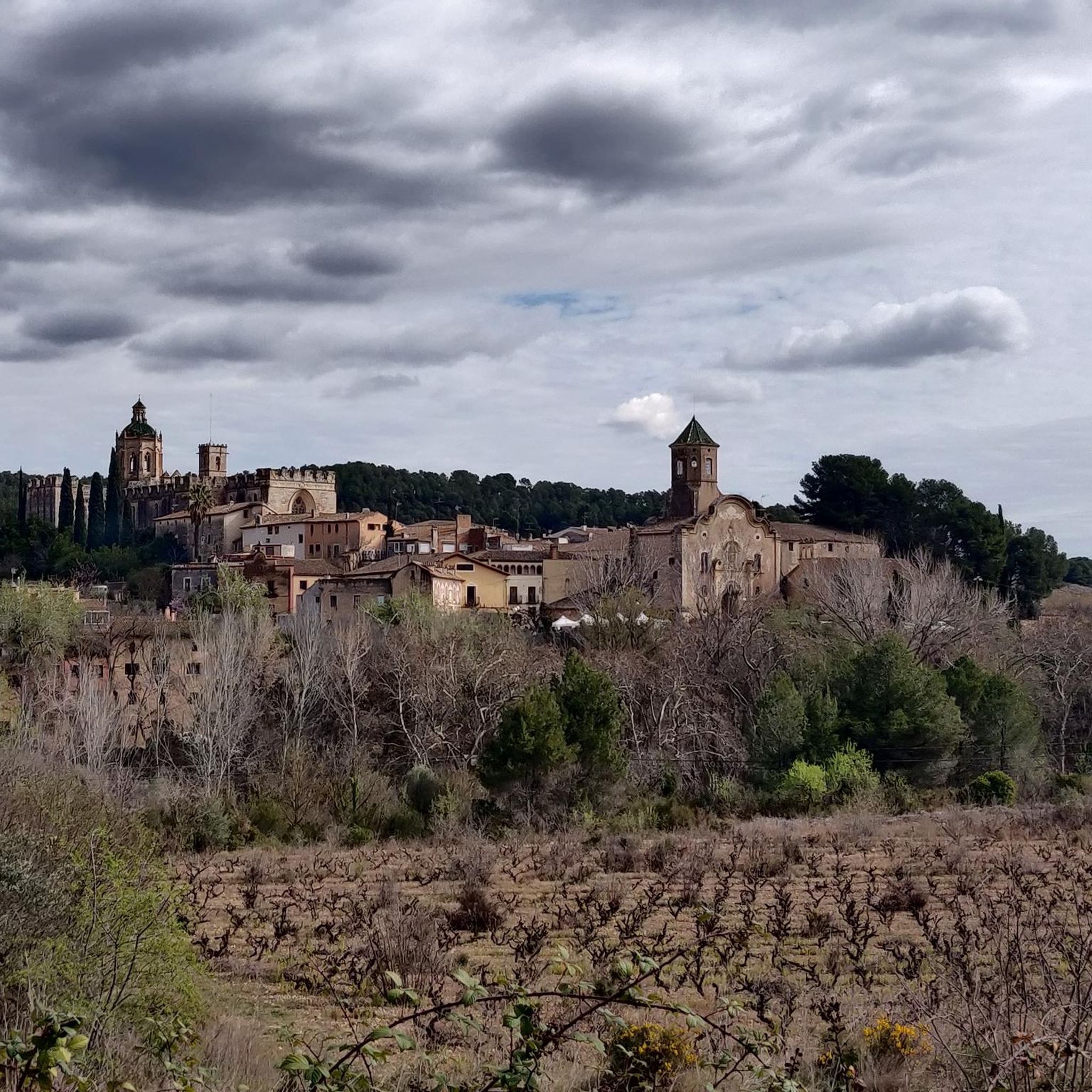
The Selva Castle was for centuries the stately residence of the prefects of Tarragona and the archbishops of the metropolis. It belonged to the Papordia of the archbishop of Tarragona, and was probably built at the end of the 12th century. It was a residence very frequented by the paborde, but it mainly served as a storehouse for nuts and tithes. In 1411 Pope Benedict XIII decreed the abolition of the pabordia and the Castle was administered directly by the Archbishop of Tarragona and in the s. In the 16th century, the building was expanded with residential buildings and an upper floor accessed by a staircase. The action of the Constituent Courts during the Biennium of 1822 ended, in fact, with the lordships. This work was complemented by the confiscation laws of the middle of the 19th century, and thus the Selva Castle would become the property or usufruct of the Town Council. Passing through various users after the ecclesiastical confiscation, the Castle, the town's largest heritage building had become a ruin that the Selvatans have lived with for decades. Finally, in a municipal economic boom, the City Council, entering the new millennium, decided to carry out an ambitious project such as that of restoring the monument and giving it a function of public use in accordance with its identity , a first-rate cultural facility.
0
0
The hermitage of Sant Pere has been redone on several occasions due to its poor state of preservation. The original hermitage dates from the middle of the 13th century, it was of Romanesque style and of larger dimensions. In addition, it was accompanied by an annexed house where the hermits and the donated lived, who were responsible for the maintenance of the cult and the lands attached to the hermitage. One of the most important reforms was that of 1588, under the supervision of Pere Blai (1553-1620) and which, according to some authors, would follow the Renaissance traces typical of the time. Finally, the last intervention took place throughout the 19th century and ended in the 1870s. The privileged position of the hermitage as a viewpoint of the Camp and first bastion of the mountains of the Sierra de la Mussara has been a determining factor for some military campaigns. During the French War (1808-1814), the Napoleons occupied the hermitage and adapted it to wartime needs. They had loopholes and parapets built there in order to defend themselves from attacks. However, the French were not the only ones to occupy the chapel militarily. During the First Carline War (1833-1840), clashes continued to occur between the supporters of Isabel II (1830-1904) and Charles V (1788-1855)
0
0
El Puig d'en Cama is a hill located in the Selva del Camp area, the entire summit is above Almoster, Baix Camp region, approximately north of Reus, Castellvell del Camp and Almoster, west of the Selva del Camp and east of Aleixar. It is part of the first stirrups of the Prades mountains. It is 717 meters high. At the top we can find a geodesic vertex (reference 263134001). This peak is included in the Challenge of 100 peaks of the Federation of Excursionist Organizations of Catalonia. Until recently there was a watchtower, now gone.
0
0

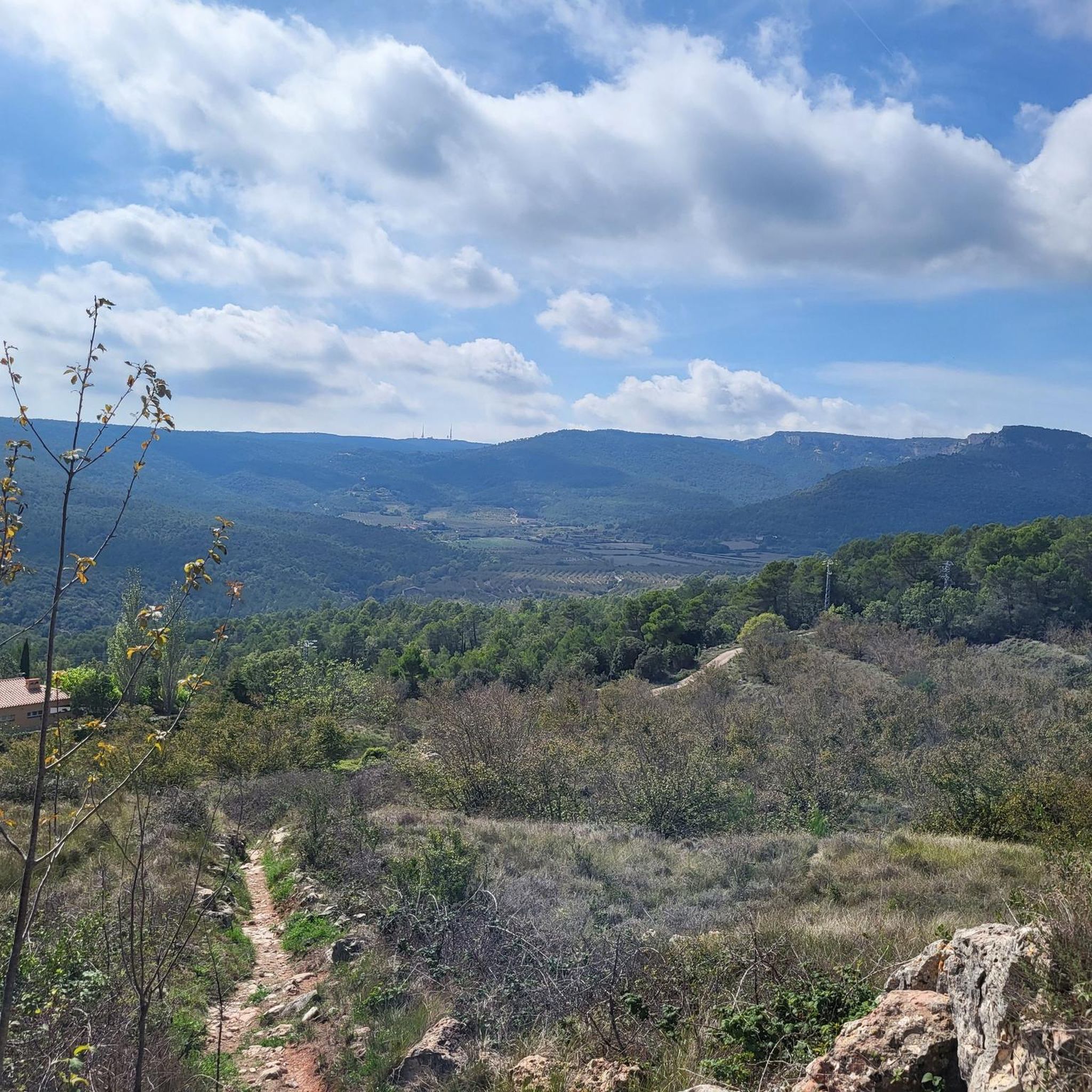
Nice views but I did it with my gravel bike and the road is not suitable for this type of bike, I had to walk 2 km with the bike on my back. Even in MTB trail or enduro it is complicated, so it is better to walk
0
1
Frequently Asked Questions
Where is El Milà located?
El Milà is a small municipality situated in the Alt Camp region of Tarragona, Catalonia, Spain. It is nestled on the right bank of the Francolí river, which forms its eastern boundary.
What kind of atmosphere can I expect in El Milà?
El Milà offers a tranquil and authentic rural Catalan village atmosphere. It's known for its peaceful environment, surrounded by extensive agricultural landscapes, making it ideal for those seeking to disconnect and enjoy quiet village life.
What historical landmarks can I visit within El Milà?
Within El Milà, you can visit the Church of Santa Úrsula, a neo-Gothic church built in 1914, and The Castle (El Castell), an ancient residential building with historical records dating back to the late 15th century.
Are there other significant historical sites near El Milà?
Yes, nearby you can explore the Castillo del Paborde, a 12th-century castle that was once the residence of the Paborde and later the Archbishop of Tarragona. Another notable site is the Els Ponts Aqueduct, an emblematic monument from the 13th century, and the Church of Sant Andreu, a significant example of Mannerist Renaissance architecture.
What natural features can I explore around El Milà?
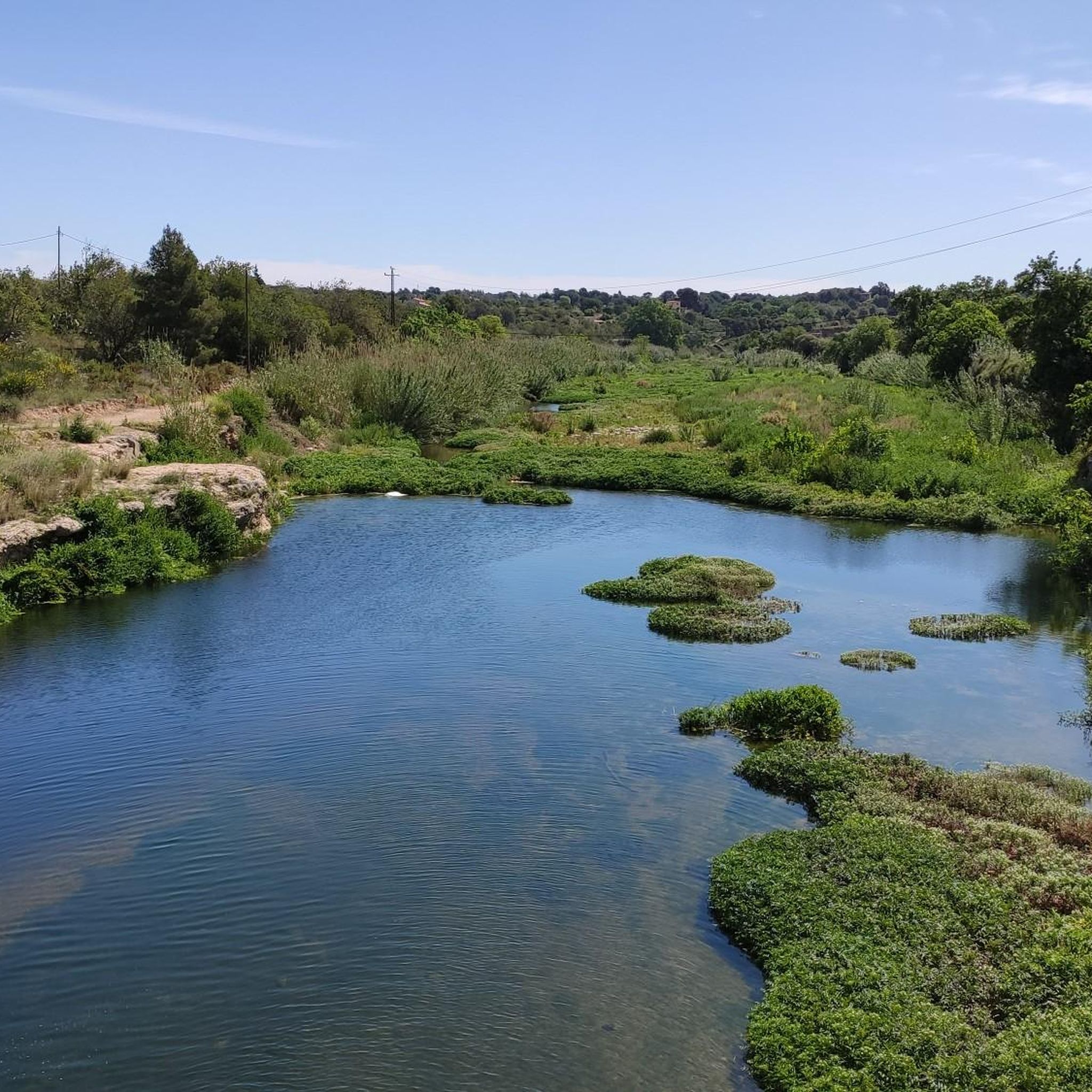
The area around El Milà is characterized by the Francolí river, which borders its eastern side, and extensive agricultural landscapes. You'll find fields primarily cultivating hazelnuts and olives, along with some vineyards and almond trees, offering serene natural settings for walks.
Are there good viewpoints for panoramic vistas near El Milà?
Absolutely. The Puig d'en Cama (717 m) offers spectacular 360-degree views from its summit. Additionally, the Hermitage of Sant Pere del Puig provides a privileged position as a viewpoint of the Camp de Tarragona.
What outdoor activities can I do near El Milà?
The agricultural lands surrounding El Milà are perfect for relaxing walks. For more structured outdoor activities, you can find various routes for hiking, mountain biking, and cycling. Explore options like the 'Mas del Forès Picnic Area – Font del Glorieta loop' for hiking, or the 'Torre de la Mixarda – Torre de la Mixarda loop' for MTB. You can find more details on these activities in the hiking guide, MTB trails guide, and cycling guide for the area.
Are there family-friendly attractions or activities in the area?
Yes, several attractions are suitable for families. The Hermitage of Sant Pere del Puig is considered family-friendly, offering historical significance and views. The Els Ponts Aqueduct is also a family-friendly historical site. Additionally, the easy walking routes through the cultivated fields provide a pleasant outdoor activity for all ages.
When is the best time to visit El Milà?
Given its rural and agricultural setting, El Milà is pleasant to visit during spring and autumn when the weather is mild, and the landscapes are vibrant. These seasons are ideal for walking and exploring the outdoor attractions without extreme heat or cold.
What do visitors enjoy most about the attractions around El Milà?
Visitors particularly appreciate the spectacular 360-degree views from Puig d'en Cama, noting that the climb is well worth it. The historical significance and privileged viewpoint of the Hermitage of Sant Pere del Puig are also highly valued. The overall tranquility and authentic rural charm of the region are frequently highlighted.
Can I find dog-friendly trails near El Milà?
While specific dog-friendly trails are not explicitly listed, the numerous walking routes through the surrounding cultivated fields and rural paths are generally suitable for walks with dogs, allowing you to experience the region's agricultural heritage together.
Most popular routes around El Milà
Most popular attractions around El Milà

Get inspired with the komoot mobile app


Explore more
Still not found the Highlight you’re looking for? See guides of the top attractions in other regions:
