Attractions and Places To See around Minas De Riotinto - Top 20
Best attractions and places to see around Minas De Riotinto showcase a region deeply rooted in its rich mining history. The area features a unique blend of industrial heritage and striking natural landscapes, notably the Río Tinto with its distinct reddish waters. This landscape, often described as Martian, is a result of thousands of years of mining activity and unique geological features. Visitors can explore historical mining operations and natural phenomena that define this distinctive part of Huelva.
Best attractions and places to see around Minas De Riotinto
- The most popular attractions is Touristic Railway for Rio Tinto Mines, a man-made monument that takes visitors on a 22-kilometer round trip along a restored section of the old mining railway line. Train tours using a steam locomotive are offered during colder months, providing unique views of the transformed landscape.
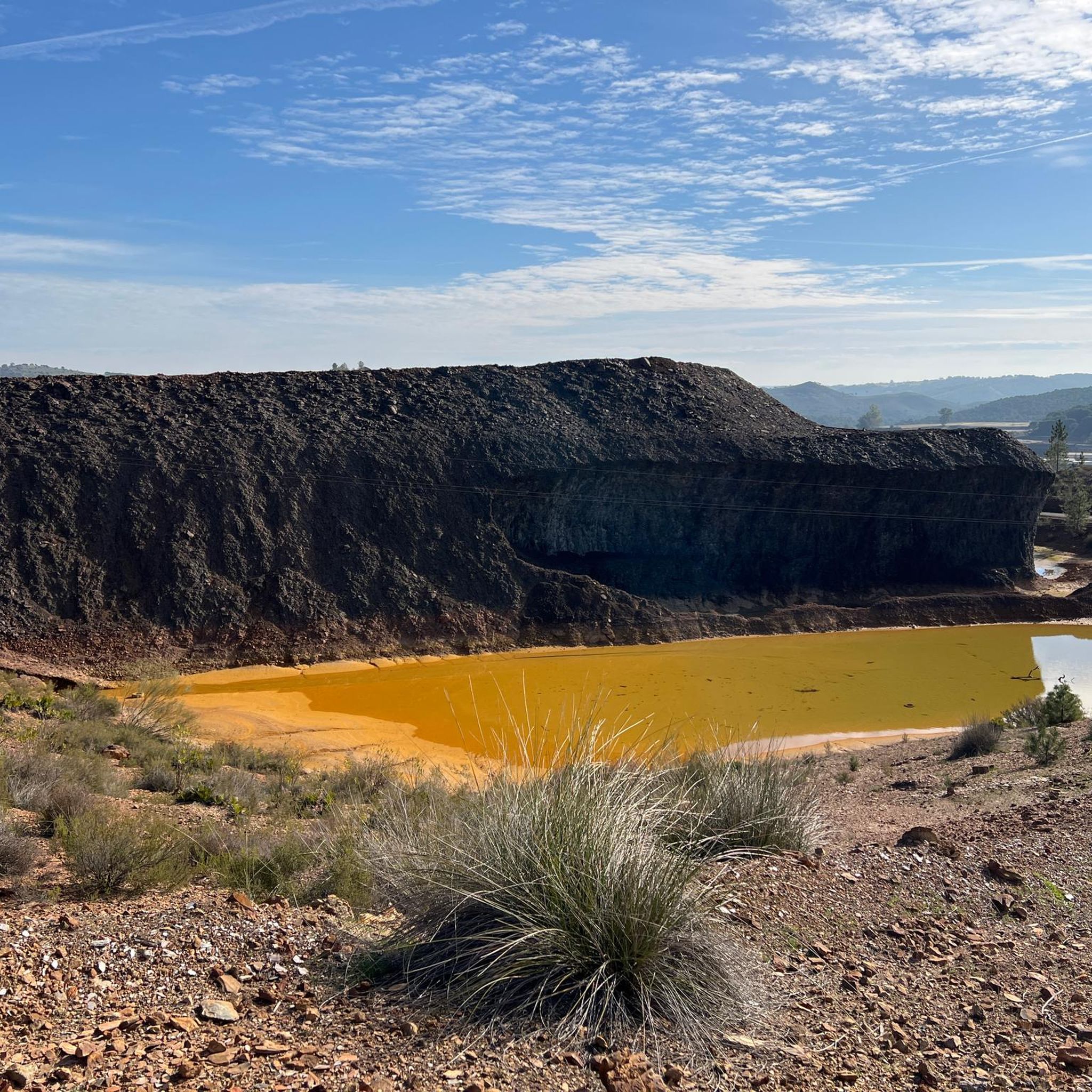
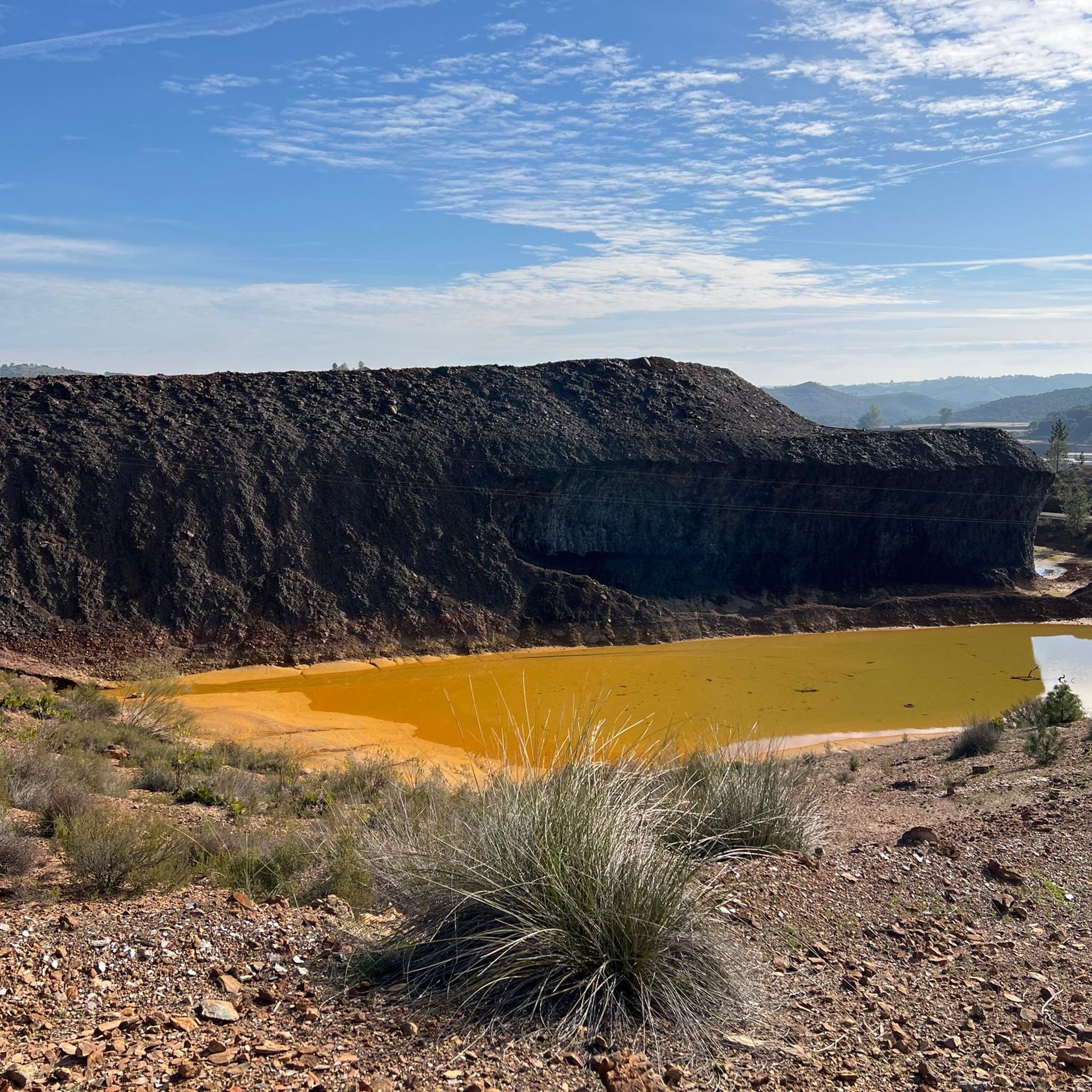
- Another must-see spot is Source of the Río Tinto, a river that marks the origin of the Río Tinto, running for about 100 km through Huelva. Its waters are famously colored reddish due to a high concentration of minerals and heavy metal sulfides.
- Visitors also love Corta Atalaya Mine, an other man-made site once considered the largest open-pit mine in Europe. This immense terraced mine is a striking landmark with a depth of 350 meters and extending 1,200 by 900 meters.
- Minas De Riotinto is known for its mining history, industrial heritage, and unique natural landscapes. The region offers a variety of historical sites, natural monuments, and viewpoints to see and explore.
- The attractions around Minas De Riotinto are appreciated by the komoot community, with 7 highlights featuring 5 photos and receiving 14 upvotes.
Last updated: July 12, 2026
Source of the Río Tinto
Highlight • River
Showing Translation
Tip by

Peña del Hierro
Highlight • Natural Monument
Showing Translation
Tip by
Sign up now to discover places like this
Get recommendations on the best single tracks, peaks, & plenty of other exciting outdoor places.
Sign up for free
Corta Atalaya Mine
Highlight • Structure
parquemineroderiotinto.es
Translated by Google •
Tip by
Touristic Railway for Rio Tinto Mines
Highlight • Monument
Translated by Google •
Tip by

Riotinto Mining Museum
Highlight • Historical Site
Translated by Google •
Tip by
Sign up for free to discover even more attractions around Minas De Riotinto.
Sign up for free
Already have an account?
Start today with a free account
Your next adventure awaits.
Login or Signup
Tips from the Community

The Peña del Hierro Viewpoint, located in Nerva (Huelva), is part of the Riotinto Mining Park and offers one of the most impressive views of the source of the Tinto River, as well as the mining crater of the old pyrite mine.
1
0
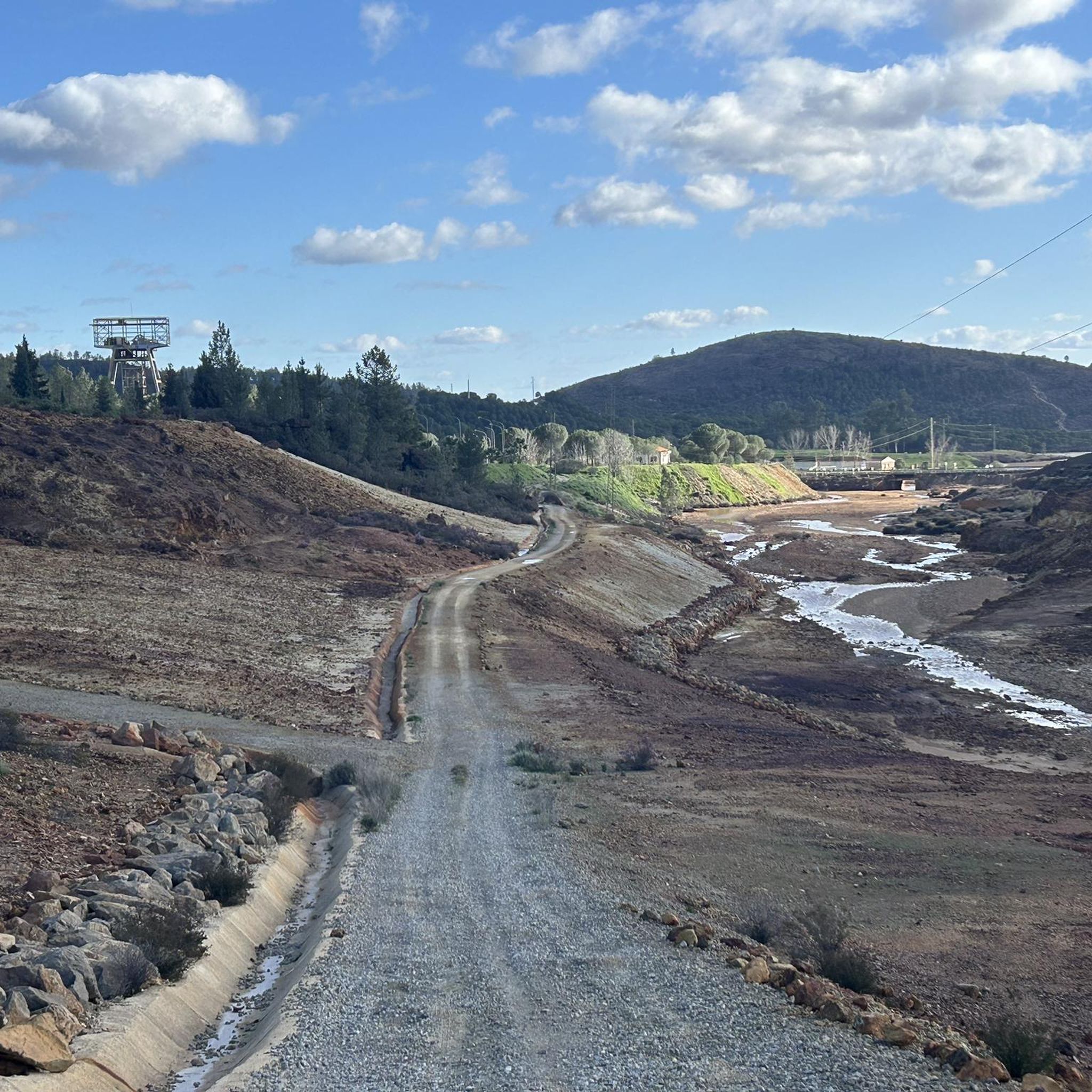
The source of the Tinto River is located in the municipality of Nerva, in the province of Huelva, Andalusia, and is one of the most unique landscapes in Europe due to its reddish color and its scientific and geological value.
1
0

To get to the viewpoint, paid access is required. The hiking trail ends here at a fence. Nevertheless, a somewhat limited view of the opencast mine is possible
2
0
A circular route of approx. 3 kilometers leads around the Montera de Gossan natural monument. Don't miss it because of the beautiful views.
0
0

Impressive images from the river.
2
0

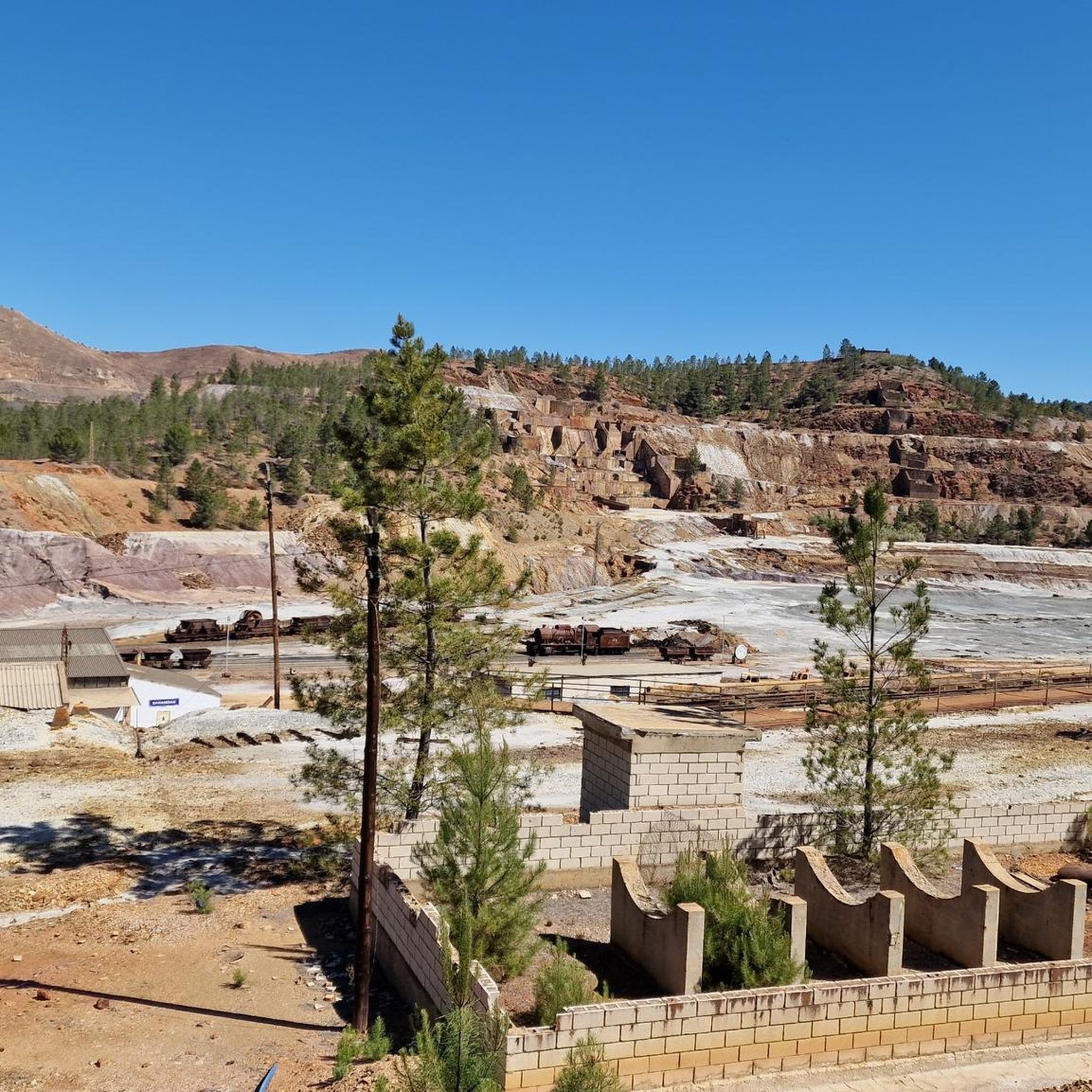
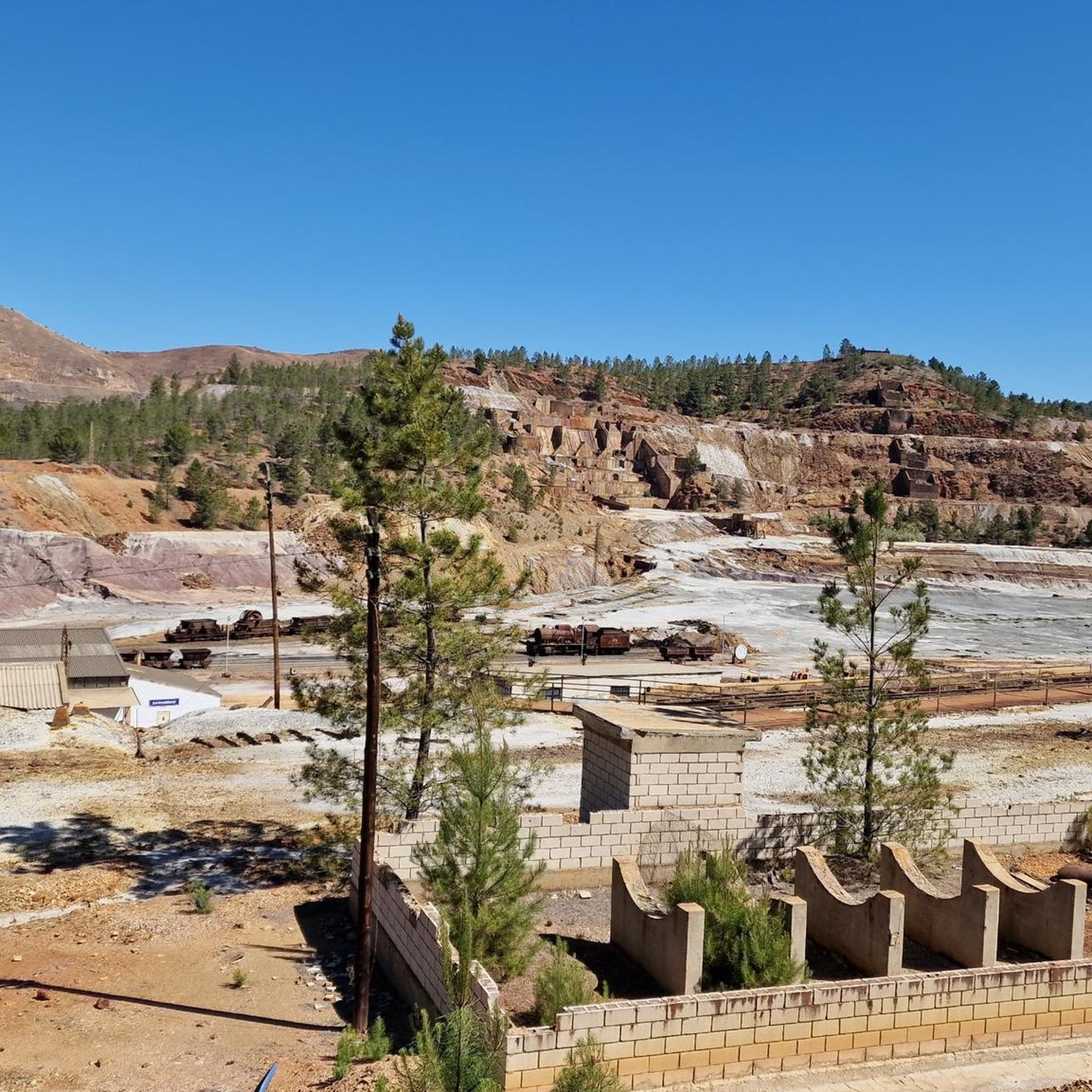
The station belongs to the Rio Tinto railway and throughout its history it was used as a siding for the crossing of the mining trains that circulated between Rio Tinto and Huelva, with the aim of regulating traffic in this area. It is currently used as a stop for the tourist train that runs along the Talleres Mina-Los Frailes section.
1
0

One of the most visited elements of the Riotinto Mining Park. Along the way you can see the transformation of the landscape for mining, an activity that goes back centuries. You can also see the abandoned mining villages and at the end of the tour there is a stop next to the Tinto river, in a spectacular landscape. Train tours using a steam locomotive are offered during the colder months.
1
1
Corta Atalaya was the largest open pit (mainly copper) mine in Europe and at one time the largest in the world. It has a roughly elliptical shape, 1,200 meters long, 900 meters wide and 350 meters deep.
1
0
Frequently Asked Questions
What historical sites can I explore in Minas De Riotinto?
Minas De Riotinto is rich in mining history. You can explore the Parque Minero de Riotinto, which includes the Museo Minero de Riotinto, the historic Barrio de Bellavista with its Victorian-style Casa 21, and the impressive Corta Atalaya Mine, once the largest open-pit mine in Europe.
What natural phenomena can I witness in the Minas De Riotinto area?
The most striking natural phenomenon is the Río Tinto, known for its reddish waters due to high mineral and heavy metal sulfide concentrations. The entire mining basin presents a unique 'Martian landscape' with vibrant mineral colors and gigantic craters, attracting scientific study.
Are there family-friendly activities available in Minas De Riotinto?
Yes, several attractions are suitable for families. The Touristic Railway for Rio Tinto Mines offers a scenic 22-kilometer round trip along the old mining railway. The Corta Atalaya Mine is also considered family-friendly, offering an impressive view of the vast open-pit mine.
What is the best way to experience the unique landscape of the Río Tinto?
The best way to experience the unique landscape, including the Río Tinto, is by taking the Touristic Railway for Rio Tinto Mines. The train journey often runs parallel to the river, offering prime views of its distinctive reddish waters and the transformed mining landscape. During colder months, you might even ride a working steam locomotive.
Can I visit a mining museum in Minas De Riotinto?
Yes, the Museo Minero de Riotinto (Ernest Lluch Mining Museum) is a key part of the Parque Minero. It's the first museum in Spain dedicated to mining and metallurgy, showcasing artifacts, industrial archaeology, and a reproduction of a Roman mine.
What outdoor activities, like hiking or cycling, are available near the attractions?
The area around Minas De Riotinto offers various outdoor activities. For hiking, you can find routes like the 'Río Tinto Mining Train Trail' or 'Peña del Hierro — circular by the source of the Río Tinto'. Cyclists can explore routes such as 'Minas y Nacimiento del Río Tinto — circular desde Nerva'. You can find more details on these and other routes in the hiking and cycling guides for Minas De Riotinto.
What is the significance of the Corta Atalaya Mine?
The Corta Atalaya Mine is historically significant as it was once considered the largest open-pit mine in Europe and, for decades, the largest in the world. Its immense terraced structure, 350 meters deep and 1,200 by 900 meters wide, stands as a striking testament to the intensive mining activities, particularly under British management.
Is there a specific neighborhood that showcases the British influence in the region?
Yes, the Barrio de Bellavista is a well-preserved historic neighborhood built for the British management of the Rio Tinto Company Limited in the late 19th century. It features colonial architecture, including Casa 21, a restored Victorian house, and structures like the Presbyterian Chapel and English Club, offering a glimpse into the British community's distinct lifestyle.
What makes the Peña de Hierro Mine a notable attraction?
The Peña de Hierro Mine is notable for its historical significance and unique natural features. It is not only an important disused mine but also offers a unique perspective on the source of the Río Tinto. Visitors can explore an old tunnel over 200 meters long and appreciate the 'rainbow' of colors in the opencast mine from a dedicated viewing point.
How long should I plan for a visit to the mining park and its attractions?
To fully experience the Parque Minero de Riotinto, including the Museo Minero, the Touristic Railway, and key sites like Corta Atalaya and Peña de Hierro, it is recommended to allocate a full day. This allows ample time for exploration and enjoying the train ride.
Are there any easy walking routes around Minas De Riotinto?
Yes, there are easy walking routes available. For instance, the 'Mina Corta Atalaya – circular through the Riotinto Mining Park' is an easy 4.1 km route. Another easy option is 'Peña del Hierro — circular by the source of the Río Tinto', which is about 5 km. You can find more details on these and other routes in the hiking guide for Minas De Riotinto.
What do visitors enjoy most about the attractions in Minas De Riotinto?
Visitors are particularly impressed by the unique, almost otherworldly landscape, often described as being 'from another planet' due to the vibrant mineral colors and vast mining craters. The historical insight provided by the mining museum and the scenic journey on the Touristic Railway are also highly appreciated, offering a deep dive into the region's industrial heritage and natural beauty.
Most popular routes around Minas De Riotinto
Most popular attractions around Minas De Riotinto

Get inspired with the komoot mobile app


Explore more
Still not found the Highlight you’re looking for? See guides of the top attractions in other regions:
