Attractions and Places To See around Sariego - Top 20
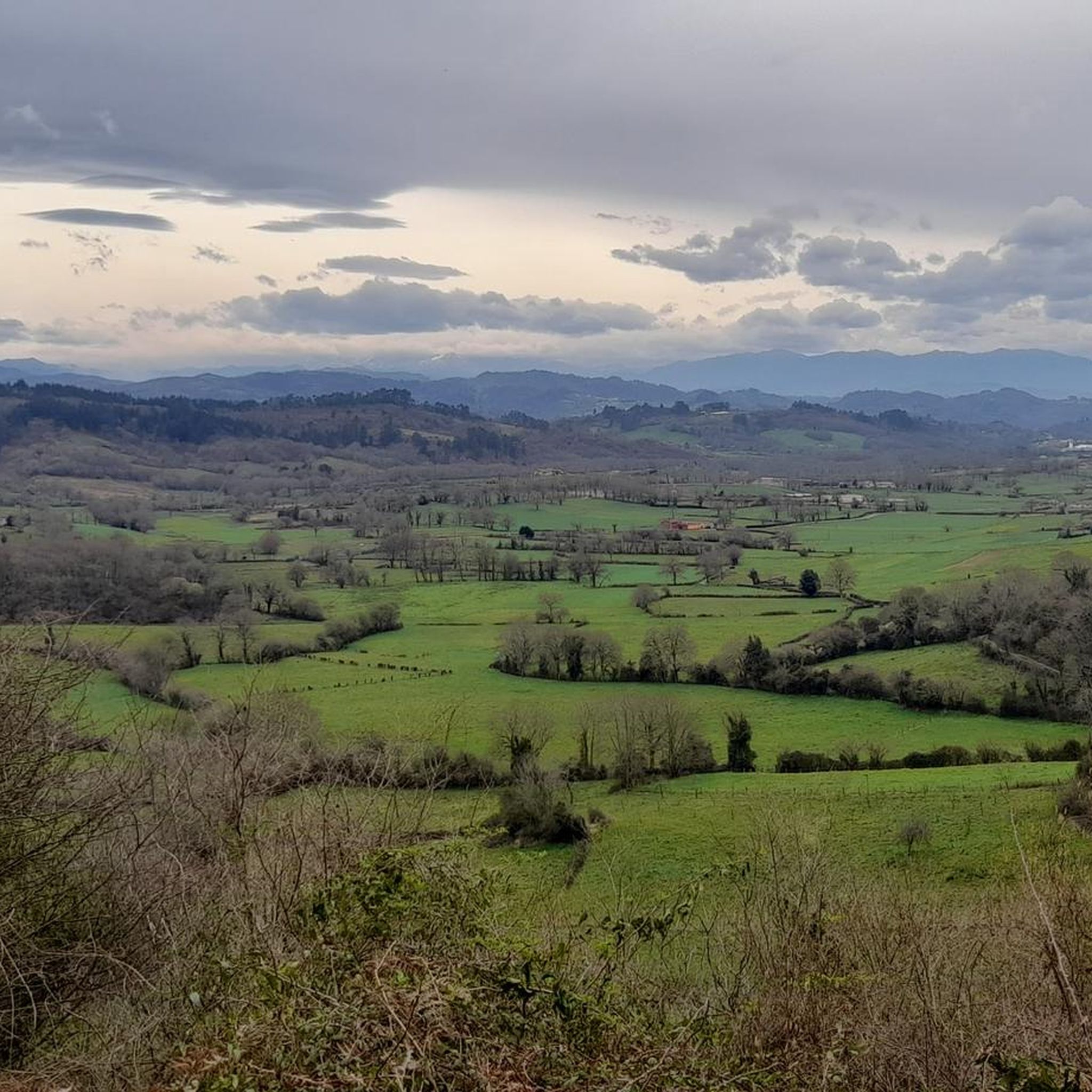
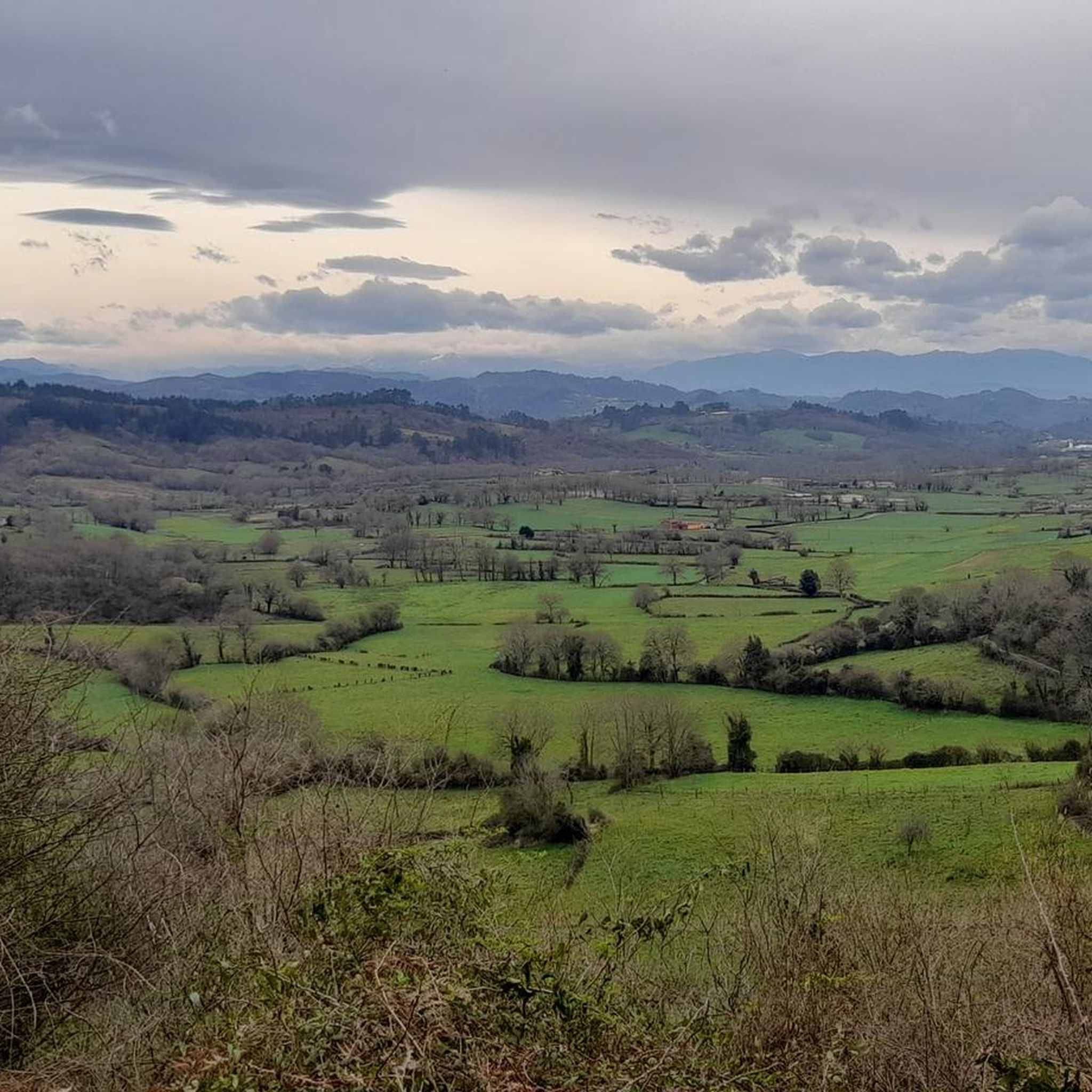
Best attractions and places to see around Sariego, a municipality in Asturias, Spain, offers a combination of historical sites, natural landscapes, and cultural experiences. The area features ancient religious buildings, traditional Asturian architecture, and scenic hiking trails. Sariego is characterized by its green valleys, gentle mountains, and its location along the Camino de Santiago.
Best attractions and places to see around Sariego
- The most popular attractions is Monastery of Santa María de Valdediós, a religious building with medieval origins. This Cistercian abbey was founded in 1200 and stands next to the pre-Romanesque church of San Salvador de Valdediós.
- Another must-see spot is Covered Square of Pola de Siero, a significant man-made monument and a central point in La Pola Siero. This square is a hub for social and commercial life, surrounded by historical buildings.
- Visitors also love Town Hall Square, a settlement known for its distinctive ovoid shape prior to its last reform. The building was inaugurated in 1906 and serves as a setting for local festivities.
- Sariego is known for its Romanesque churches, traditional architecture like *hórreos*, and various hiking routes. Visitors can explore historical landmarks, cultural traditions, and natural features such as the Nora River.
- The attractions around Sariego are appreciated by the komoot community, with 6 highlights, over 30 photos, and more than 90 upvotes.
Last updated: May 9, 2026
Town Hall Square
Highlight • Monument
Translated by Google •
Tip by

Monastery of Santa María de Valdediós
Highlight • Religious Site
It will be inhabited by 15 nuns until July 1, 2020. I was lucky enough to go on a special tour with representatives of an Asturian party.
The monastery was founded in 1200 by Alfonso IX. built by León next to the pre-Romanesque church of San Salvador de Valdediós, a high point of Asturian architecture, which King Alfonso III. of Asturias built in 893 as its retirement home. The monastery joined the Castilian Cistercian Congregation in 1515 after its heyday and decline during the coming years. During the War of Independence, the monastery had to be abandoned from 1808 to 1812. It was dissolved under the government of Juan Álvarez Mendizábal in 1835, but some monks, the last of whom died in 1862, remained in the monastery. From 1862 to 1951 the buildings of the diocese of Oviedo served as a seminar and college. In 1992 it was again occupied by Cistercian monks who left it again in 2008. Today the monastery is entrusted to the community by St. John.
The cruciform, rib-vaulted church, which started in 1218, was built in the 13th century with a porch, semicircular apses, a main aisle and two aisles. Some of the furnishings come from the 18th century, including the baroque organ. The sacristy with a mesh vault was built in the 16th century. The medieval cloister was replaced after a flood in the 16th century by a two-story Renaissance cloister, which was given a third floor in the 18th century.
Source: current discussions on site and Wikipedia
Translated by Google •
Tip by

Sign up now to discover places like this
Get recommendations on the best single tracks, peaks, & plenty of other exciting outdoor places.
Sign up for free
Villaviciosa
Highlight • Settlement
Economic activities, apart from fishing and tourism, include the production of sparkling cider and apple by-products, dairy foods, and chocolate. Pop. (2007 est.) mun., 14,520.
britannica.com/place/Villaviciosa
Tip by

Recuna Medieval Bridge
Highlight • Bridge
In addition to a recreation and rest area, the important value of medieval construction in beautiful rural surroundings lies at the entrance to the capital of the municipal council Pola de Siero. After it has lost its primitive usefulness, it visually satisfies the passage of pilgrims or hikers from a historical, architectural, economic, aesthetic and symbolic point of view and takes us back to the past with its important transfer of people and goods.
Source: ayto-siero.es/index.asp?MP=3&MS=289&MN=3&TR=C&IDR=1564
Translated by Google •
Tip by
Fuensanta Natural Mineral Spring
Highlight • Natural Monument
Translated by Google •
Tip by

Sign up for free to discover even more attractions around Sariego.
Sign up for free
Already have an account?
Start today with a free account
Your next adventure awaits.
Login or Signup
Tips from the Community

The Villaviciosa Town Hall building is a building steeped in history and remarkable features. Location: Town Hall Square, in the heart of Villaviciosa. Style: Eclectic architecture with elements reflecting different eras. History: The original building dates from the 17th century, although it has undergone several renovations and expansions over time, especially in the 19th and 20th centuries. Characteristics: It features a sober and elegant main façade, with balconies and ornamental elements characteristic of the period of its renovation. The Villaviciosa coat of arms stands out on its frontispiece. Functions: Houses the administrative and political offices of the Villaviciosa municipal government. Significance: It is a symbol of civil power and an important landmark for the residents of the municipality.
1
0

Lots of space, beautiful houses, benches to rest on the pilgrimage route.
1
0

The Town Hall is one of the places that attracts the most attention. The building was inaugurated in 1906 and is the work of the architect Antonio Suardíaz Valdés. The square is popularly known as "el Güevu" due to the ovoid shape it had until the last reform. The square is the setting for most of the festivities that are held in the town.
1
0
This medieval bridge is located on the route of the old 'Camino de Francia' which also gave access to the malatería de Marcenado from La Pola. The malateria was an important hospital institution that, in addition to lepers, was able to care for other patients and walkers.
1
0
The medieval bridge of Recuna is one of the medieval jewels of the Siero council. It gave access to the malataria, an important hospital institution that, in addition to lepers, was able to care for other patients and walkers. In addition, it is located on the route of one of the six main royal roads: the Camino Real from Villaviciosa to Pola de Siero within the Camino de Santiago.
2
0
Fuensanta began as a spring of water and baths whose use dates back to the Romans, but the first written testimonies are from medieval times. The site has a lot of history, such as the discovery of the Nuevo Manantial in 1868, the installation of electricity in the spa in 1893, the start of the sale of bottled water in Asturian pharmacies in 1913, the launch of food formats in 1983 and the beginning of its international expansion to the United States and Puerto Rico in 1985. In 1968 it began to sell in hospitality and food, already having the fastest water packaging line in Spain. Near the spring there is a route (''Foces del río Banner'') of approximately 10 km. The path is circular: it begins and ends in Fuensanta and passes through Collau de la Canal and Mayao Pastor.
2
0

Villaviciosa, port town, Asturias provincia (province) and comunidad autónoma (autonomous community), northwestern Spain, in the Costa Verde resort area. The town is a fishing port northeast of Oviedo city, where the Villaviciosa Inlet enters the Bay of Biscay. Used by the ancient Romans as a landing place, it was first called Tierra de Maliayo or Maleayo (“Corrupt Land”), which evolved to Villaviciosa (“Town of Vices”). Alfonso X gave it a charter in 1308. Charles I of Spain (Holy Roman Emperor Charles V) landed in 1517 at nearby Tazones when he arrived from Flanders to take possession of Castile; the Casa de Hevia, where he stayed, is still preserved. The area is famous for its ecclesiastical architecture, notably the Church of Santa María de Villaviciosa (13th century) and the convent of Valdediós (8th century). Economic activities, apart from fishing and tourism, include the production of sparkling cider and apple by-products, dairy foods, and chocolate. Pop. (2007 est.) mun., 14,520. https://www.britannica.com/place/Villaviciosa
2
0

Very nice smaller place with many small restaurants and shops, good Astorian cuisine - less tourist flow - good to stay a few days...
1
0
Frequently Asked Questions
What historical sites can I explore in and around Sariego?
Sariego is rich in history, featuring several Romanesque churches such as the Church of Santa María de Narzana, the Church of San Román, and the Church of Santiago el Mayor. You can also visit the 16th-century Palacio de los Vigil Quiñones and Palacio de Moral. Nearby, the Monastery of Santa María de Valdediós, a Cistercian abbey with medieval origins, is a significant historical and religious site.
Are there any notable natural attractions in Sariego?
Yes, Sariego offers beautiful natural features. The Nora River, an important tributary of the Nalón, originates in Valvidares within Sariego. Another unique natural point of interest is the Fuente del Pozu Salau, a spring known for its salty water. The region also boasts green valleys, gentle mountains, and fertile oak groves, providing a scenic backdrop for exploration.
What kind of hiking opportunities are available near Sariego?
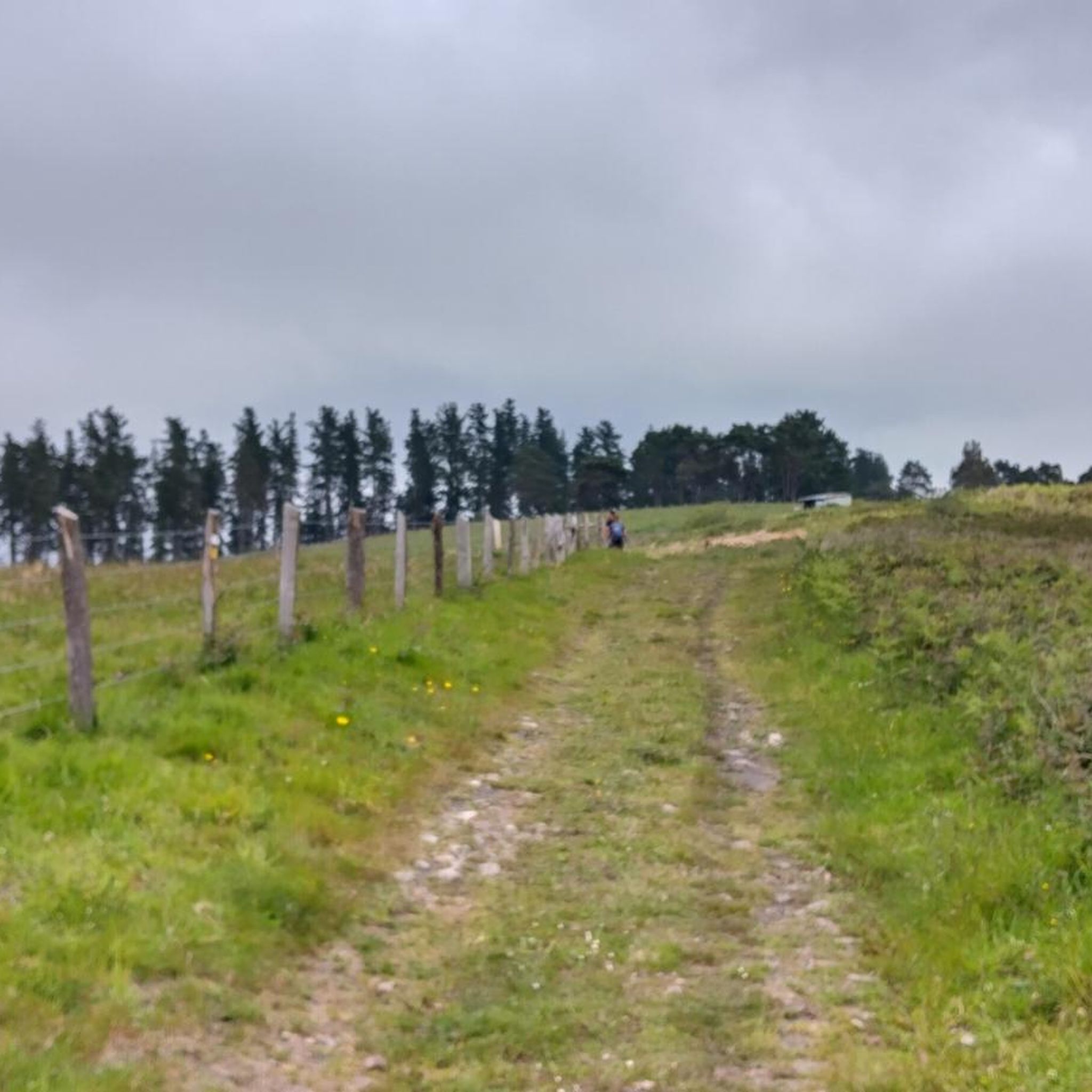
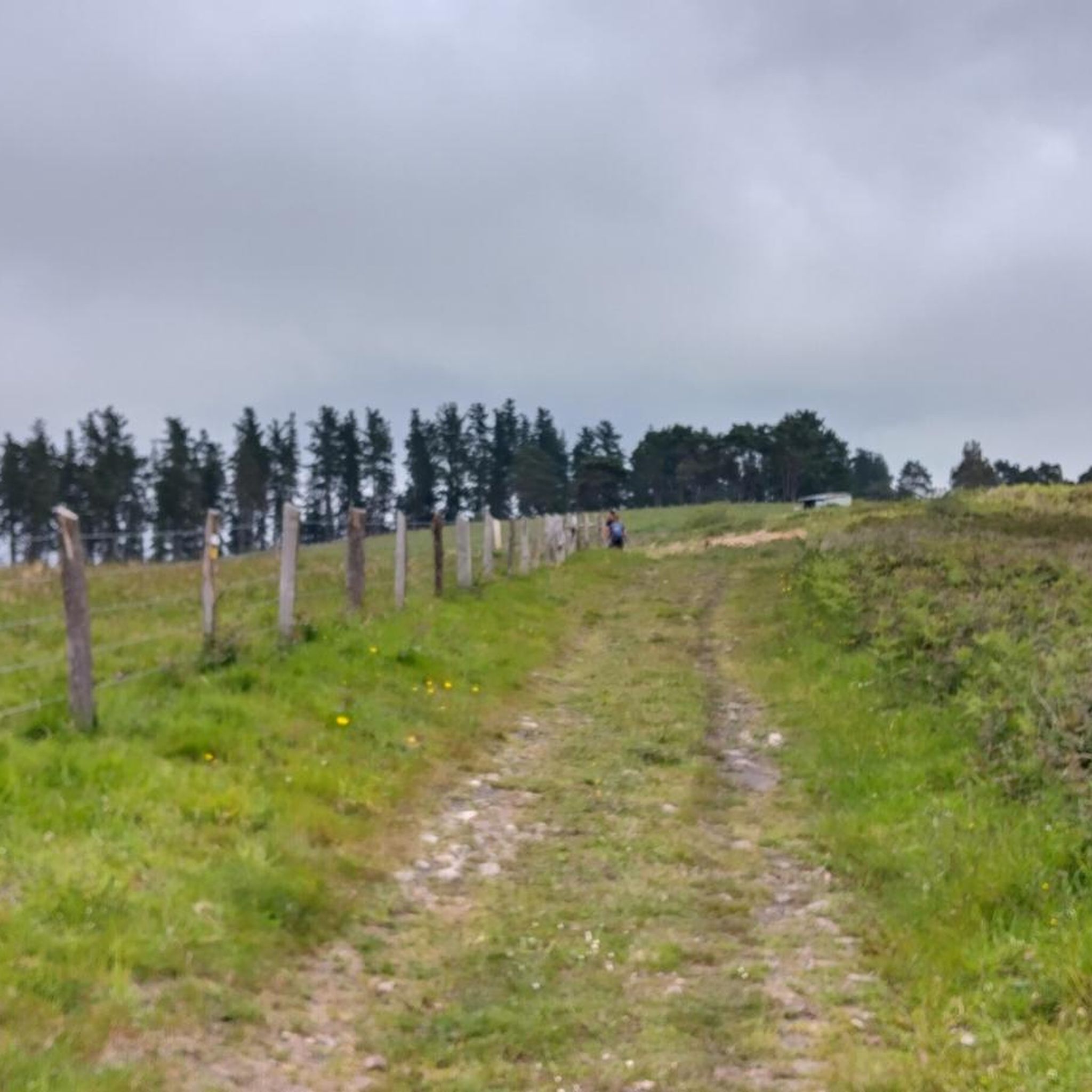
Sariego is an excellent destination for hikers. One notable trail is the "Ruta de las cercanías del cielo" (Route of the Vicinity of Heaven), which offers impressive views of the Sariego valley and the Peña Mayor and Sueve mountain ranges. You can find more hiking options and detailed routes in the Hiking around Sariego guide.
Are there family-friendly attractions in the Sariego area?
While specific family-focused attractions are not detailed, many of Sariego's natural and cultural sites can be enjoyed by families. The Town Hall Square is noted as family-friendly, offering open space. Exploring the traditional architecture like *hórreos* or walking easy sections of the hiking trails can also be enjoyable family activities.
Can I find traditional Asturian architecture in Sariego?
Absolutely. Sariego preserves excellent examples of traditional Asturian architecture. You can see *hórreos* (traditional granaries), *paneras*, traditional dwellings, mills, and cider presses (*llagares*) throughout the municipality, offering a glimpse into the region's heritage.
What cultural traditions are important in Sariego?
Sariego is known for its strong cultural traditions. These include the "esfoyazas" and the "mayado de sidra casera" (homemade cider pressing). The "San Pedrín" festival, held in August at the Chapel and Cave of San Pedrín, is particularly significant and has been declared of tourist interest.
Is Sariego located on the Camino de Santiago?
Yes, Sariego lies along the mythical Camino de Santiago. Thousands of pilgrims pass through the municipality, enjoying the local hospitality and the beautiful landscapes as they make their way along this historic route.
What is the "Toponymy Route" in Sariego?
The Toponymy Route is a unique cultural trail in Sariego. It guides visitors through various towns and villages, featuring explanatory panels that delve into the origins and stories behind the place names, offering a deeper connection to the area's history and culture.
What are some popular cycling routes near Sariego?
For cyclists, there are several routes to explore. Options include the "Superb shady cycle path criss-crossing the little river – Río Nora Riverside Trail loop from Lieres" and the "La Ferrería Bridge – Villaviciosa loop from Lieres." More cycling routes can be found in the Cycling around Sariego guide.
What is the best time of year to visit Sariego for outdoor activities?
Sariego's landscape of green valleys and gentle mountains makes it pleasant for outdoor activities for much of the year. The "San Pedrín" festival in August suggests summer is a vibrant time. However, spring and early autumn often offer milder temperatures ideal for hiking and cycling, with lush scenery.
Can I observe wildlife in Sariego?
Yes, Sariego's extensive meadows and wooded areas, combined with clean air and skies free of light pollution, provide opportunities to observe native fauna. You might spot deer, wild boars, foxes, genets, and badgers in their natural habitat.
Are there any attractions accessible for wheelchairs?
The Town Hall Square and the Covered Square of Pola de Siero are both listed as wheelchair accessible, providing options for visitors with mobility needs.
Most popular routes around Sariego
Most popular attractions around Sariego

Get inspired with the komoot mobile app


Explore more
Still not found the Highlight you’re looking for? See guides of the top attractions in other regions:
