Attractions and Places To See around Cistella - Top 20
Best attractions and places to see around Cistella include a blend of historical sites, natural beauty, and local points of interest in the Alt Empordà comarca of Girona, Catalonia, Spain. The region features mountains, forests, and lakes, providing opportunities for outdoor activities. Cultural sites include religious architecture and historical landmarks, offering a varied natural space to explore.
Best attractions and places to see around Cistella
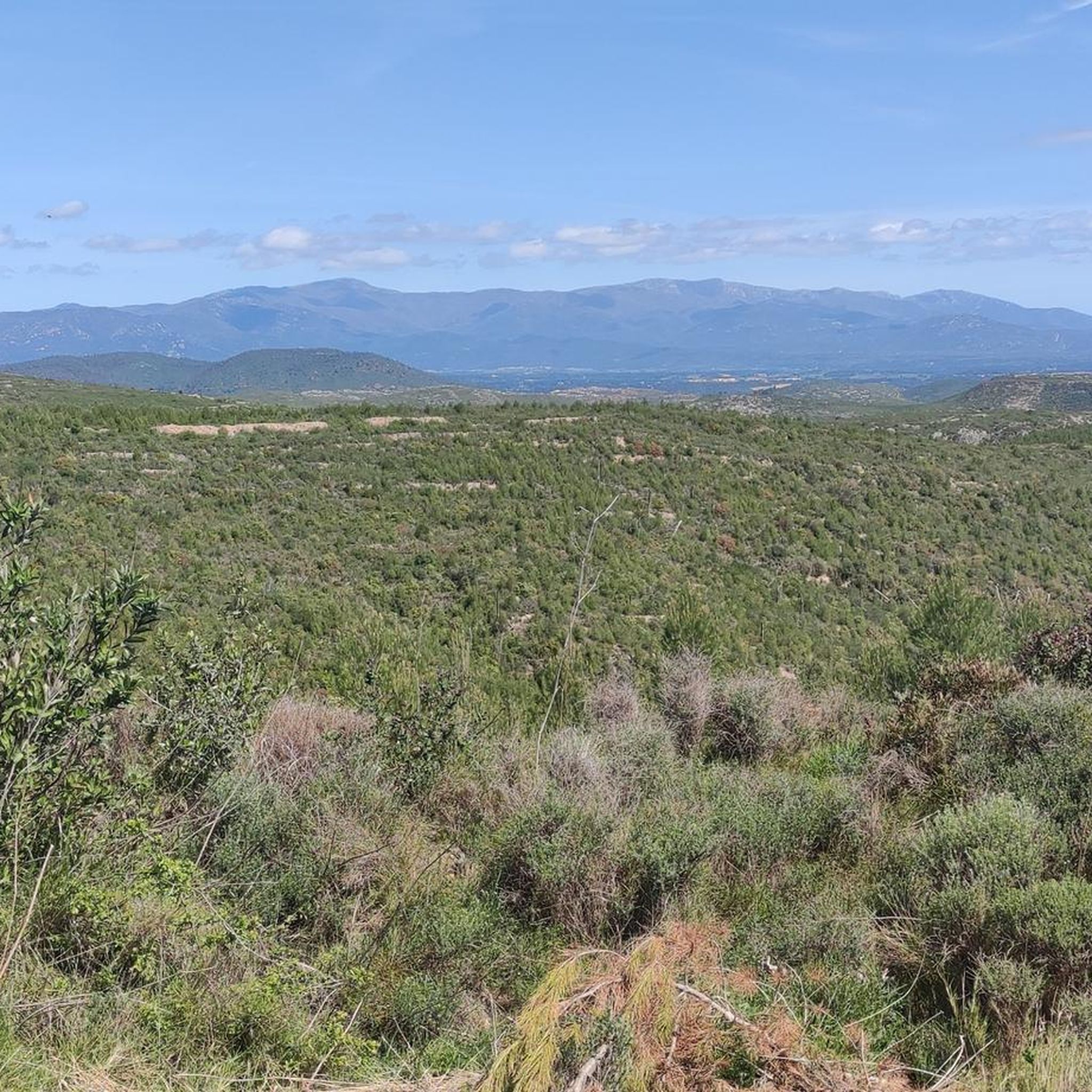
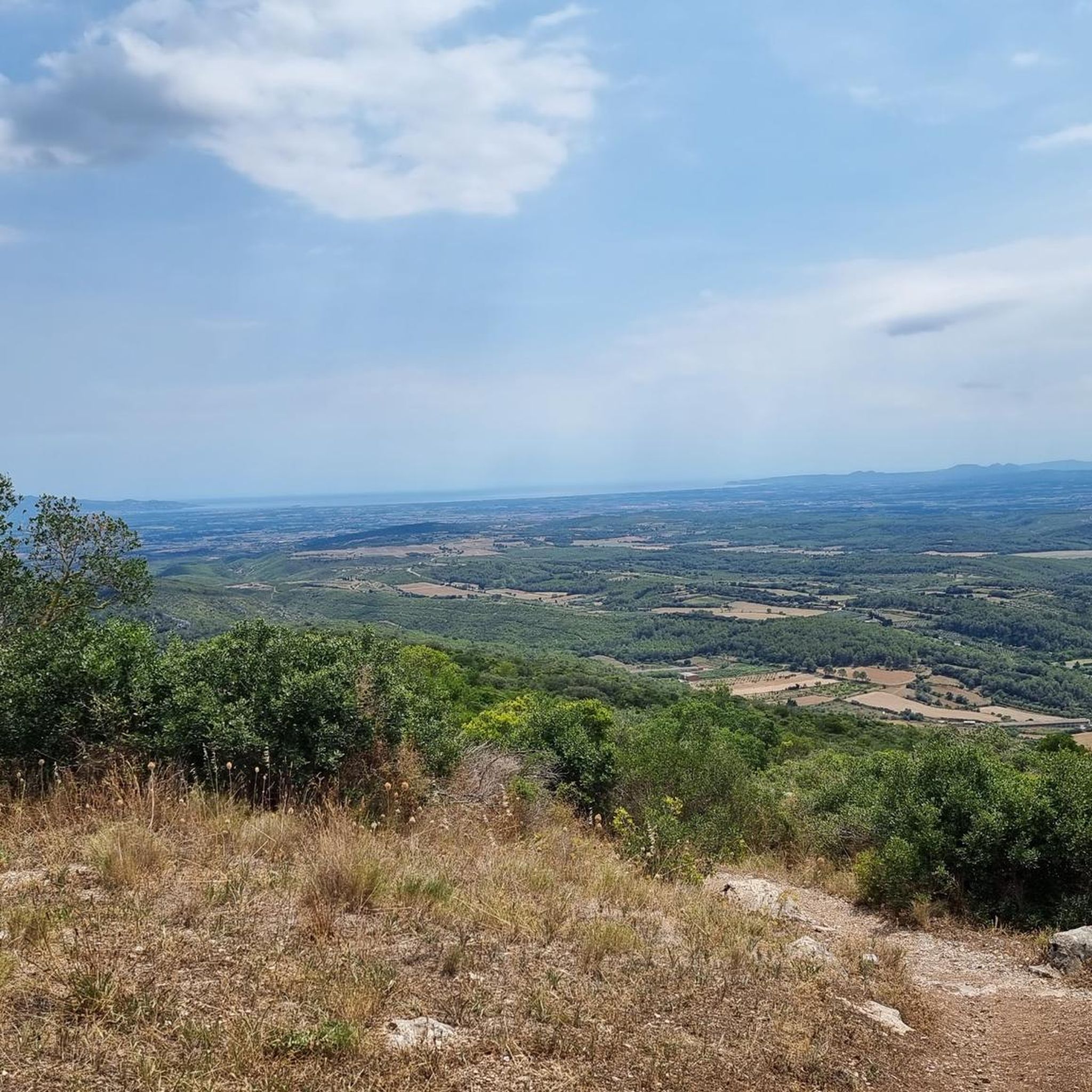
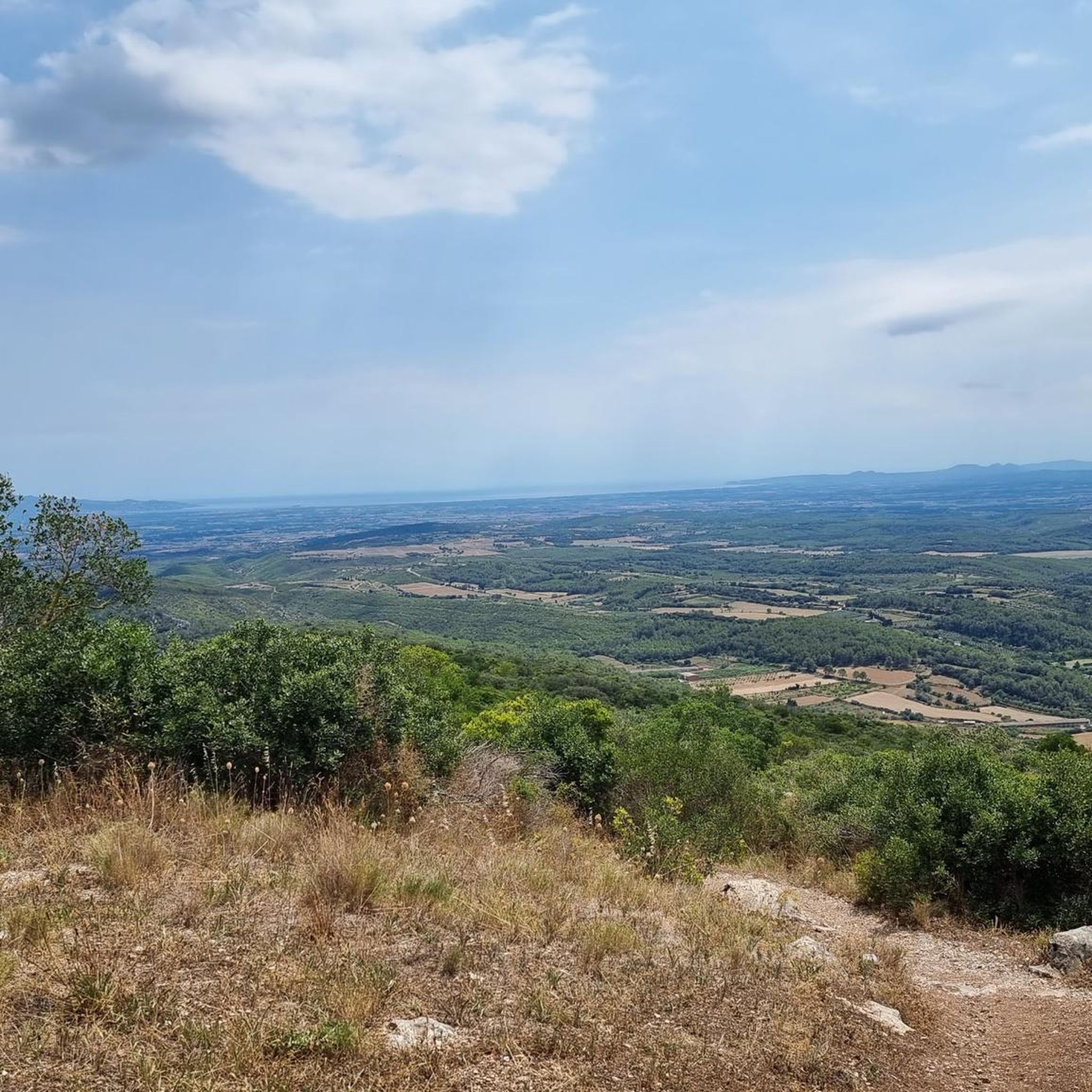
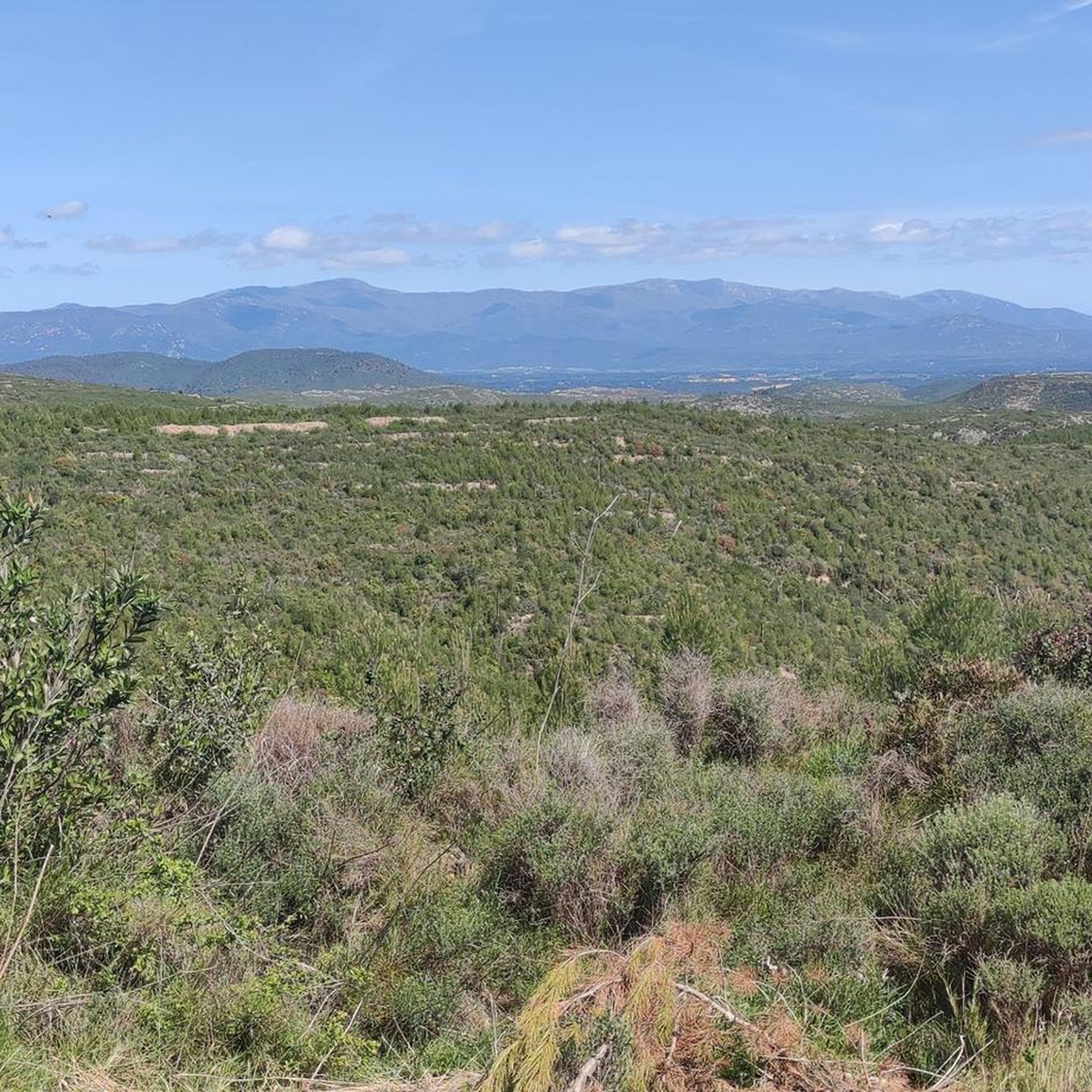
- The most popular attractions is Mare de Déu del Mont Summit, a summit that offers extensive views over the Garrotxa, the Pyrenees, and the Mediterranean Sea. It is also home to a shrine and a restaurant at the top.
- Another must-see spot is Church of Sant Llorenç de la Muga, a religious building located in the high Muga valley. This Romanesque-style temple, documented since 982, features an unusual structure due to numerous modifications over centuries.
- Visitors also love Old Bridge of Pont de Molins, a historical work over the Muga River. Part of its 16th to 18th-century three-arched structure is preserved, linking the new town with the old town of Molins.
- Cistella is known for historical sites, religious architecture, and natural landscapes. The area offers a variety of attractions to see and explore, from ancient bridges to mountain summits.
- The attractions around Cistella are appreciated by the komoot community, with 76 upvotes and 46 photos shared by visitors.
Last updated: July 6, 2026
Mare de Déu del Mont Summit
Highlight • Summit
It’s worth adding that, once you’ve enjoyed your fill of the scenery on offer from the top, the descent should be treated with great respect and care as the roads are narrow, steep, and twisty and there may be oncoming traffic.
Tip by

Dalí Theatre-Museum
Highlight • Monument
It is managed by the Gala-Salvador Dalí Foundation, thanks to which other works have been recovered, thus enriching the museum.
Translated by Google •
Tip by

Sign up now to discover places like this
Get recommendations on the best single tracks, peaks, & plenty of other exciting outdoor places.
Sign up for free
Old Bridge of Pont de Molins
Highlight • Bridge
Near the church there is a small group of houses from the 17th and 18th centuries. The parish church of San Sebastián was completed in 1789, a date that appears on the door lintel.
A few meters north of the canonical church of El Roble, is the sanctuary of the Virgen del Roble (17th century). We find the ruins of the monastery of Santa Maria del Roure 1 km north of Molins, at the top of a hill. It is worth highlighting the parish church of San Sebastián (18th century), and, near the Muga, in different places in the area, remains of old mills, the best preserved of those found to the left of the river, between Pont de Molins and Molins.
Molins Castle is located in front of the Molins neighborhood. Several elements remain, such as the tower, walls and the remains of its Romanesque chapel. It was part of the defensive system of Llers (the term to which it belonged) and was one of the eleven castles that surrounded this town. It is known for the Buac tower. In this half-destroyed castle there are remains from the 11th-12th centuries.
Translated by Google •
Tip by

Darnius-Boadella Reservoir
Highlight • Lake
Translated by Google •
Tip by

Church of Sant Llorenç de la Muga
Highlight • Religious Site
santllorencdelamuga.cat/ca/Sant Llorenç de la Muga is located in the high Muga valley, in an area also known as the mountain Empordà or the Garrotxa d'Empordà due to its mountainous terrain.
The urban center is located in a pronounced meander of the La Muga river, which crosses the municipal area in a route of eleven kilometers, where there is a great diversity of pools.
The medieval walled enclosure stands out for its good state of conservation, as well as most of the houses in the old town. In the center of Sant Lllorenç there are very pleasant corners that are part of the history of the town.
Sant Llorenç preserves the spirit of a quiet and welcoming rural town. The Sant Llorenç mountains, low in altitude and with a wide range of rural roads, trails and forest tracks, allow you to enjoy this natural space all year round, with changing landscapes depending on the season.
Scattered throughout this territory of mountains near the river, you can find small architectural treasures such as the hermitage of San Jorge, the oratory of Sant Ponç, the hermitage and the bridge of San Antonio near La Muga, the hermitage and the fountain of Palau, the Old Bridge or the Lion Fountain.
Translated by Google •
Tip by
Sign up for free to discover even more attractions around Cistella.
Sign up for free
Already have an account?
Start today with a free account
Your next adventure awaits.
Login or Signup

Tips from the Community

The Dalí Theatre-Museum in Figueres (Girona) is one of Salvador Dalí's most iconic works and a must-see for surrealism lovers. Opened in 1974, it was designed by Dalí himself on the remains of the former municipal theater in Figueres. It is considered the largest surrealist object in the world and houses the most extensive collection of the artist's works.
3
0

The museum is not always open on Mondays. Be sure to check beforehand 👀
1
0

Sant Llorenc de la muga is considered one of the most beautiful towns in Catalonia and is always worth a visit!
0
0

Fanatical medieval village Where you will lose track Of time ⏲️ This town and its surroundings are so beautiful that you will surely fall in love with it 😍
0
0

There is a large Dali Museum in Figueres.
1
0

Nice place inside the museum 🤩
2
0

https://www.youtube.com/shorts/x3xhty0PfKEPinturas Murales: Inside the church, you can find mural paintings dating from the 13th and 14th centuries. These paintings depict religious scenes and provide a unique insight into medieval iconography. Place of Pilgrimage: The church has been a place of pilgrimage for centuries, and its religious and cultural importance has endured over time. Visitors flock to the place to admire its historic architecture and art. Location in a Natural Environment: Sant Llorenç de la Muga is located in an impressive natural environment, surrounded by mountains and picturesque landscapes. The church integrates perfectly into this environment, which adds to its appeal. Festival: The town of Sant Llorenç de la Muga celebrates its festival on August 10 in honor of San Lorenzo, the patron saint of the church. During this festival, processions and cultural activities are held that attract visitors from the region.
0
0
A few years ago, the route of the road was moved about 200 m to the east and a new bridge was built. Part of the three-arched structure from the 16th century is preserved from the old bridge. XVIII. The old town of Molins, also called Molins de Dalt, is located 1 km west of Pont de Molins. Near the church there is a small group of houses from the 17th and 18th centuries. The parish church of San Sebastián was completed in 1789, a date that appears on the door lintel. A few meters north of the canonical church of El Roble, is the sanctuary of the Virgen del Roble (17th century). We find the ruins of the monastery of Santa Maria del Roure 1 km north of Molins, at the top of a hill. It is worth highlighting the parish church of San Sebastián (18th century), and, near the Muga, in different places in the area, remains of old mills, the best preserved of those found to the left of the river, between Pont de Molins and Molins. Molins Castle is located in front of the Molins neighborhood. Several elements remain, such as the tower, walls and the remains of its Romanesque chapel. It was part of the defensive system of Llers (the term to which it belonged) and was one of the eleven castles that surrounded this town. It is known for the Buac tower. In this half-destroyed castle there are remains from the 11th-12th centuries.
1
0
Frequently Asked Questions
What natural attractions can I explore around Cistella?
The region around Cistella is rich in natural beauty. You can visit the Darnius-Boadella Reservoir, a large lake on the Muga River offering scenic views and water-based activities. The area also features forests, mountains like the Sant Llorenç Mountains, and the completely preserved Empordà Marshes Natural Park, which is a significant nearby natural reserve.
Are there any historical or cultural sites to visit in the Cistella area?
Yes, Cistella and its surroundings offer several historical and cultural sites. Notable religious architectural sites include the Church of Santa Maria de Cistella and the Church of Sant Martí. You can also explore Church of Sant Llorenç de la Muga, a Romanesque-style temple with a long history, and the Old Bridge of Pont de Molins, a historical work over the Muga River.
What kind of outdoor activities are available near Cistella?
The region is ideal for outdoor enthusiasts. You can find numerous opportunities for hiking, road cycling, gravel biking, and mountain biking. For specific routes, explore the Road Cycling Routes around Cistella, Gravel biking around Cistella, and MTB Trails around Cistella guides.
Are there family-friendly attractions around Cistella?
Absolutely! Families can enjoy the Dalí Theatre-Museum in Figueres, which is a captivating experience for all ages. The Old Bridge of Pont de Molins and the Darnius-Boadella Reservoir also offer pleasant outings suitable for families.
Where can I find scenic viewpoints in the region?
For breathtaking panoramic views, head to the Mare de Déu del Mont Summit. From here, you can see extensive vistas over the Garrotxa, the Pyrenees, and even the Mediterranean Sea. The Darnius-Boadella Reservoir also provides beautiful scenic spots.
What are some popular hiking routes around Cistella?
The region offers diverse hiking opportunities. The Salines-Bassegoda Route is ideal for experiencing the natural landscapes. You can also find a wide network of rural roads, trails, and forest tracks in the Sant Llorenç Mountains. For more detailed routes, check the MTB Trails around Cistella guide, which includes routes suitable for walking.
What is the best time of year to visit Cistella for outdoor activities?
The Sant Llorenç Mountains, with their varied natural spaces, can be enjoyed throughout the year. However, spring and autumn generally offer the most pleasant weather for hiking and cycling, with milder temperatures and beautiful scenery. Summer can be warm, but water activities at the reservoir provide a refreshing option.
Are there any unique local experiences or cultural activities?
Beyond historical sites, the area offers opportunities for cultural and oenogastronomic experiences, including wine tasting from the D.O. Empordà appellation. For adventure seekers, the Aerodromo Ordis Sky School Flight Centre provides paragliding experiences.
What historical bridges can be found in the area?
The most prominent historical bridge is the Old Bridge of Pont de Molins, a significant historical work over the Muga River. Part of its 16th to 18th-century three-arched structure is preserved, linking the new town with the old town of Molins.
What do visitors particularly enjoy about the attractions near Cistella?
Visitors frequently praise the extensive views from the Mare de Déu del Mont Summit, often noting the rewarding climb and the presence of a restaurant at the top. The Dalí Theatre-Museum is highly regarded for its unique collection and immersive experience. The historical significance and picturesque setting of the Old Bridge of Pont de Molins are also much appreciated.
Are there any castles or ancient fortifications nearby?
Yes, the hamlet of Vilarig is home to Vilarig Castle, an ensemble of buildings that offers a glimpse into centuries past. Additionally, the Church of Sant Llorenç de la Muga is located within a medieval walled enclosure, and the area around Molins also has remains of Molins Castle.
Can I find places for wild swimming or water activities?
The Darnius-Boadella Reservoir is a popular spot for water activities like water skiing, canoeing, and sailing, serving as a freshwater beach alternative. The Muga River, which flows through the region, also features various pools and gorges, particularly around Sant Llorenç de la Muga, that invite visitors to swim.
Most popular routes around Cistella
Most popular attractions around Cistella

Get inspired with the komoot mobile app


Explore more
Still not found the Highlight you’re looking for? See guides of the top attractions in other regions:
