Attractions and Places To See around Valpalmas - Top 16
Best attractions and places to see around Valpalmas include a blend of natural geological formations and historical sites in the province of Zaragoza, Spain. The region is characterized by unique landscapes sculpted by erosion and features landmarks connected to significant historical figures and events. Visitors can explore natural wonders and cultural insights within this area. Valpalmas offers a range of attractions for those interested in both natural and historical exploration.
Best attractions and places to see around Valpalmas
- The most…
Last updated: July 2, 2026
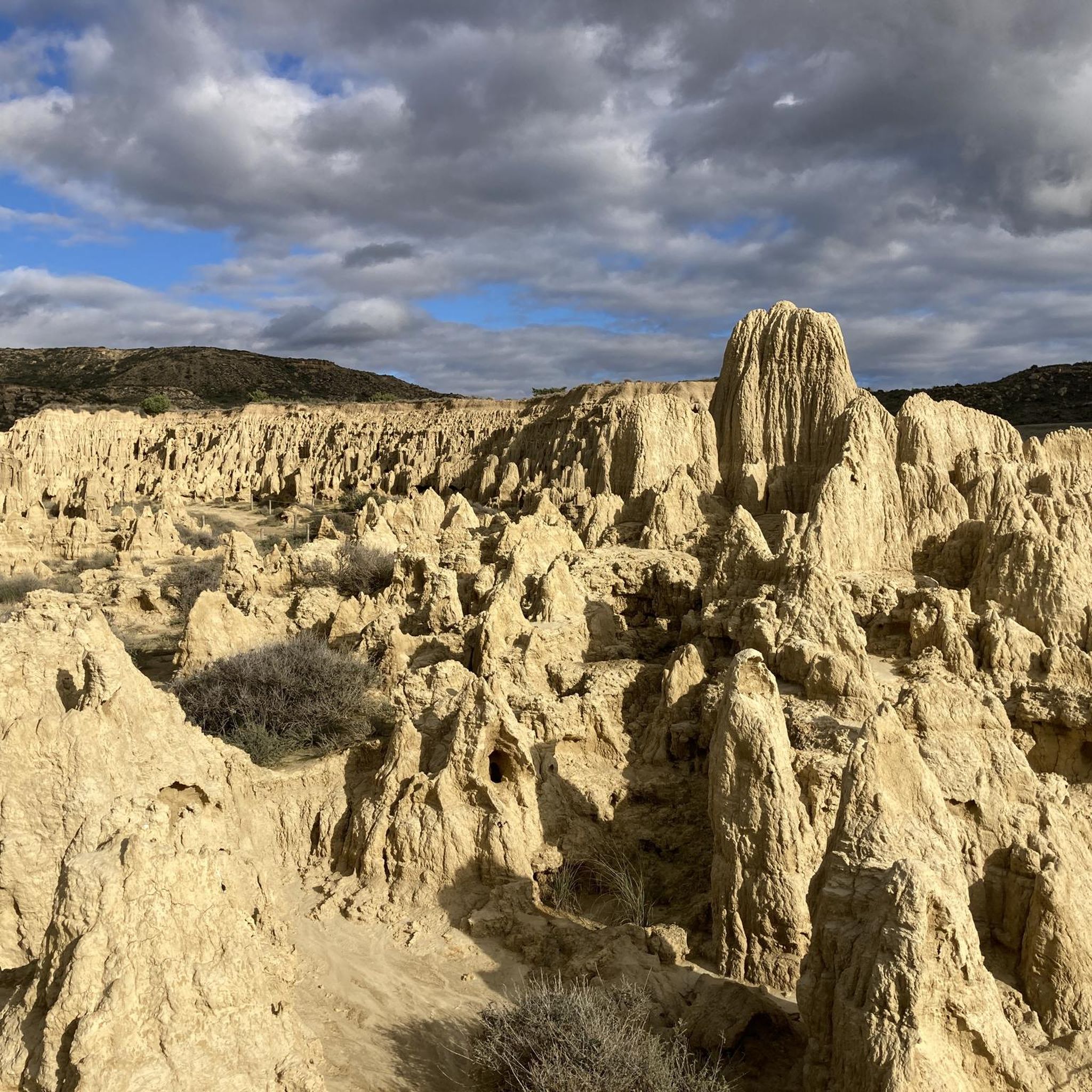
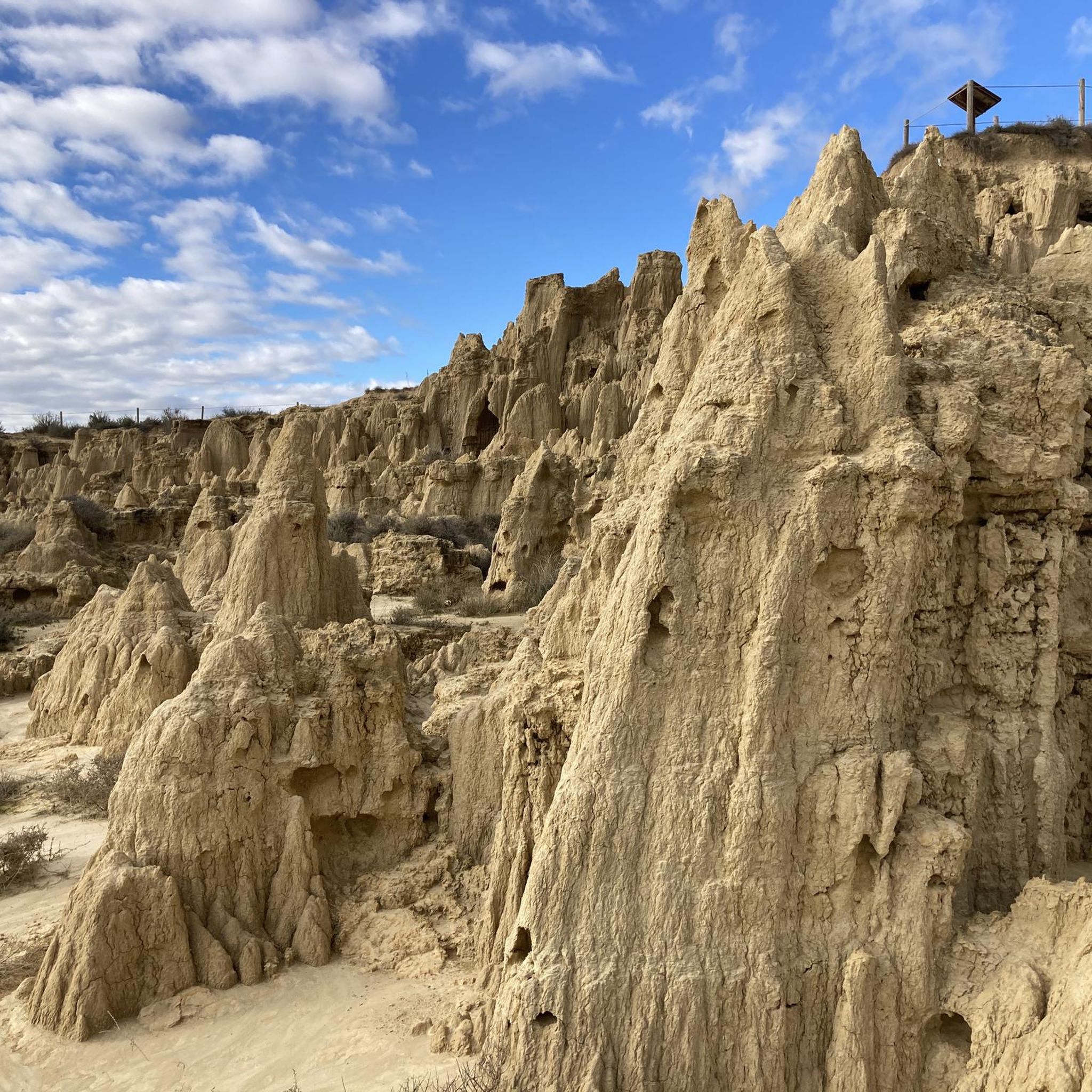
Aguarales de Valdemilaz
Highlight • Natural Monument
Translated by Google •
Tip by

Ardisa Dam
Highlight • Structure
Translated by Google •
Tip by

Sign up now to discover places like this
Get recommendations on the best single tracks, peaks, & plenty of other exciting outdoor places.
Sign up for free
Trail to Erés
Highlight (Segment) • Trail
Translated by Google •
Tip by

Sanctuary of Monlora and Viewpoint of the Cinco Villas
Highlight • Religious Site
There is a small parking lot and a restaurant (check dining hours) monlora.com
Translated by Google •
Tip by
Ermita de San Juan de Barto
Highlight • Religious Site
Translated by Google •
Tip by

Sign up for free to discover even more attractions around Valpalmas.
Sign up for free
Already have an account?
Start today with a free account
Your next adventure awaits.
Login or Signup
Tips from the Community


It is a natural geological formation formed by the erosion of water on different types of strata and calcifications.
0
0

The Aguarales de Valdemilaz, also known as Aguarales de Valpalmas, are a stunning geological landscape located near the town of Valpalmas, in the Cinco Villas region, province of Zaragoza. This site is famous for its unique rock formations, created by water and wind erosion over millions of years. These formations, known as fairy chimneys, are similar to those seen in the Göreme Valley in Cappadocia, Türkiye.
8
0

It's worth it, the surroundings and the ruined hermitage are cool.
0
0

You have to drive carefully, as there are usually hikers.
0
0
There are some steps at the beginning and end of the trail to push the bike up; but they are not a problem.
0
0

Located on the Gállego River, the Ardisa reservoir is shared by the municipalities of Ardisa and Biscarrués. However, both most of the layout of the dam and all the buildings reviewed are located in the municipality of Biscarrués, which is why they have been included in the catalog of this municipality. The reservoir has an area of 2100 km2, with a total capacity of 5 Hm3 and a useful capacity of 3 Hm3. The dam is made of cyclopean concrete. It presents the type of gravity dam, with a height of 31.14 m and a crest length of 450 m. It has a curved layout and a front arranged in a stepped slope. On the right bank there is a large trapezoidal tank delimited by concrete walls (called a "surface spillway" in the reservoir project) which, through a four-span spillway, connects to a long drainage channel arranged in slope that flows into the river Gállego. The set also consists of several buildings, all of them located on the left bank of the river: the gate house, through which the discharge to the canal that leads water to the Sotonera reservoir is regulated, the dam guard's house , a warehouse and a water tank.
1
0

We are in the Monlora Sanctuary with impressive views of the Cinco Villas region and on clear days we will also see Moncayo. There is a small parking lot and a restaurant (check dining hours) monlora.com
1
1
Frequently Asked Questions
What unique natural landscapes can I explore around Valpalmas?
The most prominent natural attraction is the Aguarales de Valdemilaz, also known as Aguarales de Valpalmas. These fascinating geological formations, sculpted by water and wind erosion, create a distinctive landscape often compared to fairy chimneys. Visitors can explore marked routes and observe the unique shapes.
Are there any historical sites or castles to visit near Valpalmas?
Yes, you can visit Yéquera Castle, also known as Yecra or Lacorvilla Castle. This site, located in the medieval depopulated area of Yéquera, has origins tracing back to a 10th-century Muslim fortification. Additionally, Valpalmas is home to the Ramón y Cajal Interpretation Center, dedicated to the life and scientific work of Nobel laureate Santiago Ramón y Cajal.
What family-friendly activities are available in the Valpalmas area?
The Aguarales de Valdemilaz are considered family-friendly, offering an engaging landscape for all ages to explore. The Sanctuary of Monlora and Viewpoint of the Cinco Villas also welcomes families, providing impressive views and a restaurant.
Where can I find scenic viewpoints around Valpalmas?
The Sanctuary of Monlora and Viewpoint of the Cinco Villas offers impressive panoramic views of the Cinco Villas region, and on clear days, you can even see Moncayo. It's a great spot for photography and enjoying the regional landscape.
Are there hiking trails near the attractions in Valpalmas?
Yes, there are several hiking opportunities. For example, you can explore the Aguarales de Valpalmas Loop or the Santuario del Monlora from Luna. You can find more hiking routes and details on the Hiking around Valpalmas guide page.
What cycling routes are available around Valpalmas?
Cyclists can enjoy various routes, such as the Castillos de Obano y Yéquera — circular from Monasterio de la Virgen del Monlora or the Aguarales de Valdemilaz - Piedratajada - Marracos — from Valpalmas. More options are detailed on the Cycling around Valpalmas guide page.
Can I find mountain biking trails in the Valpalmas area?
Absolutely. Mountain bikers can explore trails like the Milhombres Trail or the Aguarales de Valdemilaz — circular desde Piedratajada por Valpalmas. For a comprehensive list, check the MTB Trails around Valpalmas guide page.
Is there parking available at the Sanctuary of Monlora?
Yes, there is a small parking lot available at the Sanctuary of Monlora and Viewpoint of the Cinco Villas, making it convenient for visitors.
What is the Ardisa Dam, and is it worth visiting?
The Ardisa Dam is an impressive cyclopean concrete gravity dam located on the Gállego River. It features a curved layout and a stepped face, standing at 31.14 meters high with a crest length of 450 meters. It's an interesting site for those interested in engineering and large-scale structures.
What is the significance of Valpalmas regarding Santiago Ramón y Cajal?
Valpalmas holds historical significance as the childhood home of Nobel laureate Santiago Ramón y Cajal. The town honors his legacy with an interpretation center dedicated to his life and scientific work, offering insights into the world of this celebrated scientist.
Are there any traditional architectural sights in Valpalmas?
Yes, as you stroll through Valpalmas, you will encounter beautiful manor houses built in the traditional Aragonese style, characterized by the prominent use of ashlar stone. The 18th-century Church of San Hipólito also preserves elements of older Romanesque construction, reflecting the region's architectural history.
What do visitors enjoy most about the Aguarales de Valdemilaz?
Visitors are captivated by the spectacular nature of the Aguarales de Valdemilaz. The unique rock formations, sculpted by water and wind, spark curiosity and imagination, especially for children. There are points to observe these geological formations and informative signs, allowing visitors to walk among them and appreciate the modeling power of water on rocks.

Get inspired with the komoot mobile app


Explore more
Still not found the Highlight you’re looking for? See guides of the top attractions in other regions:
