The best walks and hikes around National Park Sierra de Tejeda, Almijara y Alhama
4.4
(7068)
30,256
hikers
113
hikes
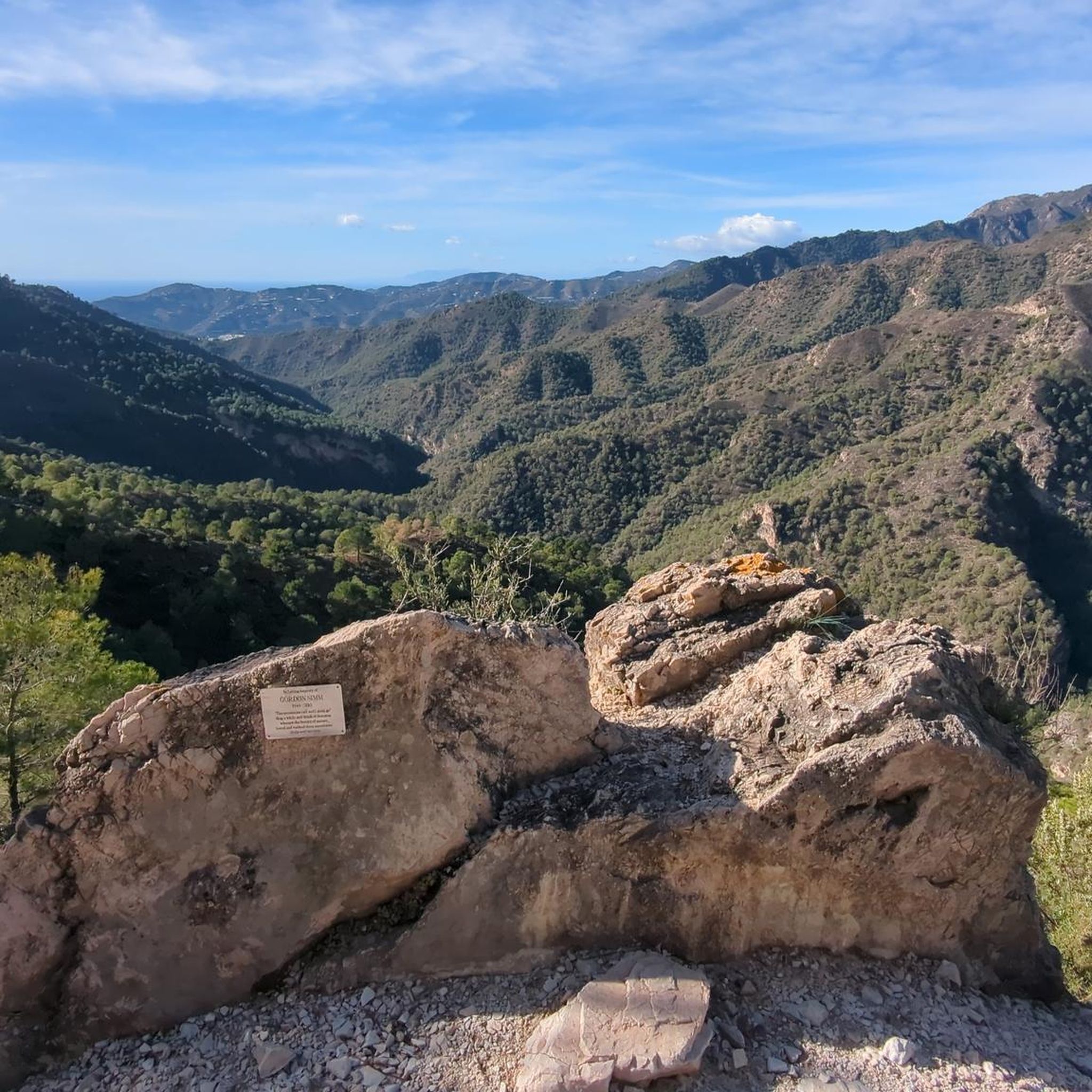
Hiking around National Park Sierra de Tejeda, Almijara y Alhama offers diverse routes through a rugged and steep mountainous landscape. The region is characterized by jagged peaks, deep valleys, and dramatic gorges, formed by limestone and dolomitic marbles. Hikers can explore extensive pine forests, Mediterranean scrublands, and areas with holm oak, alongside crystal-clear rivers and waterfalls. From higher elevations, panoramic views of the Mediterranean coastline are available.
Best hiking trails around National Park Sierra de Tejeda, Almijara y Alhama
- The most popular hiking route is Sendero del Río Verde en Otívar – Barranco de las Chortales, a 4.8 miles (7.8 km) trail that takes 2 hours 30 minutes to complete, following a river through a barranco.
- Another top favourite among local hikers is Pico La Maroma from el Robledal, a difficult 10.2 miles (16.4 km) path. This route ascends to La Maroma, the highest peak in the region, offering significant elevation gain.
- Local hikers also love the El Lucero – circular from Puerto Blanquillo - Parque Natural Sierra de Tejeda, Almijara y Alhama, a 6.5 miles (10.5 km) trail leading through mountainous terrain, often completed in about 4 hours 20 minutes.
- Hiking around National Park Sierra de Tejeda, Almijara y Alhama is defined by rugged peaks, deep ravines, and diverse forest types. The network offers options for various ability levels, from moderate river walks to challenging mountain ascents.
- The routes in National Park Sierra de Tejeda, Almijara y Alhama are highly rated by the komoot community with an average score of 4.4 stars from over 1500 reviews. More than 6000 hikers have used komoot to explore National Park Sierra de Tejeda, Almijara y Alhama's varied terrain.
Last updated: May 13, 2026
4.7
(22)
67
hikers
7.80km
02:30
320m
310m
Moderate hike. Good fitness required. Easily-accessible paths. Suitable for all skill levels.
4.9
(45)
294
hikers
16.4km
05:55
970m
970m
Hard hike. Very good fitness required. Mostly accessible paths. Sure-footedness required.

Sign up for free
4.7
(3)
27
hikers
Hard hike. Good fitness required. Sure-footedness, sturdy shoes and alpine experience required.
4.5
(6)
67
hikers
Hard hike. Very good fitness required. Easily-accessible paths. Suitable for all skill levels.
12
hikers
Hard hike. Very good fitness required. Sure-footedness, sturdy shoes and alpine experience required.
Get access to more routes and recommendations from other explorers.
Sign up for free
Already have an account?
Our route recommendations are based on thousands of hikes, rides, and runs completed by other people on komoot.
Start today with a free account
Your next adventure awaits.
Login or Signup
Popular around National Park Sierra de Tejeda, Almijara y Alhama
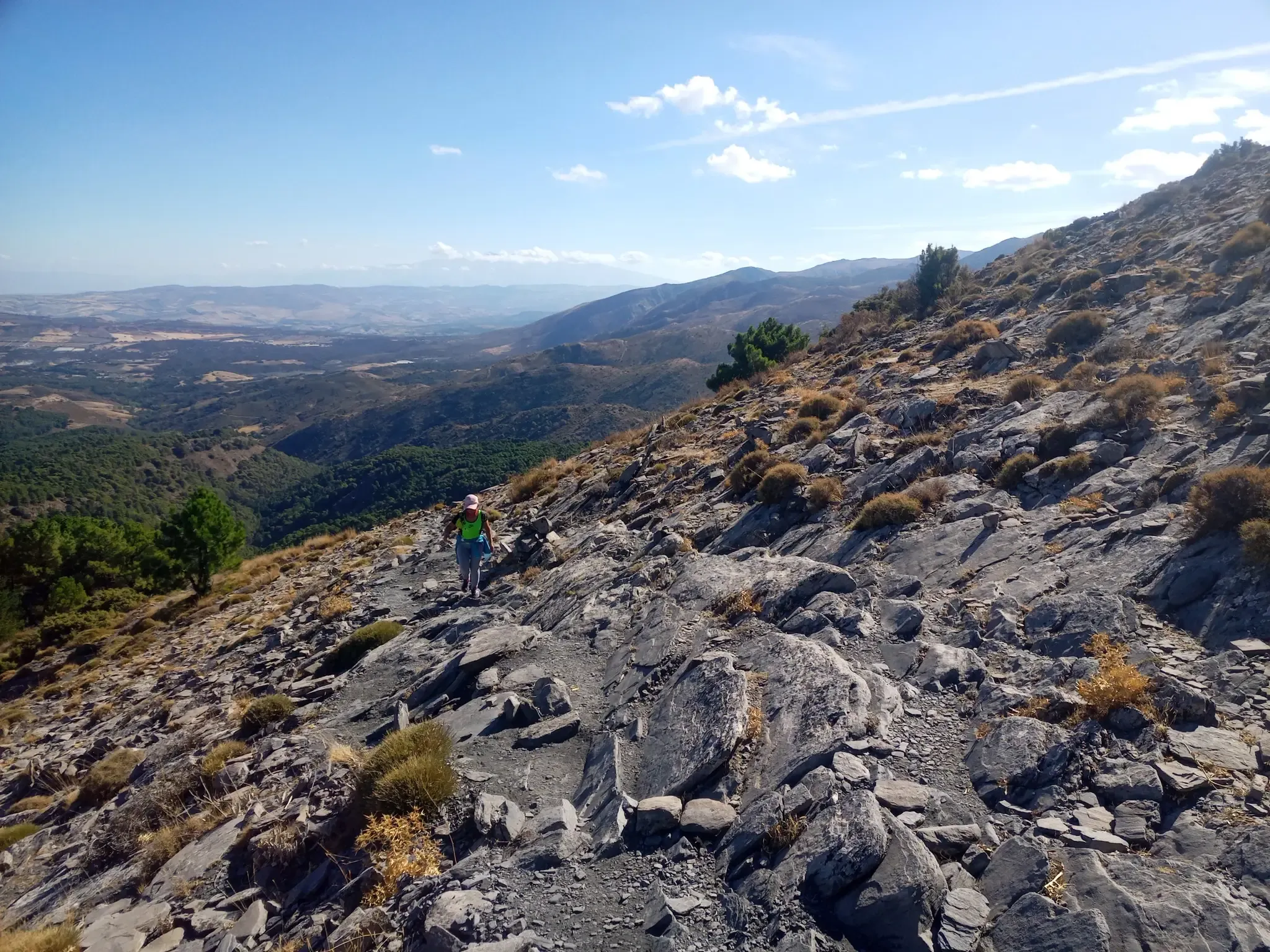
12 hiking gems throughout Spain
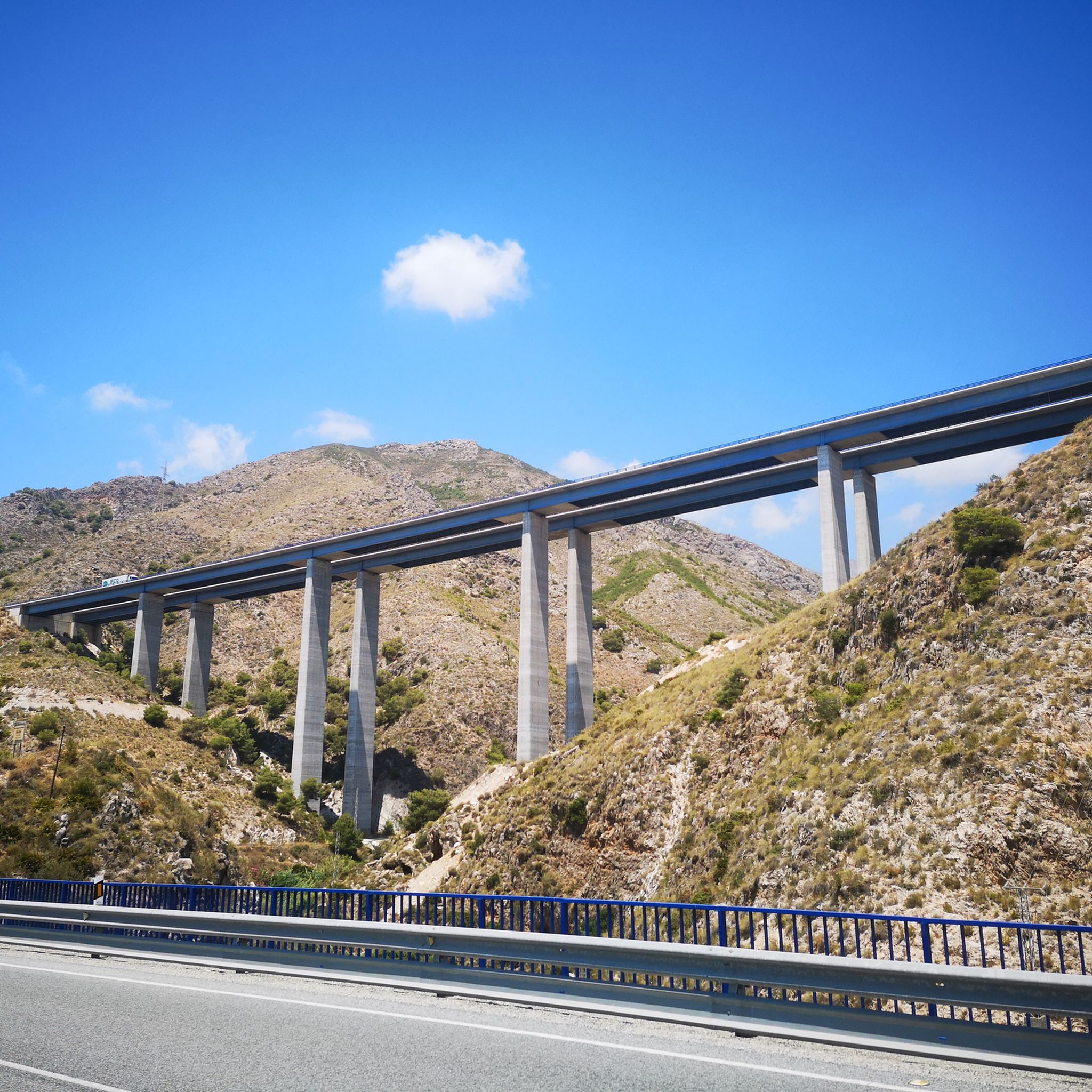
Road Cycling Routes around National Park Sierra de Tejeda, Almijara y Alhama
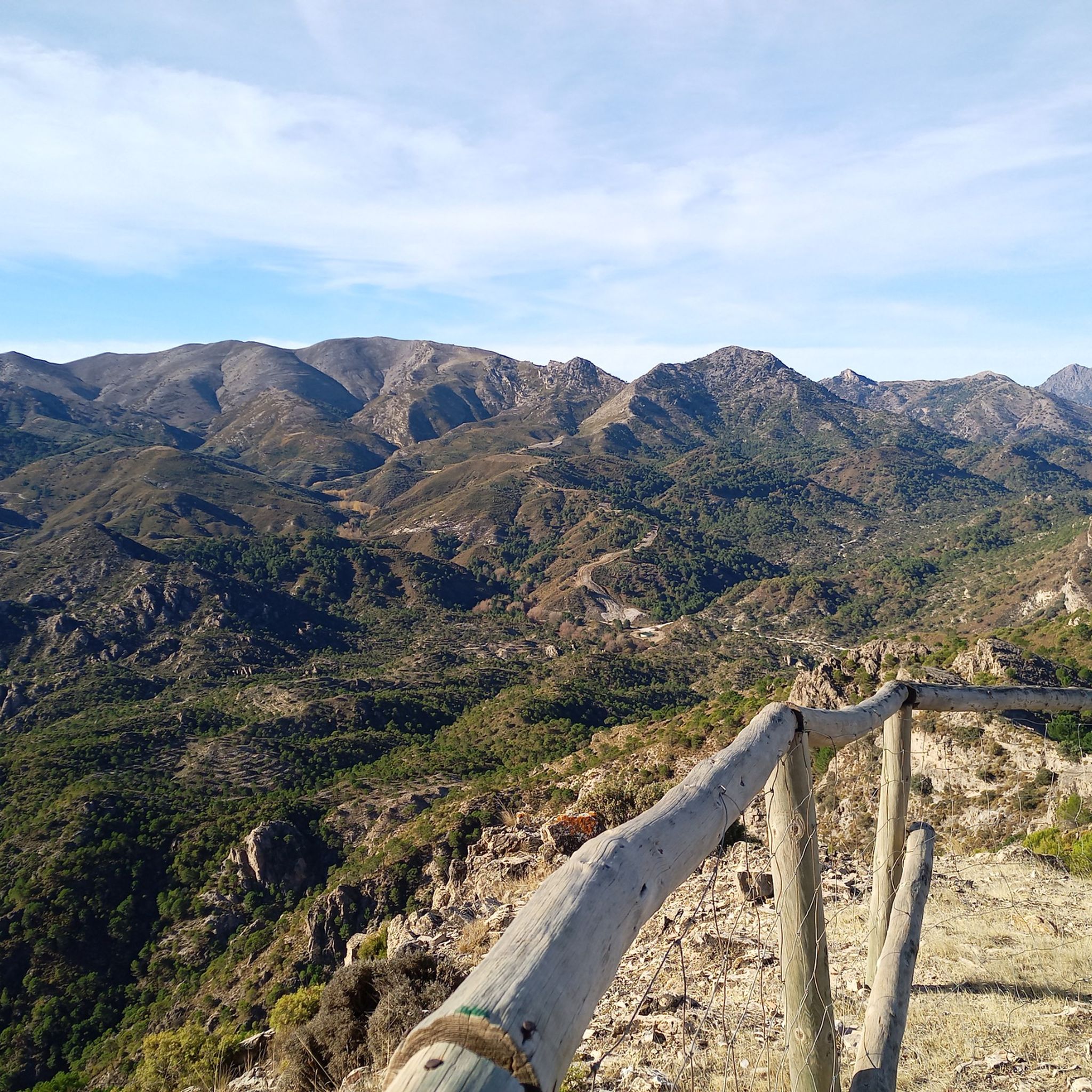
MTB Trails around National Park Sierra de Tejeda, Almijara y Alhama
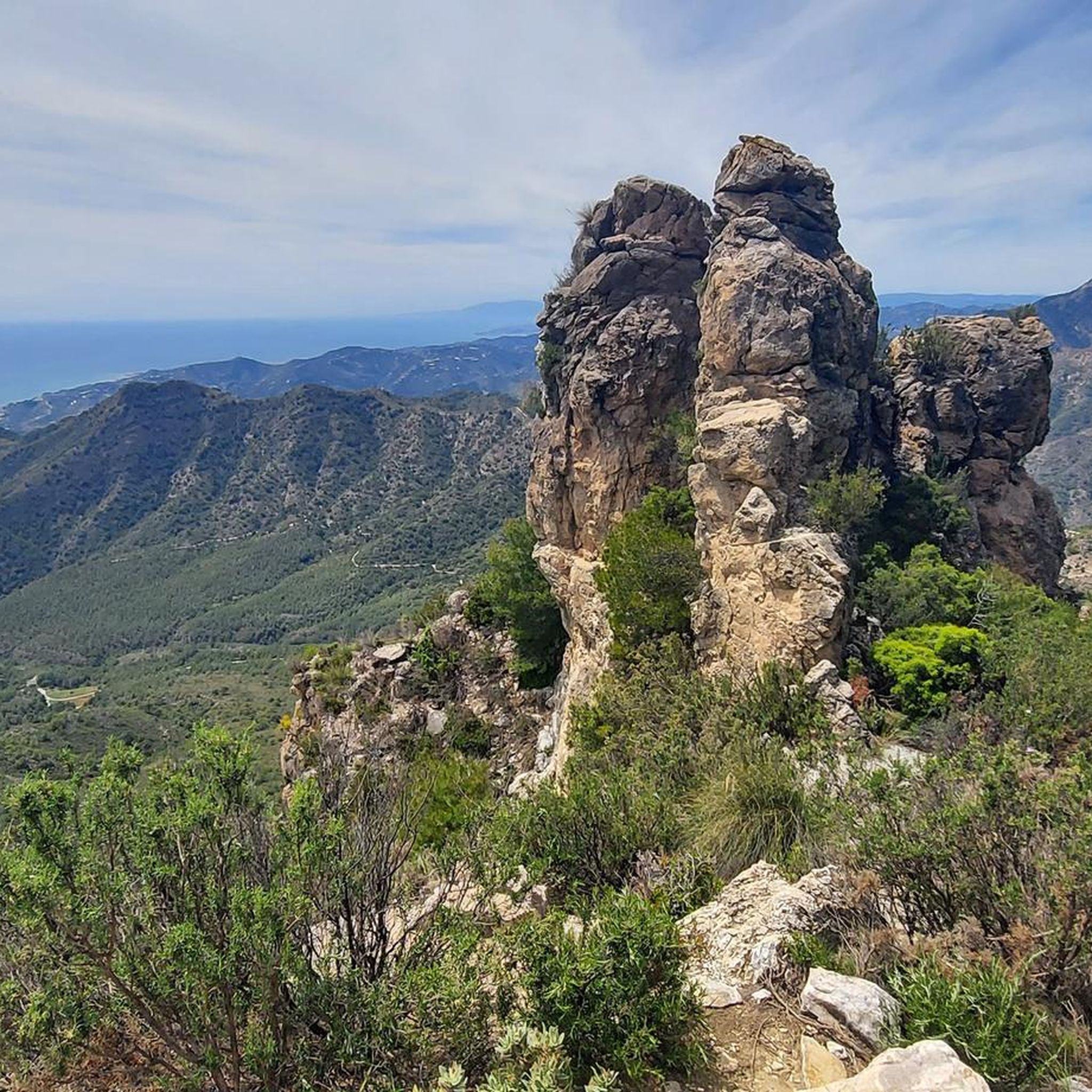
Cycling around National Park Sierra de Tejeda, Almijara y Alhama
Running Trails around National Park Sierra de Tejeda, Almijara y Alhama

Gravel biking around National Park Sierra de Tejeda, Almijara y Alhama
Other adventures around National Park Sierra de Tejeda, Almijara y Alhama

Tips from the Community

The sinter crusts of the lime-rich water make the tree trunks trapped in the waterfall appear petrified. Hence the common name "Cascada de los Arboles Petrificados" (Petrified Trees Cascade). However, these are not petrified trees, but mineral deposits in flowing water that cover both rocks and plants (sinter). Source: Wikiloc
0
0

Currently, a section of 800 meters is still heavily overgrown, with huge rosemary and sage bushes, as well as thorns. It's best to bring a stick or something similar to push them away. However, the view is unique, and the spring is a dream.
0
0

They should fix the road. It's a shame that the Andalusian government doesn't spend a single penny on the roads.
0
0
My favorite peak in the Sierra de Almijara, I love it 😍🎈
0
0

To reach the parking lot at Llanadas de Sedella requires a vehicle with 4-wheel drive like a Land Rover Defender. There are gates that might be closed so you must check with the park authorities beforehand - not much space to turn the vehicle around on this narrow road. Once there the view is stunning with horses grazing around. But be cautious! The recommended track we took to reach the top are for expert hikers. Some parts are very steep (>35%) with loose stones. If you suffer from vertigo, avoid! You need support by both hands at time. It’s not an official track but rather a path used by sheep, whose poo indicate that you are on the right track. (There is a northern track that serpentines its way up that might be more convenient). But once you are on the white-green path originating from the Fuentes del Robledal it’s ok. You are exposed to strong winds and no shelter from the sun. Bring lot’s of water and calculate 6hrs return hike. Once you have reached the top of la Maroma you will have a fantastic view over Andalucia with the Sierra Nevada at your back and Gibraltar in front.
2
2

Once you have reached the top of the Maroma peak. Pico de malaga we can see fabulous views of the coast and sierras de malaga as well as the Moroccan coasts when the day is clear
1
1
In the same peak of the star is an old barracks of the venemerita
1
1
It is a pity to go through this point and stop to drink water from the fountain and appreciate the old El Macho marble quarry in the Sierra de Competa
1
0
Frequently Asked Questions
How many hiking trails are available in National Park Sierra de Tejeda, Almijara y Alhama?
There are over 115 hiking trails in the National Park Sierra de Tejeda, Almijara y Alhama. These routes cater to various skill levels, with approximately 25 easy, 55 moderate, and 40 difficult options.
What kind of terrain can I expect when hiking in this National Park?
The National Park Sierra de Tejeda, Almijara y Alhama is characterized by rugged and steep mountainous terrain, featuring jagged peaks, cliffs, and deep valleys. The geological composition, primarily limestone and dolomitic marbles, creates spectacular ridges, ravines, and gorges. You'll encounter extensive pine forests, Mediterranean scrublands, and areas with holm oak, alongside crystal-clear rivers.
Are there any family-friendly hiking options in the park?
Yes, the park offers several easier routes suitable for families. While specific 'family-friendly' routes aren't detailed, the 25 easy trails available provide less strenuous options. For a refreshing experience, consider river walks like those along the Río Chillar, which can be enjoyable for families during warmer months.
Are there any circular hiking routes available?
Yes, the park features several circular routes. A notable one is the El Lucero – circular from Puerto Blanquillo, which is about 10.5 km long and takes approximately 4 hours 20 minutes to complete, offering a challenging but rewarding loop through mountainous terrain. Another circular option is the Cerro del Lucero desde Los Enebrales.
What are some notable natural features or landmarks to explore along the trails?
The park is rich in natural features. You can explore impressive gorges like the Cahorros Bajos del Río Higuerón, or experience the unique El Saltillo Suspension Bridge. The Río Chillar riverbed offers refreshing walks through water, and for those seeking panoramic views, the La Maroma Summit is a major draw.
Are there any trails that feature waterfalls or river walks?
Yes, the park is known for its crystal-clear rivers and opportunities for refreshing river walks. The Sendero del Río Verde en Otívar – Barranco de las Chortales is a popular moderate trail that follows a river through a barranco, offering a chance to experience the park's aquatic features. The Río Chillar also provides opportunities for walks directly through the water with cool mountain pools.
What is the best time of year to go hiking in National Park Sierra de Tejeda, Almijara y Alhama?
The best time to visit for hiking is generally spring (April-May) and autumn (September-October) when temperatures are milder and the landscape is vibrant. Summer can be very hot, especially at lower elevations, making early morning or late afternoon hikes preferable. Winter offers cooler temperatures but some higher trails might be affected by snow or ice.
What do other hikers enjoy most about hiking in National Park Sierra de Tejeda, Almijara y Alhama?
The area is highly rated by the komoot community, with an average score of 4.4 stars from over 1500 reviews. Hikers often praise the diverse and dramatic landscapes, the extensive network of trails catering to all skill levels, and the breathtaking panoramic views of the Mediterranean coastline from higher elevations. The presence of unique natural features like gorges, rivers, and the chance to spot Spanish ibex also contribute to its popularity.
Is it possible to reach the highest peak, La Maroma, on a hike?
Yes, La Maroma, the highest peak in the region at over 2,000 meters, is accessible via hiking trails. A challenging route is Pico La Maroma from el Robledal, a difficult 16.4 km path with significant elevation gain. Another option is the Ascent to La Maroma, which is approximately 8 km long and also considered difficult.
Are there any caves to explore in or near the National Park?
Yes, the area is home to numerous caves. While not directly on every hiking trail, the renowned Nerja Cave is a significant tourist attraction nearby. Within the park's vicinity, you can find highlights such as the Barranco de la Coladilla Caves, offering opportunities to explore these geological formations.
What wildlife might I encounter while hiking?
The park is a haven for wildlife. You have a good chance of spotting the Spanish ibex thriving on the rocky slopes. Birdwatchers can look out for golden eagles, Bonelli's eagles, hawk eagles, and griffon vultures soaring above the peaks.
Are there any specific permits required for hiking certain trails?
While most general hiking trails do not require specific permits, it's always advisable to check with the park authorities for any specific regulations, especially for sensitive areas or during certain seasons. Currently, no general permit is listed as mandatory for the main hiking routes.
Most popular routes around National Park Sierra de Tejeda, Almijara y Alhama
Most popular attractions around National Park Sierra de Tejeda, Almijara y Alhama

Get inspired with the komoot mobile app


Explore more
Browse the best Hikes in other regions.
