The best road cycling routes around National Park Saja-Besaya
4.8
(54)
3,434
riders
100
rides
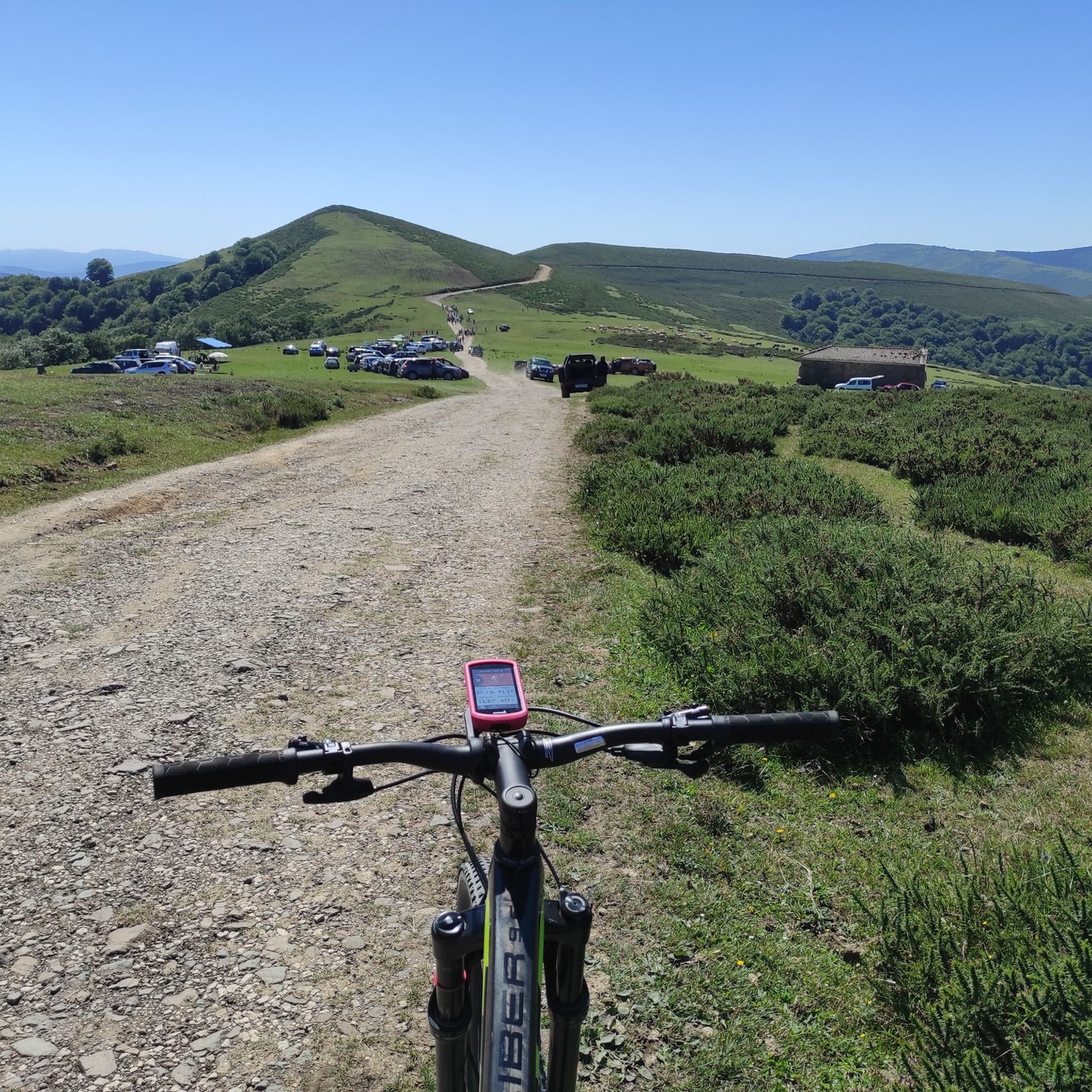
Road cycling routes around National Park Saja-Besaya traverse a diverse landscape characterized by vast deciduous forests, deep river valleys, and significant mountainous terrain. The park, Cantabria's largest protected area, features ancient beech and oak groves, alongside rivers like the Saja and Besaya. Elevations range from approximately 200 meters in the valleys to peaks over 2,000 meters, creating varied and challenging routes. High-altitude pastures also offer expansive views for cyclists.
Best road cycling routes around National Park Saja-Besaya
- The most popular…
Last updated: May 6, 2026
75
riders
53.5km
02:25
580m
580m
Moderate road ride. Good fitness required. Mostly well-paved surfaces and easy to ride.
4.5
(2)
132
riders
83.4km
04:44
1,890m
1,890m
Hard road ride. Very good fitness required. Some segments of this route may be unpaved and difficult to ride.

Sign up for free
47
riders
37.5km
02:02
760m
760m
Moderate road ride. Good fitness required. Some segments of this route may be unpaved and difficult to ride.
26
riders
Hard road ride. Very good fitness required. Mostly well-paved surfaces and easy to ride.
20
riders
69.0km
03:18
800m
800m
Cycle a moderate 42.9-mile route through Cantabria, visiting Fontibre, Alto del Bardal, and Monasterio de Montes Claros with diverse scenery
Get access to more routes and recommendations from other explorers.
Sign up for free
Already have an account?
Our route recommendations are based on thousands of hikes, rides, and runs completed by other people on komoot.
Start today with a free account
Your next adventure awaits.
Login or Signup
Popular around National Park Saja-Besaya

Other adventures around National Park Saja-Besaya

Tips from the Community

We set out with the hope of ascending to the summit of Tresmares, where the Hijar-Ebro River begins and flows into the Mediterranean, the Pisuerga River (a tributary of the Duero River) flows into the Atlantic, and the Nansa River flows into the Cantabrian Sea. But a thick, damp fog covering the landscape forced us to give up and head back down the same way we came up. The road is partially covered by a bike lane and very little traffic. A steady climb of around 10%. Absolutely recommended. A few years ago, the Alto Campoo pass was the final stage of La Vuelta a España.
0
0
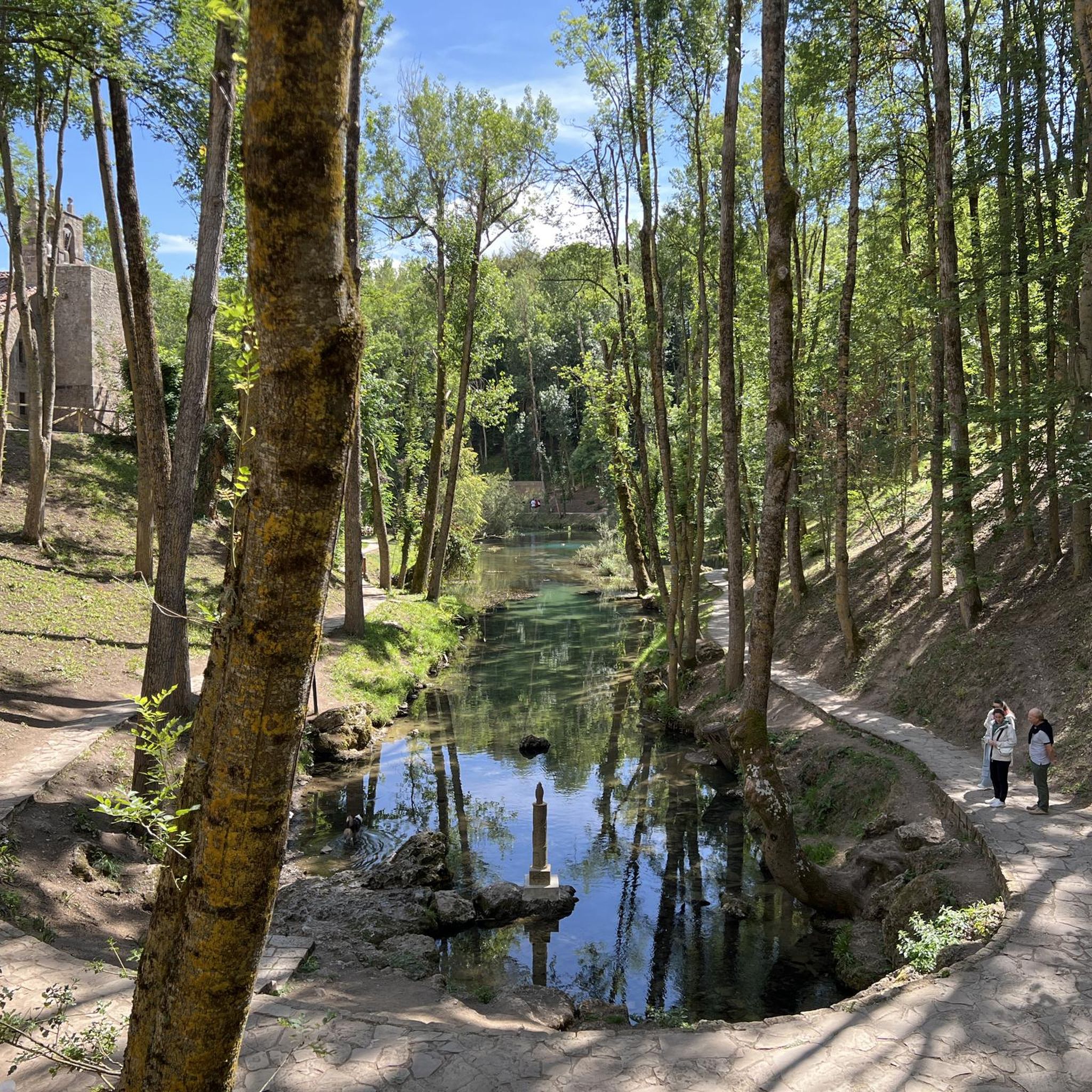
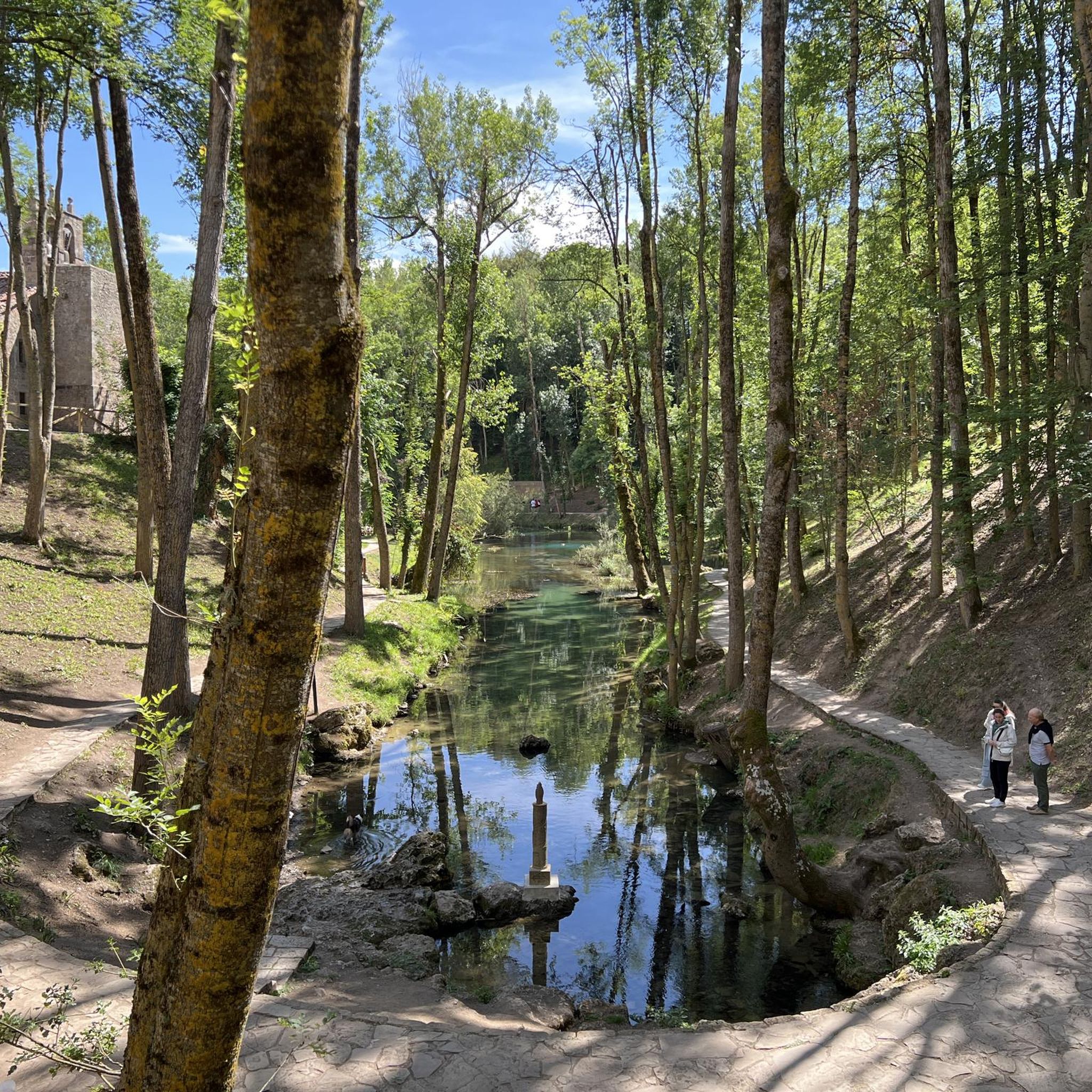
Officially, it's the source of the Ebro River, in Fontibre. However, according to what we were told at the tourist office, the waters of the spring pools come underground from the Hijar River, which rises in Alto Campoo. Specifically, in Tresmares, where the Hijar-Ebro begins, flowing into the Mediterranean; the Pisuerga (a tributary of the Duero) flows into the Atlantic; and the Nansa flows into the Cantabrian Sea.
0
0

The Collada de Carmona is a mountain pass in the Cantabrian mountain range located in western Cantabria.[1] It rises to 601 m above sea level and links the towns of Valle to the east and Carmona to the west, both belonging to the municipality of Cabuérniga.
0
0

Interesting to visit, if you are in the area.
3
0

Here you can find the poultry facility, dedicated to the production of free-range eggs and products from the Cantáfrica association's garden.
0
0

On a hill, and guarding the road that linked the coast with Castilla through the Saja Valley, is the Castillo de San Vicente, in Argüeso, within the municipality of the Brotherhood of Campoo de Suso, in the South from Cantabria (Spain). Built during the 13th, 14th and 15th centuries, it was the emblem and fortress of the dominion of the House of Mendoza in the highlands of Campoo.
8
0

Fontibre is a small town in the Brotherhood of Suso, just 5 km from Reinosa. Beautiful town and place, where the source of the Ebro River is traditionally located. In fact, the name Fontibre refers to the source of the Ebro, as it derives from the Latin Fontes Iberis ("sources of the Ebro") and is already cited by Pliny the Elder when he mentioned it. It is located near the Roman city of Julióbriga. It doesn't matter when you visit, or at the time of year, because you will always appreciate and enjoy this little walk through the place.
2
0

Beautiful 12th century church and an example of Romanesque-style religious architecture in southern Cantabria. The church is listed as an Asset of Cultural Interest. Inside it has a small interactive museum.
1
0
Frequently Asked Questions
How many road cycling routes are available in National Park Saja-Besaya?
National Park Saja-Besaya offers nearly 100 road cycling routes. These routes cater to various skill levels, with 12 easy, 43 moderate, and 44 difficult options to explore the diverse landscapes.
What kind of terrain can I expect on road cycling routes in Saja-Besaya?
Road cycling routes in Saja-Besaya feature a diverse terrain, from deep river valleys carved by the Saja and Besaya rivers to mountainous areas with significant elevation changes. You'll cycle through vast deciduous forests, including ancient beech and oak groves, and encounter high-altitude pastures offering expansive views. Elevations range from around 200 meters to peaks over 2,000 meters.
Are there any easy road cycling routes for beginners or families?
Yes, there are 12 easy road cycling routes in National Park Saja-Besaya. While specific family-friendly routes are not highlighted, these easier options generally have less elevation gain and shorter distances, making them suitable for those new to road cycling or looking for a more relaxed ride.
What are some challenging road cycling routes in the park?
For experienced cyclists seeking a challenge, National Park Saja-Besaya offers 44 difficult routes. An example is the Collada de Carmona – Palombera Pass loop from Castillo de San Vicente, which is 83.4 km long with nearly 1,900 meters of elevation gain. Another demanding option is the Source of the Ebro River – Historic Center of Reinosa loop from Estación de Esquí y Montaña Alto Campoo, covering 64.8 km with over 950 meters of ascent.
What natural features or landmarks can I see along the road cycling routes?
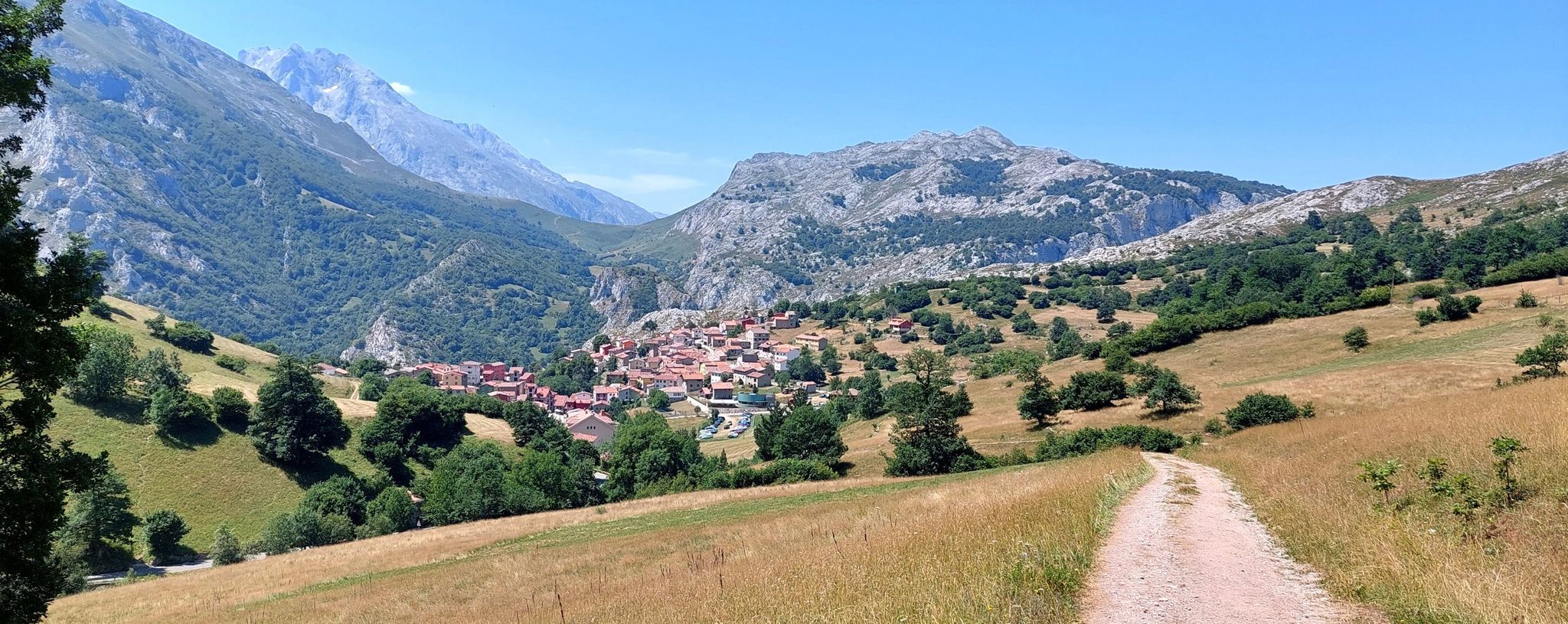
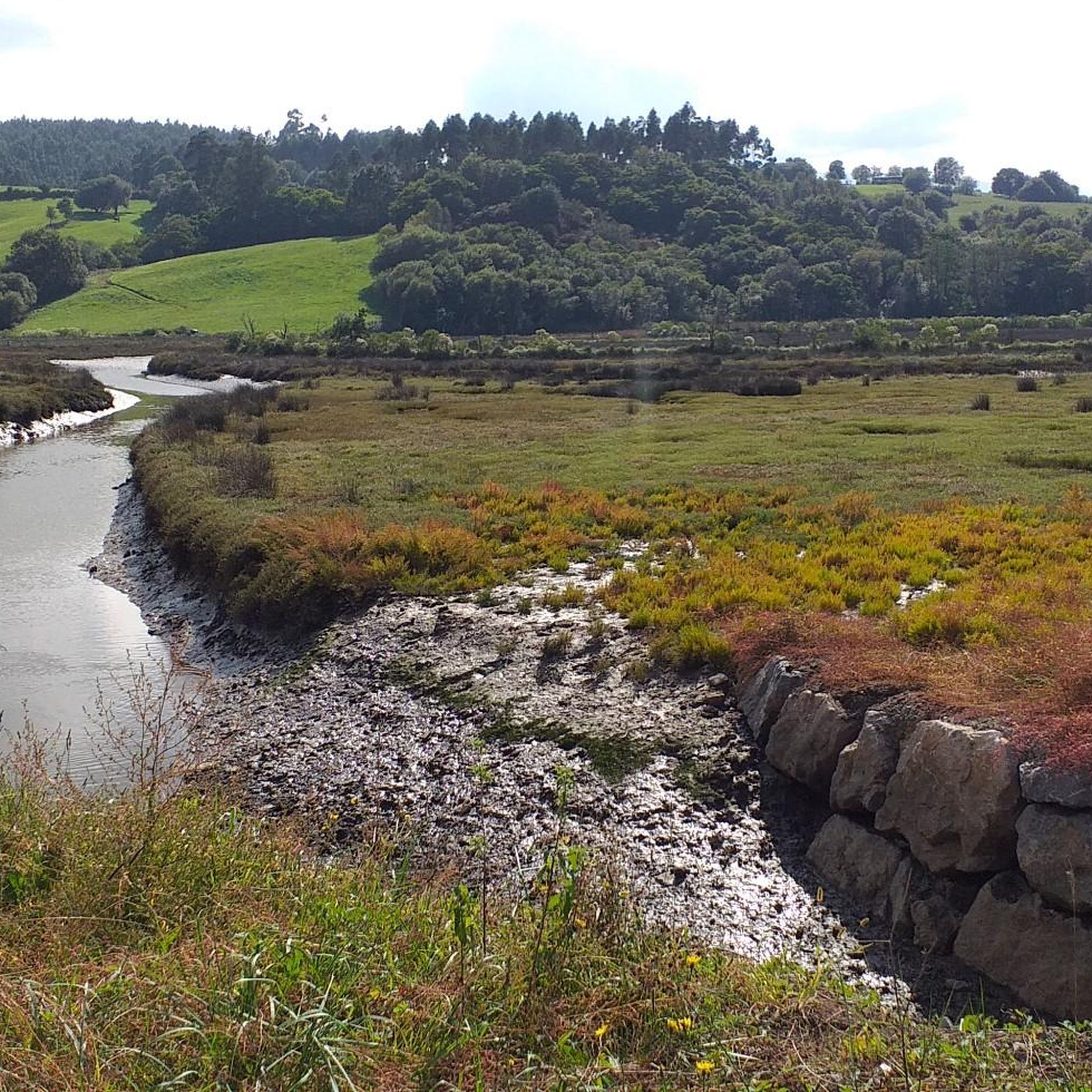
As you cycle through Saja-Besaya, you'll encounter stunning natural features and cultural landmarks. Highlights include the vast deciduous forests, especially beautiful sections through beech forests like this Beautiful section through the beech forest. You can also visit the historic village of Bárcena Mayor, the only village within the park, or enjoy panoramic views from the El Moral Plateau. The park also features unique geological formations and river areas like the Pool area in the Argonza River.
Are there any circular road cycling routes in National Park Saja-Besaya?
Yes, many road cycling routes in National Park Saja-Besaya are circular, allowing you to start and end at the same point. For example, the Stone Fountain – Santibáñez Church loop from Parque Natural Saja-Besaya is a moderate 53.5 km loop, and the Montesclaros Sanctuary and Alto del Bardal Loop offers a 69 km moderate ride.
What is the best time of year for road cycling in Saja-Besaya?
The best time for road cycling in Saja-Besaya is generally during spring, summer, and early autumn. These seasons offer more favorable weather conditions. Autumn is particularly scenic due to the vibrant colors of the deciduous forests and the chance to witness the spectacular deer rut, especially from viewpoints like La Cardosa.
What do other road cyclists say about the routes in National Park Saja-Besaya?
The road cycling routes in National Park Saja-Besaya are highly rated by the komoot community, with an average score of 4.8 stars from over 50 reviews. Cyclists often praise the diverse landscapes, the challenge of the mountainous terrain, and the beauty of the vast deciduous forests and river valleys.
Is there parking available near the road cycling routes?
While specific parking locations for each route are not detailed, the park is well-equipped for visitors. Visitor centers like the Casa del Monte in Ucieda and other recreational areas typically offer parking facilities. Surrounding towns and villages also provide parking options, especially near popular trailheads.
Can I find food and accommodation options within or near the park?
Yes, the charming village of Bárcena Mayor, located within the park, offers accommodations like Posada Reserva Verde and local specialties to refuel. Surrounding towns also provide various services, including cafes, pubs, and additional lodging options for cyclists.
Are there any specific viewpoints along the road cycling routes?
Yes, the park offers several scenic viewpoints. La Cardosa, situated at 1,000 meters on the CA-280, provides breathtaking panoramic views and is an excellent spot to hear deer bellowing in autumn. The El Moral Plateau is another highlight offering expansive vistas.
What is the typical elevation gain on road cycling routes in Saja-Besaya?
The elevation gain varies significantly across the routes in Saja-Besaya, reflecting the park's mountainous terrain. Moderate routes might feature around 500-800 meters of ascent, such as the Castillo de Argüeso – Brañavieja loop from Castillo de San Vicente with 758 meters. Difficult routes can involve substantial climbs, with some exceeding 1,800 meters, like the Collada de Carmona – Palombera Pass loop from Castillo de San Vicente.
Most popular routes around National Park Saja-Besaya
Most popular attractions around National Park Saja-Besaya

Get inspired with the komoot mobile app


Explore more
Browse the best Road cycling routes in other regions.
