The best gravel rides around National Park Saja-Besaya
5.0
(1)
26
riders
4
rides
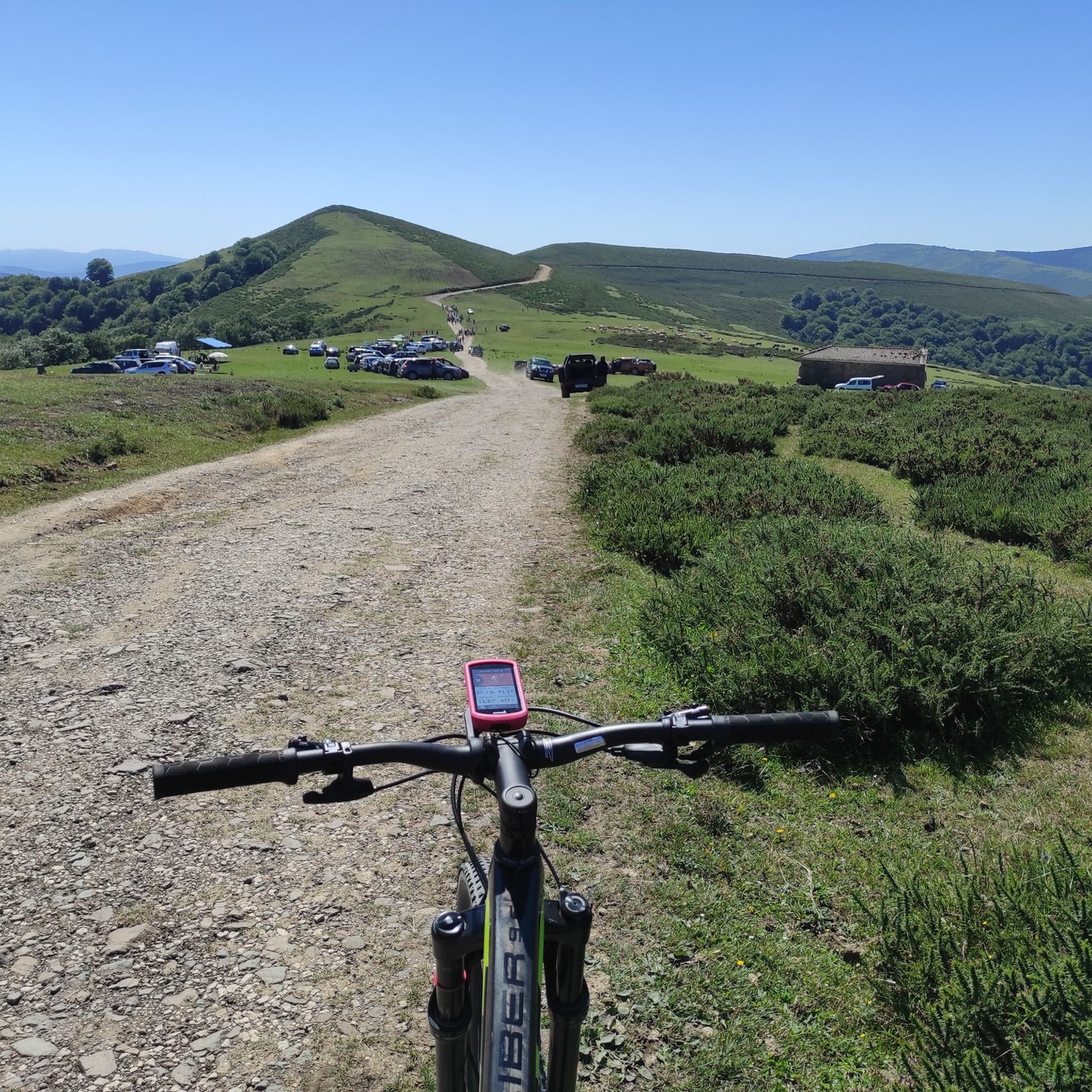
Gravel biking around National Park Saja-Besaya offers challenging routes through a landscape characterized by dense forests, mountainous terrain, and river valleys in Cantabria, Spain. The region features significant elevation changes, with many trails navigating through rugged, natural environments. These routes often follow unpaved forest roads and tracks, providing a demanding experience for gravel bikers.
Best gravel bike trails around National Park Saja-Besaya
- The most popular gravel bike trail is Gravel loop in Saja-Besaya natural park, a 53.2 miles (85.6…
Last updated: May 21, 2026
12
riders
85.6km
08:34
2,040m
2,040m
Hard gravel ride. Very good fitness required. Mostly paved surfaces. Suitable for all skill levels.
5
riders
72.5km
06:20
2,100m
2,100m
Hard gravel ride. Very good fitness required. Mostly paved surfaces. Suitable for all skill levels.

Sign up for free
2
riders
45.6km
03:27
840m
840m
Hard gravel ride. Very good fitness required. Mostly paved surfaces. Suitable for all skill levels.
5.0
(1)
2
riders
47.0km
03:45
890m
890m
Hard gravel ride. Very good fitness required. Mostly paved surfaces. Suitable for all skill levels.
5
riders
48.5km
04:14
1,350m
1,350m
Hard gravel ride. Very good fitness required. Mostly paved surfaces. Suitable for all skill levels.
Our route recommendations are based on thousands of hikes, rides, and runs completed by other people on komoot.
Start today with a free account
Your next adventure awaits.
Login or Signup
Popular around National Park Saja-Besaya
Other adventures around National Park Saja-Besaya

Tips from the Community

I walked down the street while I was doing the Besaya Green Route.
0
0

Beautiful hermitage located on the slopes of Monte Corona
1
0
The climb from Coo is about 4km and 300m of gradient.
0
0
A hill below Pico Ibio, located on the path that links the towns of Coo and Herrera de Ibio. From this hill we will have beautiful views.
0
0
The Collada de Carmona is a mountain pass in the Cantabrian mountain range located in western Cantabria.[1] It rises to 601 m above sea level and links the towns of Valle to the east and Carmona to the west, both belonging to the municipality of Cabuérniga.
0
0
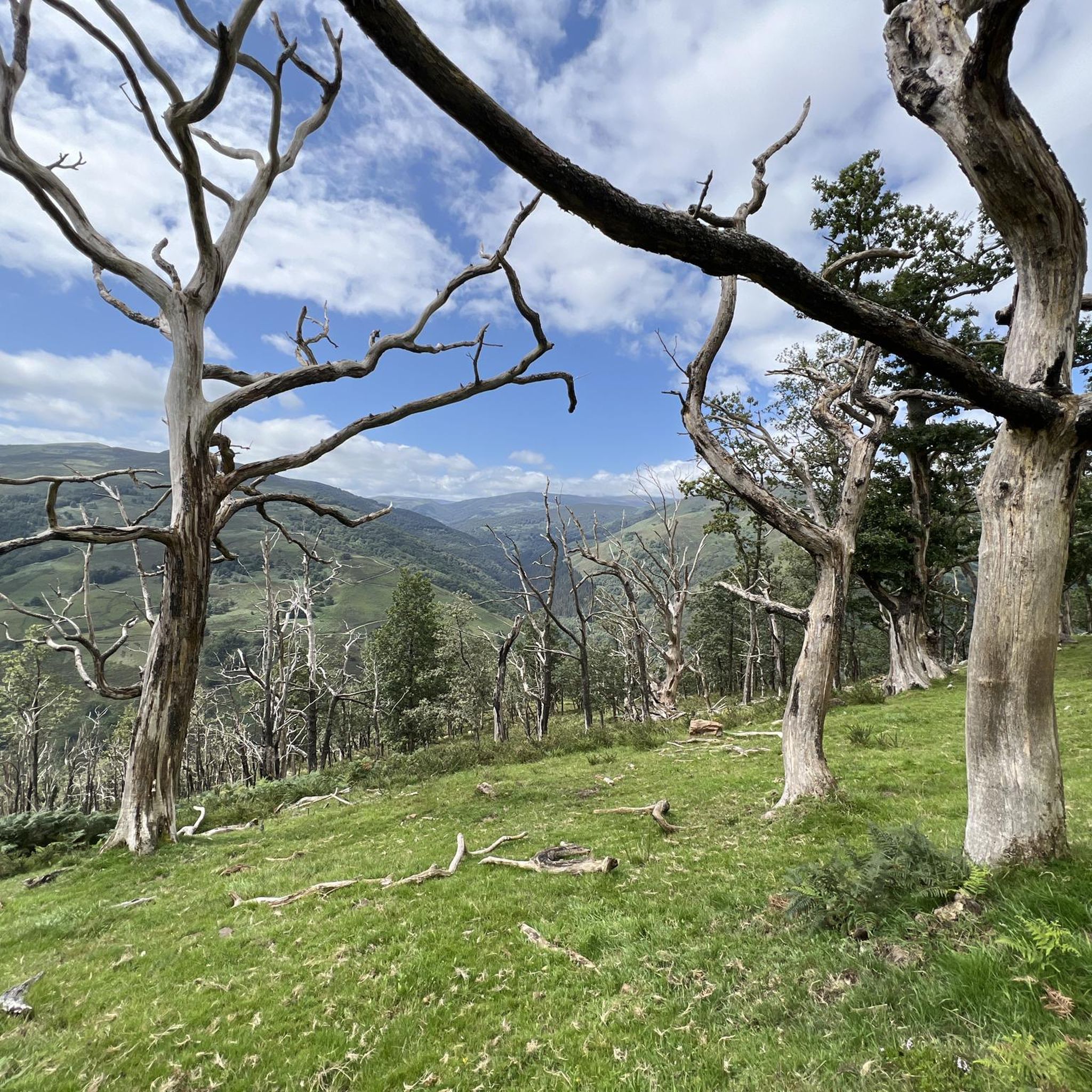
The Monte Aa Pass is a very beautiful climb with spectacular landscapes. The pass is located on the mountain that separates Carmona from Ruente. Along the route we will find different trees catalogued within the Inventory of Singular Trees of Cantabria. These are spectacular specimens of oak and beech. The Monte Aa forest is made up of a mature oak forest dominated by oaks. To a lesser extent, there are beeches, sessile oaks and oaks. The abundance of holly trees is remarkable. As for the fauna that inhabits it, birds such as the goshawk, the sparrowhawk, the black kite, the common buzzard, the common kestrel, the woodpecker and other forest birds stand out. Mammals such as the roe deer, the deer or the badger and carnivores such as the marten or the polecat.
2
0
The climb to Negreo along the southern slopes of Renedo and Moscadoriu, due to its length, is not one of the longest, it is only 6 kilometres but in two sections, each one stickier than the other, the first 3 kilometres with very hard concrete ramps with a gradient of up to 18-20% that make the bike rise more than expected and the last three kilometres with a lesser gradient but on more technical and broken terrain.
0
0

The Sanctuary of Las Caldas del Besaya is a fantastic Baroque monastery dating from the 17th - 18th century and located in the Corrales de Buelna, very close to the rural centre and on high ground, next to the motorway towards the Meseta. Inside, it contains an important group of Baroque altarpieces, highlighting the Main one, with an image of the patron saint, Our Lady of Las Caldas, from the 16th century. The side altarpieces are from the 17th century, in the Churrigueresque and decorative Baroque style. The cloister has a square plan and preserves several canvases from the end of the 18th century, dedicated to the founder of the order, with scenes from his own life.
0
0
Frequently Asked Questions
What is the typical difficulty level for gravel bike trails in National Park Saja-Besaya?
The gravel bike trails in National Park Saja-Besaya are primarily designed for experienced riders. All routes listed are rated as difficult, featuring significant elevation changes, sustained climbs, and descents through rugged, natural environments. You should expect demanding terrain on unpaved forest roads and tracks.
What are the typical distances and durations for gravel bike routes in this region?
Gravel bike routes in National Park Saja-Besaya vary in length, generally ranging from around 45 km to over 85 km. For example, the Historic Center of Reinosa – Cruz de Fuentes loop from Reinosa is about 45.6 km and takes around 3 hours 26 minutes, while the Gravel loop in Saja-Besaya natural park covers 85.6 km and can take over 8 hours to complete.
Are there any family-friendly or beginner-suitable gravel bike routes in National Park Saja-Besaya?
Given the challenging nature of the terrain and the significant elevation gains, the gravel bike routes in National Park Saja-Besaya are generally not suitable for beginners or young families. All featured routes are classified as difficult, requiring a good level of fitness and gravel biking experience.
Where can I find parking or trailheads for gravel biking in the park?
Many routes start from accessible points near towns or specific landmarks. For instance, the Ucieda Parking with Fountain – Collada de Carmona loop from Ruente begins near Ucieda, suggesting parking availability there. Other routes start from locations like Reinosa, Virgen de la Peña, or Estación de Las Caldas de Besaya, which typically offer starting points for exploration.
What kind of landscapes and natural features will I encounter on these gravel trails?
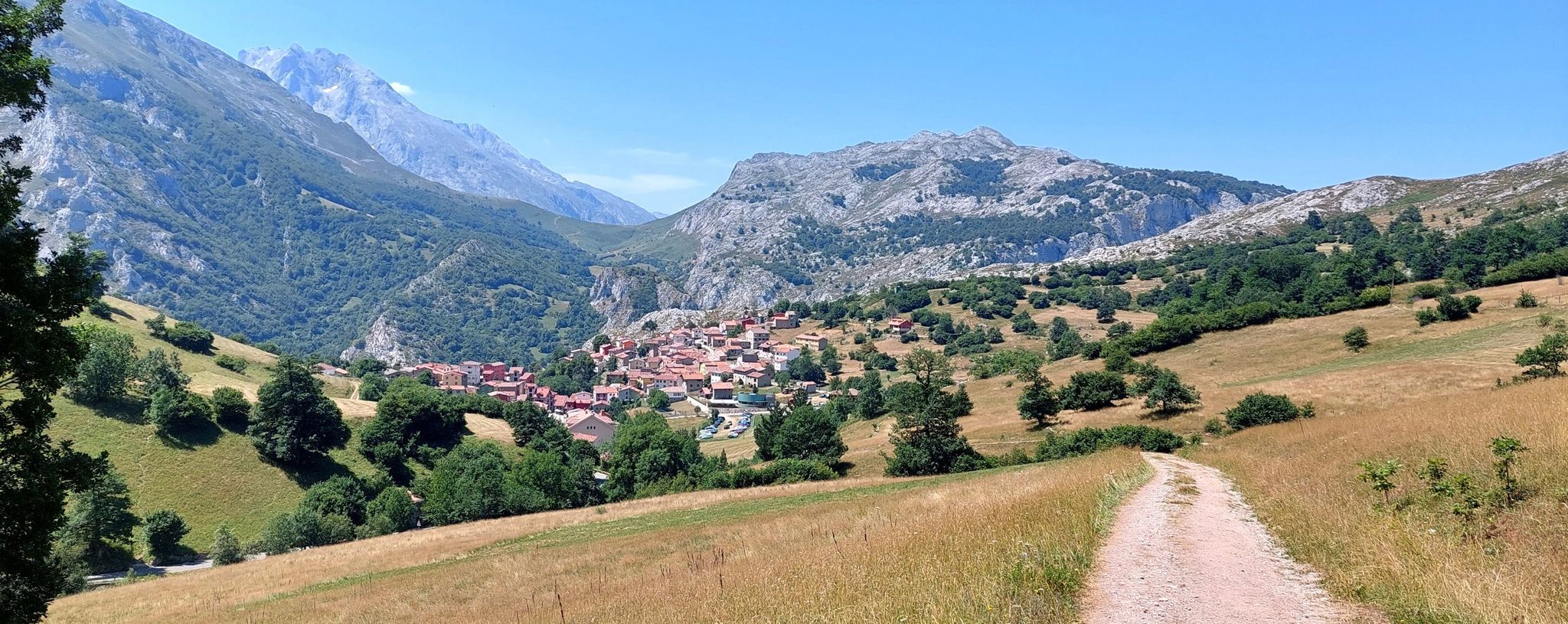
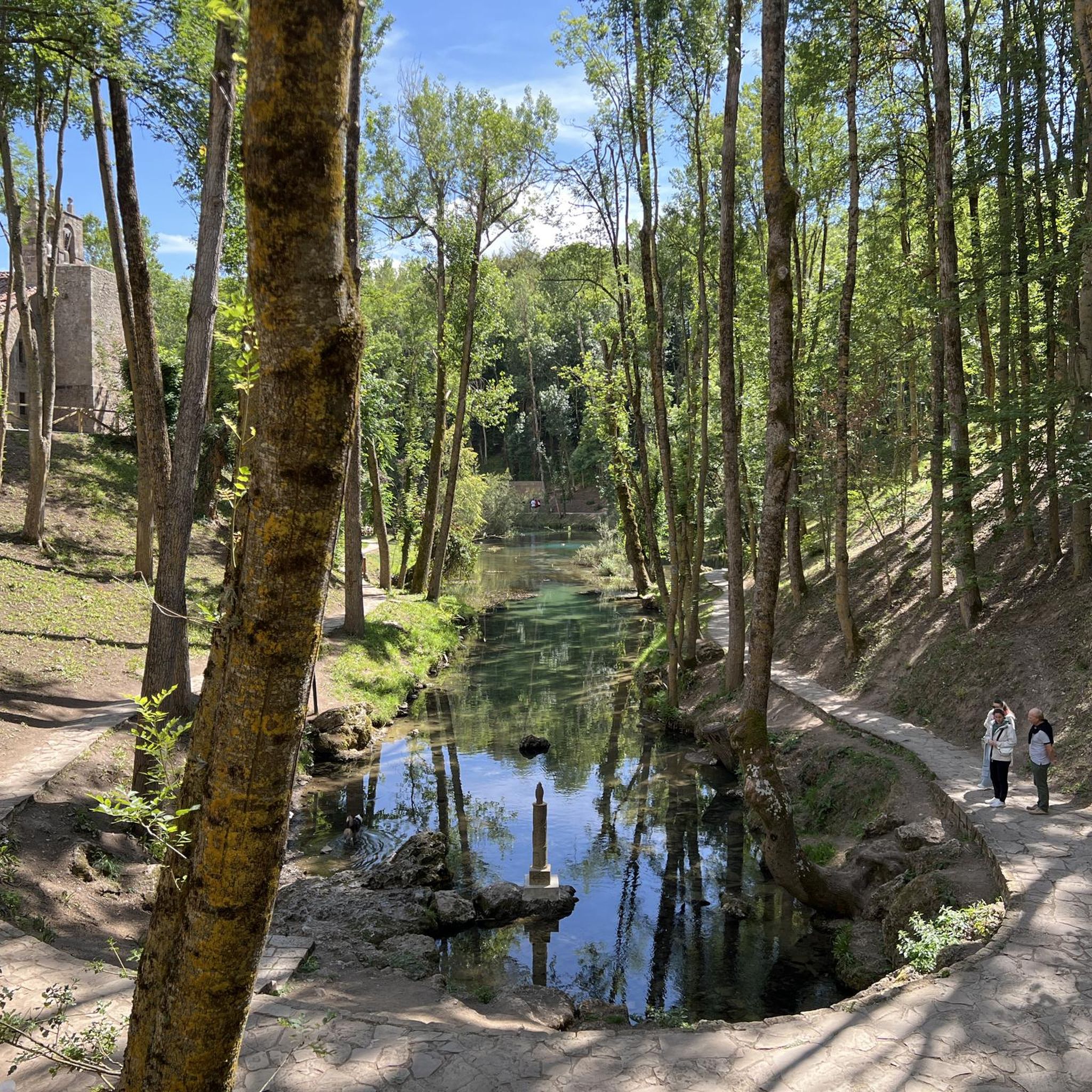
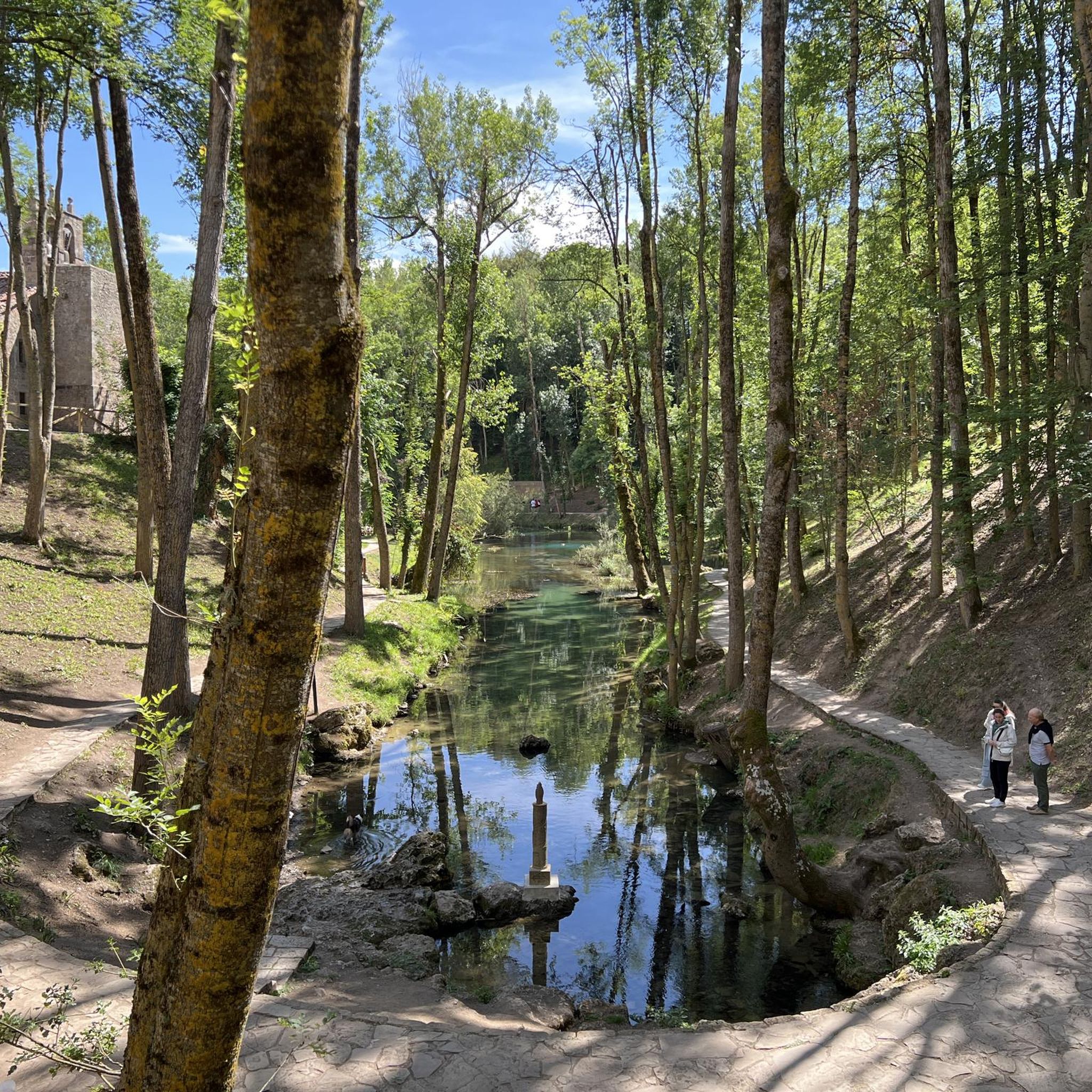
You will experience a diverse landscape characterized by dense forests, challenging mountainous terrain, and remote river valleys. The region is known for its rugged, natural environments, offering panoramic views from higher elevations and serene passages through beech forests. Highlights include areas like the Beautiful section through the beech forest and the Pool area in the Argonza River.
Are there any notable landmarks or points of interest along the gravel bike routes?
Yes, several routes pass by interesting natural and historical points. You might encounter the Cruz de Fuentes mountain pass, or natural monuments like the Fallen Oak of Brujilices. The El Moral Plateau offers expansive views.
When is the best season for gravel biking in National Park Saja-Besaya?
Given the mountainous terrain and potential for challenging weather, the best seasons for gravel biking in National Park Saja-Besaya are typically spring, summer, and early autumn. During these months, you can expect more stable weather conditions and clearer trails. Winter can bring snow and ice, making many routes impassable or significantly more difficult.
Are there any loop gravel bike trails available?
Yes, many of the gravel bike routes in National Park Saja-Besaya are designed as loops, allowing you to start and finish at the same point. Examples include the Ermita de San Antonio – San Ciprián Climb loop from Virgen de la Peña and the Alto de San Cipriano – Pico del Palo de Ibio loop from Estación de Las Caldas de Besaya.
What do other gravel bikers enjoy most about the routes in National Park Saja-Besaya?
The komoot community highly rates the gravel biking experience in this region, with an average score of 5.0 stars. Reviewers often praise the challenging nature of the routes, the stunning natural beauty of the dense forests and mountain scenery, and the sense of adventure found on the remote unpaved tracks.
What should I consider regarding wildlife when gravel biking in the park?
As a National Park, Saja-Besaya is home to diverse wildlife. While gravel biking, you might encounter various species, especially in quieter, forested areas. It's always advisable to ride respectfully, keep a safe distance from animals, and avoid disturbing their natural habitats. Early mornings or late afternoons might offer better chances for wildlife spotting.
Are there any towns or villages near the trails where I can find amenities like cafes?
Yes, the routes often start or pass near small towns and villages where you can find amenities. For example, the route starting from Reinosa or the loop from Ruente would likely have access to local cafes and services. Bárcena Mayor, a historic settlement, is also a notable point of interest in the area and may offer facilities.
Most popular routes around National Park Saja-Besaya
Most popular attractions around National Park Saja-Besaya

Get inspired with the komoot mobile app


Explore more
Browse the best Gravel rides in other regions.
