The best MTB trails around National Park Batuecas y Sierra Francia
4.3
(11)
270
riders
18
rides
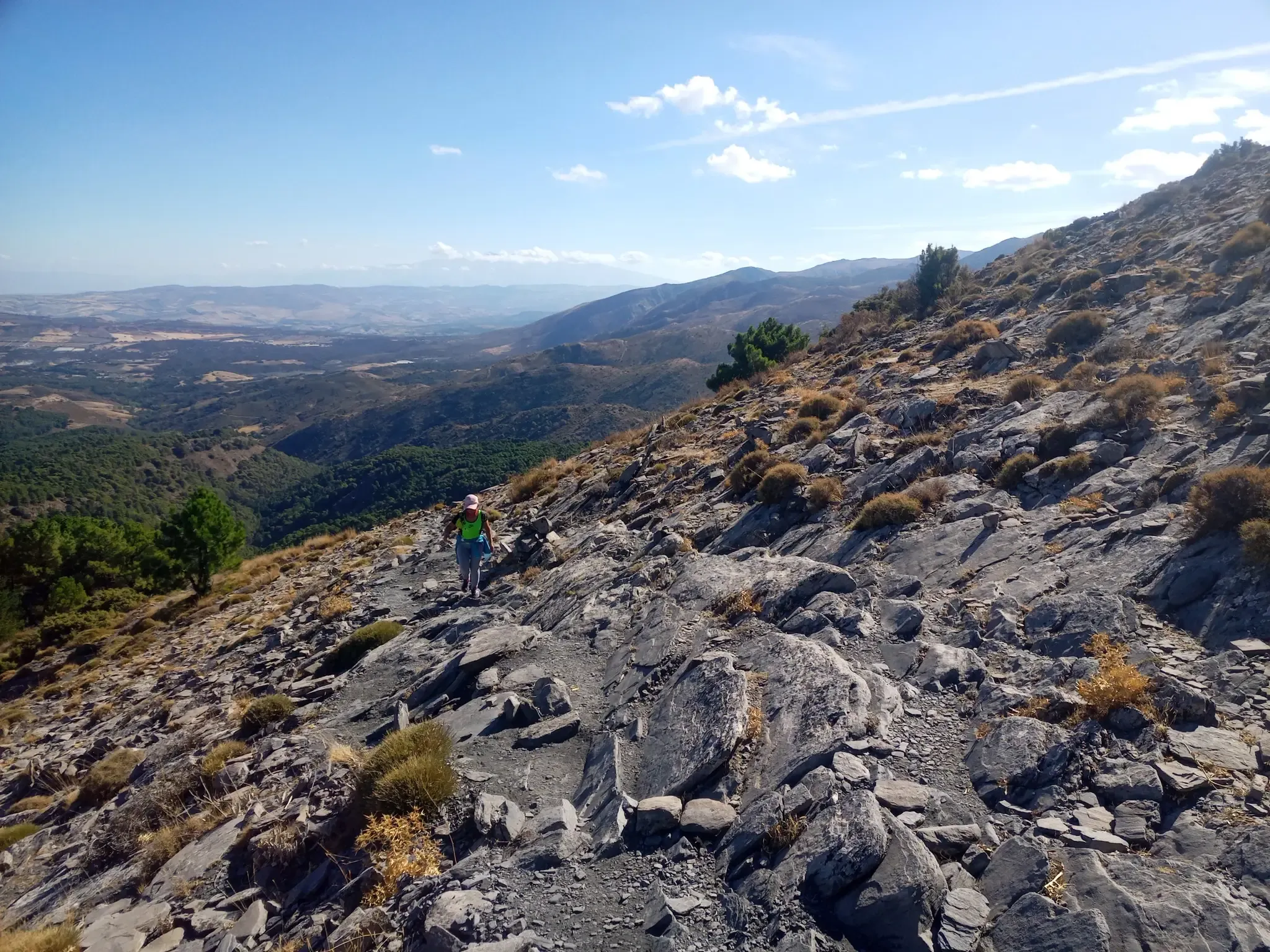
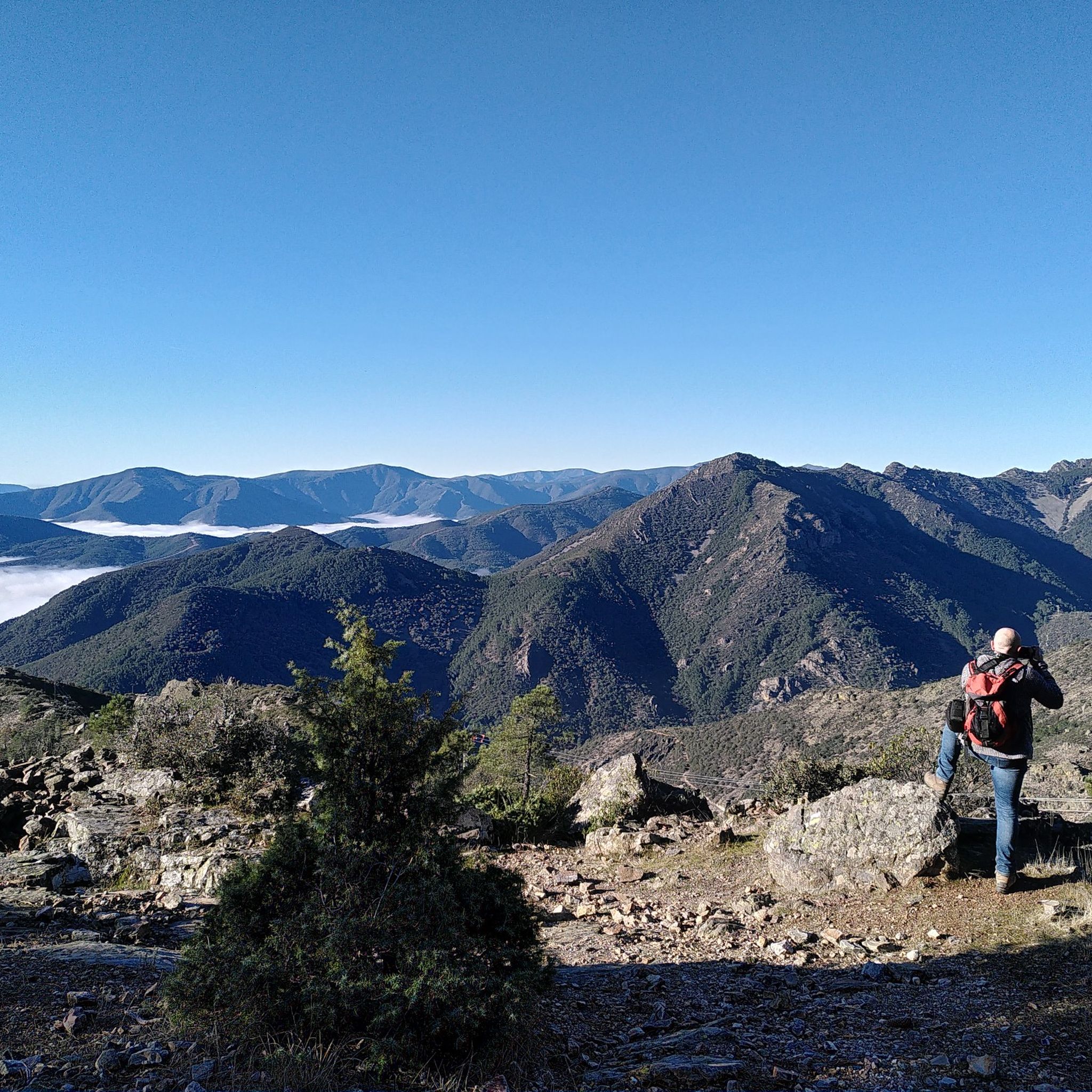
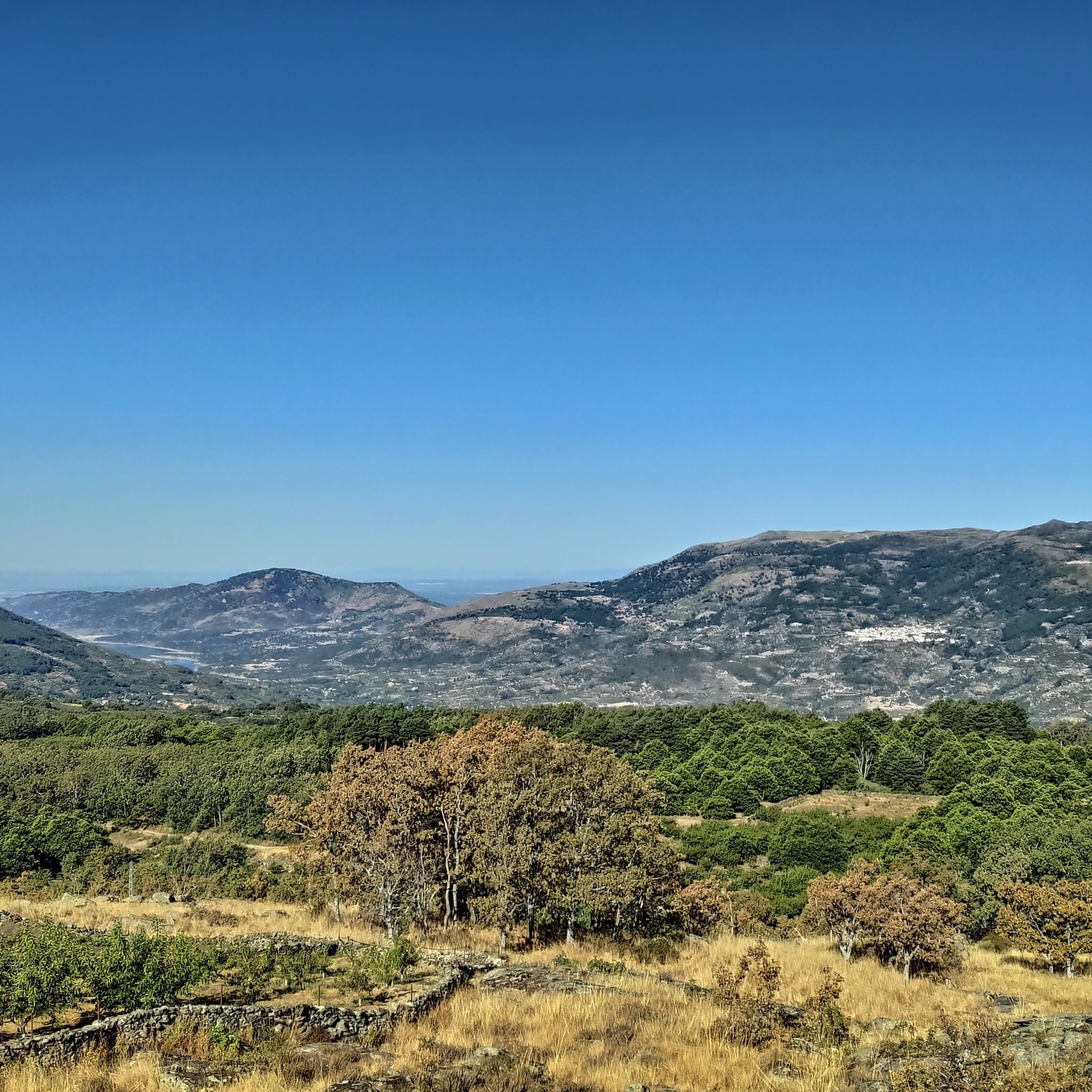
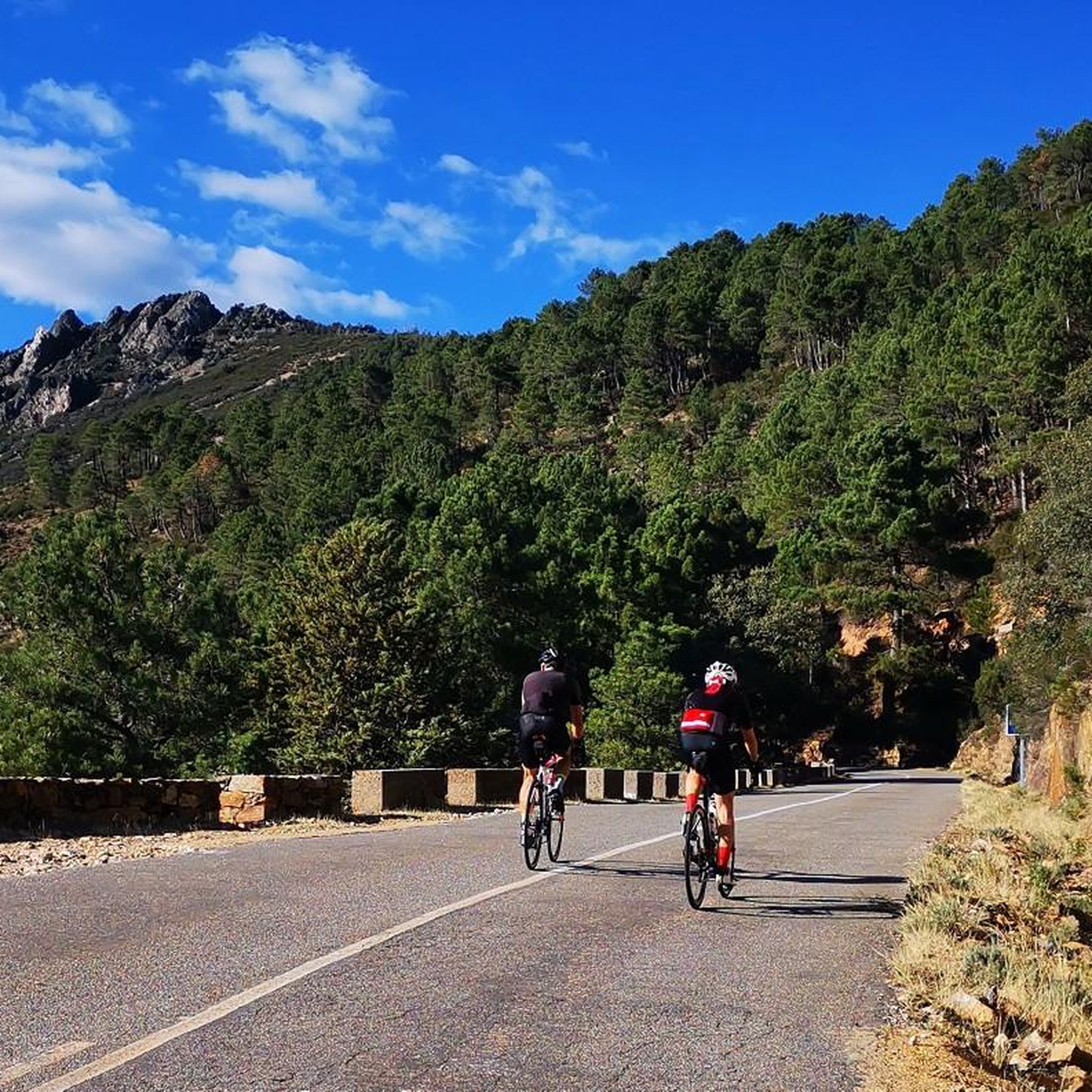
Mountain biking around National Park Batuecas y Sierra de Francia offers diverse and rugged landscapes, characterized by a labyrinth of mountains and intricate valleys. The region features significant elevation changes, from the summit of La Hastiala at 1,730 meters to the Alagón River valley at 350 meters. Riders can explore vast forests of oaks, chestnuts, and cork oaks, alongside valleys carved by streams and rivers, providing varied terrain for mountain bike trails.
Best mountain bike trails around National Park Batuecas…
Last updated: May 15, 2026
4.0
(2)
27
riders
Hard mountain bike ride. Very good fitness required. Advanced riding skills necessary. Some portions of the route may require you to push your bike.
5.0
(1)
36
riders
49.3km
04:49
1,340m
1,340m
Hard mountain bike ride. Very good fitness required. Advanced riding skills necessary.

Sign up for free
31
riders
44.4km
03:42
970m
970m
Hard mountain bike ride. Very good fitness required. Advanced riding skills necessary.
4.0
(1)
17
riders
44.0km
03:39
990m
990m
Hard mountain bike ride. Very good fitness required. Advanced riding skills necessary. Some portions of the route may require you to push your bike.
5.0
(1)
26
riders
42.5km
04:18
1,220m
1,220m
Hard mountain bike ride. Very good fitness required. Advanced riding skills necessary.
Get access to more routes and recommendations from other explorers.
Sign up for free
Already have an account?
Our route recommendations are based on thousands of hikes, rides, and runs completed by other people on komoot.
Start today with a free account
Your next adventure awaits.
Login or Signup
Popular around National Park Batuecas y Sierra Francia
Other adventures around National Park Batuecas y Sierra Francia

Tips from the Community

At the village's social meeting point, the Plaza Mayor with its arcades, stands a beautiful granite pilgrim's cross.
10
0
Striking about the houses are the stone support beams above the doorposts. Religious texts are engraved on them and there are dates from the 1700s and 1800s. After the reconquista, when the area was repopulated, many Jews came to live in the village. Because the church forbade the Jews to practice their religion, they had to prove that they had joined the Catholic church by engraving biblical texts above their houses.
9
0
Beautiful view here, now the last stretch to the top with 200 altitude meters to go.
0
0
Really such a top that stands out with over 1700 meters, offering a beautiful view all around.
11
0

The portraits on the facades of Mogarraz are one of the town's most striking features. In 2012, artist Florencio Maíllo began a project to recover old ID photos taken in the 1960s by Alejandro Martín. He painted more than 800 portraits on canvases and placed them on the facades of the town's houses. Each portrait depicts a resident who lived there during that time, creating a unique open-air museum in Spain. The goal: to preserve collective memory and bring the streets to life with art.
3
0
What to see in Mogarraz The Faces of Mogarraz More than 800 portraits painted on the facades, the work of artist Florencio Maíllo, who transformed the village into an open-air museum. This initiative originated from photos taken in the 1960s for residents' national identity cards. Main Square The central oval-shaped square, surrounded by traditional mountain houses with timber framing and stone walls. Church of Our Lady of the Snows A Renaissance-style church, built between the 16th and 17th centuries. Bell Tower An old defensive tower, separate from the church, used as a watchtower in the Middle Ages. Ethnographic Museum – House of Crafts Exhibits traditional crafts such as embroidery, shoemaking, and goldsmithing.
2
0
Founded during the 12th-century repopulation of León by Alfonso IX, within the district of Miranda del Castañar. Declared a Historic-Artistic Site in 1998 and a member of the network of the Most Beautiful Villages of Spain. Its mountain architecture combines stone, wood, and adobe, with flower-adorned balconies and heraldic details.
2
0
What to see in Miranda del Castañar Medieval Walls: Over 600 meters remain intact, with four gates facing the cardinal directions: San Ginés, Nuestra Señora, La Villa, and El Postigo. Zúñiga Castle: A 15th-century fortress, symbol of the former County of Miranda. Although the interior is not open to the public, its exterior and keep are impressive. Square Bullring: Considered one of the oldest in Spain, built in the 16th century on the site of the former parade ground. Church of Santiago and San Ginés: Gothic in style (13th-16th centuries), with a detached 17th-century bell tower. Houses with Coats of Arms: More than 80 noble coats of arms adorn the facades, reflecting the town's aristocratic past.
1
0
Frequently Asked Questions
How many mountain bike trails are available in National Park Batuecas y Sierra de Francia?
The National Park Batuecas y Sierra de Francia offers a wide variety of mountain bike trails. There are over 20 routes documented on komoot, catering to different skill levels, from easy rides to challenging ascents.
What kind of terrain can I expect when mountain biking in this region?
The region is characterized by a diverse and rugged landscape, featuring a labyrinth of mountains and intricate valleys. You'll encounter significant elevation changes, from the deep valley of the Alagón River to peaks like La Hastiala. Trails often traverse vast forests of oaks, chestnuts, and cork oaks, as well as valleys carved by streams and rivers.
Are there mountain bike trails suitable for beginners or families?
Yes, the park offers routes suitable for all skill levels. While many trails are challenging, there are easier options available. The "Centro BTT de Entresierras" in Cristóbal, for example, provides a network of marked trails with varying difficulties, including green routes ideal for families and beginners.
What are some challenging mountain bike routes for experienced riders?
For experienced riders seeking a challenge, the region has numerous difficult trails. One such route is the Main Square of La Alberca – Peña de Francia loop from El Maíllo, which covers approximately 44 km with nearly 1,000 meters of elevation gain. Another demanding option is the Main Square of La Alberca – Portraits of Mogarraz loop from Miranda del Castañar, a 42 km ride with over 1,200 meters of ascent.
What natural features or viewpoints can I see along the mountain bike trails?
The park is rich in natural beauty and offers spectacular viewpoints. You can explore deep valleys, vast forests, and significant water features like the "Chorro de las Batuecas." Don't miss the breathtaking panoramic vistas from the Mirador de la Peña de Francia, located at 1,727 meters above sea level. The spectacular "Meandro Melero" of the Alagón River is also a highly photographed natural landmark.
Are there any charming villages or historical sites to visit while mountain biking?
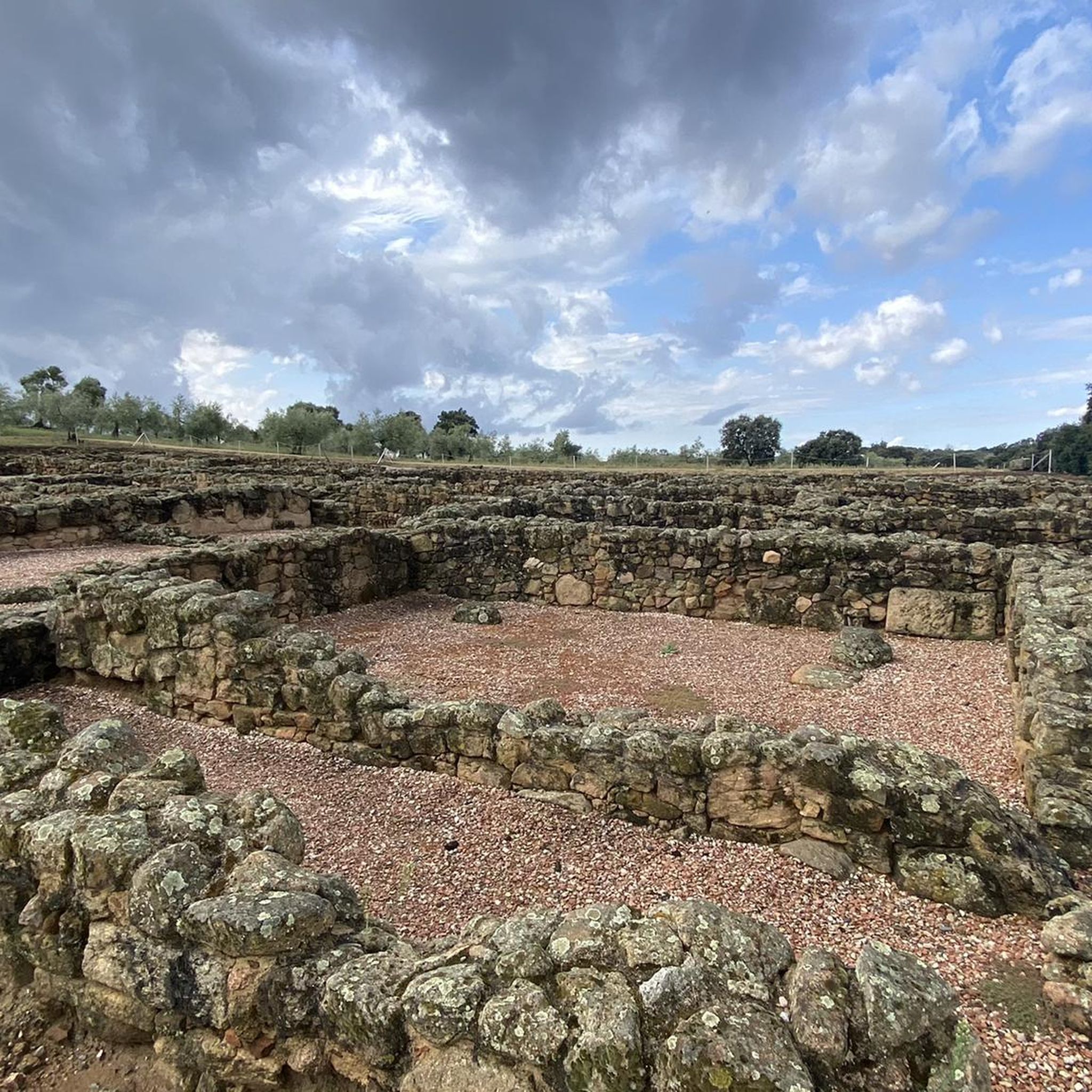
Absolutely. The park is home to picturesque villages that maintain traditional architecture. Notable examples include Mogarraz, known for its painted portraits, and Miranda del Castañar with its 15th-century castle. The Old Town of La Alberca is considered one of Spain's most beautiful villages. You can also find archaeological remains and prehistoric rock paintings in caves like La Batueca.
What is the best time of year for mountain biking in National Park Batuecas y Sierra de Francia?
The varied topography of the park makes it suitable for mountain biking through much of the year. Spring and autumn generally offer the most pleasant temperatures and vibrant landscapes. Summers can be hot, especially in the valleys, while winters may bring colder conditions and potential snow at higher elevations, so checking local weather forecasts is always recommended.
Are dogs allowed on the mountain bike trails?
While the park is a natural area, specific regulations regarding dogs on mountain bike trails can vary. It's always best to check with the local park authorities or visitor centers for the most current rules on pet access, especially concerning protected areas and wildlife habitats, to ensure a responsible visit.
Where can I find parking for mountain bike trails?
Many of the trails start from or pass through the charming villages within the park, such as La Alberca, Mogarraz, and Miranda del Castañar. These villages typically offer public parking facilities. For specific trailheads, it's advisable to check the route details on komoot or consult local visitor information centers for designated parking areas.
What do other mountain bikers enjoy most about mountain biking in National Park Batuecas y Sierra de Francia?
The area is highly rated by the komoot community, with an average score of 4.25 stars. Reviewers often praise the diverse and rugged landscapes, the challenging climbs and rewarding descents, and the opportunity to explore charming traditional villages and historical sites along the way. The blend of nature, culture, and history makes for a unique cycling experience.
Are there any loop trails for mountain biking in the park?
Yes, many of the mountain bike routes in National Park Batuecas y Sierra de Francia are designed as loops, allowing you to start and finish in the same location. For example, the Old Town of La Alberca – Miranda del Castañar loop from La Alberca is a popular option that connects charming villages and offers varied terrain.
Can I access mountain bike trails using public transport?
Access to the park's villages, which often serve as starting points for trails, is possible via regional bus services. However, public transport options within the park itself can be limited, especially for reaching more remote trailheads. Planning your route in advance and checking bus schedules is recommended if relying on public transport.
Most popular routes around National Park Batuecas y Sierra Francia
Most popular attractions around National Park Batuecas y Sierra Francia

Get inspired with the komoot mobile app


Explore more
Browse the best MTB trails in other regions.
