The best cycling routes around National Park Batuecas y Sierra Francia
4.5
(15)
358
riders
21
rides
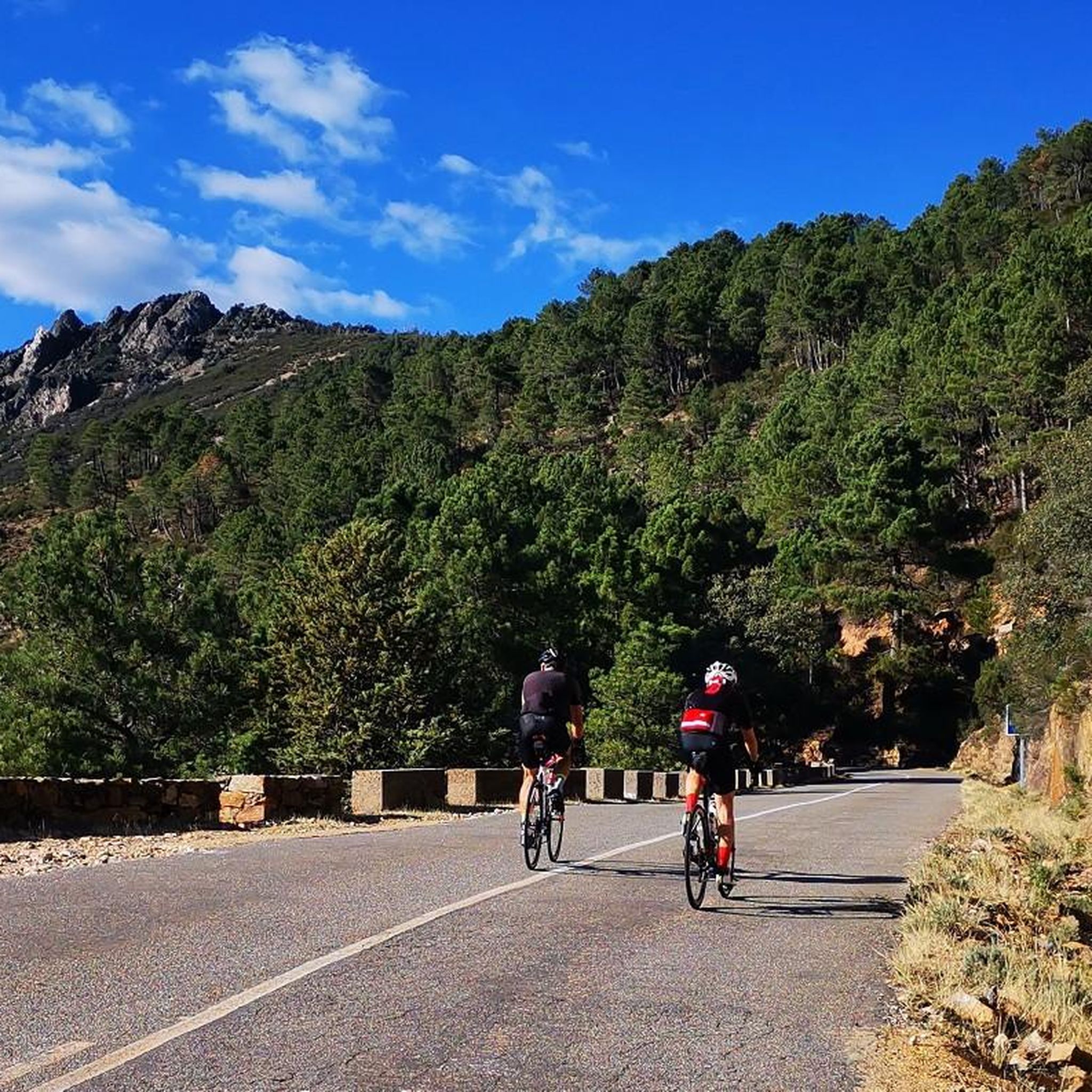
Touring cycling routes around National Park Batuecas y Sierra de Francia traverse a diverse landscape characterized by rugged relief, high peaks, and deeply carved valleys. The region, a UNESCO biosphere reserve, features a mix of Mediterranean and Atlantic-influenced forests, including holm oaks, cork oaks, chestnuts, and extensive cherry orchards. This varied terrain provides a range of cycling experiences, from challenging climbs to routes connecting historic villages. The park's natural environment and cultural heritage make it a notable destination for outdoor…
Last updated: May 10, 2026
15
riders
Hard bike ride. Very good fitness required. Mostly paved surfaces. Suitable for all skill levels.
19
riders
48.3km
03:31
1,100m
1,100m
The Peña de Francia from Maíllo — circular by Monsago is a difficult 30.0-mile touring cycling route with 3602 feet of elevation gain.

Sign up for free
5
riders
29.9km
02:10
650m
650m
This 18.6-mile difficult touring cycling route in Parque Natural de las Batuecas y Sierra de Francia offers challenging climbs and cultural
4.7
(3)
6
riders
34.5km
02:33
830m
830m
This difficult 21.4-mile touring cycling route from Miranda de Castañar offers challenging terrain and unique land art in the Sierra de Fran
5.0
(1)
42
riders
71.4km
05:03
1,400m
1,400m
Hard bike ride. Very good fitness required. Mostly paved surfaces. Suitable for all skill levels.
Get access to more routes and recommendations from other explorers.
Sign up for free
Already have an account?
Our route recommendations are based on thousands of hikes, rides, and runs completed by other people on komoot.
Start today with a free account
Your next adventure awaits.
Login or Signup
Popular around National Park Batuecas y Sierra Francia
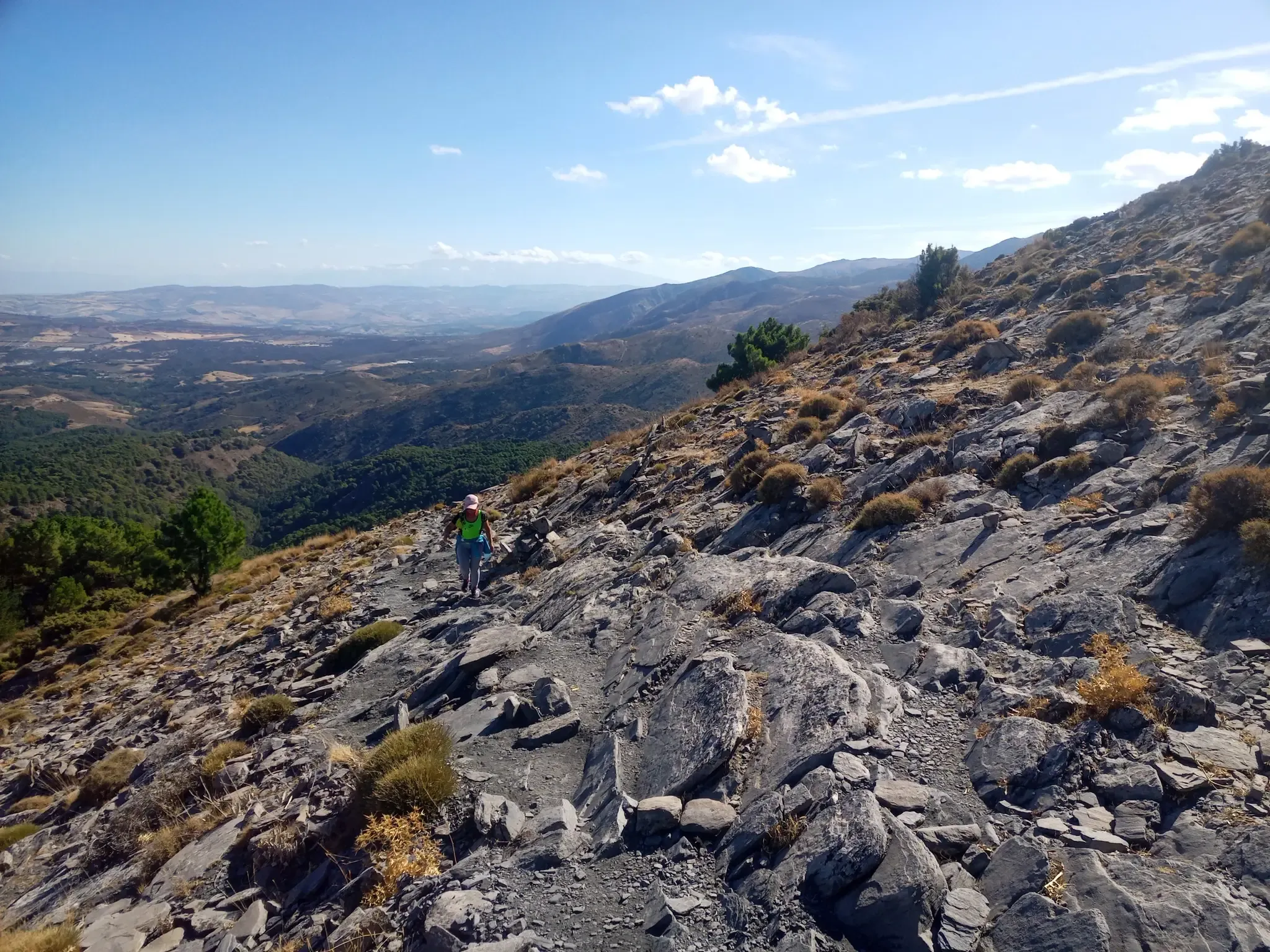
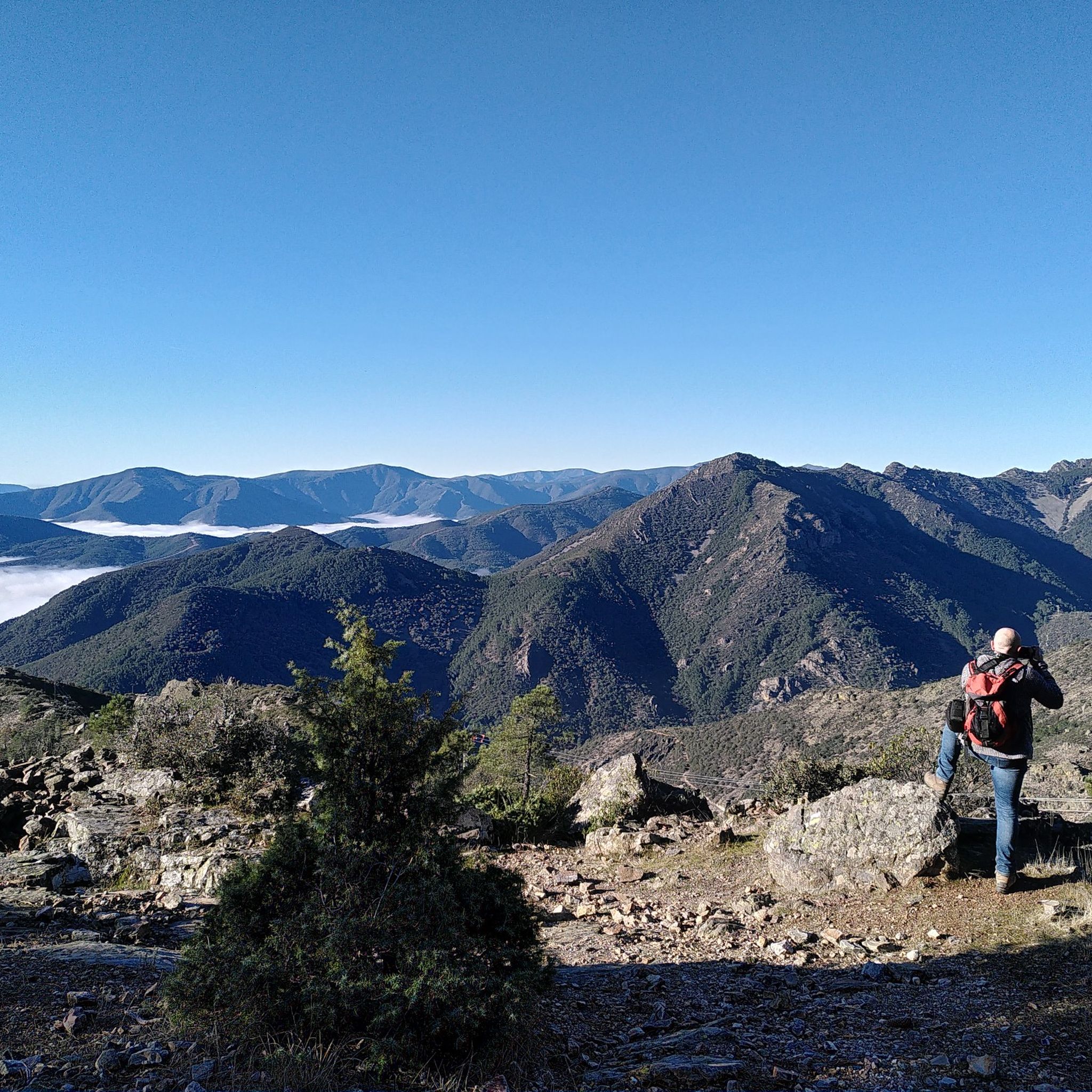
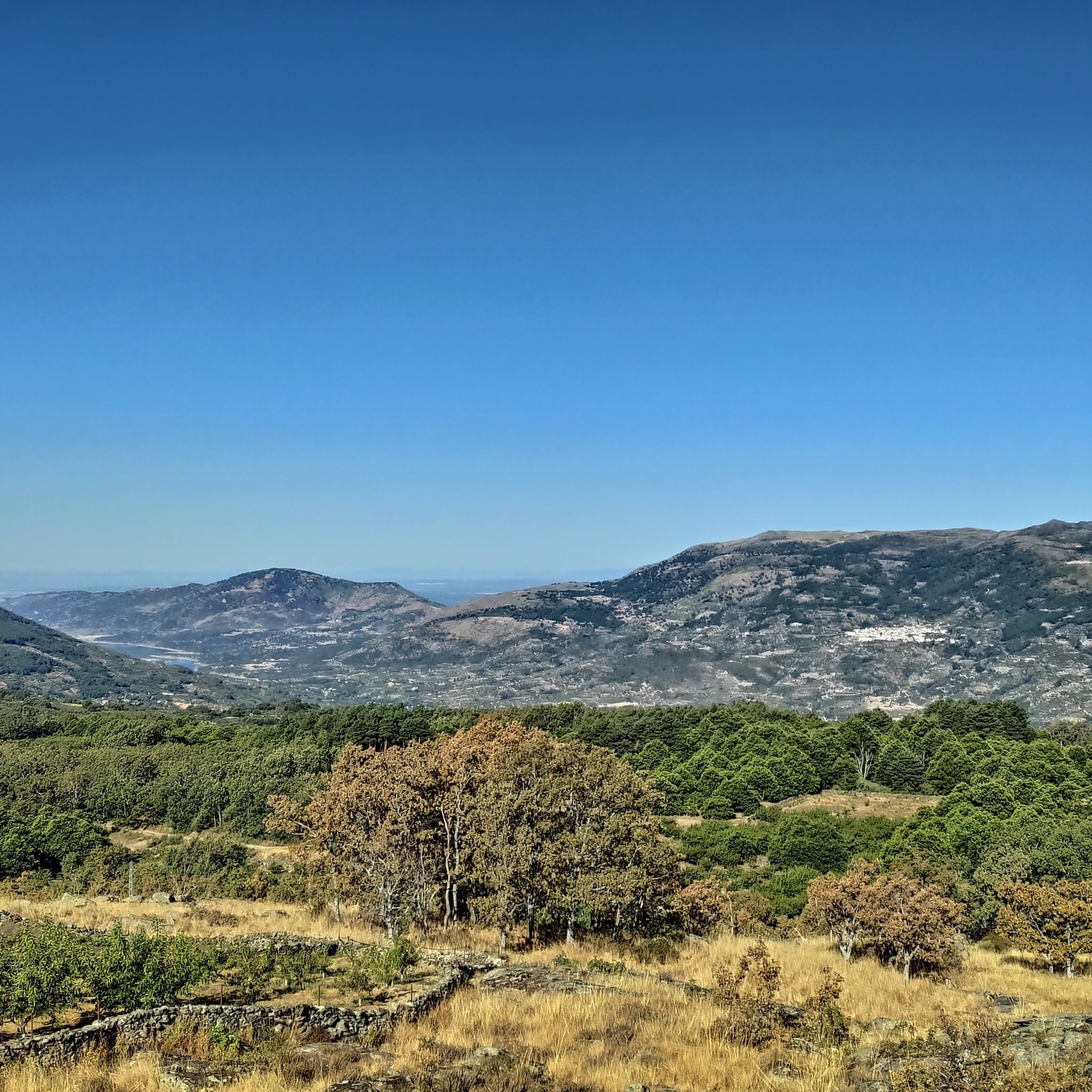
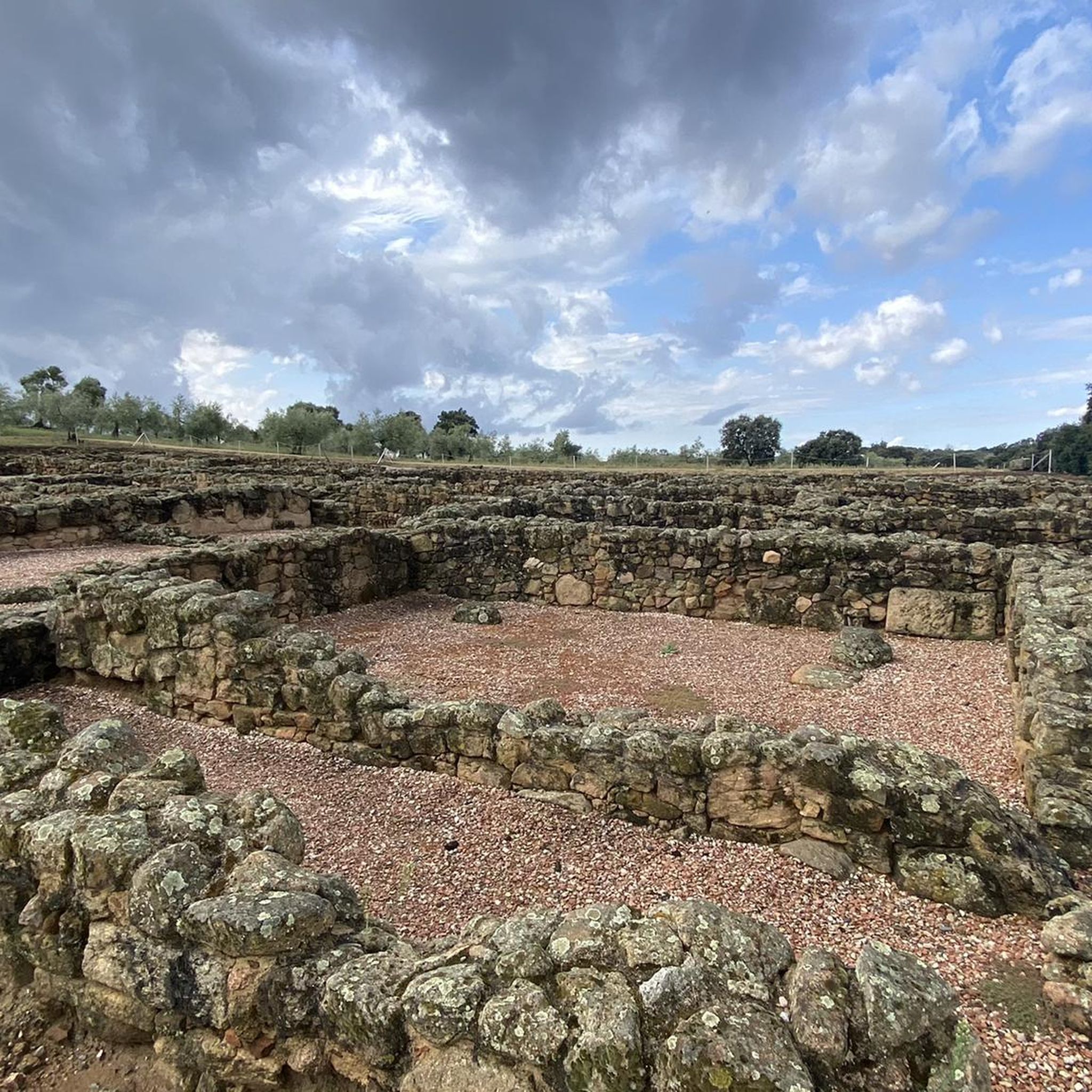
Other adventures around National Park Batuecas y Sierra Francia

Tips from the Community

At the village's social meeting point, the Plaza Mayor with its arcades, stands a beautiful granite pilgrim's cross.
10
0
Striking about the houses are the stone support beams above the doorposts. Religious texts are engraved on them and there are dates from the 1700s and 1800s. After the reconquista, when the area was repopulated, many Jews came to live in the village. Because the church forbade the Jews to practice their religion, they had to prove that they had joined the Catholic church by engraving biblical texts above their houses.
9
0
Beautiful view here, now the last stretch to the top with 200 altitude meters to go.
0
0
Really such a top that stands out with over 1700 meters, offering a beautiful view all around.
11
0

What to see in Mogarraz The Faces of Mogarraz More than 800 portraits painted on the facades, the work of artist Florencio Maíllo, who transformed the village into an open-air museum. This initiative originated from photos taken in the 1960s for residents' national identity cards. Main Square The central oval-shaped square, surrounded by traditional mountain houses with timber framing and stone walls. Church of Our Lady of the Snows A Renaissance-style church, built between the 16th and 17th centuries. Bell Tower An old defensive tower, separate from the church, used as a watchtower in the Middle Ages. Ethnographic Museum – House of Crafts Exhibits traditional crafts such as embroidery, shoemaking, and goldsmithing.
2
0
Founded during the 12th-century repopulation of León by Alfonso IX, within the district of Miranda del Castañar. Declared a Historic-Artistic Site in 1998 and a member of the network of the Most Beautiful Villages of Spain. Its mountain architecture combines stone, wood, and adobe, with flower-adorned balconies and heraldic details.
2
0
What to see in Garcibuey Mural Route – Graffitibuey Since 2019, Garcibuey has become the “graffiti village,” with more than 18 murals by national and international artists integrated into its traditional architecture. The highlight is the mural “El Tritón de Miguelón,” covering 1,600 m², considered the largest in Europe and awarded best mural in the world in 2023. Old Town Cobblestone streets, traditional stone and wood houses, and the Church of San Pedro Apóstol (16th century) with a Baroque altarpiece. La Palla Pond An old irrigation system (1940), now a recreational area with a natural pool and a beach bar offering spectacular views. La Peña Viewpoint Panoramic views over the Alagón Valley and the Sierra de Francia mountain range.
8
0
Founded during the 13th-century repopulation of León by Alfonso IX, it was part of the district of Miranda del Castañar. Prehistoric remains can be found in the La Palla Valley, and legends abound about hidden treasures in the Cueva de la Mora (Cave of the Moorish Woman). The traditional economy is based on orchards, vineyards (Sierra de Salamanca Designation of Origin), and olive oil.
9
0
Frequently Asked Questions
What is the general difficulty level of touring cycling routes in National Park Batuecas y Sierra Francia?
The touring cycling routes in National Park Batuecas y Sierra Francia are predominantly challenging. Out of 25 available routes, 21 are rated as difficult, 3 as moderate, and only 1 as easy. This reflects the region's rugged relief with high peaks and deeply carved valleys, offering significant elevation changes.
Are there any easy touring cycling routes suitable for beginners or those looking for a less strenuous ride?
While most routes are challenging, there is at least one easy touring cycling route available. Generally, the park's terrain is rugged, so even easier routes might involve some varied gradients. For a less strenuous experience, consider routes that stick to lower altitudes or flatter sections between villages.
What kind of landscapes and natural features can I expect to see while cycling in the park?
You can expect a dramatically diverse landscape, from rugged peaks like Peña de Francia to deep, isolated valleys carved by rivers. The park is a UNESCO biosphere reserve, featuring a rich mix of Mediterranean and Atlantic-influenced forests, including holm oaks, cork oaks, chestnuts, and extensive cherry orchards. The varied vegetation makes it a 'true botanic garden'.
What historical sites or picturesque villages can I visit along the touring cycling routes?
The region is rich in cultural heritage. Several municipalities, including La Alberca, Miranda del Castañar, Mogarraz, and San Martín del Castañar, are declared 'Historic-Artistic Complexes' with well-preserved traditional architecture. You can explore these charming villages, for example, on the Sierra de Francia Four Villages Route. The Carmelite monastery of San José Desert is another notable historical attraction.
Are there circular touring cycling routes available in National Park Batuecas y Sierra Francia?
Yes, there are several circular touring cycling routes. A popular option is the Parque Natural de las Batuecas y Sierra de Francia — circular desde La Alberca, which explores diverse landscapes and historic villages. Another challenging circular route is Peña de Francia from Maíllo — circular by Monsago, offering significant elevation changes and panoramic views.
What do other touring cyclists enjoy the most about cycling in National Park Batuecas y Sierra Francia?
The area is highly rated by the komoot community, with an average score of 4.7 stars from over 15 reviews. Reviewers often praise the stunning natural beauty, the challenging yet rewarding terrain, and the opportunity to visit picturesque historic villages. The diverse landscapes and rich cultural heritage are frequently highlighted as key attractions.
What are some notable viewpoints or natural landmarks I can encounter on the routes?
The park offers numerous scenic viewpoints due to its rugged terrain. You can find highlights such as the Sanctuary of Our Lady of the Peña de Francia, which offers panoramic views from its high elevation. Other natural landmarks include Peña Huevo and the Los Lobos Pass (1,499 m). The park is also recognized as a Starlight Destination, indicating exceptional dark skies for astrotourism.
Are there any specific attractions or points of interest near the touring cycling routes?
Yes, beyond the routes themselves, you can explore several points of interest. The Sanctuary of Our Lady of the Peña de Francia is a significant religious building and viewpoint. For natural beauty, consider visiting San Marcos Lagoon. The Canchal de las Cabras Pintadas offers a glimpse into prehistoric remains with cave paintings.
What is the best time of year to go touring cycling in National Park Batuecas y Sierra Francia?
The varied terrain means different seasons offer unique experiences. Spring and autumn generally provide pleasant temperatures for cycling, with vibrant flora in spring and beautiful foliage in autumn. Summer can be warm, especially at lower altitudes, while higher elevations might offer cooler rides. Winter can bring colder temperatures and potential snow in the higher peaks.
Are there options for food and accommodation along the touring cycling routes?
Yes, the picturesque villages within the park, such as La Alberca, Mogarraz, and San Martín del Castañar, offer various options for cafes, restaurants, and accommodation. These villages are often integrated into the cycling routes, providing convenient stops for refreshments and overnight stays. The Casa del Parque de las Batuecas-Sierra de Francia in La Alberca also serves as an information center.
What should I consider packing for a touring cycling trip in this region?
Given the varied terrain and potential for significant elevation changes, it's advisable to pack layers of clothing suitable for different temperatures. Essential items include a helmet, repair kit, sufficient water, and snacks. Due to unpaved segments on some routes, a bike suitable for mixed terrain or a gravel bike might be beneficial. Don't forget a camera for the stunning views!
Is it possible to find parking at the trailheads for touring cycling routes?
Yes, many of the villages that serve as starting points for routes, such as La Alberca or Maíllo, offer parking facilities. It's advisable to check specific village information or route descriptions for details on designated parking areas to ensure a smooth start to your cycling adventure.
Most popular routes around National Park Batuecas y Sierra Francia
Most popular attractions around National Park Batuecas y Sierra Francia

Get inspired with the komoot mobile app


Explore more
Browse the best Cycling routes in other regions.
