Attractions and Places To See around Urrea De Jalón - Top 7
Best attractions and places to see around Urrea De Jalón include a blend of historical, cultural, and natural sites. This region, located near Zaragoza, features a medieval urban plan with narrow alleys and historical architecture. The area is characterized by the Jalón River, offering picturesque settings, and hillsides with cave-dwellings and archaeological sites. It provides opportunities to explore ancient ruins, religious buildings, and scenic trails.
Best attractions and places to see around Urrea De Jalón
- The most popular attractions is…
Last updated: May 3, 2026
Clavería Bridge over the Imperial Canal of Aragon
Highlight • Bridge
Translated by Google •
Tip by

Hermitage of the Virgin of the Wave
Highlight • Religious Site
Translated by Google •
Tip by

Sign up now to discover places like this
Get recommendations on the best single tracks, peaks, & plenty of other exciting outdoor places.
Sign up for free
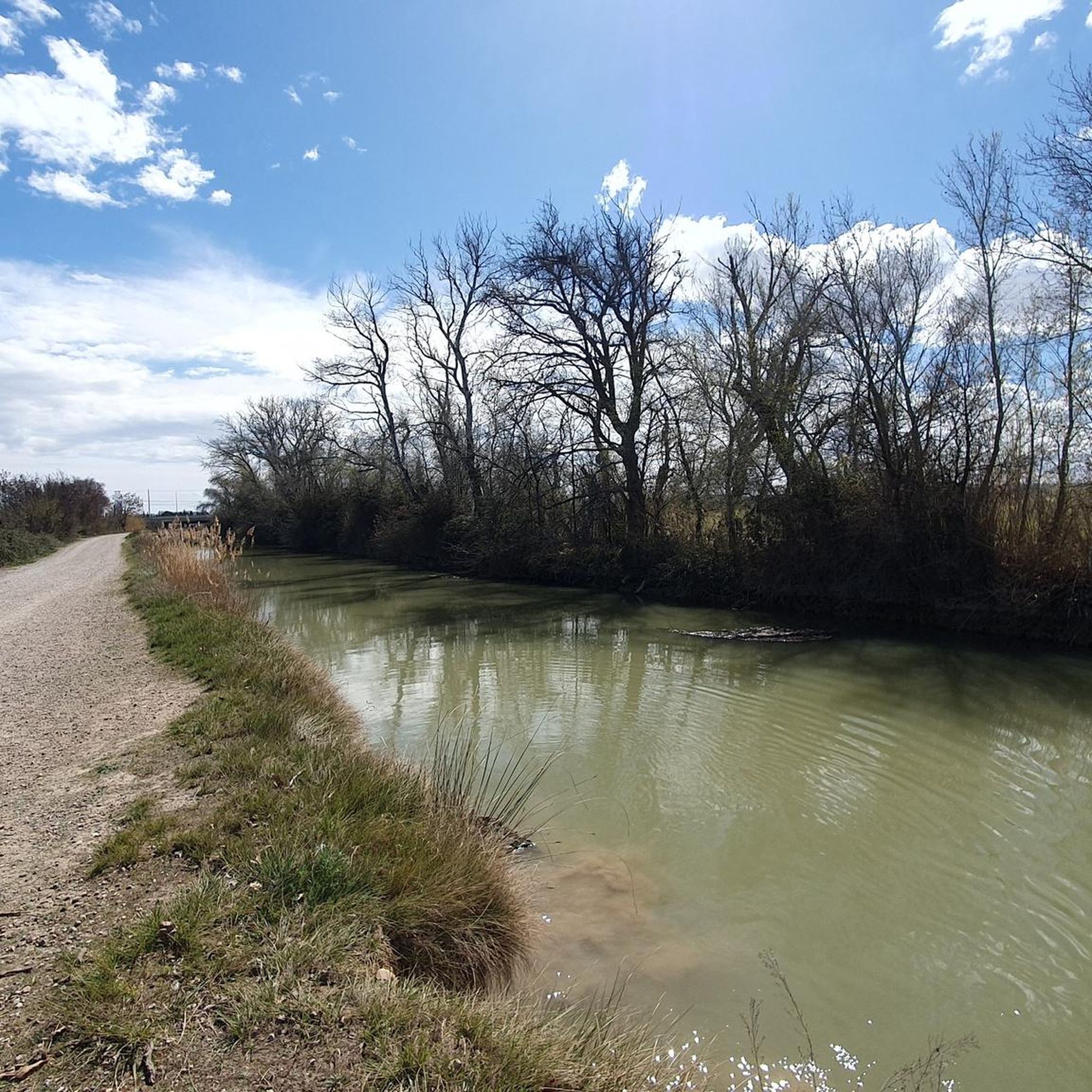
Canal Imperial de Aragon
Highlight (Segment) • Cycleway
Translated by Google •
Tip by

Church of Santa María la Mayor of Épila
Highlight • Religious Site
Translated by Google •
Tip by
Parish Church of San Francisco de Asís of Lumpiaque
Highlight • Religious Site
Translated by Google •
Tip by
Sign up for free to discover even more attractions around Urrea De Jalón.
Sign up for free
Already have an account?
Start today with a free account
Your next adventure awaits.
Login or Signup


Tips from the Community

The Hermitage of the Virgen de la Ola is a Marian sanctuary located in Peramán, an old hamlet in the municipality of Bárboles in the valley of the Jalón River. Built in the 17th century, it has a rectangular floor plan. Its exterior has been renovated with exposed brick and has a small tower without bells. It is located on the banks of the Jalón River and is a place of Marian devotion.
2
0

The hermitage of the Virgen de la Ola is the church of the disappeared town of Peramán (whose name is still used to name the area). There are hardly any remains of the disappeared town, but the hermitage has been marked on maps since the 17th century at least. The current building is surely the result of several reconstructions during the last two centuries. (http://www.sipca.es/censo/1-INM-ZAR-015-043-003/Ermita/de/la/Virgen/de/la/Ola.html)
0
0

The beautiful town of Épila has a lot to teach you with how small it is. Apart from natural and scenic attractions worth visiting, we must also highlight the Condes de Aranda Palace (from the 16th century), the Marquises of Saudi or the Condes de Montenegrón building. If we also like to visit religious heritage, the town of the Valdejalón region has the Church of Santa María la Mayor or the hermitage of Santa María Magdalena
1
0
The beautiful town of Épila has a lot to teach you with how small it is. Apart from natural and scenic attractions worth visiting, we must also highlight the Condes de Aranda Palace (from the 16th century), the Marquises of Saudi or the Condes de Montenegrón building. If we also like to visit religious heritage, the town of the Valdejalón region has the Church of Santa María la Mayor or the hermitage of Santa María Magdalena
1
0
As we pass through the beautiful town of Lumpiaque belonging to the Valdejalón region, we can visit the parish church of San Francisco de Asís, built in the 16th century with a beautiful Mudejar bell tower, currently listed as a World Heritage Site; or also the Hermitage of Santa Bárbara, dating from the 17th century.
1
0
Historic arch bridge built in the 18th century to cross the Imperial Canal of Aragon. Nice picture to photograph!
2
0

The hermitage of the Virgen de la Ola is a 17th-century sanctuary located in the uninhabited Peramán, on the banks of the Jalón River. It is a temple with a rectangular floor plan, which has a very renovated exterior, with exposed brick, and a small tower at the foot without bells. The tradition of Nª Sª de la Ola considers that this construction could be built on the ruins of the old medieval monastery of the Order of Fontevrault, where the image of the Virgin Mary was found. This had been dragged by the strong waves of the Jalón River, hence, it is known as the Virgin of the Wave. The interior of the hermitage, with sober decoration, housed in the presbytery the carving of the Virgen de la Ola from the 14th century. However, the original figure is going to disappear as a result of a theft, so the current size is from a recent factory. All this makes this hermitage one of the two main pilgrimage points of the Ribera Alta del Ebro. Every year the residents of Bárboles, Grisén and Pinseque make a pilgrimage during the month of May to this sanctuary to honor the Virgin
1
0
The hermitage of the Virgen de la Ola is a seventeenth-century sanctuary located in the unpopulated area of Peramán, on the banks of the Jalón River. It is a rectangular-shaped temple, which has a very renovated exterior, with exposed brick, and a small tower at the foot without bells. The tradition of Nª Sª de la Ola considers that this construction could be built on the ruins of the old medieval monastery of the Order of Fontevrault, where the image of the Virgin Mary was found. This had been swept away by the strong waves of the Jalón River, hence, it is known as the Virgen de la Ola. The interior of the hermitage, with sober decoration, housed in the presbytery the sculpture of the Virgin of the Wave from the 14th century. However, the original figure is going to disappear as a result of a theft, so the current size is from a recent factory. All this makes this hermitage one of the two main pilgrimage points of the Ribera Alta del Ebro. Every year the residents of Bárboles, Grisén and Pinseque make pilgrimages to this sanctuary during the month of May to honor the Virgin.
0
1
Frequently Asked Questions
What historical sites can I explore in Urrea De Jalón?
Urrea De Jalón is rich in history. You can visit the 15th-century Gothic-Mudéjar Iglesia de El Salvador, the 17th-century Ermita de San Sebastián, and the Renaissance-style Casa Consistorial (Town Hall). The town also features the ruins of two medieval castles, El Castilluelo and the Castle of Urrea, the latter being of Islamic origin and documented since the 10th century. Additionally, the area has archaeological sites like Peña Amarilla (Bronze Age) and the Ibero-Roman site of Cerro de la Tijera.
Are there any notable religious buildings in the area?
Yes, the region features several significant religious buildings. Besides the Iglesia de El Salvador in Urrea de Jalón, you can visit the Hermitage of the Virgin of the Wave, a 17th-century Marian sanctuary located on the banks of the Jalón River. Further afield, the Church of Santa María la Mayor of Épila and the Parish Church of San Francisco de Asís of Lumpiaque, with its beautiful Mudéjar bell tower, are also worth exploring.
What natural features can I discover around Urrea De Jalón?
The area around Urrea De Jalón offers diverse natural beauty. You can explore El Montolar, the highest mountain at 503 meters, which is part of the Dehesa Rueda-Montolar, a Special Protection Area for Birds. The town is situated alongside the picturesque Jalón River, surrounded by fruit trees and cereal fields. Don't miss Fuente Amarga, a spring known for its bitter-tasting waters believed to have medicinal properties.
Are there hiking opportunities near Urrea De Jalón?
Yes, the surroundings of Urrea De Jalón offer various trails and paths for exploring the natural landscape. You can find several hiking routes, including the 'Pinseque and Imperial Canal of Aragón Loop' or shorter, easier options like 'Balsa La Jupe loop from La Muela'. For more details and routes, check out the Hiking around Urrea De Jalón guide.
Can I go cycling around Urrea De Jalón?
Absolutely! Cycling is a popular activity. The Canal Imperial de Aragon offers a simple and safe gravel path for many kilometers where cars are prohibited. You can also find various cycling routes, such as the 'Épila and Santuario de Rodanas Loop' or easier 'Bike loop from Urrea de Jalón'. Discover more options in the Cycling around Urrea De Jalón guide.
Are there family-friendly attractions in Urrea De Jalón?
Many attractions in the area are suitable for families. The Clavería Bridge over the Imperial Canal of Aragon is a historic and photogenic spot. The Hermitage of the Virgin of the Wave offers a cultural visit in a scenic riverside setting. Additionally, the Canal Imperial de Aragon provides a safe and enjoyable path for family walks or bike rides.
What is the best time to visit Urrea De Jalón for outdoor activities?
While specific seasonal weather details are not provided, generally, spring and autumn offer pleasant temperatures for outdoor activities like hiking and cycling in this region. These seasons avoid the intense heat of summer and the colder, potentially wetter conditions of winter, making them ideal for exploring trails and historical sites.
Are there any unique or lesser-known attractions in Urrea De Jalón?
Beyond the main landmarks, Urrea De Jalón is notable for its cave-dwellings, many excavated in the 20th century, though their existence dates back to the 17th century. These unique hillside structures offer a glimpse into the region's historical way of life. The town's medieval urban plan with narrow alleys and numerous arches also provides a charming, less-explored experience.
What do visitors enjoy the most about the attractions around Urrea De Jalón?
Visitors particularly appreciate the historical significance and preservation of sites like the Clavería Bridge over the Imperial Canal of Aragon, often highlighting its photographic opportunities. The peaceful and scenic environment of the Canal Imperial de Aragon is also highly rated for cycling and walking, with many enjoying the car-free gravel path.
Are there dog-friendly walking routes in Urrea De Jalón?
While specific dog-friendly policies for all trails are not detailed, the numerous trails and paths in the natural surroundings of Urrea De Jalón, including those along the Jalón River and in areas like El Montolar, are generally suitable for walks with dogs, provided they are kept under control. The Canal Imperial de Aragon also offers a long, flat path ideal for walks with pets.
How can I learn more about the Castle of Urrea?
The Castle of Urrea, of Islamic origin and documented since the 10th century, was an important fortress. Although largely in ruins, a small, deteriorated structure of tapial and stone remains. It is considered a Bien de Interés Cultural (Asset of Cultural Interest). You can find more historical context about this significant ruin on Wikipedia.

Get inspired with the komoot mobile app


Explore more
Still not found the Highlight you’re looking for? See guides of the top attractions in other regions:
