Attractions and Places To See around Navajún - Top 20
Best attractions and places to see around Navajún include its internationally recognized pyrite mine and unique natural landscape. Situated in the autonomous region of La Rioja, Spain, this area is characterized by mountainous terrain bordering Soria, offering a rugged landscape. The region also features ancient agricultural terraces and historical sites, reflecting centuries of human activity.
Best attractions and places to see around Navajún
- The most popular attractions is Castle of la Nava del Marqués de Magaña, a castle that…
Last updated: July 7, 2026
Castle of la Nava del Marqués de Magaña
Highlight • Castle
Translated by Google •
Tip by

Celtiberian Archaeological Site of Contrebia Leucade
Highlight • Historical Site
The pelendones, a Celtiberian people, settled in Contrebia Leukade in the Iron …
Translated by Google •
Tip by

Sign up now to discover places like this
Get recommendations on the best single tracks, peaks, & plenty of other exciting outdoor places.
Sign up for free
San Pedro Manrique
Highlight • Settlement
Translated by Google •
Tip by

Cervera del Río Alhama
Highlight • Settlement
Due to its excellent location, the town was hotly contested between Arabs and …
Translated by Google •
Tip by
Abandoned Village of Vea
Highlight • Settlement
Translated by Google •
Tip by

Sign up for free to discover even more attractions around Navajún.
Sign up for free
Already have an account?
Start today with a free account
Your next adventure awaits.
Login or Signup
Tips from the Community

I've been there several times, including today.. check out my latest post..
0
0

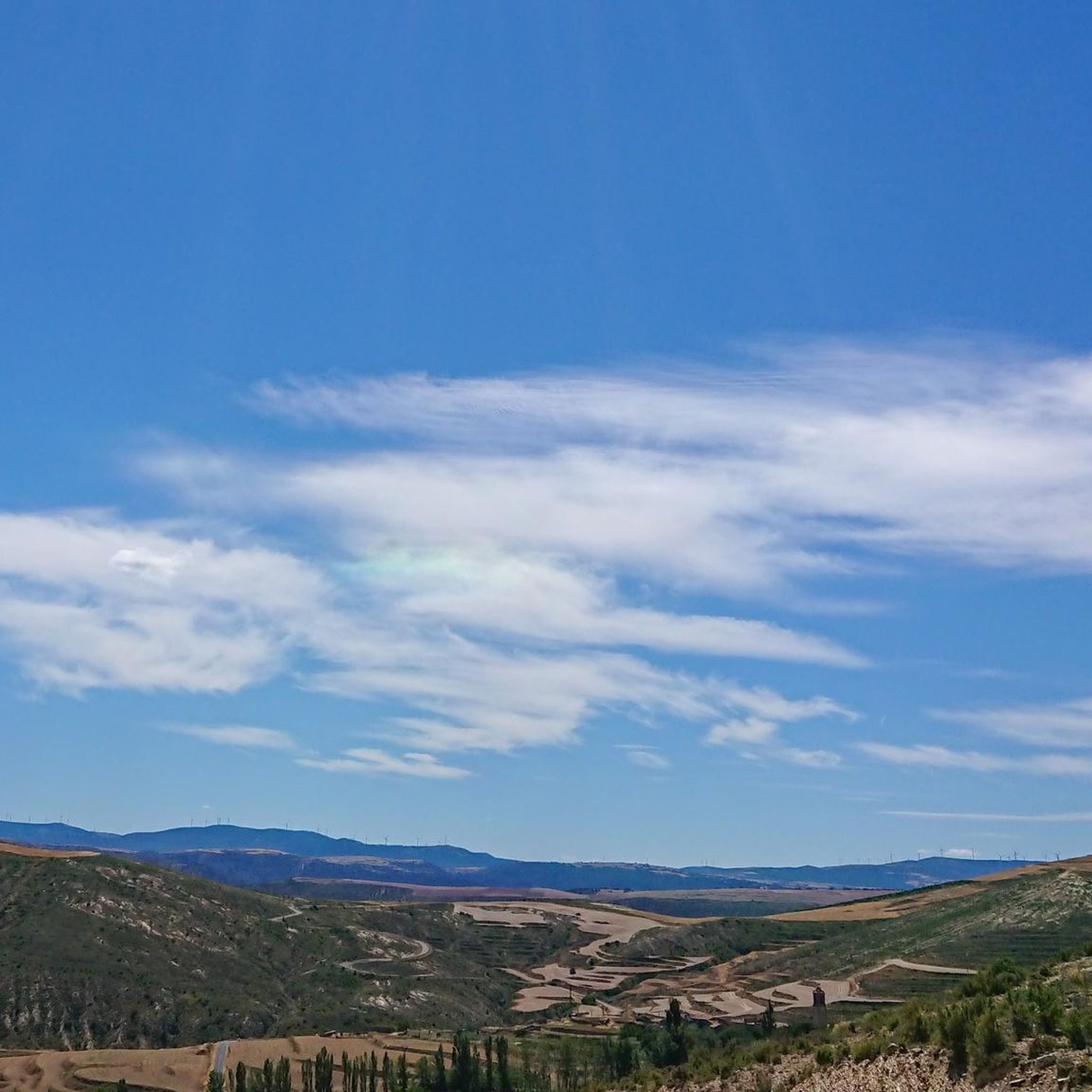
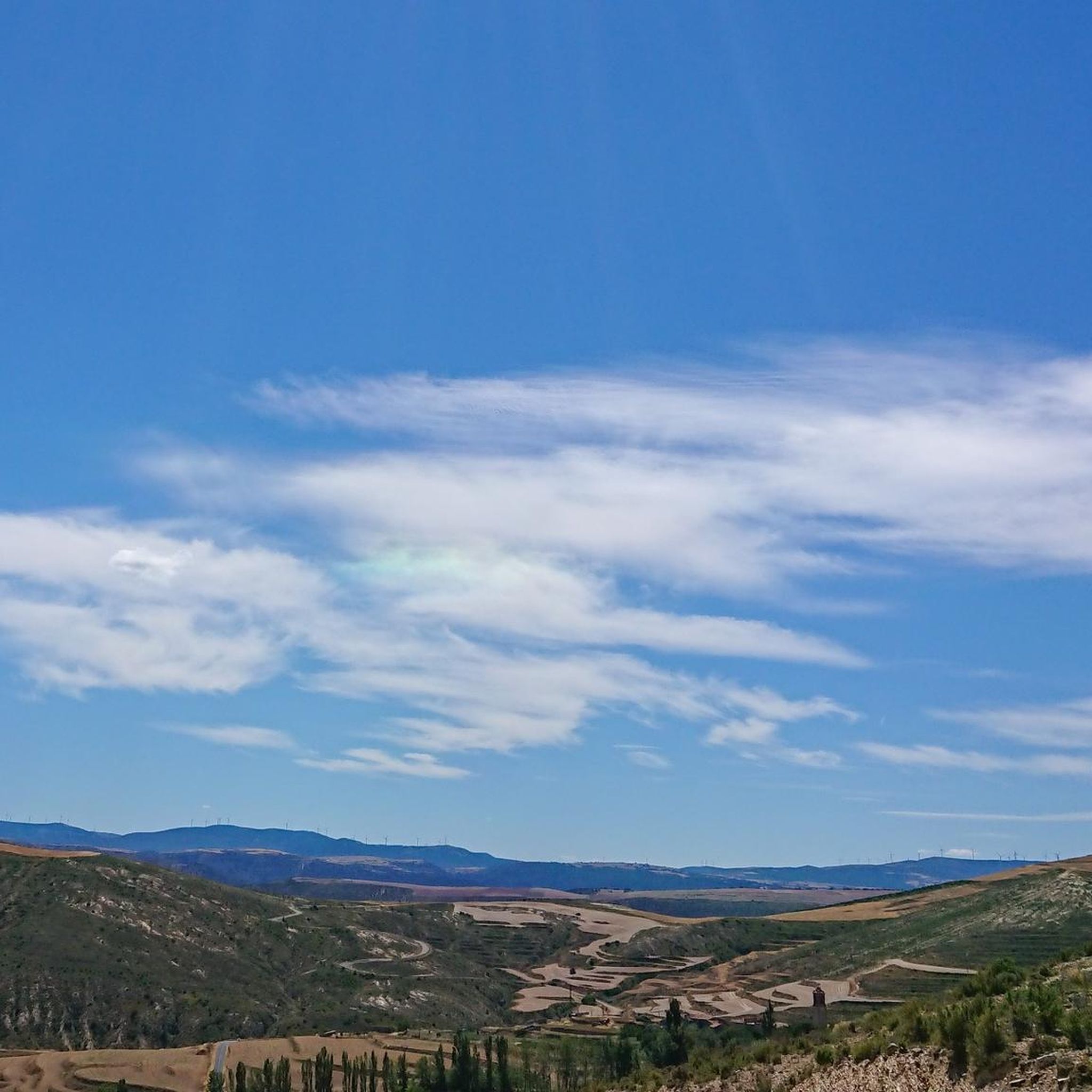
The abandoned Vea is an old village located in the municipality of San Pedro Manrique, in the Tierras Altas region of Soria, very close to the border with La Rioja. It is a place steeped in history, natural beauty, and rural melancholy.
3
0

Small and pretty town, area with lots of interesting mountain bike trails
0
0

San Pedro Manrique is a municipality in Soria in the Tierras Altas region, in the community of Castilla y León. Its origin dates back to the Celts, Vascones, Iberians and Romans. With the passage of time, other neighboring towns such as Sarnago, Las Fuentes de San Pedro, Matasejún, Palacio de San Pedro, Taniñe, Valdenegrillos and Ventosa de San Pedro have been incorporated into the municipal area. San Pedro Manrique is well known for his particular way of celebrating San Juan Day. On the night of San Juan the well-known "paso del fuego" is carried out, in which the embers of a bonfire are stepped on by the town's natives, barefoot and carrying someone on their backs. Among its heritage, the hermitage of the Virgen de la Peña, the church of San Miguel, the remains of a castle on the outskirts and the ruins of the convent of San Pedro el Viejo stand out.
0
0
Magaña Castle is a medieval fortress located on a hill overlooking the town of the same name, in the province of Soria, Tierras Altas region, community of Castilla y León. It is believed to have been built during two stages throughout the 15th century. The inner enclosure would be built in the first stage, and the outer barrier in a second. Due to its architectural characteristics, it belongs to the typology of stately castle of the Valladolid school, very common in the north of Castile in the second half of the 15th century.
2
0

Magaña is one of those towns that surprises you greatly the first time you go. It is located on a promontory above the Alhama River valley and at the highest part stands the Nava del Marqués castle, built in the 15th century from a 10th century Berber tower. From the castle wall you can see a beautiful panoramic view of the town, in the foreground the church of San Martín de Tours stands out, built in the 16th century on a Romanesque hermitage.
1
0

After a spectacular run through the heart of the Sierra de Alcarama and the Linares river valley, we find ourselves in the area with the highest density of abandoned towns in the province of Soria. In this case, in front of the depopulated area of Vea. In the past, the road was used to access the mills and crops that were along the river.
1
1
After a spectacular walk through the heart of the Sierra de Alcarama and the Linares river valley, we find ourselves in the area with the highest density of abandoned towns in the province of Soria. In this case, in front of the depopulated area of Vea. In the past, the road was used to access the mills and crops that were along the river.
3
0
Frequently Asked Questions
What historical sites can I explore around Navajún?
The region around Navajún is rich in history. You can visit the Castle of la Nava del Marqués de Magaña, a 15th-century medieval fortress offering excellent views. Another significant site is the Celtiberian Archaeological Site of Contrebia Leucade, which features remains of ancient settlements, including fortifications and houses carved into rock from the Iron Age. Additionally, the Abandoned Village of Vea offers a glimpse into the area's past, and the town of Cervera del Río Alhama also has historical significance with castle ruins.
Are there any natural attractions or viewpoints in the Navajún area?
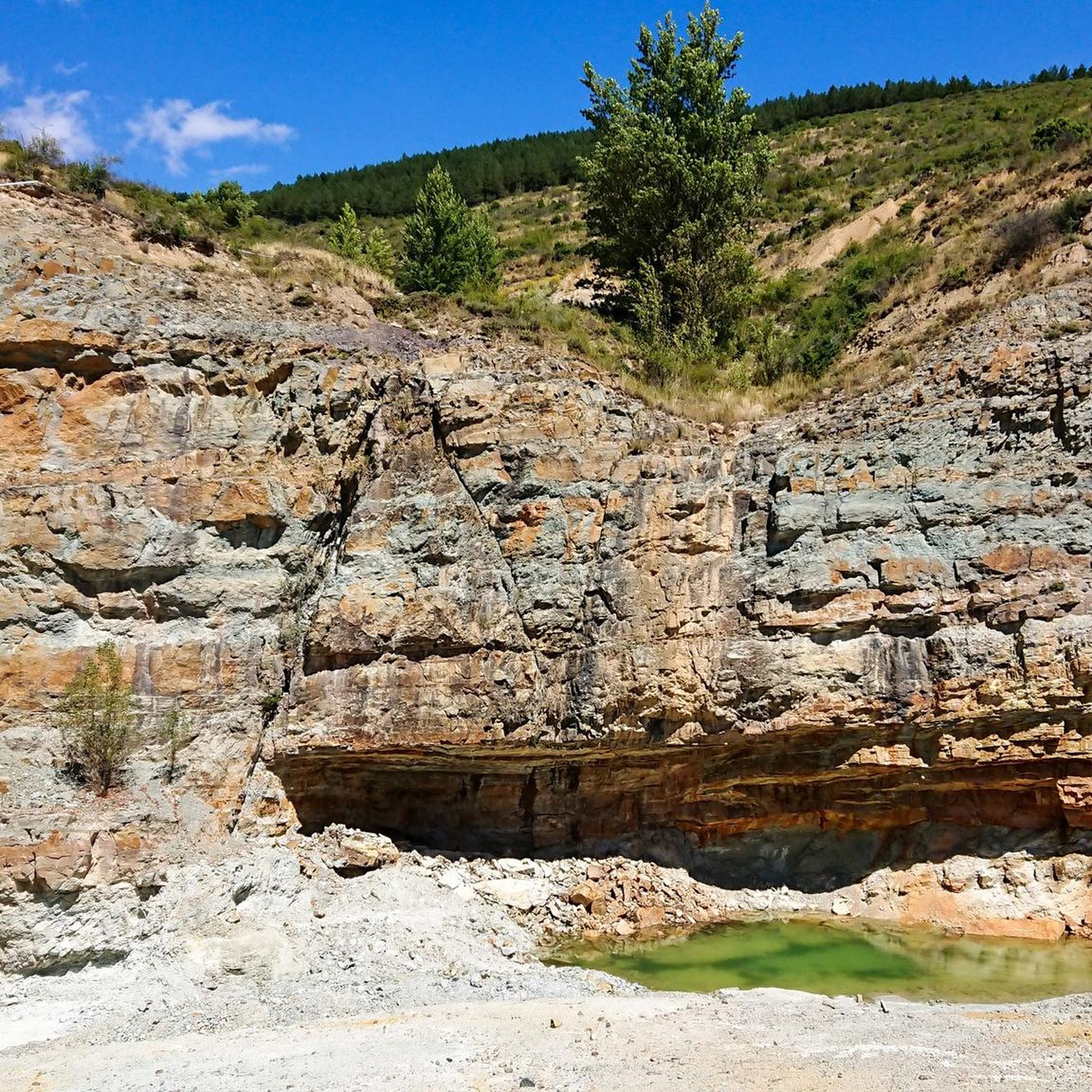
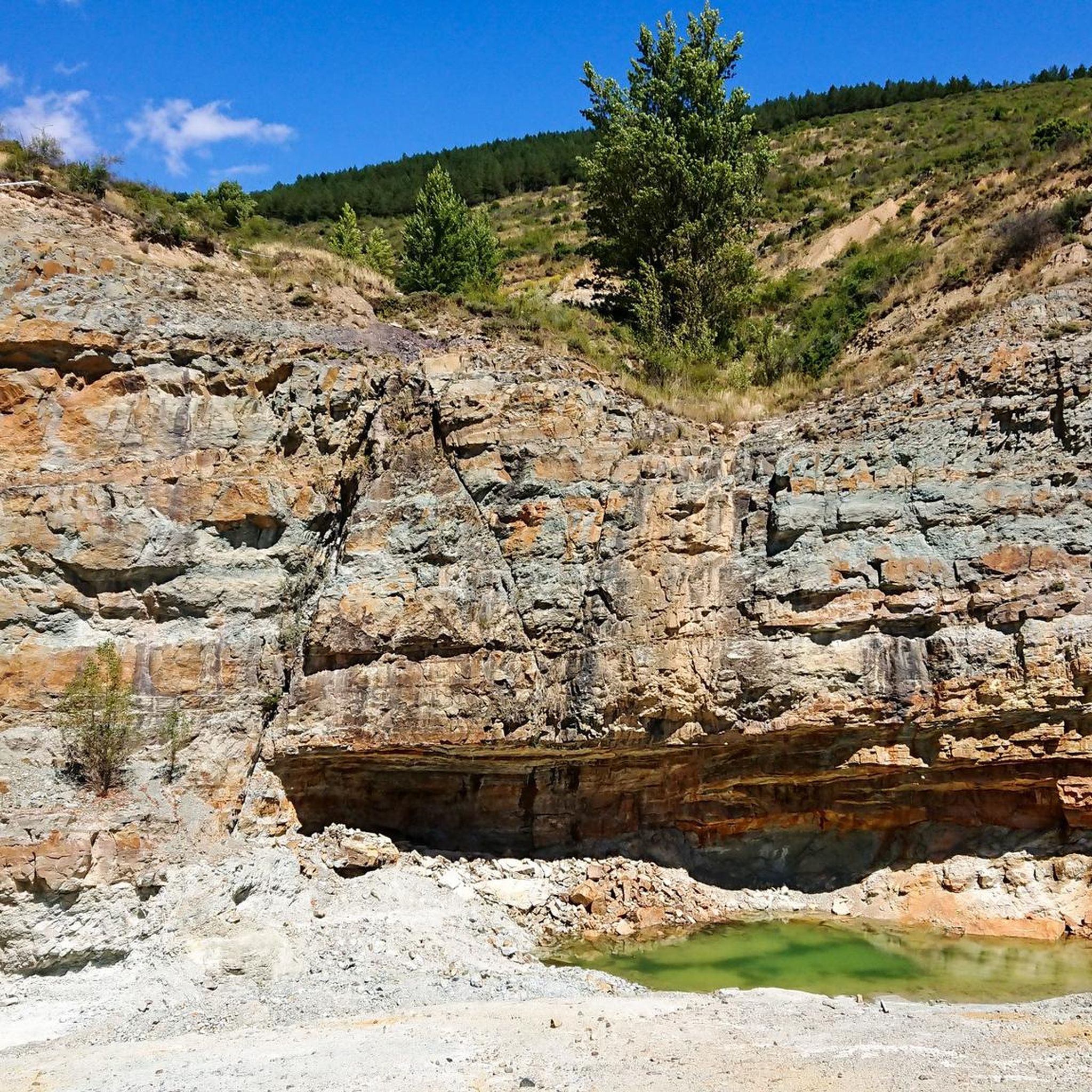
Yes, Navajún is set in a mountainous landscape with several natural points of interest. The most famous is the Pyrite Mine "Ampliación a Victoria," known for its perfectly cubic pyrite crystals. You can also find the Mirador del Alto Alhama, offering scenic vistas, and the unique Aguas Podridas (Sulfurous Waters). The surrounding area is characterized by ancient agricultural terraces and a rugged, colorful mountainous terrain bordering Soria.
What outdoor activities are available near Navajún?
The mountainous surroundings of Navajún are ideal for outdoor activities. You can find various hiking and cycling routes. For hiking, consider routes like the 'Yacimiento de los Cayos — circular desde Cornago por GR 93' or the 'Sierra de Alcarama Loop'. Cyclists can explore options such as 'The ascent San Felices from Aguilar del Río Alhama' for road cycling or 'Castillo de Cornago and ruins of Turruncún – circular from Cornago' for touring. You can find more details on these activities in the dedicated guides for Hiking around Navajún, Road Cycling Routes around Navajún, and Cycling around Navajún.
Can I visit the famous Pyrite Mine in Navajún?
Yes, the Pyrite Mine "Ampliación a Victoria" is Navajún's most famous attraction and is open to visitors. It's renowned worldwide for its perfectly cubic pyrite crystals. The mine offers guided tours where you can learn about mining and geology, and even search for your own specimens. It operates with a Biosphere Reserve seal, indicating a commitment to sustainable practices.
Are there any family-friendly attractions around Navajún?
While specific children's activities are not detailed, the guided tours at the Pyrite Mine could be an engaging experience for families. The town of San Pedro Manrique is also noted as family-friendly and offers a glimpse into local culture and history, including its unique San Juan Day traditions.
What cultural points of interest are there in Navajún itself?
Within Navajún, you can visit the Parish Church of San Blas, a 17th-century temple showcasing regional architectural style. The Ermita de la Virgen de Atisca, a 17th-century Baroque hermitage, offers great views. The Museo Geológico de Navajún exhibits pyrite and other minerals, explaining their formation and the town's mining history. You can also see the old public wash house, Lavadero de Navajún, and the Ruins of Old Threshing Floors, which reflect traditional local life.
What is the best time to visit Navajún for outdoor activities?
Navajún's mountainous surroundings offer a diverse color palette that changes with the seasons. While specific recommendations for the 'best' time are not provided, the changing landscape suggests that spring and autumn would offer pleasant temperatures and beautiful scenery for hiking and cycling. Summer would also be suitable, though potentially warmer.
What do visitors enjoy most about the attractions around Navajún?
Visitors particularly appreciate the historical depth and scenic beauty of the area. The Castle of la Nava del Marqués de Magaña is loved for its excellent views, and the Celtiberian Archaeological Site of Contrebia Leucade is described as surprising and spectacular. The overall appeal lies in the blend of ancient ruins, natural features, and traditional settlements.
Are there any unique local traditions or festivals in Navajún?
Navajún celebrates local festivals that reflect its community's traditions and devotion. Notable festivals include San Blas on February 3rd and La Virgen Festival on September 8th. These events offer a chance to experience the local culture.
Where can I see examples of traditional agriculture around Navajún?
The landscape surrounding Navajún is distinctly marked by thousands of ancient agricultural terraces. These terraces are a testament to centuries of human effort in farming and provide a unique insight into the region's historical agricultural practices. You can observe them throughout the mountainous surroundings.
What kind of geological features can be found in Navajún besides the pyrite mine?
Beyond the renowned pyrite mine, Navajún's geology is showcased at the Museo Geológico de Navajún, which provides detailed explanations about the formation of the crystals and the town's mining history. The mountainous terrain itself, bordering Soria between the Alcarama and Las Cabezas Mountains, is a significant geological feature, contributing to the rugged and diverse landscape.
Is it possible to explore abandoned villages near Navajún?
Yes, you can explore the Abandoned Village of Vea, located in the municipality of San Pedro Manrique, very close to the border with La Rioja. This site offers a unique experience, steeped in history and natural beauty, providing a sense of rural melancholy and a glimpse into past ways of life in the Sierra de Alcarama.
Most popular attractions around Navajún

Get inspired with the komoot mobile app


Explore more
Still not found the Highlight you’re looking for? See guides of the top attractions in other regions:
