Attractions and Places To See around Bustares - Top 20
Best attractions and places to see around Bustares include a blend of historical sites, cultural insights, and natural landscapes. This village in the province of Guadalajara, Spain, is nestled within the Sierra Norte and features a unique architectural style. The surrounding area offers mountainous terrain, lush meadows, and forests, providing opportunities for outdoor activities. Visitors can explore historical landmarks and natural features that highlight the region's heritage and environment.
Best attractions and places to see around Bustares
- The most popular…
Last updated: July 2, 2026
Hiendelaencina
Highlight • Settlement
Its origins are medieval, possibly predating the Bronze Age. The name derives from the Arabic …
Translated by Google •
Tip by

Alto Rey Peak (1,858 m)
Highlight • Summit
Translated by Google •
Tip by

Sign up now to discover places like this
Get recommendations on the best single tracks, peaks, & plenty of other exciting outdoor places.
Sign up for free
Prádena de Atienza
Highlight • Settlement
Translated by Google •
Tip by
Robledo de Corpes
Highlight • Settlement
Translated by Google •
Tip by

Museum of Silver and Mining of Hiendelaencina
Highlight • Historical Site
Translated by Google •
Tip by

Sign up for free to discover even more attractions around Bustares.
Sign up for free
Already have an account?
Start today with a free account
Your next adventure awaits.
Login or Signup
Tips from the Community

What to see 🧭 “El País de la Plata” Interpretation Center Interactive museum about local mining, open Saturdays and Sundays from 12:00 to 14:00. General admission approx. €2, free for residents and children under 14. ⛪ Santa Cecilia Parish Church 19th-century building constructed during the mining boom, with a single nave and a simple transept. 🏗️ Mining and Industrial Heritage More than 200 shafts/mines, such as Santa Catalina, Santa Teresa, Mala Noche, Fuerza, etc. Remains of ore-washing facilities like San Carlos, ruined industrial sites, and power plants.
4
0
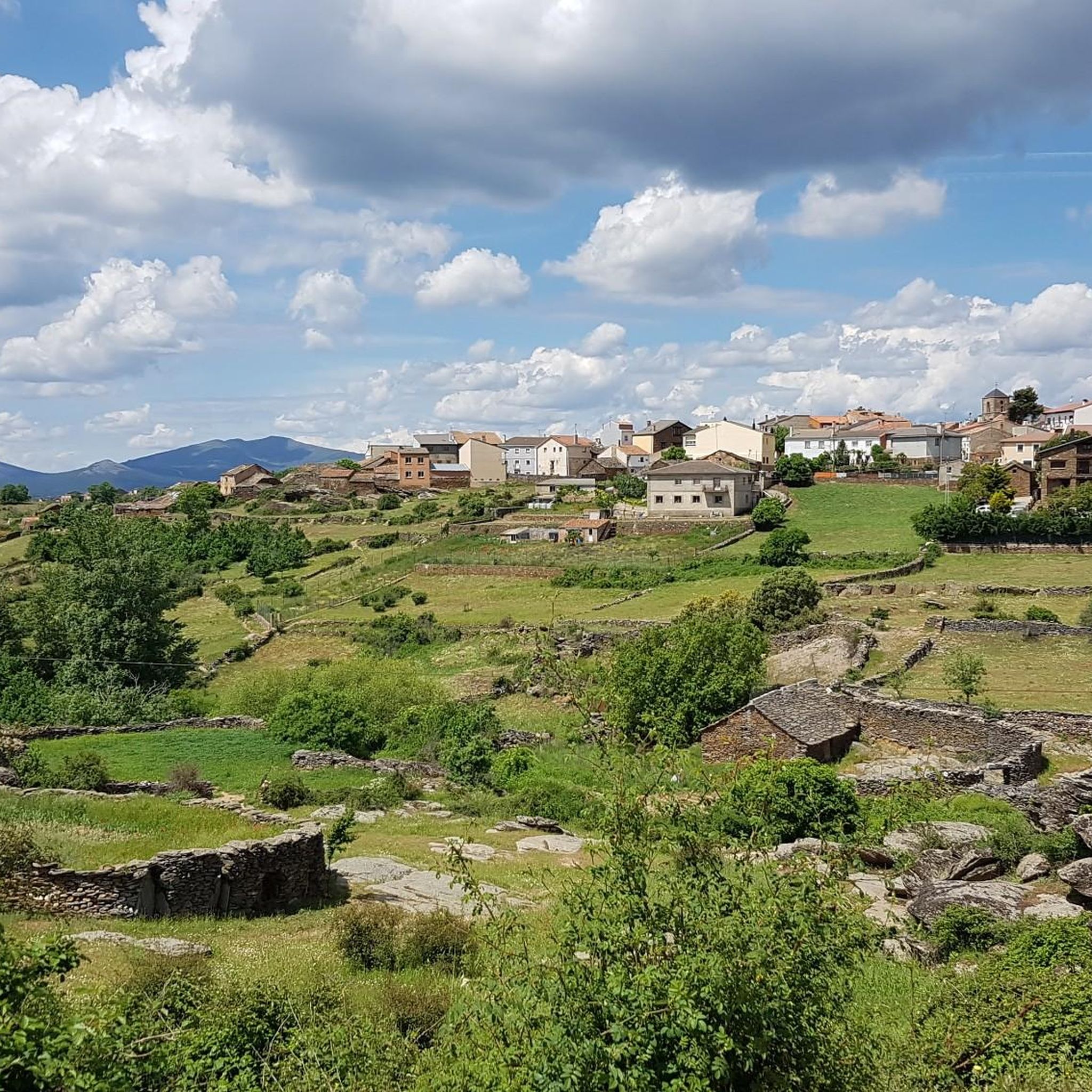
A village in the Sierra Norte of Guadalajara, at an altitude of approximately 1,084 meters. Its origins are medieval, possibly predating the Bronze Age. The name derives from the Arabic Hisn al-Ancina (“castle of the holm oak”). In 1844, the discovery of silver triggered a “silver rush,” transforming Hiendelaencina into a major 19th-century mining district, with up to 200 mines and a population that reached 5,000. A parish church dedicated to Saint Cecilia was built between 1848 and 1851, financed with funds from the mining town.
4
0

Fresh. The bar was closed
0
0

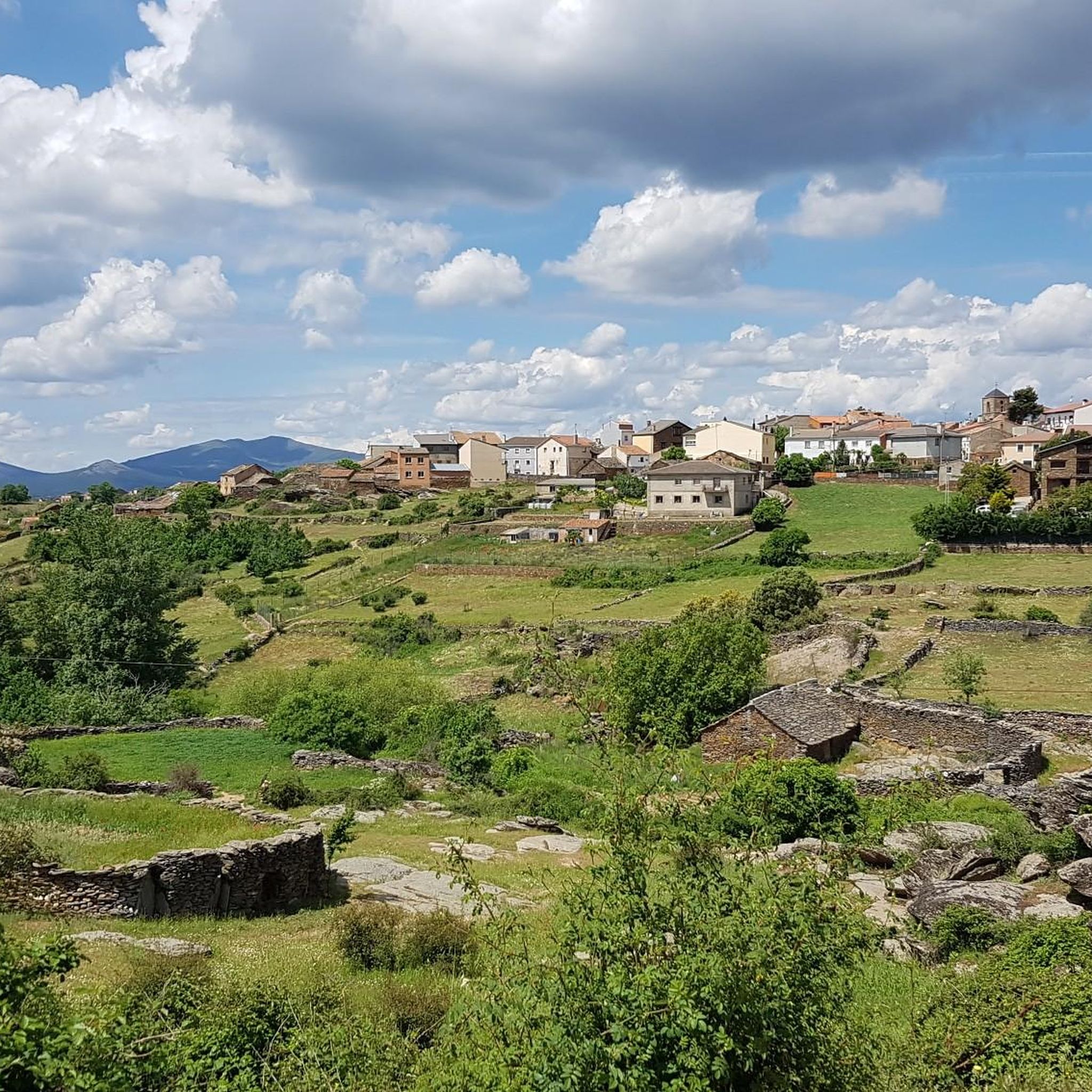
Beautiful and quiet town of Architecture between Negra and Dorada. With the famous Pera Galena River (Pelagallinas), with very cool waters in summer. You can start routes to La Junta de los Ríos with the Bornova, Climb the Alto Rey or head towards the Cueva del Oso. In any case you can enjoy Great Tranquility.
1
0
Nature in Vena. Extraordinary landscape in everything around. Possibility of taking various routes, circular or online, with different origins and destinations.
1
0
Hiendelaencina and its surroundings, with its Silver mines and the Barranco del Río Bornova, with its Silver Museum and Monuments to the Mines, with its nearby towns and its people, are essential places to learn about its very interesting history of success.
0
0

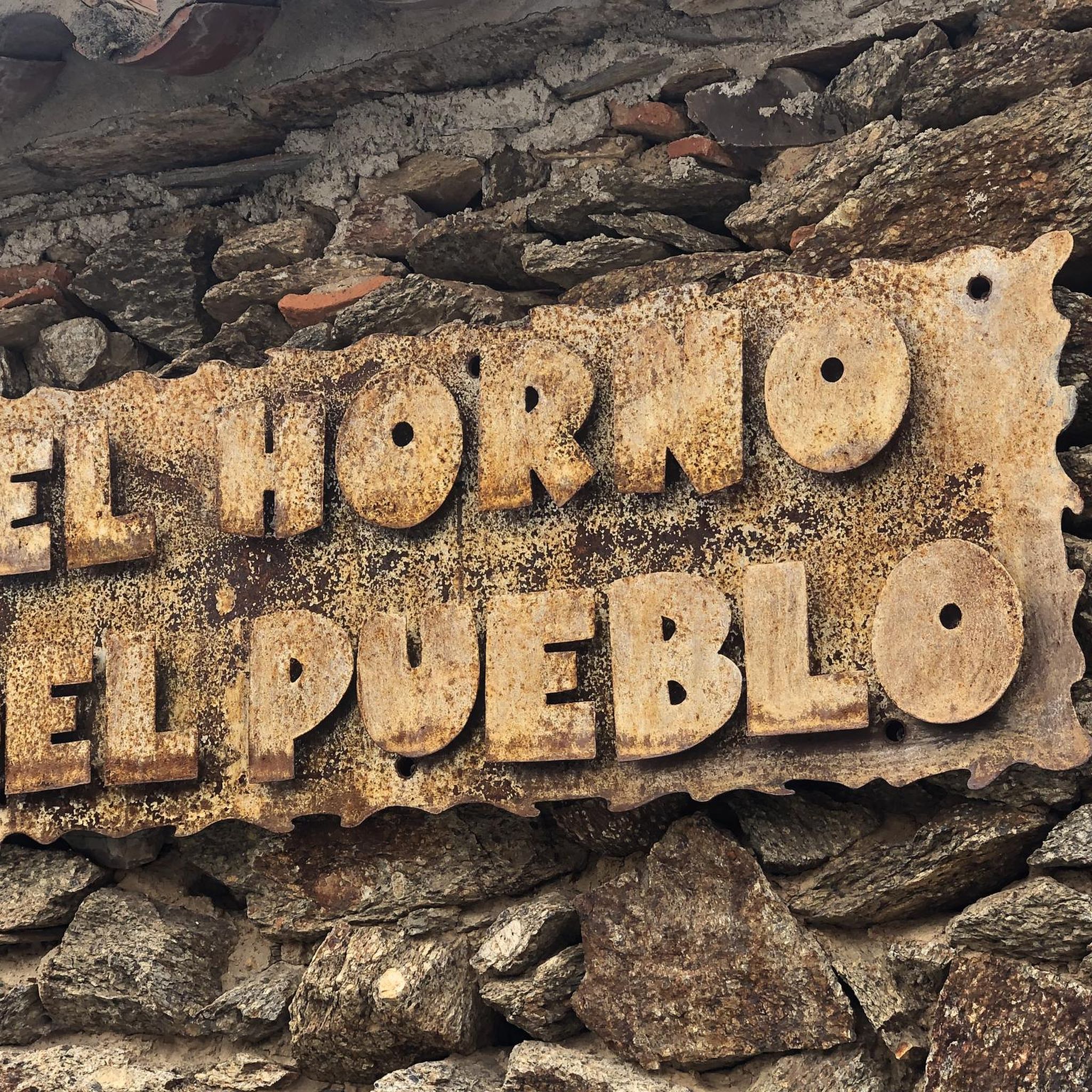
Small but fine museum about local history, region and mining.
0
0

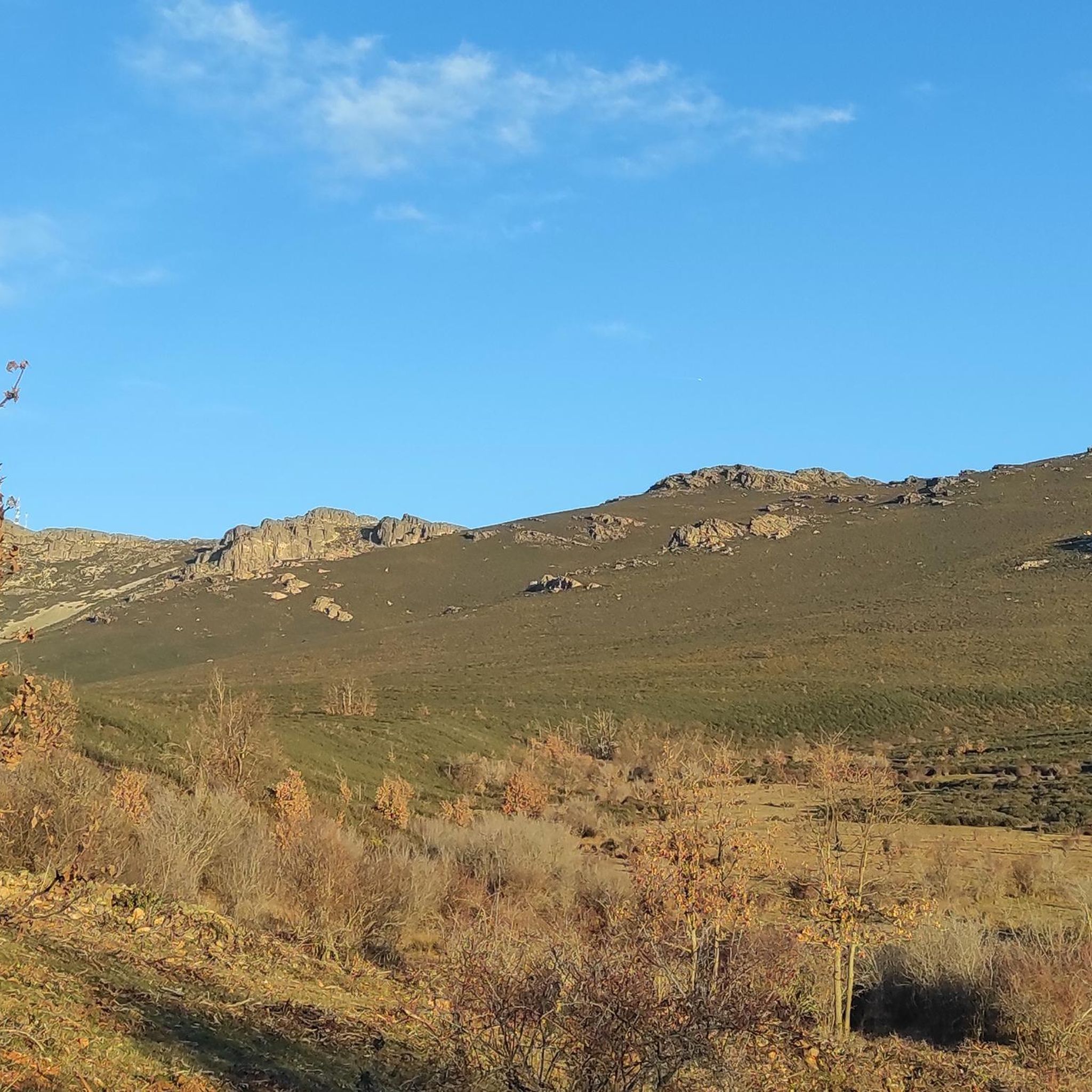
Mountain of the Central System located in the homonymous mountain range, to the north-northwest of the province of Guadalajara. Its summit is a succession of small slopes aligned along 3.5 km. At its top is the hermitage of Santo Alto Rey, the object of a religious procession on the first Saturday of September from the towns that are on its slopes, as well as a military station at its western end and four Retevisión antennas next to the hermitage.
2
0
Frequently Asked Questions
What historical and cultural sites can I explore in Bustares and its surroundings?
Bustares itself features the 13th-century Romanesque Church of San Lorenzo and the Old Fountain of Bustares, a gift from King Carlos IV. Nearby, you can visit Hiendelaencina, a village with a rich 19th-century silver mining history, including the Santa Cecilia Parish Church built during the mining boom. The Museum of Silver and Mining of Hiendelaencina offers detailed insights into the local history and industry.
Are there opportunities for hiking near Bustares?
Yes, the area around Bustares is excellent for hiking. You can find routes leading to the Sierra del Ocejón and the prominent Alto Rey Peak (1,858 m), which offers extensive views. For specific trails, consider routes like the 'Pico del Alto Rey — circular via the old path of Alto Rey from Bustares' or the 'Viewpoint to the Bear Cave from Prádena de Atienza'. You can find more hiking options on the Hiking around Bustares guide page.
What natural features are prominent in the Bustares region?
The region is characterized by a mountainous landscape with lush meadows, low mountain vegetation, and forests of oaks and holm oaks. Key natural features include the Alto Rey Peak (1,858 m), the tranquil Río Pera Galena (Pelagallinas) known for its cool waters, and the picturesque Barranco del Río Bornova and La Junta de los Ríos. The mysterious Cueva del Oso (Bear Cave) is also a notable natural attraction in the vicinity.
Are there any family-friendly attractions or activities around Bustares?
Yes, several settlements like Hiendelaencina, Prádena de Atienza, and Robledo de Corpes are categorized as family-friendly. The "El País de la Plata" Interpretation Center in Hiendelaencina offers an interactive museum experience about local mining, which can be engaging for families. Exploring the natural landscapes, such as the river valleys and forests, also provides enjoyable outdoor activities for all ages.
What is the 'Arquitectura Negra' and 'Arquitectura Dorada' in the Bustares area?
The region is known for its unique architectural styles. 'Arquitectura Negra' refers to the use of dark slate in construction, giving buildings a distinctive black appearance, as seen in towns like Robledo de Corpes. Bustares itself showcases 'Arquitectura Dorada,' characterized by the use of local materials like wood, clay, quartzites, and slate, giving buildings a golden hue. Prádena de Atienza also features this traditional mountain architecture.
Can I find cycling routes near Bustares?
Absolutely. The mountainous terrain around Bustares is suitable for various cycling activities. You can find challenging routes such as 'Alto Rey from Hiendelaencina — circular by the Embalse de Alcorlo' for touring bikes, or 'Alto Rey Climb via Villares de Jadraque' for road cycling. Explore more options on the Cycling around Bustares and Road Cycling Routes around Bustares guide pages.
What is the significance of Alto Rey Peak?
Alto Rey Peak (1,858 m) is a prominent mountain in the Central System, offering extraordinary panoramic views. At its summit, you'll find the Hermitage of Santo Alto Rey, which is the destination of an annual religious procession held on the first Saturday of September. It's also a popular starting point for various hiking routes.
What is there to see in Hiendelaencina besides the mining museum?
Hiendelaencina, a village known for its 19th-century silver mining boom, offers more than just the museum. You can visit the Santa Cecilia Parish Church, built during that era, and explore the remains of its extensive mining heritage, including over 200 mine shafts, ore-washing facilities like San Carlos, and other ruined industrial sites that tell the story of its past.
Are there any quiet, picturesque towns to visit near Bustares?
Yes, Prádena de Atienza is a beautiful and quiet mountain town, featuring traditional architecture that blends 'Arquitectura Negra' and 'Arquitectura Dorada'. It's irrigated by the Pelagallinas River and offers a great sense of tranquility, making it an ideal spot to relax or start routes towards natural attractions like the Cueva del Oso or La Junta de los Ríos.
What kind of views can I expect from the attractions around Bustares?
The region offers stunning views, particularly from elevated points. The Alto Rey Peak (1,858 m) is a prime viewpoint, providing extensive vistas of the Central System. From towns like Robledo de Corpes, you can even spot the Atienza fortress between the hills, showcasing the blend of natural beauty and historical landmarks.
What do visitors particularly enjoy about the Bustares area?
Visitors appreciate the extraordinary natural landscapes, especially around Alto Rey Peak, which offers numerous hiking opportunities. The historical insights provided by the mining heritage in Hiendelaencina and its Museum of Silver and Mining are also highly valued. Many enjoy the tranquility and traditional architecture found in villages like Prádena de Atienza.
Most popular attractions around Bustares

Get inspired with the komoot mobile app


Explore more
Still not found the Highlight you’re looking for? See guides of the top attractions in other regions:
