Attractions and Places To See around La Puebla De Valverde - Top 20
Best attractions and places to see around La Puebla De Valverde include a blend of historical landmarks, natural beauty, and cultural sites. This tranquil town is situated between the Sierra de Gúdar and the Macizo de Javalambre in the province of Teruel. Its location makes it a base for outdoor activities, including numerous hiking routes and exploring ancient sites. The area offers diverse landscapes and historical remnants for visitors to discover.
Best attractions and places to see around La Puebla De Valverde
- The most popular attractions is Teruel, a settlement that has a clear medieval flavor with an impressive artistic legacy. Its emblematic towers, polychrome roof, and cathedral dome are expressions of Mudejar art in Spain.
- Another must-see spot is Teruel Cathedral Square, a historical site. It is home to the Cathedral of Santa María de Mediavilla, a UNESCO World Heritage Site known for its Mudejar style tower, roof, and dome.
- Visitors also love Church of San Pedro and Mausoleum of the Lovers of Teruel, a religious building. The church is an example of Aragonese Mudejar architecture, and the mausoleum honors the tragic love story of the Lovers of Teruel.
- La Puebla De Valverde is known for its historical sites, natural landscapes, and archaeological finds. Visitors can explore ancient Roman roads, medieval churches, and paleontological sites alongside various hiking routes.
- The attractions around La Puebla De Valverde are appreciated by the komoot community, with 68 upvotes and 100 photos shared by visitors.
Last updated: July 19, 2026
Teruel Cathedral Square
Highlight • Historical Site
The square itself has an elongated shape and is a popular meeting point, especially during events such as the Isabel Wedding festivities, where it is filled with medieval stalls and activities.
Translated by Google •
Tip by

Teruel
Highlight • Settlement
Translated by Google •
Tip by
Sign up now to discover places like this
Get recommendations on the best single tracks, peaks, & plenty of other exciting outdoor places.
Sign up for free
Church of San Pedro and Mausoleum of the Lovers of Teruel
Highlight • Religious Site
The church is known for its bell tower, the Torre de San Pedro, which is the oldest of the Mudejar towers in Teruel, dating back to the 13th century. Inside, the church houses important assets such as the Renaissance altarpiece of the main altar and the Chapel of the Lovers, where the sarcophagi of Isabel de Segura and Diego Garcés de Marcilla, the famous Lovers of Teruel, are found.
Translated by Google •
Tip by
Pico Javalambre
Highlight • Summit
Translated by Google •
Tip by

Mora de Rubielos Castle
Highlight • Castle
If you want to visit it, don't wait any longer! Walk through its rooms and immerse yourself in the history of this monumental town. 😊
Translated by Google •
Tip by
Sign up for free to discover even more attractions around La Puebla De Valverde.
Sign up for free
Already have an account?
Start today with a free account
Your next adventure awaits.
Login or Signup
Popular around La Puebla De Valverde
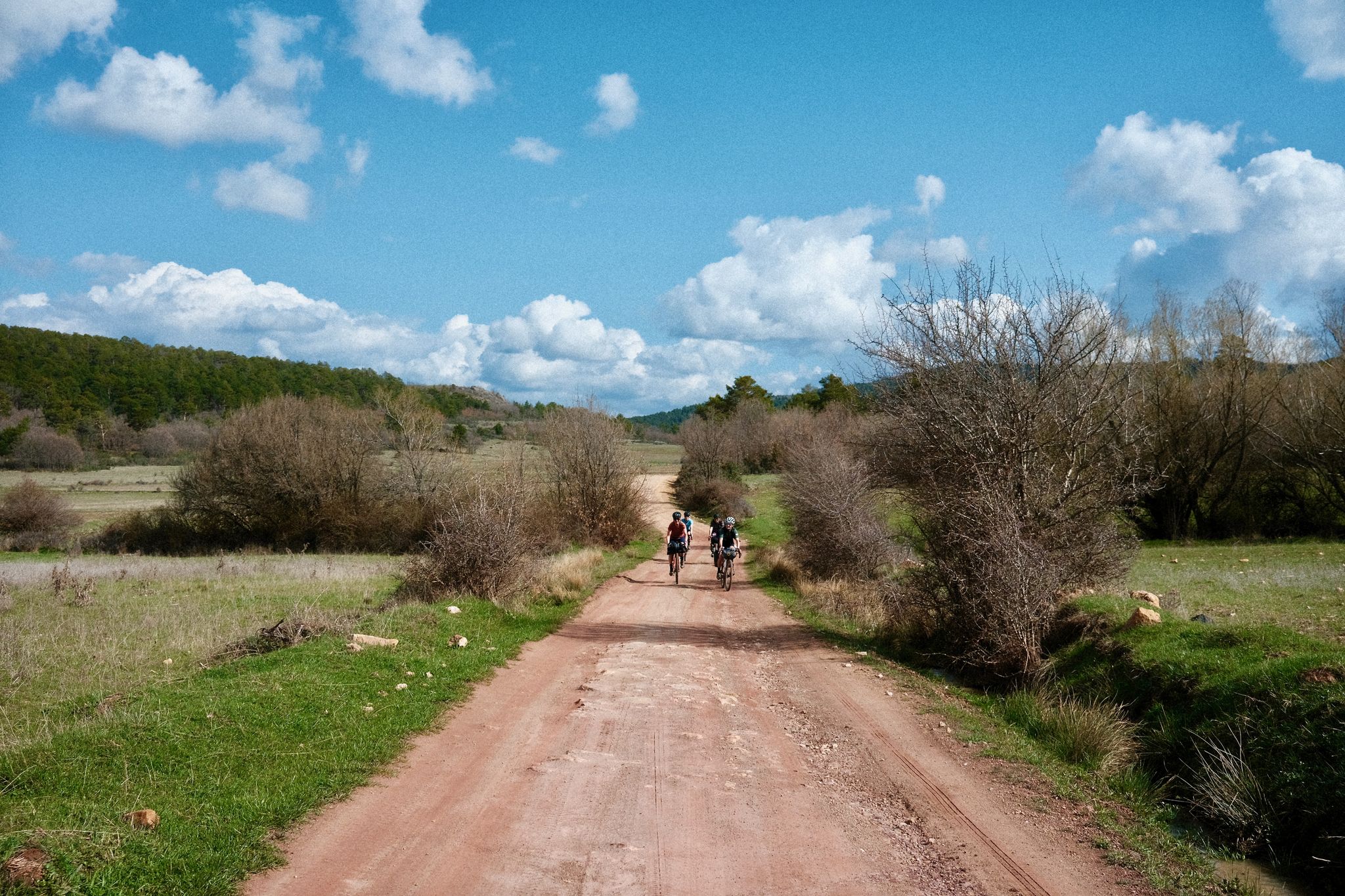
Women's Montañas Vacías 2022 — bikepack in rural Spain
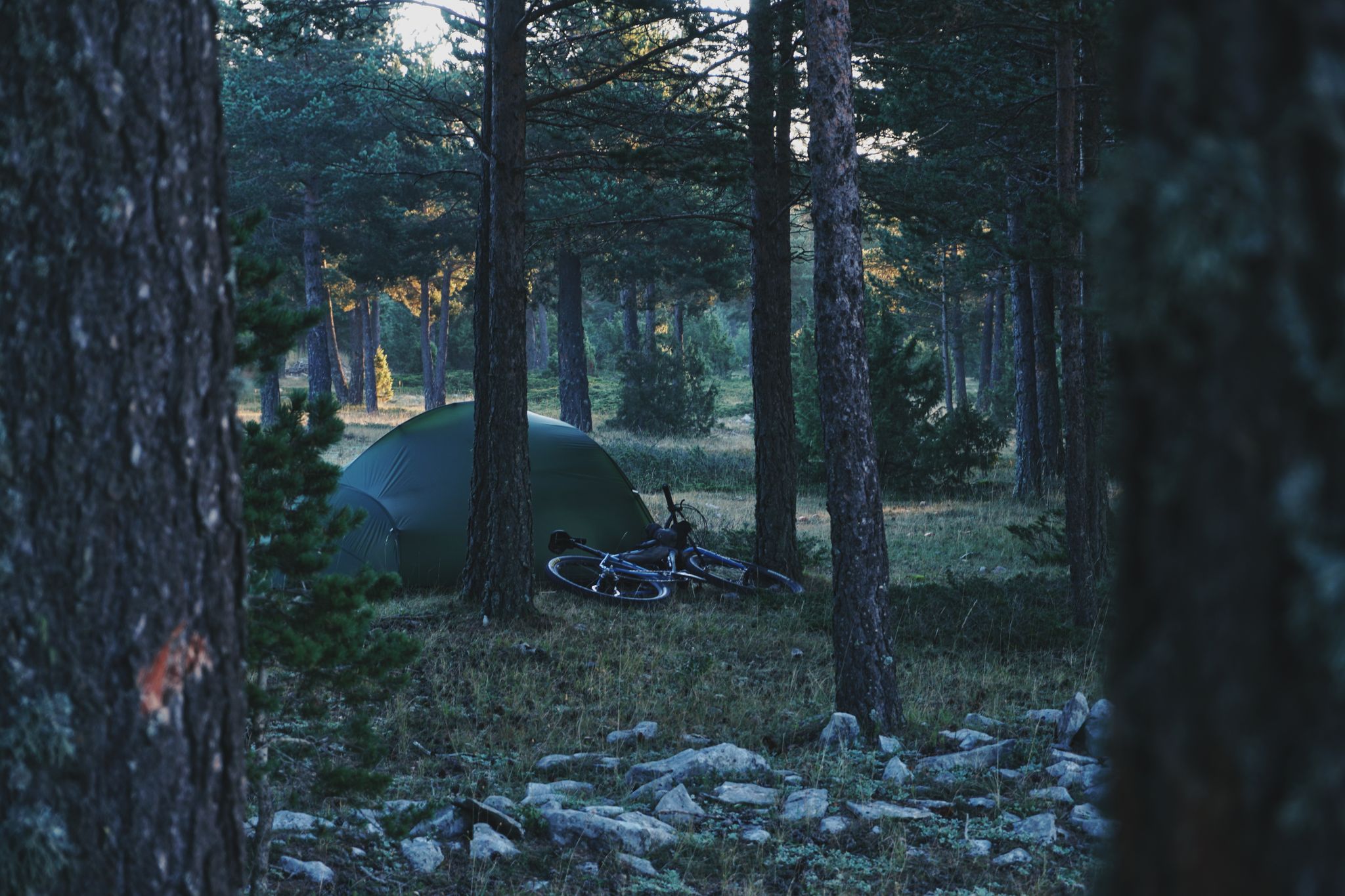
MontañasVacías official — bikepacking across the Spanish Lapland
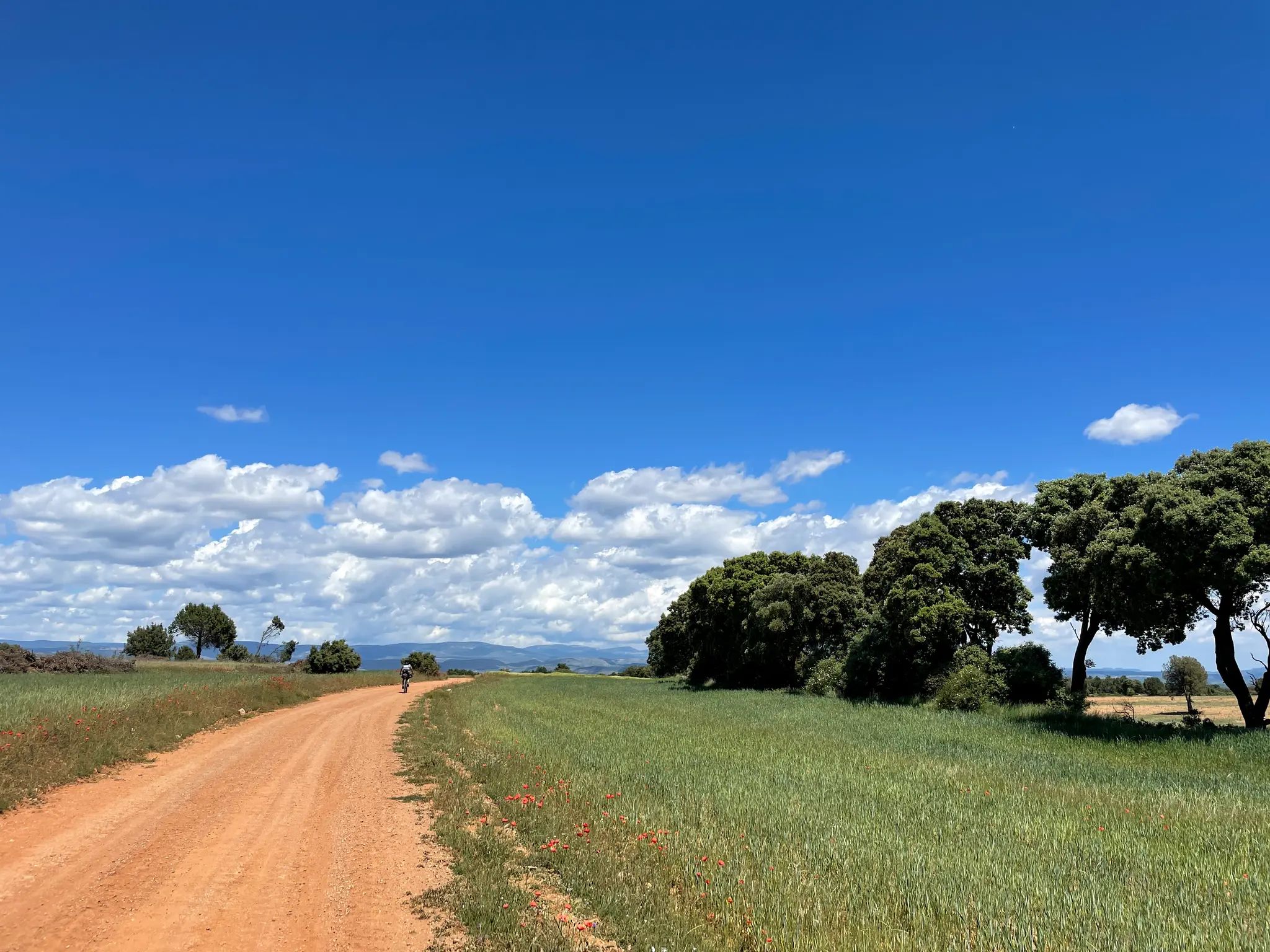
El Camino del Cid – The Conquest of Valencia on MTB
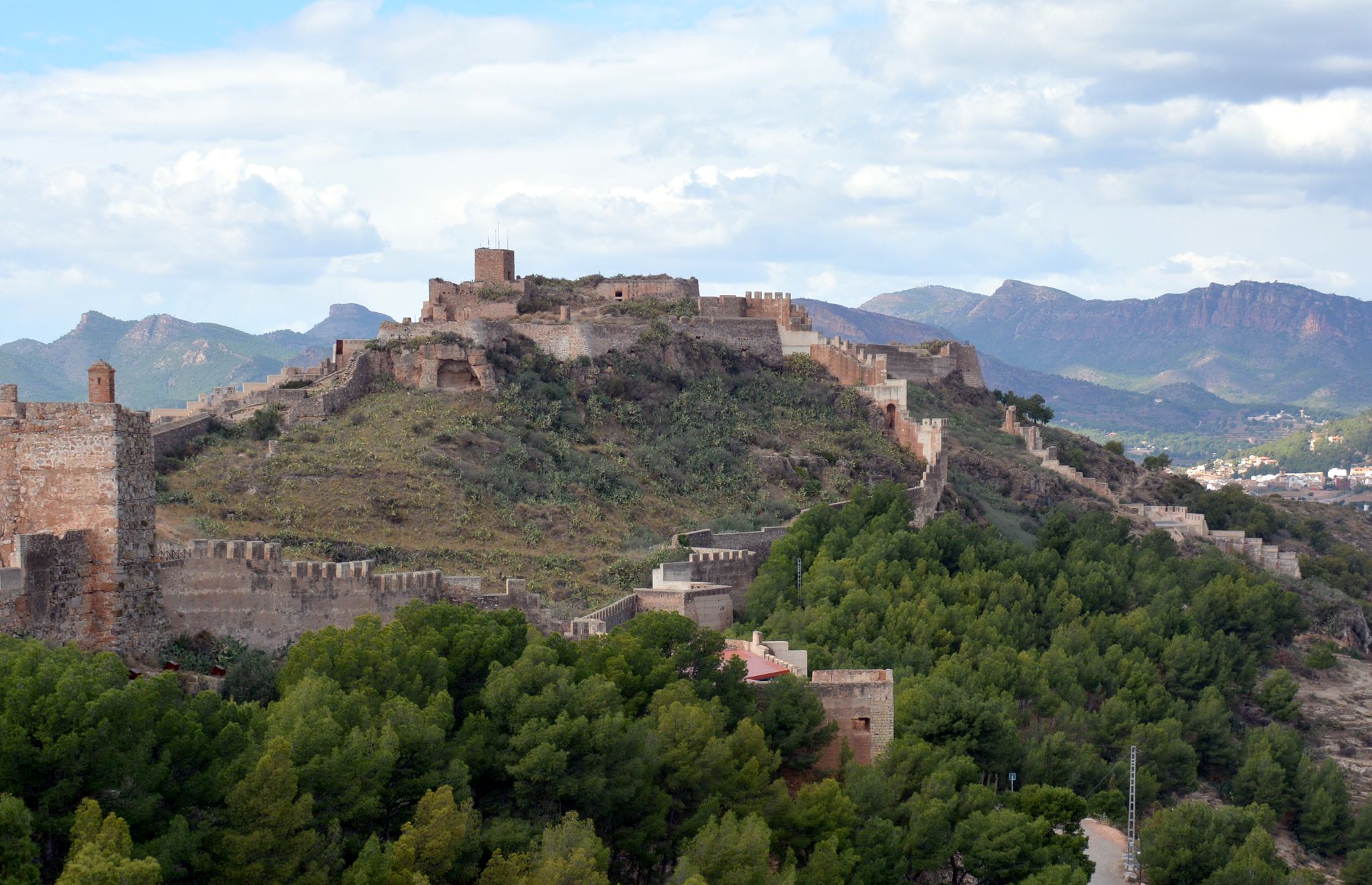
The Way of El Cid by bicycle – Conquest of Valencia
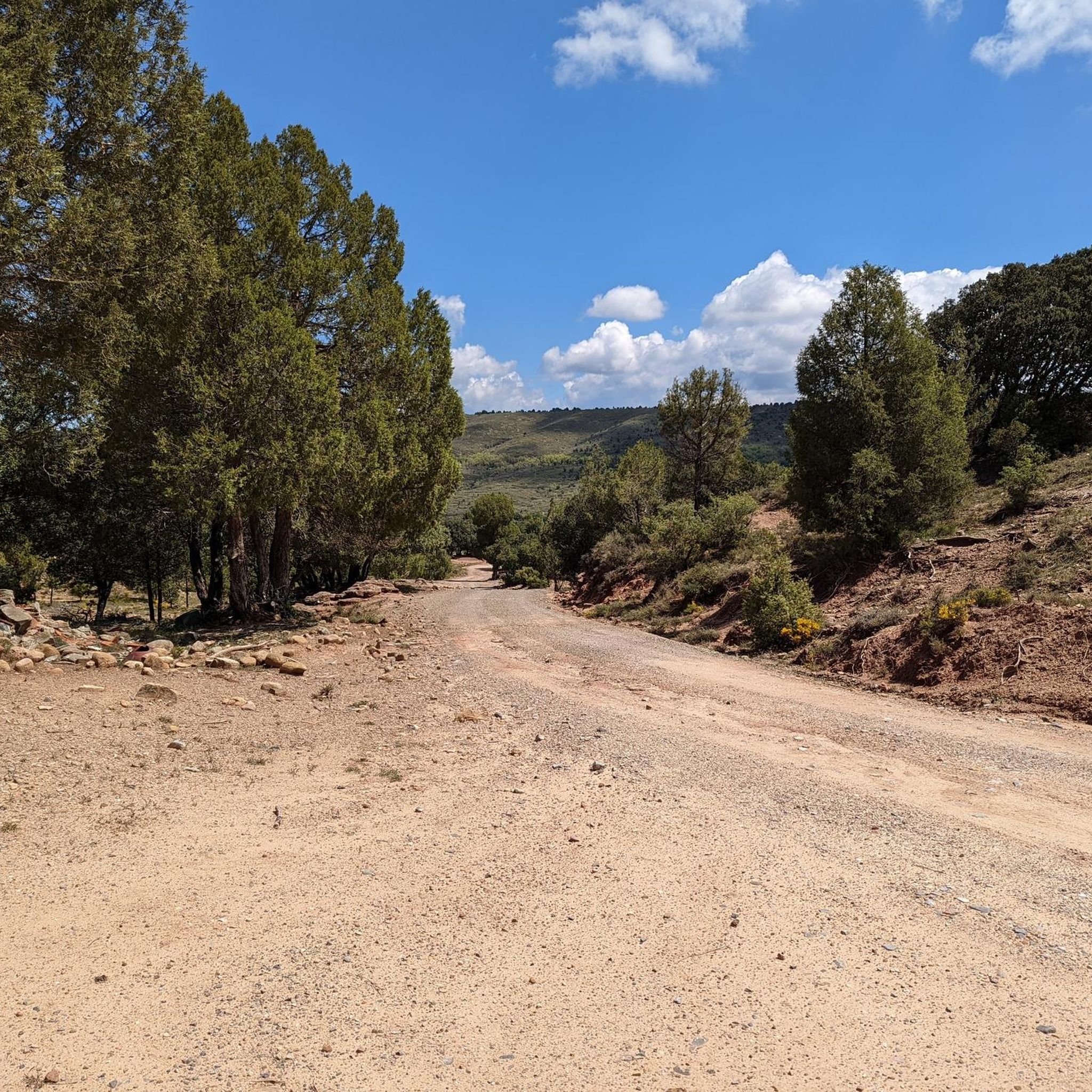
Hiking around La Puebla De Valverde
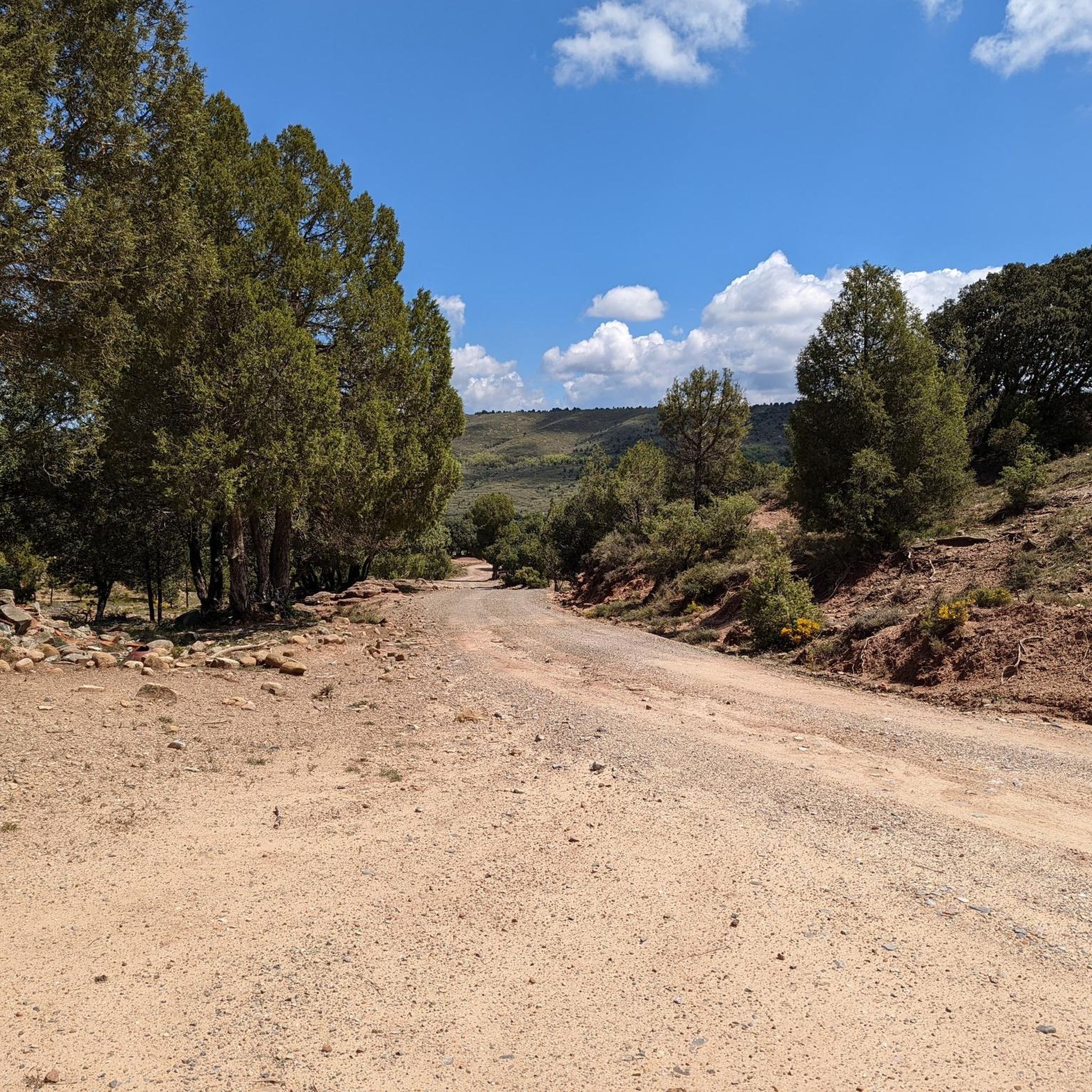
Road Cycling Routes around La Puebla De Valverde
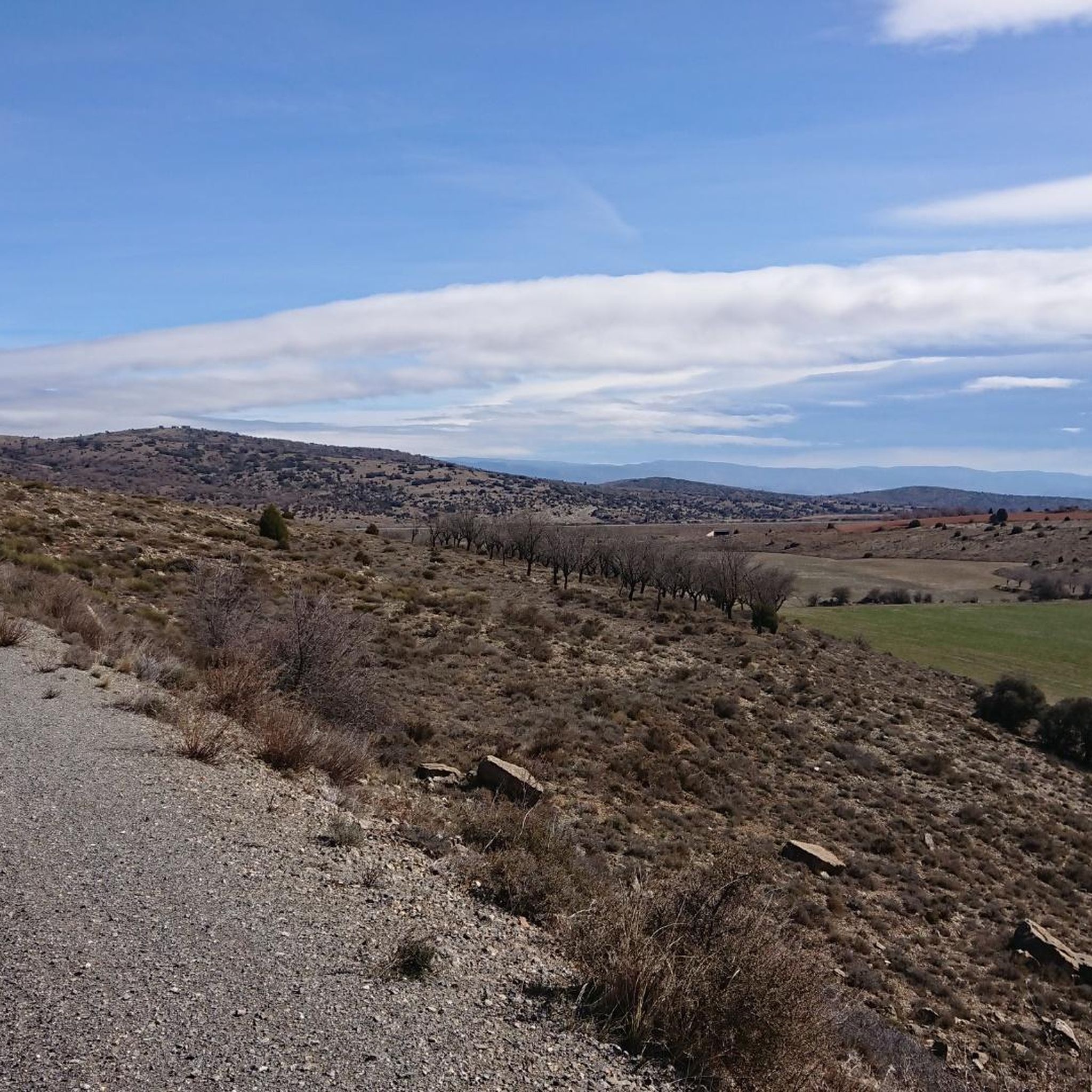
Cycling around La Puebla De Valverde
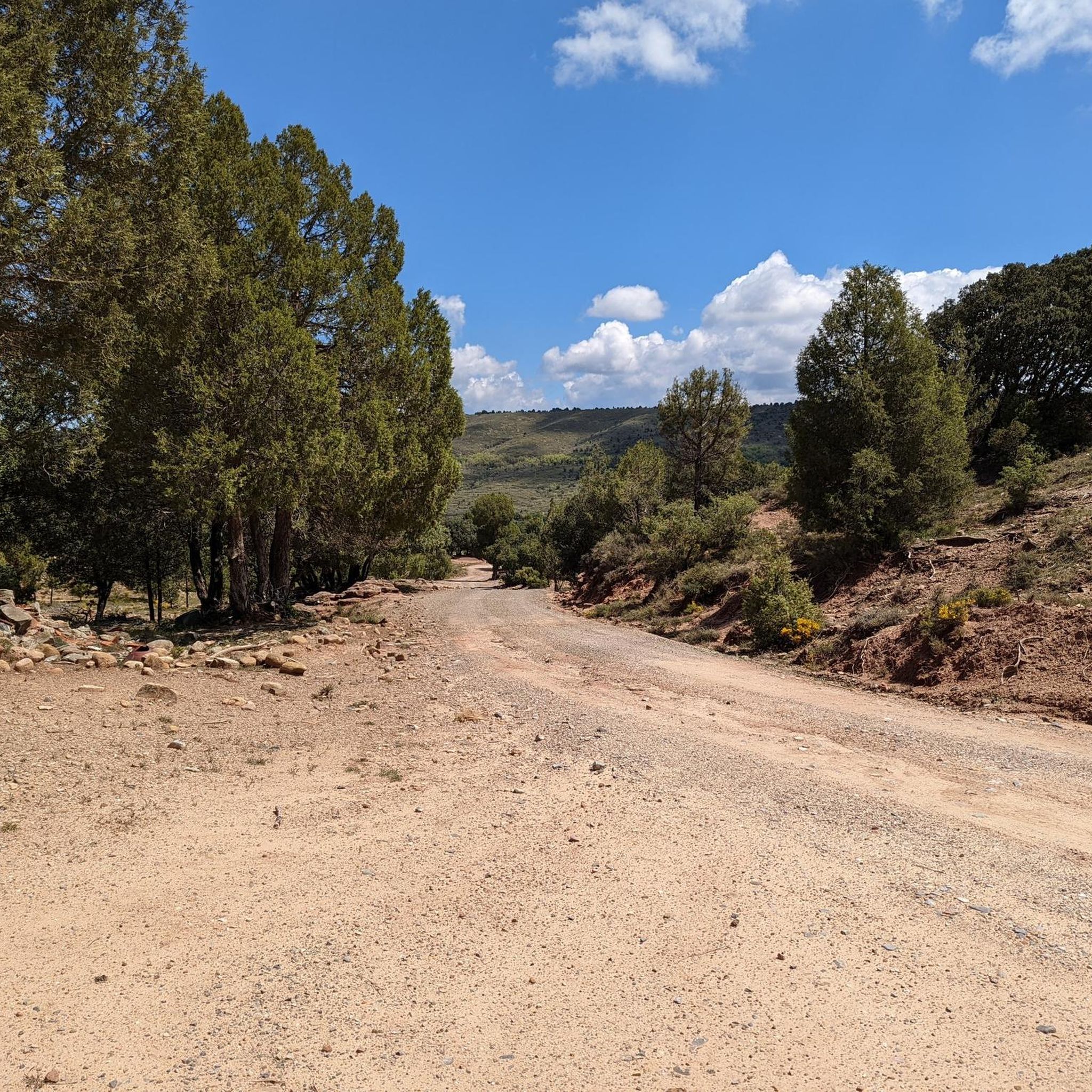
MTB Trails around La Puebla De Valverde
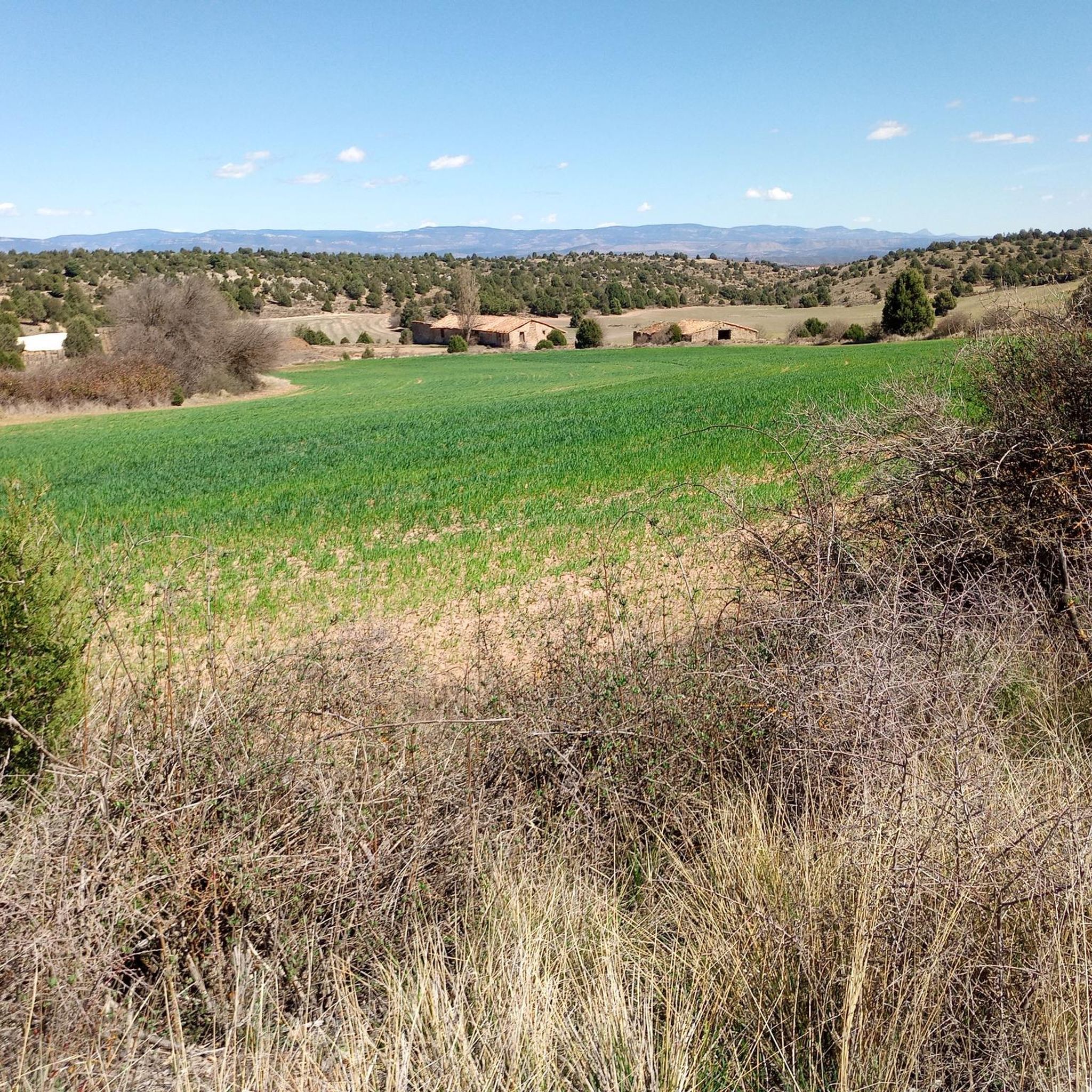
Running Trails around La Puebla De Valverde

Gravel biking around La Puebla De Valverde
Other adventures around La Puebla De Valverde


Tips from the Community

What to see in Teruel (must-sees) Oval Staircase Monumental entrance to the historic center in Neo-Mudéjar style, with reliefs of the Lovers of Teruel. Plaza del Torico The heart of the city, surrounded by Modernist buildings and bars. Mudéjar Towers Torre del Salvador (open to visitors, with a viewpoint). San Martín and San Pedro Churches. Cathedral of Santa María de Mediavilla Spectacular Mudéjar roof and unique dome. Mausoleum of the Lovers Romantic and tragic story, next to the Church of San Pedro. Los Arcos Aqueduct Historical walk along the Renaissance aqueduct. Teruel Provincial Museum To discover local archaeology and art. Dinópolis Dinosaur theme park, ideal if you are traveling with children.
8
0
Visiting Teruel is a highly recommended experience if you enjoy history, architecture, and charming villages. It's a small city, easy to explore on foot, and is renowned for its Mudéjar art, a UNESCO World Heritage Site, and for the famous legend of the Lovers of Teruel.
7
0

Teruel has a clear medieval flavour, as you will realise when you walk through its streets and discover the impressive artistic legacy it preserves. Its emblematic towers, the fabulous polychrome roof and the dome of its cathedral are the greatest expressions of Mudejar art in Spain.
28
0

The fortress has surprisingly large dimensions, is very strategically located and has been the center of several wars for centuries. Visit: with admission, see schedules and guided tours or temporary exhibitions on the Mora de Rubielos Castle website.
0
0
Teruel's Cathedral Square is an iconic location in the heart of the city. It is home to the Cathedral of Santa María de Mediavilla, a jewel of Mudejar art that has been declared a UNESCO World Heritage Site. Built between the 12th and 16th centuries, the cathedral is notable for its tower, roof and dome, all of which are magnificent examples of the Mudejar style. The square itself has an elongated shape and is a popular meeting point, especially during events such as the Isabel Wedding festivities, where it is filled with medieval stalls and activities.
9
0
The Mausoleum of the Lovers of Teruel is an emblematic place that honors the tragic love story between Isabel de Segura and Diego de Marcilla, known as the Lovers of Teruel. This mausoleum is located at Calle Matías Abad, 3, in Teruel. Inaugurated in September 2005, the mausoleum was designed by the architect Alejandro Cañada and has several exhibition rooms that tell the story of the Lovers through different media, including audiovisuals and information panels. The centerpiece of the mausoleum is the work of the sculptor Juan de Ávalos, who represents the Lovers in their sarcophagi, whose hands do not touch, symbolizing an eternal love that transcends death. The mausoleum is open to the public every day from 10:00 a.m. to 2:00 p.m.1. It is a highly visited place both for its historical value and for its emotional charge.
26
0
The Church of San Pedro in Teruel is an outstanding example of Aragonese Mudejar architecture. Built in the 14th century on the site of an ancient Romanesque temple documented in 1196, this church combines Gothic and Mudejar elements. The church is known for its bell tower, the Torre de San Pedro, which is the oldest of the Mudejar towers in Teruel, dating back to the 13th century. Inside, the church houses important assets such as the Renaissance altarpiece of the main altar and the Chapel of the Lovers, where the sarcophagi of Isabel de Segura and Diego Garcés de Marcilla, the famous Lovers of Teruel, are found.
27
0
Frequently Asked Questions
What historical landmarks can I explore in La Puebla de Valverde?
La Puebla de Valverde offers a rich historical tapestry. You can visit the impressive Church of Santa Emerenciana, a Gothic-Renaissance structure from the 16th and 17th centuries, or see the ancient Portals of Teruel and Valencia, remnants of the town's medieval walled enclosure. Don't miss the 16th-century Ermita de Nuestra Señora del Loreto with its star-ribbed vault, or the Baroque Casa de los Iguales from the 17th century. Evidence of an ancient Roman road, Caesaraugustana Saguntum, can also be found nearby.
Are there any unique archaeological or paleontological sites to visit?
Yes, the region is home to significant ancient discoveries. The Yacimiento del Piloceno de La Rocha de la Noguera is a paleontological site renowned for its well-preserved vertebrate fossils, including unique primate remains. Additionally, the Los Castillejos Archaeological Site contains remains of an Iberian settlement later reused by the Romans.
What natural attractions are there to see around La Puebla de Valverde?
The area boasts diverse natural beauty. Explore the scenic Barranco del Hocino, known for its natural vegetation and a circular hiking route. The majestic Macizo de Javalambre, with its peak reaching 2,020 meters, offers stunning mountainous landscapes. You can also discover several natural springs like La Peñuela, La Cederilla, and Fuen Honda, some integrated into leisure areas.
What hiking opportunities are available near La Puebla de Valverde?
La Puebla de Valverde is an excellent base for hiking. You can find various trails, including sections of the long-distance routes GR 8 and GR 160 (Camino del Cid). The Barranco del Hocino offers an interesting circular route. For more specific routes and details, you can explore the MTB Trails around La Puebla De Valverde guide, which also features hiking options.
Can I go cycling or mountain biking near La Puebla de Valverde?
Absolutely! The region is popular for cycling. The Vía Verde Ojos Negros, one of Europe's longest greenways, follows a dismantled railway line and is perfect for cycling. For more challenging rides, the Macizo de Javalambre offers routes with significant ascents. You can find detailed routes and guides for different cycling styles, including MTB Trails, Gravel Biking, and General Cycling around La Puebla de Valverde.
Are there any family-friendly attractions or activities?
Yes, the area offers several family-friendly options. Many historical sites like the Church of San Pedro and Mausoleum of the Lovers of Teruel are accessible and engaging for all ages. The tips for Teruel also mention Dinópolis, a dinosaur theme park, as ideal for families. Additionally, the Vía Verde Ojos Negros provides a safe and enjoyable path for family bike rides or walks.
What is the best time of year to visit La Puebla de Valverde for outdoor activities?
The region's climate makes spring and autumn ideal for outdoor activities like hiking and cycling, with pleasant temperatures and vibrant landscapes. Summer can be warm, but the higher altitudes of the Macizo de Javalambre offer cooler conditions. Winter provides opportunities for snow sports at the Javalambre Ski Station.
Where can I find trails with good viewpoints?
For breathtaking panoramic views, head towards Pico Javalambre. The summit, at 2019 meters, offers spectacular vistas of the surrounding mountains. While the path is demanding, the effort is well rewarded. The Mora de Rubielos Castle also provides excellent viewpoints over the town and surrounding area.
What is the Plaza Trucharte and its significance?
The Plaza Trucharte is a notable public space in La Puebla de Valverde, designed in the early 20th century by Catalan architect Pablo Monguió i Segura. It features the Monguió fountain, inaugurated in 1916. Monguió also designed the town's washhouse, making the plaza a significant example of early 20th-century urban design in the area.
What do visitors enjoy most about the attractions around La Puebla de Valverde?
Visitors particularly appreciate the blend of rich history and stunning natural landscapes. The Mudejar art and historical sites in nearby Teruel, such as the Teruel Cathedral Square and the Church of San Pedro and Mausoleum of the Lovers of Teruel, are highly praised. The komoot community has contributed 100 photos and 68 upvotes, highlighting the area's appeal for both cultural exploration and outdoor adventures.
Are there any notable castles or fortresses nearby?
Yes, a prominent historical fortress in the vicinity is the Mora de Rubielos Castle. Built between the 12th and 13th centuries, this castle served as protection for the city and has undergone Gothic modifications. It features a Gothic-style interior patio and houses a museum with objects from different periods, offering a deep dive into local history.
Most popular routes around La Puebla De Valverde
Most popular attractions around La Puebla De Valverde

Get inspired with the komoot mobile app


Explore more
Still not found the Highlight you’re looking for? See guides of the top attractions in other regions:
