Attractions and Places To See around Caleruela - Top 8
Best attractions and places to see around Caleruela, a municipality in the province of Toledo, Spain, offer a blend of local history and regional landmarks. The area is characterized by its traditional architecture and cultural heritage, while the broader Toledo province provides access to significant historical sites and natural landscapes. Visitors can explore a variety of historical monuments, traditional towns, and scenic routes within and near Caleruela.
Best attractions and places to see around Caleruela
- The most popular attractions is…
Last updated: June 29, 2026
Puente del Arzobispo
Highlight • Bridge
Translated by Google •
Tip by

Count’s Palace of Oropesa and Oropesa Castle
Highlight • Castle
The complex formed by the old and new …
Translated by Google •
Tip by

Sign up now to discover places like this
Get recommendations on the best single tracks, peaks, & plenty of other exciting outdoor places.
Sign up for free
Camino Real de Guadalupe
Highlight (Segment) • Trail
Approximate distance: 24–25 km (depending on the exact route).
Terrain: rural tracks and roads, with some paved …
Translated by Google •
Tip by

Oropesa Castle
Highlight • Castle
Translated by Google •
Tip by

Plaza del Navarro - Oropesa
Highlight • Settlement
Translated by Google •
Tip by
Sign up for free to discover even more attractions around Caleruela.
Sign up for free
Already have an account?
Start today with a free account
Your next adventure awaits.
Login or Signup

Tips from the Community

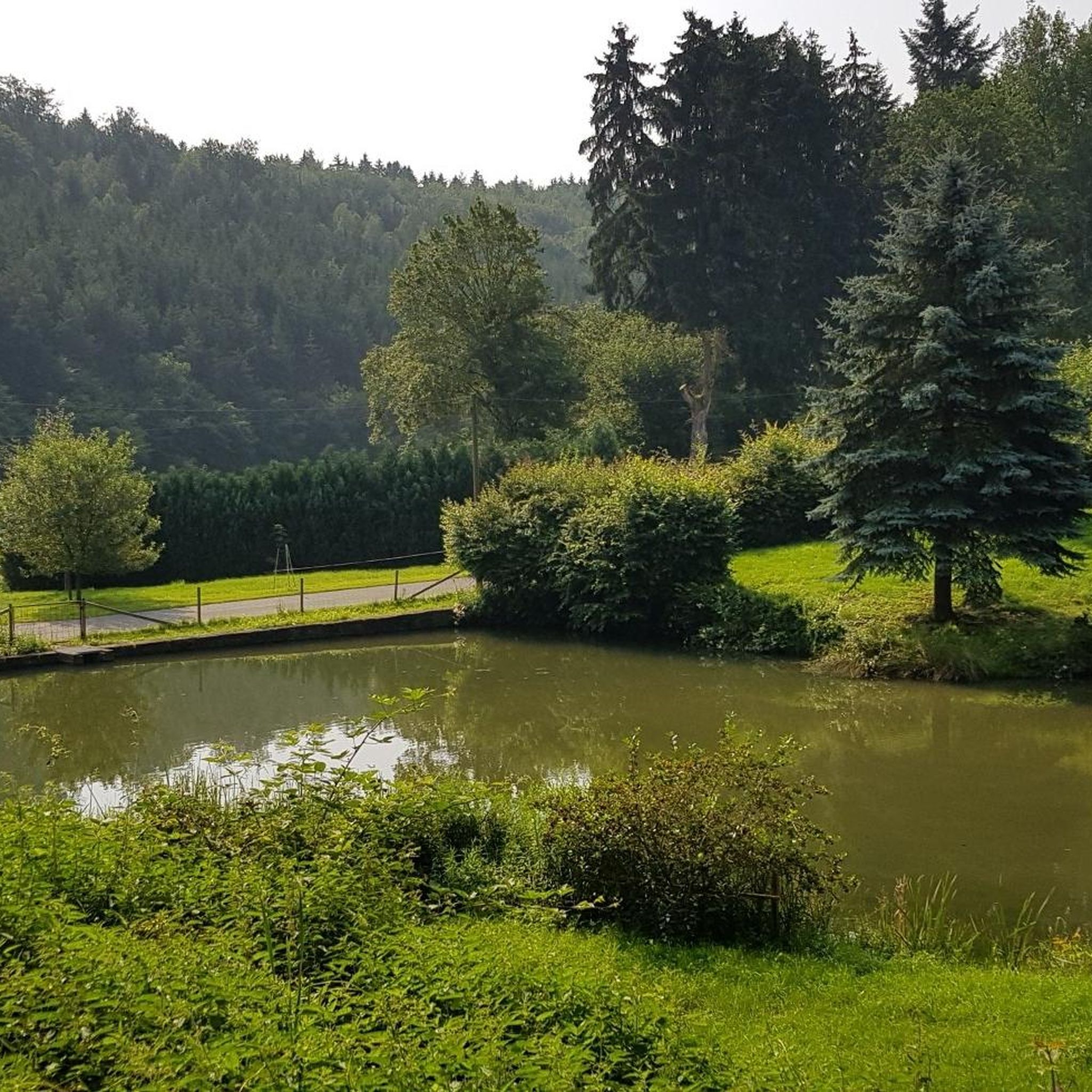
Historic bridge commissioned by the Archbishop of Toledo in the 14th century, in spring/summer home to hundreds of swifts, creating a unique spectacle.
0
0

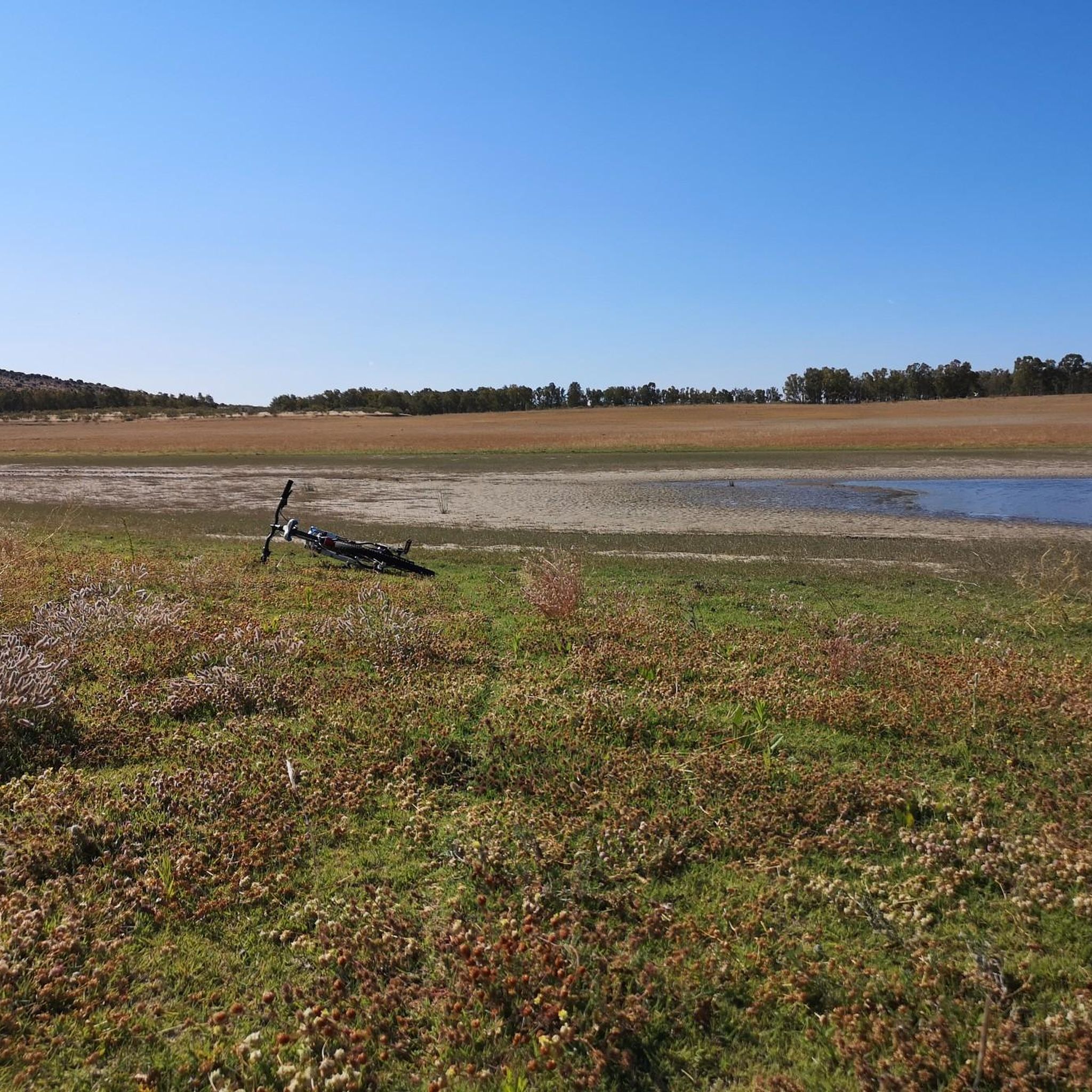
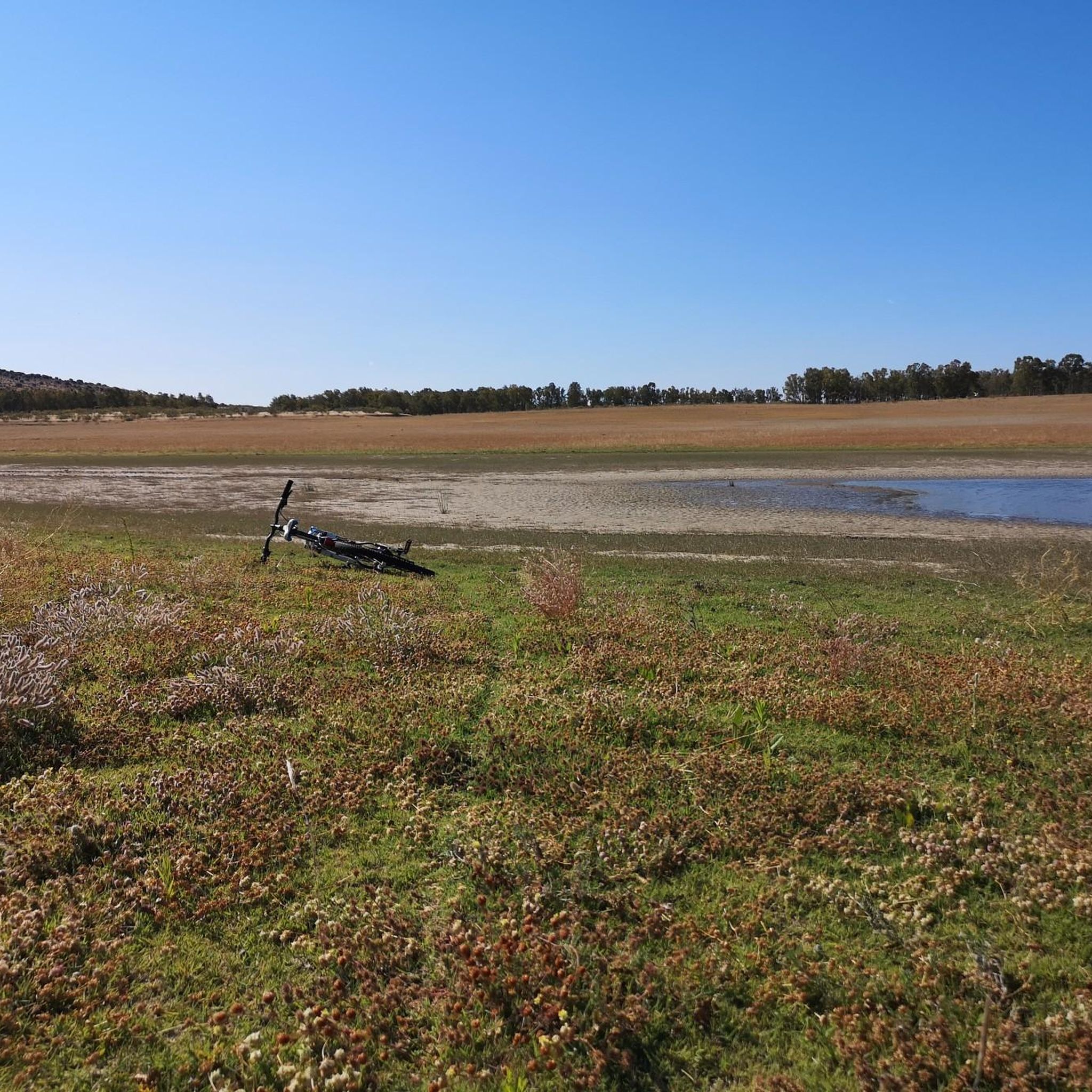
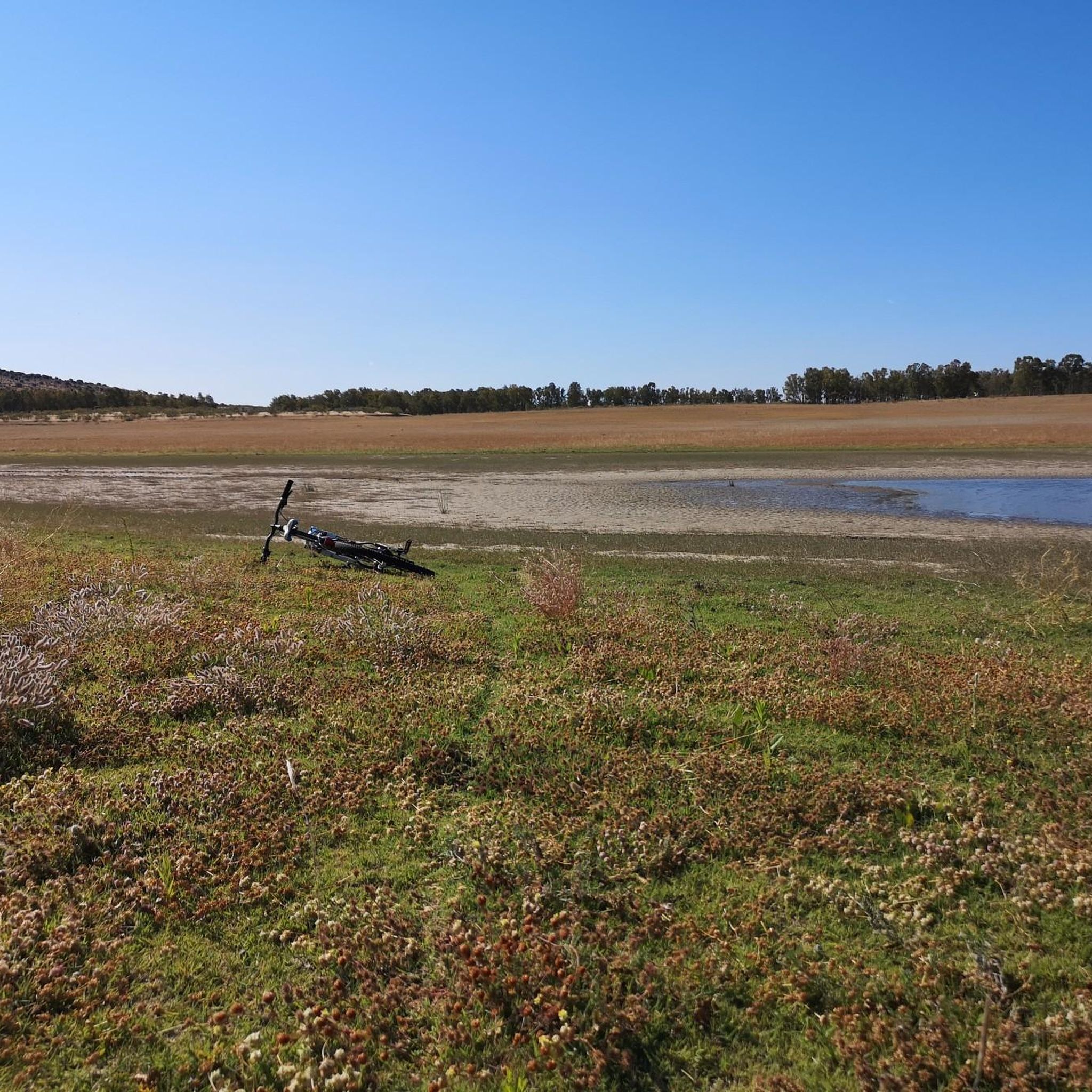
The Camino Real de Guadalupe by bike, especially the Oropesa – Alcañizo section: Approximate distance: 24–25 km (depending on the exact route). Terrain: rural tracks and roads, with some paved sections. Difficulty: Moderate, with no major mountain passes on this section. Surroundings: Toledo countryside, cereal fields, and pastures. Oropesa is notable for its castle and Renaissance palace (now a Parador).
4
0
The Count's Palace of Oropesa, located in the province of Toledo, is an architectural gem with a rich history and great heritage value. The Old Palace (or Doña Elvira Palace): in the Mudejar Gothic style, built in the 14th century. The New Palace: in the Renaissance style, built in the 15th century. It stands out for its original coffered ceiling, its balconies with the coat of arms of the Counts of Oropesa, and a large interior courtyard that was even used as a bullring. Together with the adjacent castle, it forms a complex declared a Historic-Artistic Monument in 1923. In 1931, it was incorporated into the National Parador Network, becoming the first Parador built on a historic building.
4
0

The Archbishop's Bridge is a municipality in Toledo that takes its name from its beautiful Gothic bridge with 11 arches that crosses the waters of the Tagus River. The town is famous for its ceramics, and together with Talavera de la Reina, it is the largest pottery center in Spain.
1
1

This section of the Camino Real de Guadalupe joins the city of Oropesa with El Puente del Arzobispo, crossing a very characteristic and picturesque landscape from La Mancha.
1
2

This great bridge with eleven eyes over the Tagus River gives its name to the Toledo town in which it is located, although the left bank of the river is already considered Cáceres and forms part of the municipality of Villar del Pedroso. It was built between 1383 and 1388 by order of the Archbishop of Toledo Pedro Tenorio.
2
1
Although what stands out most to the naked eye in Oropesa is its spectacular castle, it is worth taking a walk through the town and breathing its marked medieval air. So much so that every April the Medieval Days are held and its streets are filled with snake tamers, buffoons, parades, horseback riding tournaments, acrobats... There is even a princess rescue show.
2
1
The attraction of Oropesa does not only go through its castle, without a doubt the Plaza del Navarro is a place that is really worth visiting and taking advantage of having a drink in one of the bars that surrounds it. The town has a very pleasant atmosphere and although it is a recognized tourist site, it still retains that village air that makes it very special.
1
1
Frequently Asked Questions
What historical attractions can I explore near Caleruela?
The region around Caleruela is rich in history. You can visit the impressive Count’s Palace of Oropesa and Oropesa Castle, a complex featuring 14th-century Gothic-Mudejar and 15th-century Renaissance palaces. Another significant site is Puente del Arzobispo, a medieval bridge built in the late 14th century over the Tagus River, playing a crucial role in historical communication routes.
Are there any cultural or artistic traditions unique to Caleruela?
Yes, Caleruela is particularly known for its distinctive “punto moruno” (Moorish stitch) embroidery. This artistic tradition blends various styles established in Hispanic embroidery from the 16th century onwards and is considered a significant cultural identifier for the town within the Toledo school of embroidery.
What kind of outdoor activities can I do near Caleruela?
The area offers various outdoor activities, especially cycling. You can find numerous routes for touring bicycles, mountain bikes, and road cycling. For example, there are moderate to difficult cycling routes like the 'Count's Palace of Oropesa – Camino Real de Guadalupe loop' or the 'Oropesa and Rosarito Reservoir Loop'. You can explore more options on the Cycling around Caleruela, MTB Trails around Caleruela, and Road Cycling Routes around Caleruela guide pages.
Are there family-friendly places to visit in the Caleruela area?
Many attractions around Caleruela are suitable for families. Both the Puente del Arzobispo and the Count’s Palace of Oropesa and Oropesa Castle are marked as family-friendly. Additionally, exploring the medieval atmosphere of Oropesa, including Plaza del Navarro, can be an enjoyable experience for all ages.
What natural features or viewpoints can I find in the wider region?
While Caleruela itself is more focused on cultural heritage, the wider Toledo province offers natural beauty. Cerro San Vicente (San Vicente Hill), at 1,320 meters above sea level, provides wonderful views of the Toledo area, including the Sierra de Gredos park and Alto Tiétar. The area around Almendral de la Cañada is also known for its picturesque olive and almond groves.
What is the Camino Real de Guadalupe and can I hike or cycle it?
The Camino Real de Guadalupe is a historic trail that passes through the region. It offers a moderate outdoor activity, with sections like Oropesa – Alcañizo covering about 24-25 km through the Toledo countryside, including cereal fields and pastures. It is suitable for both hiking and cycling.
What is the Old Church in Caleruela and what is its significance?
The Old Church (Iglesia Antigua) in Caleruela dates back to the second half of the 15th century. Built in a late Gothic style, it incorporates elements from an older temple. Its rectangular nave, high buttresses, and a polygonal apse with a unique conch-shaped, vaulted ceiling make it architecturally significant. It is cataloged in the Inventory of Architectural Heritage of Historical and Artistic Interest by the Ministry of Culture.
What is special about Oropesa, near Caleruela?
Oropesa is a town just a short distance from Caleruela, famous for its impressive Castle-Palace Complex. This site was the first historical building to house a National Parador of Tourism in 1931 and was declared a Historic-Artistic Monument. The town also has a marked medieval air, with events like Medieval Days held annually, and a charming Plaza del Navarro.
What are some examples of traditional architecture in Caleruela?
Caleruela features examples of traditional housing, such as a two-story house with a basement built in 1928. This particular building showcases a rectangular layout and an impressive double archway entrance made of finely worked stone and brick, reflecting the local architectural style.
What do visitors appreciate most about the attractions around Caleruela?
Visitors frequently highlight the historical significance and architectural beauty of the sites. The medieval charm of places like Oropesa Castle and the impressive structure of Puente del Arzobispo are often praised. The komoot community has shared 15 photos and given 25 upvotes, indicating a strong appreciation for the area's cultural heritage and scenic routes.
Can I visit the historic city of Toledo from Caleruela?
Yes, the historic city of Toledo, a UNESCO World Heritage site, is within reach and offers a wealth of attractions. Key sites include the grand Toledo Cathedral, the winding streets of the Old Town reflecting Muslim, Jewish, and Christian influences, the Alcázar of Toledo, the Synagogue of Santa María la Blanca, and the Mezquita Cristo de la Luz.

Get inspired with the komoot mobile app


Explore more
Still not found the Highlight you’re looking for? See guides of the top attractions in other regions:
