The best road cycling routes around Nacionalni park Una
4.3
(3)
96
riders
5
rides
Road cycling around Nacionalni park Una offers diverse terrain through a landscape defined by the Una River, its waterfalls, and varied forests. The region features a mix of paved roads, quiet tracks, and gravel paths, providing different riding experiences. Cyclists can expect routes that traverse serene beech and oak forests, descend through canyons, and ascend to mountain passes offering expansive vistas. The park's topography includes significant elevation gains on some routes, with peaks under 200m considered hills.
Best road cycling…
Last updated: August 25, 2026
43
riders
79.9km
03:51
1,070m
1,070m
Hard road ride. Very good fitness required. Mostly well-paved surfaces and easy to ride.
4.7
(3)
16
riders
27.3km
01:10
210m
210m
Easy road ride. Great for any fitness level. Mostly well-paved surfaces and easy to ride.

Sign up for free
4.0
(1)
41
riders
80.5km
03:56
1,070m
1,070m
Hard road ride. Very good fitness required. Mostly well-paved surfaces and easy to ride.
5
riders
114km
05:46
1,700m
1,700m
Hard road ride. Very good fitness required. Mostly well-paved surfaces and easy to ride.
5.0
(1)
5
riders
159km
07:37
1,990m
1,990m
Hard road ride. Very good fitness required. Some segments of this route may be unpaved and difficult to ride.
Our route recommendations are based on thousands of hikes, rides, and runs completed by other people on komoot.
Start today with a free account
Your next adventure awaits.
Login or Signup
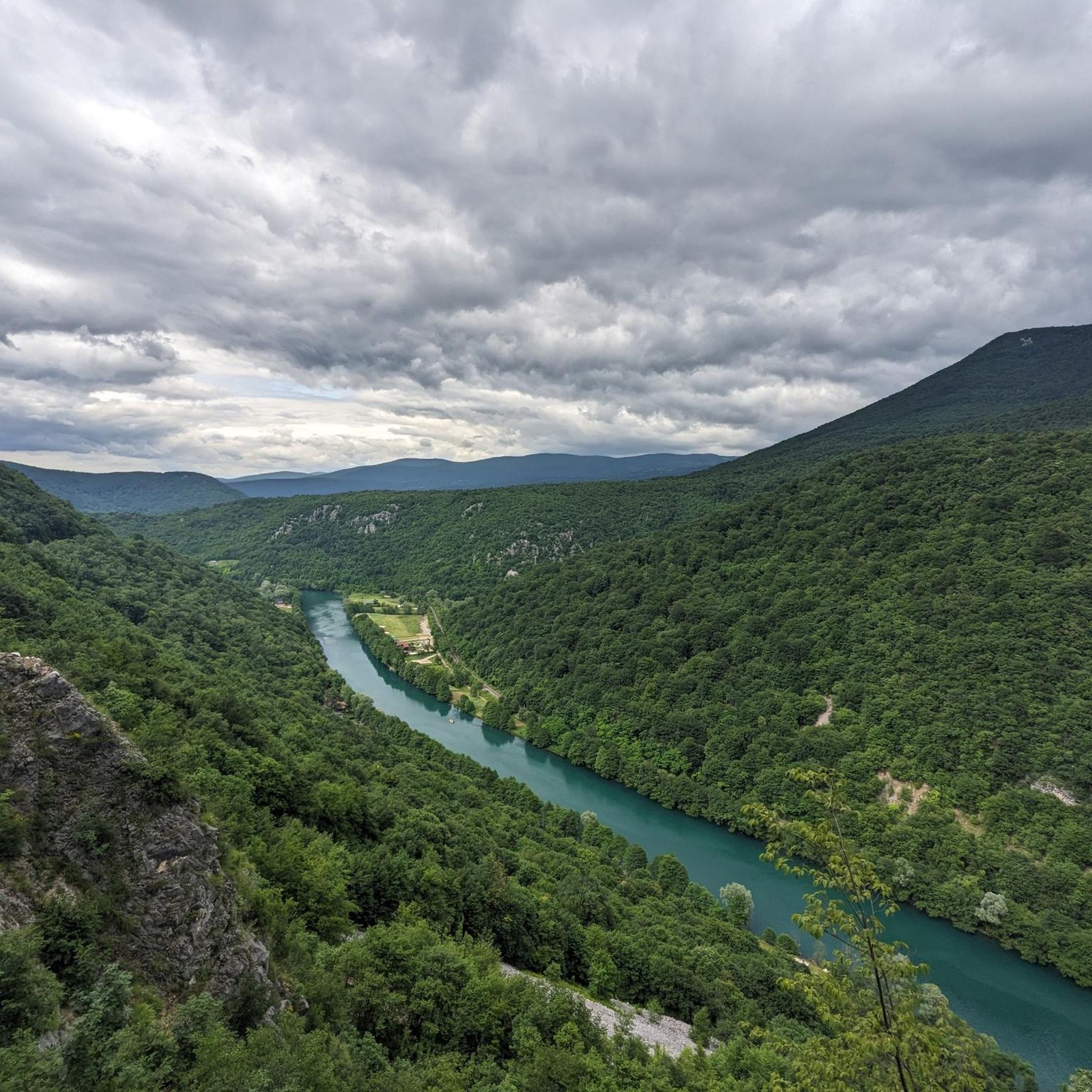
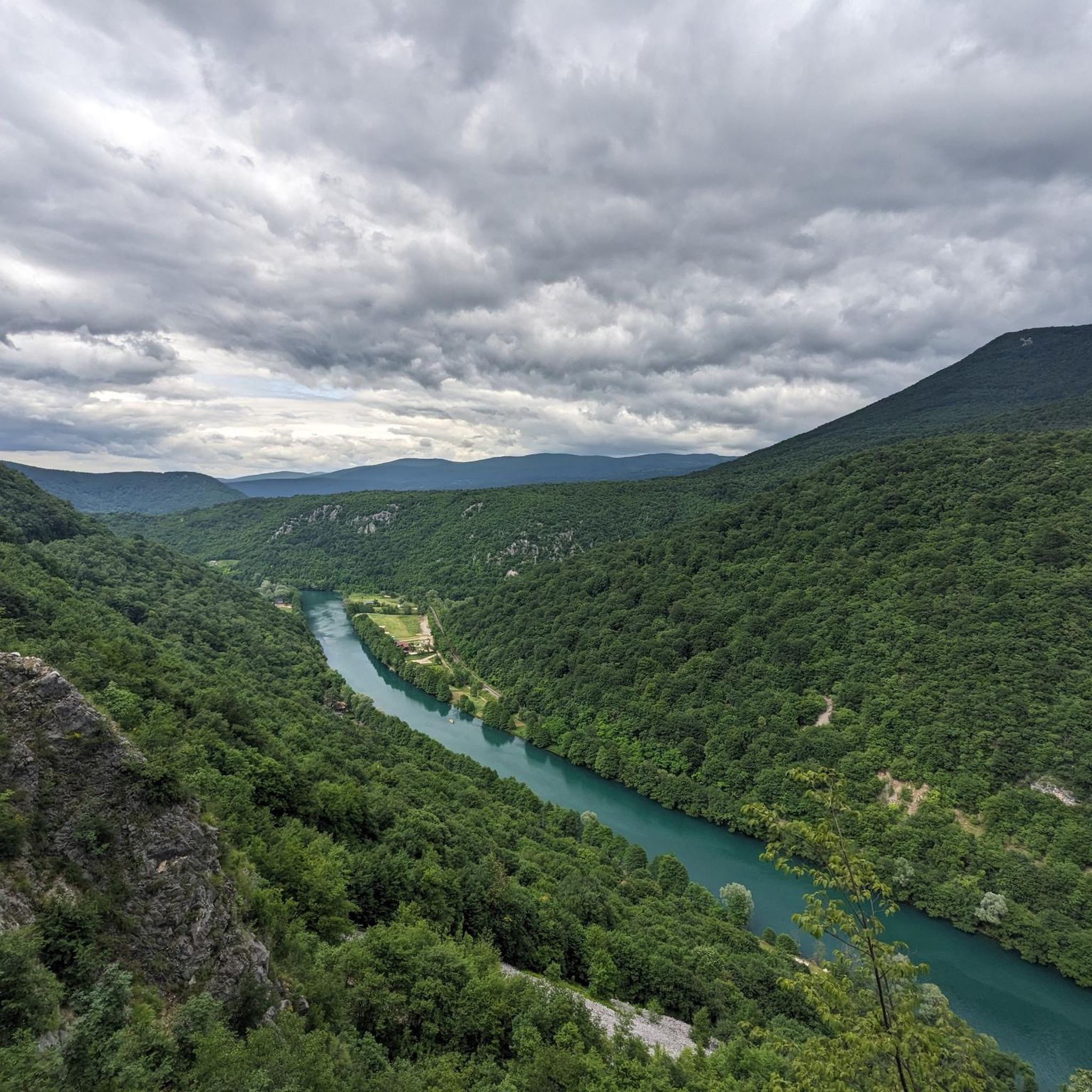
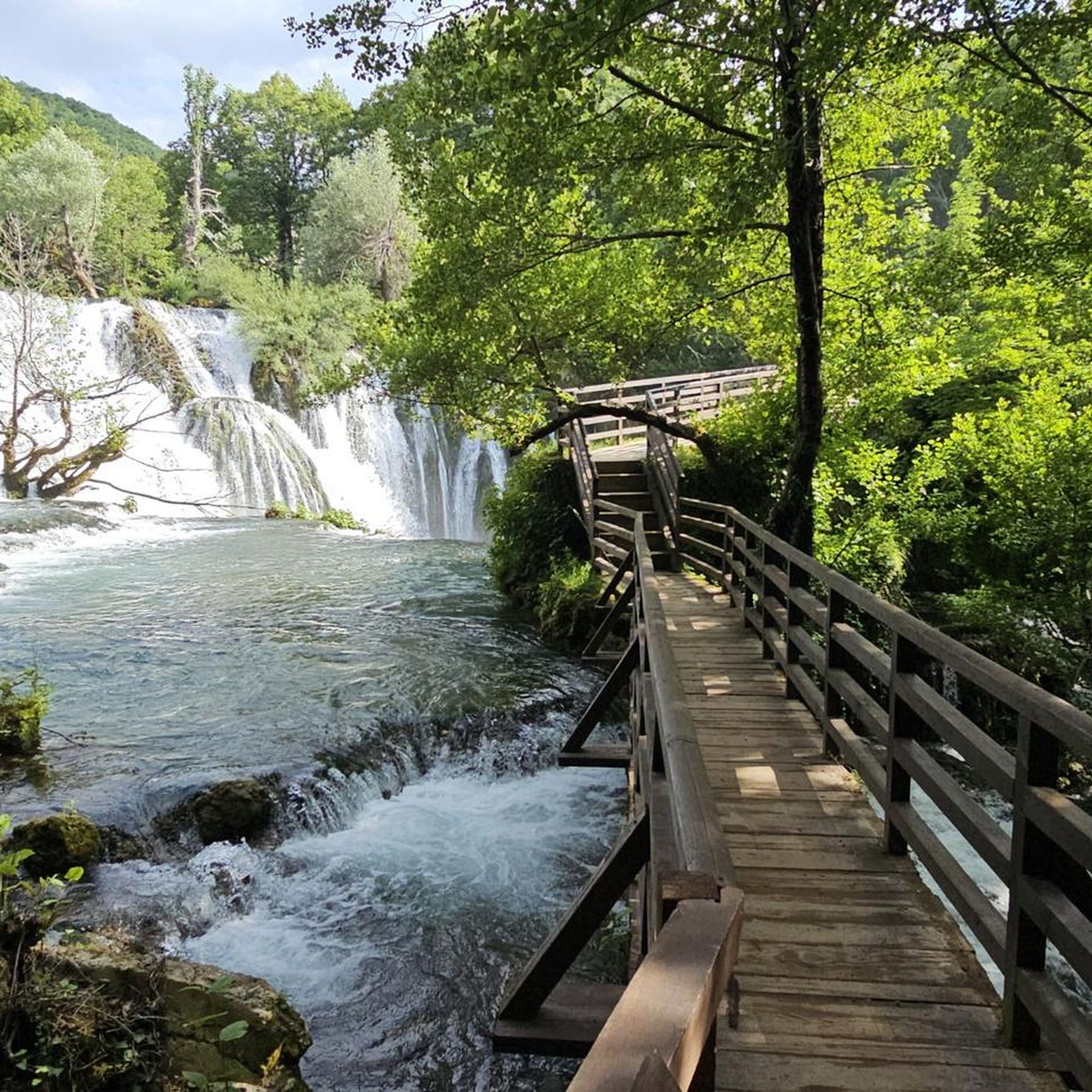
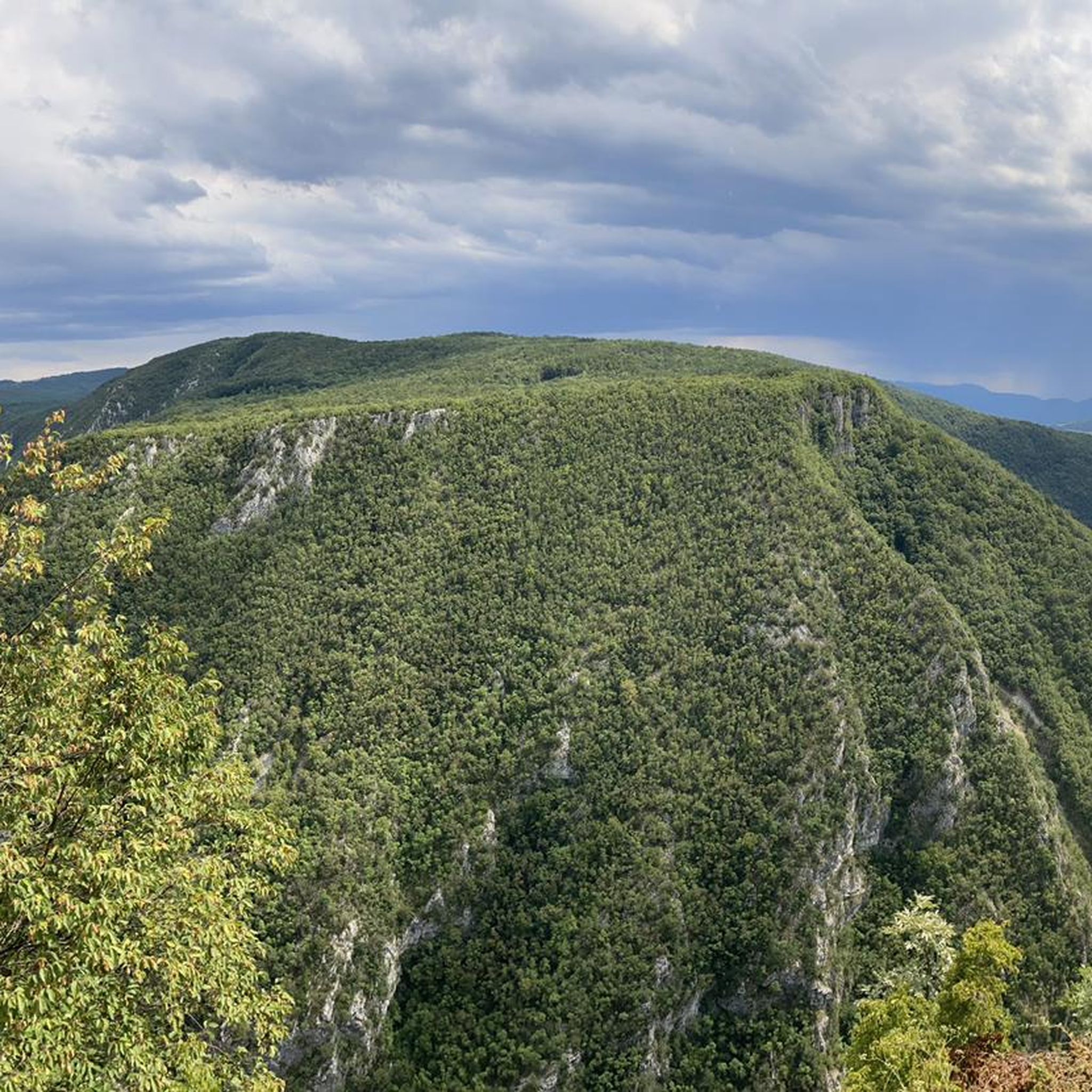
Tips from the Community

Kulen Vakuf je u osmanskim dokumentima iz 18. veka zvan Džisr-i-kebir, što znači “Veliki most.” Naselje je tako nazvano zbog velikog mosta i važnog prelaza preko Une.
1
0
Vakuf means a religious or charitable foundation/property in the Islamic world; in place names, it often means that the area was linked to such a foundation. And Kulen Vakuf refers to a vakuf that was connected to the Kulenović family or Mahmut-paša Kulenović.
1
0
Džisr-i Kebir is not a Bosnian word, but an Ottoman-Turkish name with Arabic roots. -Džisr / jisr: Arabic for “bridge”. -kebir / kabir: Arabic/Ottoman for “great” or “magnificent”. So Džisr-i-Kebir literally means, as Anton also mentions, “the great bridge”.
1
0
Sultan Ahmedova džamija jedna je od najprepoznatljivijih historijskih građevina u dolini rijeke Una, u mjestu Kulen Vakuf. Izgrađena je između 1603. i 1613. godine, u vrijeme sultana Ahmeda I, po kojem je i dobila ime. Ono što je čini posebno zanimljivom jeste njen neobičan položaj i arhitektura – džamija je podignuta iznad prostora sa dućanima i prolazima sa svih strana, a u nju se ulazi kamenim stepeništem, što joj daje jedinstven izgled u cijelom regionu. Kroz historiju je više puta stradala i obnavljana. U ratovima i požarima rušena je nekoliko puta, a posljednja obnova izvedena je 90-ih godina, kada je vraćena u svoj prvobitni oblik i dimenzije, iako je umjesto kamena korištena cigla. Smještena u starom urbanom jezgru, džamija je svjedok bogate prošlosti Kulen Vakufa, mjesta koje se u osmanskim dokumentima iz 18. stoljeća spominje kao Džisr-i-kebir – „Veliki most“. Nekada je grad bio izgrađen na vještačkom otoku, ispresijecan rukavcima Une, s kućama i trgovinama podignutim iznad vode na drvenim stubovima. Džamija danas ne predstavlja samo vjerski objekat, već i snažan simbol opstanka, kontinuiteta i identiteta ovog kraja, u kojem se isprepliću priroda, historija i duhovnost. Izvor: https://go-bosnia.com/entitet/sultan-ahmedova-dzamija/
1
0
Fethija džamija jedan je od najposebnijih sakralnih objekata u Bihać, sa izuzetno zanimljivom i slojevitom historijom. Prvobitno je podignuta sredinom 13. stoljeća kao gotička crkva posvećena sv. Antunu. Dolaskom Osmanlija, po naredbi Hasan-paše Predojevića, objekat je otkupljen od lokalnih katolika i preuređen u džamiju, kada dobija ime Fethija, prema kur’anskoj suri koja znači „Pobjeda“. Iako je prilagođena islamskoj vjerskoj funkciji, građevina je sačuvala brojne elemente svoje prvobitne gotičke arhitekture. Prepoznatljiva rozeta iznad glavnog ulaza i danas svjedoči o njenom crkvenom porijeklu, dok je unutrašnjost prilagođena postavljanjem mihraba na mjestu nekadašnjeg oltara. Tokom preuređenja, pojedini prozori su zazidani, a novi otvori formirani u skladu s potrebama džamije. Nekadašnji zvonik opstajao je sve do 1863. godine, kada je zbog dotrajalosti uklonjen i zamijenjen minaretom izgrađenim od lokalnog kamena bihacita. U podnožju minareta i danas se nalaze očuvani natpisi na arapskom jeziku koji svjedoče o ovoj značajnoj transformaciji. Fethija džamija danas predstavlja jedinstven spoj gotičke i osmanske arhitekture, te jedan od najvrijednijih kulturno-historijskih spomenika Bosne i Hercegovine. Izvor: https://go-bosnia.com/entitet/dzamija-fethija/
0
0
And, Miki, did that only happen in Bihac in the history of mankind?!
0
0
The Smaragdni bridge connects the right bank of the Una with Gradski otok, the largest island on the Una in this city.
1
0
Dolaskom austrougarskih vlasti u Bihać 1878.godine Kapetanova kula je adaptacijom unutrašnjeg prostora 1889.godine pretvorena u zatvor. Na osnovu podataka može se konstatovati da je u njoj na tri sprata moglo biti smješteno 50 zatvorenika, koji su tu izdržavali kaznu zbog težih krivičnih djela. Kapetanova kula je sve do 1959. godine služila kao Okružni zatvor. Zgrada je u potpunosti adaptirana u muzejski prostor, gdje su smještene stalne postavke, i značajna je u turističkoj ponudi Bihaća. Izvor: https://www.kulturnonaslijedjeusk.ba/bs/clanak/historijska-gradevina-kapetanova-kula-u-bihacu/19
2
0
Frequently Asked Questions
What kind of terrain can I expect when road cycling in Nacionalni park Una?
Road cycling in Nacionalni park Una offers a diverse mix of terrain. You'll find mostly paved roads, quiet tracks, and some gravel paths. Routes often traverse serene beech and oak forests, descend through canyons, and ascend to mountain passes, providing varied and engaging riding experiences.
Are there challenging road cycling routes with significant elevation in Nacionalni park Una?
Yes, Nacionalni park Una features several challenging road cycling routes with substantial elevation gains. For example, the Kulen Vakuf Bridge – Kulen Vakuf War Memorial loop from Nacionalni park Una is a difficult route with over 1,000 meters of elevation gain. The park's topography includes peaks that, while under 200m, are considered significant hills, and some routes reach elevations like 1,128 meters at Ajzer bunar.
What natural features and landmarks can I see along the road cycling routes?
The Una River is the centerpiece of the park, and many routes offer stunning views of its pristine waters and captivating waterfalls. You can expect to see spectacular waterfalls like Štrbački Buk Waterfall and Milančev Buk Waterfall, Martin Brod. Routes also lead through diverse forests, canyons, and open grasslands, with some offering expansive mountain vistas. Historical sites such as the medieval castle at Bjelaj and Ostrožac Castle also add cultural interest.
Are there family-friendly or easy road cycling routes in Nacionalni park Una?
Yes, there are options for easier rides. The Kulen Vakuf War Memorial – Kulen Vakuf Bridge loop from Kamp kestenovac is an easy 27.1 km path, offering an accessible ride through the natural surroundings of the Una River. This route is suitable for those looking for a less strenuous experience.
What is the best time of year for road cycling in Nacionalni park Una?
While specific seasonal conditions are not detailed, the region's natural beauty, including its rivers and forests, suggests that spring and autumn would offer pleasant temperatures and vibrant scenery. Summer is also likely popular, but it's always advisable to check local weather forecasts before planning your trip.
Do I need a permit to road cycle in Nacionalni park Una?
The region is part of Nacionalni park Una, which typically requires an entry fee or permit for visitors. While specific cycling permits are not mentioned, it's advisable to check the official park regulations regarding entry fees for visitors to the protected area.
Are there circular road cycling routes available?
Yes, many of the road cycling routes in Nacionalni park Una are designed as loops, allowing you to start and end at the same point. Examples include the Kulen Vakuf Bridge – Kulen Vakuf War Memorial loop from Nacionalni park Una and the Kulen Vakuf War Memorial – Kulen Vakuf Bridge loop from Kamp kestenovac.
What do other road cyclists enjoy most about road cycling in Nacionalni park Una?
The area is highly rated by the komoot community, with an average score of 5.0 stars. Cyclists often praise the diverse terrain, the stunning natural beauty of the Una River and its waterfalls, and the variety of routes catering to different ability levels, from easy loops to challenging climbs.
Is parking available for cyclists in Nacionalni park Una?
While specific parking locations for cyclists are not detailed, as a national park and a popular outdoor destination, it is reasonable to expect designated parking areas at key entry points or trailheads within and around Nacionalni park Una. It's recommended to check local signage upon arrival.
Are road cycling routes in Nacionalni park Una dog-friendly?
The general policy for dogs in Nacionalni park Una is not specifically outlined for cycling routes. While dogs are often permitted in national parks, they are usually required to be on a leash. It's best to verify the park's current pet policy before bringing your dog on a cycling trip.
Can I find cafes or pubs along the road cycling routes in Nacionalni park Una?
The region offers a mix of natural landscapes and smaller settlements. While specific cafes or pubs directly on every route are not listed, areas around popular attractions like Martin Brod or larger towns like Bihać would likely have options for refreshments. Planning your route with potential stops in mind is advisable.
What is the longest road cycling route in Nacionalni park Una?
The longest route currently highlighted is the View of Una Canyon – Small Waterfall at Martin Brod loop from Bihać, which spans approximately 158.7 km and features over 2,000 meters of elevation gain, making it a very challenging ride.
Are there routes that specifically feature the Una River and its waterfalls?
Absolutely. The Una River is central to the park's appeal, and many routes are designed to showcase its beauty. For instance, the View of Una Canyon – Small Waterfall at Martin Brod loop from Bihać offers views of the Una Canyon and passes by the small waterfall at Martin Brod, a location known for its traditional watermills and cascades.
Most popular attractions around Nacionalni park Una

Get inspired with the komoot mobile app


Explore more
Browse the best Road cycling routes in other regions.
