Attractions and Places To See around Villanueva De Los Infantes - Top 20
Best attractions and places to see around Villanueva De Los Infantes include a rich array of historical and architectural sites. This town, declared a Historic-Artistic Grouping, features a well-preserved Renaissance and Baroque urban center. It is historically significant, associated with Miguel de Cervantes' *Don Quixote* and the final resting place of Francisco de Quevedo. The area offers a blend of cultural heritage and notable landmarks.
Best attractions and places to see around Villanueva De Los Infantes
- The most popular attractions is Sanctuary of the Virgin of the Carrasca, a religious building located outside the town. This sanctuary houses the patron saint of the municipality, a 13th-century carving.
- Another must-see spot is Plaza Mayor de Villanueva de los Infantes, a historical site considered one of the most beautiful main squares in Castilla-La Mancha. It features significant buildings like the Town Hall and the Church of San Andrés, and is a central point for local activity.
- Visitors also love Convent of Santo Domingo, a religious building constructed in 1526. This convent is notable as the place where writer Francisco de Quevedo died, and his preserved cell is open to the public.
- Villanueva De Los Infantes is known for its historical sites, religious buildings, and architectural heritage. The town offers a variety of attractions to see and explore, from grand plazas to significant convents.
- The attractions around Villanueva De Los Infantes are appreciated by the komoot community, with 14 highlights and 31 photos available for exploration. These sites have received 8 upvotes from visitors.
Last updated: May 9, 2026
Main Square
Highlight • Historical Site
Translated by Google •
Tip by

Convent of Santo Domingo
Highlight • Religious Site
Translated by Google •
Tip by
Sign up now to discover places like this
Get recommendations on the best single tracks, peaks, & plenty of other exciting outdoor places.
Sign up for free
Church of San Andrés
Highlight • Religious Site
Very interesting are its three covers, two plateresque and the main classicist. This is framed by a deep semicircular arch, it has double Doric columns on a plinth that support an entablature that in turn serves as the base for a temple with Ionic columns and a split pediment with the Habsburg coat of arms and the figure of Saint Andrew with the barbed cross. It is dated 1612.
Translated by Google •
Tip by

Plaza Mayor de Villanueva de los Infantes
Highlight • Historical Site
Translated by Google •
Tip by
Sanctuary of the Virgin of the Carrasca
Highlight • Religious Site
Translated by Google •
Tip by

Sign up for free to discover even more attractions around Villanueva De Los Infantes.
Sign up for free
Already have an account?
Start today with a free account
Your next adventure awaits.
Login or Signup
Tips from the Community

After the walk, what better way to end the visit to Villanueva de los Infantes than with some Coca-Colas, some cold beers and some tapas in a typical local bar right in the Plaza Mayor, as its name suggests.
1
0
On one side is the Church of Santo Domingo, built in the 17th century following the principles of the Counter-Reformation. Highlights include the main altar with its Baroque altarpiece featuring Solomonic columns. Above it are interesting frescoes depicting Saint Dominic. Among the side chapels, the Chapel of Souls, founded by the Ballesteros family, the Chapel of Ecce Homo, commissioned by the Duke of San Fernando, and the Chapel of Our Lady of the Rosary, commissioned by the Bustos family, are particularly noteworthy. However, the most visited site is the convent, or rather, the cell where Francisco de Quevedo died in 1645. Quevedo's cell, open to the public, is the exact spot where the writer passed away shortly after arriving in Villanueva, already very ill. Following the confiscation of church property in 1844, the convent was closed, and today part of the building houses cultural events and a hotel. The opening hours and admission prices are as follows: Opening Hours: Monday from 11:00 AM to 2:00 PM. Closed Tuesdays. Wednesday to Sunday from 11:00 a.m. to 2:00 p.m. and from 5:00 p.m. to 8:00 p.m. Admission: €2 (Reduced: €1).
1
0
The Plaza Mayor is Neoclassical in style and a key element of the urban design, housing the main political and religious institutions. The Church of San Andrés is notable for its Neoclassical façade, featuring a deep semicircular arch, an image of Saint Andrew, and the coat of arms of the Habsburgs. Inside, the Chapel of the Busts is preserved, in whose crypt Francisco de Quevedo was buried. Visiting hours and prices are: Hours: Sunday from 11:00 a.m. to 12:00 p.m. Admission: General €2 (Reduced €1).
1
0

Immense main square found in this town with arches on both sides of the square (porticoed area) where there is always neighborhood activity!
3
0
Beautiful convent that is in the middle of the town of Vilanueva de los Infantes and that is not only recognized for its ecclesiastical importance but is also the place where Francisco de Quevedo spent the last years of his life locked up.
3
0
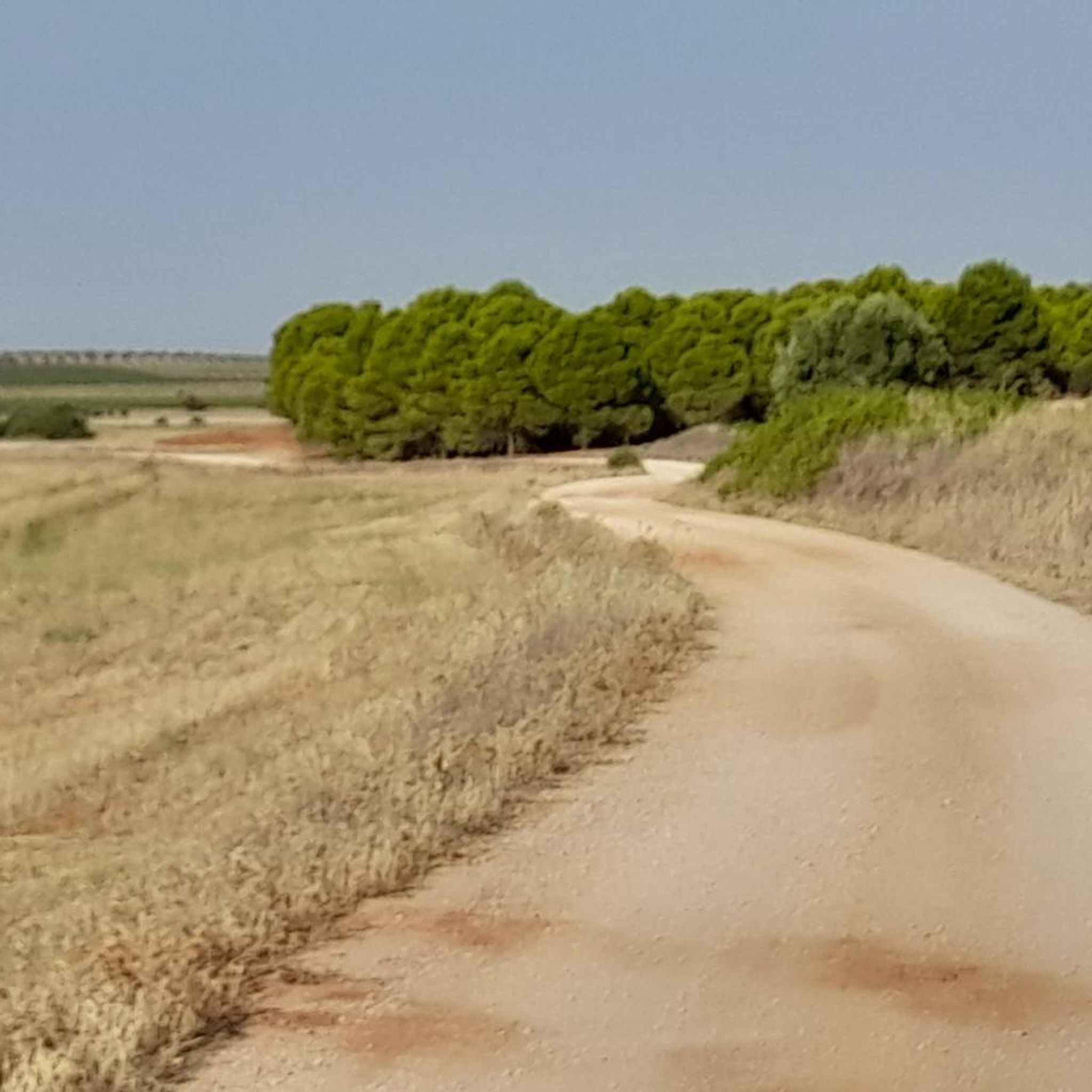
Beautiful sanctuary that is located a little away from the town of Carrizosa and that is also a place of worship for many of the people who live in the nearby towns.
0
0

Life in this city revolves around the monumental complex of the Plaza Mayor from the beginning of the 17th century. The south of the square is made up of wooden balustrades supported by footings. The other two sides are made up of semicircular arches and in the north, the religious complex, is the architectural highlight of extreme beauty made up of the church of San Andrés and the rectory.
14
0

Villanueva de los Infantes is a historic town in the Campo de Montiel region. The route passes through the old town and the Plaza Mayor, where you can stop for lunch and a coffee and admire the great Church of San Andrés that dominates the square.
2
1
Frequently Asked Questions
What historical sites are particularly significant in Villanueva de los Infantes?
Villanueva de los Infantes is rich in history. Key sites include the Plaza Mayor de Villanueva de los Infantes, a beautiful main square featuring the Town Hall and the Church of San Andrés. Another significant location is the Convent of Santo Domingo, where the writer Francisco de Quevedo died, and his cell is preserved. The town itself is a Historic-Artistic Grouping, showcasing well-preserved Renaissance and Baroque architecture.
What natural attractions can I explore near Villanueva de los Infantes?
While Villanueva de los Infantes is known for its architecture, the surrounding area offers natural beauty. The most notable natural attraction is the Parque Natural Lagunas de Ruidera, located a little over 40 kilometers away. This park features fifteen lagoons of significant environmental and scenic value, perfect for nature lovers. The Jabalón River also flows near the town.
Are there family-friendly attractions in Villanueva de los Infantes?
Yes, several attractions in Villanueva de los Infantes are suitable for families. The Plaza Mayor de Villanueva de los Infantes is a great place for a stroll, with sculptures of Don Quijote and Sancho Panza. The Sanctuary of the Virgin of the Carrasca, located outside the town, is also considered family-friendly and has an interesting legend associated with it.
What are Villanueva de los Infantes' connections to literature?
Villanueva de los Infantes holds strong literary connections. It is often associated with Miguel de Cervantes' Don Quixote, with the Casa del Caballero del Verde Gabán believed to have inspired a part of the novel. Furthermore, the town is the final resting place of the renowned writer Francisco de Quevedo, who died in the Convent of Santo Domingo, where his cell is preserved.
What kind of architectural styles can I expect to see in Villanueva de los Infantes?
The town boasts a rich architectural heritage, primarily showcasing well-preserved Renaissance and Baroque urban styles. You'll find examples like the Neoclassical Plaza Mayor, the Gothic, Mannerist, and Baroque blend of the Church of San Andrés, and various palaces such as the Palacio de los Ballesteros (Renaissance) and the Palacio del Marqués de Melgarejo (Baroque).
Are there opportunities for outdoor activities like cycling near Villanueva de los Infantes?
Yes, the area around Villanueva de los Infantes offers various outdoor activities, particularly cycling. You can find numerous routes for road cycling, mountain biking (MTB), and touring bicycles. For example, there are moderate road cycling routes like 'Carrizosa from Villanueva de los Infantes' and MTB trails such as 'Convent of Santo Domingo – Main Square loop from Villanueva de los Infantes'. You can explore more options on the Cycling around Villanueva De Los Infantes guide.
What cultural sites are there beyond historical buildings?
Beyond its impressive historical buildings, Villanueva de los Infantes offers cultural sites like the Museo Etnográfico, which provides insights into local ethnography. There's also the Museo de Arte Contemporáneo, located in the old market, featuring a permanent exhibition of Spanish artists from the 20th and 21st centuries.
Where can I find places to eat or relax in Villanueva de los Infantes?
The Main Square (Plaza Mayor) is the central hub for social activity in Villanueva de los Infantes. It features arcades with various local bars and cafes where you can enjoy tapas, drinks, and soak in the atmosphere after exploring the town's sights.
Are there any unique or lesser-known places to discover in Villanueva de los Infantes?
Beyond the main landmarks, Villanueva de los Infantes is renowned for its beautiful Castilian Patios, considered some of the best examples from the Spanish Golden Age. The Casa del Arco is also notable for its uniquely striking façade, and the Alhóndiga (Corn Exchange) with its exquisite patio offers a glimpse into 16th-century life.
What is the best time to visit Villanueva de los Infantes?
Villanueva de los Infantes can be enjoyed throughout the year, but spring (April-May) and autumn (September-October) generally offer the most pleasant weather for exploring its historical sites and walking around the town. Summers can be hot, while winters are milder but can be chilly.
What is the significance of the Church of San Andrés?
The Church of San Andrés is a prominent religious building constructed between the late 15th and 18th centuries, showcasing a blend of Gothic, Mannerist, and Baroque styles. It is particularly known for its three distinct doorways, especially the main classicist one from 1612. Inside, it houses a stone altarpiece, a Plateresque pulpit, and the crypt where Francisco de Quevedo was initially buried.
Can I visit archaeological sites near Villanueva de los Infantes?
Yes, you can visit the Yacimiento de Jamila (Jamila Archaeological Site) near the Sanctuary of the Virgen de la Antigua. This site represents the Iberian-Roman settlement that was the origin of the town, offering a glimpse into its ancient past. Additionally, the Puente de Triviño is a remodeled Roman vestige.

Get inspired with the komoot mobile app


Explore more
Still not found the Highlight you’re looking for? See guides of the top attractions in other regions:
