Attractions and Places To See around Villarrubia De Los Ojos - Top 20
Best attractions and places to see around Villarrubia De Los Ojos include a blend of significant natural features and historical sites. The area is characterized by its unique wetland ecosystems, such as those found in the Guadiana River basin, alongside mountainous landscapes and extensive plains. Visitors can explore a range of attractions, from national parks and viewpoints to historic churches and cultural museums. This region offers diverse opportunities for outdoor activities and cultural discovery.
Best attractions and places to see…
Last updated: July 20, 2026
Tablas de Daimiel National Park
Highlight • Natural Monument
Translated by Google •
Tip by

Puerto Lápice Windmills
Highlight • Monument
Translated by Google •
Tip by
Sign up now to discover places like this
Get recommendations on the best single tracks, peaks, & plenty of other exciting outdoor places.
Sign up for free
Observation point
Highlight • Viewpoint
Observatories at the Permanent Lagoon: This 800-meter linear trail takes …
Translated by Google •
Tip by
Church of San Pedro Apóstol (Daimiel)
Highlight • Religious Site
Translated by Google •
Tip by

Sanctuary of Our Lady of the Crosses
Highlight • Religious Site
Translated by Google •
Tip by
Sign up for free to discover even more attractions around Villarrubia De Los Ojos.
Sign up for free
Already have an account?
Start today with a free account
Your next adventure awaits.
Login or Signup
Popular around Villarrubia De Los Ojos
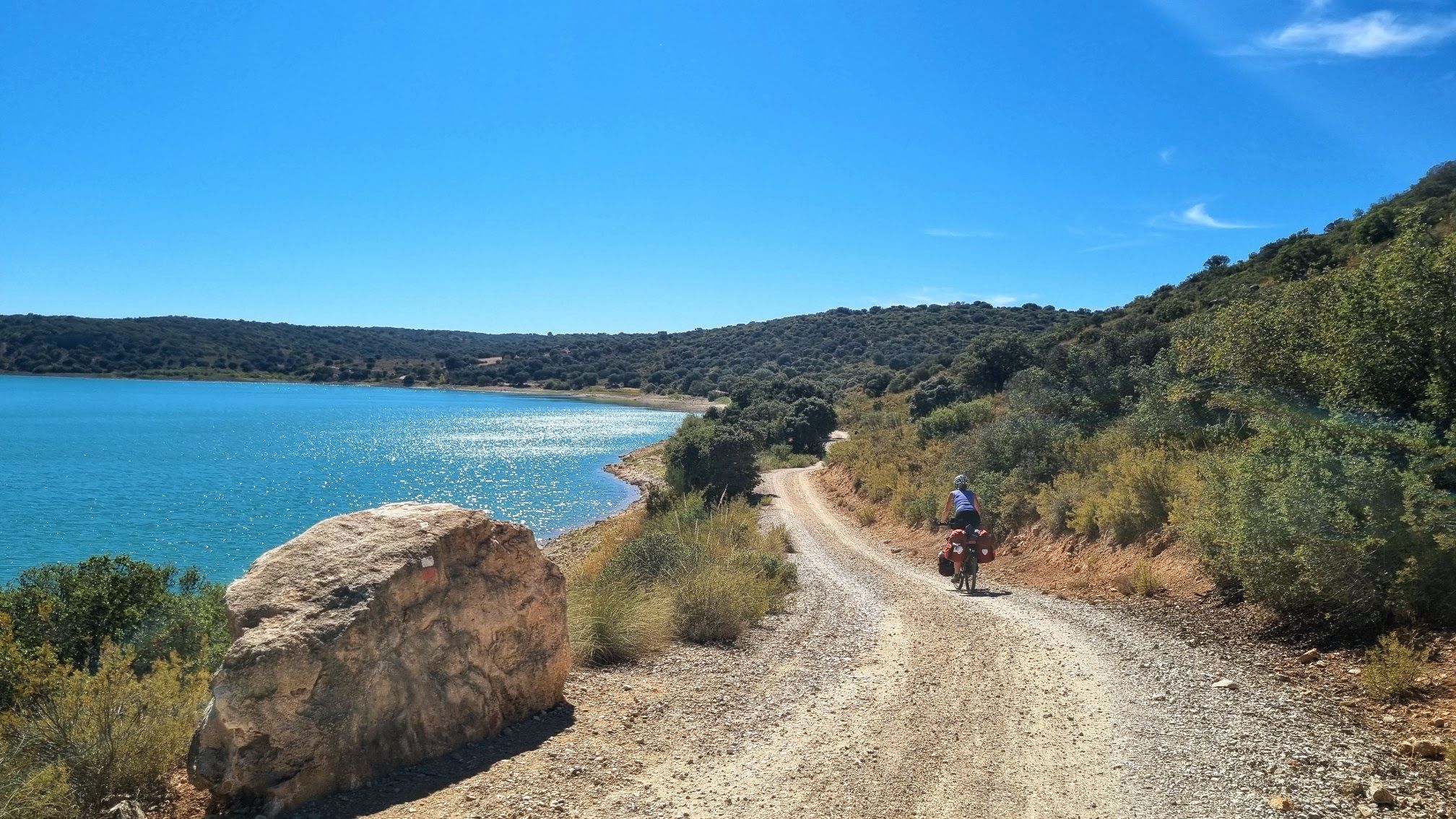
Pedalea junto al gran río — Camino Natural del Guadiana
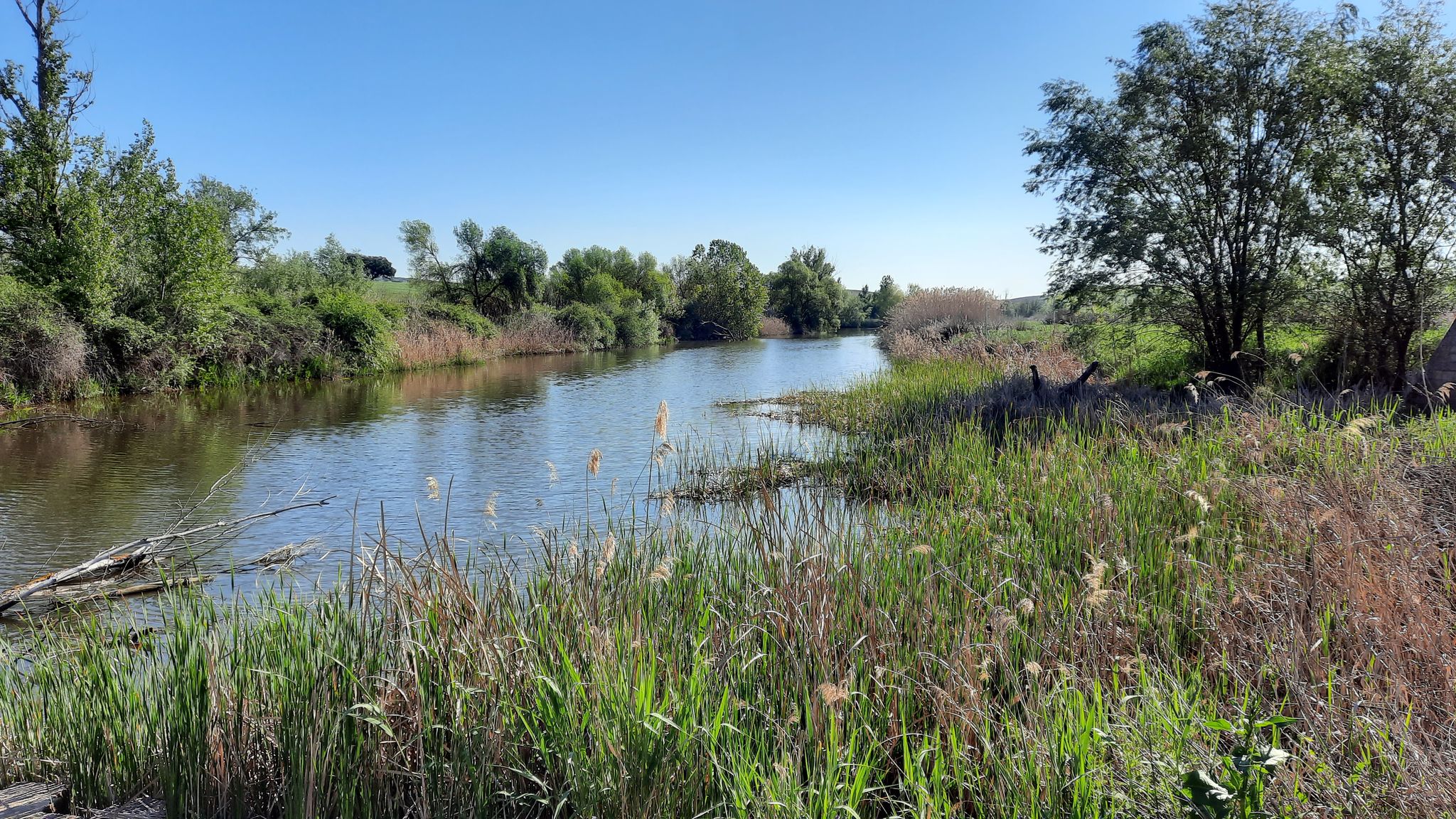
The magic of an endless river – Spain's Guadiana Natural Trail (GR 114)
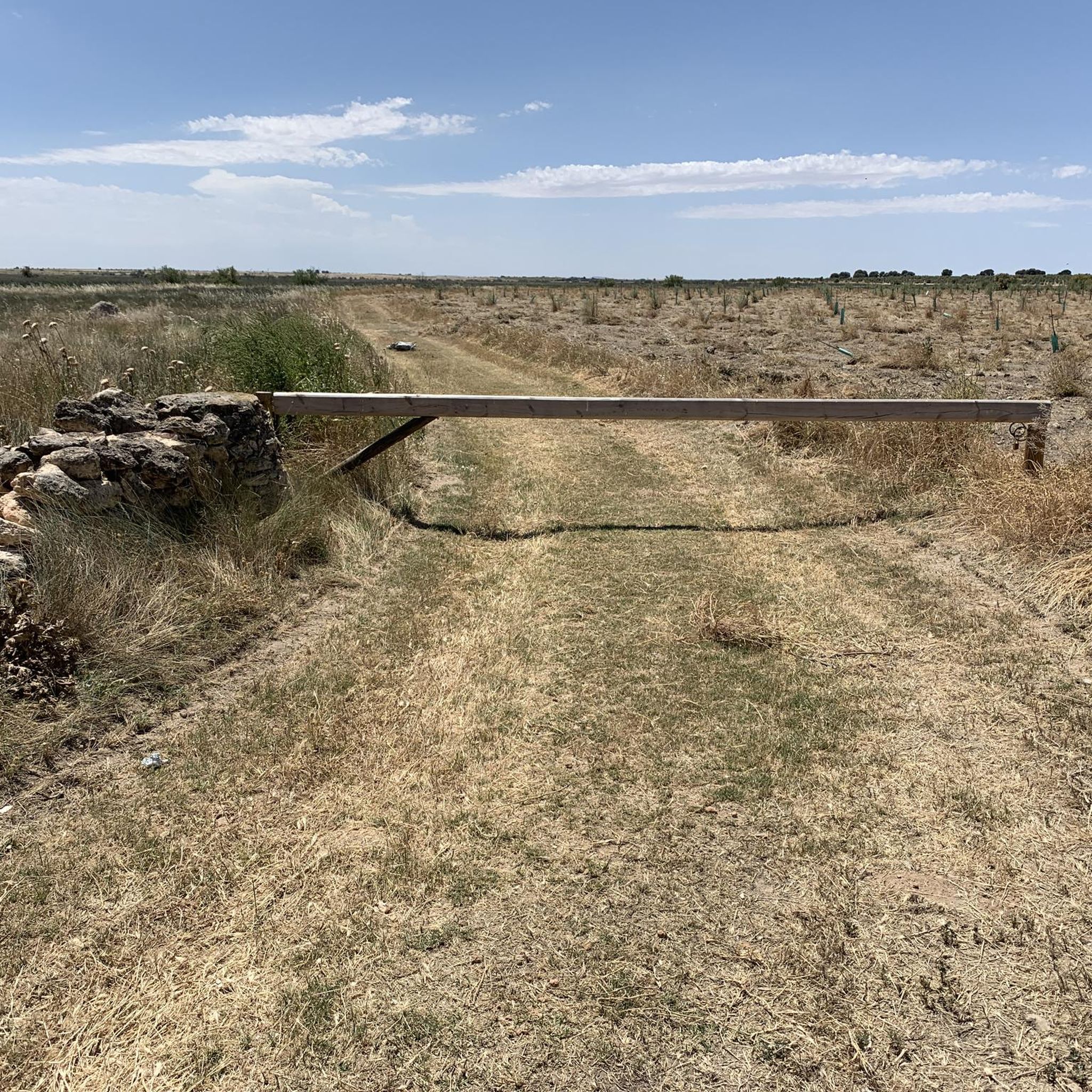
Road Cycling Routes around Villarrubia De Los Ojos
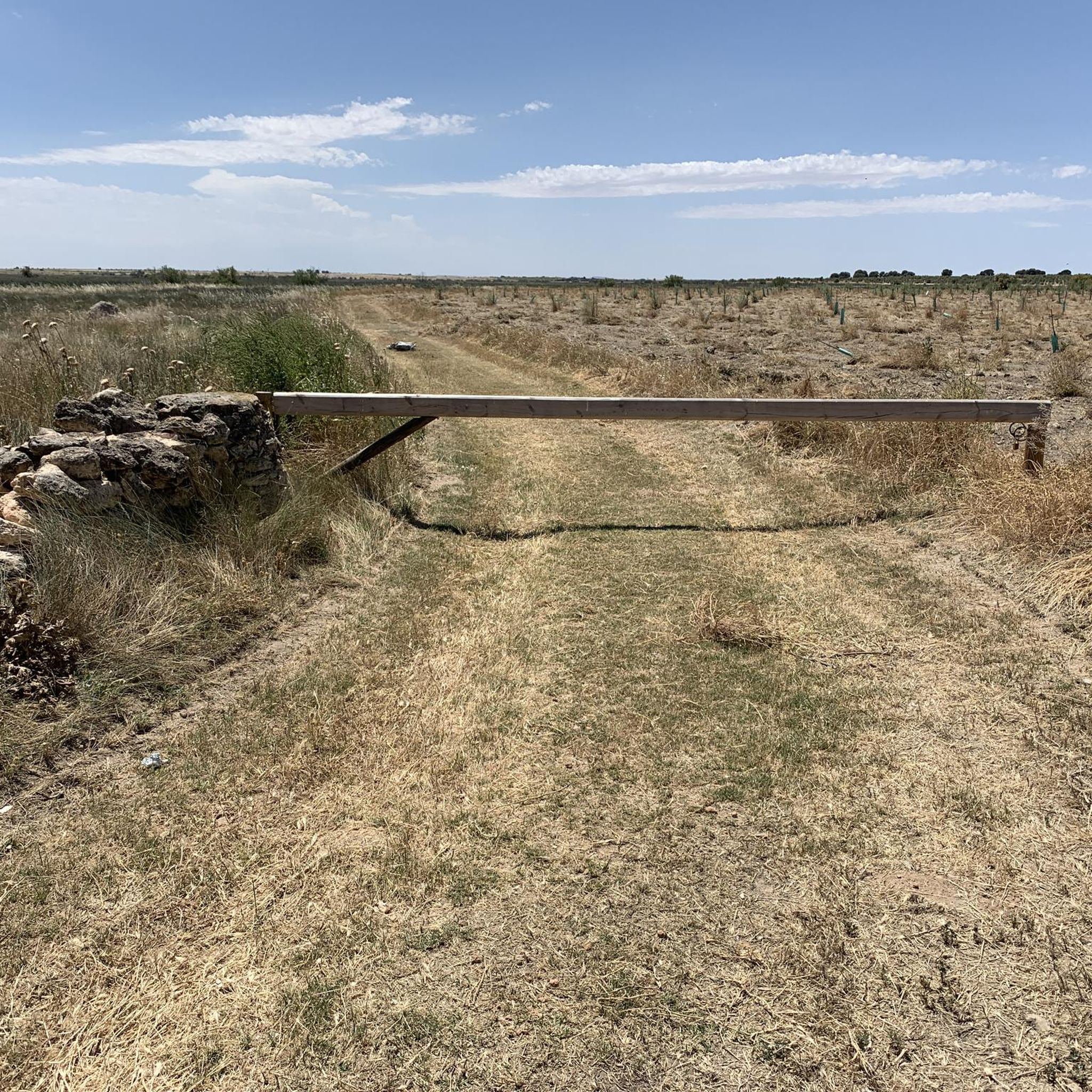
Hiking around Villarrubia De Los Ojos
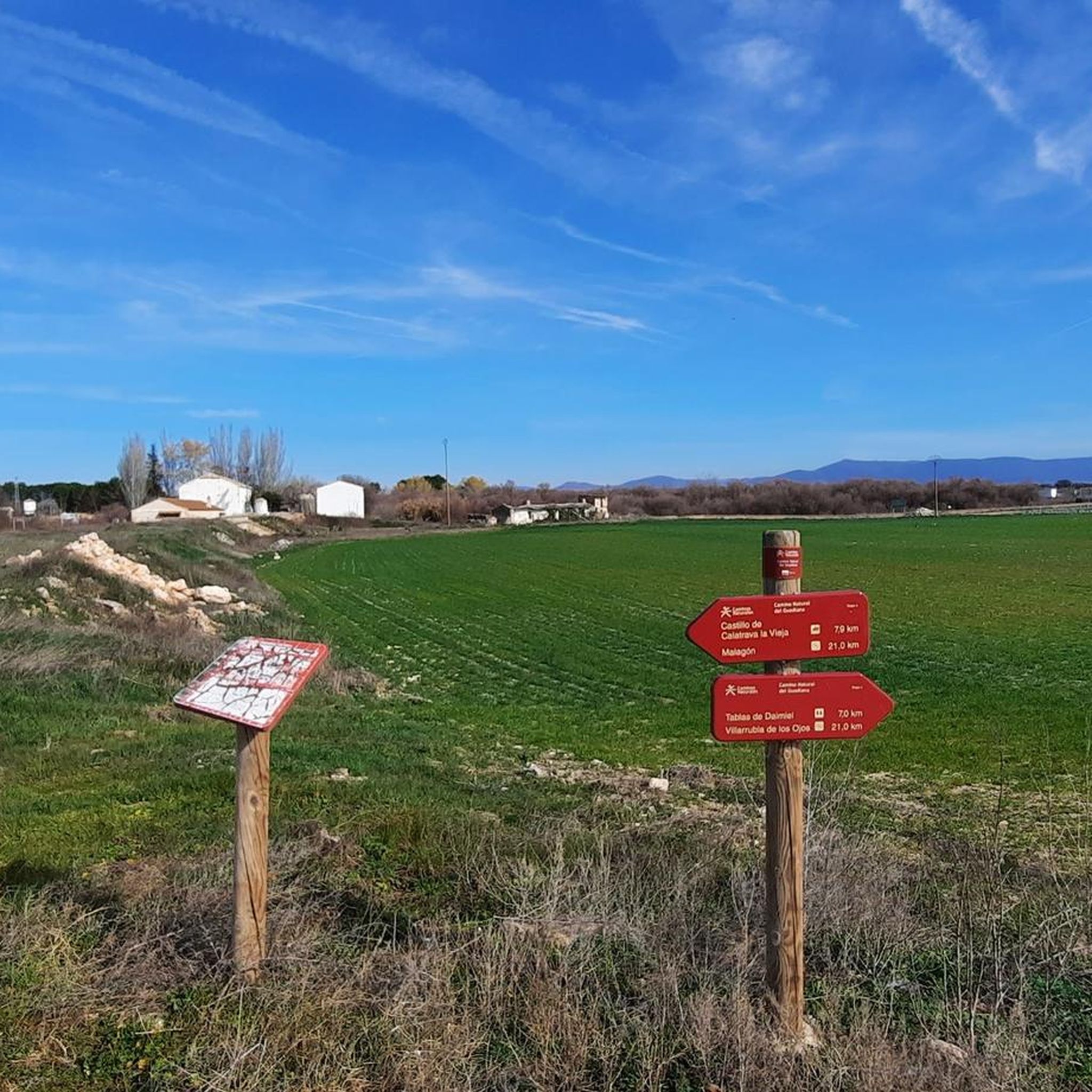
Running Trails around Villarrubia De Los Ojos
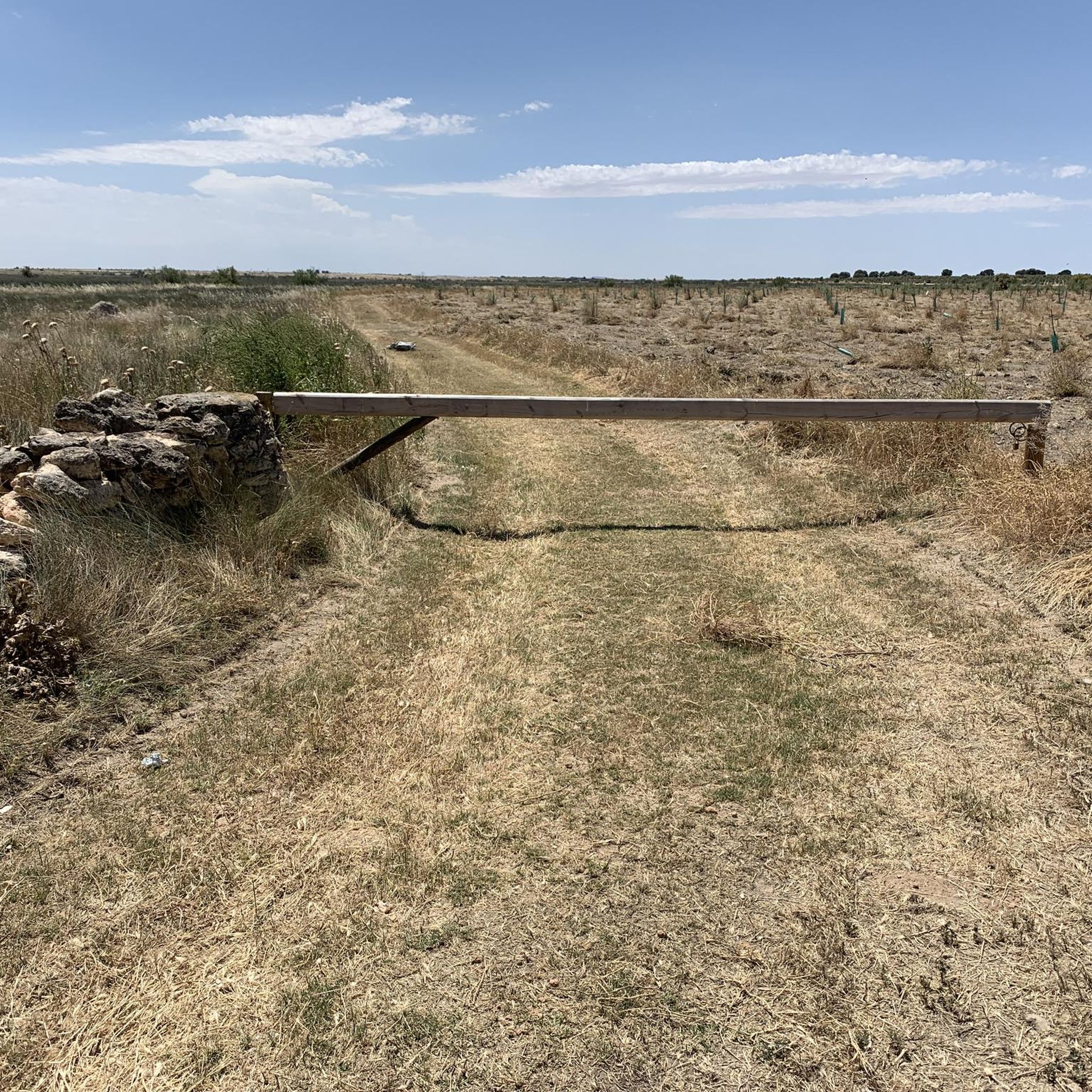
Cycling around Villarrubia De Los Ojos
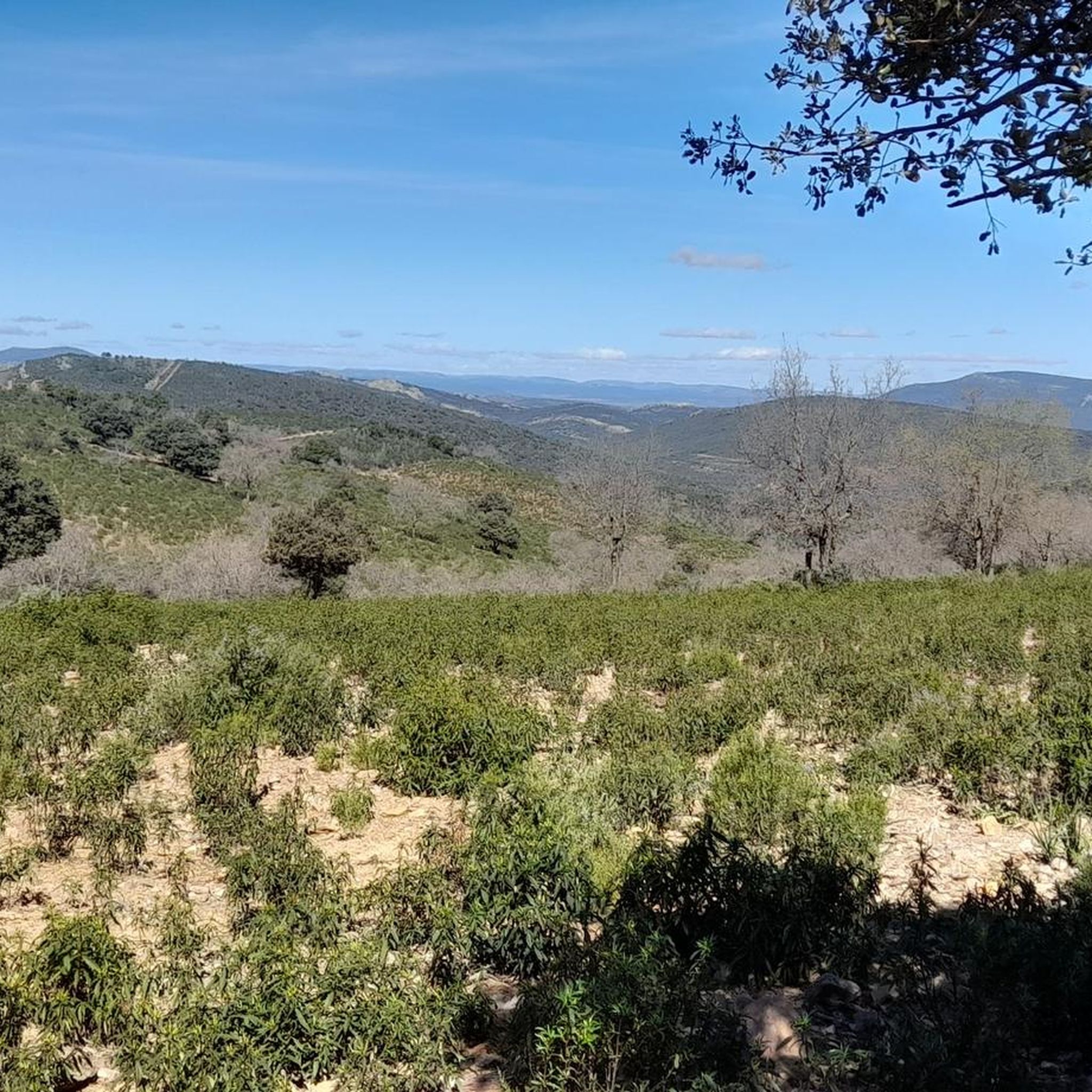
MTB Trails around Villarrubia De Los Ojos

Gravel biking around Villarrubia De Los Ojos
Other adventures around Villarrubia De Los Ojos


Tips from the Community

In Las Tablas de Daimiel National Park, there are several wildlife observatories where you can enjoy bird and animal watching. Observatories at the Permanent Lagoon: This 800-meter linear trail takes you to a lagoon from whose observatories you can see various aquatic birds depending on the season. Observatories on the Prado Ancho Tower Route: This 4-kilometer trail includes four wildlife observatories and ends at a two-story tower that offers impressive panoramic views of the wetland. Observatories on the Bread Island Route: This 2.5-kilometer circular trail is the most popular in the park and has several observatories where you can see ducks and other aquatic birds.
30
0
In 1925 this mill was still in operation. The neighbours could access it to grind wheat, either via the horse trail located on its eastern side, or via the road called La Nava for carts. This mill also had a nearby building, the miller's hut, and a dividing wall was also built to allow livestock to be kept.
8
0

The mills in La Mancha are the quintessential sign of identity of this beautiful land. Strategically located at any elevation of the land to take advantage of the prevailing wind, they are part of the La Mancha landscape and universal heritage.
1
0

There are fantastic observation opportunities here. It is advisable to have a telephoto lens with you.
9
2
Very beautiful wooden walkways provide impressive insights into the flora and fauna of the wetland.
8
2

One of the numerous observatories found in the Tablas de Daimiel National Park, which through a series of wooden walkways allow you to jump from island to island. A paradise for bird watching lovers.
6
0

Incredible natural landscape, wetland area and Biosphere Reserve. Las Tablas de Daimiel is a great place to start your adventure. Easy access to parking.
5
0

The Church of San Pedro Apóstol is one of the churches in the town of Damiel, in this case, it is located at one end of the town.
2
0
Frequently Asked Questions
What natural features can I explore around Villarrubia de los Ojos?
The region is rich in natural beauty. You can visit the Tablas de Daimiel National Park, a unique wetland ecosystem known for its diverse birdlife and observation points. Other notable natural sites include the Ojos del Guadiana, where the Guadiana River reappears, the Parque Recreativo Gigüela with its walking and cycling paths, and the Sierra de Villarrubia, a mountainous area offering panoramic views from the Balcón de La Mancha.
Are there historical or cultural sites to visit in Villarrubia de los Ojos?
Yes, Villarrubia de los Ojos has a rich history. You can explore the 16th-century Iglesia Parroquial de Nuestra Señora de la Asunción, built on the site of a former castle. The Santuario de la Virgen de la Sierra, located west of town, is a significant place of devotion. In the town center, you'll find the historic Torre del Reloj (Clock Tower) and the Plaza de la Constitución, surrounded by emblematic buildings. The Museo Etnográfico offers insights into the region's agricultural past.
What outdoor activities can I do near these attractions?
The area around Villarrubia de los Ojos is excellent for outdoor activities. You can find numerous hiking trails, including easy routes like the Isla del Pan Trail within Tablas de Daimiel National Park. There are also MTB trails and running routes that allow you to explore the diverse landscapes, from wetlands to plains and mountains.
Are there family-friendly attractions around Villarrubia de los Ojos?
Many attractions are suitable for families. The Tablas de Daimiel National Park offers easy trails and wildlife observation, which children often enjoy. The Parque Recreativo Gigüela provides open spaces for walking and cycling. Historical sites like the Iglesia Parroquial de Nuestra Señora de la Asunción and the Museo Etnográfico can also be engaging for older children interested in history and culture.
How long should I plan for a visit to Tablas de Daimiel National Park?
To fully experience the Tablas de Daimiel National Park, you should plan for at least half a day. The park offers several trails, such as the 2.5-kilometer circular route on Bread Island, which includes multiple observatories for birdwatching. If you wish to explore more extensively or spend time at various observation points, a full day would be ideal.
What is the best time of year to visit Villarrubia de los Ojos for outdoor activities?
The best times to visit for outdoor activities are generally spring (March to May) and autumn (September to November). During these seasons, the weather is milder, making hiking and exploring more comfortable. Spring brings lush greenery and active birdlife, while autumn offers pleasant temperatures and beautiful colors. Summers can be very hot, especially for extensive outdoor pursuits.
Are there any unique viewpoints in the area?
Yes, the Balcón de La Mancha, located on the Cerro de San Cristóbal, offers stunning panoramic views of the vast Manchegan plain. Additionally, within the Tablas de Daimiel National Park, there are several observation points and towers, such as the Prado Ancho Tower, which provide impressive vistas of the wetland and its wildlife.
Can I see traditional Spanish windmills near Villarrubia de los Ojos?
Yes, you can visit the Puerto Lápice Windmills. These historic windmills were still operational in 1925, used by locals to grind wheat. They offer a glimpse into the region's agricultural heritage and are a picturesque sight, reminiscent of Don Quixote's adventures.
What kind of wildlife can I expect to see in the natural parks?
The Tablas de Daimiel National Park is a crucial habitat for diverse birdlife, including various aquatic birds, depending on the season. The Sierra de Villarrubia is part of the Red Natura 2000 and is an important area for the recovery of endangered species like the Iberian lynx, Imperial eagle, and Black vulture, though sightings of these rarer animals are less common.
Are there any museums or ethnographic centers in the town?
Yes, the Museo Etnográfico, also known as the Museo Etnográfico de Agricultura San Isidro, is housed in a restored former municipal slaughterhouse. It showcases the rural and agricultural history of the region, featuring archaeological finds, farming tools, domestic items, and recreations of traditional architecture. It provides a comprehensive look into the local way of life from prehistoric times to the mid-20th century.
What are the main religious buildings in Villarrubia de los Ojos?
The primary religious building is the Iglesia Parroquial de Nuestra Señora de la Asunción, a 16th-century church with a rich history. Other significant sites include the Santuario de la Virgen de la Sierra, a place of deep devotion located outside the town, and the charming 16th-century Ermita de San Cristóbal, which offers views from the Balcón de La Mancha.
Are there any accessible paths or facilities for visitors with mobility challenges?
Within the Tablas de Daimiel National Park, some routes, like the Isla del Pan Trail, feature wooden walkways that can accommodate visitors with mobility challenges, allowing access to observation points. It's advisable to check with the park's visitor center for the most up-to-date information on accessible paths and facilities.
Most popular routes around Villarrubia De Los Ojos
Most popular attractions around Villarrubia De Los Ojos

Get inspired with the komoot mobile app


Explore more
Still not found the Highlight you’re looking for? See guides of the top attractions in other regions:
