The best road cycling routes around Nadbużanski Park Krajobrazowy
4.7
(13)
498
riders
43
rides
Road cycling routes around Nadbużański Park Krajobrazowy traverse a landscape shaped by the meandering Bug River valley, featuring numerous oxbow lakes and diverse natural environments. The region presents a blend of pine forests, open meadows, and varied terrain, including sandy areas and wetlands, providing a constantly changing backdrop for cyclists. This area, spanning the borderlands of Mazovia, Kurpie, and Podlasie, offers routes with gentle gradients and scenic views, making it suitable for road cycling.
Best road cycling routes around Nadbużański…
Last updated: May 7, 2026
11
riders
34.0km
01:23
100m
100m
Easy road ride. Great for any fitness level. Mostly well-paved surfaces and easy to ride.
13
riders
Easy road ride. Great for any fitness level. Mostly well-paved surfaces and easy to ride.

Sign up for free
4.3
(6)
24
riders
50.0km
01:54
80m
80m
Easy road ride. Great for any fitness level. Mostly well-paved surfaces and easy to ride.
12
riders
46.1km
01:44
90m
90m
Easy road ride. Great for any fitness level. Mostly well-paved surfaces and easy to ride.
12
riders
Easy road ride. Great for any fitness level. Mostly well-paved surfaces and easy to ride.
Get access to more routes and recommendations from other explorers.
Sign up for free
Already have an account?
Our route recommendations are based on thousands of hikes, rides, and runs completed by other people on komoot.
Start today with a free account
Your next adventure awaits.
Login or Signup
Tips from the Community

The longest market square in Europe, whose main function is parking. A filter that cuts out cars from souvenir photos will come in handy in your camera :)
0
0

"The history of the town hall dates back to the early 15th century. Bishop Jakub of Płock is said to have funded the seat of the town authorities in 1405. The Gothic tower added to the town hall fulfilled both judicial and penitentiary functions as well as defense. Initially, it reached a height of 15 m and was built on a rectangular plan. During the 15th and 16th centuries, it was gradually raised, with additional storeys built on an octagonal plan. A new town hall was also built - lower, more modern - in the Renaissance style, topped with a crested attic. The 30-meter tower at that time gained a domed spire with a lantern, and a clock was also ordered for it. During the wars in the 17th and 18th centuries, the town hall burned down several times. In 1728, it was rebuilt with funds from Bishop Andrzej Stanisław Kostka Załuski. The two-bay building surrounded the tower in a horseshoe shape from the east. The entrance was located on the north and covered with a wooden arcade. The tower roof was changed to an octagonal one, and the clock was abandoned. In this form, the town hall survived until the end of the 19th century. At that time, in addition to the city authorities, the army was quartered here, and there was a prison and even warehouses for Pułtusk merchants. At the end of the 19th century, a shelter was organized in the ruined building, and from 1880, the ground floor and the tower were put into use by the Volunteer Fire Department. After 1902, a new, smaller building was erected on the site of the former building, in the neo-Gothic style, only for the use of the fire department. The tower was deprived of its roof, replacing it with an uncovered platform. It turned out to be completely non-functional and the original roof covering of the tower top was quickly restored. Also at that time, a clock was placed on the north side, on the seventh floor." Source: https://arch.pultusk.pl/wieza-dawnego-ratusza-gotycko-renesansowa/
1
0

The market square is located in the old part of the city, between the Basilica and the Chapel of St. Mary Magdalene. Currently, the market square in Pułtusk is 400 meters long and 50 meters wide. It received a rectangular surface of these dimensions during the great expansion of the settlement in the 15th century.
0
0

Opposite is a bar-cafe. You can eat and drink coffee. In the summer, good ice cream with a view of the locals who meet on the benches nearby.
0
0

great asphalt section in the forest
0
0

It is worth coming here for this footbridge and the view of the Narew River.
0
1
Coffee and cake next to the town hall
0
0

A beautiful market square in a typical Polish town.
0
1
Frequently Asked Questions
How many road cycling routes are available in Nadbużański Park Krajobrazowy?
There are over 40 road cycling routes documented in Nadbużański Park Krajobrazowy, offering a variety of experiences for cyclists. These routes are highly rated by the komoot community.
What kind of terrain can I expect while road cycling in Nadbużański Park Krajobrazowy?
The region offers a diverse and picturesque landscape. You can expect to cycle through the meandering Bug River valley with its oxbow lakes, extensive pine forests, lush meadows, and even some areas with sandy dunes bordering peat bogs. This variety ensures a constantly changing and engaging backdrop for your ride.
Are there easy road cycling routes suitable for beginners or families?
Yes, Nadbużański Park Krajobrazowy is well-suited for beginners and families, with 25 easy routes available. An excellent option is the Ice Cream Parlor Bakery – Grocery Store Open on Sunday loop from Pułtusk, which is 33.2 km long and offers gentle gradients through varied landscapes.
Are there any challenging road cycling routes with significant climbs?
The routes in Nadbużański Park Krajobrazowy are generally characterized by gentle gradients. While there are 19 moderate routes, there are no routes classified as difficult with significant climbs, making the area more suitable for relaxed to moderately paced road cycling.
What are the best times of year to go road cycling in Nadbużański Park Krajobrazowy?
The best times for road cycling are typically spring, summer, and early autumn. During these seasons, the weather is generally pleasant, and the natural beauty of the Bug River valley, forests, and meadows is at its peak. Summer offers lush greenery, while autumn brings vibrant colors to the landscape.
Are there circular road cycling routes available?
Yes, many of the road cycling routes in Nadbużański Park Krajobrazowy are designed as loops, allowing you to start and end your ride in the same location. Examples include the Grocery Store Open on Sunday – Ice Cream Parlor Bakery loop from Grabówiec and the Bridge over the Liwiec River loop from Loretto.
What kind of natural attractions can I see along the road cycling routes?
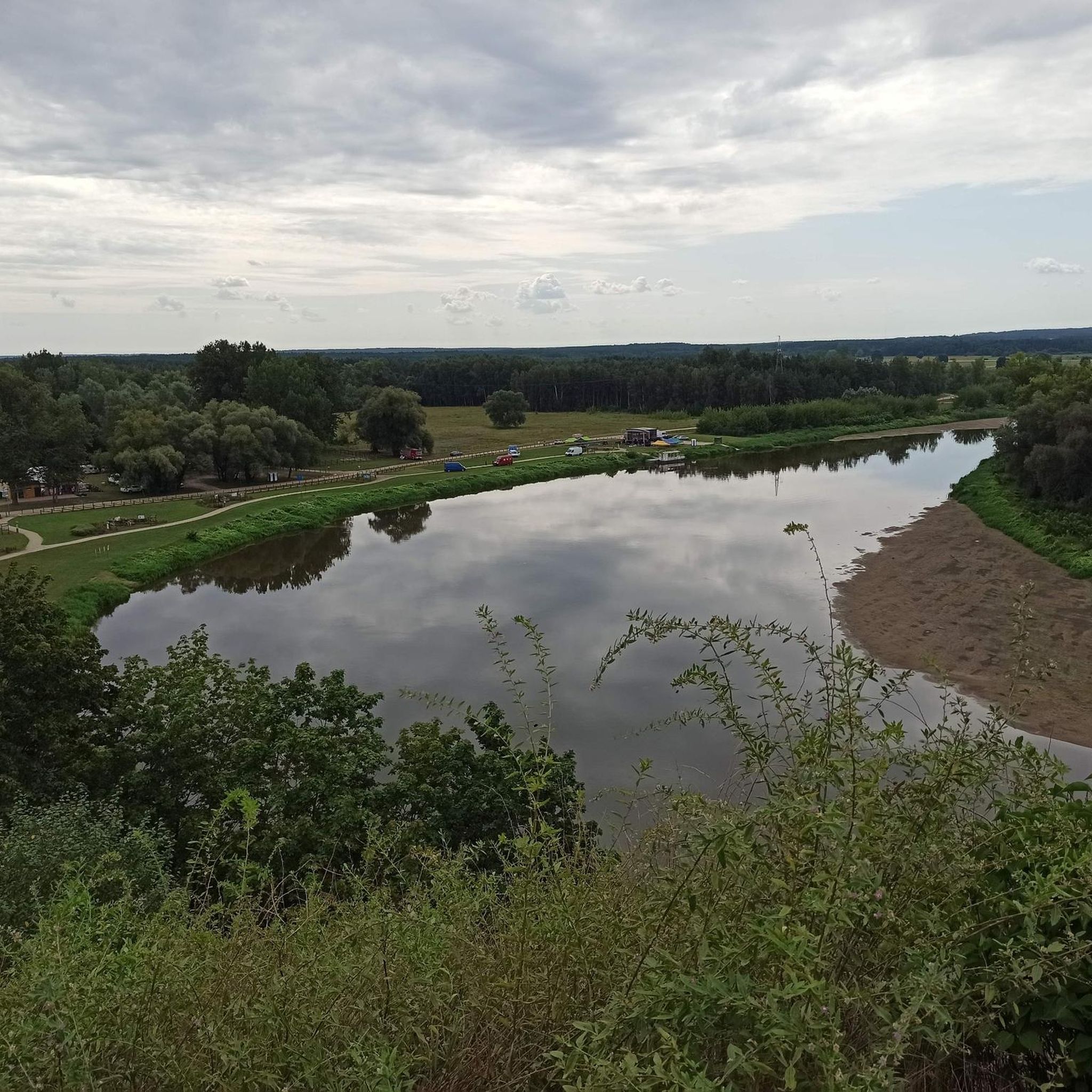
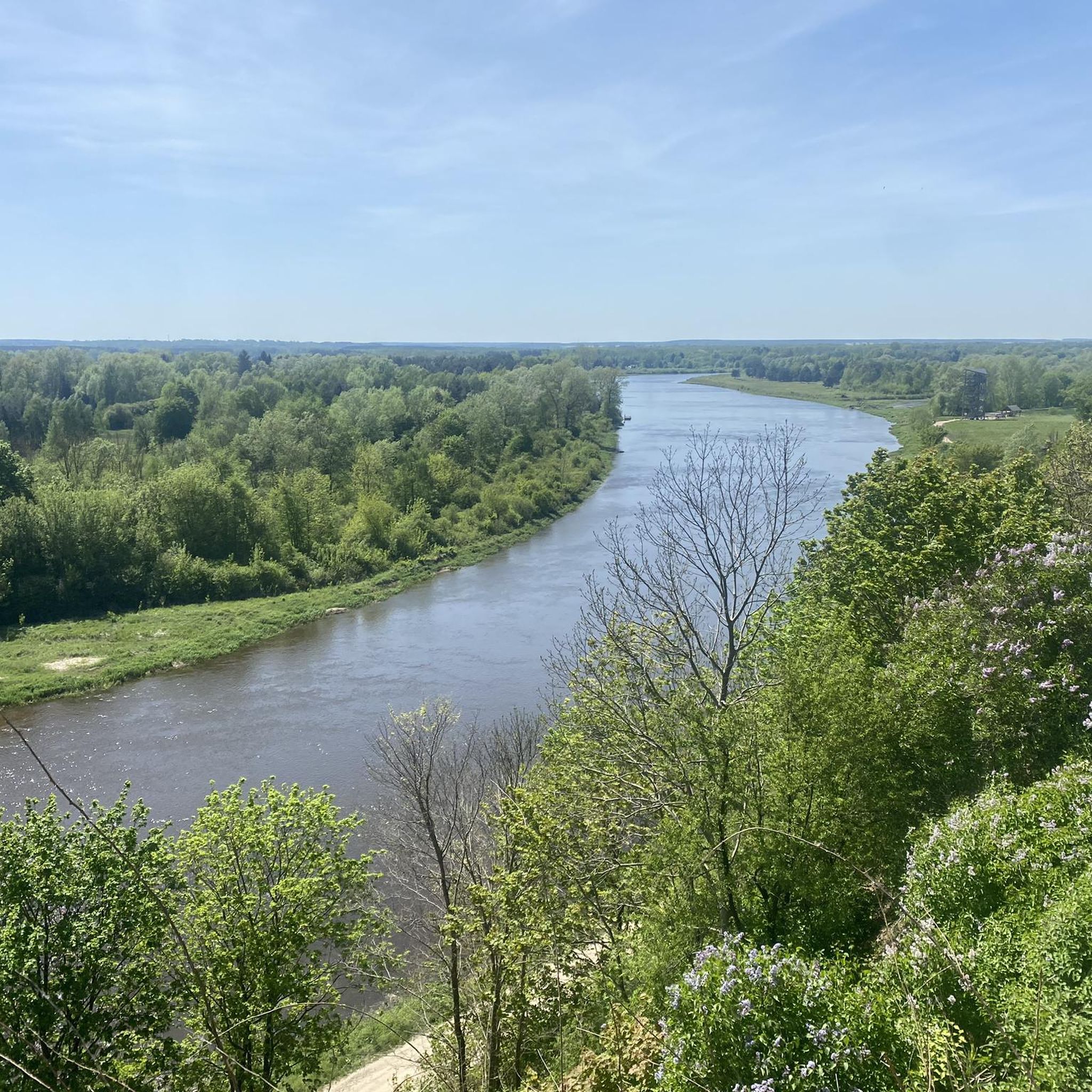
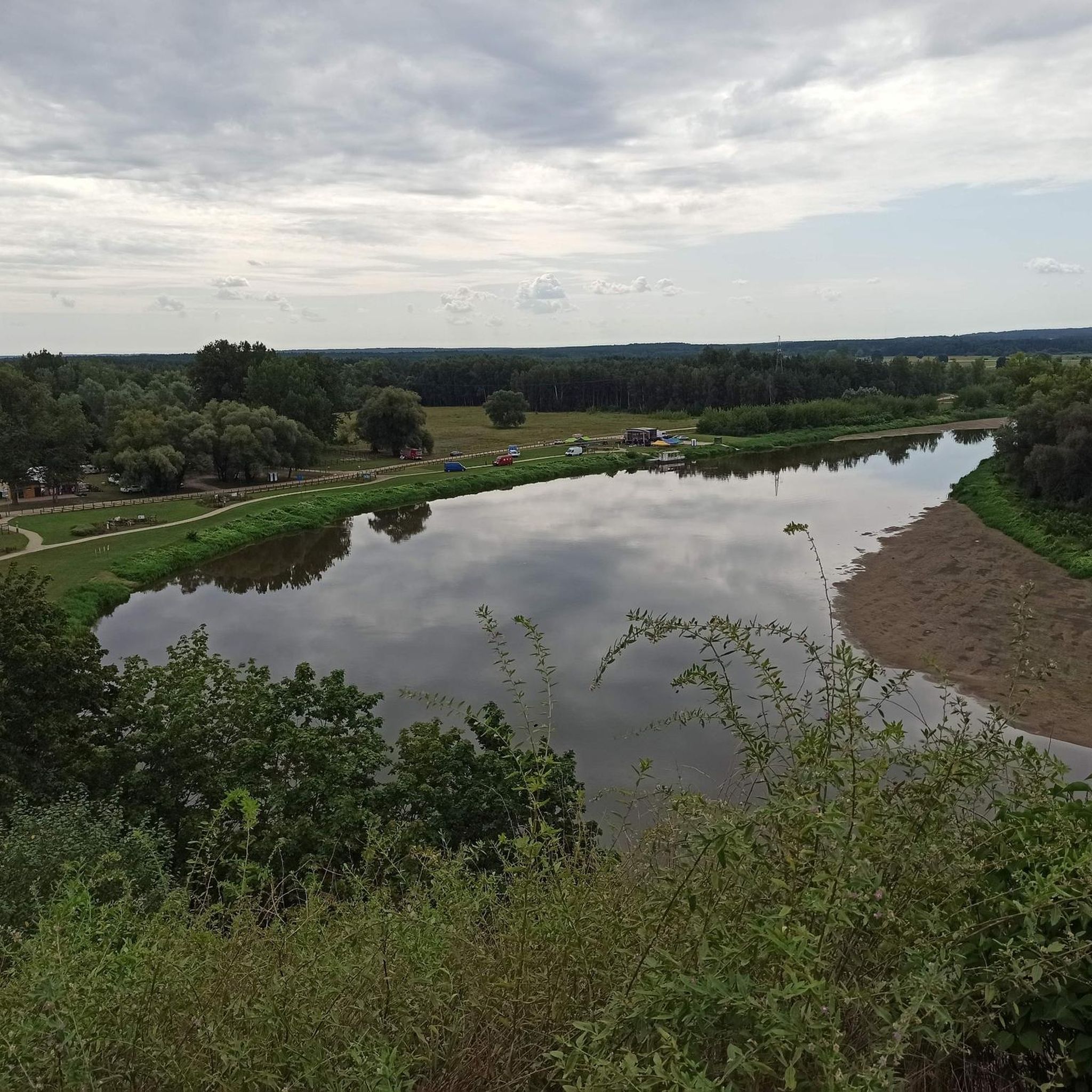
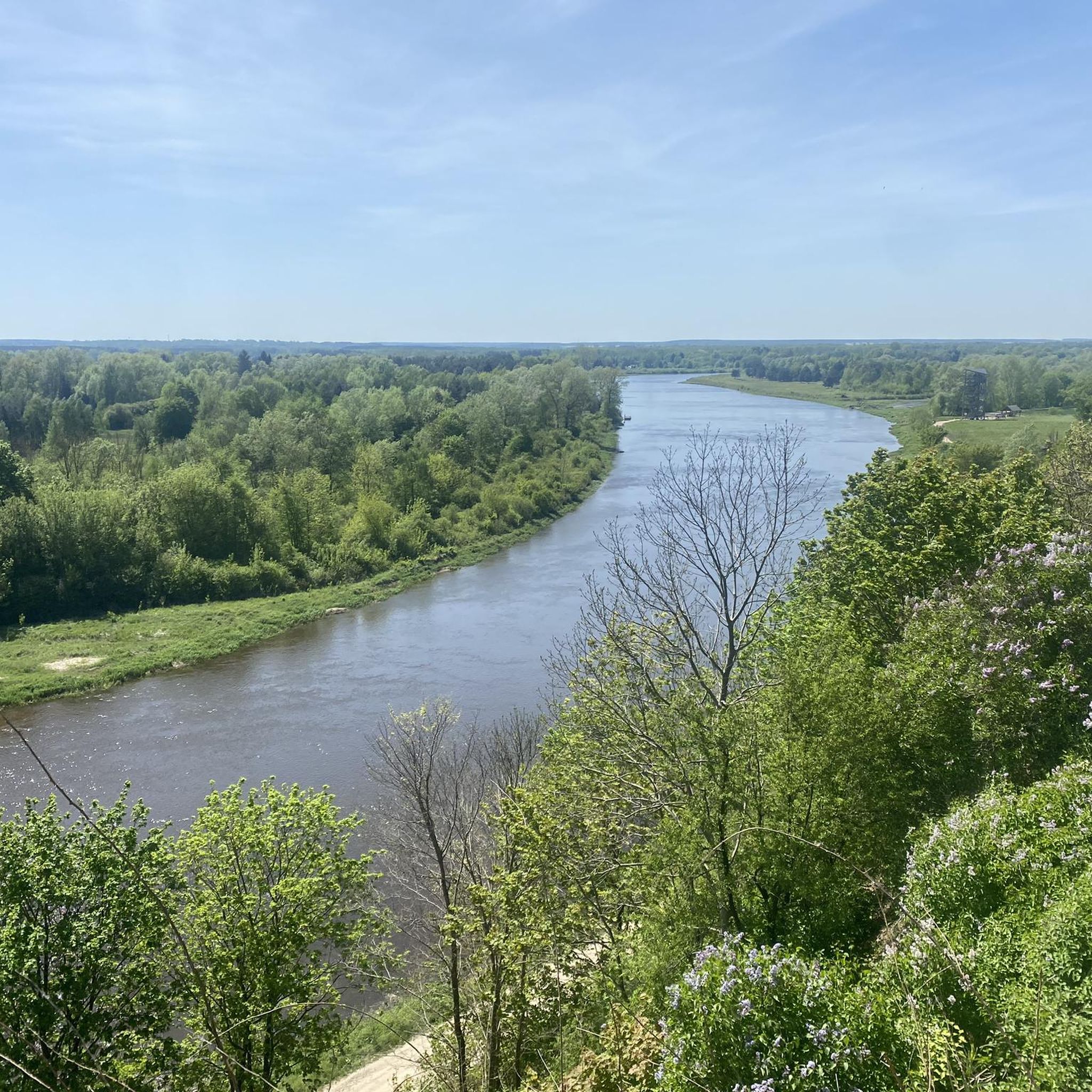
The park is rich in natural beauty. You might encounter the unique Przekop Nature Reserve, the tranquil Stawinoga ponds, or the scenic Escarpment above the Bug, offering stunning views of the river valley and its oxbow lakes.
Are there any historical or cultural sites to visit near the cycling routes?
Yes, the region has a rich history. You can explore sites such as the impressive Korczew Palace, or the significant Frankopol – Site of the 1920 Battle on the Bug River. The area's multicultural heritage, being a borderland of Mazovia, Kurpie, and Podlasie, adds to its unique character.
What wildlife might I encounter while cycling in Nadbużański Park Krajobrazowy?
The park is home to diverse wildlife. Its forests shelter elk, deer, roe deer, wild boars, badgers, and foxes. Along the rivers, you might spot beavers and otters. Birdwatchers will be delighted by approximately 200 bird species, including the Eurasian curlew, common tern, common kingfisher, crane, and even the black stork.
What do other road cyclists enjoy most about road cycling in Nadbużański Park Krajobrazowy?
The area is highly rated by the komoot community, with an average score of 4.7 stars from over 10 reviews. Cyclists often praise the serene views of the Bug River, the constantly changing scenery through forests and meadows, and the well-maintained routes that cater to various skill levels.
Are there scenic viewpoints along the road cycling routes?
Yes, the park features several strategically placed viewing towers that offer panoramic views of the region's natural beauty. Additionally, routes along the Bug River valley provide numerous opportunities to pause and appreciate the expansive landscapes, including the Observation Tower by the Ferry in Drohiczyn.
Can I find places to stop for refreshments or cafes along the routes?
While specific cafes are not highlighted on every route, the region's towns and villages, such as Pułtusk or Grabówiec, often have local shops or eateries where you can stop for refreshments. Planning your route with these towns in mind can help ensure you have convenient breaks.
Most popular routes around Nadbużanski Park Krajobrazowy
Most popular attractions around Nadbużanski Park Krajobrazowy

Get inspired with the komoot mobile app


Explore more
Browse the best Road cycling routes in other regions.
