The best gravel rides around Nadbużanski Park Krajobrazowy
4.7
(3)
47
riders
14
rides
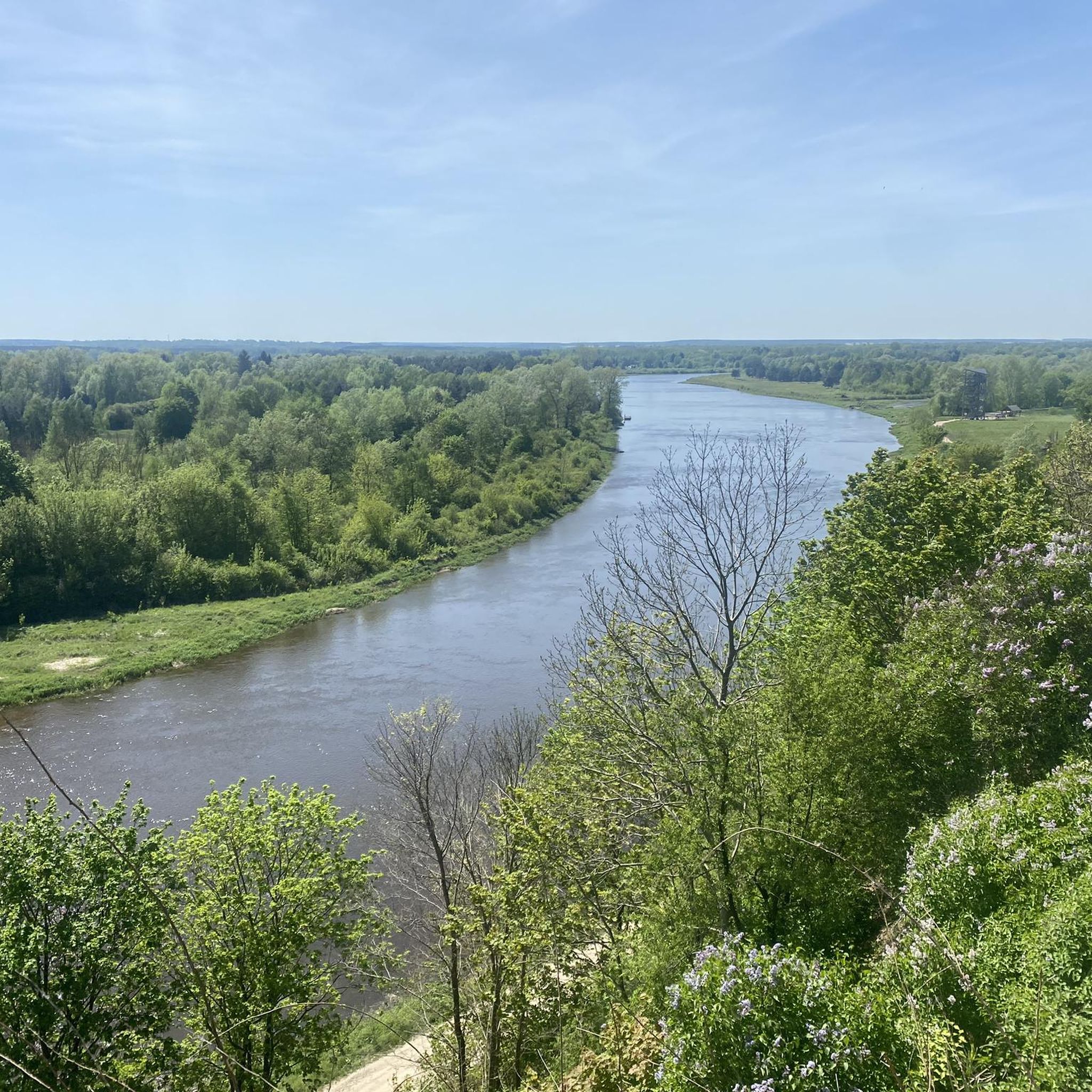
Gravel bike trails around Nadbużański Park Krajobrazowy traverse the diverse landscapes of the Bug River valley, characterized by a meandering river, oxbow lakes, and islands. The region features a mosaic of pine woods, wetlands, and peat bogs, offering varied surfaces suitable for gravel biking. The terrain includes riverbanks, forested paths, and some asphalt sections, providing a diverse riding experience. Natural monuments and xerothermic grasslands contribute to the ecological diversity encountered on these routes.
Best gravel bike trails around Nadbużański Park…
Last updated: May 21, 2026
2
riders
Easy gravel ride. Great for any fitness level. Mostly paved surfaces. Suitable for all skill levels.
1
riders
29.8km
01:48
80m
80m
Easy gravel ride. Great for any fitness level. Mostly paved surfaces. Suitable for all skill levels.

Sign up for free
3
riders
13.1km
00:43
30m
30m
Easy gravel ride. Great for any fitness level. Mostly paved surfaces. Suitable for all skill levels.
4
riders
Easy gravel ride. Great for any fitness level. Mostly paved surfaces. Suitable for all skill levels.
5
riders
60.4km
04:02
150m
150m
Hard gravel ride. Good fitness required. You may need to push your bike for some segments of this route.
Get access to more routes and recommendations from other explorers.
Sign up for free
Already have an account?
Our route recommendations are based on thousands of hikes, rides, and runs completed by other people on komoot.
Start today with a free account
Your next adventure awaits.
Login or Signup
Tips from the Community

The longest market square in Europe, whose main function is parking. A filter that cuts out cars from souvenir photos will come in handy in your camera :)
0
0

The shelter is already very rotten, but it can still fulfill its function. However, it is surrounded by bushes, and the shelter is almost hidden from the road along the embankment.
0
0

A very nice investment, the pedestrian and bicycle bridge allows you to freely get to the other side of the Narew.
1
0
"The history of the town hall dates back to the early 15th century. Bishop Jakub of Płock is said to have funded the seat of the town authorities in 1405. The Gothic tower added to the town hall fulfilled both judicial and penitentiary functions as well as defense. Initially, it reached a height of 15 m and was built on a rectangular plan. During the 15th and 16th centuries, it was gradually raised, with additional storeys built on an octagonal plan. A new town hall was also built - lower, more modern - in the Renaissance style, topped with a crested attic. The 30-meter tower at that time gained a domed spire with a lantern, and a clock was also ordered for it. During the wars in the 17th and 18th centuries, the town hall burned down several times. In 1728, it was rebuilt with funds from Bishop Andrzej Stanisław Kostka Załuski. The two-bay building surrounded the tower in a horseshoe shape from the east. The entrance was located on the north and covered with a wooden arcade. The tower roof was changed to an octagonal one, and the clock was abandoned. In this form, the town hall survived until the end of the 19th century. At that time, in addition to the city authorities, the army was quartered here, and there was a prison and even warehouses for Pułtusk merchants. At the end of the 19th century, a shelter was organized in the ruined building, and from 1880, the ground floor and the tower were put into use by the Volunteer Fire Department. After 1902, a new, smaller building was erected on the site of the former building, in the neo-Gothic style, only for the use of the fire department. The tower was deprived of its roof, replacing it with an uncovered platform. It turned out to be completely non-functional and the original roof covering of the tower top was quickly restored. Also at that time, a clock was placed on the north side, on the seventh floor." Source: https://arch.pultusk.pl/wieza-dawnego-ratusza-gotycko-renesansowa/
1
0
Initially, the church had a single nave, now it has three naves. The greatest changes in the church took place in the 16th century after 1546, thanks to John the Baptist of Venice, who built, among other things, a vault decorated with polychrome, a burial chapel for the founder of the reconstruction, Bishop Andrzej Noskowski (currently the Chapel of the Blessed Sacrament). The Renaissance polychromes on the vault, discovered in 1994, raised the rank of the basilica as a historic monument, and the phrase Pułtusk vault entered the history of art. More at the source: https://pl.wikipedia.org/wiki/Bazylika_kolegiacka_Zwiastowania_Naj%C5%9Bwi%C4%99tszej_Maryi_Panny_w_Pu%C5%82tusku
1
0
Practically the entire route from the bridge in Serock (the initial section is an embankment, but you can bypass it) to Pułtusk leads along a quite bearable gravel road. You can make a few detours, e.g. to the already marked bird reserve in Stawinogi. However, the entire route is in the sun without shade, and a small section at the mouth of the Prut leads along an embankment.
1
0
A bit of shade, a bit of sand, a bit of boats - all in all very nice :-)
1
0

Very boring road. On one side a embankment blocking any view, on the other side a row of ugly trees. Driving in the type "on a motorway between acoustic screens".
0
0
Frequently Asked Questions
How many gravel bike trails are available in Nadbużański Park Krajobrazowy?
There are over 15 gravel bike trails in Nadbużański Park Krajobrazowy, offering a variety of experiences. These routes are highly rated by the komoot community, with an average score of 4.4 stars.
What kind of terrain can I expect on gravel bike trails in Nadbużański Park Krajobrazowy?
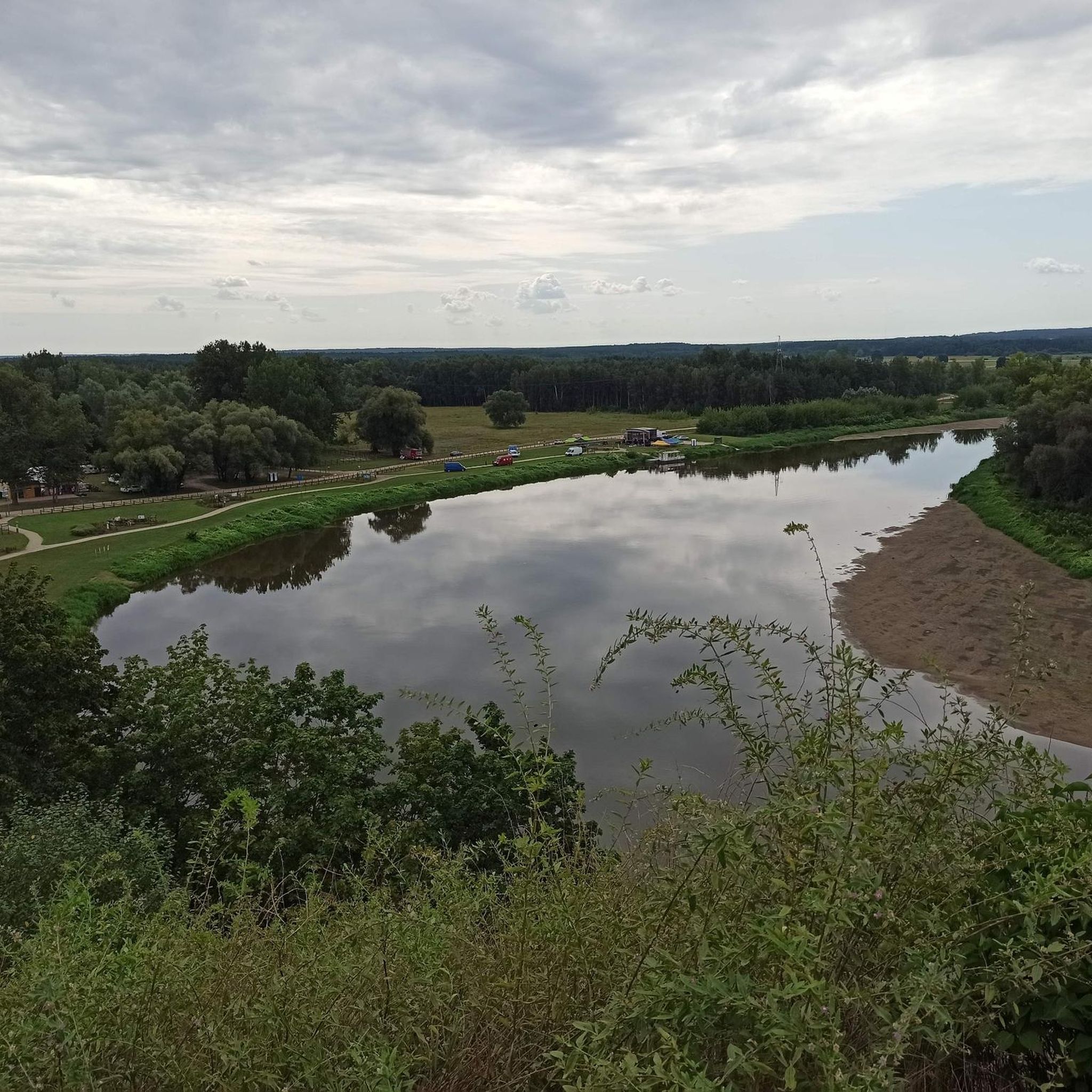
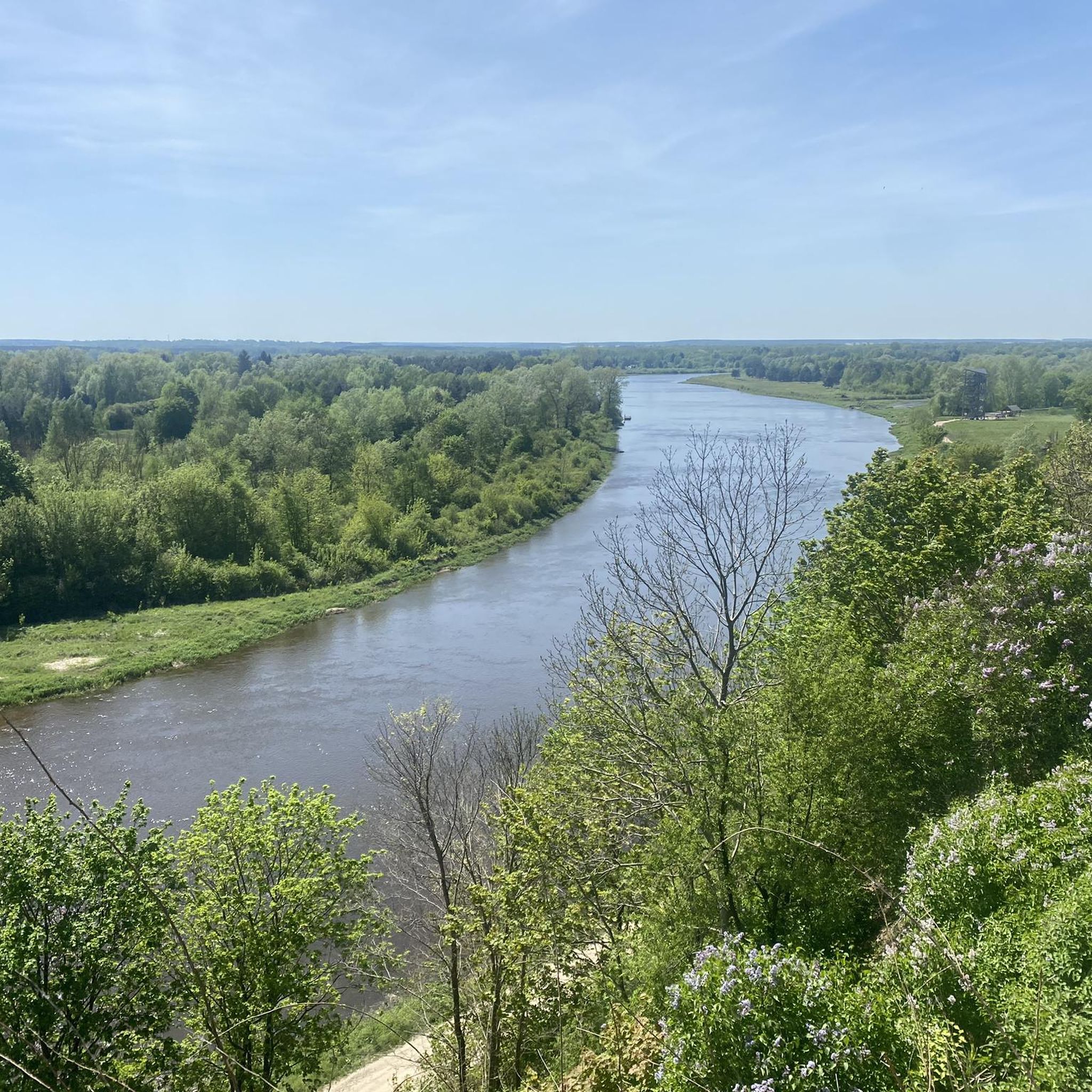
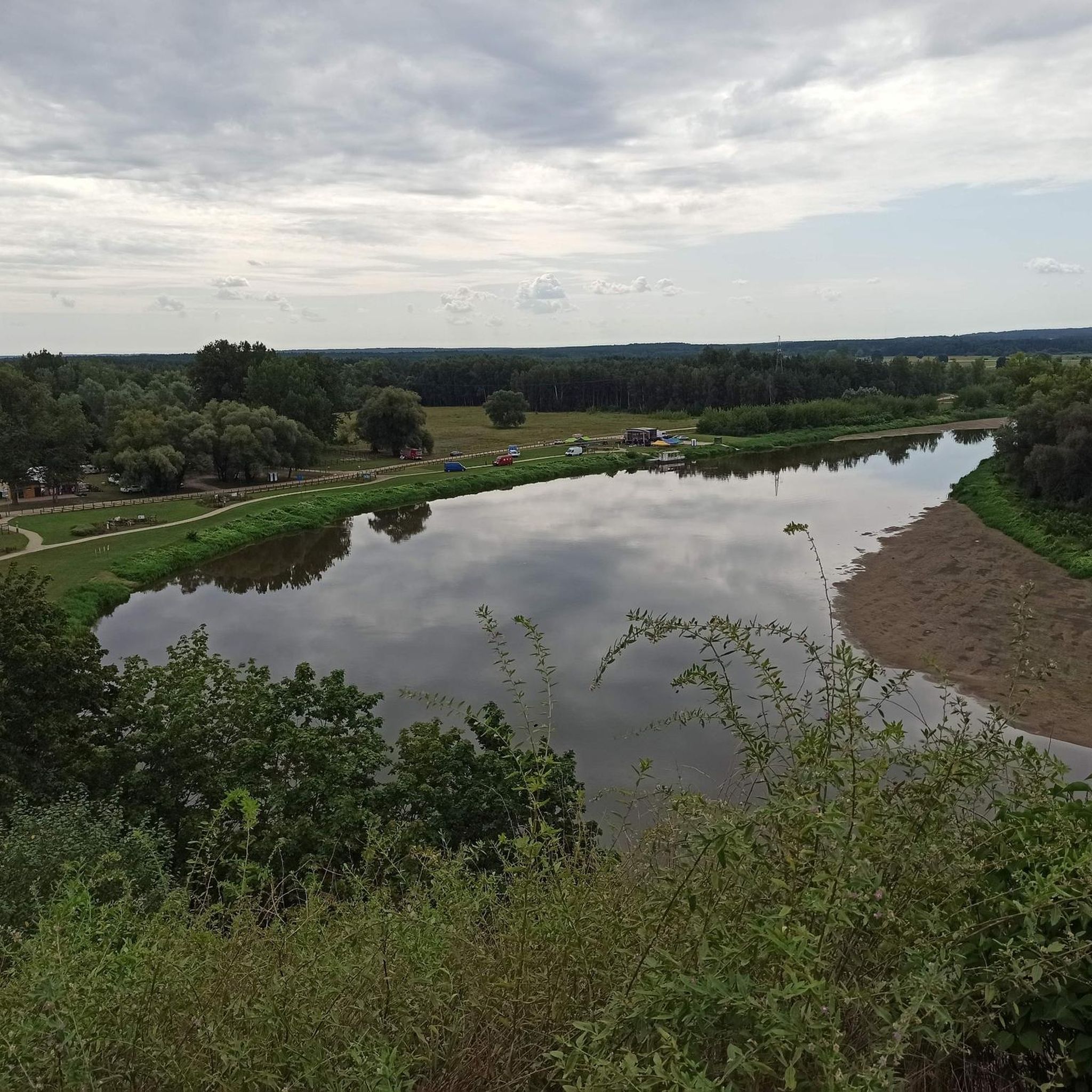
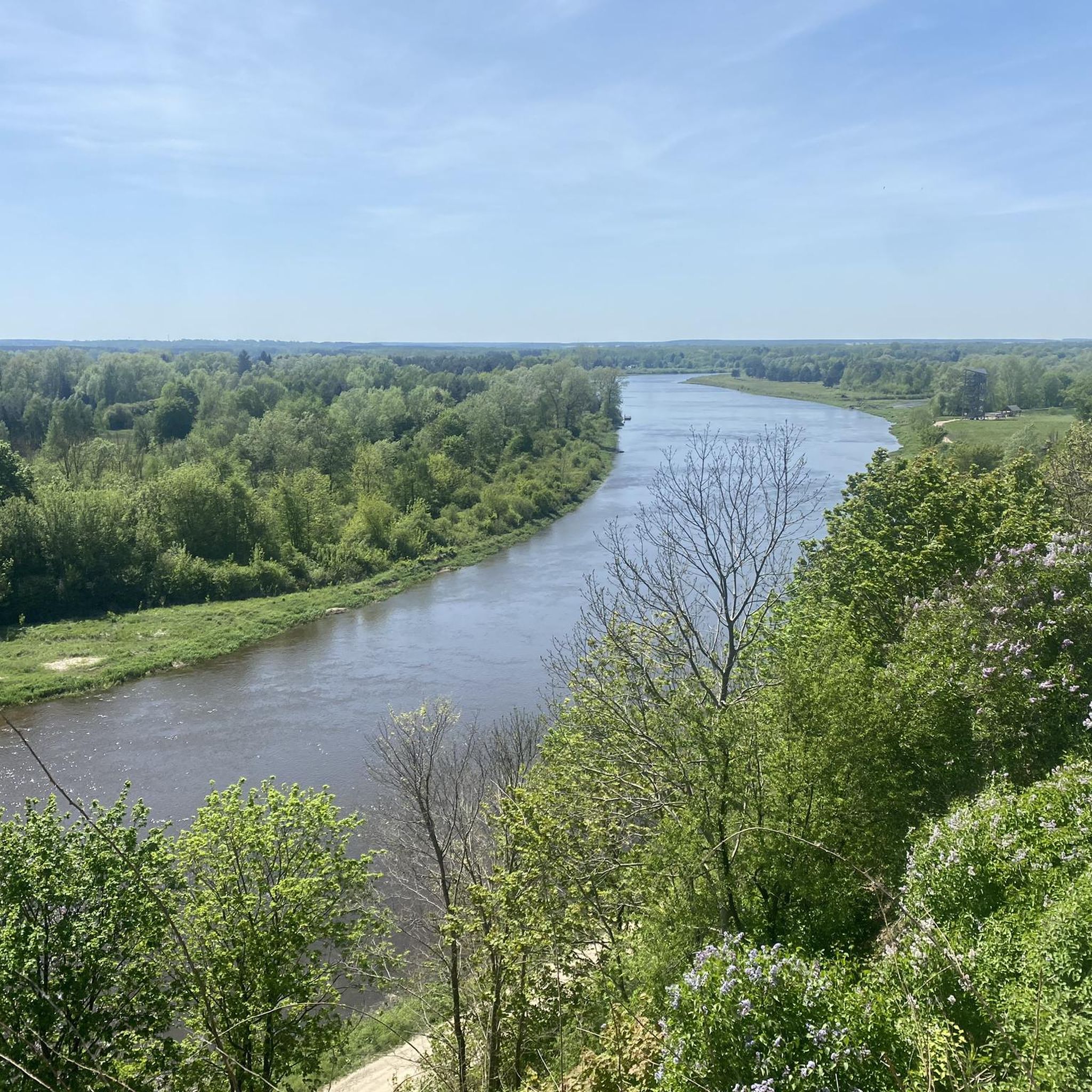
The terrain in Nadbużański Park Krajobrazowy is quite varied, characterized by the meandering Bug River valley, numerous oxbow lakes, and islands. You'll encounter a mosaic of pine woods and peat bogs, with paths ranging from riverbanks to forested tracks. This diversity provides an engaging experience for gravel cyclists.
Are there any easy gravel bike routes suitable for beginners or families?
Yes, Nadbużański Park Krajobrazowy offers several easy gravel bike routes. For instance, the Pułtusk Castle – Pułtusk Town Hall Tower loop from Pułtusk is an easy 18.5-mile (29.8 km) path that explores the historic area around Pułtusk. Another easy option is the View of the Pultusk Canal – Pułtusk Town Hall Tower loop from Pułtusk, which is about 15.5 miles (24.9 km).
What are some interesting places to see along the gravel bike trails?
While primarily focused on natural beauty, the area around Nadbużański Park Krajobrazowy also features cultural and historical points of interest. You might encounter sites like the Korczew Palace, the Observation Tower by the Ferry in Drohiczyn, or the historic Bishop's Castle in Pułtusk. The park's natural monuments and diverse wildlife, including various bird species and otters, are also significant attractions.
Are there any circular gravel bike routes in the area?
Many of the gravel bike routes in Nadbużański Park Krajobrazowy are designed as loops, allowing you to start and end at the same point. Examples include the Pub & Restaurant Magdalenka – View of the Pultusk Canal loop from Pułtusk and the Pułtusk Town Hall Tower – View of the Pultusk Canal loop from Pułtusk, both offering scenic circular rides.
What is the best time of year to go gravel biking in Nadbużański Park Krajobrazowy?
The diverse landscapes of Nadbużański Park Krajobrazowy are enjoyable across multiple seasons. Spring and autumn offer pleasant temperatures and vibrant scenery, while summer provides longer daylight hours. The specific natural features like the Bug River valley and forests can be appreciated in different ways throughout the year, though checking local weather conditions is always recommended.
What do other gravel bikers enjoy the most about gravel biking in Nadbużański Park Krajobrazowy?
The area is highly rated by the komoot community, with an average score of 4.4 stars from 5 reviews. Gravel bikers often praise the pristine Bug River valley, the quiet pine woods, and the unique experience of riding alongside oxbow lakes. The varied terrain and the opportunity to immerse oneself in a well-preserved natural environment are frequently highlighted.
Can I find routes that offer views of the Pultusk Canal?
Yes, several routes provide excellent views of the Pultusk Canal. For example, the Pub & Restaurant Magdalenka – View of the Pultusk Canal loop from Pułtusk is a popular moderate trail specifically noted for its canal views. Another option is the Pułtusk Market Square – View of the Pultusk Canal loop from Pułtusk.
Are there any challenging gravel bike routes for experienced riders?
While many routes are easy to moderate, the network in Nadbużański Park Krajobrazowy does offer options for more challenging excursions. The varied terrain, including riverbanks and wooded areas, can provide a good workout. There is at least one route classified as difficult, catering to those seeking a more strenuous ride.
Is it possible to combine gravel biking with exploring historical sites?
Absolutely. The region around Nadbużański Park Krajobrazowy is rich in history. Routes often pass near or through areas with historical significance, such as the town of Pułtusk with its castle and town hall tower. You can also find highlights like the Frankopol – Site of the 1920 Battle on the Bug River, allowing you to combine your ride with cultural exploration.
What kind of wildlife can I expect to see while gravel biking?
Nadbużański Park Krajobrazowy is a vital habitat for a variety of wildlife. Keep an eye out for turtles, diverse bird species such as spoonbills, lapwings, river terns, and little ringed plovers, as well as otters. The park is recognized as a significant breeding ground for certain bird populations, making it a great spot for nature observation.
Most popular routes around Nadbużanski Park Krajobrazowy
Most popular attractions around Nadbużanski Park Krajobrazowy

Get inspired with the komoot mobile app


