Attractions and Places To See around Valls - Top 20
Best attractions and places to see around Valls include a variety of historical landmarks, cultural sites, and natural features. This historic town in Tarragona, Spain, is recognized for its rich cultural heritage, particularly the *castells* (human towers) tradition. The surrounding countryside offers opportunities for outdoor activities, while the town itself preserves an old quarter with significant architectural and historical points of interest. Visitors can explore a blend of medieval architecture, modernist designs, and traditional Spanish culture.
Best attractions and places…
Last updated: July 7, 2026
Old Bridge of Montblanc
Highlight • Bridge
Translated by Google •
Tip by

Royal Monastery of Santes Creus
Highlight • Religious Site
Translated by Google •
Tip by

Sign up now to discover places like this
Get recommendations on the best single tracks, peaks, & plenty of other exciting outdoor places.
Sign up for free
Montserrat Sanctuary, Montferri
Highlight • Religious Site
Translated by Google •
Tip by
Hermitage of Sant Pere del Puig
Highlight • Religious Site
Translated by Google •
Tip by
Mazinger Z Statue
Highlight • Monument
Translated by Google •
Tip by

Sign up for free to discover even more attractions around Valls.
Sign up for free
Already have an account?
Start today with a free account
Your next adventure awaits.
Login or Signup
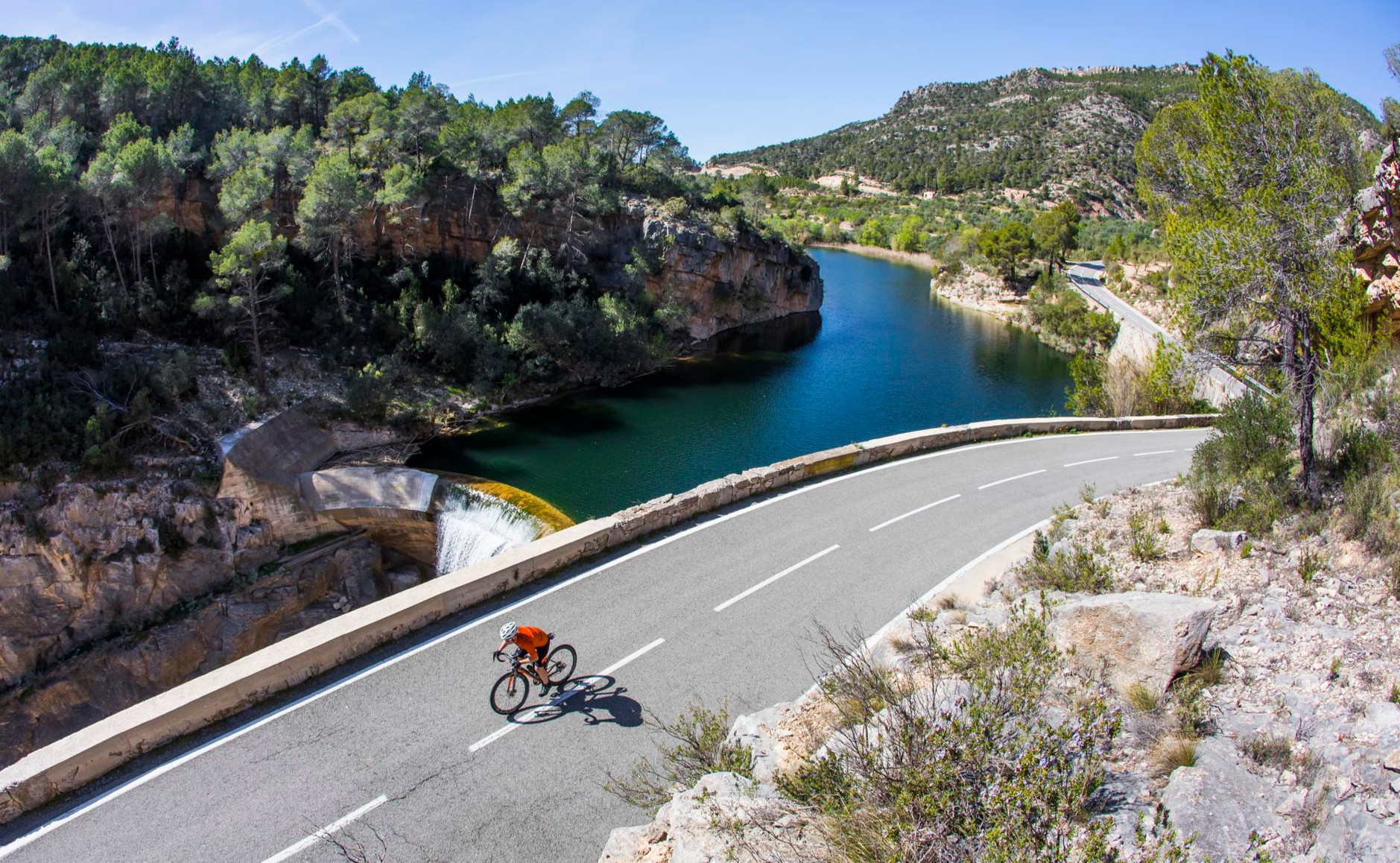
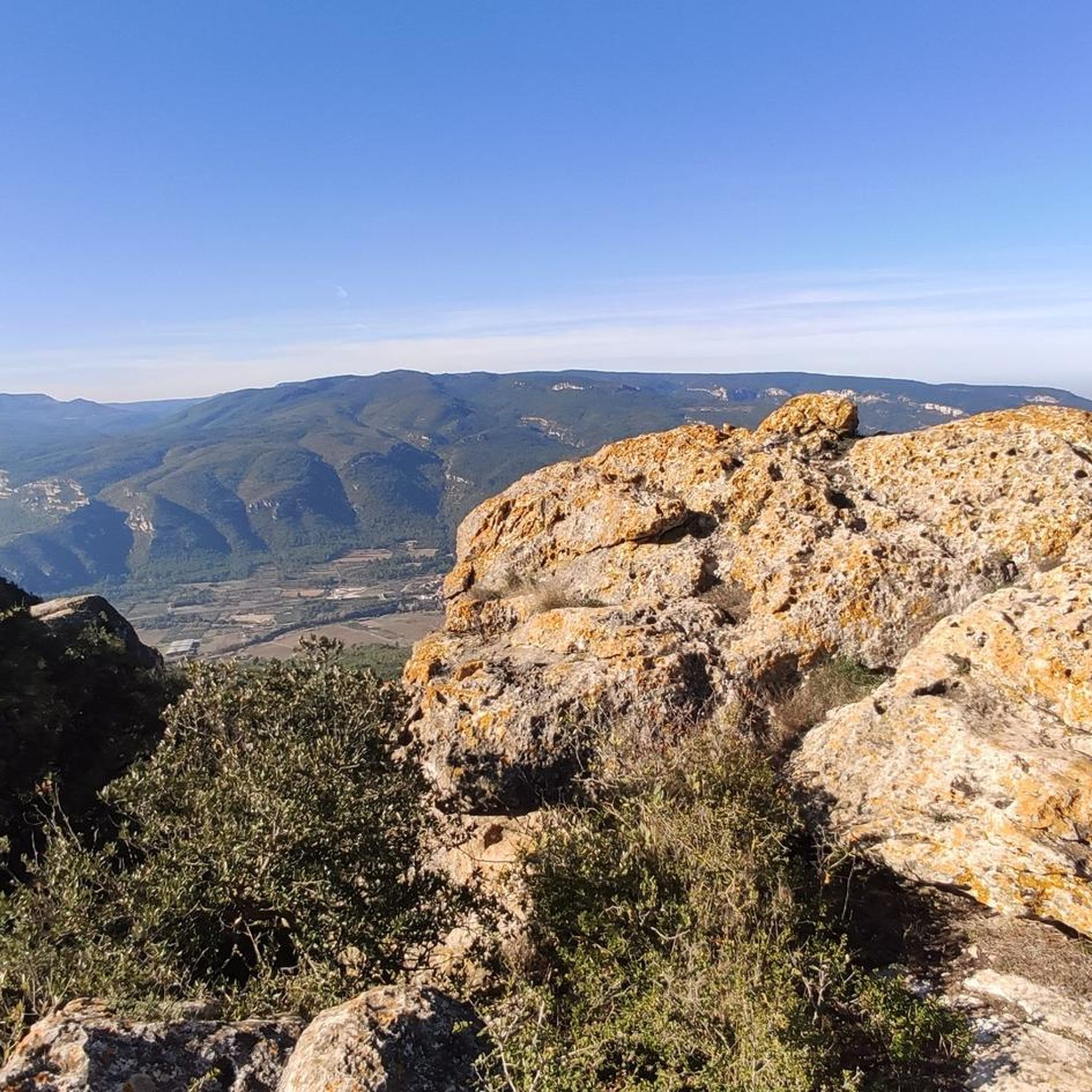

Other adventures around Valls

Tips from the Community

It's worth it, it's a Cistercian monastery
0
0

It's always a pleasure to cross this bridge that leads us to the Viñes Pastry Shop along the main street. The Borratxo is incredible, one of the best.
0
0

last meters on land
0
0

Good ramps with good pavement. It climbs well and is worth it.
0
0

The hermitage of Sant Pere has been redone on several occasions due to its poor state of preservation. The original hermitage dates from the middle of the 13th century, it was of Romanesque style and of larger dimensions. In addition, it was accompanied by an annexed house where the hermits and the donated lived, who were responsible for the maintenance of the cult and the lands attached to the hermitage. One of the most important reforms was that of 1588, under the supervision of Pere Blai (1553-1620) and which, according to some authors, would follow the Renaissance traces typical of the time. Finally, the last intervention took place throughout the 19th century and ended in the 1870s. The privileged position of the hermitage as a viewpoint of the Camp and first bastion of the mountains of the Sierra de la Mussara has been a determining factor for some military campaigns. During the French War (1808-1814), the Napoleons occupied the hermitage and adapted it to wartime needs. They had loopholes and parapets built there in order to defend themselves from attacks. However, the French were not the only ones to occupy the chapel militarily. During the First Carline War (1833-1840), clashes continued to occur between the supporters of Isabel II (1830-1904) and Charles V (1788-1855)
0
0

Impressive construction in Montferri arriving on a road in good condition and perfect for cycling
0
0

The Monastery of Santa María de Santes Creus is a Cistercian abbey built in the 12th century. The grandeur of the monastery is due to the donations received from the nobility who wanted to be buried here.
1
0
Frequently Asked Questions
What historical landmarks can I explore in Valls?
Valls offers several significant historical landmarks. You can visit the Church of Sant Joan, known for its impressive architecture and Catalonia's tallest bell tower. The Chapel of Roser, a Cultural Asset of National Interest, features unique 17th-century glazed tile mosaics depicting the Battle of Lepanto. Other notable sites include the medieval Arcs de Can Magrané, the ancient Antic Convent del Carme, and the historic Antic Hospital de Sant Roc.
Where can I learn about the unique 'castells' tradition in Valls?
Valls is deeply connected to the 'castells' (human towers) tradition. You can visit the Monument to the Xiquets de Valls in Pati Square, which pays tribute to the local human tower team. Trigo Square (Plaça del Blat) is known as the 'Kilometre Zero of the Casteller World' and is a central point for performances. For a deeper understanding, the Casteller Museum of Catalonia is dedicated to this UNESCO Intangible Cultural Heritage, explaining its history and the effort involved.
Are there any natural features or outdoor spots to enjoy near Valls?
While Valls itself is a historic town, the surrounding area offers natural beauty. The Olles de Horta are natural pools popular for bathing during summer. The picturesque countryside around Valls provides opportunities for various outdoor activities. You can also explore the Walkways and Bridges of the Gaià River, an entertaining route running parallel to the river.
What cultural sites are available for art and history enthusiasts?
Beyond its landmarks, Valls boasts several cultural sites. The Museum of Valls houses one of the most important collections of contemporary Catalan art. You can also explore the historic Jewish Quarter (Call Jueu), which retains its original structure, or visit the Air-raid Shelter under Plaça del Blat, offering a glimpse into the Spanish Civil War era. The El Teatre Principal de Valls is the second oldest theater in Catalonia with its original structure, hosting numerous cultural events.
What are some family-friendly attractions around Valls?
Many attractions around Valls are suitable for families. The Royal Monastery of Santes Creus and the Montserrat Sanctuary, Montferri are both tagged as family-friendly. Exploring the historic Old Quarter of Valls, visiting the Casteller Museum of Catalonia, or enjoying the natural pools at Olles de Horta in summer can also be great options for families.
What kind of outdoor activities can I do near Valls?
The region around Valls is excellent for outdoor enthusiasts. You can find numerous routes for hiking, gravel biking, and mountain biking. For hiking, consider routes like the 'Hiking loop from la Plana - Picamoixons' or 'Casteller World – Chapel of the Roser loop from Valls'. Gravel biking options include the 'Old Bridge of Montblanc – Monastery of Poblet loop'. For more details and routes, explore the Hiking around Valls, Gravel biking around Valls, and MTB Trails around Valls guides.
Are there any viewpoints offering scenic views of the area?
Yes, for scenic views, you can visit the Hermitage of Sant Pere del Puig. This small hermitage is situated on a hill and offers a privileged viewpoint of the Camp region. The Royal Monastery of Santes Creus also provides a viewpoint within its impressive architectural complex.
What is the best time of year to visit Valls attractions?
Valls can be enjoyed year-round, but the best time depends on your interests. The Olles de Horta natural pools are particularly popular during the summer months for swimming. If you're interested in the local gastronomic traditions, the famous *calçotada* season, centered around local sweet onions, typically runs from late autumn to early spring. For general exploration and outdoor activities, spring and autumn offer pleasant weather.
What is the significance of the Old Bridge of Montblanc?
The Old Bridge of Montblanc is a medieval bridge dating back to the 12th century. It crosses the Francolí River and has undergone numerous renovations throughout its history due to floods, with the most recent one in 2019. It's a significant historical structure and a gateway to the old town of Montblanc.
What is the Montserrat Sanctuary, Montferri, and why is it notable?
The Montserrat Sanctuary, Montferri is a magnificent Modernist-style religious building. Its architect, Josep Maria Jujol, drew inspiration from the Montserrat mountains for its unique design, which features one hundred and twenty catenary arches. Construction began in 1925 and was completed in 1989 after a pause during the Civil War, making it a remarkable architectural achievement in the region.
Are there any unique local experiences or traditions in Valls?
Absolutely. Valls is renowned for its *castells* (human towers), a UNESCO Intangible Cultural Heritage, which you can learn about at the Casteller Museum of Catalonia or witness in Trigo Square. Another unique experience is the *calçotada*, a seasonal gastronomic event celebrating the local sweet onions called *calçots*. Additionally, the Old Quarter hosts a weekly fruit and vegetable market every Wednesday, a tradition spanning over eight centuries.
What do visitors enjoy most about the attractions around Valls?
Visitors frequently appreciate the rich historical and cultural heritage of Valls, particularly the unique *castells* tradition and the well-preserved medieval architecture. The scenic countryside and opportunities for outdoor activities like hiking and biking are also highly valued. Many highlights, such as the Royal Monastery of Santes Creus, are praised for their grandeur and historical significance, while the Hermitage of Sant Pere del Puig is noted for its beautiful views.
Most popular attractions around Valls

Get inspired with the komoot mobile app


Explore more
Still not found the Highlight you’re looking for? See guides of the top attractions in other regions:
