The best walks and hikes around Pinilla De Toro
5.0
(1)
17
hikers
3
hikes
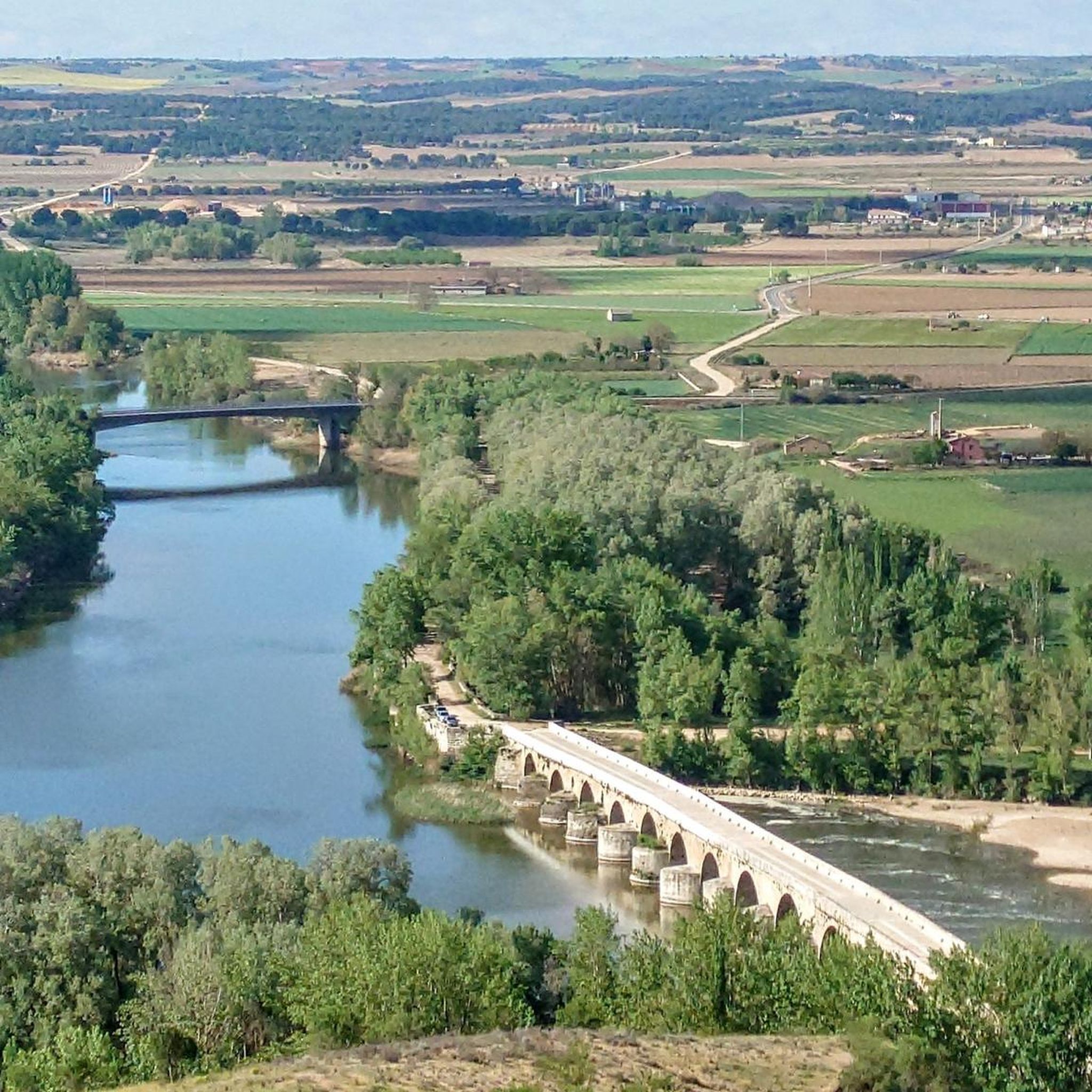
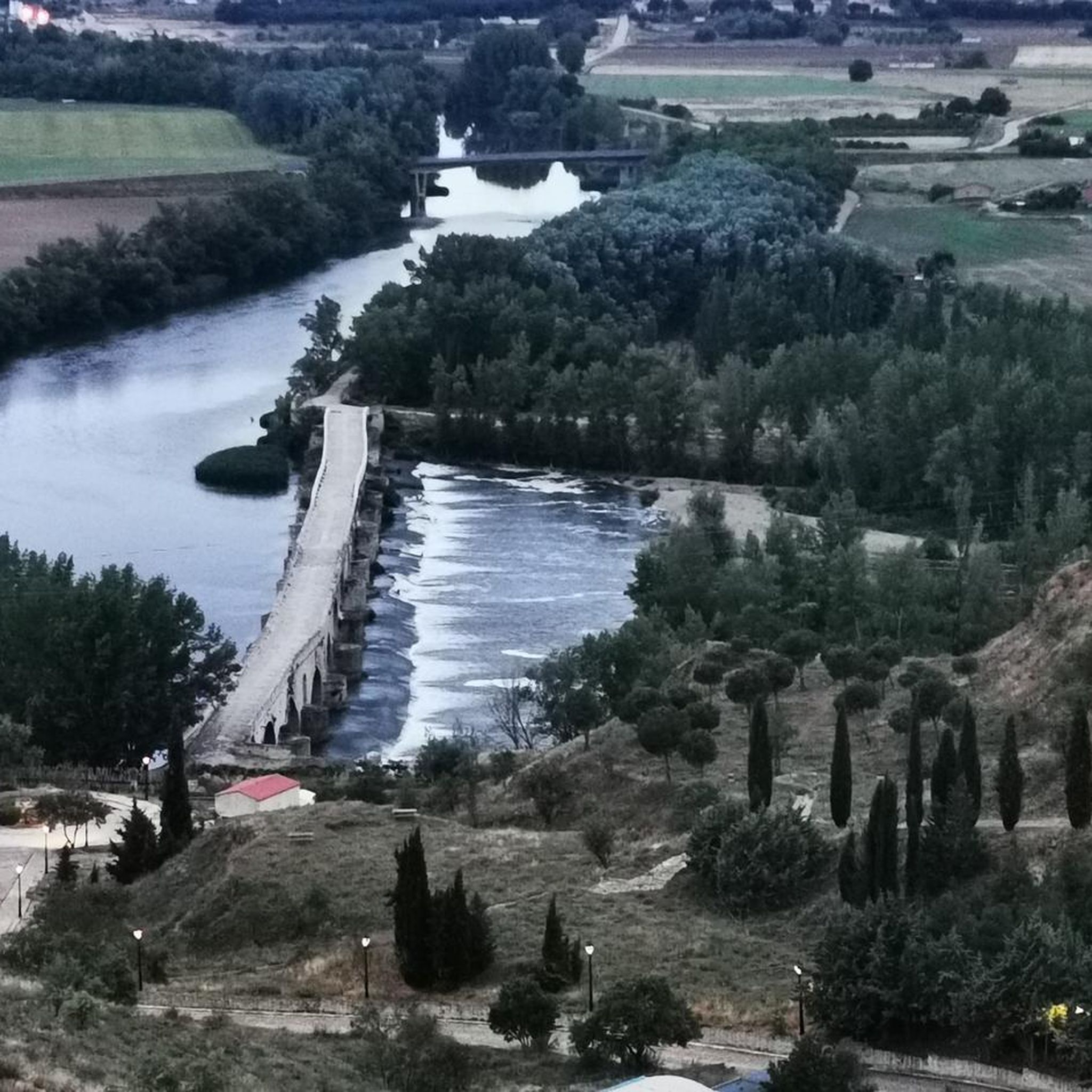
Hiking around Pinilla De Toro offers a tranquil rural experience within the Alfoz de Toro, in Zamora province, Spain. The area is characterized by gentle hills, agricultural lands, and proximity to the Duero River valley. These landscapes provide opportunities for nature walks and observing local flora and fauna. The region's terrain is generally accessible, with routes traversing open fields and historical areas.
Best hiking trails around Pinilla De Toro
- The most popular hiking route is Route of the Fountains,…
Last updated: July 4, 2026
5
hikers
15.6km
04:05
110m
110m
Moderate hike. Good fitness required. Easily-accessible paths. Suitable for all skill levels.
3
hikers
4.32km
01:14
100m
100m
Easy hike. Great for any fitness level. Easily-accessible paths. Suitable for all skill levels.

Sign up for free
6
hikers
5.51km
01:28
60m
60m
Easy hike. Great for any fitness level. Easily-accessible paths. Suitable for all skill levels.
1
hikers
12.2km
03:12
100m
100m
Moderate hike. Good fitness required. Easily-accessible paths. Suitable for all skill levels.
1
hikers
8.96km
02:24
100m
100m
Moderate hike. Good fitness required. Easily-accessible paths. Suitable for all skill levels.
Our route recommendations are based on thousands of hikes, rides, and runs completed by other people on komoot.
Start today with a free account
Your next adventure awaits.
Login or Signup
Popular around Pinilla De Toro
Tips from the Community

The Alcázar of Toro is a historic fortification located in the town of Toro (Zamora, Castile and León), with great heritage and scenic value. It was built in the 10th century during the Christian repopulation, as part of the defensive system against Muslim incursions. It was reinforced in subsequent centuries, especially in the Middle Ages, when Toro acquired strategic importance in the Kingdom of León and later in Castile. It played a prominent role in the War of the Castilian Succession (1475), in the famous Battle of Toro between supporters of Isabella I of Castile and Joanna la Beltraneja.
2
0
Tiedra Castle is a medieval fortress located in the town of Tiedra, in the province of Valladolid. Built in the 13th century, the castle has belonged to illustrious figures such as Berenguela de Castilla and the Téllez de Meneses family. It was an important strategic point on the border between the kingdoms of León and Castile. The castle has a keep, walls and a moat surrounding it on two sides. It has been recently restored and now houses a museum inside.
3
0
Toro is a municipality and Spanish city in the province of Zamora, in Castilla y León. It is located in the southeast of the province, in the heart of the Duero valley, about 33 km from the provincial capital. I hope you enjoy your visit to this charming city! 🌟
1
0
The inspiration for the Collegiate Church came from the Cathedral of Zamora, and its design also influenced other buildings, such as the Old Cathedral of Salamanca. Construction began in the 12th century under the auspices of the kings of León. It is one of the most characteristic examples of Romanesque in its transitional phase. The works extended over an unusually long period, from the last third of the 12th century to the middle of the 13th. The collegiate church was built in two stages: the first included the side portals, walls and layouts, while the second focused on the roof and a dome with attached towers. If you ever have the opportunity to visit Toro, don't miss the opportunity to explore this wonderful collegiate church. It is a true historical treasure! 🌟
3
0
The Clock Tower, also known as the Clock Arch, is located in the walled area of Toro, in the province of Zamora, Spain. Its construction began in 1719 during the reign of Philip V and was completed nineteen years later. The design is attributed to architect Joaquín Churriguera. The tower is located above the old Market Gate, which dates back to the 15th century and surrounded the first walled area of the city. Its height allows it to be seen from any point in Toro. If you ever visit Toro, don't miss the opportunity to admire this historic tower and its clock. It is a true symbol of the city! 🕰️🌟
2
0
The Plaza Mayor de Toro is located halfway between the Collegiate Church and the Clock Tower. It is a typical Castilian square, surrounded by three-story houses with arcades and balconies with wrought iron bars. The ground floor of these houses are usually occupied by bars and restaurants. If you ever have the opportunity to visit Toro, be sure to stop by the Plaza Mayor and enjoy its lively and welcoming atmosphere. Have a good trip! 🌟
3
0
The current castle is a cube that survived the demolition of the original wall. It is protected by the moat on two of its sides and by two sections of later-built wall. Since 2011, a restoration process has been carried out. The interior of the keep houses a museum and offers a spectacular view due to its strategic location. Tiedra Castle is a living testimony of the history and architecture in this region. 🏰🌟
2
0
In Tiedra, a beautiful corner of the province of Valladolid in Castilla y León, the lavender fields unfold like a violet mantle that intoxicates the senses. Here, lavender blooms intensely, creating a visual and olfactory spectacle that attracts visitors from all over. If you ever want to immerse yourself in the beauty and fragrance of lavender fields, Tiedra is the perfect place to do so. 🌿💜
2
0
Frequently Asked Questions
How many hiking trails are available around Pinilla de Toro?
There are several hiking routes in and around Pinilla de Toro, offering a tranquil rural experience. The komoot guide highlights 5 distinct routes, with options ranging from easy walks to moderate excursions.
What kind of terrain can I expect on hikes near Pinilla de Toro?
The terrain around Pinilla de Toro is characterized by gentle hills, agricultural lands, and proximity to the Duero River valley. You can expect paths traversing open fields, rural tracks, and historical areas, providing a generally accessible and scenic experience.
Are there easy hiking options suitable for beginners or short walks?
Yes, there are easy options available. For instance, the Camino de Levante: Toro Loop is an easy 4.3 km path that showcases historical landmarks around the nearby town of Toro, perfect for a shorter, relaxed walk.
Are there any circular hiking routes near Pinilla de Toro?
Absolutely. Many routes in the area are circular, allowing you to start and end in the same location. A notable example is the Route of the Fountains, a moderate 15.6 km circular trail featuring lavender fields and historical fountains. Another is the Plaza Mayor de Toro – Clock Tower of Toro loop from Toro, a 12.2 km moderate loop through the historic town.
Can I see historical landmarks or cultural sites while hiking?
Yes, the region is rich in history and culture. Hikes often pass by or lead to significant sites. For example, the Camino de Levante: Toro Loop explores historical landmarks in Toro. You can also visit attractions like the Collegiate Church of Santa María la Mayor or the Clock Tower of Toro, both accessible from nearby routes.
Are there any natural features like waterfalls or scenic viewpoints in the area?
While Pinilla de Toro itself is known for its rural landscapes, the wider Zamora province offers impressive natural features. These include natural monuments like the Sotillo Waterfall and panoramic viewpoints such as the Mirador de las Escaleras in Fermoselle or the Mirador de las Barrancas in Fariza, both within the Arribes del Duero Natural Park.
Where can I experience the lavender fields mentioned in the region?
The region is known for its beautiful lavender fields. The Route of the Fountains is a moderate trail that specifically features these aromatic fields. You can also find significant lavender cultivation at the Tiedra Lavender Fields, which are a highlight in the vicinity.
Is the area suitable for wildlife spotting?
Yes, the tranquil rural setting and natural areas around Pinilla de Toro and within the broader Zamora province are suitable for observing various animal species. The Arribes del Duero Natural Park, for instance, is particularly significant for birdwatching, with species like black storks, Egyptian vultures, and golden eagles.
What is the best time of year to go hiking in Pinilla de Toro?
The best time to hike in Pinilla de Toro is generally during spring and autumn when the weather is mild and pleasant. Spring brings blooming flora, including the lavender fields, while autumn offers comfortable temperatures and beautiful colors. Summers can be hot, and winters can be chilly, though hiking is possible year-round.
Are the hiking trails around Pinilla de Toro family-friendly?
Many of the trails around Pinilla de Toro are suitable for families, especially the easier routes. The gentle hills and accessible terrain make for enjoyable walks with children. The Camino de Levante: Toro Loop, for example, is an easy option that can be enjoyed by all ages.
Are dogs allowed on the hiking trails?
Generally, dogs are welcome on trails in rural Spain, especially if kept under control. While specific regulations may vary, the tranquil rural paths around Pinilla de Toro are typically suitable for hiking with dogs. Always ensure your dog is on a leash and that you clean up after them.
What do other hikers say about the trails in Pinilla de Toro?
The area is highly rated by the komoot community, with an average score of 5.0 stars from 1 review. Hikers often praise the tranquil rural settings, the gentle landscapes, and the opportunities for nature walks and cultural exploration that define the Pinilla de Toro experience.
Most popular routes around Pinilla De Toro
Most popular attractions around Pinilla De Toro

Get inspired with the komoot mobile app


Explore more
Browse the best Hikes in other regions.
