The best road cycling routes around Pinilla De Toro
3.0
(1)
40
riders
4
rides
Road cycling around Pinilla De Toro features a landscape characterized by rolling plains and agricultural areas, interspersed with historical towns and castles. The region offers varied terrain suitable for road cyclists, with routes often connecting villages and points of interest. Elevation gains are generally moderate, providing a balanced challenge without significant mountain passes.
Best road cycling routes around Pinilla De Toro
- The most popular road cycling route is Villalonso Castle and Morales de Toro Loop, a 25.4 miles (40.8…
Last updated: May 6, 2026
5
riders
40.8km
01:38
190m
190m
Easy road ride. Great for any fitness level. Mostly well-paved surfaces and easy to ride.
5
riders
73.6km
02:59
360m
360m
Moderate road ride. Good fitness required. Mostly well-paved surfaces and easy to ride.

Sign up for free
1
riders
105km
04:21
650m
650m
Moderate road ride. Good fitness required. Mostly well-paved surfaces and easy to ride.
11
riders
64.0km
02:37
340m
340m
Moderate road ride. Good fitness required. Mostly well-paved surfaces and easy to ride.
5
riders
66.1km
02:39
310m
310m
Moderate road ride. Good fitness required. Mostly well-paved surfaces and easy to ride.
Our route recommendations are based on thousands of hikes, rides, and runs completed by other people on komoot.
Start today with a free account
Your next adventure awaits.
Login or Signup
Popular around Pinilla De Toro
Tips from the Community

Located on a plain near the village of Villalonso (population approximately 75), 11 km from Toro and about 47 km from Zamora. It is a typical square-plan castle-palace with a high moat (now filled in), corner towers, crenellated walls, and a keep crowned by a machicolation.
1
0
The current castle was built in the 15th century on the site of an earlier 13th-century fortification, which belonged to the Order of Alcántara. In 1470, Juan de Ulloa and his wife, María de Sarmiento, rebuilt it in a palatial style, placing their coats of arms above the entrance. Juan supported the Portuguese cause in the War of the Castilian Succession and died defending the castle in 1476; his widow then defended it for a time.
1
0
The Alcázar of Toro is a historic fortification located in the town of Toro (Zamora, Castile and León), with great heritage and scenic value. It was built in the 10th century during the Christian repopulation, as part of the defensive system against Muslim incursions. It was reinforced in subsequent centuries, especially in the Middle Ages, when Toro acquired strategic importance in the Kingdom of León and later in Castile. It played a prominent role in the War of the Castilian Succession (1475), in the famous Battle of Toro between supporters of Isabella I of Castile and Joanna la Beltraneja.
2
0

High on a hill near Urueña stands this Romanesque hermitage of Mozarabic origin, one of the most unique in Castile and León. What few know is that beneath its floor were found Visigothic pottery fragments and a small well used to collect rainwater, considered blessed. Local shepherds said that this water cured eyesight if applied at dawn. Today, the well remains, covered by a slab, and the hermitage continues to hold its air of mystery among the golden stones of the moor.
0
0

Well-preserved castle, interesting visit, and beautiful views of the Castilian countryside, especially in spring. Good trails for mountain biking.
1
0
The Hermitage of Our Lady of the Annunciation is located in Urueña, in the province of Valladolid and is an outstanding example of Romanesque-Lombard art in Spain. Built in the 12th century by order of the Infanta Sancha Raimúndez, on the site of a previous Mozarabic church. It is the only complete example of Romanesque-Lombard art in Castile and León. The hermitage is located in a small valley a few kilometres from the town of Urueña, offering a magnificent view of the wall that surrounds the town.
4
0

On April 23, 1521, the so-called Battle of Villalar was fought on the outskirts of this town. It put an end to the War of the Communities of Castile, which pitted King Charles V against the Comuneros, peasants, nobles, ecclesiastics and bourgeois who had rebelled against the excessive tax pressure imposed by the monarch and the scant participation of Castile in imperial politics. In this battle, the comuneros Padilla, Bravo and Maldonado were captured and executed the following day. The monolith commemorates them.
1
0
Today, only the outer walls remain, and the various rooms that it may have had in the past have completely disappeared. It was built around the year 1060 by the Castilian monarch Ferdinand I the Great on the remains of an ancient Roman fortification.
5
0
Frequently Asked Questions
How many road cycling routes are available in Pinilla De Toro?
There are 4 road cycling routes available around Pinilla De Toro. These routes offer a variety of experiences, primarily focusing on moderate challenges suitable for most road cyclists.
What is the typical difficulty level for road cycling routes in Pinilla De Toro?
The road cycling routes in Pinilla De Toro are predominantly moderate. All 4 available routes are classified as moderate, offering a balanced challenge with rolling plains and moderate elevation gains, without significant mountain passes.
Are there any beginner-friendly road cycling routes in Pinilla De Toro?
While all listed routes are moderate, the region's terrain of rolling plains and agricultural areas generally provides a balanced challenge. The route Villalonso Castle and Morales de Toro Loop is the shortest at 25.4 miles (40.8 km) and has the least elevation gain, making it a good option for those looking for a less strenuous ride.
What are some longer road cycling routes for advanced cyclists in Pinilla De Toro?
For cyclists seeking a longer challenge, the Urueña y Wamba desde Tiedra – circular por los castillos route spans 65.0 miles (104.7 km) and takes approximately 4 hours 20 minutes to complete, offering extensive exploration of historical villages and castles.
What kind of scenery can I expect on road cycling routes in Pinilla De Toro?
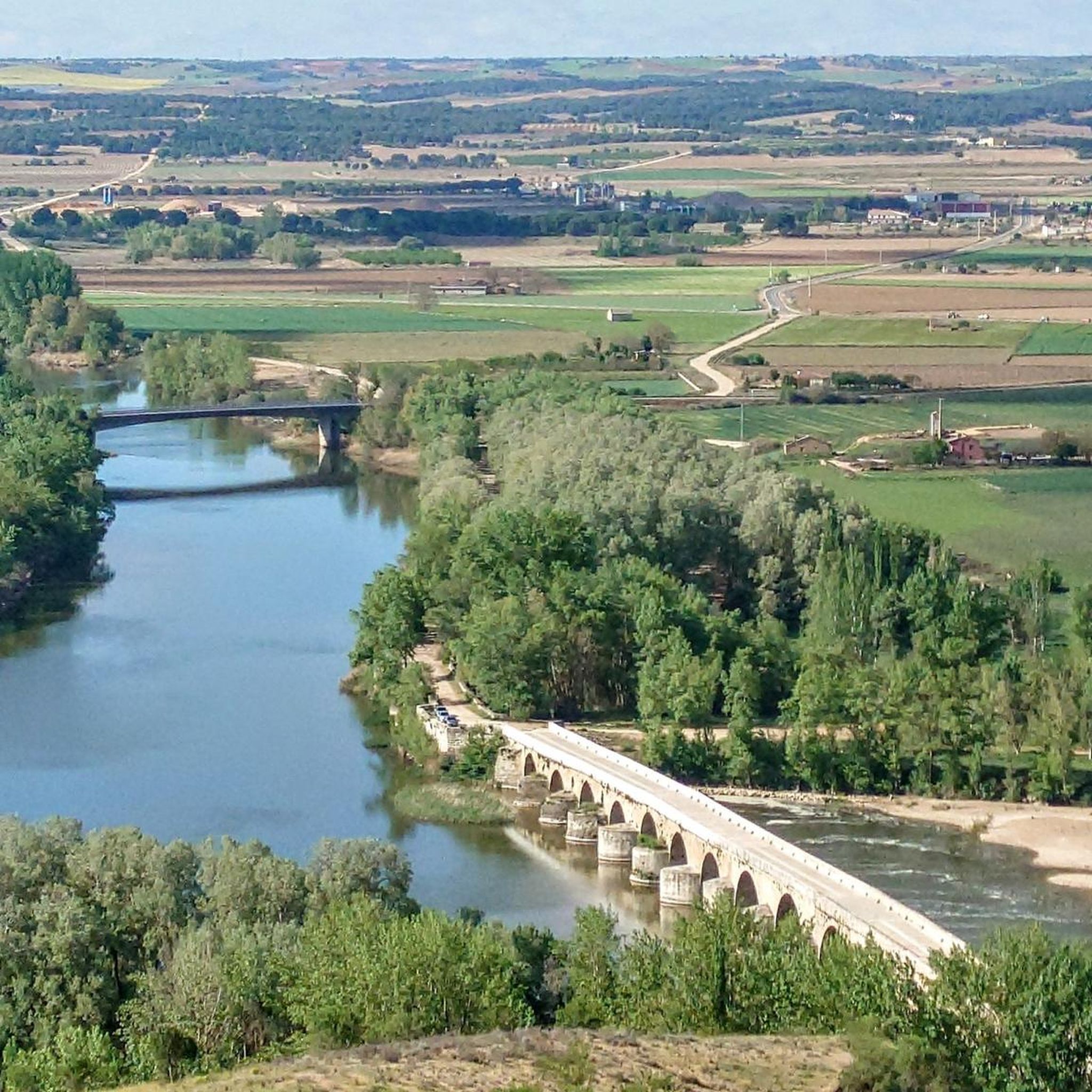
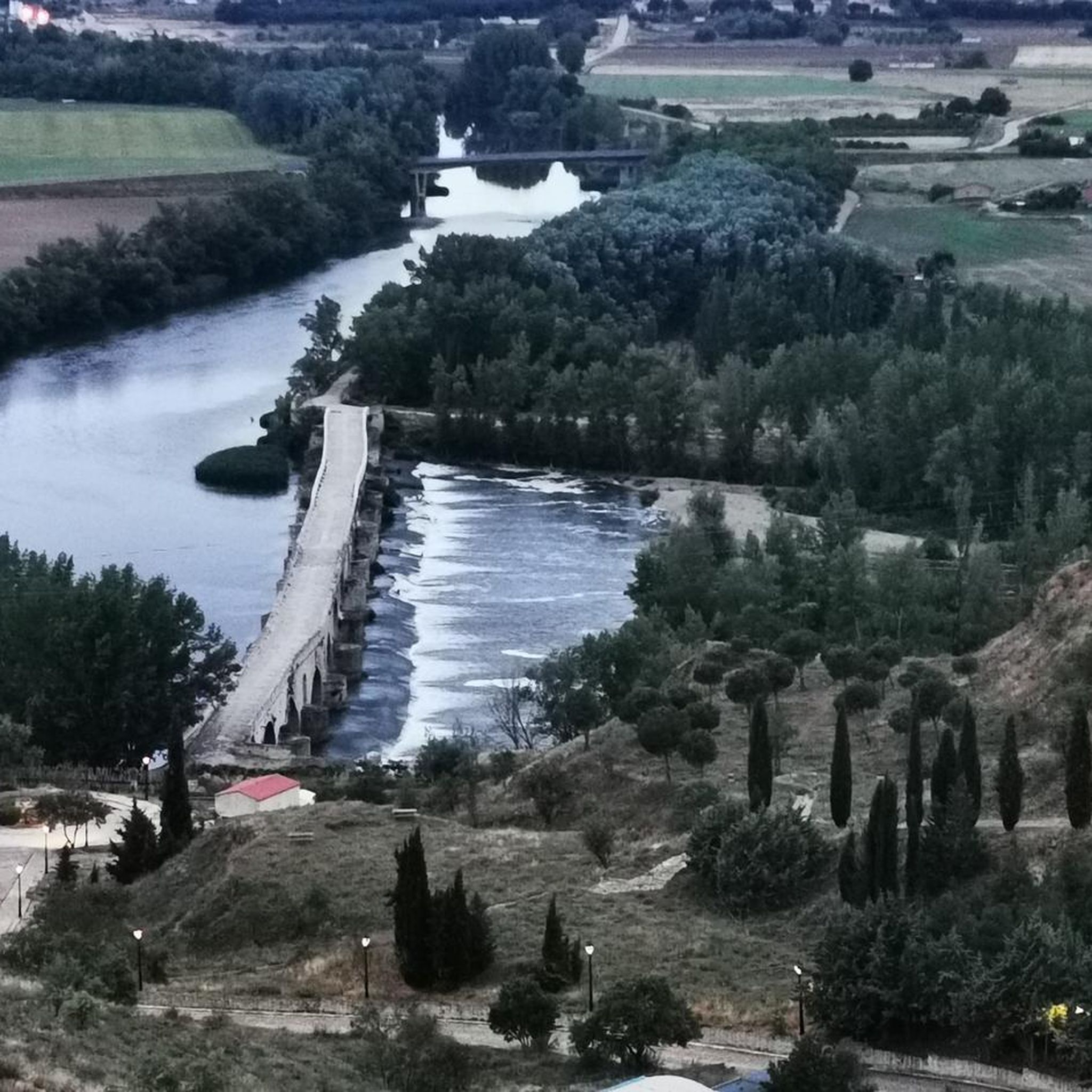
Road cycling in Pinilla De Toro offers expansive views of open plains, agricultural fields, and historical villages. Routes often connect points of interest, providing a blend of natural landscapes and cultural heritage. You'll encounter charming rural scenery and historical architecture along the way.
Are there any circular road cycling routes in Pinilla De Toro?
Yes, all the road cycling routes listed for Pinilla De Toro are circular. For example, the Villalonso Castle and Morales de Toro Loop and the Urueña y Wamba desde Tiedra – circular por los castillos are both designed as loops, bringing you back to your starting point.
What historical sites or landmarks can I see along the road cycling routes?
The routes often pass by significant historical sites. You can explore places like the Villalonso Castle, the Collegiate Church of Santa María la Mayor (Toro), and the Clock Tower of Toro. The Urueña y Wamba desde Tiedra – circular por los castillos route is particularly rich in castles.
What do other road cyclists enjoy the most about road cycling in Pinilla De Toro?
The area is highly rated by the komoot community, with an average score of 3.0 stars from over 1 review. Road cyclists often appreciate the region's open plains, historical villages, and agricultural fields, which provide a unique and scenic backdrop for rides.
Are there any routes that pass through specific towns or villages?
Many routes connect various towns and villages. For instance, the Toro – tour around Villalonso and Fresno de la Ribera route takes you through Villalonso and Fresno de la Ribera, offering glimpses into local life and architecture.
What is the best time of year for road biking in Pinilla De Toro?
The region generally experiences a continental climate. Spring and autumn are often ideal for road cycling, offering milder temperatures and pleasant conditions. Summers can be hot, so early morning or late afternoon rides are recommended during those months.
Are there any routes that offer views of unique natural attractions?
While the region is characterized by plains and historical sites, you might find unique natural beauty, such as the Tiedra Lavender Fields, which offer a stunning visual experience when in bloom. Routes passing near Tiedra would provide opportunities to see these.
Most popular routes around Pinilla De Toro
Most popular attractions around Pinilla De Toro

Get inspired with the komoot mobile app


Explore more
Browse the best Road cycling routes in other regions.
