The best road cycling routes around Roncal/Erronkari
4.6
(40)
2,040
riders
37
rides
Road cycling around Roncal/Erronkari is characterized by the diverse landscapes of the Navarrese Pyrenees, including the Roncal Valley and the glacial Belagua Valley. The region features a harmonious environment of villages, dense forests, and high mountain pastures, with elevations reaching between 1700 and 2000 meters. Cyclists encounter varied terrain, transitioning from flatlands to rugged rock formations and challenging mountain passes like Laza Pass and Collado de Argibiela. These features provide a range of road cycling difficulty in Roncal/Erronkari, from scenic…
Last updated: May 10, 2026
4.9
(8)
178
riders
57.3km
03:26
1,300m
1,300m
This difficult 35.6-mile road cycling tour through the Navarrese and Aragonese Pyrenees features 4279 feet of climbing and stunning mountain
5.0
(2)
413
riders
134km
07:39
3,100m
3,100m
Hard road ride. Very good fitness required. Mostly well-paved surfaces and easy to ride.

Sign up for free
4.7
(9)
229
riders
61.0km
03:17
1,230m
1,230m
Hard road ride. Very good fitness required. Mostly well-paved surfaces and easy to ride.
48
riders
47.8km
02:24
770m
770m
Moderate road ride. Good fitness required. Mostly well-paved surfaces and easy to ride.
5.0
(1)
37
riders
37.6km
01:48
530m
530m
Moderate road ride. Good fitness required. Mostly well-paved surfaces and easy to ride.
Get access to more routes and recommendations from other explorers.
Sign up for free
Already have an account?
Our route recommendations are based on thousands of hikes, rides, and runs completed by other people on komoot.
Start today with a free account
Your next adventure awaits.
Login or Signup
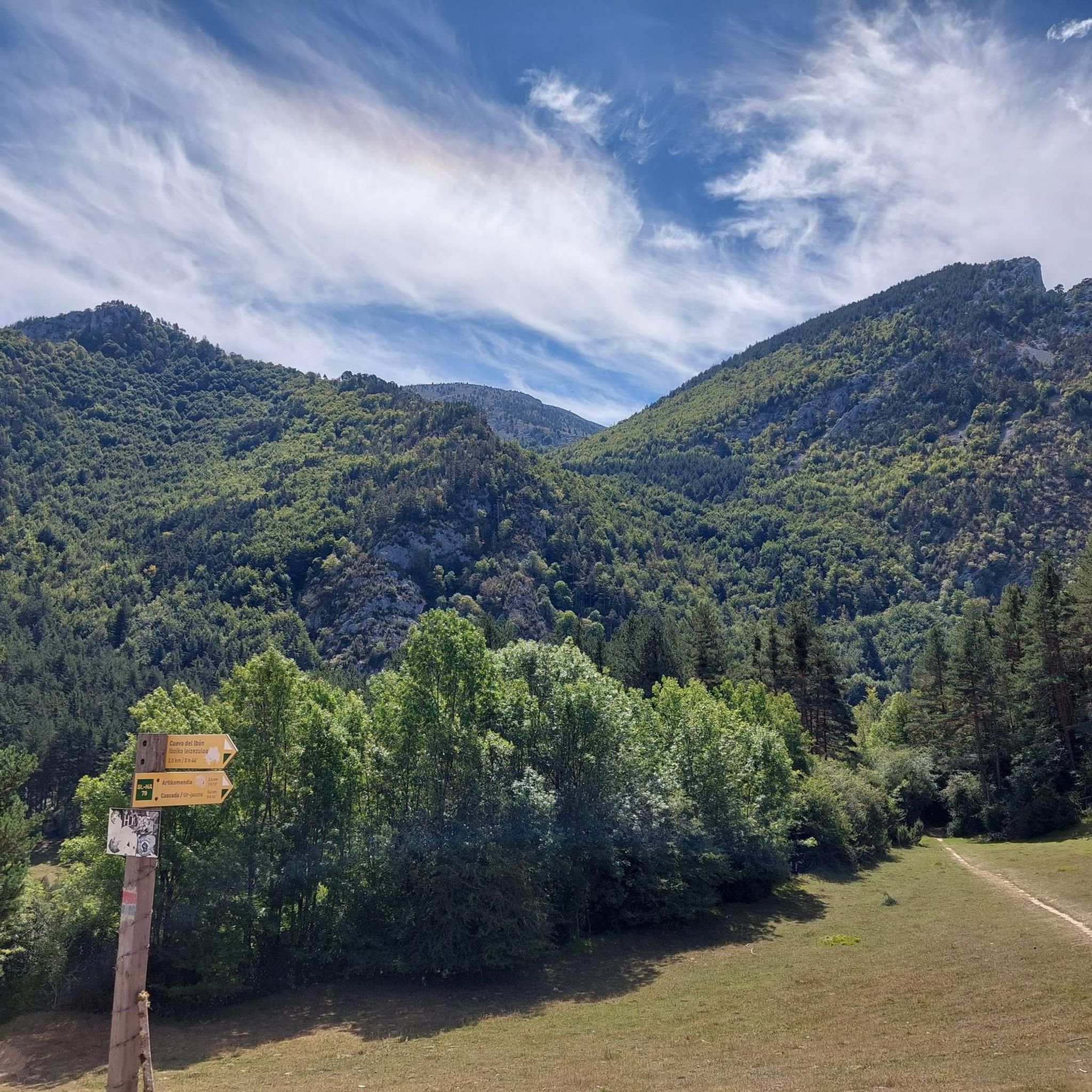
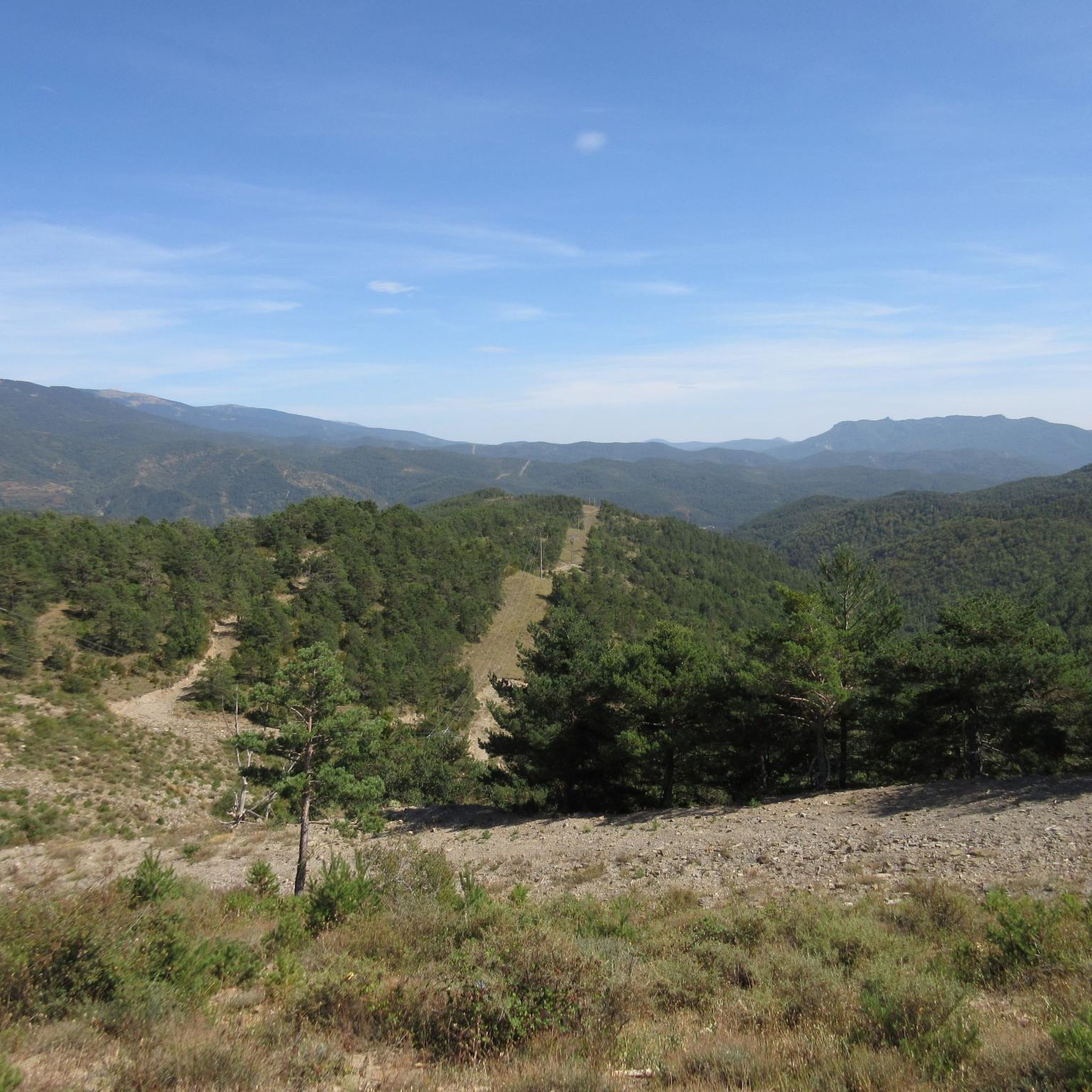
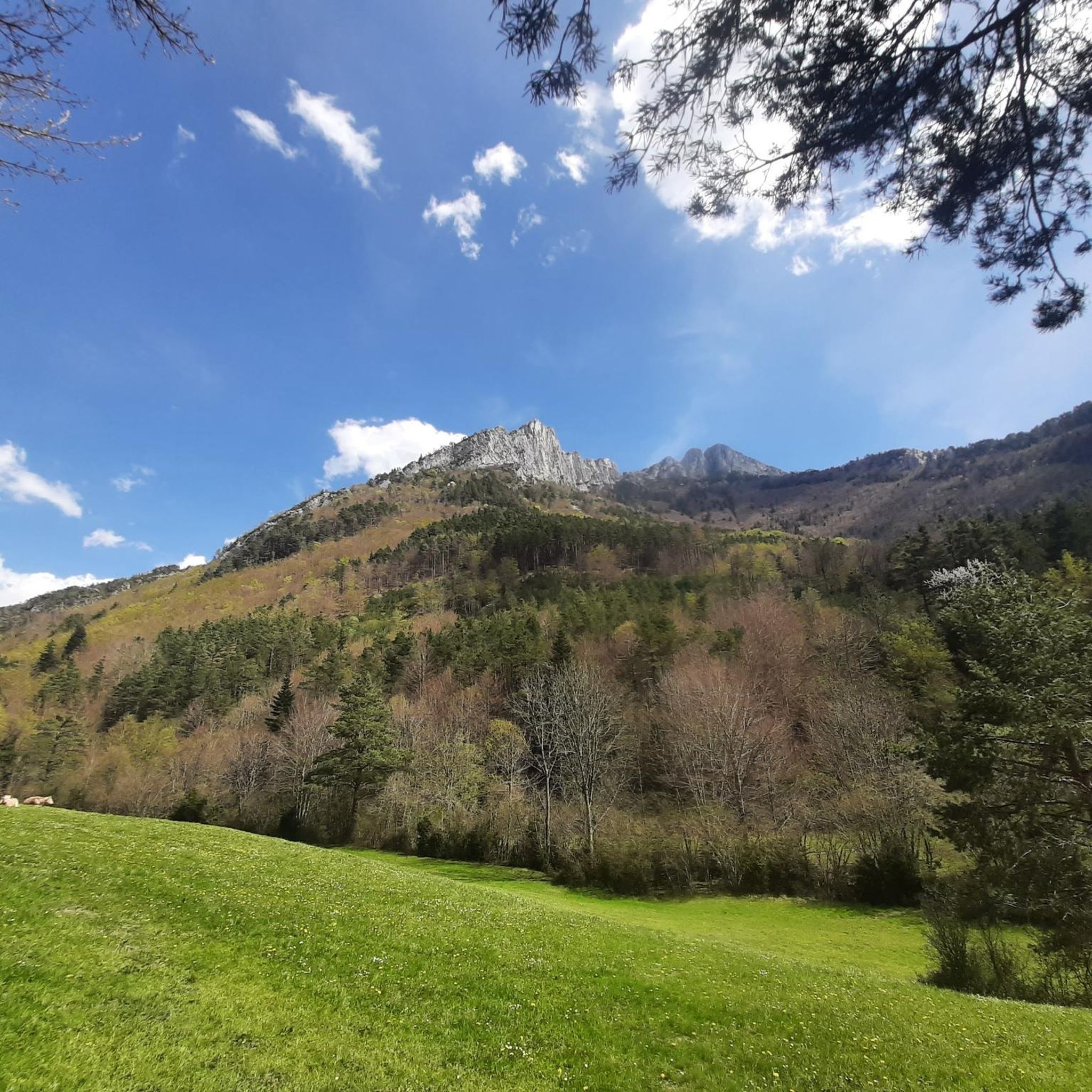
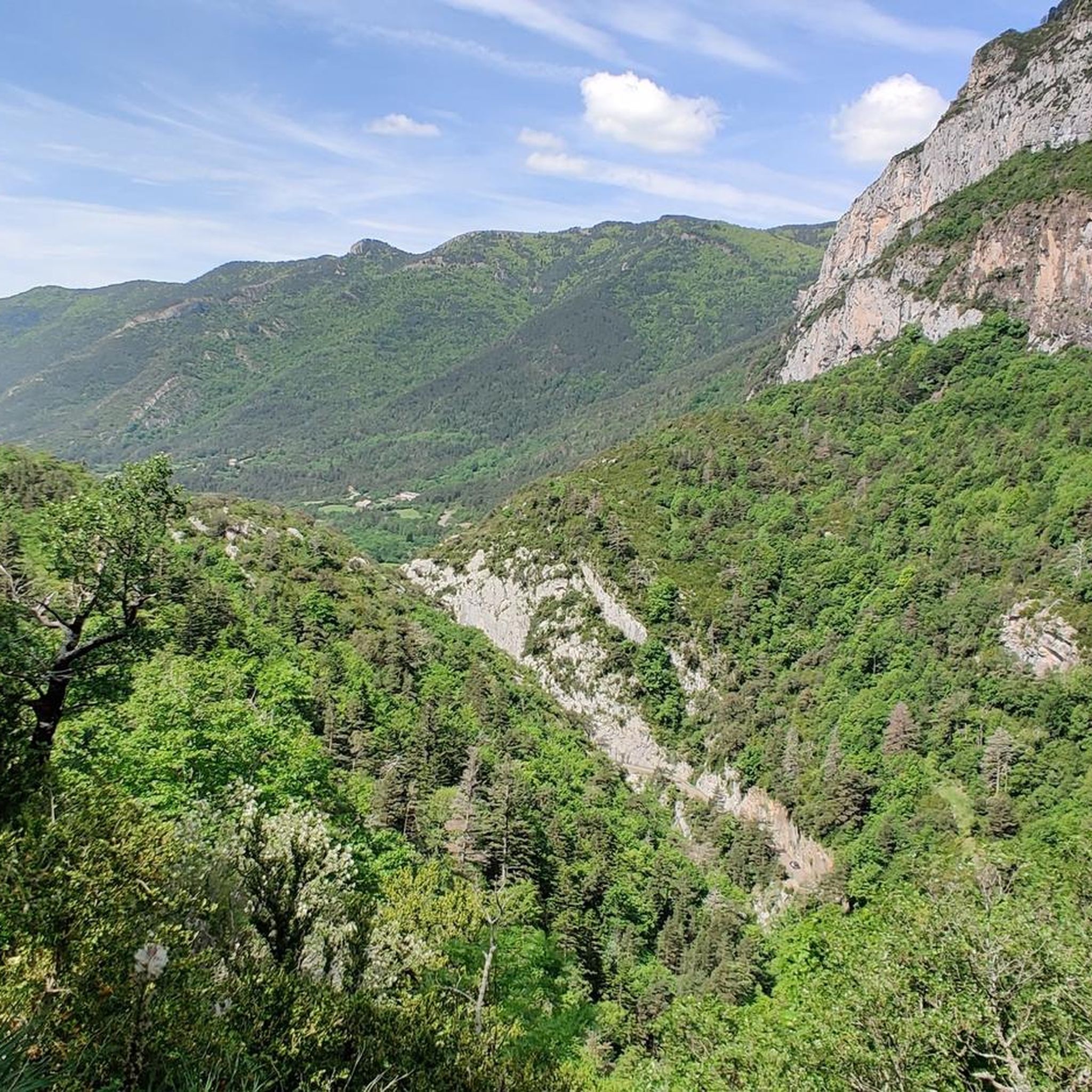
Tips from the Community

Up to kilometer 12, the climb is gentle. From there, it becomes more difficult, and you'll face some slopes with a 10% gradient. The total climb is 26 kilometers, and the total ascent is 1,048 meters. During the climb, you'll find good road surfaces and beautiful scenery.
0
0

Without a doubt, the Col de la Piedra de Saint Martin or Pierre Saint-Martin is one of the Top 10 in the whole of the Pyrenees. Without exceeding 2000 metres of altitude, it is a very long pass, with a lot of accumulated gradient (due to the innumerable French slopes, the gradient is 1,450 metres), with very hard slopes and several kilometres above 10%, with wonderful landscapes and panoramic views and with little traffic, except for the slopes crossed by the main road (D132 in France, the NA 137 in Spain). It is a pass with many slopes; in Europe there are few other passes that have as many slopes as this one (col de Turini, Passo delle Erbe, would be comparable in number of slopes approximately). I have only climbed it by 2 slopes: (i) my first time was from Lourdios Ichère, crossing the col de Labays and the col de Soudet. Simply spectacular; (ii) I have subsequently climbed the Spanish side on several occasions, which is unique, and which starts from Belagua and crosses the Belagua cross-country ski resort to reach the mountain pass. It is also very beautiful, with a landscape and views different from the north-east side. If I had to choose one of the two, I liked the north-west side better because it is more remote, harder and in my opinion more authentic. It is also a culturally special mountain pass because the Tribute of the 3 cows takes place on its summit every 13th of July, which is considered the oldest treaty in force in Europe. So... you know... you cannot miss the opportunity to come here and enjoy this wonderful jewel of the Pyrenees!!!!
1
0
It is a beautiful mountain pass that links the Roncal Valley (Navarra) with the Ansó Valley (Aragon). It is a mountain pass that I am very fond of for several reasons: (i) the road is very winding, with many curves and hairpin bends, especially on the Navarre side (ii) it is a mountain pass with no steep slopes on either side (iii) there is hardly any car or motorcycle traffic. It is very peaceful and you can fully concentrate on the climb, on your pace, on your sensations. The asphalt on the Aragonese side is in very poor condition, although that also makes it attractive because you can imagine what the roads were like that professionals used in the 90s and before. It can be linked to other ports and is a beautiful gateway to the Pyrenees.
0
0
A beautiful valley with spectacular views, which can be accessed without difficulty (either from Ansó or from the Roncal valley), where you can breathe peace and tranquility and where you can enjoy a nice swim in the river on the hottest days of the year.
0
0

Isaba, also known as Izaba in Basque, is a picturesque village located in the Roncal Valley in the Navarrese Pyrenees, northern Spain. This charming village is known for its rich history dating back to the Middle Ages, when it was a strategic outpost for the Kingdom of Navarre. Isaba offers breathtaking scenery with lush green meadows in spring, colorful autumn leaves and snow-capped mountains in winter.
1
0

I would not recommend right now. They recently did a chip and seal so a LOT of loose gravel. I live in the area and even the road to Osse en Aspe.
1
0
Going up to the Puerto de la Piedra de San Martín through the Roncal - Belagua valley, after the first 5 km of hard climb with a section of continuous hairpin bends, you reach the abandoned Guardia Civil barracks. This place is ideal for the views it offers: on the one hand, you can see the Roncal valley from above in a panoramic view (simply spectacular); on the other hand, looking up towards the valley, you can see (if the weather permits) the peaks around the beautiful ski resort of Larra - Belagua, which should not be confused with the Piedra de San Martín ski resort, located in France.
0
0
At the bottom of the Roncal valley, right where the climb to Puerto de la Piedra de San Martín begins, you will find this beautiful bend in the mountain called Belagua. It is an idyllic place that you can best enjoy if you climb up following the road to Venta de Juan Pito.
0
0
Frequently Asked Questions
What kind of terrain can I expect when road cycling in Roncal/Erronkari?
Road cycling in Roncal/Erronkari offers a diverse range of terrain, from the picturesque Roncal Valley with its harmonious environment of villages and forests, to the challenging ascents of the glacial Belagua Valley. You'll encounter transitions from flatlands to dense forests, high mountain pastures, and rugged rock formations, including significant climbs over mountain passes like Laza Pass and Collado de Argibiela.
Are there challenging road cycling routes for experienced riders in Roncal/Erronkari?
Yes, Roncal/Erronkari is known for its demanding climbs and challenging mountain passes. Routes like the Matamachos and the Western Valleys Loop feature significant elevation gain. Another difficult option is the Larrau – Larrau Pass loop from Roncal / Erronkari, which includes a substantial climb over the Larrau Pass, offering extensive mountain views.
What are some scenic viewpoints or natural attractions along the road cycling routes?
The region is rich in natural beauty. As you ascend the Puerto de Belagua, you'll witness a transition from flatlands to dense forests and rugged rock formations. Notable natural attractions include the Belabarzeko Urjausia - natural swimming pool, a beautiful waterfall perfect for a summer visit. You can also find stunning vistas from the Llano de Tacheras viewpoint.
Are there any moderate or beginner-friendly road cycling routes in the area?
While many routes are challenging, there are options for moderate rides. For example, the Laza Pass (1,129 m) – Isaba Village loop from Isaba / Izaba is a moderate trail leading through forest scenery and mountain vistas. Another moderate option is the Cueva del Ibón – Isaba Village loop from Urzainqui / Urzainki, offering a less strenuous ride.
What is the best season for road cycling in Roncal/Erronkari?
The best season for road cycling in Roncal/Erronkari is generally from late spring to early autumn. During these months, the weather is more stable, and the mountain passes are typically clear of snow, offering ideal conditions to enjoy the diverse landscapes and challenging climbs.
Can I find circular road cycling routes in Roncal/Erronkari?
Yes, many of the road cycling routes in Roncal/Erronkari are designed as loops, allowing you to start and end in the same location. Examples include the Matamachos and the Western Valleys Loop and the Larrau – Larrau Pass loop from Roncal / Erronkari, providing convenient circular journeys through the region's stunning scenery.
What cultural attractions can I explore near the cycling routes?
The Roncal Valley is home to charming traditional villages like Roncal, Isaba, Burgui, and Uztárroz. In Roncal, you can visit the 16th-century Church of San Esteban and the Casa Museo Julián Gayarre. The region is also famous for its traditional Roncal cheese. Many routes pass through or near these villages, offering opportunities to experience the local culture.
Are there any mountain passes to conquer for road cyclists?
Absolutely. Roncal/Erronkari is renowned for its challenging mountain passes. Cyclists can test their endurance on the Laza Pass (1,129 m), which offers beautiful forest scenery, or the Collado de Argibiela, known for its long climb and magnificent vistas, particularly steep towards the end of the ascent from Ansó.
What do other road cyclists enjoy most about cycling in Roncal/Erronkari?
The area is highly rated by the komoot community, with an average score of 4.6 stars from over 40 reviews. Cyclists often praise the diverse landscapes of the Navarrese Pyrenees, the challenging climbs, and the harmonious environment of villages, forests, and high mountain pastures. The variety of routes catering to different fitness levels is also frequently highlighted.
Are there options for family-friendly road cycling in Roncal/Erronkari?
While many routes feature significant elevation, the Roncal Valley offers sections with gentler gradients, particularly around the villages and along the Ezka River. For families, it's advisable to look for routes or segments that avoid the major mountain passes and focus on the flatter valley floors, which provide a more relaxed cycling experience.
Where can I find places to eat or stay along the road cycling routes?
The charming traditional villages throughout the Roncal Valley, such as Roncal, Isaba, Burgui, and Uztárroz, offer various options for cafes, restaurants, and accommodation. These villages are often integrated into or located near the cycling routes, providing convenient stops for refreshments and overnight stays.
How many road cycling routes are available in Roncal/Erronkari?
There are over 35 road cycling routes available in Roncal/Erronkari, catering to a range of abilities. These include 15 moderate routes and 22 difficult routes, ensuring options for both those seeking a scenic ride and those looking for a significant challenge.
Most popular attractions around Roncal/Erronkari

Get inspired with the komoot mobile app


Explore more
Browse the best Road cycling routes in other regions.
