Attractions and Places To See around Collsuspina - Top 20
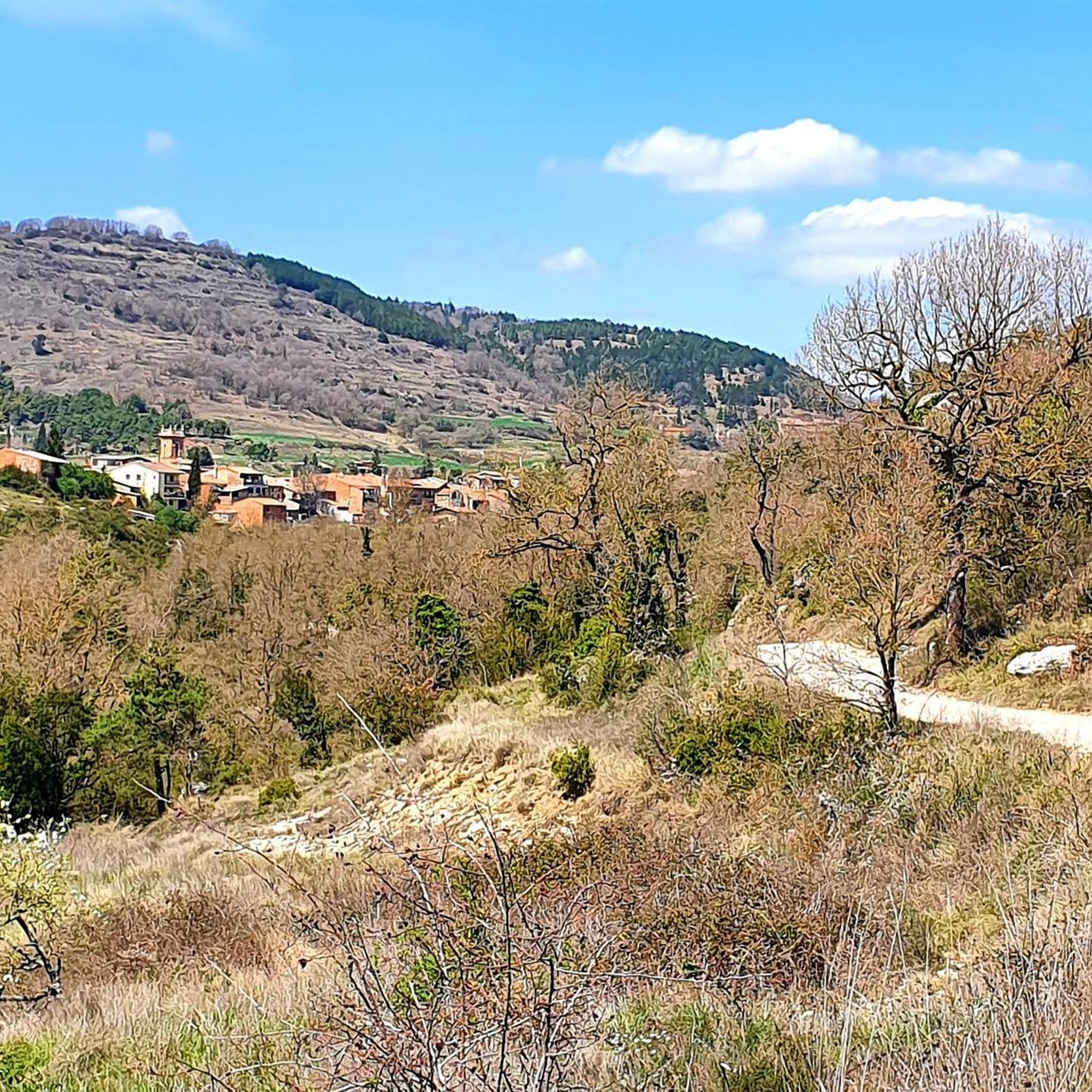
Attractions and places to see around Collsuspina are found in a village situated on a high plateau in the Moianès region. This area blends historical heritage with natural beauty, offering cultural insights and outdoor activities. The landscape features oak groves, open meadows, and unique hydrological points, including the source of the Congost river. From various viewpoints, visitors can enjoy extensive views of the Vic Plain, Montseny, and the Eastern Pyrenees.
Best attractions and places to see around Collsuspina
- The most…
Last updated: August 30, 2026
La Trona (Bertí Cliffs)
Highlight • Climb
Translated by Google •
Tip by

Collsuspina
Highlight • Settlement
Translated by Google •
Tip by

Sign up now to discover places like this
Get recommendations on the best single tracks, peaks, & plenty of other exciting outdoor places.
Sign up for free
Salt de la Tosca Waterfall and Molí de Brotons
Highlight • Waterfall
Translated by Google •
Tip by

Sanctuary of Our Lady of Help, Balenyà
Highlight • Religious Site
Translated by Google •
Tip by
Castellterçol
Highlight • Settlement
Translated by Google •
Tip by
Sign up for free to discover even more attractions around Collsuspina.
Sign up for free
Already have an account?
Start today with a free account
Your next adventure awaits.
Login or Signup

Tips from the Community

Waterfall encased in rough rock and an old flour mill documented since the 18th century, taking advantage of the constant force of the Llobeta stream. In addition to what everyone says, there is a little-mentioned detail here: the mill had a small auxiliary lock up the road that allowed the flow to be regulated so that the mill would not stop in dry summers. Remains of the canal and the hole where the wood of the old roller was repaired can still be seen. The path is short and cool, and the constant sound of the water explains why this corner was so valuable to the farmers of the entire valley.
1
0

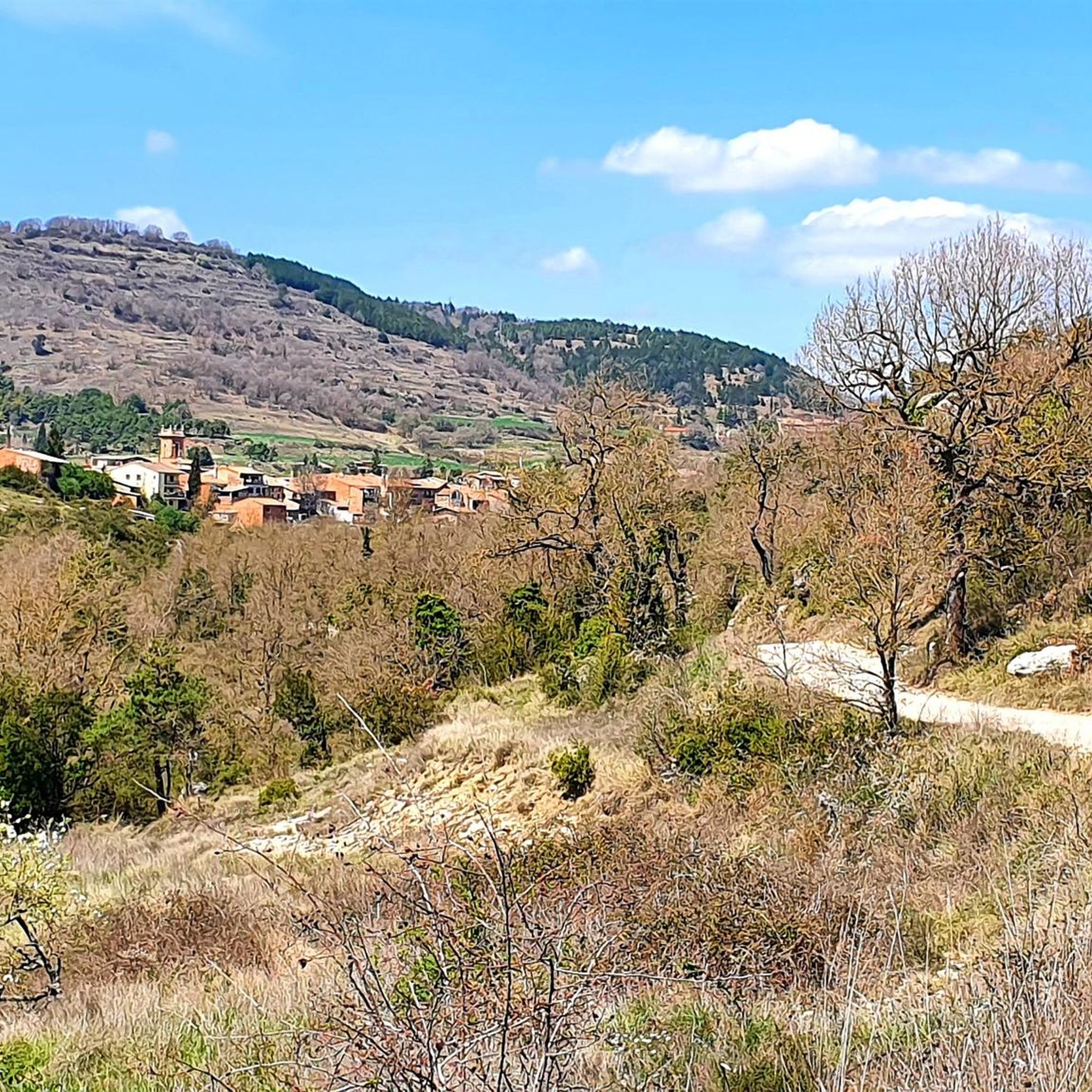
Collsuspina is a small village with fewer than 400 inhabitants. It belongs to the Moyanés region. Its name comes from the fact that it was established on the Espina pass, along the old royal road from Manresa to Vic. The pass was named after the important L'Espina farmhouse that once stood there.
0
0

Can Xarina is a good restaurant
1
0

Meeting point, from where a stack of paths lead to Hostalets, El Roc Gros, Tona, etc.
2
0

idyllic location, you can breathe peace
2
0

Cited in the year 955 with the rural city called "Balagnans". There is news from 1272 and the name of Ajuda has been found since 1775, since before the town was called Bona Sort. The church was burnt down in 1654 by the French and the portal was rebuilt.
16
0
This sanctuary brings together a compendium of styles, from the Lombard Romanesque to the Baroque, and it is believed that the church was already built at the end of the 9th century, when the diocese of Vic was restored. Formerly it was the nucleus of the town. It is rectangular in plan with four chapels on both sides. The vault is ribbed and the baptismal font is made of stone. It preserves a good part of the raised walls and the bell tower, in which a new floor was added in the 15th century. The portal is of Renaissance taste.
17
0
Frequently Asked Questions
What historical and cultural sites can I explore in Collsuspina?
Collsuspina boasts a rich history. You can visit the well-preserved old town center and Plaça Major, which date back to the 18th century. The village also has ancient roots, with archaeological remains from the Neolithic period. Notable churches include the Romanesque Church of Sant Cugat de Gavadons, offering panoramic views, and the Church of Mare de Déu dels Socors in the old town. Additionally, the Salt de la Tosca Waterfall and Molí de Brotons features the remains of an old mill in a beautiful natural setting.
Are there any natural viewpoints or scenic spots in the area?
Yes, Collsuspina offers several stunning viewpoints. The Church of Sant Cugat de Gavadons provides exceptional panoramic views of the Vic Plain, Montseny, and the Eastern Pyrenees. Another popular spot is La Trona (Bertí Cliffs), a large rocky outcrop that offers extensive views of the Congost valley, Montseny massif, and the Pyrenees.
What kind of outdoor activities are available around Collsuspina?
The tranquil surroundings of Collsuspina, with its oak groves and open meadows, are ideal for various outdoor activities. You can find numerous routes for hiking, walking, and cycling. Popular destinations include Pla de la Garga and Gorg Negre, with trails traversing ravines and streams. For more specific routes, explore the Road Cycling Routes around Collsuspina, Gravel biking around Collsuspina, and Running Trails around Collsuspina guides.
Are there family-friendly attractions or activities in Collsuspina?
Absolutely! The village of Collsuspina itself is considered family-friendly, offering a charming old town to explore. The Salt de la Tosca Waterfall and Molí de Brotons is also a great spot for families, combining natural beauty with historical interest. Many of the walking and cycling routes through the oak groves and meadows are suitable for families looking for leisurely outdoor excursions.
Where can I find hiking trails near Collsuspina?
Collsuspina is surrounded by excellent hiking opportunities. You can find trails leading to destinations like Pla de la Garga and Gorg Negre, or explore routes that traverse ravines and streams. For detailed running and hiking options, check out the Running Trails around Collsuspina guide, which includes routes like the Roc Gros Viewpoint loop and the Sant Cugat de Gavadons Church loop.
What is the Bosc de Casanovas?
The Bosc de Casanovas, or Forest of Casanovas, is a protected natural space near Collsuspina. It is particularly renowned for its three-hundred-year-old oak trees, making it a wonderful place for a leisurely stroll and to experience the region's native oak vegetation.
What is the significance of the Pollosa Mountain Pass?
The Pollosa Mountain Pass, situated at 918 meters, is a significant geographical feature. It serves as an important crossing point between the Moianès and Osona regions, offering a strategic vantage point and contributing to the area's diverse landscape.
What unique natural features does Collsuspina have?
Collsuspina is unique for hosting points where several hydrological basins converge, adding to its geological and natural value. The source of the Congost river can also be found within the district, near Sant Cugat de Gavadons, highlighting the region's rich water sources and mountainous terrain.
What is <a href="https://www.komoot.com/highlight/3863186" target="_blank" rel="noopener">Castellterçol</a> and what can I see there?
Castellterçol is a nearby municipality with its own historical significance. It's known for its traditional industries, agriculture, and livestock. Visitors can explore important sites like the Prat de la Riba museum and the castle of Castellterçol, offering a glimpse into the region's heritage.
What do visitors enjoy most about the attractions around Collsuspina?
Visitors particularly appreciate the blend of historical heritage and natural beauty. For instance, the Salt de la Tosca Waterfall and Molí de Brotons is highly recommended for its beautiful setting and historical mill. The panoramic views from spots like La Trona (Bertí Cliffs) are also a major draw, offering breathtaking vistas of the surrounding landscapes.
Is there a historical religious site nearby worth visiting?
Yes, the Sanctuary of Our Lady of Help, Balenyà is a significant historical religious building. It showcases a compendium of architectural styles, from Lombard Romanesque to Baroque, with parts of the church believed to have been built as early as the 9th century.
Most popular routes around Collsuspina
Most popular attractions around Collsuspina

Get inspired with the komoot mobile app


Explore more
Still not found the Highlight you’re looking for? See guides of the top attractions in other regions:
