The best walks and hikes around La Solana
4.1
(16)
101
hikers
18
hikes
Hiking around La Solana offers exploration through the rural landscapes of Castilla-La Mancha, Spain. The region is characterized by vineyards, olive groves, and the plains of La Mancha, with the Montes de Toledo providing higher ground. Trails often follow river courses like the Cigüela and pass through areas with historical significance, including ancient Roman sites.
Best hiking trails around La Solana
- The most popular hiking route is Art and Landscape Trail, a 3.9 miles (6.3 km) trail that takes…
Last updated: July 7, 2026
1
hikers
18.4km
04:49
140m
140m
Moderate hike. Good fitness required. Easily-accessible paths. Suitable for all skill levels.
4.17km
01:06
40m
40m
Easy hike. Great for any fitness level. Easily-accessible paths. Suitable for all skill levels.

Sign up for free
8
hikers
7.65km
02:03
90m
90m
Moderate hike. Good fitness required. Easily-accessible paths. Suitable for all skill levels.
4.3
(3)
4
hikers
9.96km
02:37
90m
90m
Moderate hike. Good fitness required. Easily-accessible paths. Suitable for all skill levels.
3
hikers
4.64km
01:15
50m
50m
Easy hike. Great for any fitness level. Easily-accessible paths. Suitable for all skill levels.
Get access to more routes and recommendations from other explorers.
Sign up for free
Already have an account?
Our route recommendations are based on thousands of hikes, rides, and runs completed by other people on komoot.
Start today with a free account
Your next adventure awaits.
Login or Signup
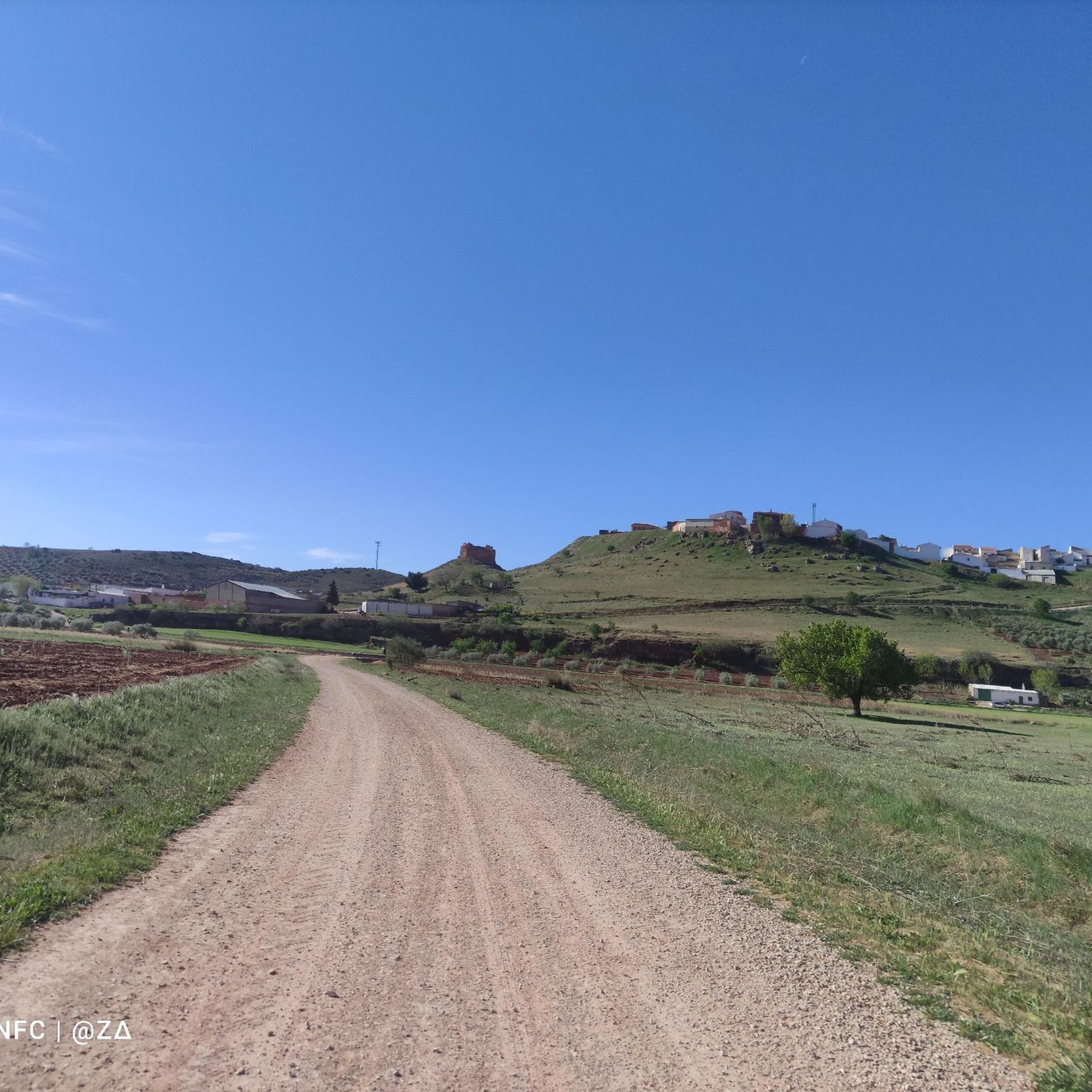
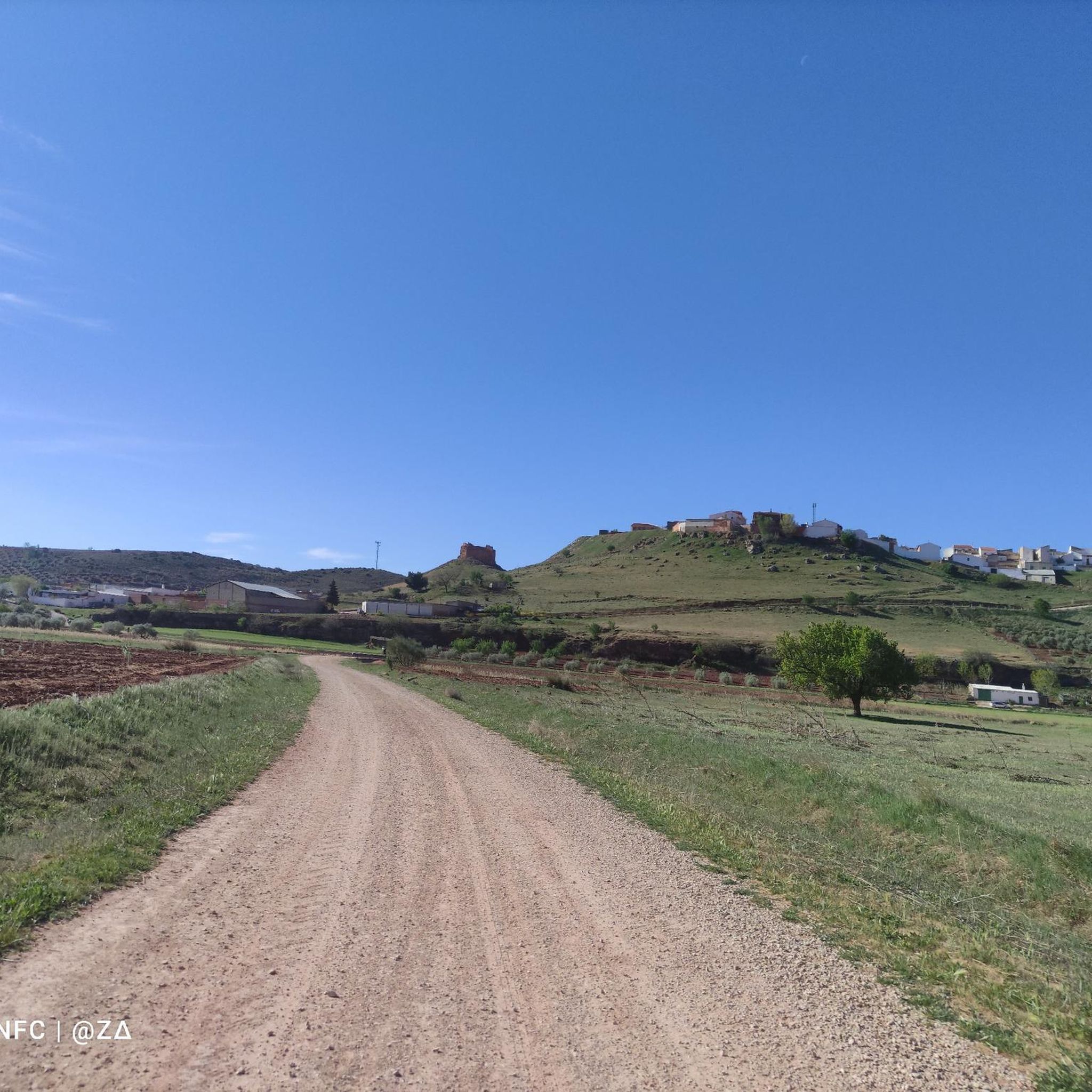
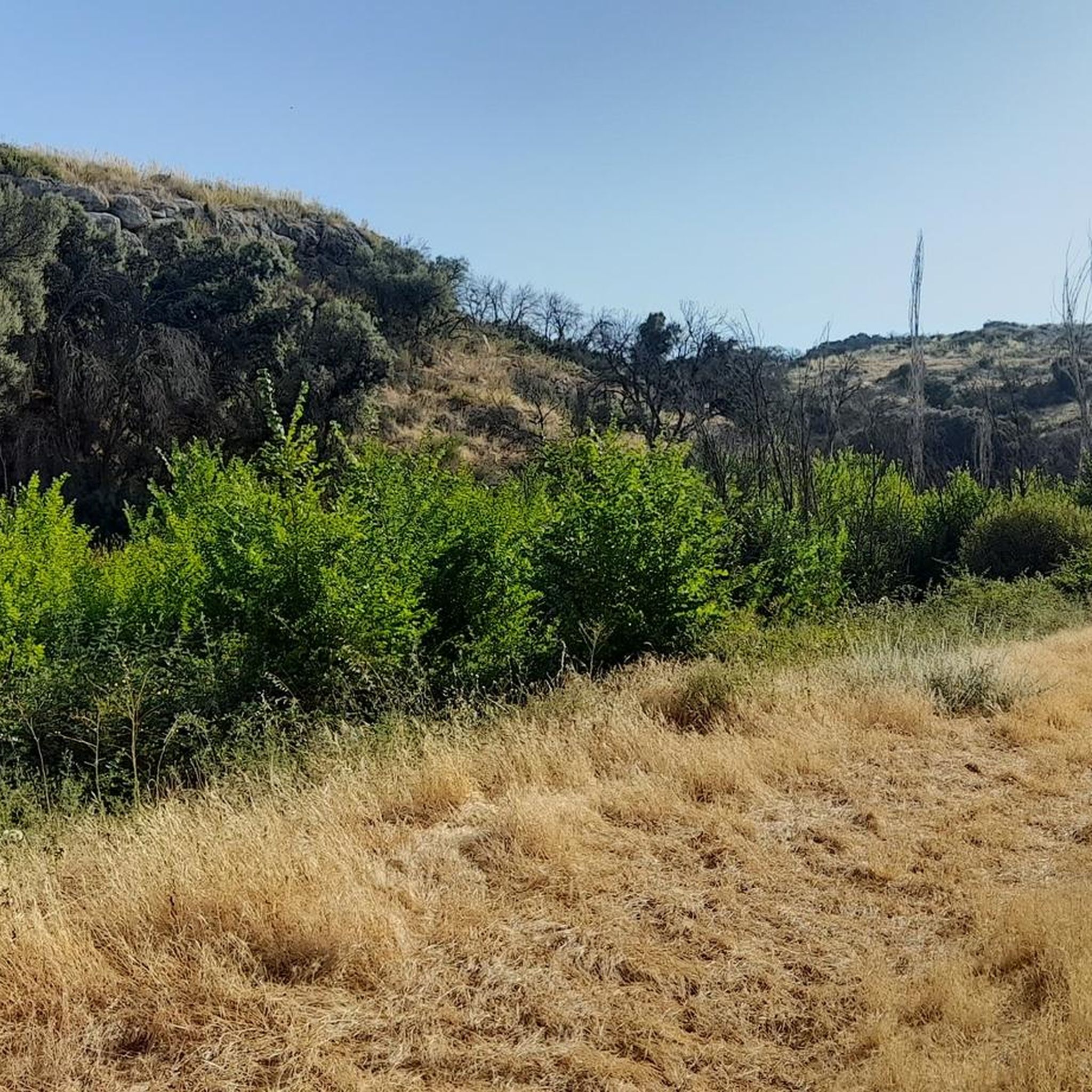
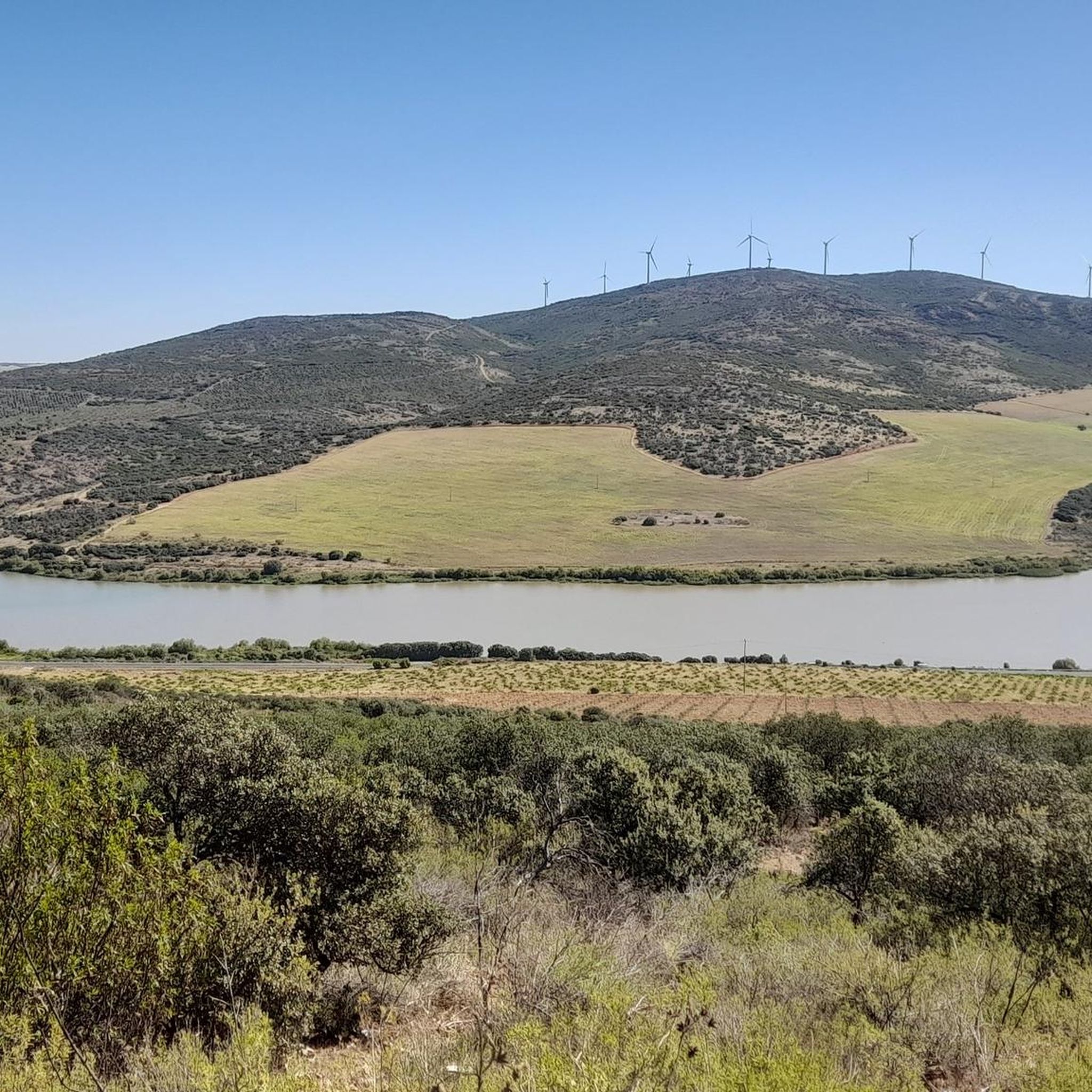
Tips from the Community

La Solana has several churches that it is recommendable to visit. The first of them, in the same Plaza, is that of Santa Catalina, declared B.I.C and carried out by the teacher Aliseda. Construction began in 1420 and was finished in 1433; but its state of ruin at the end of the 15th century forced it to be rebuilt. This project ended in 1524. Of the whole complex, what stands out in the eyes of anyone is its impressive Tower, despite the fact that it has collapsed several times, it maintains its majesty and is famous throughout the province. Of the Trinitarios convent, on Calle del Convento, all that remains is the church of San Juan Bautista, in a Baroque style with classicist features. It was rebuilt in 1970 and preserves an elevated walkway that crosses Calle Arco del Convento. And to finish with the churches, visit the one in San Sebastián, a Historical-Artistic Monument since 1982. Its access through a small patio and the Mudejar roof of its only nave, inlaid with mother-of-pearl and polychrome, are unique. In its latest restoration, some frescoes have been found in which figures are barely distinguishable, but Gothic inscriptions.
4
0
La Solana has several churches that it is recommendable to visit. The first of them, in the same Plaza, is that of Santa Catalina, declared B.I.C and carried out by the teacher Aliseda. Construction began in 1420 and was finished in 1433; but its state of ruin at the end of the 15th century forced it to be rebuilt. This project ended in 1524. Of the whole complex, what stands out in the eyes of anyone is its impressive Tower, despite the fact that it has collapsed several times, it maintains its majesty and is famous throughout the province. Of the Trinitarios convent, on Calle del Convento, all that remains is the church of San Juan Bautista, in a Baroque style with classicist features. It was rebuilt in 1970 and preserves an elevated walkway that crosses Calle Arco del Convento. And to finish with the churches, visit the one in San Sebastián, a Historical-Artistic Monument since 1982. Its access through a small patio and the Mudejar roof of its only nave, inlaid with mother-of-pearl and polychrome, are unique. In its latest restoration, some frescoes have been found in which figures are barely distinguishable, but Gothic inscriptions.
6
0
The town of La Solana is located to the southeast of the province of iudad Real, in a flat area with gentle hills, except for the heights of the Sierra de Alhambra located to the south.
6
0

La Solana is located on the N-430 national road between Daimiel and Manzanares. I would stop near the Plaza Mayor for a foodie walk through the old town to sample the atmosphere, the local cuisine and see the inherited medieval architecture.
2
0
The town of La Solana is located to the southeast of the province of iudad Real, in a flat area with gentle hills, except for the heights of the Sierra de Alhambra located to the south.
4
0

The center of La Solana is worth a visit just to see the church and plaza or to wander through some of the side streets. It is a dry and arid area that is known for its wine and olives.
2
0
Old Convent founded by the latter, started in 1624 and of which only this church (rebuilt in 1970) and the elevated walkway that crosses Calle Arco del Convento have remained. It is representative of the baroque style with a classicist tendency; It has a nave with vaulted side chapels in a half sphere and a cap on a drum that replaces the missing dome on the original transept. Its façade is topped by a triangular pediment and the façade, with a lintel, is flanked by sunken festoon pilasters.
23
0
A charming hermitage. Small but very cozy. With a carving of the Virgen de las Angustias.
21
0
Frequently Asked Questions
How many hiking trails are available in La Solana?
La Solana offers a good selection of hiking routes, with over 30 trails available. These range from easy strolls through the plains to more moderate excursions into the higher grounds.
What kind of terrain and difficulty can I expect on hikes around La Solana?
The hiking trails in La Solana primarily feature rural paths winding through vineyards, olive groves, and the expansive plains of La Mancha. You'll also find riverside treks along the River Cigüela and routes that venture into the Montes de Toledo. The majority of routes are classified as easy (18 trails) or moderate (14 trails), making them accessible for various fitness levels.
Are there any historical sites or landmarks to see while hiking in La Solana?
Yes, hiking in La Solana offers opportunities to discover historical and cultural landmarks. You can explore sites like the Plaza Mayor of La Solana and Church of Santa Catalina, or the Church of the Santísimo Cristo del Valle. Some routes also pass by ancient Roman sites and the Navajo Bronze Age Prehistoric Archaeological Site, offering a glimpse into the region's rich past.
Are there many circular hiking routes in La Solana?
Yes, La Solana features several circular hiking routes, which are perfect for exploring the area without retracing your steps. Examples include the Sierra del Cristo — circular desde San Carlos del Valle, offering views of the Sierra del Cristo, and the Iglesias de La Solana — circular.
What is the best time of year to go hiking in La Solana?
Given La Solana's continental climate and its name meaning 'the sunny place,' spring and autumn are generally the most pleasant times for hiking. The weather is mild, making it ideal for enjoying the rural landscapes, vineyards, and olive groves without the intense heat of summer.
Can I bring my dog on the hiking trails in La Solana?
Many rural paths and trails in La Solana are suitable for dogs, especially those traversing vineyards and olive groves. However, it's always recommended to keep your dog on a leash, particularly when passing through agricultural areas or near livestock, and to check local regulations for specific trails or protected areas.
Are the hiking trails in La Solana suitable for families?
Yes, La Solana offers several family-friendly hiking options. Many of the 18 easy trails are suitable for families with children, providing gentle walks through the scenic countryside. Routes like the Art and Landscape Trail are relatively short and have minimal elevation gain, making them enjoyable for all ages.
Are there any hikes with good viewpoints in La Solana?
While the region is largely characterized by plains, some routes offer elevated perspectives. Hikes that venture towards the Montes de Toledo or the Sierra del Cristo, such as the Sierra del Cristo — circular desde San Carlos del Valle, provide views over the surrounding landscapes.
What do other hikers say about the trails in La Solana?
The trails in La Solana are highly regarded by the komoot community, with an average rating of 4.0 stars from over 19 reviews. Hikers often praise the peaceful rural paths, the beauty of the vineyards and olive groves, and the opportunity to experience the authentic landscapes of Castilla-La Mancha.
Are there any themed hiking routes, such as those related to local culture or history?
Yes, the region is rich in cultural and historical themes. You can explore routes that touch upon the iconic Windmill Route, inspired by Cervantes' Don Quixote, or discover ancient structures like the 'Chozos' on the Trail of the Chozos, which are traditional shepherds' huts.
Where can I find places to eat or stay near the hiking trails?
La Solana, as a municipality, offers various local establishments where you can find traditional Spanish cuisine and accommodation. Many trails are accessible from or pass near the town center or smaller villages like San Carlos del Valle, where you can find cafes, restaurants, and guesthouses to refresh and rest after your hike.
How can I access the trailheads, and is parking available?
Most trailheads in La Solana are accessible by car, and you'll typically find parking available in or near the starting points, especially in the town center or smaller villages. For specific routes, it's advisable to check the route details on komoot for precise parking information. Public transport options might be limited to inter-city buses, so driving is often the most convenient way to reach many trailheads.
Most popular attractions around La Solana

Get inspired with the komoot mobile app


Explore more
Browse the best Hikes in other regions.
