The best running trails around La Solana
3.0
(1)
198
runners
29
runs
Jogging around La Solana offers access to diverse natural features and scenic routes within the heart of La Mancha. The region is characterized by rural lands, agricultural landscapes with vineyards and olive groves, and the presence of the La Solana Mountains. Trails often feature traditional stone chozos and provide varied terrain for runners.
Best jogging routes around La Solana
- The most popular jogging route is Path to Sierra del Cristo – Sierra de la Mojonera loop from San Carlos del…
Last updated: July 8, 2026
14
runners
Hard run. Very good fitness required. Mostly paved surfaces. Suitable for all skill levels.
7
runners
14.0km
01:32
40m
40m
Moderate run. Good fitness required. Mostly paved surfaces. Suitable for all skill levels.

Sign up for free
7
runners
8.60km
00:56
10m
10m
Moderate run. Good fitness required. Mostly paved surfaces. Suitable for all skill levels.
9
runners
Hard run. Very good fitness required. Mostly paved surfaces. Suitable for all skill levels.
3.0
(1)
7
runners
8.98km
00:57
100m
100m
Moderate run. Good fitness required. Mostly paved surfaces. Suitable for all skill levels.
Get access to more routes and recommendations from other explorers.
Sign up for free
Already have an account?
Our route recommendations are based on thousands of hikes, rides, and runs completed by other people on komoot.
Start today with a free account
Your next adventure awaits.
Login or Signup
Tips from the Community

What to see in Membrilla Church of Santiago el Mayor A 15th-century Flamboyant Gothic church, meticulously restored. Highlights include its imposing tower, chapels, and decoration with plant and geometric motifs. Hermitage of Cristo del Espino A place of devotion surrounded by nature, ideal for a peaceful stroll and enjoying panoramic views. Historic Center and Plaza del Sitio Cobblestone streets, traditional La Mancha architecture, and a lively square where you can experience local life. Ethnographic Museum and Municipal Art Gallery Perfect for learning about local history and culture.
2
0
The Manzanares Castle (Castillo de Pilas Bonas) is included in the Inventory of Architectural Heritage of Historical-Artistic Interest carried out by the Ministry of Culture in 1979. Although there are still many dark points regarding the origin of the Castle and the town of Manzanares, various historians agree that the Castle must have been built around the year 1239, after the demarcation of the territories of the orders of Santiago and Calatrava. The reasons for its construction would probably be the proximity to the Azuer River, the existence of wells with abundant water or the crossing of roads and trails.
4
1
In Manzanares, various tourist tours are offered to get to know the most emblematic sites that the town has. Guided tours are carried out from the Tourist Office, mainly touring the historic center of the town.
22
0

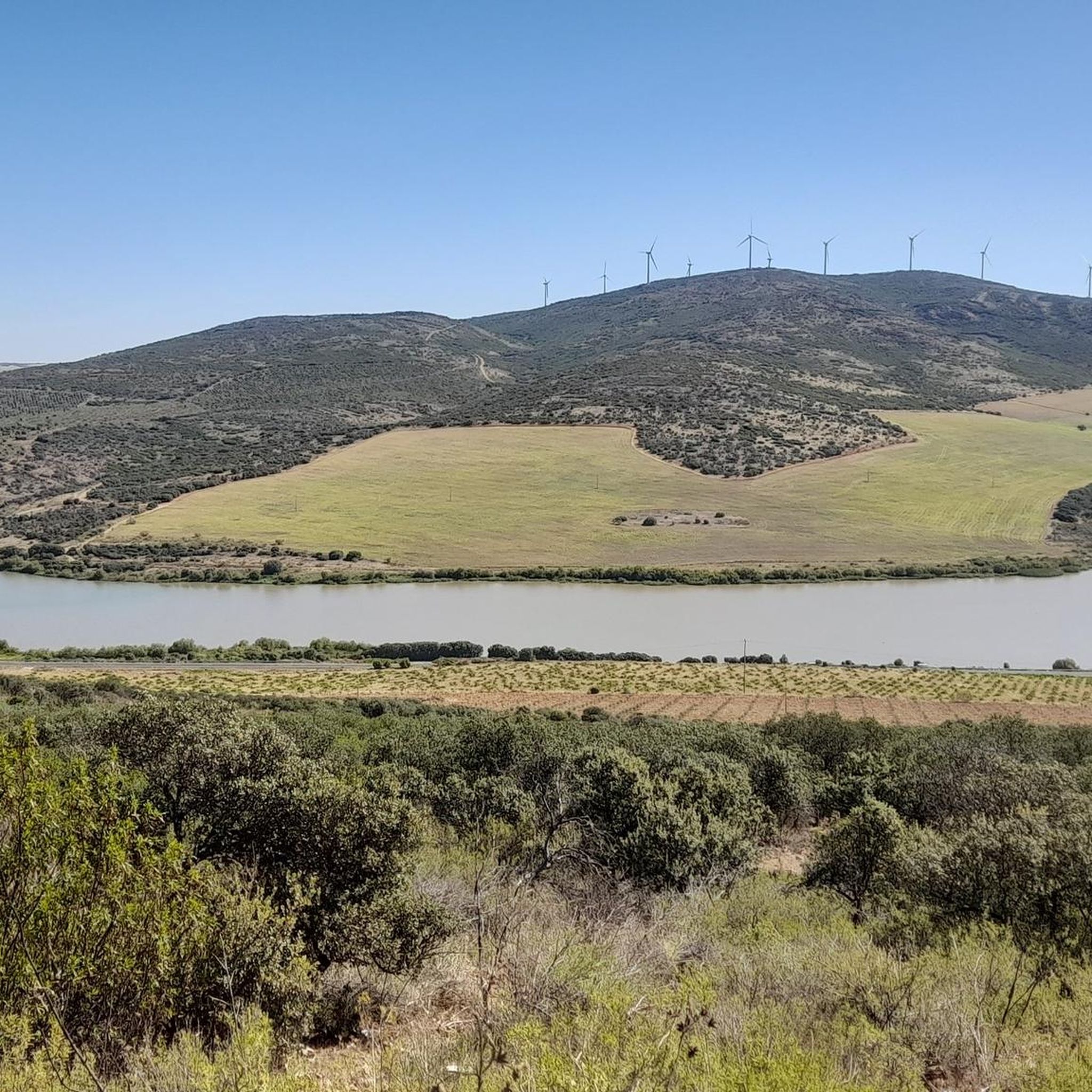
Mountain that is part of the Sierra del Cristo and that is located right next to the mountain that bears the same name of the Sierra. This, the Sierra Mojonera, a few meters lower than the neighboring peak.
2
0
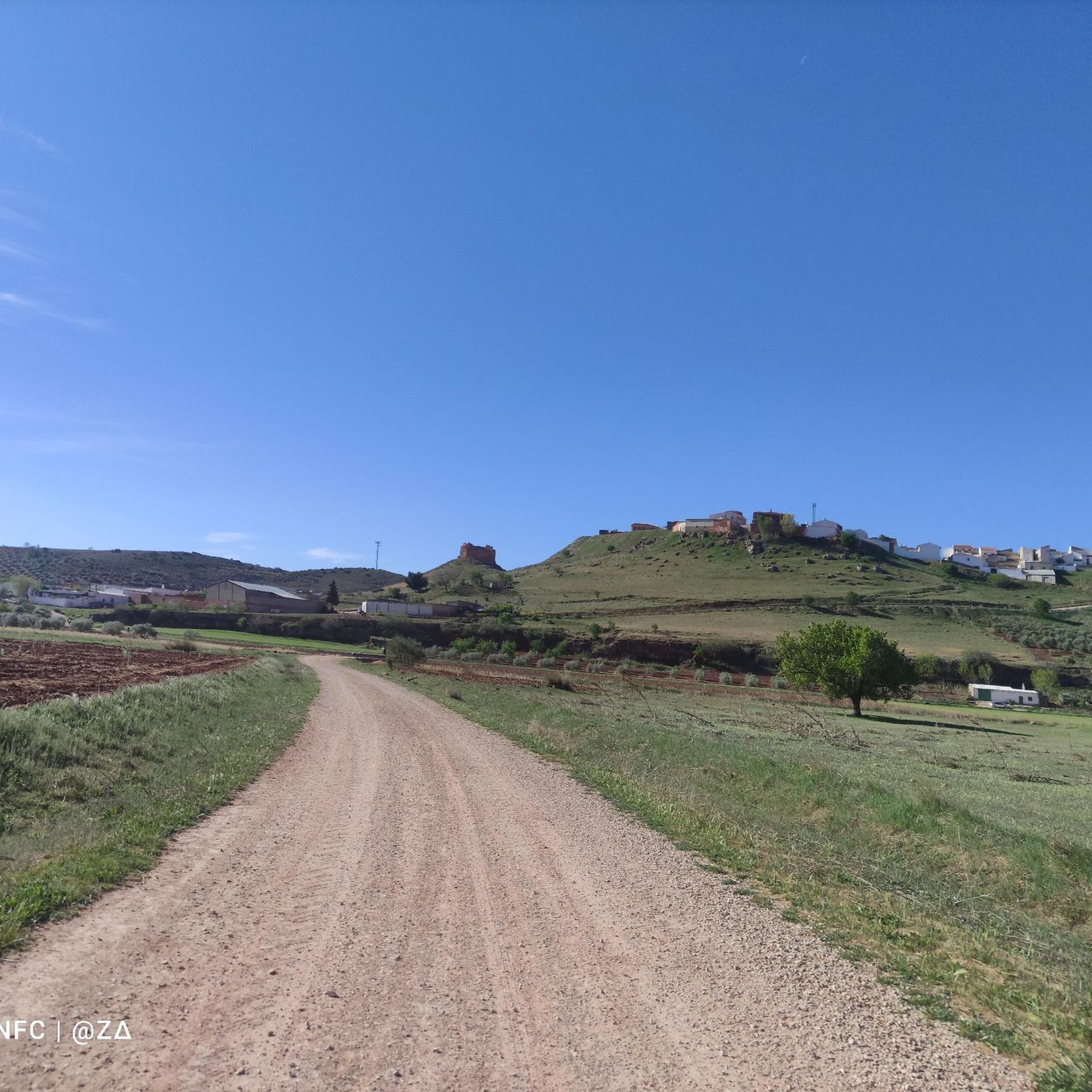
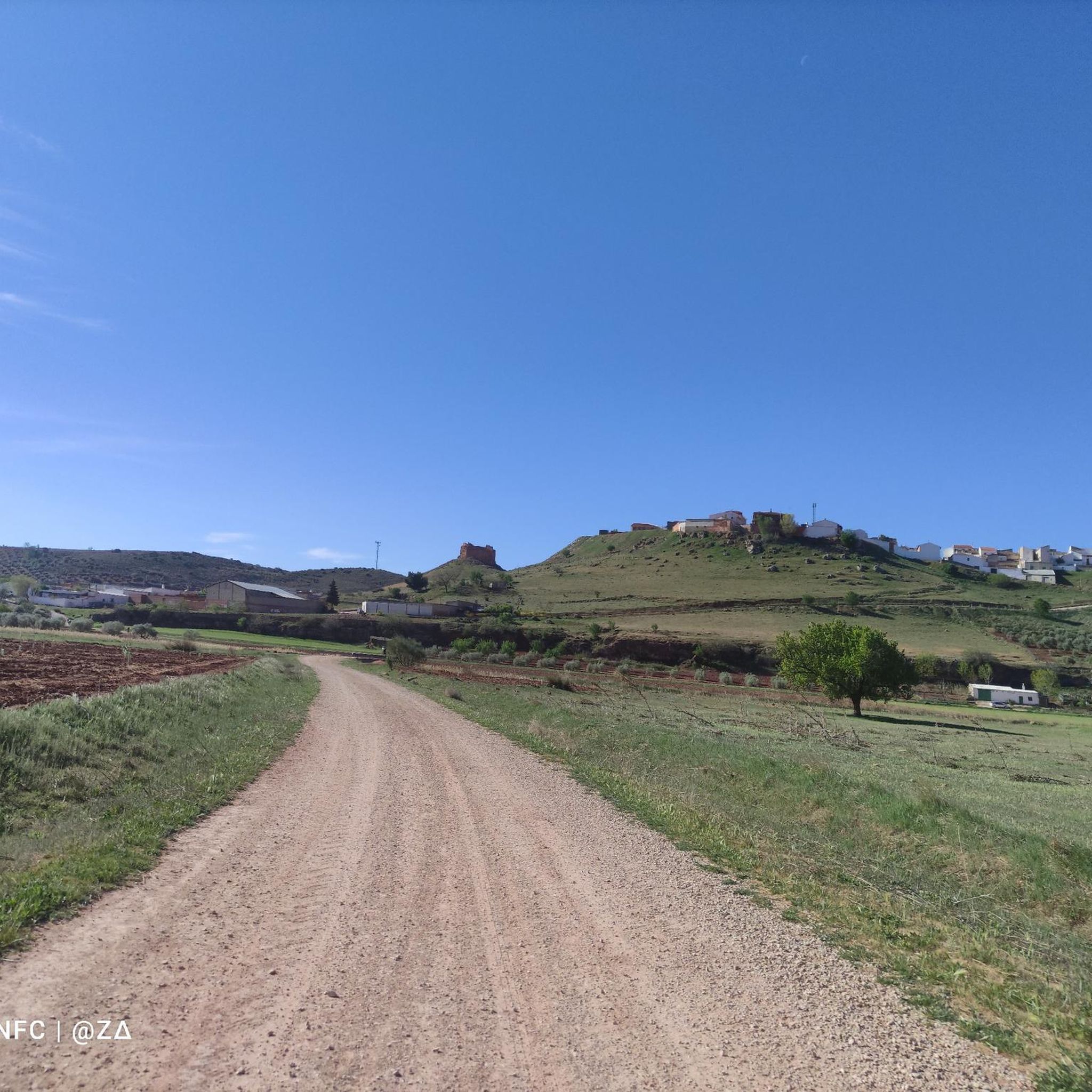
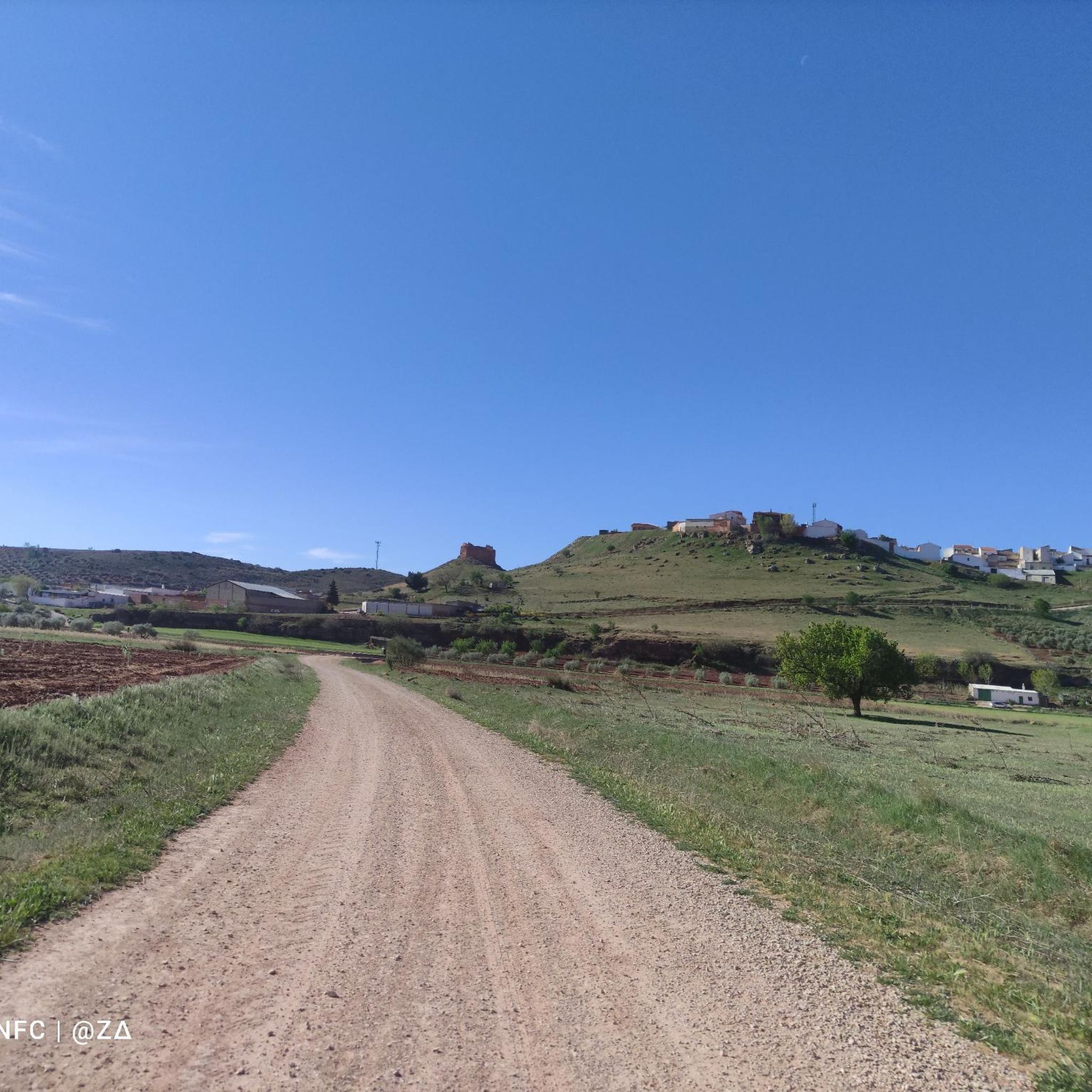
Views of San Caarlos del Valle from the Cerro del Medio.
11
0
La Solana has several churches that it is recommendable to visit. The first of them, in the same Plaza, is that of Santa Catalina, declared B.I.C and carried out by the teacher Aliseda. Construction began in 1420 and was finished in 1433; but its state of ruin at the end of the 15th century forced it to be rebuilt. This project ended in 1524. Of the whole complex, what stands out in the eyes of anyone is its impressive Tower, despite the fact that it has collapsed several times, it maintains its majesty and is famous throughout the province. Of the Trinitarios convent, on Calle del Convento, all that remains is the church of San Juan Bautista, in a Baroque style with classicist features. It was rebuilt in 1970 and preserves an elevated walkway that crosses Calle Arco del Convento. And to finish with the churches, visit the one in San Sebastián, a Historical-Artistic Monument since 1982. Its access through a small patio and the Mudejar roof of its only nave, inlaid with mother-of-pearl and polychrome, are unique. In its latest restoration, some frescoes have been found in which figures are barely distinguishable, but Gothic inscriptions.
6
0
The origins of the town of Membrilla can be traced back to an ancient Greek colony settled in this place known as Marmaria. Marmaria was already inhabited a long time before, all sources point to the mound that housed the Castillo del Tocón, today known as the Virgen del Espino Hermitage. Over time it would become known as Marmellaria, in the Middle Ages it would be Membriella, from where it would become La Membrilla.
5
0
The town of La Solana is located to the southeast of the province of iudad Real, in a flat area with gentle hills, except for the heights of the Sierra de Alhambra located to the south.
6
0
Frequently Asked Questions
How many running routes are available around La Solana?
There are over 25 running routes available around La Solana, offering a variety of distances and difficulty levels. The komoot community has explored these trails more than 200 times.
Are there running routes suitable for beginners in La Solana?
While most routes are classified as moderate, there are paths with relatively flat profiles that could be suitable for beginners. For example, the Membrilla loop from Membrilla is a moderate 14 km path that winds through the countryside with minimal elevation gain.
Can I find challenging running trails with significant elevation in the La Solana area?
Yes, for those seeking a challenge, the region offers difficult routes with significant elevation. The Path to Sierra del Cristo – Sierra de la Mojonera loop from San Carlos del Valle is a difficult 24.5 km trail featuring over 740 meters of elevation gain through mountainous terrain.
Are there circular running paths available in La Solana?
Many of the running routes in La Solana are circular, allowing you to start and end at the same point. Examples include the El Rezuelo Mill loop from Membrilla and the Plaza Mayor of La Solana loop from La Solana.
What kind of landscapes can I expect to see while jogging in La Solana?
Jogging in La Solana offers diverse landscapes, from rural lands and agricultural areas with vineyards and olive groves to the scenic La Solana Mountains. You might also encounter traditional stone chozos and views of the Plains of La Mancha.
Are there any historical or natural landmarks to discover along the running routes?
Yes, several routes pass by interesting landmarks. You can explore architectural heritage on paths like the Plaza Mayor of La Solana loop, which takes you near the Plaza Mayor of La Solana and Church of Santa Catalina. Other routes might lead you past the ancient Roman Villarta Bridge or the Navajo Bronze Age Prehistoric Archaeological Site.
What is the best time of year to go running in La Solana?
La Solana's climate, typical of La Mancha, suggests spring and autumn are ideal for running, offering milder temperatures. Summer can be very hot, while winter might bring cooler conditions, though trails generally remain accessible.
Are there options for parking or public transport access to the trailheads?
Many routes, particularly those starting from towns like La Solana or Membrilla, offer convenient access to parking. For example, the Plaza Mayor of La Solana loop starts directly from the town center, making it easily accessible.
What do other runners say about the trails in La Solana?
The running routes in La Solana are highly rated by the komoot community, with an average score of 3.5 stars. Runners often praise the varied terrain and the opportunity to explore the natural and agricultural landscapes of the region.
Are there any running routes that pass by cafes or places to rest?
Routes that start or pass through towns like La Solana or Membrilla, such as the Plaza Mayor of La Solana loop, will offer opportunities to find cafes or places to rest within the town centers.
Are dogs allowed on the running trails around La Solana?
Generally, many outdoor trails in rural Spanish areas are dog-friendly, especially if dogs are kept on a leash. However, it's always recommended to check specific regulations for natural parks or protected areas if your route approaches them.
Are there any family-friendly jogging routes in La Solana?
For families, easier and shorter routes are available. The 'Iglesias de La Solana' circular route, though not listed in the top routes, is an easy 4.17 km hike with minimal elevation, focusing on the town's architectural heritage, which could be suitable for a family jog.
What are some of the longer running routes available in the region?
For longer runs, the Path to Sierra del Cristo – Sierra de la Mojonera loop from San Carlos del Valle is a substantial 24.5 km trail. Another option is the Castillo de Manzanares – Castillo de Pilas Bonas loop from Membrilla, which covers 15.5 km.
Most popular attractions around La Solana

Get inspired with the komoot mobile app


Explore more
Browse the best Running Trails & Routes in other regions.
