Attractions and Places To See around Castañeda - Top 20
Best attractions and places to see around Castañeda, located in Cantabria, Spain, offer a blend of historical landmarks and natural features. The area is known for its connection to the Camino de Santiago del Norte, featuring significant pilgrim monuments. Visitors can explore historical structures and enjoy panoramic views from mountain summits. Castañeda provides a diverse landscape for outdoor activities and cultural exploration.
Best attractions and places to see around Castañeda
- The most popular attractions is Reyerma Steam Locomotive, a…
Last updated: August 30, 2026
Statue of Francis of Assisi
Highlight • Monument
Translated by Google •
Tip by

Reyerma Steam Locomotive
Highlight • Monument
Translated by Google •
Tip by
Sign up now to discover places like this
Get recommendations on the best single tracks, peaks, & plenty of other exciting outdoor places.
Sign up for free
Pilgrim Monument
Highlight • Monument
Translated by Google •
Tip by
Churrón de Borleña Waterfall
Highlight • Waterfall
Translated by Google •
Tip by

Peñas Blancas Summit
Highlight • Summit
Translated by Google •
Tip by

Sign up for free to discover even more attractions around Castañeda.
Sign up for free
Already have an account?
Start today with a free account
Your next adventure awaits.
Login or Signup

Tips from the Community

Very beautiful and easily accessible, it is worth visiting even in summer.
0
0

This simple but atmospheric statue of Francis of Assisi stands along the Camino del Norte in Viveda. In 1214, St Francis of Assisi slept in Viveda on his pilgrimage to Santiago de Compostela.
2
0
The skyline is certainly impressive. And I love the reproduction of the Pico LLen tower.
1
0

The monument is the work of the sculptor Mercedes Rodríguez Elvira from Torrelave and is modeled in bronze. His weight is 500 kilos and he is 2.50 meters tall. It represents a young San Francisco pilgrim in a place where legend and historical chronicles place him on his way to Santiago.
2
0
A high-rise stone structure symbolizing an imaginary church halfway between the Romanesque and Gothic styles. Under the representation of a portico in which different trades in the area are represented, there is an altar. There is also a sculpture of a pilgrim that symbolizes the search for truth and four reliefs that represent Santiago, Santo Toribio, San Pedro and Jesus. It is designed by José Antonio Barquín Ruiz in 1958 as a tribute to the pilgrims on the Camino de Santiago del Norte.
3
0
German-made locomotive that entered service in 1913 to transport iron ores and limestone from the Camargo mines to its factory. It is located on the greenway, near the train station, converted into an exhibition hall and tourist information office.
1
0
The old Santander-Ontaneda railway had an important stop in Puente Viesgo. Once its route disappeared, it was recovered as a place for walks and a bike path. From the spa, a straight path begins that takes you first to the old train station, a curious railway construction that can only be seen from the outside, and you arrive at the place where the "La Reyerta" locomotive recalls past times. Built in Munich in 1912, its machinery has been taken care of and restored, now on one side of the old track that it used. You can go up and feel like a driver or take pictures.
1
0

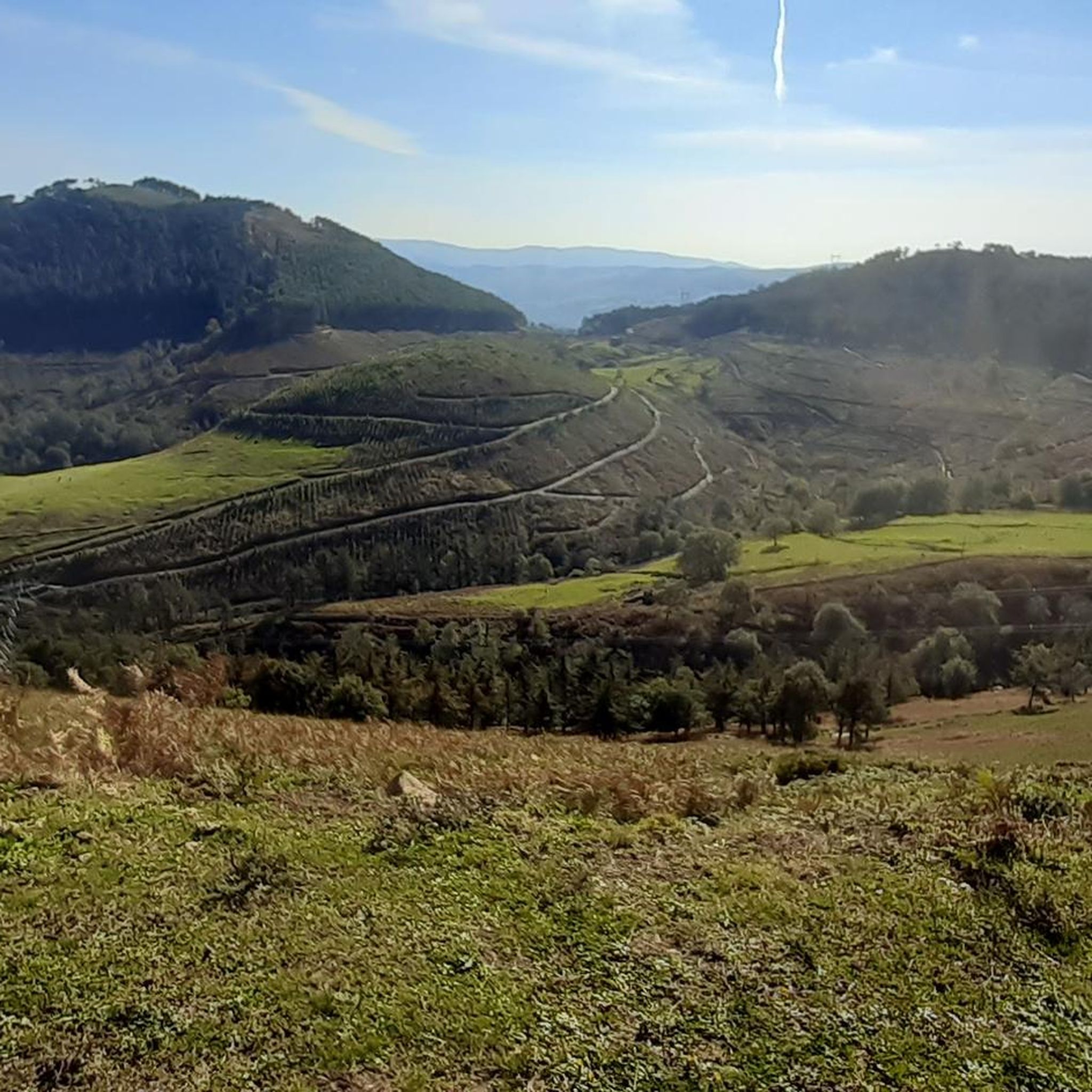
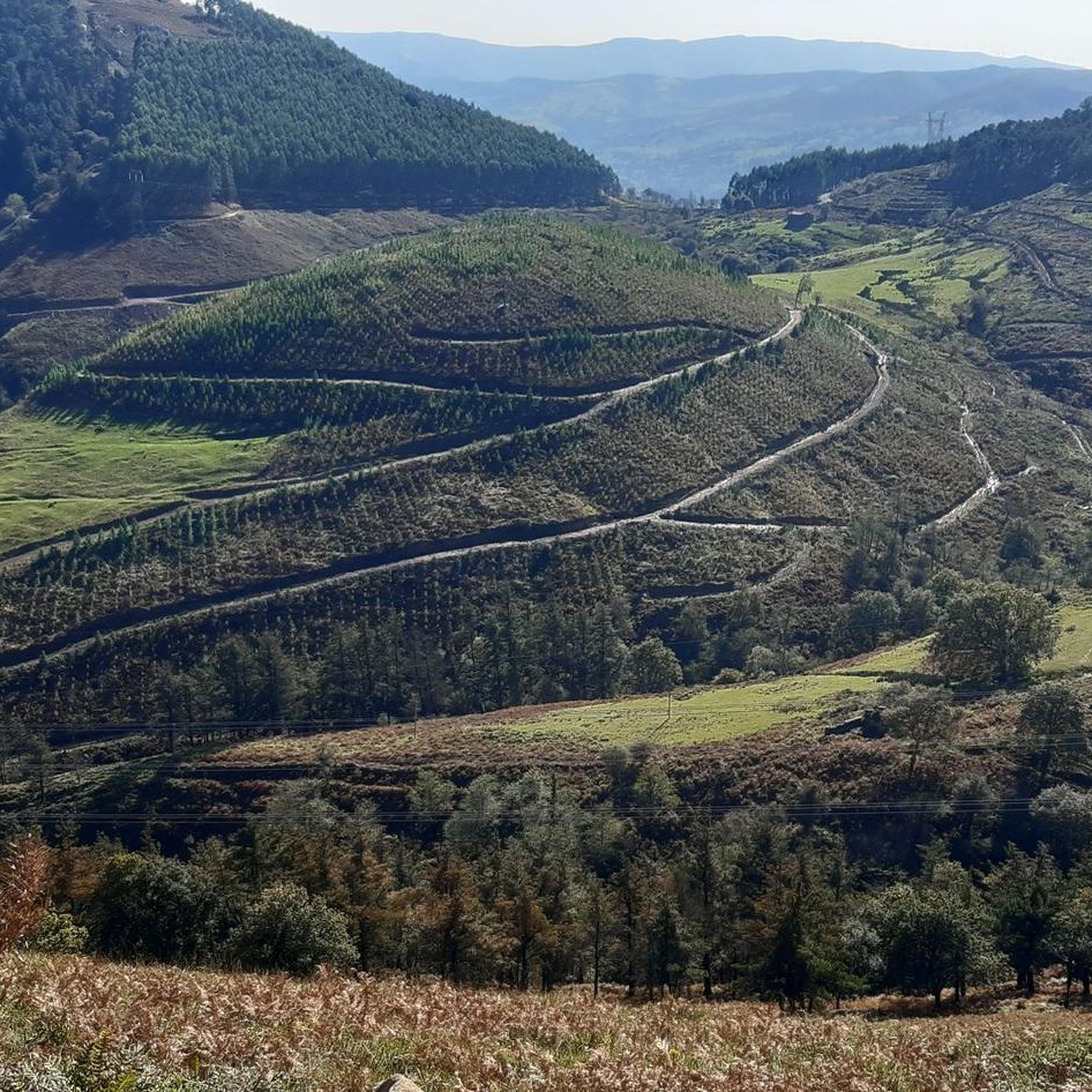
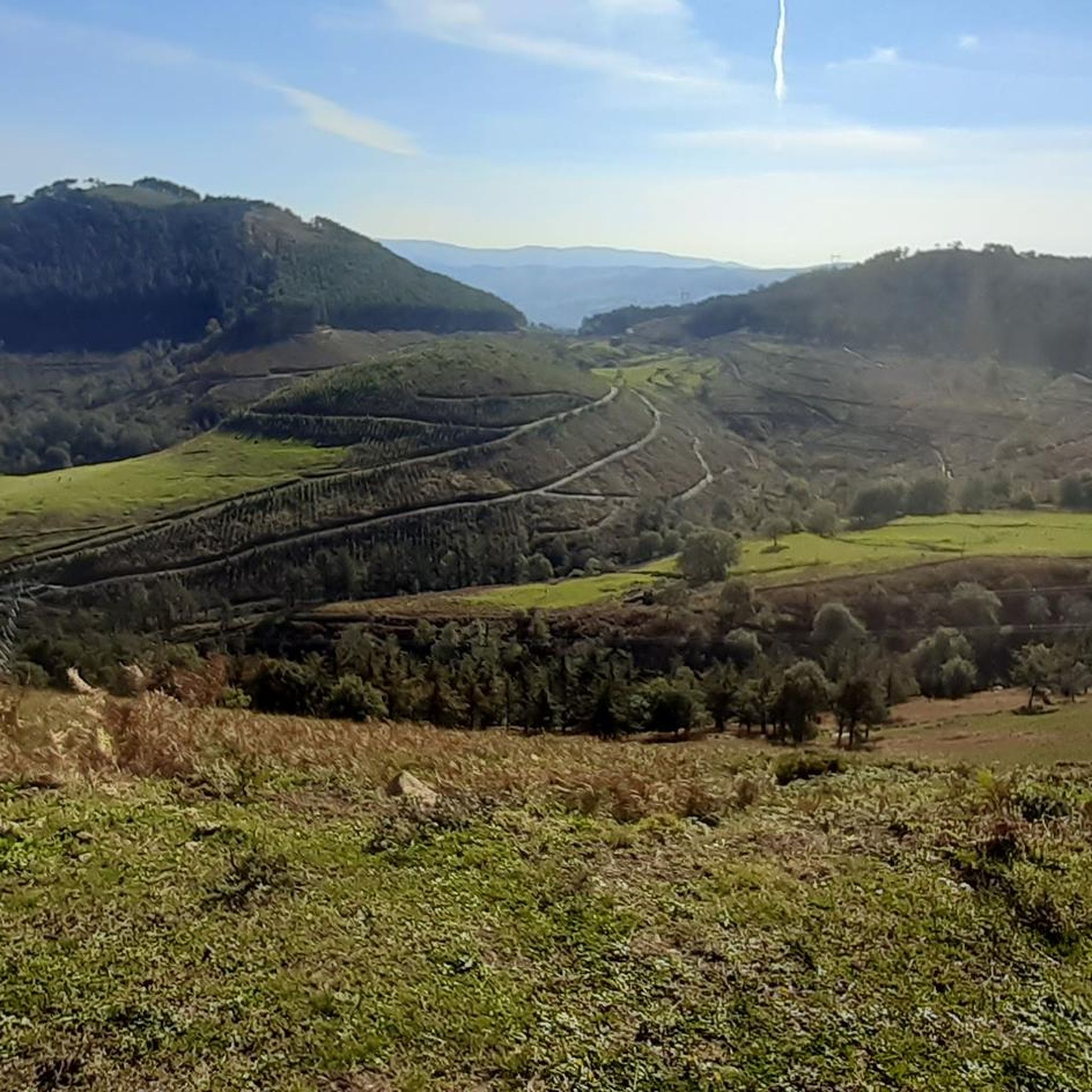
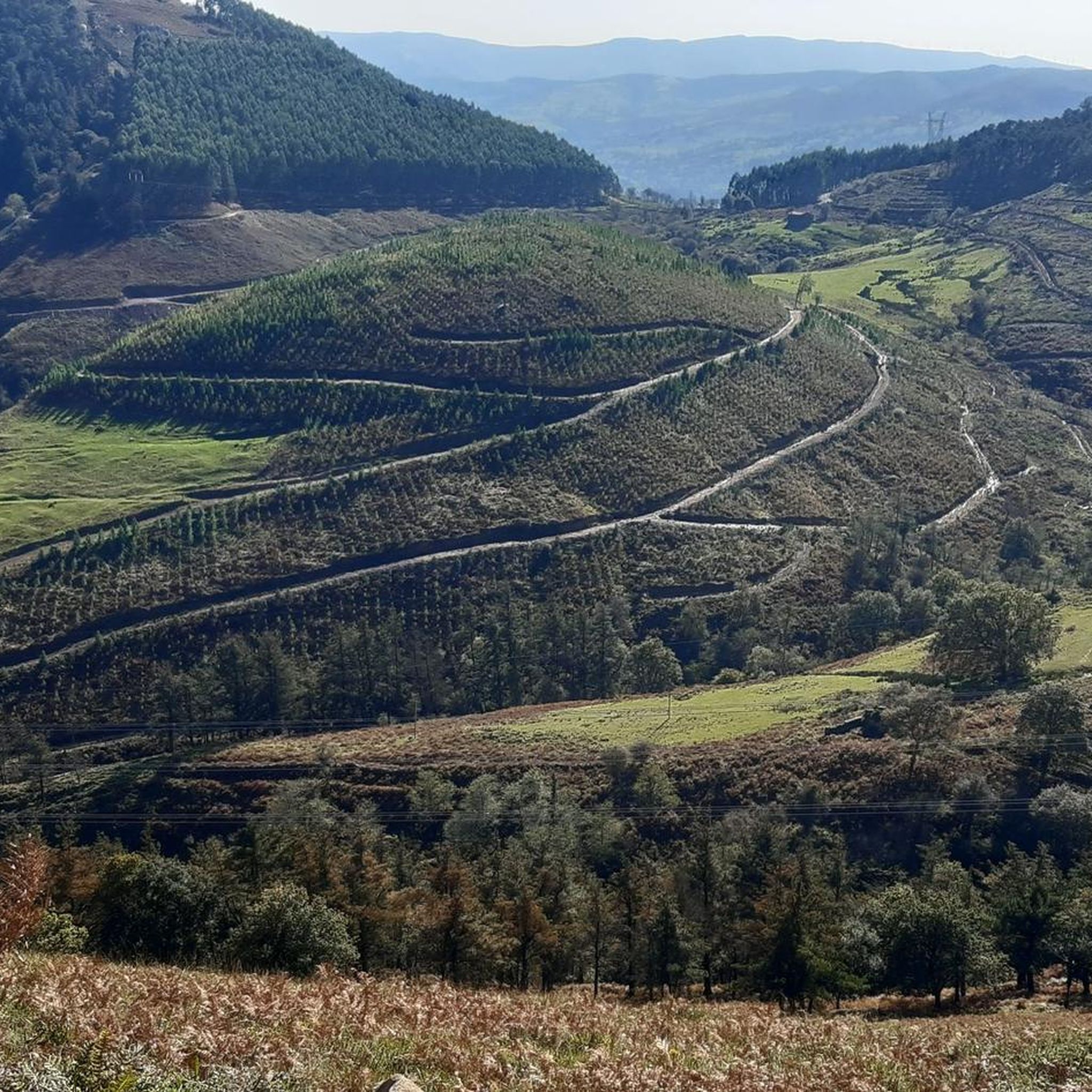
In the middle of the Peña Cabarga massif is perhaps the most popular peak in the park, Peñas Blancas offers amazing views in all directions. From its 455 masl you have no obstacles ahead, wherever you look.
1
0
Frequently Asked Questions
What historical landmarks can I explore in Castañeda?
Castañeda is rich in history, particularly with its connection to the Camino de Santiago del Norte. You can visit the Statue of Francis of Assisi, a bronze monument marking a spot where Saint Francis is believed to have rested. Another significant site is the Pilgrim Monument, a high-rise stone structure designed as a tribute to pilgrims. The Romanesque Collegiate of Santa Cruz de Castañeda, dating back to the 12th century, is also a notable historical structure in the area.
Are there any significant natural viewpoints around Castañeda?
Yes, for breathtaking views, head to Peñas Blancas Summit. From its 455 meters above sea level, you can enjoy extensive panoramas of the Bay of Santander, the city of Santander, the Atlantic Ocean, and the Cordillera Cantábrica, with the Picos de Europa visible on the western horizon. The nearby Cabarceno Nature Park also offers natural beauty.
What kind of outdoor activities can I do near Castañeda?
The region around Castañeda offers a variety of outdoor activities. You can explore numerous hiking trails, including routes like the Reyerma Steam Locomotive – Footbridge Over the Río Pas loop. For cyclists, there are road cycling routes such as the El Escudo Pass Loop or the Pas and Besaya Greenways Loop. Runners can enjoy trails like the Vía Verde del Pas loop. For more details on routes, check out the guides for Hiking around Castañeda, Road Cycling Routes around Castañeda, and Running Trails around Castañeda.
Are there family-friendly attractions in Castañeda?
Many attractions in Castañeda are suitable for families. The Statue of Francis of Assisi and the Pilgrim Monument are accessible historical sites. The Reyerma Steam Locomotive, located on a greenway, is also a popular spot for families, where children can even pretend to be a train driver. Additionally, the Las Caldas de Besaya Spa is considered family-friendly, offering a place to relax.
Where can I find unique man-made monuments in the area?
Beyond historical sites, Castañeda features unique man-made monuments. The Reyerma Steam Locomotive is a German-made locomotive from 1913, restored and displayed on a greenway near a former train station, offering a glimpse into the region's industrial past. Its machinery has been carefully preserved.
Can I find hiking trails suitable for different skill levels?
Yes, Castañeda offers hiking trails for various abilities. For an easier walk, consider the Footbridge Over the Río Pas – Puente Viesgo loop. Moderate options include the Reyerma Steam Locomotive – Footbridge Over the Río Pas loop or the Pas Greenway – Puente Viesgo loop. While some paths to Peñas Blancas Summit can be a bit difficult in the final meters, the main trails are generally accessible. You can find more options in the Hiking around Castañeda guide.
What is the significance of the Camino de Santiago del Norte in Castañeda?
The Camino de Santiago del Norte, or Northern Way, holds significant cultural and historical importance in Castañeda. The region is home to the Statue of Francis of Assisi, located in a place where Saint Francis of Assisi is believed to have rested during his pilgrimage in 1214. The Pilgrim Monument also stands as a tribute to those undertaking this historic journey, symbolizing the search for truth.
Are there any places to relax and unwind in Castañeda?
Yes, for relaxation, consider visiting the Las Caldas de Besaya Spa. Located in Los Corrales de Buelna, this spa is known for its mineral-medicinal hot springs, which have been utilized since Roman times. It's considered the oldest spa in the region and offers a tranquil setting to unwind.
What are some lesser-known natural spots to visit?
While not directly in Castañeda, the nearby Villapresente's Labyrinth offers a unique natural experience. For those interested in geology and ancient history, the Cave of El Castillo and the famous Cave of Altamira are also within reach, showcasing prehistoric art and natural formations.
What are the options for cycling around Castañeda?
Castañeda is well-suited for cycling, particularly road cycling. You can explore routes like the challenging El Escudo Pass Loop or the El Caracol and La Estranguada Climbs Loop. For a more moderate ride, the Pas Greenway – Santiurde de Toranzo Aqueduct loop offers scenic paths. These routes often follow former railway lines, now converted into greenways. Find more details in the Road Cycling Routes around Castañeda guide.
Are there any running routes available near Castañeda's attractions?
Yes, there are several running trails in the vicinity of Castañeda. Popular options include the Vía Verde del Pas loop from Santa María de Cayón, which covers about 14.9 km, and the Río Pisueña loop from La Penilla, a shorter 5.7 km route. These trails offer moderate difficulty and are great for enjoying the local scenery while running. More options can be found in the Running Trails around Castañeda guide.
What is the best time of year to visit Castañeda for outdoor activities?
The best time to visit Castañeda for outdoor activities generally depends on your preference. Spring and autumn offer pleasant temperatures for hiking and cycling, with lush landscapes. Summer is also popular, especially for enjoying the views from Peñas Blancas Summit, though it can be warmer. Winter might offer different scenery, but some higher elevation trails could be more challenging.
Most popular routes around Castañeda
Most popular attractions around Castañeda

Get inspired with the komoot mobile app


Explore more
Still not found the Highlight you’re looking for? See guides of the top attractions in other regions:
