Attractions and Places To See around St. Ive - Top 20
Best attractions and places to see around St. Ive include a variety of natural attractions and historical sites. This region, situated in Cornwall, is characterized by its moorland landscapes, ancient geological formations, and remnants of its mining heritage. Visitors can explore prominent landmarks near St. Ive Cornwall that offer insights into both natural history and human activity. The area provides opportunities to discover unique rock formations, historical monuments, and scenic viewpoints.
Best attractions and places to see around St. Ive
…Last updated: July 6, 2026
Kit Hill Trig Point
Highlight • Historical Site
The hill boasts a wide array of history, including 18 burial mounds, neolithic and …
Tip by

The Cheesewring
Highlight • Natural
Translated by Google •
Tip by

Sign up now to discover places like this
Get recommendations on the best single tracks, peaks, & plenty of other exciting outdoor places.
Sign up for free
The Hurlers Stone Circles
Highlight • Natural Monument
Tip by

Golitha Falls
Highlight • River
Tip by

Wheal Anna Maria Calciner Complex
Highlight • Structure
It was named after the Duchess of Bedford! …
Tip by

Sign up for free to discover even more attractions around St. Ive.
Sign up for free
Already have an account?
Start today with a free account
Your next adventure awaits.
Login or Signup
Tips from the Community

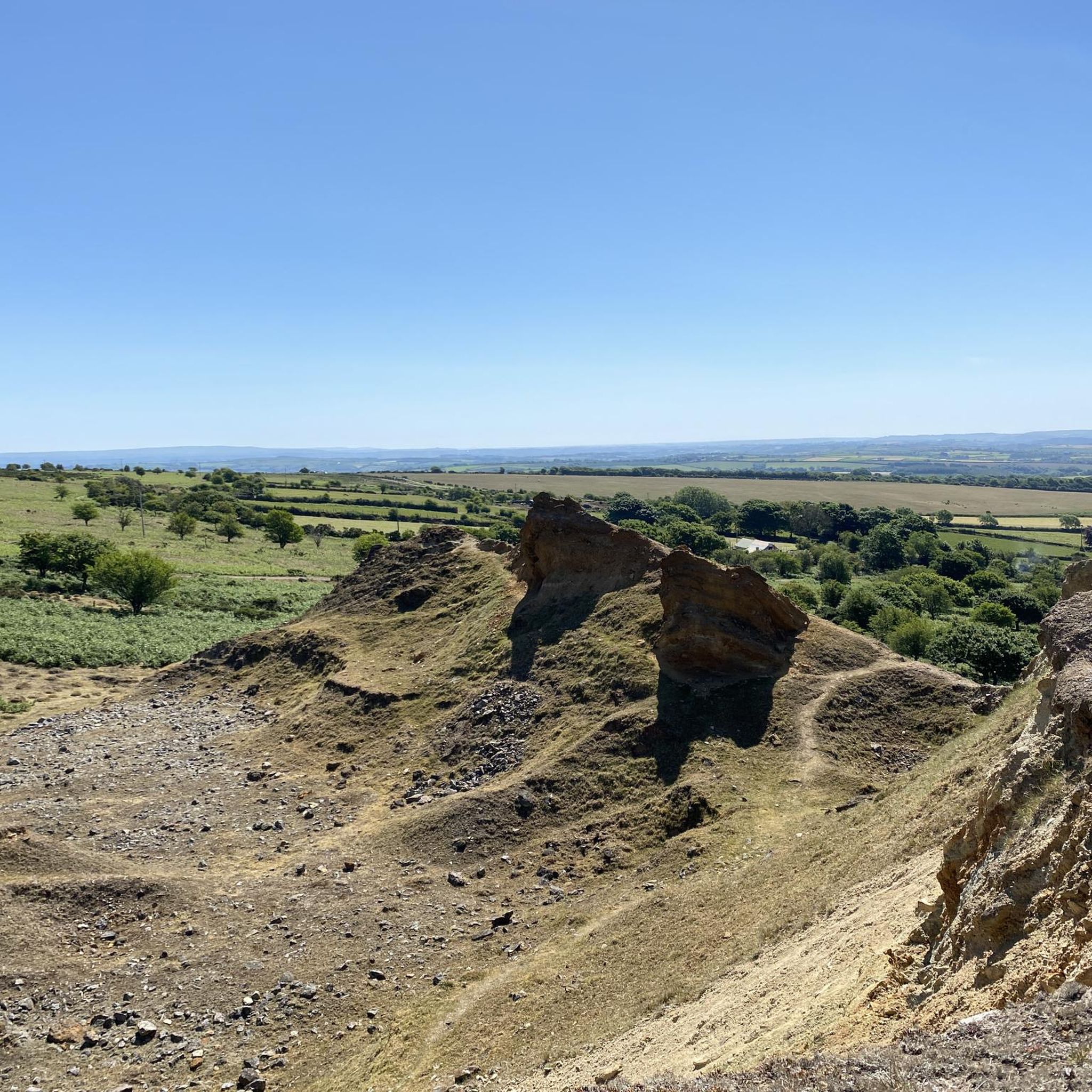
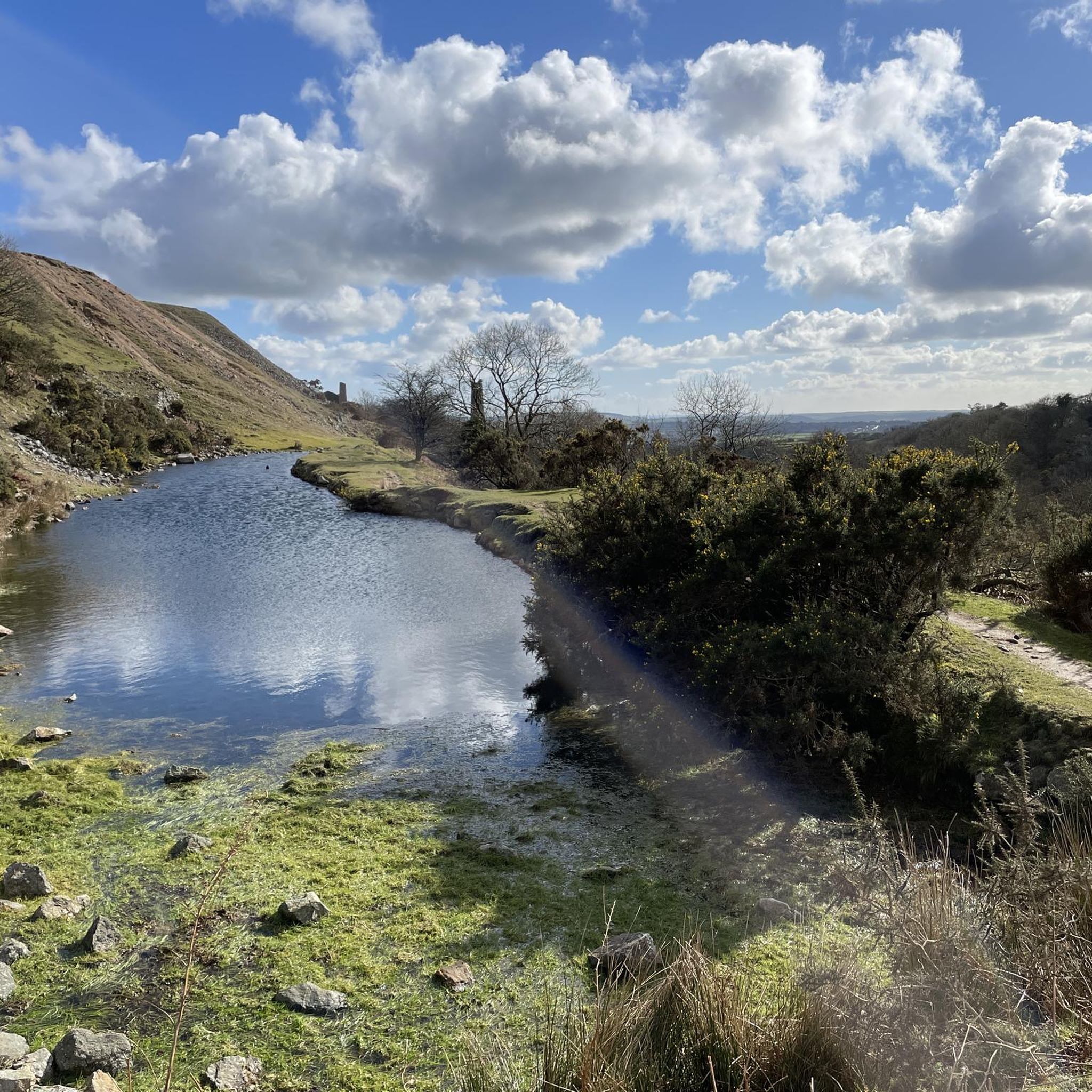
Wheal Anna Maria – a copper and arsenic mine – covered 3.2 hectares and had over 6,850 cubic metres of arsenic flues! It was named after the Duchess of Bedford! Her main workings were on the ‘Main Lode‘ (the largest sulphide deposit in southwest England). When its rich copper waned, Devon Great Consols became the largest arsenic mine in the world because the margins of the copper-rich lode were dominated by arsenopyrite. In 1860 the copper lode at Anna Maria was up to 45 feet wide and yielding up to 80 tons per fathom, but by around 1880 the copper boom was over. Thankfully, arsenic production sustained the mine into the 1900s, until the company folded. Arsenic ore, unlike copper ore, was refined on site using the ‘calcination’ process – and at Wheal Anna Maria they yielded over 72,000 tons of refined arsenic! – Whoop!
0
0

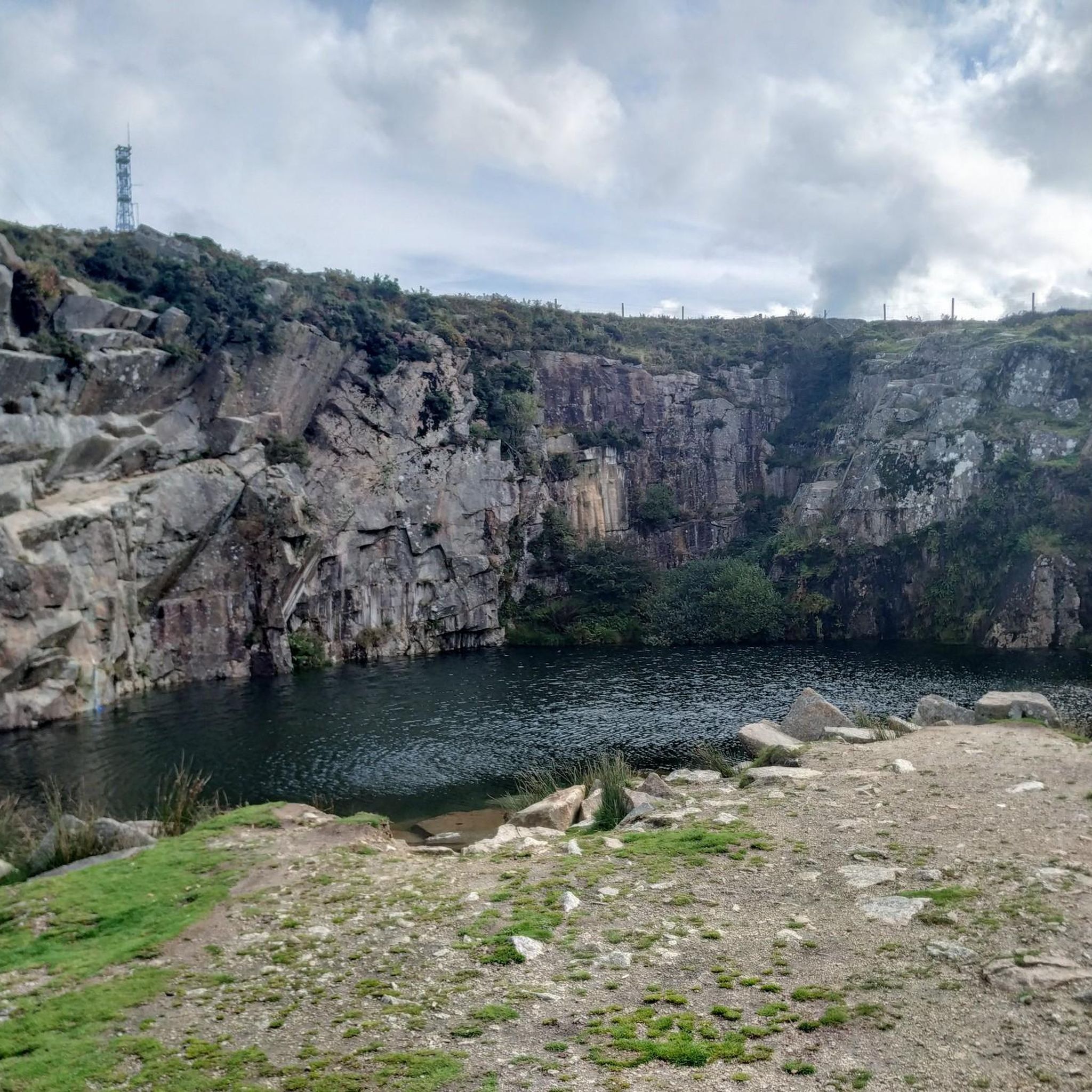
This landmark is located next to the Cheesewring Quarry (which provided the granite cladding for the structure of Tower Bridge in London) and is surrounded by other granite formations. In the late 19th century, this landmark was threatened with destruction due to its proximity to blasting operations, but was saved through local activism.
8
0
Three beautiful Neolithic or Early Bronze Age stone circles arranged in a line, a unique grouping in England. The Hurlers Stone Circles are probably the best examples of ceremonial circles in the South West. https://www.english-heritage.org.uk/visit/places/hurlers-stone-circles/
7
0

The River Fowey tumbles its way down the Golitha Falls, a collection of waterfalls in Draynes Wood. It is also a haven for wildlife with salmon, sea trout, otters and bats all present. No trip to Bodmin Moor would be complete without a visit here. It is especially spectacular after heavy rain.
0
0

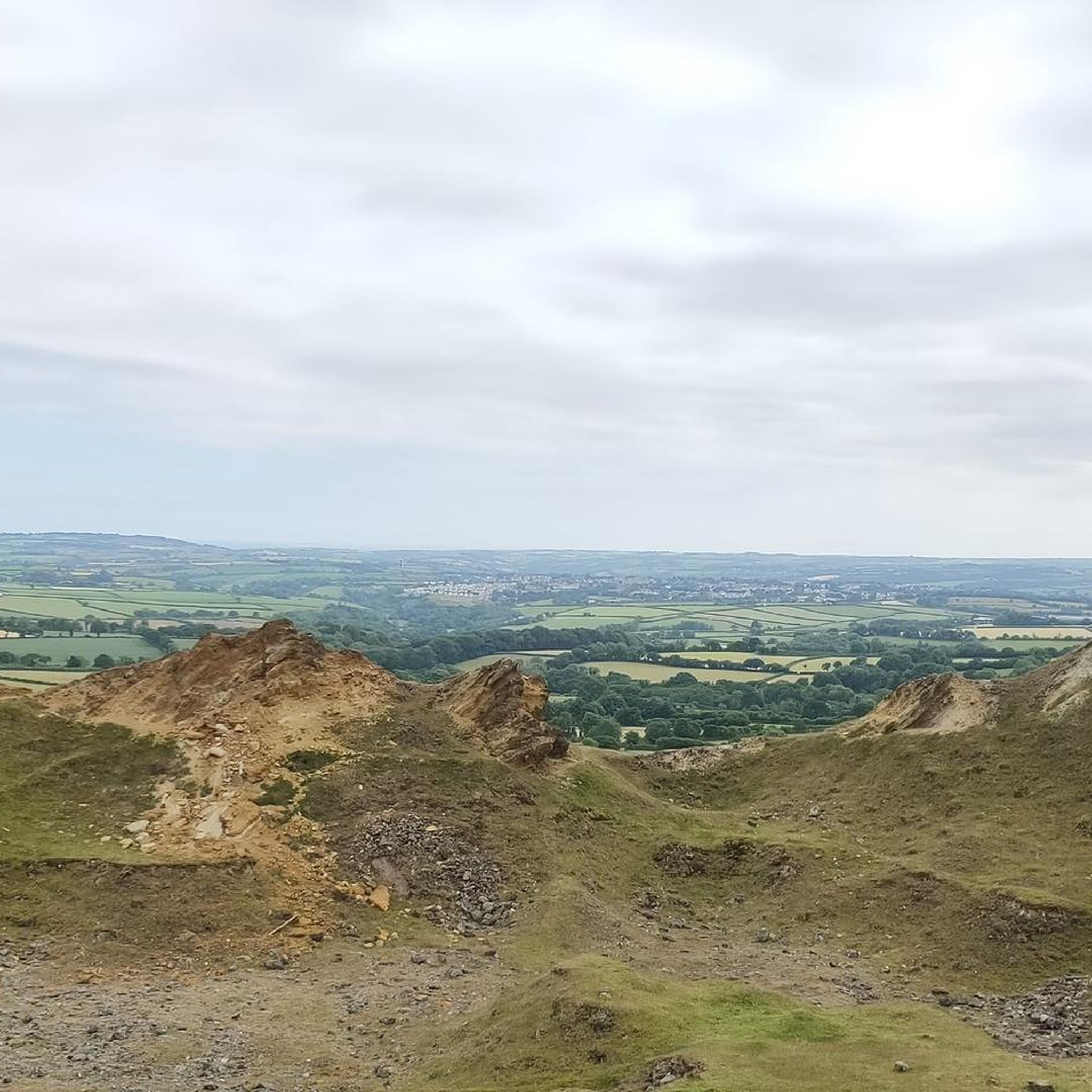
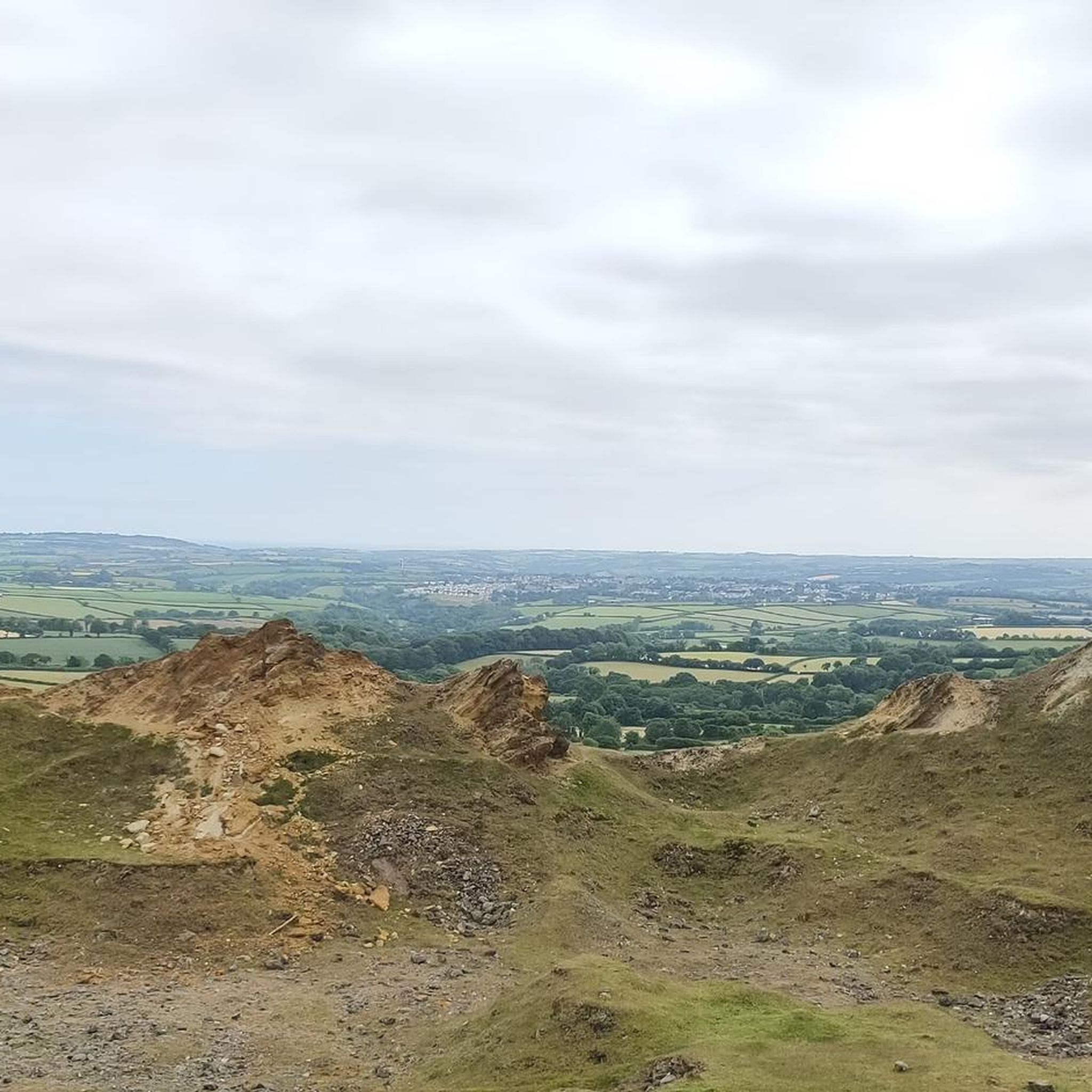
Kit Hill sits high above the Tamar Valley, overlooking the river and the valley it formed. The hill boasts a wide array of history, including 18 burial mounds, neolithic and bronze-age barrows, as well as pointers towards Cornwall's more contemporary mining history.
1
0

The Hurlers are three stone circles on the edge of Bodmin Moor. Legend has it that these were Cornish Hurler players, caught out on a Sunday and punished. They are thought to date to between 2,100 & 1,500 BCE.
0
0
The Cheeswring is a granite tor on the south-east edge of Bodmin Moor. It's a naturally formed structure, although the local legends say it was formed in a contest between giants and saints. Granite from the quarry below was used to clad Tower Bridge.
0
0
Wheal Anna Maria was originally a copper and later an arsenic mine. The biggest arsenic mine in the world. The ruins you can see are from the arsenic calcining complex where the arsenic-ore was crushed then roasted (calcinated). The white powder of arsenic would coat the walls of the flues and be scraped off by men and children. They were protected from the extremely toxic poison only by cotton wool in their ears and noses and rags covering their mouths! They even had to scrape the white powder off their boots before going home.
0
1
Frequently Asked Questions
What unique natural formations can I explore around St. Ive?
The area around St. Ive is rich in natural geological formations. A must-see is The Cheesewring, a natural monument formed by millennia of erosion, located next to the historic Cheesewring Quarry. You can also visit The Hurlers Stone Circles, three Neolithic or Early Bronze Age stone circles arranged in a unique line on Bodmin Moor.
Are there any significant historical or ancient sites to visit near St. Ive?
Yes, St. Ive is surrounded by sites reflecting its rich history. Beyond the ancient The Hurlers Stone Circles, you can explore Kit Hill Trig Point, which features burial mounds and insights into Cornwall's mining past. Another significant historical site is the Wheal Anna Maria Calciner Complex, a remnant of a former copper and arsenic mine, showcasing the region's industrial heritage.
Where can I find the best panoramic views around St. Ive?
For breathtaking panoramic views, head to Kit Hill Trig Point. It sits high above the Tamar Valley, offering expansive vistas of the river and the surrounding landscape. The Cheesewring also provides great views over Bodmin Moor to the coast.
What family-friendly attractions are available near St. Ive?
Families can enjoy several attractions. The Hurlers Stone Circles are considered family-friendly, offering an engaging historical experience. Additionally, Siblyback Dam, a man-made lake, is a great spot for outdoor activities and is generally family-friendly.
Are there opportunities for outdoor activities like running or cycling near St. Ive's attractions?
Absolutely. The area around St. Ive offers numerous routes for outdoor enthusiasts. For running, you can find moderate trails like the 'South Caradon Mine Ruins – Minions Village loop' or 'The Cheesewring – Cheesewring rock formation loop'. Cyclists have options ranging from difficult routes like 'Colliford Lake – Golitha Falls loop' to easier road cycling routes such as 'Descent from Kit Hill loop'. You can explore more options on the Running Trails around St. Ive, Cycling around St. Ive, and Road Cycling Routes around St. Ive guide pages.
What is the significance of the mining heritage around St. Ive?
The mining heritage is a defining characteristic of the region. Sites like the Wheal Anna Maria Calciner Complex highlight this past. Wheal Anna Maria was once a significant copper and later arsenic mine, even becoming the largest arsenic mine in the world. The ruins of its calcining complex offer a glimpse into the challenging conditions and processes of this industry, which shaped Cornwall's landscape and economy.
Can I visit a lake or reservoir near St. Ive?
Yes, Siblyback Dam is a notable lake and reservoir near St. Ive. Built in 1968, it provides drinking water and helps regulate the River Fowey's levels. It's a popular spot for various watersports and offers scenic walks around its perimeter.
What do visitors enjoy most about the attractions around St. Ive?
Visitors frequently praise the unique natural beauty and historical depth of the area. The dramatic rock formations of The Cheesewring and the ancient mystery of The Hurlers Stone Circles are particularly popular. Many also appreciate the stunning panoramic views from Kit Hill Trig Point and the insights into Cornwall's industrial past offered by sites like the Wheal Anna Maria Calciner Complex.
Are there any easy walks or trails suitable for all abilities near St. Ive?
While many trails in the Bodmin Moor area can be moderate, some sections around attractions like The Hurlers Stone Circles are relatively flat and accessible, making them suitable for easier strolls. The paths around Siblyback Dam also offer pleasant, less strenuous walking opportunities.
What is the best time of year to visit St. Ive for outdoor activities?
The spring and summer months (April to September) generally offer the most favorable weather for exploring the outdoor attractions and trails around St. Ive. During these periods, you can expect milder temperatures and longer daylight hours, ideal for hiking, cycling, and enjoying the natural landscapes of Bodmin Moor. However, the moorland can be exposed, so always be prepared for changeable weather conditions.
Can I find dog-friendly places among the attractions near St. Ive?
Many of the natural and historical sites on Bodmin Moor, such as The Cheesewring and The Hurlers Stone Circles, are generally dog-friendly, provided dogs are kept under control, especially around livestock. The trails around Siblyback Dam are also popular with dog walkers. Always check local signage for specific restrictions.
Are there any hidden gems or less-known spots to discover around St. Ive?
While the main attractions are well-known, the broader Bodmin Moor area, where St. Ive is located, is full of less-trodden paths and intriguing spots. Exploring the various granite formations surrounding The Cheesewring or seeking out the numerous ancient burial mounds on Kit Hill can feel like discovering hidden gems. The remote nature of the moor itself offers a sense of wild discovery.
Most popular attractions around St. Ive

Get inspired with the komoot mobile app


Explore more
Still not found the Highlight you’re looking for? See guides of the top attractions in other regions:
