Attractions and Places To See around St. Dominick - Top 20
Best attractions and places to see around St. Dominick, a village in east Cornwall, England, offer a blend of historical sites and natural beauty. The area is characterized by its picturesque countryside, shaped by the River Tiddy and the River Tamar, which form its borders. Visitors can explore historic buildings, significant landmarks, and natural features within the village and its surrounding region. The landscape provides opportunities for outdoor activities such as walking and cycling.
Best attractions and places to see…
Last updated: July 2, 2026
Kit Hill Trig Point
Highlight • Historical Site
The hill boasts a wide array of history, including 18 burial mounds, neolithic and …
Tip by

Grenofen Tunnel
Highlight • Structure
Tip by

Sign up now to discover places like this
Get recommendations on the best single tracks, peaks, & plenty of other exciting outdoor places.
Sign up for free
Gem Bridge
Highlight • Bridge
Tip by

Wheal Anna Maria Calciner Complex
Highlight • Structure
It was named after the Duchess of Bedford! …
Tip by

Cotehele Quay
Highlight • River
It is now a Discovery Centre but was once a bustling quay transporting goods to …
Tip by

Sign up for free to discover even more attractions around St. Dominick.
Sign up for free
Already have an account?
Start today with a free account
Your next adventure awaits.
Login or Signup

Tips from the Community

Wheal Anna Maria – a copper and arsenic mine – covered 3.2 hectares and had over 6,850 cubic metres of arsenic flues! It was named after the Duchess of Bedford! Her main workings were on the ‘Main Lode‘ (the largest sulphide deposit in southwest England). When its rich copper waned, Devon Great Consols became the largest arsenic mine in the world because the margins of the copper-rich lode were dominated by arsenopyrite. In 1860 the copper lode at Anna Maria was up to 45 feet wide and yielding up to 80 tons per fathom, but by around 1880 the copper boom was over. Thankfully, arsenic production sustained the mine into the 1900s, until the company folded. Arsenic ore, unlike copper ore, was refined on site using the ‘calcination’ process – and at Wheal Anna Maria they yielded over 72,000 tons of refined arsenic! – Whoop!
0
0


A few lights in the tunnel brighten things up, but there are a few spots where visibility can be a little low.
0
0

Kit Hill sits high above the Tamar Valley, overlooking the river and the valley it formed. The hill boasts a wide array of history, including 18 burial mounds, neolithic and bronze-age barrows, as well as pointers towards Cornwall's more contemporary mining history.
1
0

Also, you can get a nice cup of tea and tasty flapjack, in The Edgcumbe cafe!
0
0
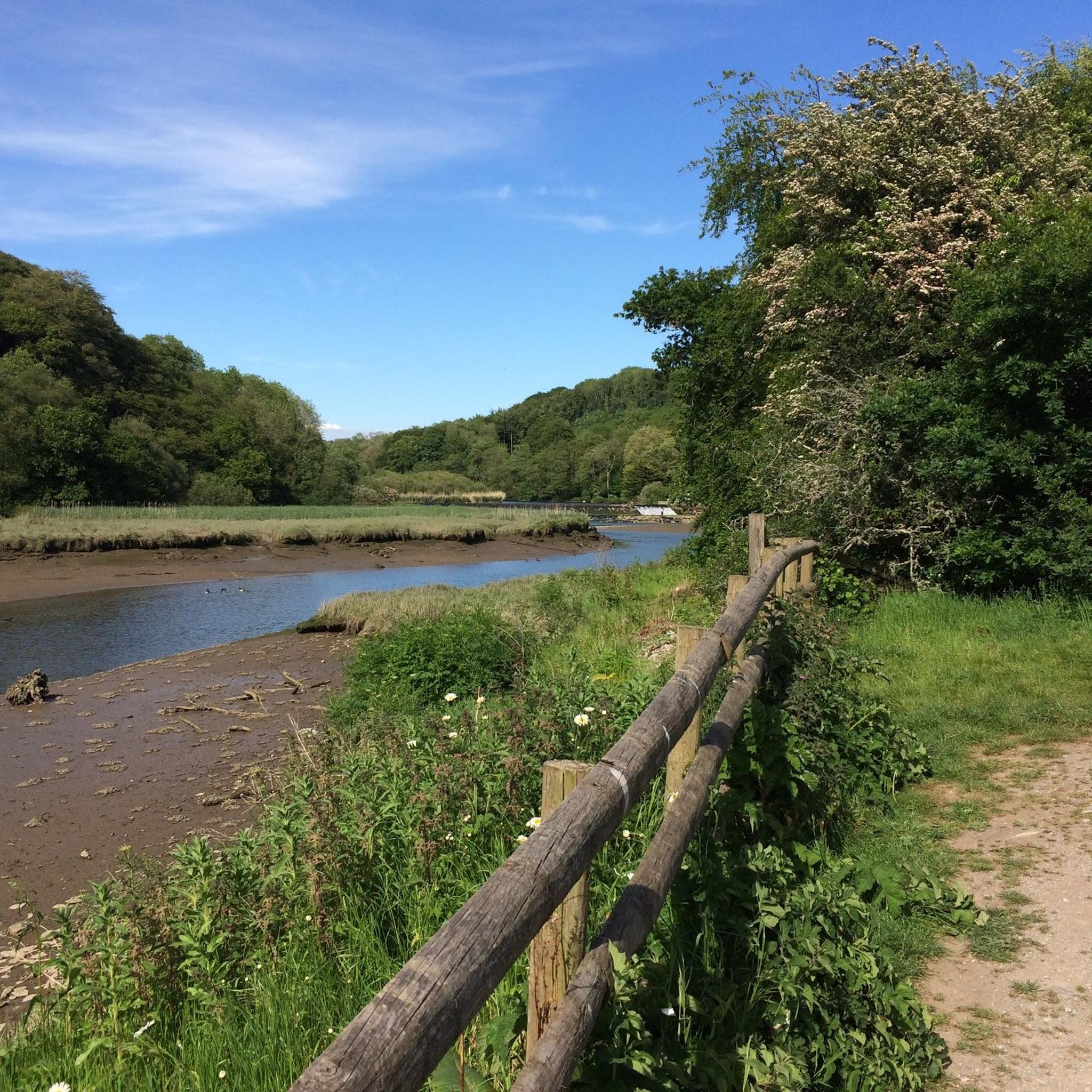
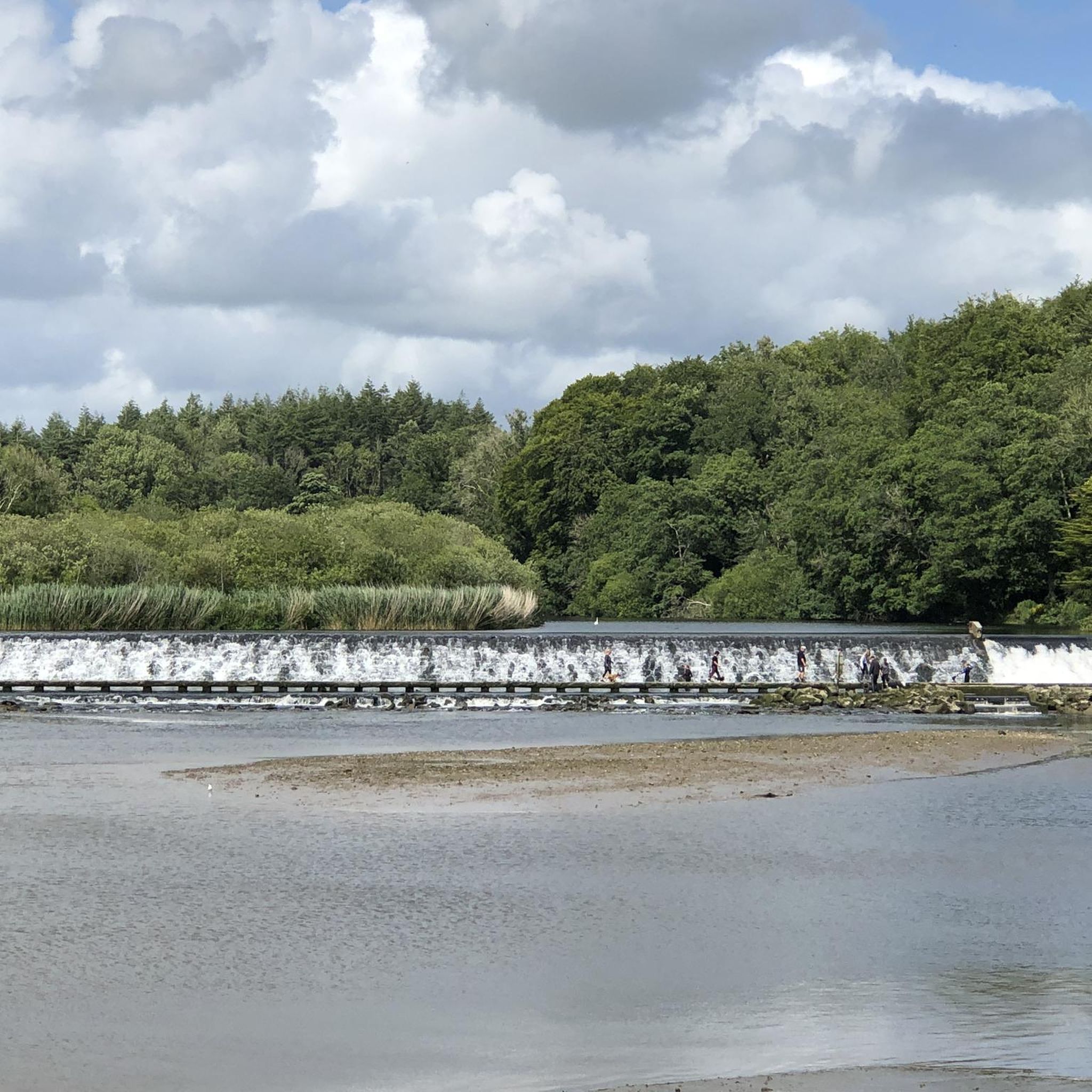
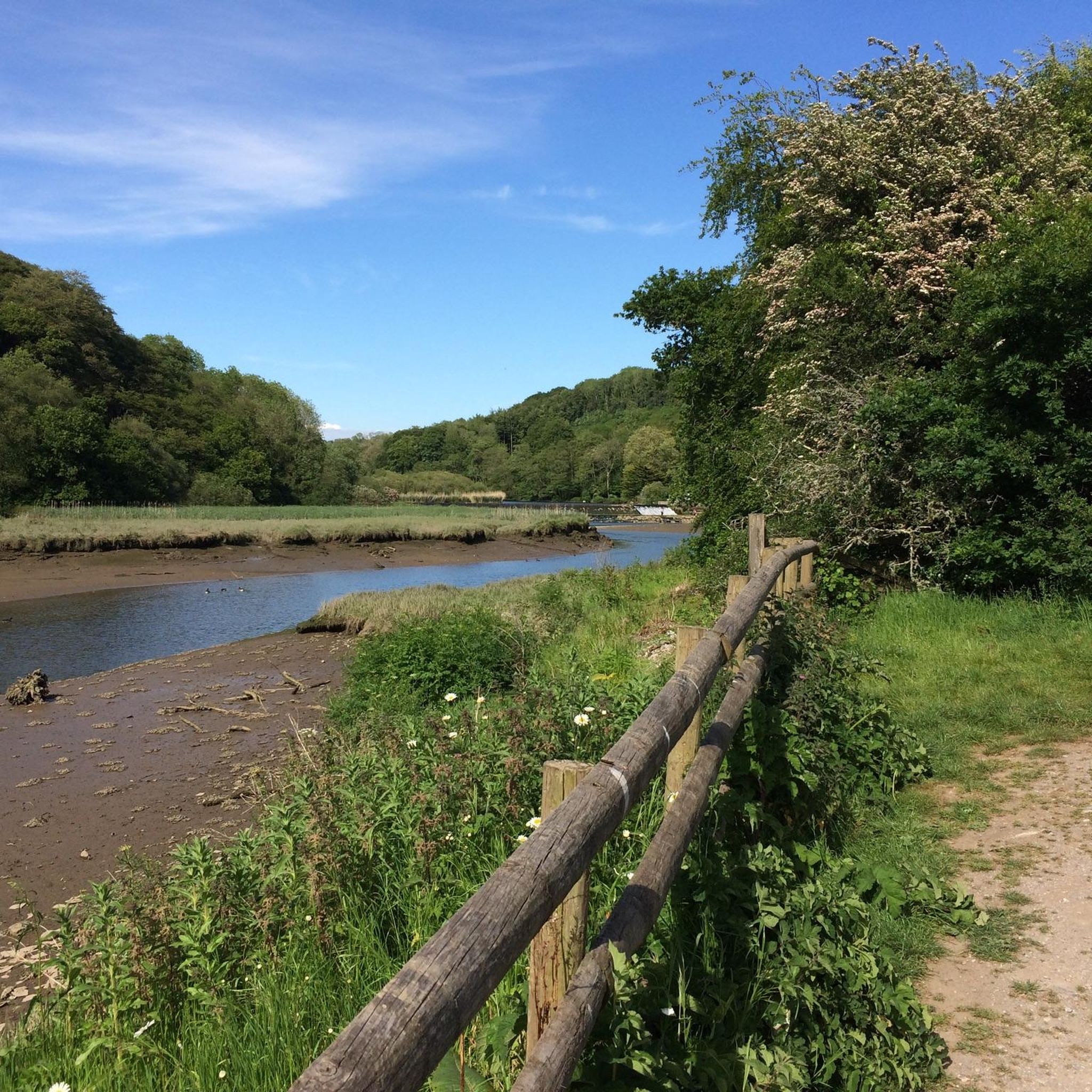
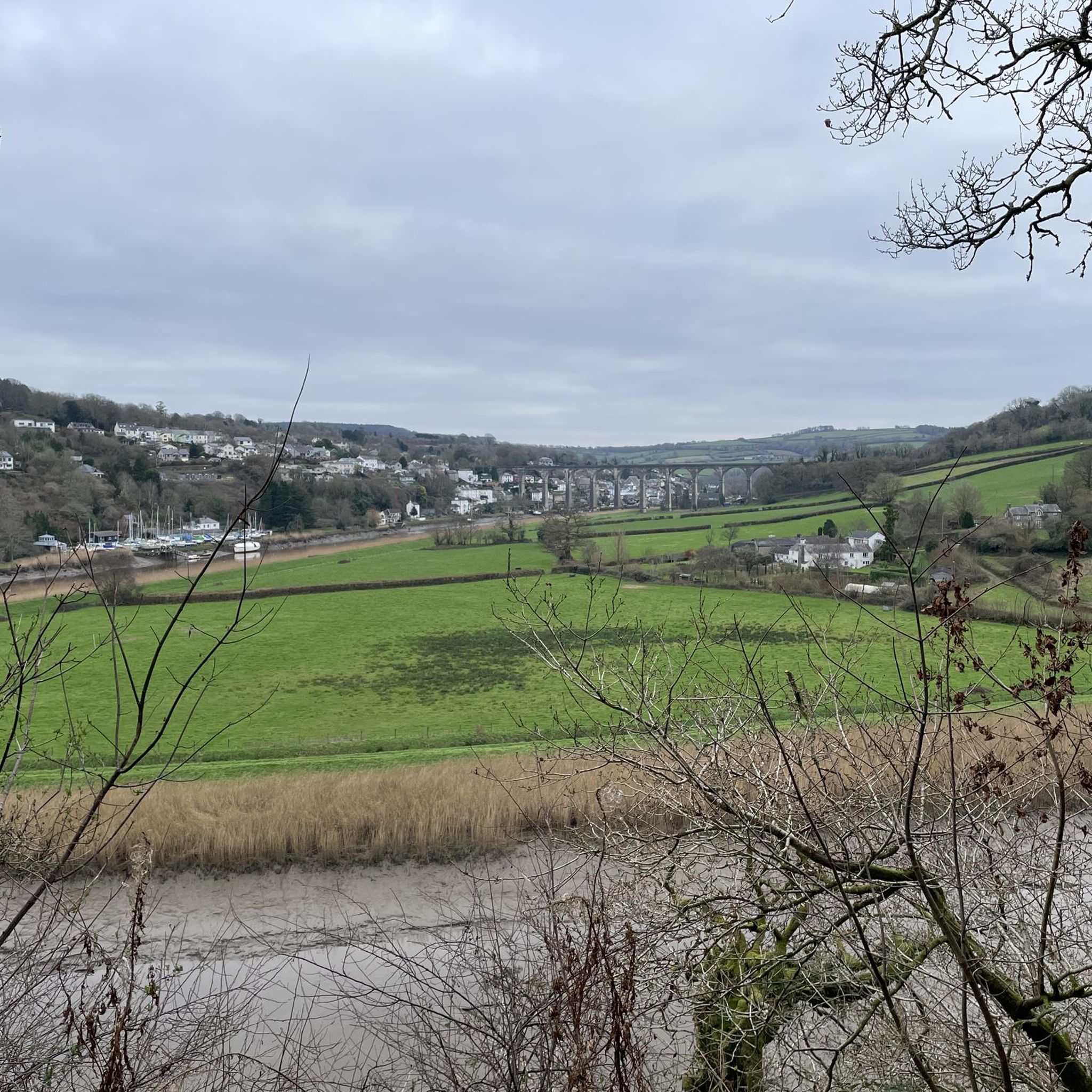
A National Trust estate. In it's prime, a busy working quay from which goods were moved via the River Tamar to and from Plymouth
0
0

Gem Bridge is closed for repairs until 4th June - no access for cyclists or pedestrians. There are small steps you can go down which locals said would allow you to cross but we're not from here so we weren't sure as there were no diversion signs at all. If cycling around the closure time ask locals about diversion before you get to the bridge just incase!
1
0
Frequently Asked Questions
What historical sites can I explore near St. Dominick?
The area around St. Dominick is rich in history. You can visit the ancient Church of St. Dominica, a Grade I listed building with origins from 1259. Other historic structures include the 17th-century Old Rectory and the 16th-century Manor House. Further afield, you'll find the charming Dupath Well from around 1500, the National Trust property Cotehele, and the dramatic 17th-century Royal Citadel in Plymouth. For a glimpse into the region's industrial past, explore the Wheal Anna Maria Calciner Complex, a former copper and arsenic mine.
Are there any natural beauty spots or scenic viewpoints in the area?
Yes, St. Dominick is surrounded by natural beauty. The village itself is nestled on the banks of the River Tiddy, and the wider parish is shaped by the River Tamar, offering picturesque settings. You can enjoy panoramic views from Kit Hill Trig Point, which overlooks the Tamar Valley. Cotehele Quay also provides beautiful vistas over the Tamar River. For impressive valley views, cycle or walk across Gem Bridge, towering over the River Walkham.
What outdoor activities, like hiking or cycling, are available around St. Dominick?
The picturesque countryside around St. Dominick is ideal for outdoor activities. You can enjoy walking and cycling on various trails. For cyclists and walkers, the Grenofen Tunnel and Gem Bridge are part of the popular Drake’s Trail and the Dartmoor Way. For more specific routes, komoot offers several guides, including Hiking around St. Dominick and MTB Trails around St. Dominick.
Are there family-friendly attractions or activities near St. Dominick?
Yes, several attractions cater to families. Cotehele Quay is a Discovery Centre with a working watermill and a tea room, offering an engaging experience. Cycling or walking across Gem Bridge and through the lit Grenofen Tunnel (part of the Drake's Trail) can be a fun adventure for all ages.
What prehistoric sites can be found in the wider St. Dominick area?
The region boasts significant prehistoric sites. Approximately 10 miles from St. Dominick Parish, you can visit Trethevy Quoit, a well-preserved Neolithic 'dolmen' burial chamber. Also nearby are the Hurlers Stone Circles, three late Neolithic or early Bronze Age stone circles. Further into Dartmoor, about 11 miles away, is the Merrivale Prehistoric Settlement, featuring Bronze Age settlement and ritual sites. Within the St. Dominick area itself, Viverdon Down has several Bronze-Age Bowl-Barrows.
What is the significance of Kit Hill?
Kit Hill is a prominent landmark high above the Tamar Valley, offering fantastic panoramic views. It holds a rich history, featuring 18 burial mounds, Neolithic and Bronze-Age barrows, and remnants of Cornwall's mining heritage. It's a popular spot for a windy stroll or a challenging climb for cyclists.
Can I find easy walking routes near St. Dominick?
Absolutely. Komoot offers a dedicated guide for Easy hikes around St. Dominick. Some popular easy routes include the 'Cotehele House loop — Tamar Valley' and various loops connecting Cotehele Quay and Calstock Viaduct, often starting from Calstock Roman fort.
What is Cotehele Quay and what does it offer visitors?
Cotehele Quay is a historic river area that provides beautiful views over the Tamar River. Once a bustling quay for transporting goods, it is now a Discovery Centre managed by the National Trust. Visitors can explore a working watermill and enjoy refreshments at the tea room. It's a great spot for families and those interested in local history and scenic river views.
What is the Grenofen Tunnel and Gem Bridge, and how can I experience them?
The Grenofen Tunnel and Gem Bridge are significant features of the Drake’s Trail and the Dartmoor Way. The Grenofen Tunnel, built by Brunel in the mid-1850s, is a 374-yard lit tunnel that was repurposed as a foot and cycle path. Gem Bridge is an impressive walkway towering 24 meters above the River Walkham, offering wonderful valley views. Both are excellent for cycling and walking, providing a unique experience, especially in autumn.
Are there any wheelchair-accessible attractions near St. Dominick?
Yes, Gem Bridge is noted as being wheelchair accessible. Its design allows for easy passage for cyclists and walkers, and observation points are available to admire the views. This makes it a great option for visitors with mobility considerations.
What do visitors enjoy most about the attractions around St. Dominick?
Visitors frequently praise the stunning views, especially from spots like Kit Hill Trig Point and Gem Bridge. The unique experience of cycling or walking through the lit Grenofen Tunnel is also a highlight. Many appreciate the historical context of sites like Wheal Anna Maria Calciner Complex and the family-friendly atmosphere at Cotehele Quay, particularly during autumn when the foliage is vibrant.
Most popular routes around St. Dominick

Get inspired with the komoot mobile app


Explore more
Still not found the Highlight you’re looking for? See guides of the top attractions in other regions:
